This Is Where Asiatic Garden Beetles Feed First In Michigan Flower Beds After Dark
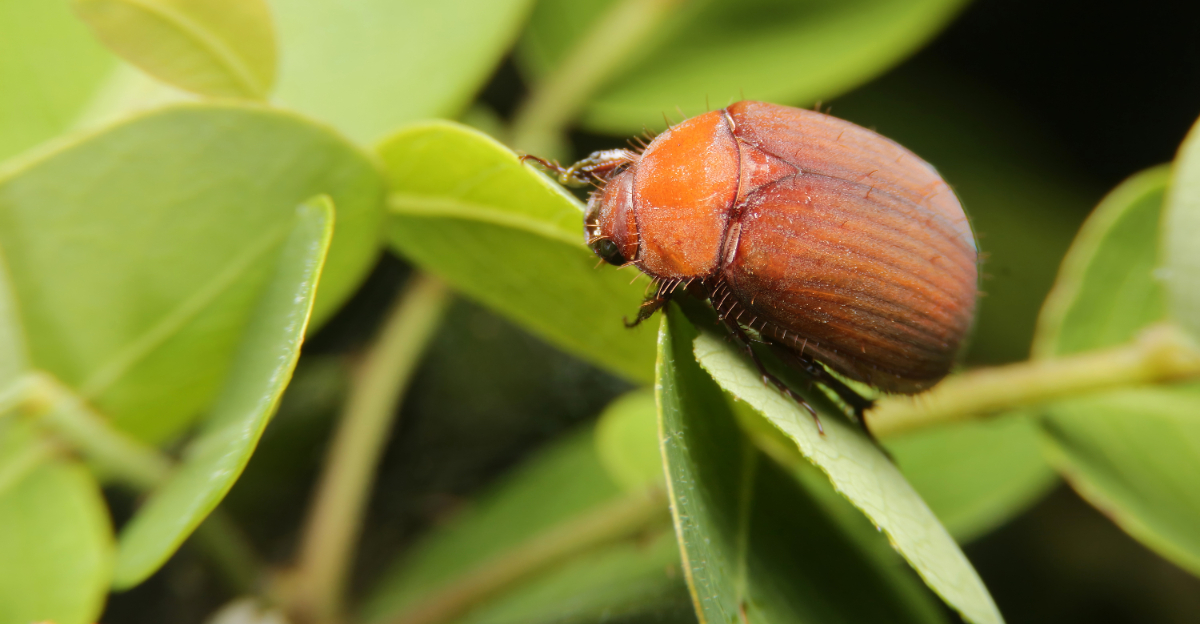
Asiatic garden beetles tend to target soft, tender foliage first, making newly planted flower beds especially vulnerable after dark in Michigan yards. These nocturnal pests hide in soil or mulch during the day, emerging at night to feed on leaves and flower petals.
Marigolds, asters, and other soft leaved annuals often show the earliest signs of damage from their feeding. Checking plants with a flashlight after sunset can reveal beetles actively feeding, since they’re rarely visible during daytime hours.
Damage typically appears as ragged holes or skeletonized leaves, worsening quickly if populations go unchecked. Removing beetles by hand at night, dropping them into soapy water, offers a simple and effective control method.
Reducing mulch thickness slightly can also limit the daytime hiding spots these pests rely on. Catching this activity early protects flower beds before damage becomes widespread across the yard.
1. Check The Outer Leaf Margins First
Overnight damage that was not there the evening before is one of the most telling signs something is feeding in your flower bed.
Asiatic garden beetles often target the outer edges of leaves first, leaving behind irregular notches, rough holes, and shredded sections that look almost like someone took small bites around the rim.
The damage pattern can appear on many different plant types, which makes identification a little tricky at first glance.
Because these beetles are active only after dark, you may never actually spot one during your morning garden walk.
What you will notice is the aftermath, and that is why comparing freshly damaged leaves to how the foliage looked the night before is such a useful habit.
Take a quick photo of your plants in the evening so you have a clear reference point when you check again the next morning.
Leaf margin damage alone does not confirm Asiatic garden beetles, since earwigs, caterpillars, and other beetles can leave similar marks. Scanning several nearby plants for the same jagged edge pattern helps build a stronger case.
If multiple plants in the same bed all show matching outer-edge damage that appeared overnight, that is a solid reason to investigate further with a flashlight after sunset.
Staying observant and consistent with your evening checks will make it much easier to catch these nighttime visitors before the feeding spreads across your entire flower bed.
2. Inspect Flowers On Dahlias And Other Favored Plants
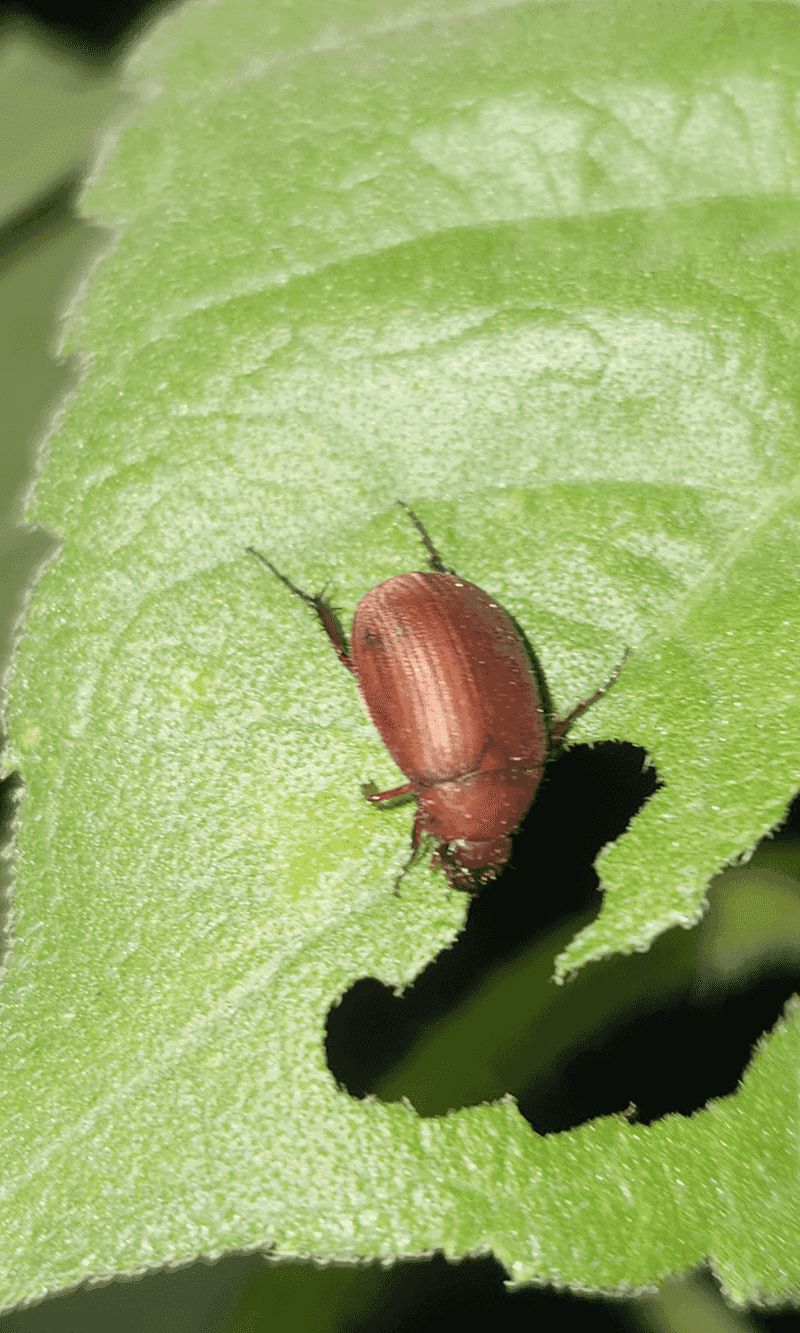
Dahlias are like a buffet sign for Asiatic garden beetles. These beetles have a remarkably wide appetite, and flower petals tend to be among the softest, most appealing targets in any Michigan garden bed.
After a warm night, you might find petals on your dahlias, asters, chrysanthemums, zinnias, cosmos, and roses looking ragged, with rough holes punched through them or edges that appear chewed and uneven.
Buds are especially vulnerable because the tissue inside is tender and easy to access. A beetle that finds a half-open bud on a petunia or delphinium may feed along the opening edges and move on to the next flower before sunrise.
The frustrating part is that the damage does not always look dramatic at first, so gardeners sometimes blame wilting or weather before realizing insects are involved.
Your Michigan Garden Changes Every Week. Your Plan Should Too.
Gardening in Michigan changes quickly throughout the season. Every Friday you’ll receive a simple weekly plan showing exactly what to plant, prune, fertilize, harvest, and protect so you never miss the right timing.
One important thing to keep in mind is that earwigs, slugs, caterpillars, and other beetle species can produce very similar petal damage. Confirming the actual visitor by checking the flowers after dark with a flashlight is the most reliable approach.
Asiatic garden beetles may be found sitting right on the damaged petals or hiding in the folds of a flower head.
Since the beetles move among several flowering plants in one bed during a single night, checking your most beloved ornamentals first gives you the best chance of catching them in the act and understanding the full scope of their activity across your garden.
3. Look At Lower Foliage Near The Soil
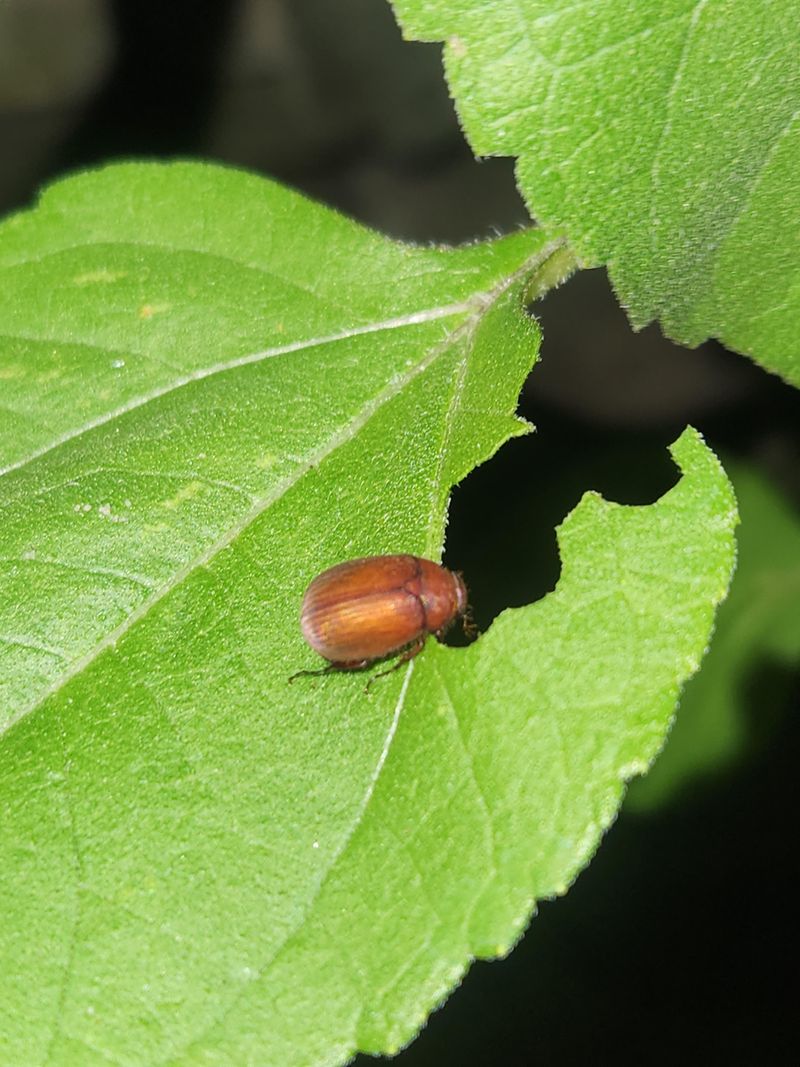
Right at ground level is often where the first clues show up. Asiatic garden beetles spend their days tucked into the soil, and when they emerge after dark, the closest available food source is usually the lowest foliage on nearby plants.
Leaves that touch or hang near the ground are easy to reach without much travel, making them a natural first stop for a hungry beetle climbing out of the soil after sunset.
Checking the lowest leaves, the plant crown, and the soil immediately surrounding any damaged plant is a smart starting point for your nighttime scouting routine.
A good flashlight aimed at the base of your flowers can reveal beetles in the act of feeding or resting on stems just inches above the soil.
Pay close attention to any foliage that sits directly on the mulch or bare ground, since that contact makes it even more accessible.
Worth noting, though, is that not every infestation begins at the bottom. Adult Asiatic garden beetles are capable fliers and can land anywhere in a flower bed, including on taller plants or blooms higher up the stem.
So while lower foliage is an excellent first place to check, do not stop there. Work your way up the plant systematically and scan adjacent plants too.
Building this habit of thorough, ground-up inspection on warm Michigan summer nights will help you spot activity early and respond before the feeding becomes widespread across your garden beds.
4. Examine Plants Beside Porch And Landscape Lights
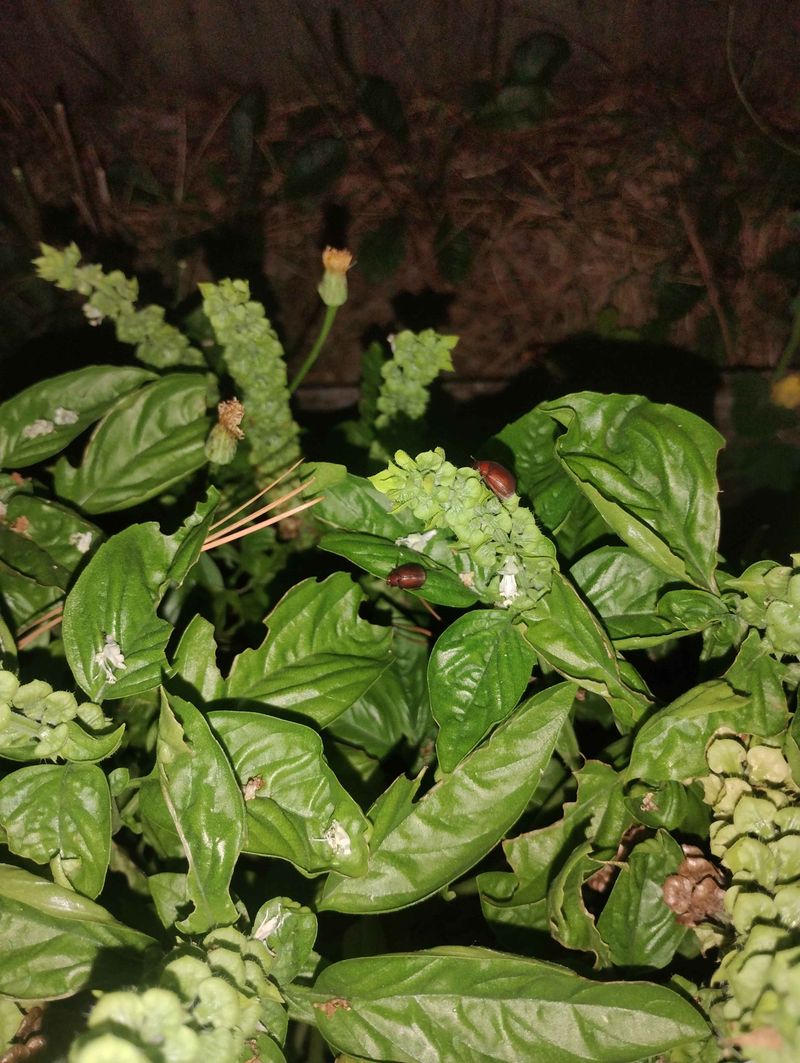
Outdoor lights and flower beds are a combination that Asiatic garden beetles seem to appreciate quite a bit. Adult beetles are active nighttime fliers, and like many insects, they are drawn toward light sources during warm summer evenings.
Flower beds positioned near porch lights, garage fixtures, pathway lanterns, or illuminated windows often see more concentrated beetle activity simply because the light pulls them in from a wider area.
Once a beetle lands near a light, it does not take long for it to notice the nearby flowers and foliage.
Plant preference still plays a role, meaning the beetles will gravitate toward their favored species even within a lit area, but the initial attraction brings them close enough to start feeding.
Gardeners who notice that one section of their flower bed consistently shows more damage than another should consider whether a nearby light source might be a contributing factor.
Reducing unnecessary overnight lighting is a practical step that can make a noticeable difference.
Warm amber LED bulbs and downward-facing fixtures that direct light toward the ground rather than broadcasting it outward tend to attract fewer insects overall compared with bright, uncovered white lights.
Checking your illuminated beds shortly after sunset on warm nights is one of the most productive scouting strategies available.
You are likely to find more beetles actively feeding in those spots than anywhere else in the yard, which gives you both confirmation and an opportunity to act before they scatter deeper into the garden.
5. Search Beneath Dense Plants During The Day
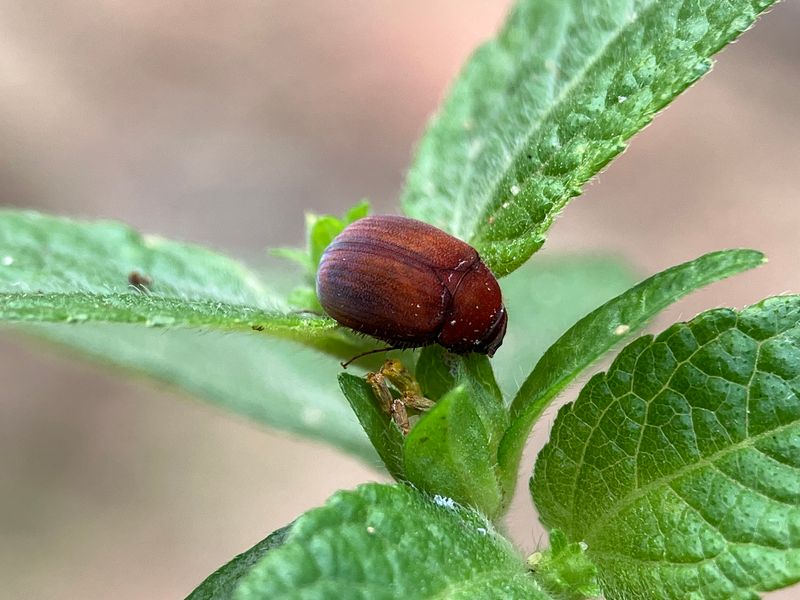
Daytime is actually a great opportunity to follow up on what happened the night before. Asiatic garden beetles are not wandering around in the open when the sun is out.
They burrow into loose soil, mulch, or plant debris and stay hidden close to the plants they were feeding on the previous night. That hiding behavior makes the area around damaged flowers a productive place to search during daylight hours.
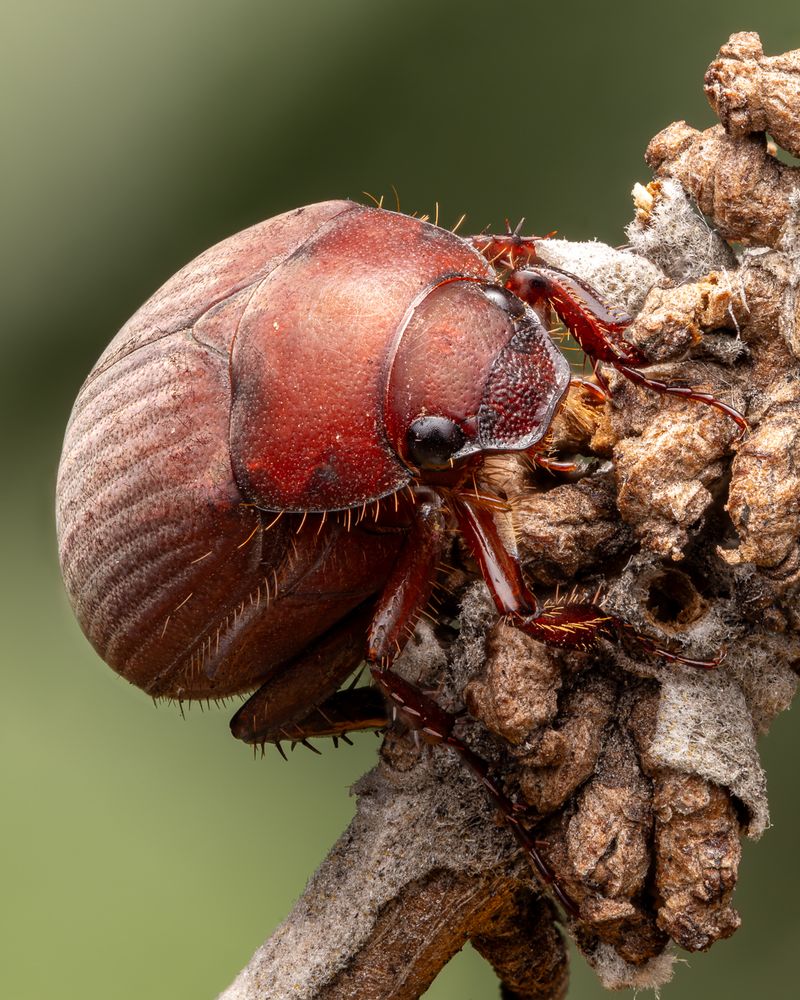
The adult beetle is small, roughly a third of an inch long, and has a rounded, cinnamon-brown body with a slightly velvety texture.
Gently disturbing the top layer of soil or mulch near the base of a plant that showed overnight damage can sometimes reveal one tucked just below the surface.
Dense foliage that shades the ground creates the kind of cool, protected environment these beetles prefer for resting between feeding sessions.
When searching, try to disturb the soil as lightly as possible to avoid harming shallow perennial roots or disrupting beneficial soil organisms. A small hand trowel or even a gloved finger is usually enough to check the top inch or two.
One thing to keep in mind is that if you do find white grubs in the soil, those require separate identification.
Several different beetle species produce similar-looking larvae, so a white grub near your flowers is not automatically an Asiatic garden beetle grub.
Confirming the adult form is the most straightforward way to identify what you are dealing with in your Michigan garden.
6. Watch Weedy Edges Beside The Flower Bed
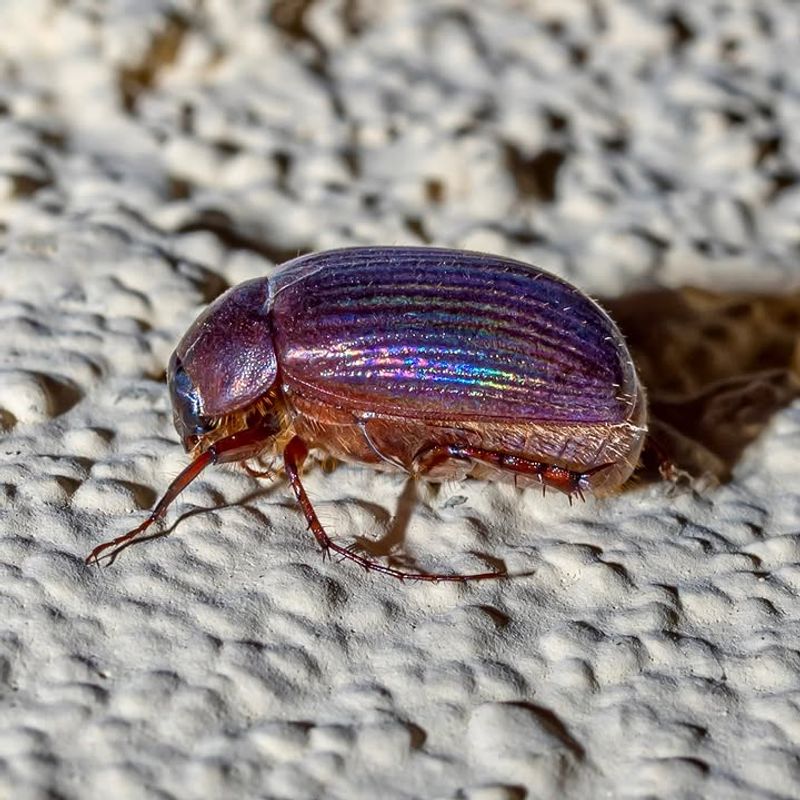
That strip of weeds growing along the edge of your flower bed might look harmless, but it can actually work against you when Asiatic garden beetles are around.
Weedy vegetation provides both a food source and daytime shelter, giving beetles a convenient base of operations right beside your most valued ornamentals.
After feeding on weeds during the evening, adults may simply move a few feet over to sample the flowers in your cultivated bed before burying themselves near the plant bases at dawn.
The pattern of damage can be confusing when this happens because it may appear on plants closest to the weedy edge first.
Gardeners sometimes assume the problem is isolated to one corner of the bed without realizing that the real activity hub is the unmanaged vegetation right next door.
Removing weeds before they grow into a dense, sheltered border disrupts that cycle and reduces the appeal of the area as a whole.
When clearing weedy edges, avoid piling the uprooted material right beside your flower bed. A heap of fresh plant debris sitting next to your dahlias or roses just creates another sheltered spot that beetles and other insects can take advantage of.
Haul the pulled weeds away from the garden area entirely. At the same time, be thoughtful about removing native groundcovers that support beneficial insects, since not every low-growing plant near your bed is working against you.
The goal is eliminating dense, unmanaged growth that creates a protected corridor leading straight into your flower garden.
7. Check Lush Watered Plants During Dry Weather

A dry Michigan summer creates an interesting situation in garden beds that get regular watering.
While surrounding vegetation dries out and becomes tougher or less appealing, irrigated flower beds stay lush, producing soft new leaves, fresh buds, and tender petals that remain attractive to feeding insects.
Asiatic garden beetles are opportunistic feeders, and that contrast between your maintained bed and the drier landscape around it can concentrate visible feeding activity in one spot.
This does not mean that watering your flowers caused the problem. The beetles were already in the area, likely as grubs in the soil before the dry spell began.
What irrigation does is keep your plants producing the kind of fresh, tender growth that makes them stand out as a food source compared with stressed or hardened vegetation elsewhere in the yard.
Checking new growth and freshly opened buds regularly during dry stretches is especially worthwhile.
Avoiding excessive fertilizer during the growing season is a helpful supporting habit. High-nitrogen fertilizers push plants to produce an abundance of soft, leafy growth quickly, and that kind of lush growth can be even more appealing to feeding insects.
Keeping your flower bed healthy and well-balanced, rather than pushing it to grow as fast as possible, gives your plants enough strength to handle some feeding pressure without looking ragged.
Watering according to each plant’s actual needs, rather than soaking everything on a rigid schedule, also helps you maintain that balance throughout the warm months in Michigan.
8. Scout After Dark Before Choosing A Response
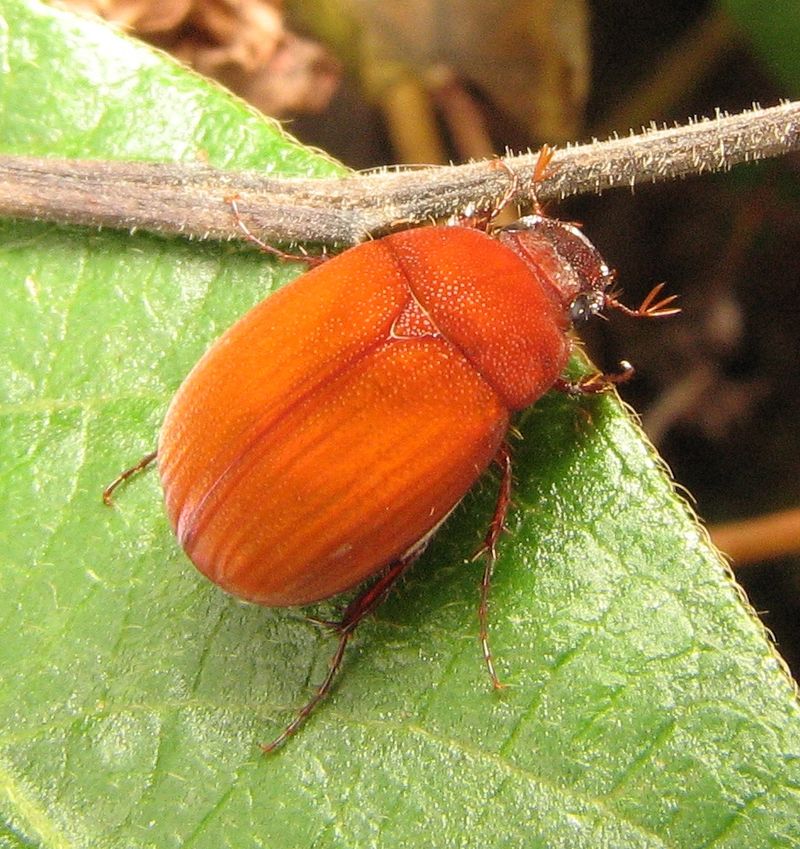
Before doing anything else to address beetle damage in your flower bed, go out and actually confirm what you are dealing with.
Visiting your garden after sunset on a warm Michigan evening, flashlight in hand, is the single most reliable way to verify that Asiatic garden beetles are responsible for the damage you have been finding.
Check the damaged leaves, open flowers, stems, and the surface of the soil around affected plants.
The beetles are most active between dusk and a few hours after dark, so that window is your best opportunity to spot them directly. For smaller flower beds, hand removal is a practical and effective approach.
Holding a container of soapy water beneath a plant and gently nudging beetles off the foliage into the water is a low-effort method that requires no products and poses no risk to pollinators or other beneficial insects.
Removing unnecessary debris, weeds, and thick mulch near affected plants also reduces the shelter available to beetles resting during the day.
If you are considering an insect control product, always read the label carefully before purchasing or applying anything. The label must list both the specific plant you are treating and the target pest.
Never spray open flowers when bees and other pollinators are active, since those beneficial visitors are most vulnerable during bloom.
Confirming the beetle identity before treating the entire bed saves you time, money, and unnecessary disruption to the garden ecosystem you have worked hard to build throughout the Michigan growing season.