9 Native North Carolina Plants That Support Fireflies In Your Yard
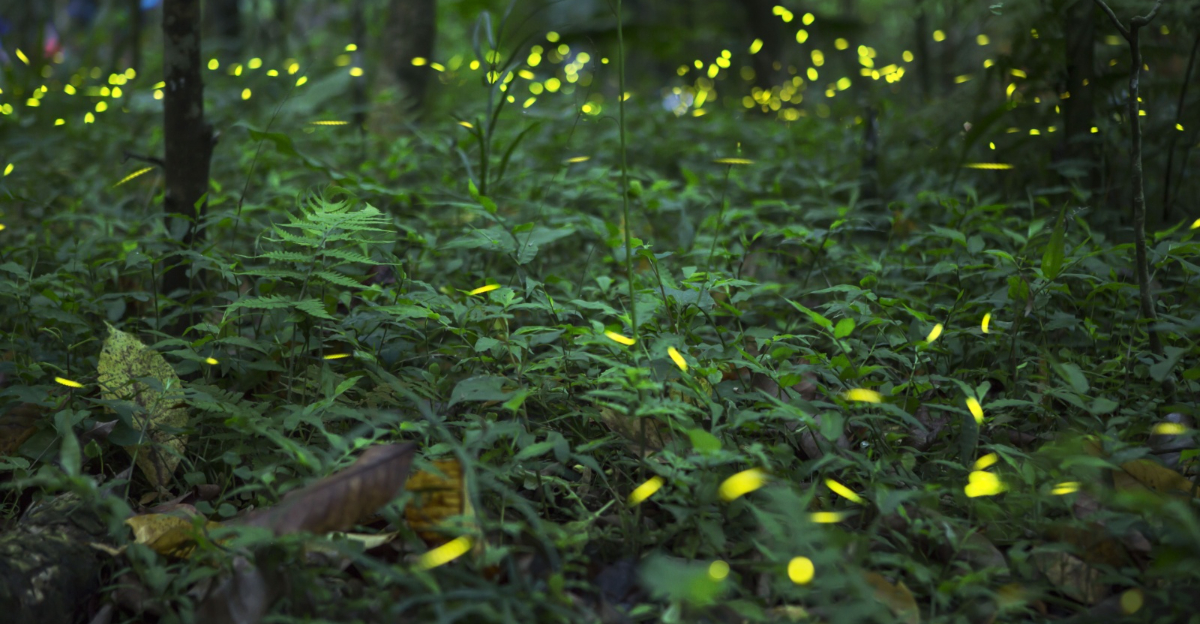
There is something genuinely wonderful about stepping outside on a warm North Carolina summer evening and watching fireflies blink across the yard. It feels a little like the garden is putting on its own light show, completely free of charge.
And here is something a lot of homeowners do not realize: your plant choices actually have a lot to do with how many fireflies show up. These little glowing insects are not random visitors.
They need layered cover, moist ground, leaf litter, and natural shelter to really settle in and thrive. One single special plant is not going to cut it, but building the right kind of habitat absolutely can.
The great news is that North Carolina native plants are some of the best tools available for creating a yard that fireflies genuinely want to call home.
1. Switchgrass Helps Fireflies Feel More At Home
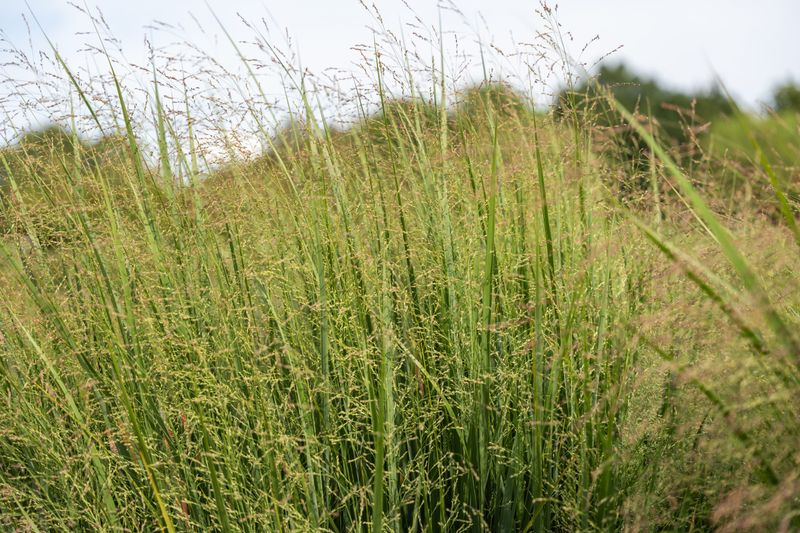
On a warm North Carolina evening, a stand of switchgrass swaying gently at the edge of a lawn can feel almost alive.
This native grass brings a soft, layered texture to the landscape that fireflies seem to appreciate, especially when the surrounding area is kept a little less manicured and a little more natural.
Switchgrass, known botanically as Panicum virgatum, is native to North Carolina and grows well across a wide range of soil types. It can handle both moist and moderately dry conditions, which makes it a flexible choice for many backyard settings.
When planted in drifts or mixed borders, it creates the kind of low, sheltered cover that firefly larvae use as they move through the soil and leaf litter below.
Firefly larvae are ground-dwellers, and they do well in areas where the soil stays slightly moist and undisturbed.
Switchgrass helps by shading the ground beneath it, slowing moisture loss, and reducing the kind of foot traffic or mowing pressure that can disturb that habitat.
It also adds vertical interest and seasonal movement to the garden without requiring much maintenance.
For North Carolina gardeners, switchgrass works well along fence lines, at the back of native plant borders, or near the edge of a woodland margin. Leaving the stems standing through winter adds structure and provides additional shelter.
It is a simple, reliable plant that helps build the layered native landscape fireflies are drawn to.
2. River Oats Brings Cover To The Lower Layers
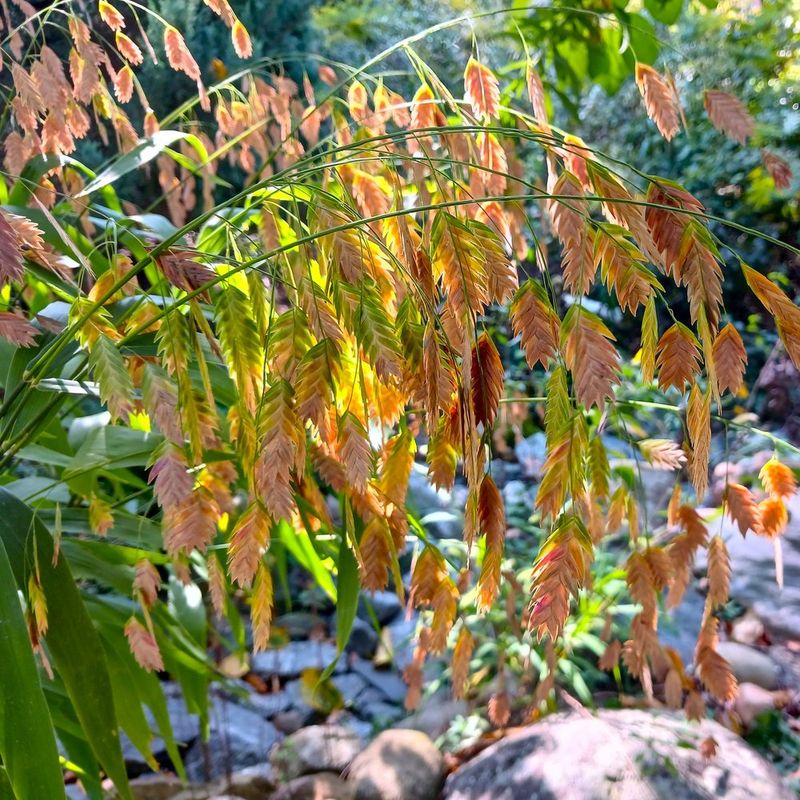
Shade-tolerant and graceful, river oats is one of those native North Carolina plants that quietly does a lot of work in the garden.
Its broad, arching leaves and distinctive flat seed heads give it a look that stands out among other grasses, and its ability to grow in low-light conditions makes it especially useful in spots where other plants struggle.
Chasmanthium latifolium is native to North Carolina and thrives in moist, shaded areas, including woodland edges, stream banks, and the shadier corners of a home landscape. These are exactly the kinds of spots where fireflies tend to gather.
The combination of shade, moisture, and undisturbed ground beneath river oats creates conditions that support the entire firefly life cycle, not just the adults you see flashing at dusk.
Your North Carolina Garden Changes Every Week. Your Plan Should Too.
Gardening in North Carolina changes quickly throughout the season. Every Friday you’ll receive a simple weekly plan showing exactly what to plant, prune, fertilize, harvest, and protect so you never miss the right timing.
One thing gardeners in North Carolina appreciate about river oats is how well it naturalizes.
It spreads gradually by seed, filling in gaps along a shaded border and creating a soft, layered ground cover that stays relatively low-maintenance once established.
Leaving fallen leaves and natural debris around the base adds even more habitat value.
River oats works especially well planted near rain gardens, damp low spots, or the shadier side of a native shrub border. It pairs nicely with ferns, native wildflowers, and larger shrubs that also support moist-ground habitat.
For anyone building a firefly-friendly yard in North Carolina, this grass is a solid and dependable choice.
3. Virginia Wildrye Supports A Softer Wilder Edge
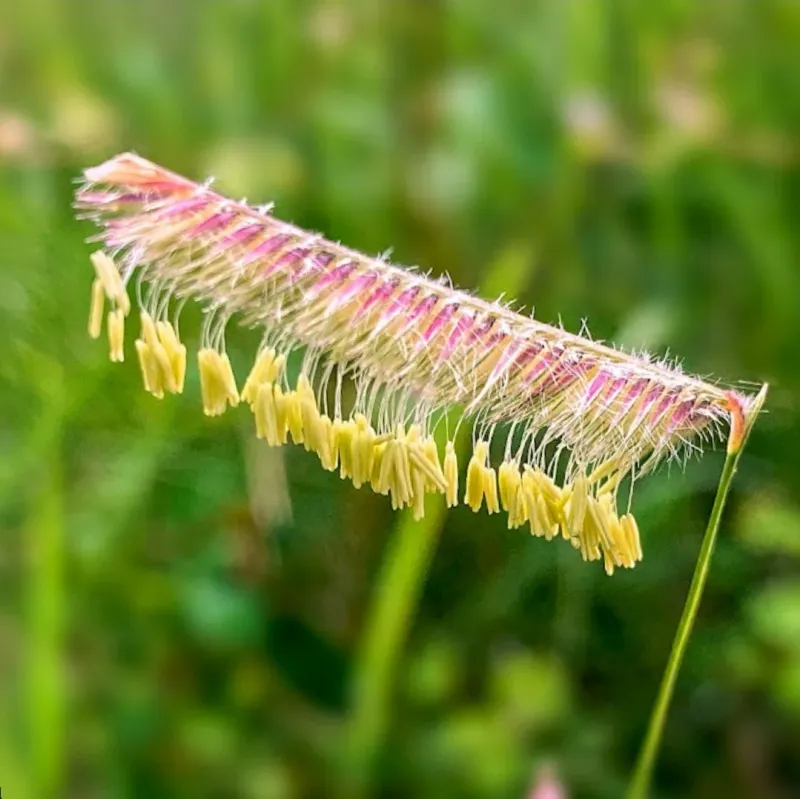
Some of the best firefly habitat in North Carolina is not deep in the woods but right at the edge, where the lawn meets a shrubby border or a fence line softens into something a little wilder.
Virginia wildrye fits that kind of transitional space beautifully, and it brings real habitat value to spots that might otherwise just be mowed grass.
Elymus virginicus is a cool-season native grass that grows well in partial shade and moist to moderately moist soils. It is found naturally along stream banks, woodland margins, and disturbed open areas across much of North Carolina.
In a garden setting, it creates a loose, airy texture that adds movement and softness to the edge of a planting bed without looking overgrown or unkempt.
For fireflies, the value of Virginia wildrye comes from what it does at ground level. The clumping growth habit shades the soil beneath it, helping retain the moisture that firefly larvae need as they develop.
When grown alongside other native plants in a layered border, it contributes to the kind of undisturbed, sheltered ground cover that makes a yard feel genuinely hospitable to fireflies.
North Carolina gardeners can use Virginia wildrye along the shaded edges of beds, near water features, or as part of a rain garden planting. It tends to go dormant in summer heat, so pairing it with warm-season plants helps keep the border looking full.
It is a subtle but meaningful addition to a firefly-friendly landscape.
4. Buttonbush Works Well Near Moist Ground
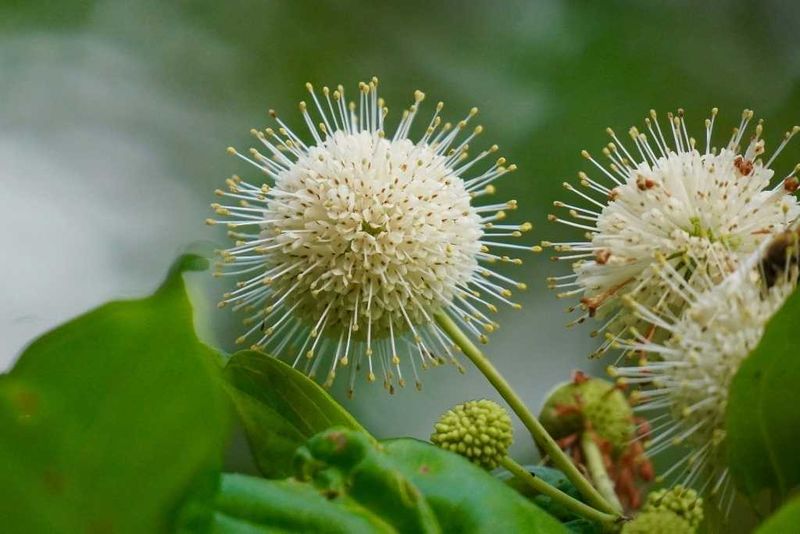
Few native shrubs in North Carolina are as well-suited to damp, low-lying spots as buttonbush.
It thrives in conditions that many other plants find challenging, and in doing so, it helps create exactly the kind of moist, sheltered habitat that fireflies are drawn to during the warmer months.
Cephalanthus occidentalis is a native North Carolina shrub that grows naturally along stream banks, pond edges, and wetland margins. I
n a home landscape, it works well near rain gardens, drainage swales, or any low area that tends to hold moisture after rain.
Its rounded, fragrant white flowers bloom in midsummer and attract a wide range of insects, adding to the overall biodiversity of the garden.
The connection to fireflies is largely about habitat conditions rather than a direct relationship. Buttonbush creates dense, layered cover close to moist ground, and firefly larvae are known to be more active in areas where soil moisture is consistently available.
By anchoring a wet or damp garden edge, buttonbush helps maintain those conditions while also providing shelter above ground for adult fireflies resting during the day.
In North Carolina landscapes, buttonbush can grow quite large, sometimes reaching ten feet or more in height and spread. Giving it enough room to develop naturally tends to produce the best results.
It is a strong, reliable native shrub for anyone looking to build a more firefly-friendly yard, especially in areas where standing water or consistent soil moisture is already present.
5. American Elderberry Adds Useful Native Structure
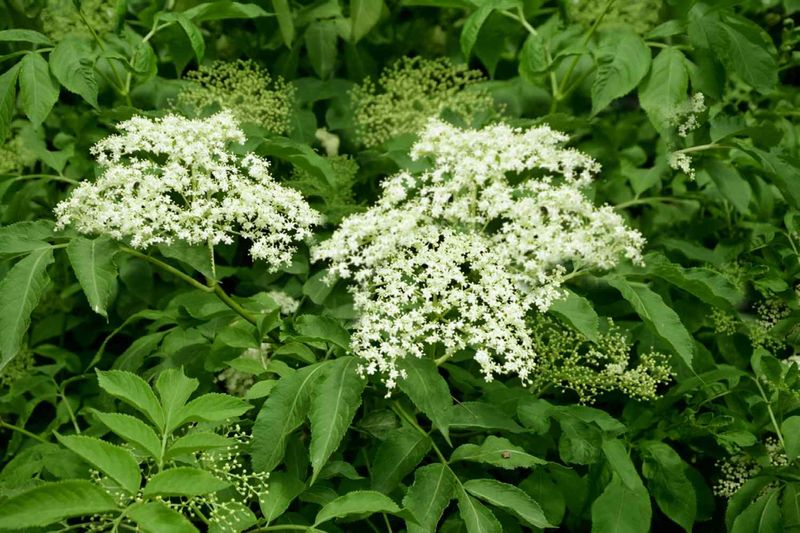
Bold, fast-growing, and deeply rooted in the native landscape of North Carolina, American elderberry brings a kind of energetic presence to the garden that few other shrubs can match.
It fills space quickly, provides multi-season interest, and creates the kind of layered, bushy structure that makes a yard feel more like a functioning habitat.
Sambucus canadensis grows naturally across much of North Carolina in moist, partially shaded areas along roadsides, stream banks, and woodland edges.
In a home landscape, it adapts well to a variety of conditions but tends to perform best in spots with consistent moisture and some protection from harsh afternoon sun.
It can grow quite large, so giving it space at the back of a border or along a fence line usually works well.
For firefly habitat, elderberry contributes by creating dense overhead cover and a sheltered understory beneath its wide-spreading branches.
Adult fireflies often rest in shrubby vegetation during the day, and the layered canopy of an elderberry planting can provide that kind of refuge.
When elderberry is planted near moist soil and allowed to grow with minimal disturbance, it becomes part of a habitat mosaic that supports fireflies across multiple life stages.
North Carolina gardeners should be aware that elderberry can spread by root sprouts, so it may need occasional management to keep it in bounds.
That said, allowing a small colony to develop in a wilder corner of the yard can be one of the most rewarding things you do for local firefly habitat.
The flat-topped white flower clusters in early summer are also genuinely beautiful.
6. Coralberry Builds Thick Firefly-Friendly Cover
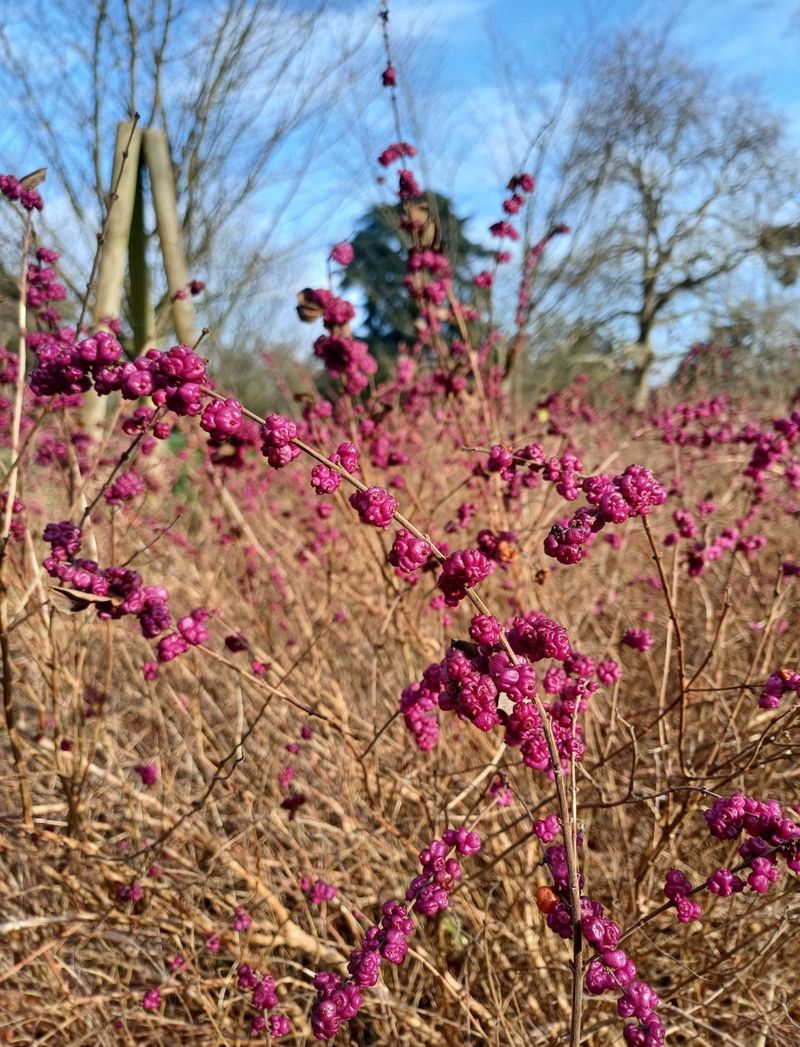
Low, arching, and wonderfully dense, coralberry is the kind of native shrub that earns its place in a North Carolina yard by doing exactly what firefly-friendly gardening calls for: building thick, undisturbed cover close to the ground.
It is not showy in a traditional sense, but what it lacks in flashiness it more than makes up for in habitat value.
Symphoricarpos orbiculatus is a native North Carolina shrub that grows naturally in woodland edges, rocky slopes, and open forests across the state.
In a home landscape, it works well as a ground-level filler along shaded borders, beneath larger native shrubs, or at the edge of a woodland garden.
Its small pink flowers appear in summer, followed by clusters of coral-pink berries that persist well into fall and winter.
The dense, low branching habit of coralberry is what makes it particularly useful for firefly habitat. Firefly larvae spend much of their early life in moist soil and leaf litter, and a dense planting of coralberry helps keep that ground layer sheltered, moist, and undisturbed.
The shrub also spreads gradually by suckers, forming thickets that add even more cover over time.
In North Carolina gardens, coralberry tends to be quite adaptable and low-maintenance once established. It tolerates dry shade, which makes it a practical option for spots beneath large trees where moisture can be limited.
Pairing it with taller native shrubs and grasses helps build the layered structure that fireflies benefit from most. It is a small shrub with a quietly significant role in a native habitat garden.
7. Cardinal Flower Brightens Damp Habitat Gently
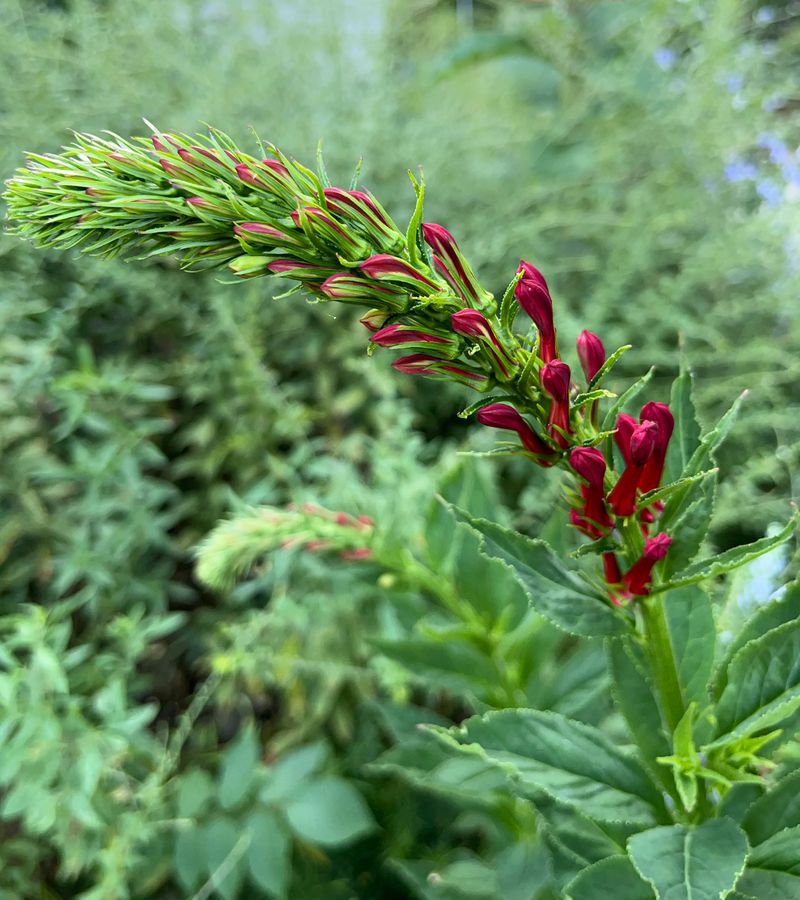
Bright red and unmistakably bold, cardinal flower is one of the most striking native wildflowers you can grow in a North Carolina garden.
It lights up damp, shaded spots with a color that feels almost tropical, and it does so while contributing meaningfully to the kind of moist, layered habitat that fireflies are drawn to during the summer months.
Lobelia cardinalis grows naturally along stream banks, wet meadows, and shaded moist areas throughout North Carolina.
In a home garden, it thrives in consistently moist soil with partial shade, making it a natural fit for rain gardens, pond edges, low borders, or any spot that stays reliably damp.
It typically blooms from late summer into fall, adding late-season color when many other plants are winding down.
The firefly connection with cardinal flower is about the habitat it helps anchor rather than any direct interaction.
By marking and maintaining a moist, shaded garden zone, cardinal flower signals to gardeners where conditions are right for broader firefly-friendly planting.
When grown alongside grasses, shrubs, and other moisture-loving natives, it becomes part of a damp, layered edge that supports the kind of undisturbed ground cover firefly larvae rely on.
North Carolina gardeners should note that cardinal flower tends to be short-lived but self-seeds reliably in the right conditions. Letting a few seedlings develop naturally each year keeps the planting going without much effort.
It works beautifully as part of a damp native border and adds a warmth to the garden that feels genuinely alive on a summer evening.
8. Swamp Rose Mallow Fills Wet Edges With Native Presence
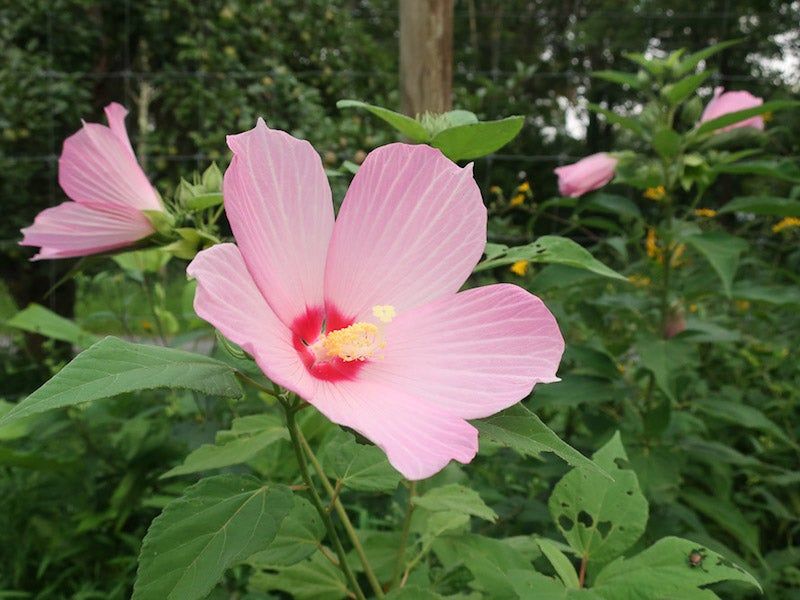
Standing tall along the edge of a rain garden or low, wet border, swamp rose mallow makes an impression that is hard to forget.
Its dinner-plate-sized flowers, which can range from white to deep pink, bloom in midsummer and give a North Carolina garden a lush, almost tropical energy that feels right at home in the state’s warm, humid summers.
Hibiscus moscheutos is native to wetland edges, tidal marshes, and moist open areas across much of the eastern United States, including North Carolina. In a home landscape, it performs well in consistently moist to wet soil in full sun to partial shade.
It goes dormant to the ground each winter and re-emerges in late spring, which means leaving some of the old stems standing can provide modest winter structure and additional shelter for insects at the base.
For firefly-friendly gardening, swamp rose mallow helps by anchoring the wet or moist edges of a planting that other native grasses, shrubs, and wildflowers can build around.
Fireflies tend to be more active in areas with consistent soil moisture, and a planting zone anchored by large moisture-loving natives like this one helps maintain those conditions across a broader section of the garden.
North Carolina gardeners with a low spot, a rain garden, or a consistently damp corner of the yard will find swamp rose mallow both beautiful and practical.
It pairs well with buttonbush, cardinal flower, and river oats to create a cohesive wet-edge planting that supports layered, firefly-welcoming habitat from the ground up.
9. Wild Ginger Quietly Supports The Ground Layer
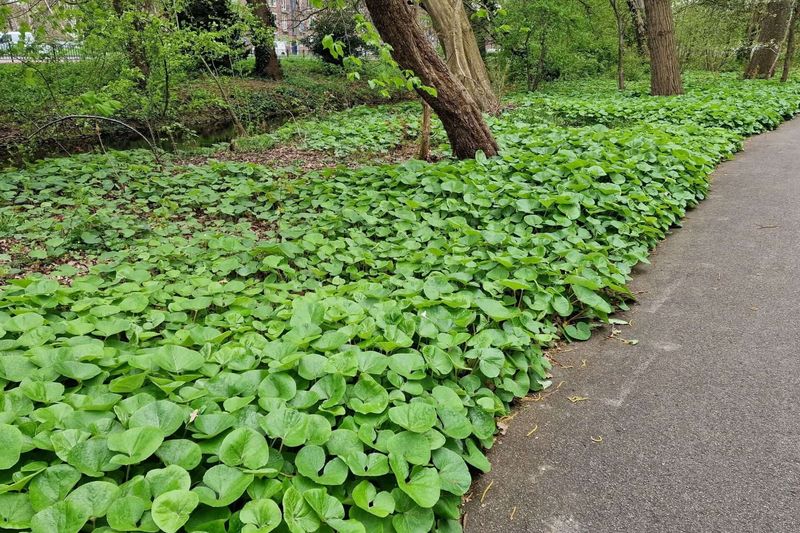
Not every plant in a firefly-friendly garden needs to be tall or showy. Wild ginger works close to the ground, spreading slowly to form a dense, low carpet of heart-shaped leaves that keeps the soil beneath it cool, moist, and sheltered.
In a North Carolina woodland garden, it is one of the most quietly useful native plants you can grow.
Asarum canadense is a native ground cover found naturally on the shaded floors of moist deciduous forests across much of North Carolina. It grows best in deep to partial shade with rich, consistently moist soil.
In a home landscape, it works well beneath large shade trees, along shaded borders, or as an understory layer beneath native shrubs where lawn grass simply will not grow.
The habitat value of wild ginger for fireflies comes almost entirely from what it does at ground level. Firefly larvae are soil-dwellers that need moist, undisturbed ground with plenty of organic matter and natural debris.
Wild ginger helps create exactly that kind of microhabitat by shading the soil, reducing moisture evaporation, and building a soft, sheltered layer that stays relatively undisturbed throughout the growing season.
One thing worth knowing is that wild ginger spreads slowly and works best when left undisturbed over several years.
It is not a quick fix, but as part of a layered native planting that includes shrubs, grasses, and taller wildflowers, it helps complete the ground layer in a way that genuinely supports firefly habitat.
For North Carolina gardens with shaded, moist corners, it is a low-effort, high-value addition.