What To Do With Your Pennsylvania Plumeria In June Before The Heat Peaks
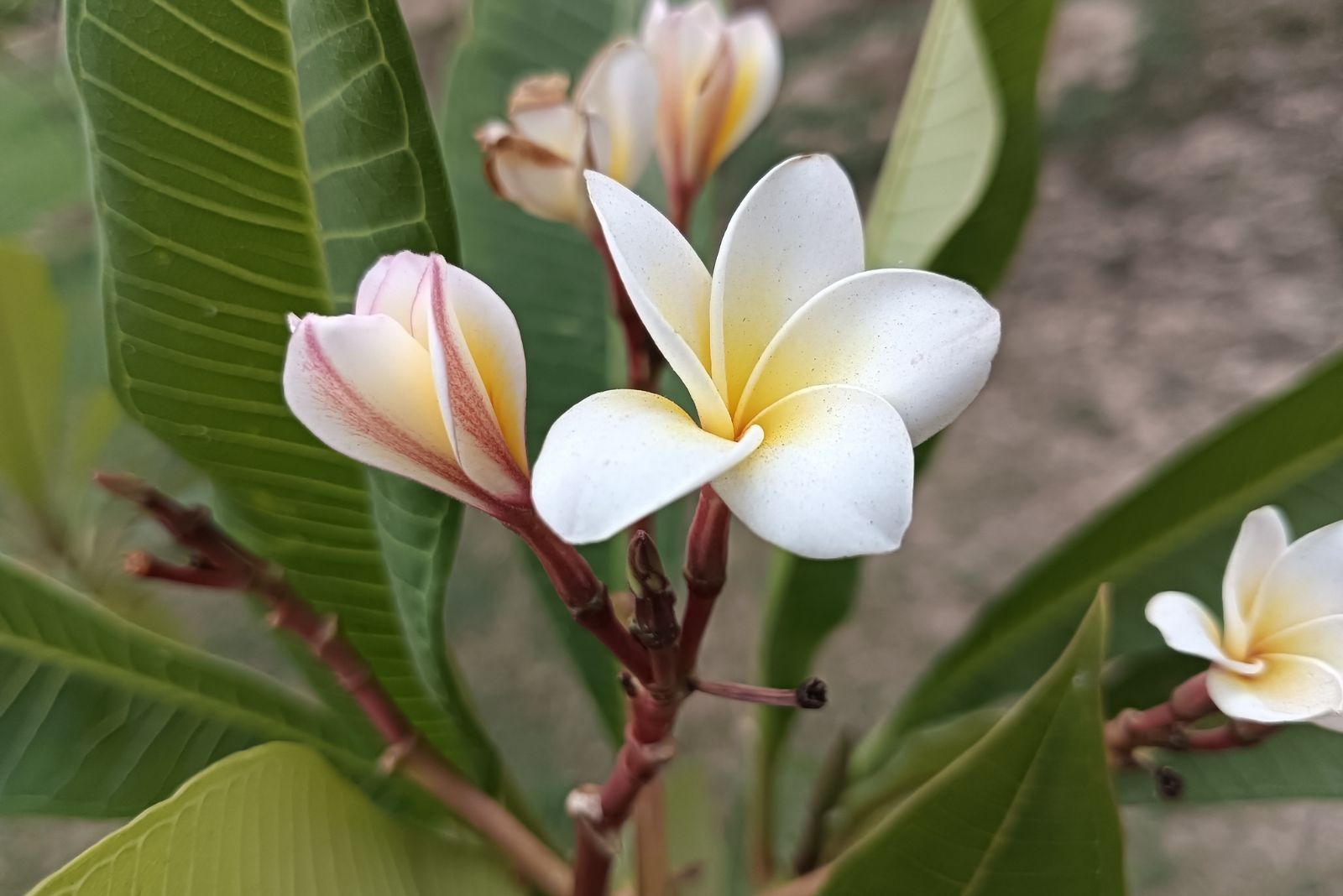
Plumeria in Pennsylvania is a bit of a commitment, a tropical plant that needs to be managed carefully through a climate it was never designed for.
June is actually one of the most important months in the Pennsylvania plumeria calendar, sitting right at the point where the plant is fully awake from dormancy and building toward what should be its best blooming stretch of the year.
Get the care right in June and you set up weeks of impressive blooms through summer. Miss the window and you often end up with a plant that looks healthy enough but never quite delivers the flowers you were hoping for.
Pennsylvania’s shorter warm season means the margin for error is smaller than it would be in a tropical climate, and knowing what to focus on right now, from feeding and sun exposure to watering adjustments and container management, makes a real difference in what your plumeria does for the rest of the season.
1. Move It Into Full Sun Gradually
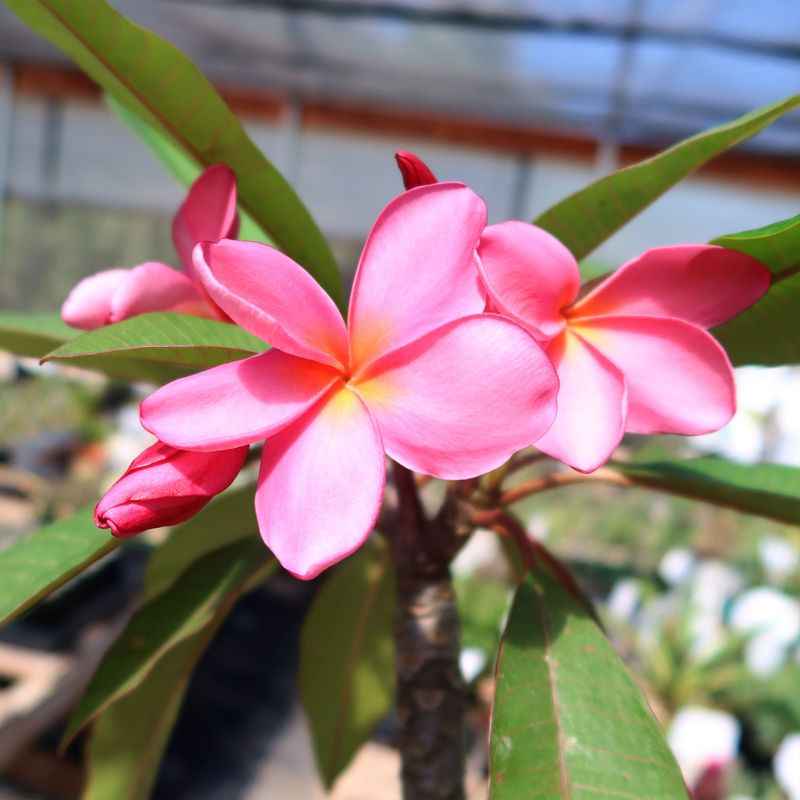
Plumeria is a sun-loving tropical plant, but after spending months indoors during Pennsylvania’s cold winter and spring, its leaves are not ready for sudden intense sunlight.
Moving it outside too fast can cause leaf scorch, which shows up as brown or bleached patches on the leaves. That damage is hard to reverse, so a slow and steady approach works much better.
Start by placing your plumeria in a spot that gets morning sun and afternoon shade for the first few days. After about three to five days, shift it to a location with a bit more direct sun.
Keep moving it gradually over the course of two weeks until it is sitting in full sun for most of the day.
Full sun means at least six to eight hours of direct sunlight daily. Plumeria absolutely thrives in those conditions once it has adjusted.
A south-facing or west-facing spot in your yard usually works great in Pennsylvania. Avoid placing it under tree canopies or near structures that block the afternoon light.
Once your plant is fully acclimated, you will notice stronger stem growth, deeper green leaves, and the early signs of flower buds forming at the branch tips.
This gradual sun transition is one of the easiest and most important things you can do in June to protect your plant and set the stage for a beautiful bloom season ahead.
2. Start Deep Regular Watering
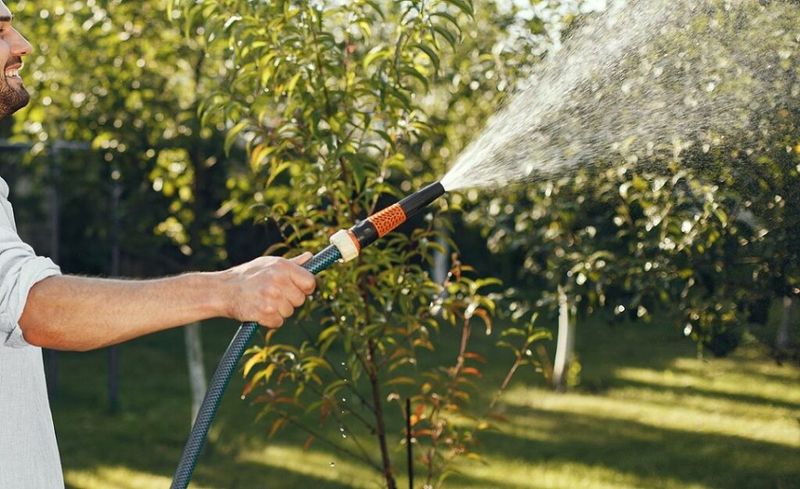
Once your plumeria wakes up and starts pushing out new leaves, its water needs change significantly. During dormancy, you barely water it at all.
But once active growth kicks in, consistent and deep watering becomes one of the most important parts of keeping it healthy. Shallow watering just wets the top layer of soil and does not do much good for the roots below.
Deep watering means soaking the soil all the way through until water runs freely out of the drainage holes at the bottom of the pot.
This encourages the roots to grow downward and reach deeper into the soil, which makes the plant stronger overall.
Your Pennsylvania Garden Changes Every Week. Your Plan Should Too.
Gardening in Pennsylvania changes quickly throughout the season. Every Friday you’ll receive a simple weekly plan showing exactly what to plant, prune, fertilize, harvest, and protect so you never miss the right timing.
After a good deep watering, let the soil dry out before watering again. Stick your finger about two inches into the soil. If it still feels damp, wait another day or two.
In June in Pennsylvania, temperatures are warming up but have not hit peak summer heat yet. Depending on rainfall and sun exposure, you may need to water every three to four days.
Always check the soil before watering rather than following a strict schedule. Overwatering is just as harmful as underwatering for plumeria.
The roots need oxygen, and soggy soil cuts off that supply fast. Finding the right rhythm of deep watering followed by a drying period gives your plumeria the hydration it needs while keeping the roots in top condition for the blooming season ahead.
3. Use A Fast-Draining Potting Mix
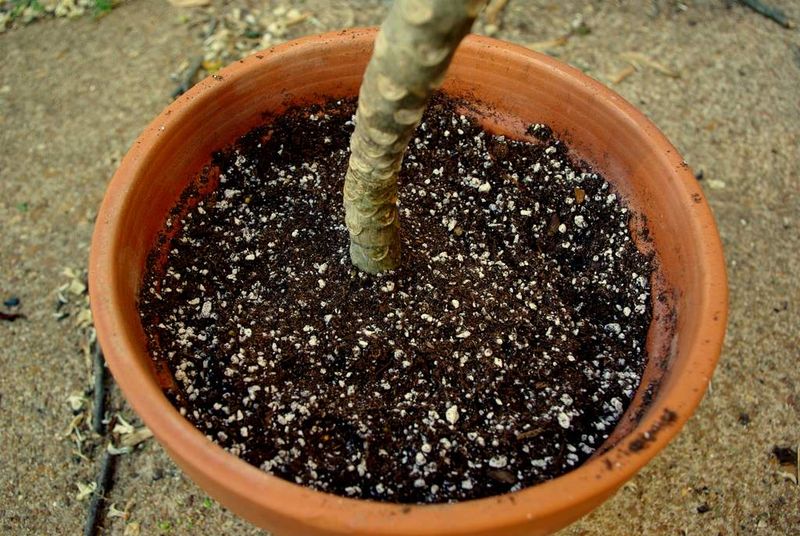
Here is something a lot of new plumeria growers learn the hard way. Standard potting soil holds way too much moisture for plumeria.
That extra moisture sitting around the roots creates the perfect conditions for root rot, which can quietly destroy a plant from the ground up before you even notice anything is wrong. Switching to a fast-draining mix is one of the smartest moves you can make in June.
A good plumeria mix drains quickly and dries out at a healthy pace between waterings. Many growers use a blend of coarse perlite, cactus mix, and a small amount of regular potting soil.
A popular ratio is about 60 percent perlite or coarse grit to 40 percent organic material. This keeps the roots moist enough to absorb nutrients but never waterlogged.
If you bought your plant in standard garden center potting soil, June is a great time to repot it before the heat of summer arrives.
Choose a pot with at least two or three drainage holes at the bottom. Terracotta pots are a fantastic choice because they are porous and allow moisture to evaporate through the sides, which helps the soil dry faster.
Plastic pots hold moisture longer, so if you use one, be extra careful not to overwater. When repotting, shake off as much of the old soil as you can and inspect the roots.
Trim away any soft or mushy sections with clean scissors before placing the plant in its fresh mix. Your plumeria will respond quickly with stronger, healthier new growth.
4. Feed With A Bloom-Boosting Fertilizer
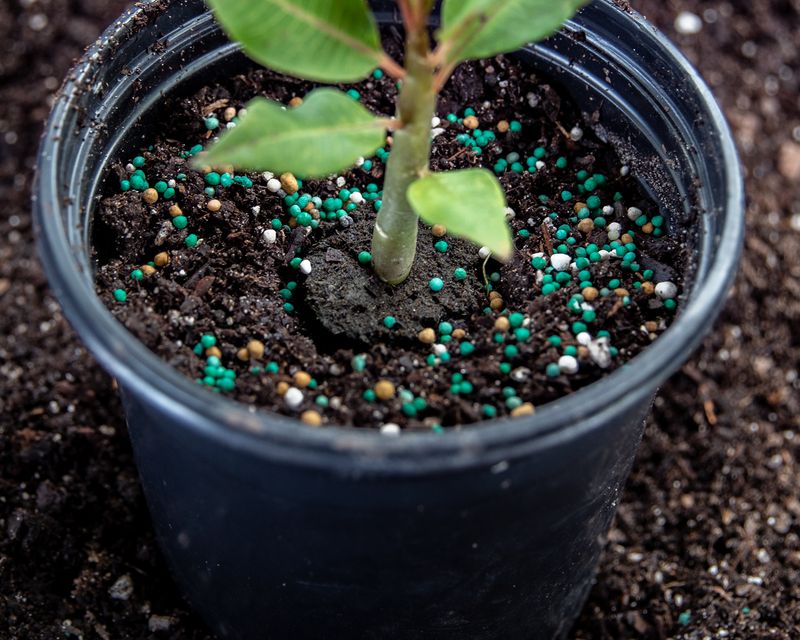
Fertilizing plumeria in June is one of the best ways to encourage big, fragrant blooms later in the season. But not just any fertilizer will do.
The key is choosing one with low nitrogen and higher levels of phosphorus and potassium. Nitrogen encourages leafy green growth, which sounds good but actually works against flowering.
Too much nitrogen and your plumeria will put all its energy into making leaves instead of blooms.
Look for fertilizers labeled for flowering tropical plants, or check the numbers on the bag. A formula like 10-30-10 or 5-30-10 is ideal for plumeria.
The middle number represents phosphorus, and a high phosphorus level signals the plant to focus on flower production.
Start fertilizing in June when you see active new growth happening. Feed every two weeks throughout the growing season for the best results.
Liquid fertilizers work fast and are easy to apply during watering. Granular slow-release fertilizers are another great option because they feed the plant steadily over several weeks without the risk of over-fertilizing.
Whichever type you choose, always follow the label instructions. More fertilizer is not always better, and overfeeding can actually stress your plumeria. Water the plant before applying any fertilizer to avoid burning the roots on dry soil.
With the right feeding routine started in June, you give your plumeria the nutritional foundation it needs to develop strong flower buds and put on a spectacular show from midsummer all the way through early fall in Pennsylvania.
5. Watch Closely For Spider Mites
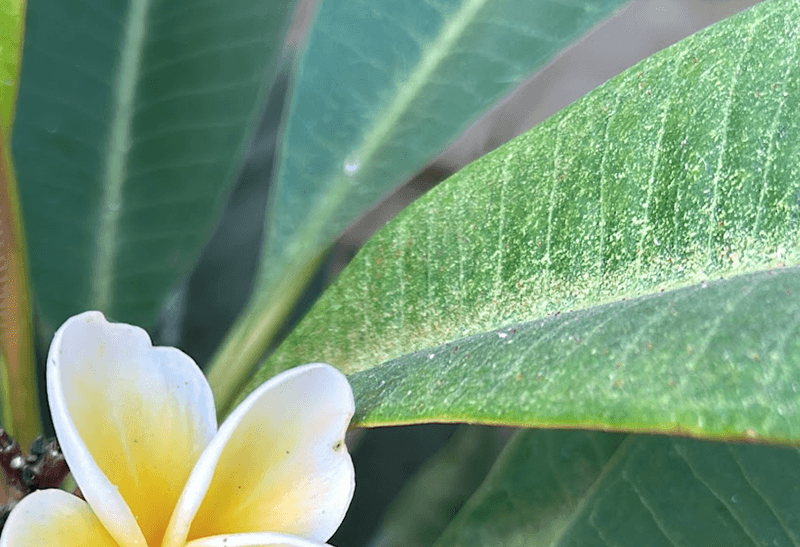
Spider mites are tiny, sneaky pests that love warm and dry conditions, which makes early June in Pennsylvania prime time for them to show up on your plumeria. These little critters are barely visible to the naked eye, but the damage they cause is very noticeable.
Infested leaves start to look dusty, speckled with tiny yellow or white dots, and in bad cases you will see fine, delicate webbing stretched between the leaves and stems.
Check the undersides of your plumeria leaves regularly because that is where spider mites like to hide and feed.
Run your finger across the underside of a leaf and look for tiny moving specks, or tap a leaf over a white piece of paper to see if any tiny dots fall off and move around.
Catching an infestation early makes it much easier to handle before it spreads across the whole plant.
A strong spray of water from a garden hose can knock a lot of mites off the plant right away. For more stubborn infestations, neem oil mixed with water and a drop of dish soap works really well as a natural spray.
Apply it in the early morning or evening to avoid leaf burn in direct sun. Insecticidal soap sprays are another effective option you can find at most garden centers.
Repeat treatments every five to seven days for two to three weeks to break the mite life cycle completely. Staying on top of pest checks throughout June keeps your plumeria strong and free from damage all season long.
6. Bring Plants Indoors Quickly During Cold Nights
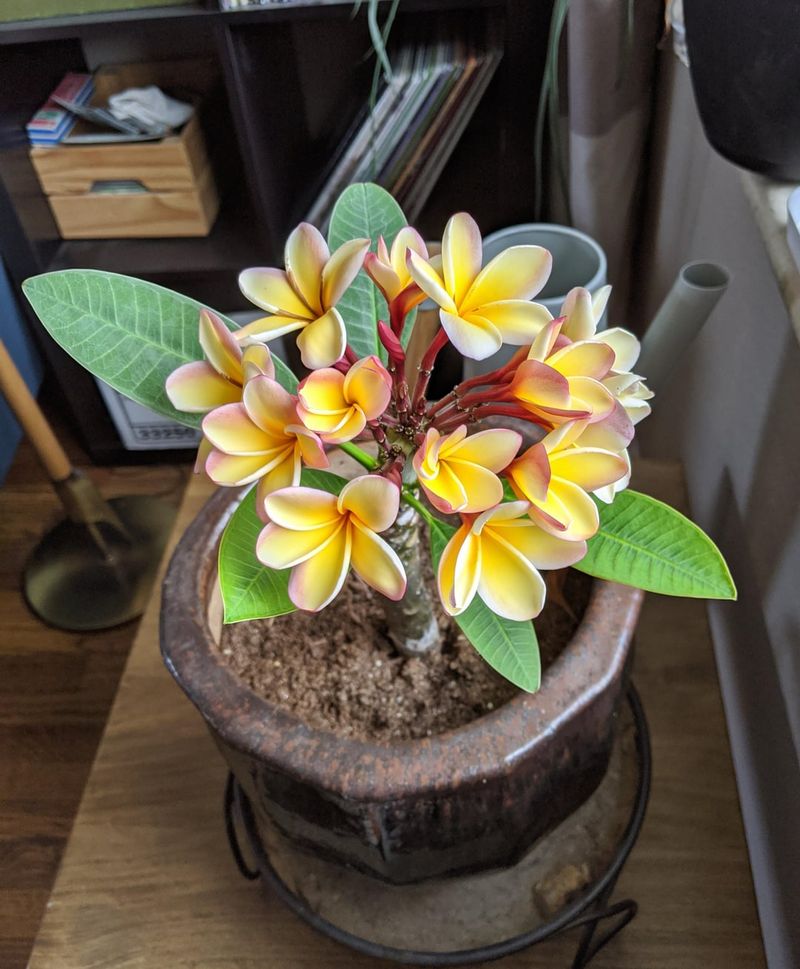
Pennsylvania weather in June can be surprisingly unpredictable. While most days feel warm and summer-like, cool fronts can still sweep through and drop overnight temperatures into the low 50s or even the upper 40s.
Plumeria is a true tropical plant, and it does not handle cold temperatures well at all. Chilly nights can slow growth, stress the plant, and potentially cause damage to tender new growth that has just emerged.
A good rule of thumb is to bring your plumeria inside any time the nighttime forecast drops below 55 degrees Fahrenheit. Keep an eye on your local weather app or a reliable forecast for your specific Pennsylvania region.
The Philadelphia area, the Lehigh Valley, and areas near Pittsburgh can all have different temperature patterns, so knowing your local conditions really helps. Setting a reminder to check the nightly forecast becomes a simple habit that protects your plant.
Moving pots in and out every few days might feel like a hassle, but it is absolutely worth the effort. Place your plumeria near a bright sunny window when it comes inside overnight.
Avoid putting it near air conditioning vents, which can blast cold air and cause stress just as much as outdoor cold can. By late June, most of Pennsylvania settles into consistently warm nights and the risk of cold damage drops significantly.
Until then, staying alert and responsive to temperature changes is the single best way to protect your tropical plumeria investment and keep it on track for a gorgeous, healthy, and fragrant summer display.