Do These Things Now If Your Michigan Knockout Roses Stopped Blooming Like They Used To
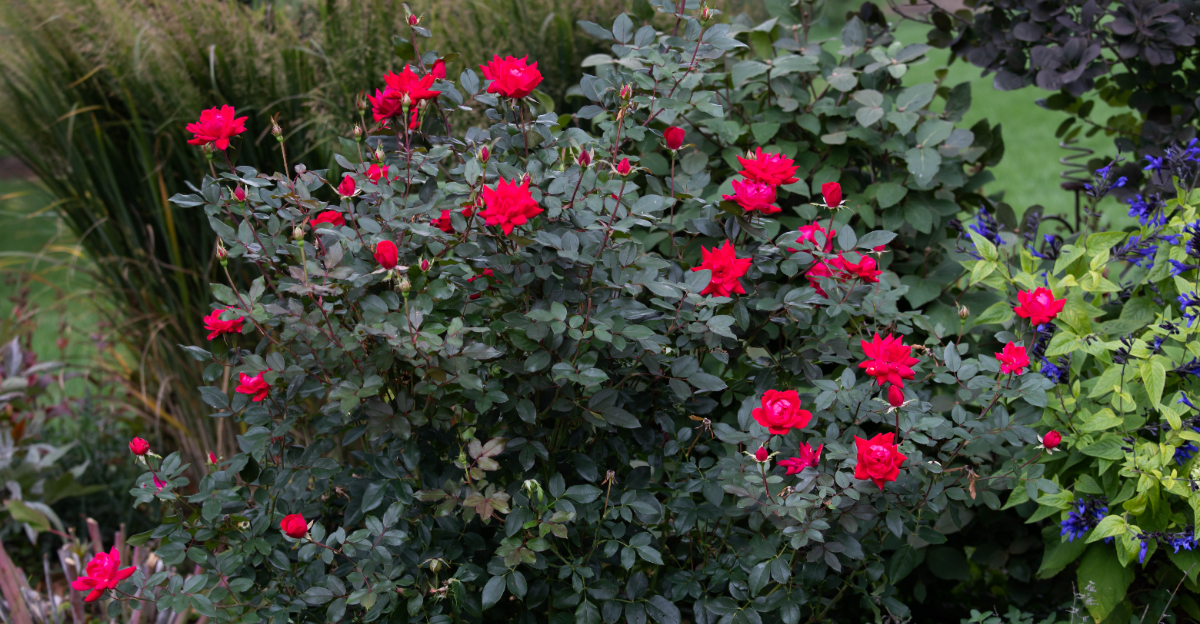
Knockout roses built their reputation on being nearly impossible to mess up. They bloom heavily, bounce back from neglect, and handle Michigan summers without much complaint.
So when they slow down or stop blooming altogether, it catches people off guard. The plant looks alive and healthy, the leaves are full, but the flowers just aren’t showing up the way they used to.
That’s actually a pretty specific set of causes, and most of them are completely fixable. A few things tend to pile up over time with Knockout roses, small oversights that don’t cause obvious damage right away but gradually take a toll on flowering.
If your roses have been underperforming for a season or two, something on this list is almost certainly the reason, and the timing right now is good for turning that around before summer gets away from you.
1. Remove Old Spent Flower Clusters Regularly
Most gardeners assume Knockout Roses take care of themselves, and while they are more self-sufficient than most roses, they still reward you big time when you help them out.
Removing old, spent flower clusters is one of the easiest ways to push your plants into producing fresh blooms faster.
When faded flowers are left on the bush, the plant shifts its energy toward forming seeds instead of making new flowers.
Grab a clean pair of garden scissors or hand pruners and snip off each faded cluster just above the first set of healthy, five-leaflet leaves. You do not need to go deep into the cane.
A light trim of three to four inches is usually enough to redirect the plant’s focus back to flowering. Doing this every week or two throughout the growing season keeps the cycle of blooming going strong from June all the way through fall.
Here is something most people skip: cleaning your cutting tools between plants. Wiping your blades with rubbing alcohol takes only a few seconds but prevents spreading any fungal issues from one plant to another.
Michigan summers can be humid, and that moisture creates the perfect conditions for disease to travel fast. Keeping your tools clean is one of those small habits that pays off in a big way.
Once you start deadheading consistently, most Knockout Roses respond within two to three weeks with a flush of bright new buds. It is honestly one of the most satisfying things you can do in the garden, and the results speak for themselves.
2. Prune Out Winter-Damaged Canes
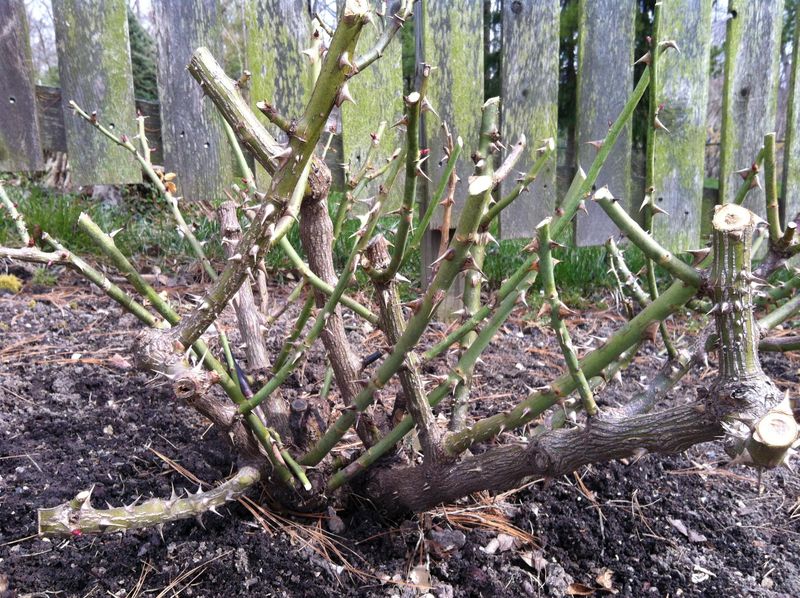
Michigan winters are no joke, and Knockout Roses feel every bit of that cold, even though they are considered quite hardy.
Once spring arrives and temperatures climb above freezing consistently, it is time to take a close look at your canes and remove anything the winter damaged.
Leaving those canes in place does more harm than most gardeners realize.
Damaged canes look brown, shriveled, or hollow inside when you cut into them. Healthy canes show green tissue at the center when snipped.
Start from the top of each cane and cut down in small increments until you reach that green, living tissue. This process, called cutting back to live wood, gives your plant a clean foundation to push new growth from as the season warms up.
Your Michigan Garden Changes Every Week. Your Plan Should Too.
Gardening in Michigan changes quickly throughout the season. Every Friday you’ll receive a simple weekly plan showing exactly what to plant, prune, fertilize, harvest, and protect so you never miss the right timing.
Timing matters a lot here. In Michigan, most rose experts recommend waiting until you see forsythia blooming in your area before you start cutting.
That bright yellow shrub is a reliable natural signal that the worst of the cold has passed and your roses are ready to respond to pruning. Cutting too early risks exposing new growth to a late frost, which can set your plant back weeks.
After removing all the damaged canes, rake up any fallen leaves or debris around the base of the plant. Old plant material sitting on the soil can harbor fungal spores that come back to haunt you all summer.
A clean pruning session in spring sets the entire growing season up for success, and your blooms will show it.
3. Improve Airflow Around Dense Growth
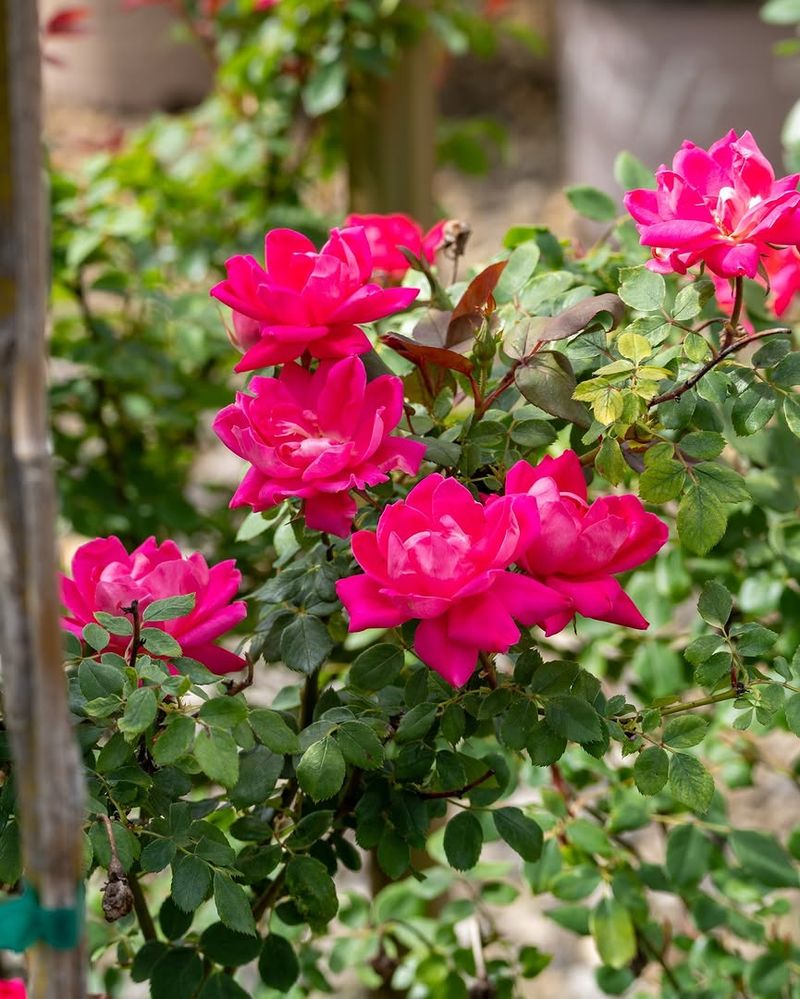
Picture a crowded room where nobody can breathe. That is exactly what happens inside a Knockout Rose that has grown too thick and dense over several seasons.
Poor airflow is one of the sneakiest reasons blooming slows down, and it is a problem that builds gradually until one summer you notice the flowers just are not showing up like they used to.
When canes cross over each other and foliage packs tightly together, moisture gets trapped inside the plant. That trapped moisture creates a warm, damp environment that fungal diseases absolutely love.
Black spot and powdery mildew both thrive in those conditions, and once they take hold, they drain the plant’s energy away from producing flowers. Thinning out the interior of the shrub is the fix.
You do not need to take off a huge amount of growth to make a real difference. Removing canes that cross through the center of the plant, cutting out any rubbing branches, and taking out one or two of the oldest, thickest canes each season is usually enough.
Think of it as giving your rose room to breathe rather than giving it a dramatic haircut. The goal is to let light and air move freely through the plant.
After thinning, step back and look at the shape. You want to see open space in the center of the shrub and canes that radiate outward in a natural, vase-like form.
Plants shaped this way dry out faster after rain, stay healthier through Michigan’s muggy summers, and reliably push out more flowers from late spring through the first frost.
4. Water Deeply During Dry Michigan Summers
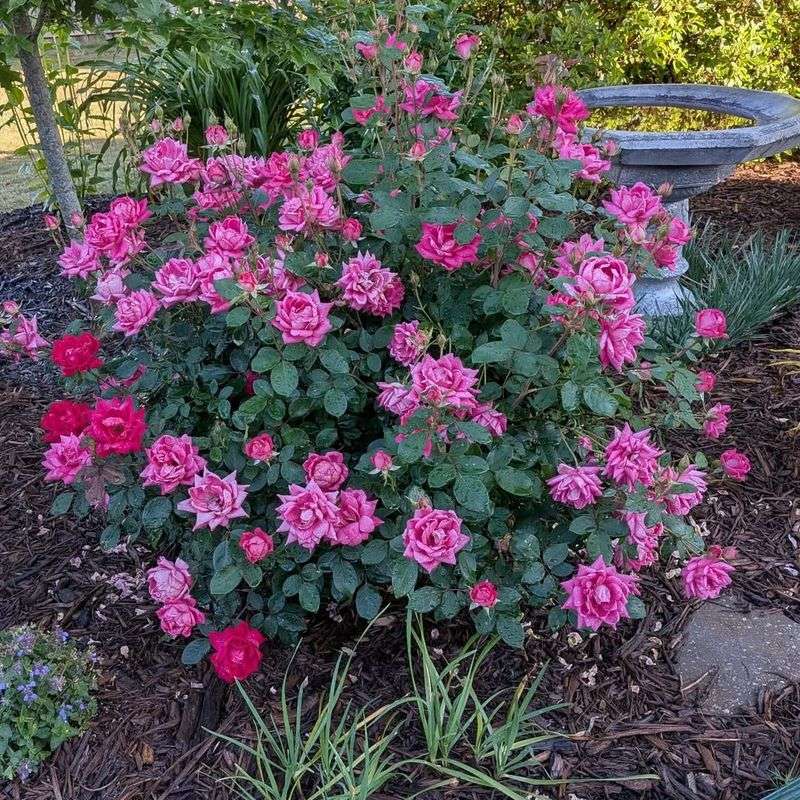
Drought stress is one of the fastest ways to shut down blooming on any rose, and Michigan summers can get surprisingly dry despite the state’s reputation for water.
Knockout Roses have deep root systems that need consistent moisture to keep producing flowers, and shallow, frequent watering actually trains the roots to stay near the surface where they are most vulnerable to heat and dry spells.
Deep watering means soaking the soil to a depth of at least eight to twelve inches each time you water. A slow trickle from a soaker hose or drip irrigation left running for thirty to forty-five minutes does a far better job than a quick spray from a sprinkler.
When water reaches deep into the soil, roots follow it down, anchoring the plant more firmly and giving it access to moisture that lasts much longer between sessions.
Aim to water your Knockout Roses once or twice per week during hot, dry stretches, always directing the water at the base of the plant rather than over the top of the foliage.
Wet leaves in humid Michigan summers are basically an open invitation for fungal problems.
Keeping the water at root level protects the foliage while still giving the plant everything it needs to thrive.
A two to three inch layer of organic mulch spread around the base of each plant works like a lid on the soil, slowing evaporation dramatically. Wood chips, shredded bark, or even straw all work beautifully.
Mulched roses hold moisture so well that during moderate summers, you may only need to water once a week to keep blooming going strong all season.
5. Add Compost Instead Of Heavy Fertilizer
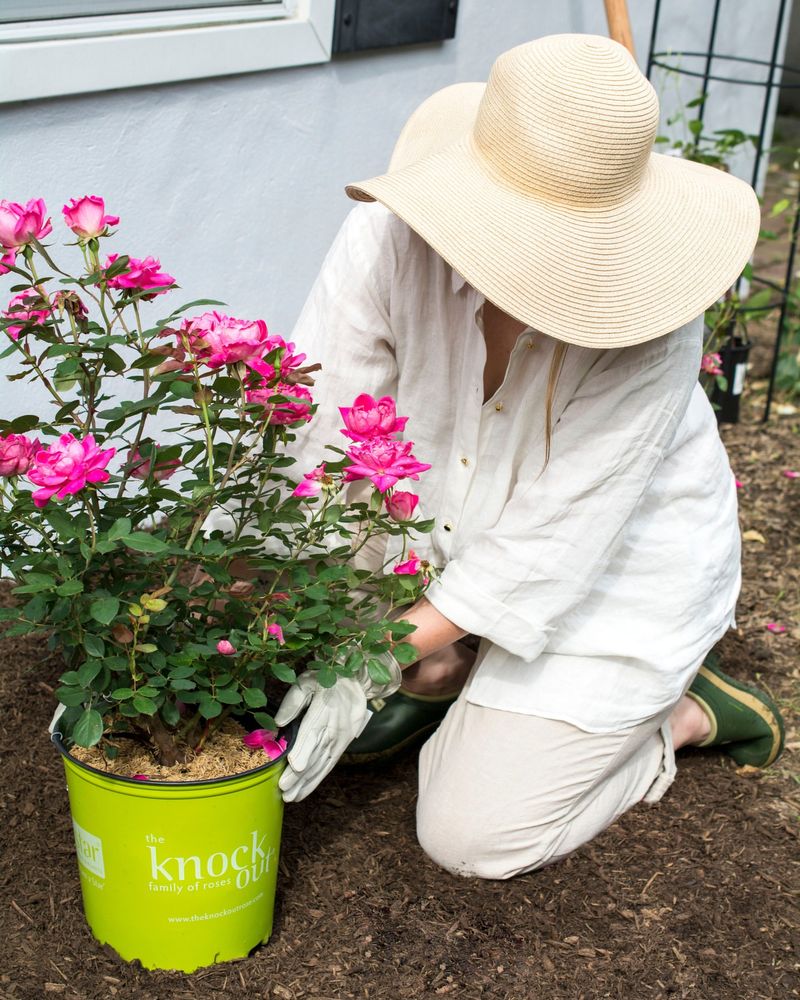
Fertilizer seems like the obvious answer when roses stop blooming, but reaching for a heavy synthetic fertilizer can actually make the problem worse.
Too much nitrogen, which is the first number on any fertilizer bag, pushes plants to produce lush green leaves instead of flowers.
Many Michigan gardeners have unknowingly been feeding their Knockout Roses into a state of beautiful foliage with almost no blooms.
Compost is a gentler, smarter solution. Spreading two to three inches of finished compost around the base of your roses in early spring and again in midsummer feeds the soil rather than forcing the plant.
Healthy soil filled with organic matter supports beneficial microbes that break nutrients down slowly and deliver them to the roots in a balanced, natural way. This steady supply of nutrition encourages steady, consistent flowering rather than explosive leafy growth.
Michigan soils, especially the heavy clay common across much of the Lower Peninsula, benefit enormously from regular compost additions. Clay soil compacts over time, restricting root growth and drainage.
Compost loosens that dense structure, improves drainage, and creates a root environment where roses can truly spread out and access nutrients efficiently. Over a few seasons, the difference in plant health and bloom production is remarkable.
If you want to use a packaged fertilizer, choose one specifically formulated for roses or flowering shrubs, and look for a balanced or bloom-boosting formula with a higher middle number, which represents phosphorus.
Phosphorus directly supports root development and flower production. Apply it at half the recommended rate to avoid overfeeding, and always water thoroughly right after application to protect the roots.
6. Watch For Black Spot On Lower Leaves
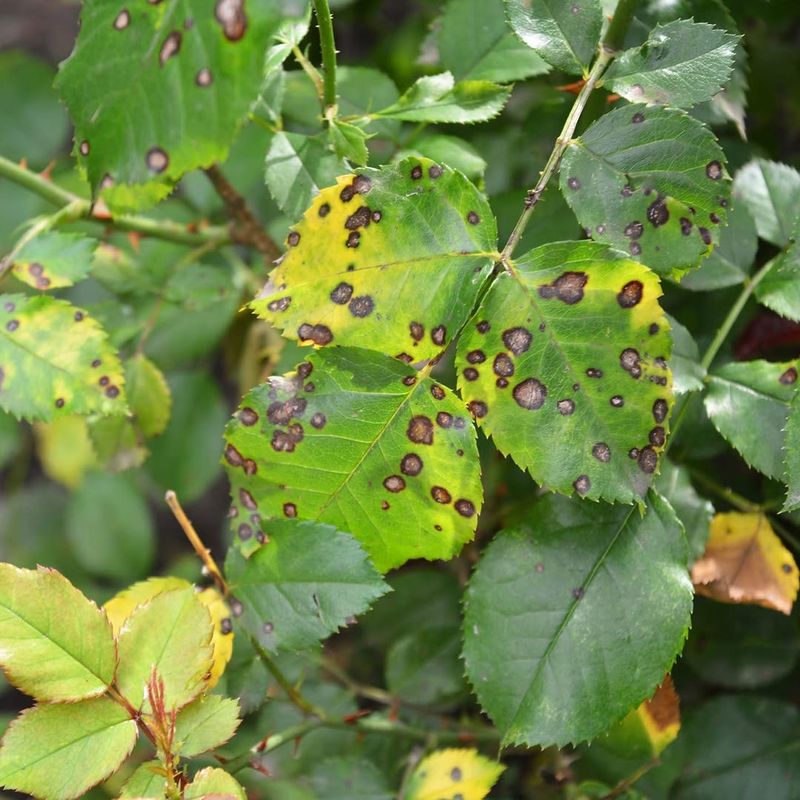
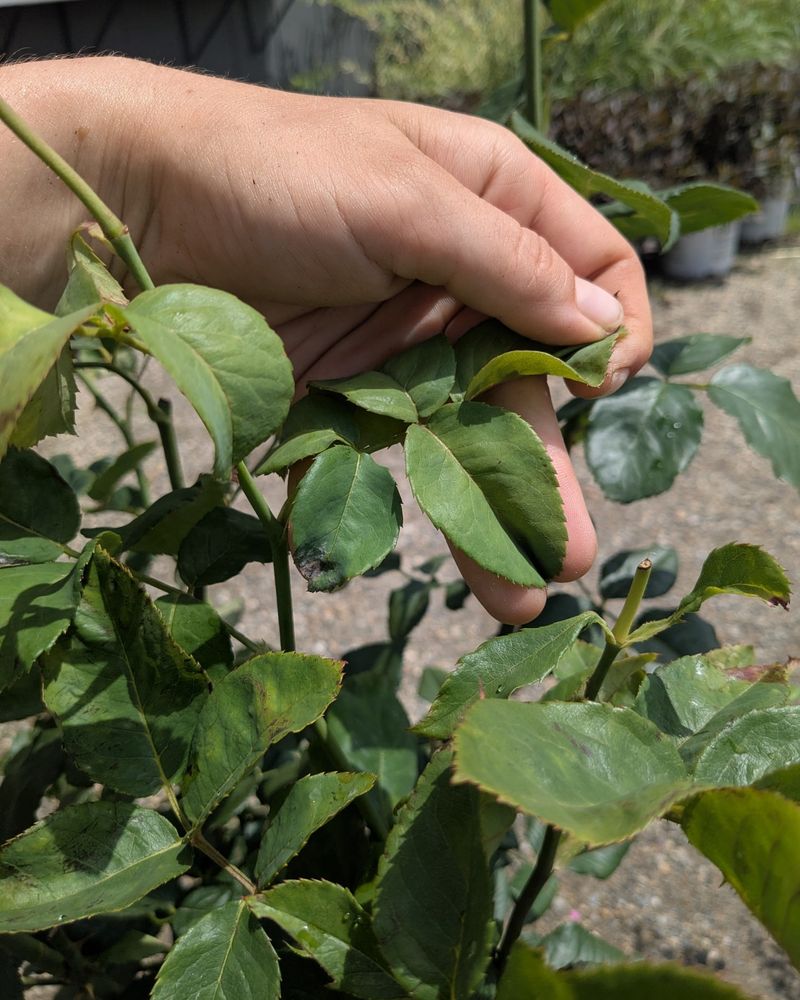
Black spot is the most common fungal problem that Michigan Knockout Rose growers deal with, and it is sneakier than most people expect. It starts quietly on the lower leaves of the plant, showing up as small, roughly circular dark spots with fringed or feathery edges.
Left unchecked, those spots multiply fast, the affected leaves turn yellow, and the plant drops them entirely to protect itself.
When a rose loses a significant portion of its foliage to black spot, it has to spend precious energy regrowing leaves rather than producing flowers. That is why a plant that seemed perfectly healthy in spring can suddenly show sparse, weak blooming by midsummer.
The disease is not just a cosmetic issue. It genuinely redirects the plant’s resources away from the blooms you are counting on.
Catching black spot early makes a huge difference in how much damage it does. Walk through your garden every few days and flip over the lower leaves to check the undersides, where the fungus often starts.
Remove any affected leaves immediately and drop them into the trash, not your compost pile, because the spores can survive and spread from composted material.
Keeping fallen leaves cleaned up from around the base of the plant also removes a major source of reinfection.
For treatment, a fungicide spray labeled for black spot on roses works well when applied at the first sign of the disease. Neem oil is a popular organic option that many Michigan gardeners use successfully.
Reapply every seven to fourteen days during humid stretches for the best protection, and always spray in the early morning so leaves dry before the heat of the day sets in.
7. Give Roses More Sun If Nearby Plants Have Shaded Them
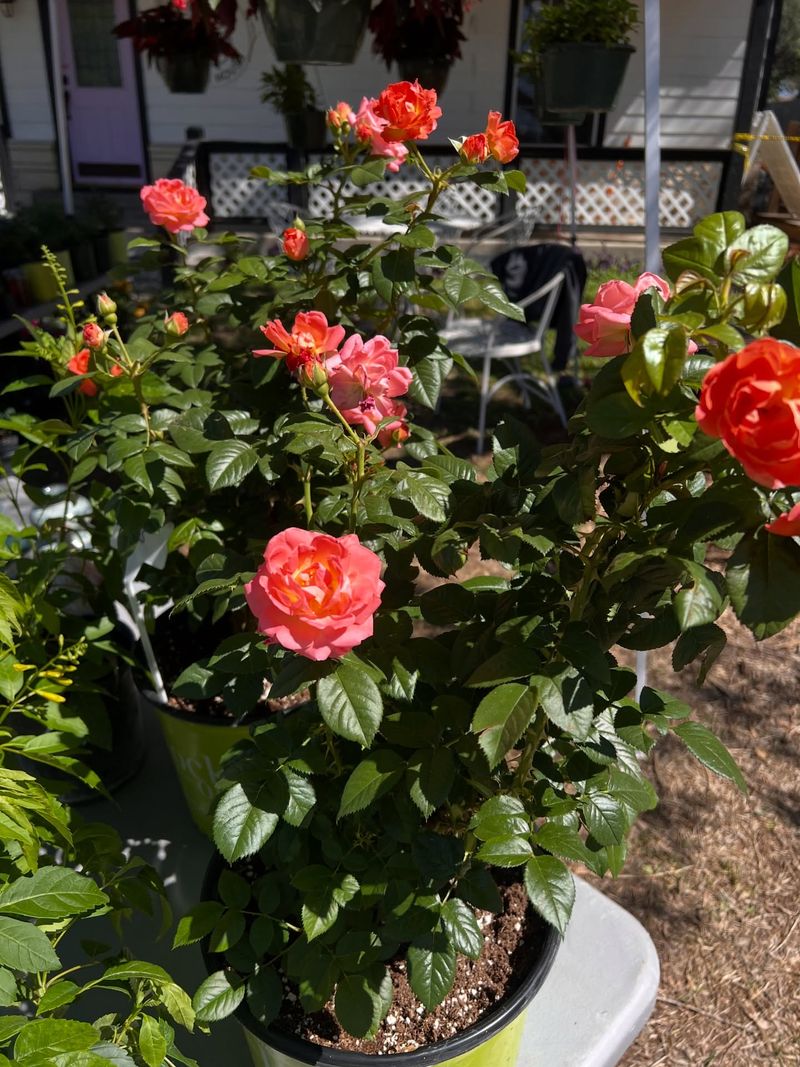
Sunlight is the single most important ingredient for rose blooming, and it is also the one that changes most gradually without gardeners noticing.
A Knockout Rose that got full sun when it was first planted can find itself sitting in partial shade just a few years later as nearby trees, shrubs, and perennials fill in and grow taller.
That slow shift in light conditions is one of the most overlooked reasons blooming declines year after year.
Knockout Roses need a minimum of six hours of direct sunlight each day to bloom at their best. When they drop below that threshold, the plant shifts into a kind of maintenance mode.
It stays alive and produces some foliage, but the energy required to push out repeated flushes of flowers throughout the season just is not there. You might see a weak bloom in early spring and then very little after that.
Walk around your garden on a sunny day and watch how light moves across your rose beds from morning to afternoon. Note where shadows fall and for how long.
If a neighboring shrub, ornamental tree, or even a fast-growing perennial has crept into your rose’s light zone, selective pruning of that competing plant can restore the sunlight your rose needs without requiring you to move anything.
Sometimes, though, the shade situation has changed too dramatically for pruning to fix it. If a large tree now dominates the area, transplanting the rose to a sunnier spot in early spring or early fall gives it the best chance of settling in quickly.
Knockout Roses transplant surprisingly well when moved with care, and placing them in a spot with full sun almost always brings the blooming back to full strength within a single growing season.