These Low-Growing California Plants Fill Bare Spots Before Weeds Move In
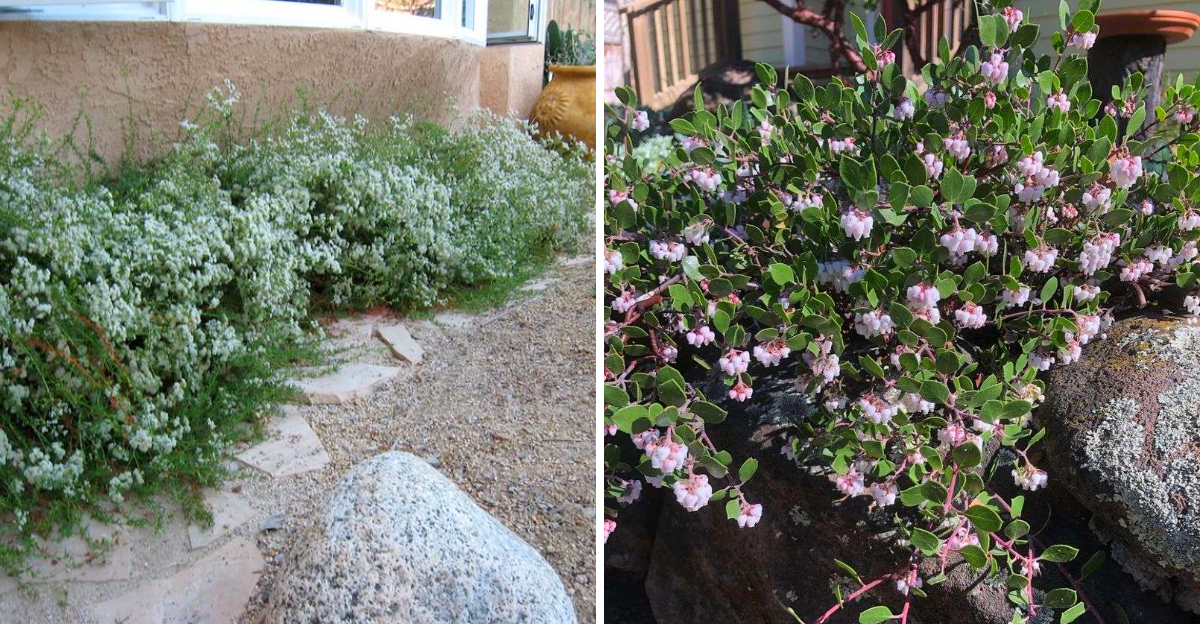
Bare soil and weeds have a relationship that every California gardener knows a little too well.
You clear an area, feel great about it, turn around for a few weeks, and somehow it is already filling back in with things you definitely did not plant.
It is one of those gardening frustrations that feels endless, because in a way, it kind of is. But here is where it gets interesting.
Some of California’s best native ground covers are genuinely brilliant at closing off that open soil over time, shading out the gaps that weeds love and gradually making your garden a much less welcoming place for uninvited plants.
They are not an overnight fix, to be upfront about that, but as a long-term strategy?
Native ground covers are hard to beat.
1. Monterey Carpet Manzanita Creates Dense Cover
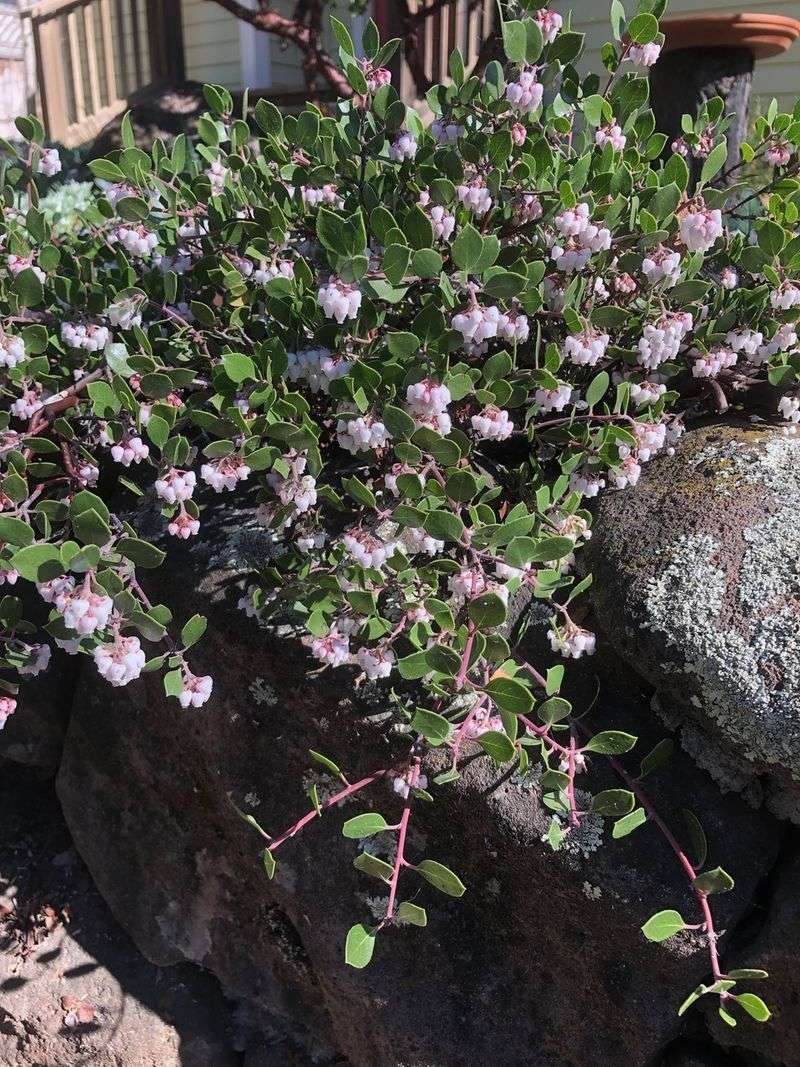
Bare slopes in California can be some of the hardest spots to keep weed-free, and that is exactly where Monterey Carpet Manzanita tends to shine.
This low-growing native spreads outward in a flat, dense mat that hugs the ground closely, making it harder for weed seedlings to find open soil.
Its small, glossy leaves stay green year-round, giving the landscape a tidy, finished look even through dry summers.
Monterey Carpet Manzanita typically grows just a few inches tall while spreading several feet wide over time. That wide footprint is what makes it so useful for filling bare spots in native beds and along dry slopes.
During establishment, some weeding may still be needed in the gaps around young plants, but as the mat fills in, open soil becomes harder to find.
In early spring, small pinkish-white flowers appear along the stems and attract native bees. The plant handles California’s dry summers well once established and generally needs little supplemental water after the first year or two.
Planting it with a layer of mulch between new plants helps hold moisture and slow weeds while the manzanita spreads to fill the space on its own.
2. Bee’s Bliss Sage Fills In Fast
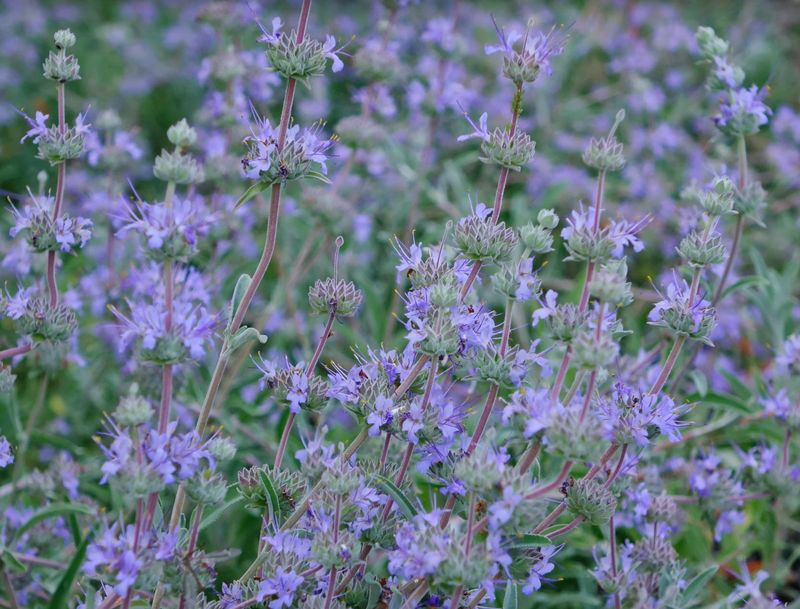
Few low-growing plants fill open ground as quickly and attractively as Bee’s Bliss Sage. This hybrid sage spreads in a wide, low mound of silvery-green foliage that has a pleasant aromatic quality when brushed against.
Gardeners often notice how quickly it expands outward from the planting hole, sending out arching stems that root along the ground and gradually cover more soil.
The spreading habit of Bee’s Bliss is one reason it works so well in sunny California borders and dry slopes. As stems reach outward and fill in around neighboring plants, the canopy of foliage starts shading the soil below, which can slow weed germination over time.
It does not do this work overnight, but within a season or two of establishment, the coverage becomes noticeably denser.
In late winter through spring, soft lavender flower spikes rise above the foliage and bring in pollinators. The plant performs well across a range of California climates and handles dry conditions with ease once rooted in.
Your California Garden Changes Every Week. Your Plan Should Too.
Gardening in California changes quickly throughout the season. Every Friday you’ll receive a simple weekly plan showing exactly what to plant, prune, fertilize, harvest, and protect so you never miss the right timing.
Spacing plants generously and filling gaps with mulch during the first growing season gives Bee’s Bliss the best chance to spread and close off open ground before weeds settle in.
3. Warriner Lytle Buckwheat Covers Bare Ground
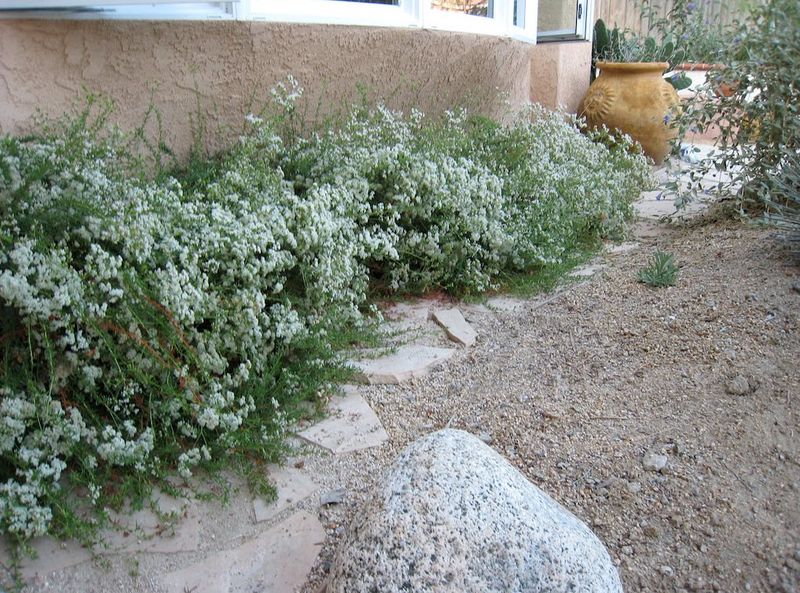
Open ground in a garden bed rarely stays open for long before weeds move in, which is why plants like Warriner Lytle Buckwheat are worth knowing.
This low-growing selection of California buckwheat forms a flat, spreading mat of small, slightly textured leaves that hug the ground closely.
It moves outward at a steady pace and fills in gaps between other plants without getting tall enough to shade them out.
What sets this buckwheat apart is how tightly it stays to the surface. The mat growth habit means less vertical space for weeds to compete in, and as the plant fills in, it begins to shade the soil below.
Clusters of small flowers appear seasonally and add soft color to the garden while also supporting native bees and other pollinators.
Warriner Lytle Buckwheat handles California’s dry summers well and generally needs little water once it has had time to establish.
It works especially well along sunny borders, at the edges of native plant beds, and on gentle slopes where bare soil tends to invite weeds.
Mulch between plants during the first season helps protect the soil and gives this buckwheat the moisture it needs to spread and settle in effectively.
4. Point Reyes Ceanothus Spreads Low And Wide
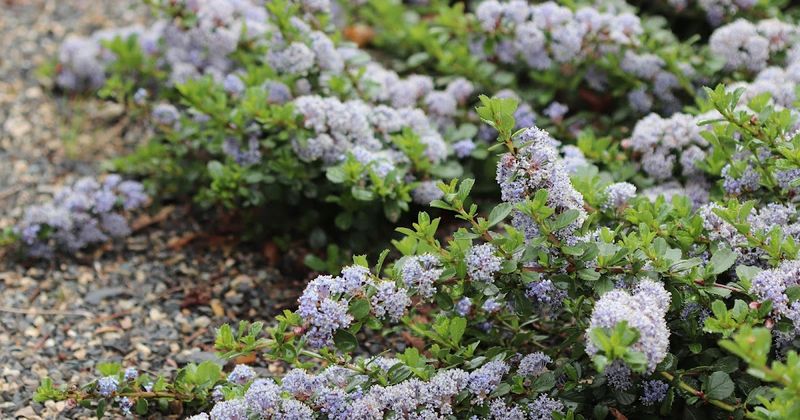
Some plants announce themselves with a burst of color before most gardeners even realize how much ground they have already covered.
Point Reyes Ceanothus does exactly that, producing dense clusters of brilliant blue flowers in late winter and early spring while quietly spreading outward in a low, wide mat.
The dark green foliage stays attractive through California’s dry season, and the plant’s trailing growth habit keeps it close to the ground.
This ceanothus typically stays under two feet tall while spreading considerably wider, which makes it one of the more effective low-growing options for covering bare spots on slopes and in open beds.
As it fills in, the dense canopy of leaves begins to shade the soil underneath, reducing the amount of light that weed seeds need to germinate.
The coverage is not instant, but the plant moves at a reliable pace once established.
Point Reyes Ceanothus needs well-drained soil and a sunny location to perform its best in California gardens. Summer watering should be minimal after the plant is established, since overwatering can cause problems with root health.
Mulching between plants during the first year supports establishment and helps keep weed pressure lower while the ceanothus works to fill in the surrounding ground.
5. Anchor Bay Ceanothus Stays Dense And Low
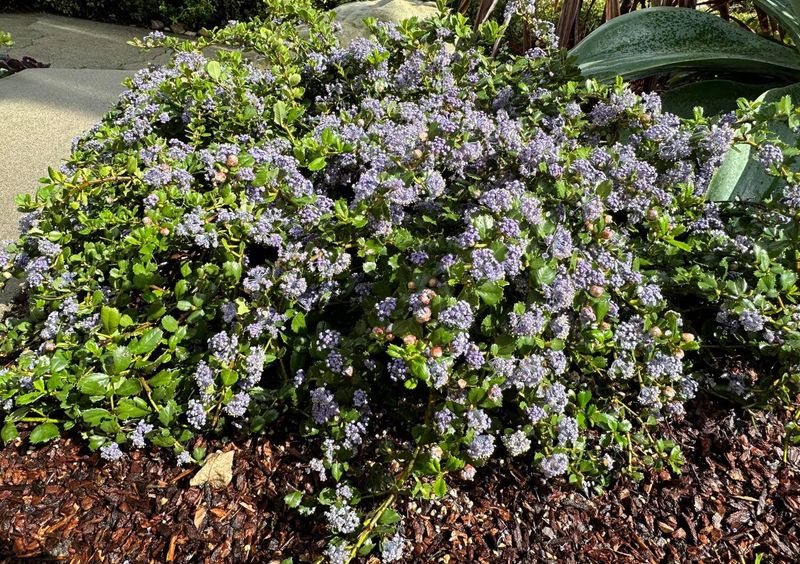
Not every garden has room for a sprawling shrub, and that is part of why Anchor Bay Ceanothus has earned a following among homeowners working with smaller spaces.
It forms a tight, dense mound that stays low to the ground, typically reaching less than two feet in height while spreading outward with a compact, well-behaved growth habit.
The small, dark glossy leaves give it a clean texture that looks tidy even when the plant is not in bloom.
In late winter and early spring, the plant covers itself in deep blue flowers that attract native bees and other beneficial insects.
After bloom, the dense foliage continues to do useful work by shading the soil and reducing the open gaps that weed seeds tend to colonize.
Anchor Bay Ceanothus earns its keep across multiple seasons, not just when it is flowering.
Like most California native ceanothus, this selection does best in full sun with good drainage and minimal summer irrigation once established. Planting it in groups allows the individual plants to grow together and cover more ground over time.
Using mulch between new plants helps reduce early weed pressure and retains just enough soil moisture to support strong establishment in California’s dry-summer climate.
6. Pacific Mist Manzanita Brings Wide Coverage
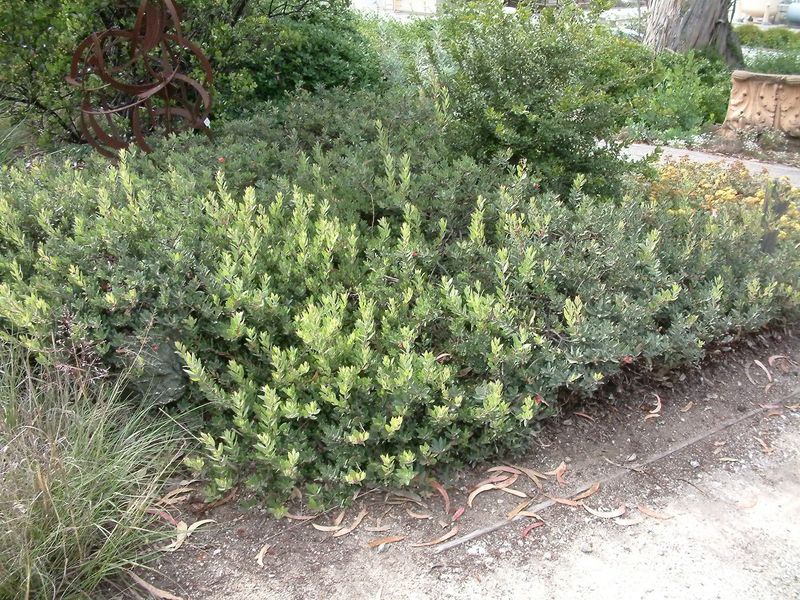
There is something quietly impressive about watching Pacific Mist Manzanita gradually take over a bare slope.
This low-growing manzanita spreads in long, arching branches that stay close to the ground and eventually form a wide, soft-textured mat of gray-green foliage.
The color alone makes it stand out in California native beds, adding a cooler, lighter tone that contrasts nicely with darker plants nearby.
Pacific Mist typically stays under two feet tall but can spread quite wide over several growing seasons. That wide spread is what makes it so effective at covering bare ground.
As the branches extend outward and the foliage fills in, the soil beneath becomes increasingly shaded, which can help slow weed establishment over time.
During the first year or two, gaps between plants will still need mulch or occasional weeding to keep ahead of any early weed pressure.
Small white to pale pink flowers appear in winter and early spring, adding seasonal interest and drawing in native pollinators. The plant handles California’s dry summers with minimal irrigation once it has rooted in well.
Planting Pacific Mist on slopes, in open borders, or along the edges of native beds gives it room to spread naturally and gradually close off the bare ground that often leads to weed problems.
7. Dwarf Coyote Brush Fills In Quickly
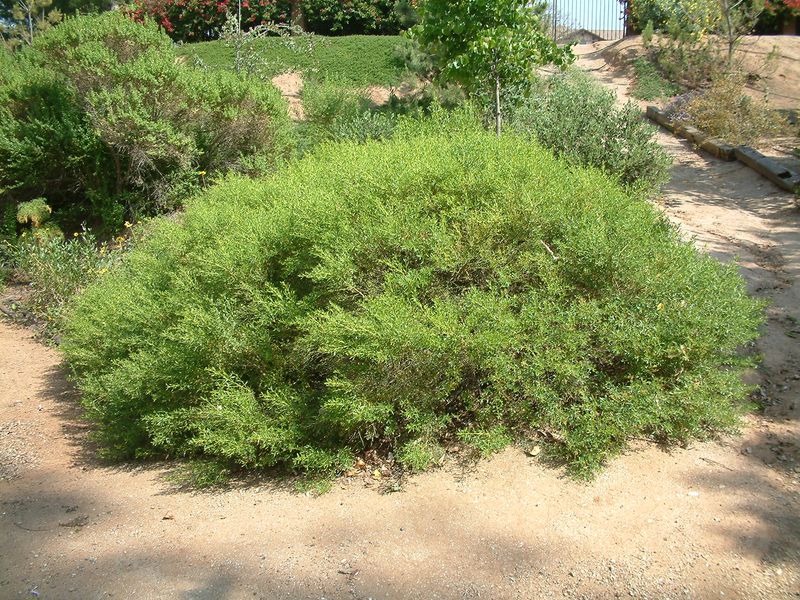
When a bare slope or open bed needs coverage fast, Dwarf Coyote Brush is one of the more reliable options in the California native plant toolkit.
This low-growing selection of a tough California native spreads outward at a noticeably steady pace, forming a dense, flat mat of small green leaves that stays close to the ground.
It lacks the flashy flowers of some other groundcovers, but the coverage it provides is hard to argue with.
Gardeners who have planted Dwarf Coyote Brush often mention how quickly it begins to fill in around neighboring plants and spread into open ground.
The dense foliage shades the soil as it expands, which gradually reduces the space available for weed seedlings to take hold.
Mulching between plants during the first season gives the brush a head start by keeping the soil cooler and slowing early weed competition.
Small creamy-white flowers appear in late summer and fall, a time when most gardens have little else blooming. Native bees and other insects visit these flowers regularly.
The plant handles dry summers well once established and tolerates a range of soil types. Using it on slopes, in native borders, or in open planting beds gives it the space it needs to spread and do its best work over time.
8. Carmel Creeper Ceanothus Covers Bare Spots Well
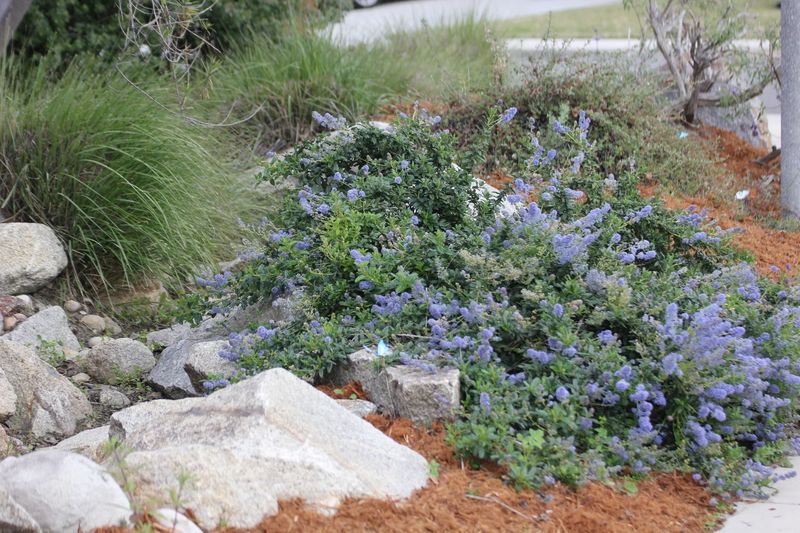
Slopes and large open beds can feel overwhelming when the goal is to keep weeds from taking over, but Carmel Creeper Ceanothus is the kind of plant that makes those spaces feel more manageable.
It spreads wide and low, with glossy dark green leaves that form a dense, attractive canopy close to the ground.
The spreading growth habit is what gardeners tend to notice first, since this plant can cover a generous amount of ground over several seasons.
Clusters of soft blue flowers appear in late winter and early spring, brightening the garden before many other plants have woken up for the season.
After the flowers fade, the dense foliage continues to shade the soil and close off gaps that might otherwise welcome weeds.
Carmel Creeper is not a quick fix, but it builds coverage consistently as it establishes and spreads across California’s dry-summer landscape.
Good drainage and full sun are important for this ceanothus to perform well. Once it has had a full season to establish its root system, it handles dry conditions with minimal supplemental water.
Planting it on slopes, along the edges of native beds, or in open areas where bare soil tends to be a persistent issue gives Carmel Creeper the space it needs to spread fully and provide lasting ground coverage.
9. Kinnikinnick Forms A Tough Evergreen Mat
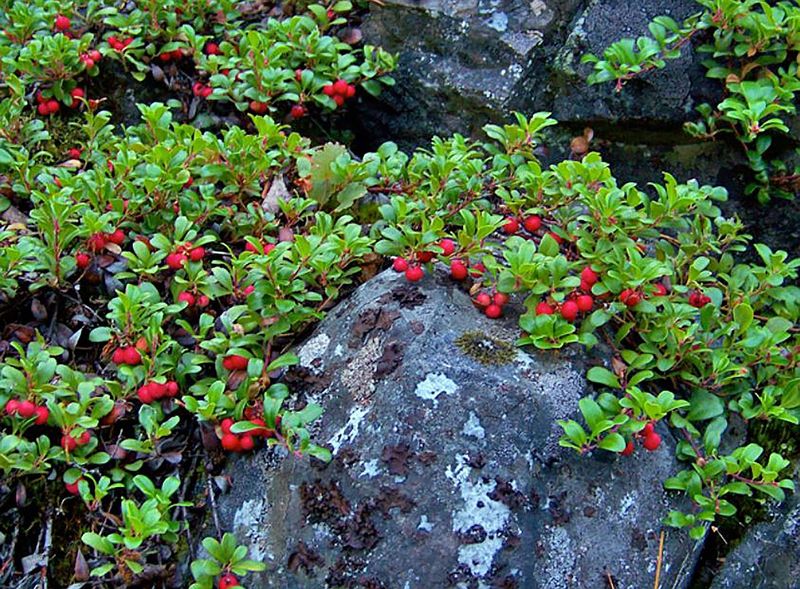
Among low-growing evergreen plants that work in California gardens, Kinnikinnick stands out for its toughness and its year-round good looks.
Also known as bearberry, this trailing plant forms a dense, low mat of small, dark glossy leaves that stays green through every season.
The mat growth habit keeps the foliage close to the ground, which is exactly the kind of coverage that helps shade out weed seedlings over time.
Small pink, urn-shaped flowers appear in spring and are followed by bright red berries that attract birds and add seasonal color to the garden. The plant moves at a moderate pace as it spreads, so some patience is needed during the first growing season.
Mulch between new plants helps protect the soil and slows weeds while Kinnikinnick works to fill in the gaps on its own schedule.
Kinnikinnick tends to do well in cooler parts of California and in areas with well-drained soil and some afternoon shade in hotter inland locations.
Once established, it handles dry conditions reasonably well, though it appreciates occasional deep watering during extended dry spells.
Using it along shaded borders, under open canopy trees, or in native garden beds gives this tough evergreen mat-former the conditions it needs to spread steadily and cover bare ground with lasting effect.