How Many Plants Belong In One Container In California Gardens
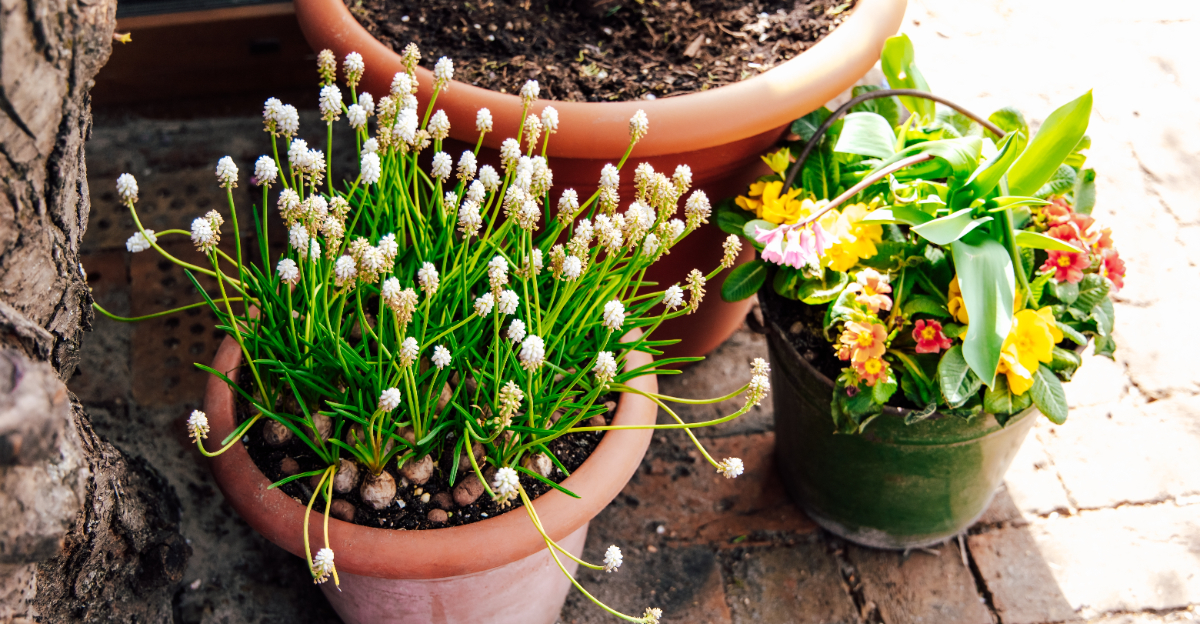
A container garden can go wrong in two completely different ways. It either looks thin and underwhelming, like it never really came together, or it starts out lush and pretty, then turns into a crowded tangle not long after.
That is why figuring out how many plants actually belong in one pot matters more than people think.
Especially in California, where fast growth, strong sun, and long growing seasons can change the look of a container in a hurry.
It is tempting to pack in extras for that full, finished look right away. Garden centers do it all the time, and fresh plantings can look a little sparse at first.
But a container that starts off too crowded often becomes harder to water, harder to keep healthy, and much less attractive once everything begins pushing for space.
The sweet spot is somewhere in the middle. Enough plants to make the container feel intentional, but not so many that they end up competing with each other before the season really gets going.
1. Size Of The Pot
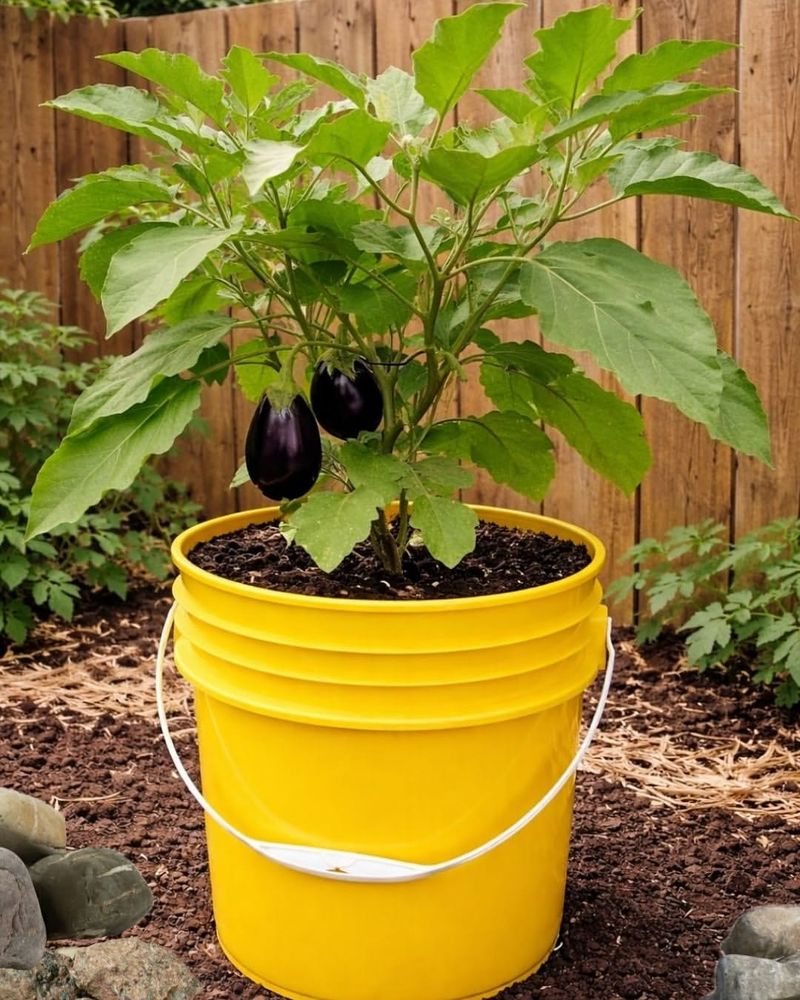
Pot size is probably the single most important factor when deciding how many plants to put in a container.
Think of it like seating at a dinner table. The bigger the table, the more people can sit comfortably. The same idea applies to pots and plants.
A 10 to 12-inch container works well with about 3 to 4 small plants. If you move up to a 14 to 16-inch pot, you can comfortably fit 4 to 6 plants. A larger 16 to 20-inch container can handle 6 to 8 plants without things getting too tight.
In California, gardeners often use big containers because the growing season is so long. Larger pots also hold more soil, which means they stay moist longer during those hot summer months.
That is a real bonus when temperatures spike in places like Fresno or the Inland Empire.
Smaller pots dry out quickly and leave little room for roots to spread. Always match your pot size to the number and size of plants you plan to grow. When in doubt, go bigger.
Your plants will thank you with stronger growth and better blooms all season long.
2. Choosing Your Plants
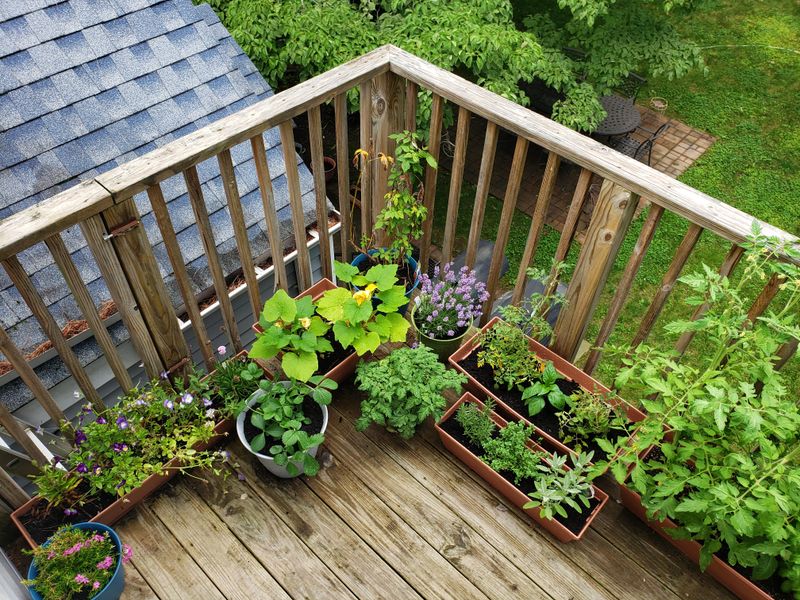
Not all plants play nicely together in the same container. Some plants love full sun while others prefer shade. Some need lots of water while others barely need any.
Mixing the wrong plants together is one of the fastest ways to run into trouble in your container garden.
A smart rule to follow is to group plants that share the same sunlight and water needs. For example, pairing drought-tolerant succulents with thirsty herbs is not a great idea. One will always be unhappy.
California native plants are a fantastic choice for containers because they are already adapted to the local climate.
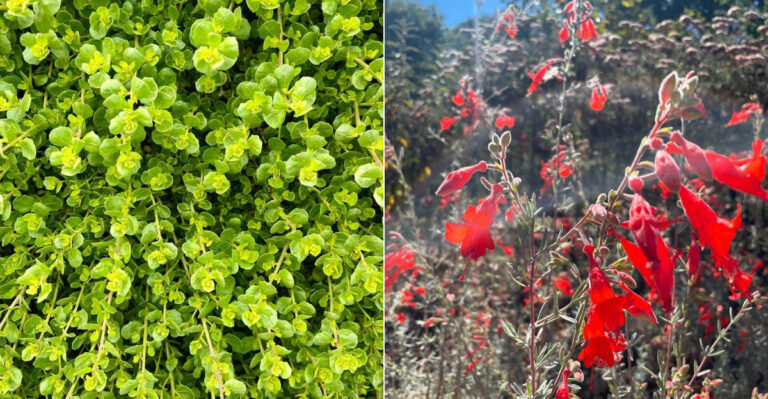
Many of them handle heat and dry spells really well. Some good options include salvia, penstemon, and dwarf coyote brush.
These plants thrive in the California sun without needing constant attention.
When shopping at your local nursery, read the plant tags carefully. They usually tell you the mature size, sun needs, and water requirements. Choosing plants with similar needs makes managing your container so much easier.
Your California Garden Changes Every Week. Your Plan Should Too.
Gardening in California changes quickly throughout the season. Every Friday you’ll receive a simple weekly plan showing exactly what to plant, prune, fertilize, harvest, and protect so you never miss the right timing.
It also means fewer problems down the road and a much better-looking pot overall. Smart plant selection is truly half the battle in container gardening.
3. Room to Grow
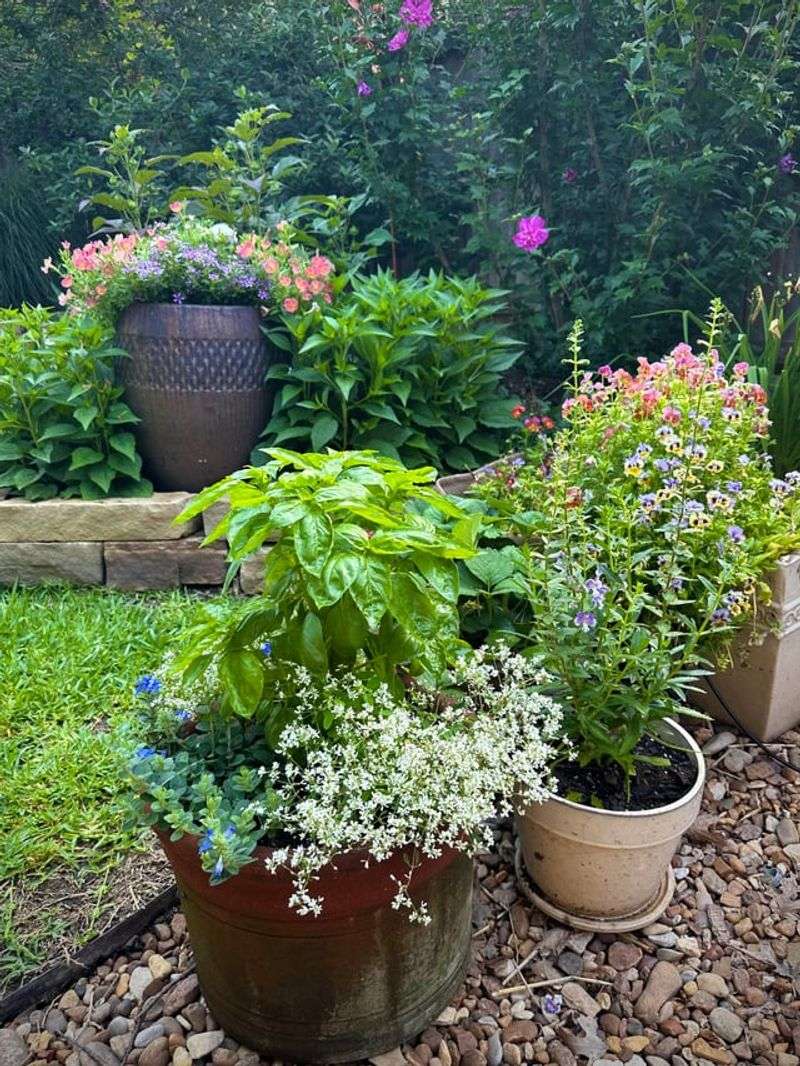
Plants are not static. They grow, spread, and push outward over time. When you first plant a container, it might look a little sparse.
But give it a few weeks, especially in California’s warm climate, and things fill in fast.
Every plant needs enough room for its roots to spread out underground. Crowded roots compete for water and nutrients.
Over time, this can weaken the plants and make them look tired and scraggly instead of lush and full.
A good trick is to check the expected mature size on the plant tag before you buy. If a plant is listed as growing 18 inches wide, it needs at least that much room in your container. Planting two of those side by side in a small pot will almost always lead to problems.
In California, where the growing season stretches nearly year-round in many regions, plants can reach their full size faster than in cooler states.
That means overcrowding becomes an issue sooner. Giving each plant enough space from the start saves you the hassle of replanting mid-season.
A little planning up front goes a very long way when it comes to healthy, happy container plants.
4. The Heat Factor
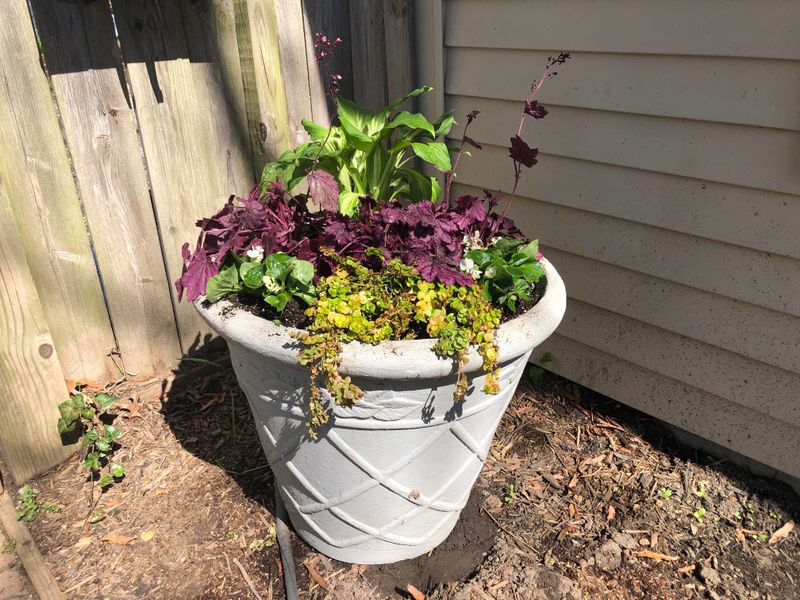
California is known for its sunshine, but that heat can be intense. Summers in the Central Valley, Southern California, and even parts of the Bay Area can push temperatures well above 90 degrees Fahrenheit.
That kind of heat affects how many plants you should put in one container.
When plants are packed too tightly together, heat gets trapped between them. Air cannot circulate properly. This creates a warm, humid pocket that can encourage fungal problems and stress the plants out.
Fewer plants per pot means better airflow. Better airflow means cooler, healthier conditions even on the hottest California days. It also means less competition for the water that evaporates quickly in the heat.
Heat-tolerant plants like bougainvillea, lantana, and ornamental grasses are excellent choices for California containers in full sun.
These plants actually enjoy the warmth and do not need as much water as more delicate varieties. Still, even tough plants need room to breathe.
As a general rule, reduce your plant count slightly during the peak summer months if you notice your container plants looking stressed.
Giving them a little extra space during hot spells can make a noticeable difference in how well they bounce back.
5. Water And Soil Needs
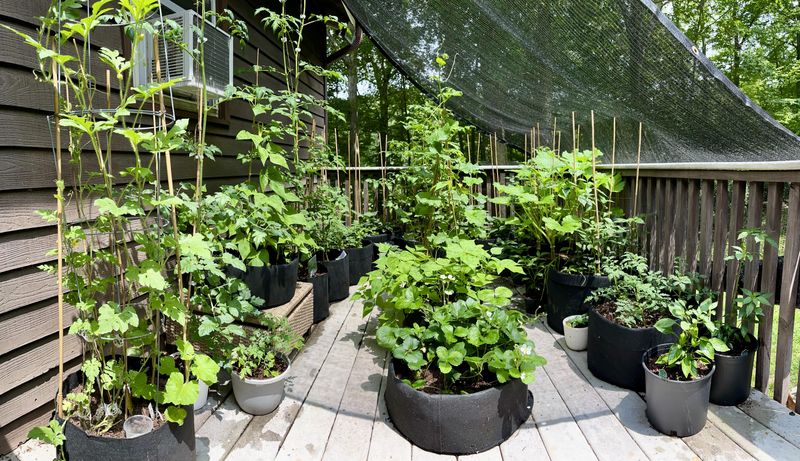
Water management is one of the trickiest parts of container gardening, especially in California where hot, dry weather can drain a pot quickly.
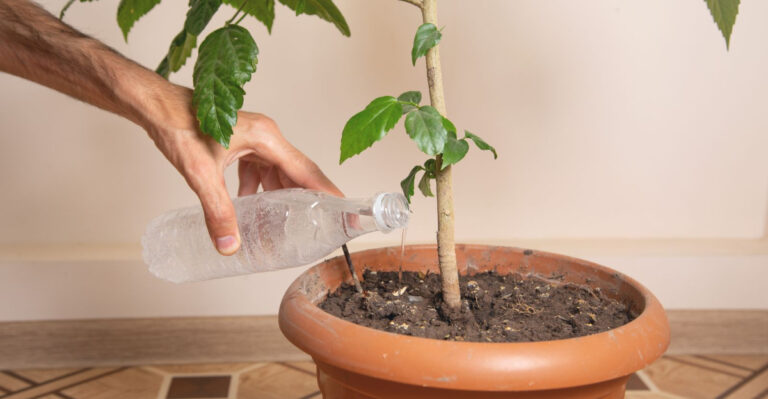
The number of plants in your container directly affects how fast the soil dries out and how much water each plant actually gets.
More plants in one pot means more roots competing for the same moisture. In warm California weather, a crowded pot can dry out in just one day. That puts all the plants under stress, even if you water regularly.
Using a high-quality potting mix with good drainage is key. Never use regular garden soil in containers. It compacts too easily and does not drain well.
Look for a mix that includes perlite or coir, which helps water move through the soil without waterlogging the roots.
Always make sure your container has drainage holes at the bottom. Without them, water pools at the base and causes root rot, which is a very common problem in California containers during the rainy season.
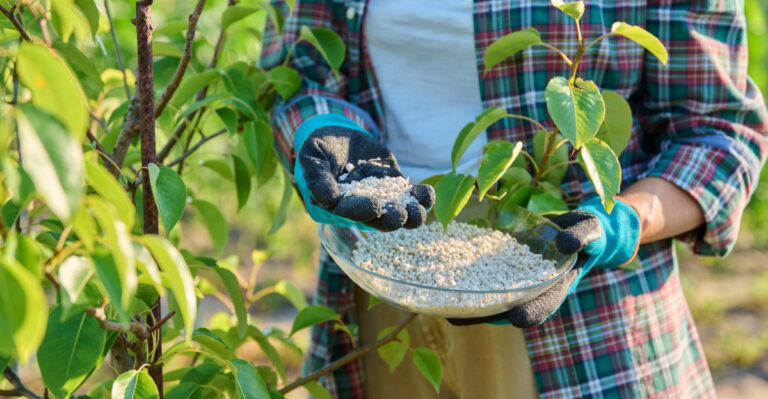
Fewer plants per pot also means each plant gets a more generous share of water and nutrients.
This simple adjustment can dramatically improve plant health and reduce how often you need to water throughout the growing season.
6. Type Of Plant
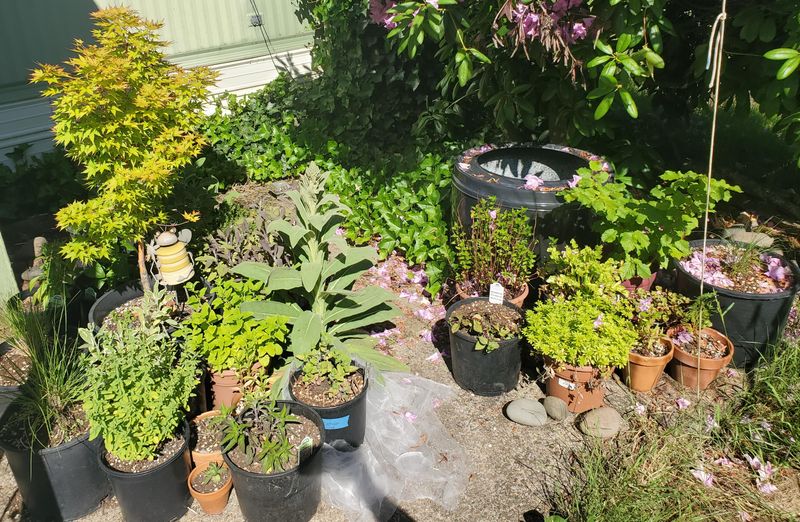
Did you know that the type of plant you choose can completely change how many fit in one container?
A single rosemary bush can easily fill an 18-inch pot all on its own. Meanwhile, a cluster of small succulents can share a much smaller space without any issues at all.
Mediterranean herbs like thyme, oregano, rosemary, and bay are best planted one per large pot. These plants grow wide and bushy over time. Crowding them leads to poor airflow and weak, leggy growth.
California’s dry, sunny climate actually mirrors the Mediterranean, which is why these herbs grow so well here.
Succulents, on the other hand, have compact root systems and can share a pot more easily. A 10-inch container can hold several small succulents as long as you leave a little breathing room between each one.
They are also very popular in California because they handle drought conditions so well. Annual flowers like petunias and marigolds fall somewhere in the middle.
They grow quickly and can fill a pot fast, so be careful not to overplant them. Knowing the growth habit of each plant type before you plant is the smartest way to figure out how many belong in your container.
7. When To Re-Pot
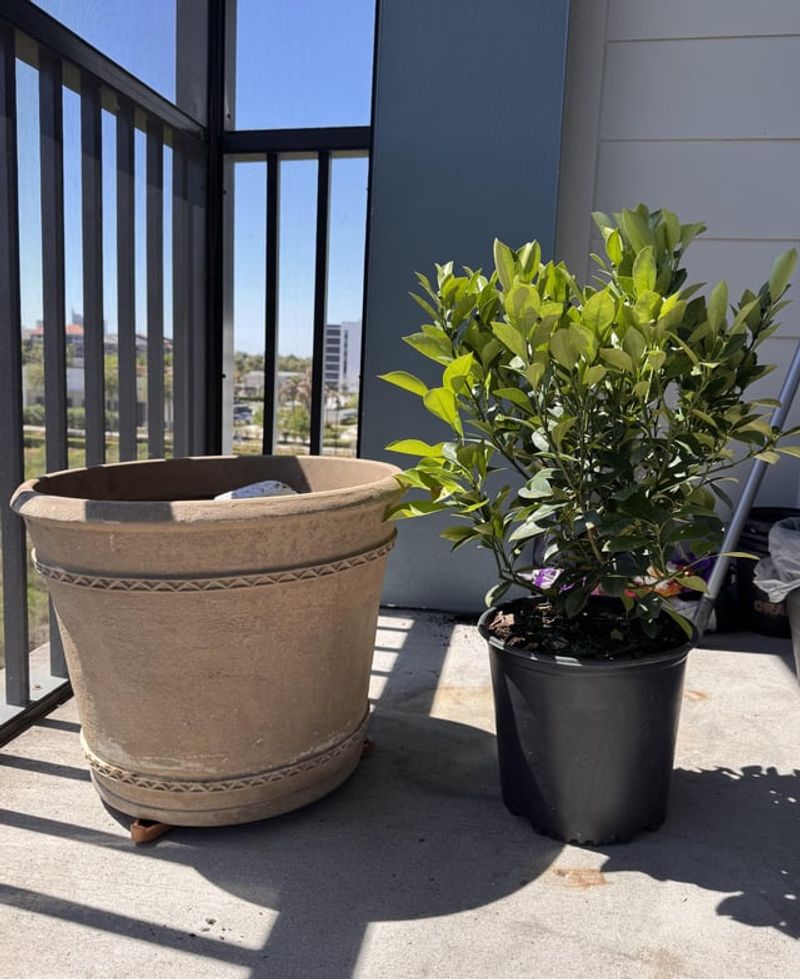
Even the best-planned container garden eventually needs a refresh. Plants grow, roots expand, and over time a pot that once had plenty of space starts to feel a little crowded. Knowing when to re-pot is a skill every California gardener should have.
One of the clearest signs that a plant needs more room is when roots start poking out of the drainage holes at the bottom of the pot.
Another sign is when the plant seems to stop growing or the leaves start looking pale and unhealthy despite regular watering and feeding.
Spring is the best time to re-pot most plants in California. The weather is warming up but not yet blazing hot, which gives plants time to settle into their new container before summer arrives.
Moving to a pot that is just one or two sizes larger is usually enough. When you re-pot, take the opportunity to refresh the soil as well.
Old potting mix loses nutrients over time and may compact in ways that reduce drainage. Adding fresh potting mix gives your plants a nutrient boost and better growing conditions.
Re-potting regularly also lets you divide overcrowded plants and start fresh containers, which is a great way to expand your California garden without spending much money at all.