What To Plant In Ohio In June If You Missed The Spring Window
So May got away from you. It happens to the best of us.
One week you’re making big gardening plans and the next it’s somehow June and the garden is still sitting there, waiting. No judgment here.
Late frosts, rainy weekends, and the general chaos of everyday life have a way of eating up the planting calendar faster than anyone expects.
But here’s the thing: missing the spring window in Ohio does not mean the season is over.
Not even close. June still has real potential, especially for gardeners who know which crops can thrive in the time that’s left.
This is less about starting over and more about playing it smart with what the season can still deliver. Spoiler: there’s more on that list than you might think.
1. Carrots Still Have Time To Grow
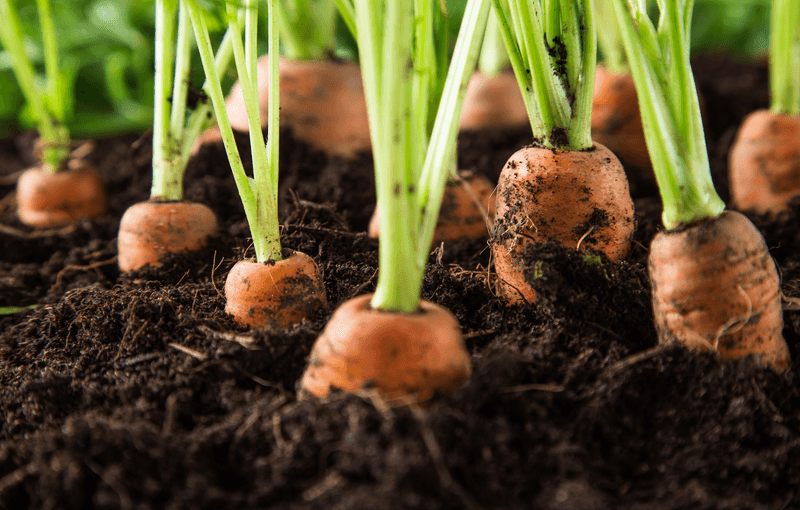
Warm June soil in Ohio is actually friendlier to carrot germination than the cold, clumpy ground of early April.
Carrots sown in early to mid-June can still produce a solid fall harvest, especially when the goal is pulling sweet, cool-weather roots in September or October.
The key is choosing a shorter-season variety that matures in around 65 to 75 days, giving the crop enough time before hard frosts arrive.
Consistent moisture during germination is one of the most important factors with June-sown carrots. Ohio summers can turn dry quickly, and carrot seeds need the top inch of soil to stay evenly moist until sprouts appear.
A light covering of row fabric or straw mulch can help hold moisture and keep the soil from crusting over.
Raised beds and loose, deeply worked soil give carrots the best conditions for straight, full-sized roots. Rocky or compacted ground tends to produce forked or stunted results.
Thinning seedlings to about two to three inches apart once they reach a few inches tall helps each carrot develop properly. Gardeners planting in June should aim for a spot with good afternoon shade to reduce heat stress on young seedlings.
2. Beets Are Still Worth Sowing In June
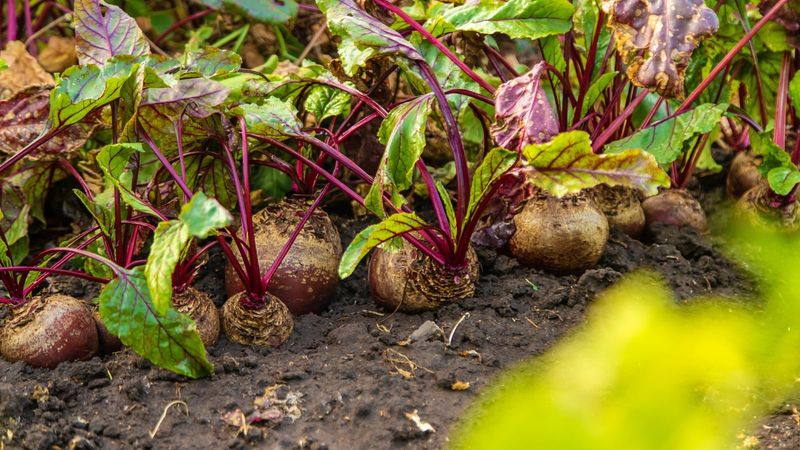
Few vegetables bounce back as reliably as beets when given a second chance in early June.
Beets are a cool-season crop, but they handle mild summer heat better than many people expect, especially when planted early enough in the month to establish before the hottest Ohio weeks arrive.
A June sowing can realistically produce roots ready for harvest in late August or September, with the added bonus that fall-harvested beets tend to be especially sweet.
Beet seeds are technically seed clusters, meaning each one can produce multiple seedlings. Thinning is important so individual roots have room to size up.
Spacing plants about three to four inches apart after thinning gives them enough room without crowding. Gardeners working with raised beds often find beets easier to manage because the soil drains well and warms evenly.
Both the roots and the greens are edible, which makes beets a productive use of limited garden space. Younger leaves work well in salads, while larger greens can be cooked similarly to chard.
Your Ohio Garden Changes Every Week. Your Plan Should Too.
Gardening in Ohio changes quickly throughout the season. Every Friday you’ll receive a simple weekly plan showing exactly what to plant, prune, fertilize, harvest, and protect so you never miss the right timing.
Keeping the soil consistently moist encourages steady, even growth. Beets that experience irregular watering tend to develop tougher, woodier roots, so a regular watering routine matters during Ohio’s drier summer spells.
3. Cabbage Gets A Second Chance For Fall
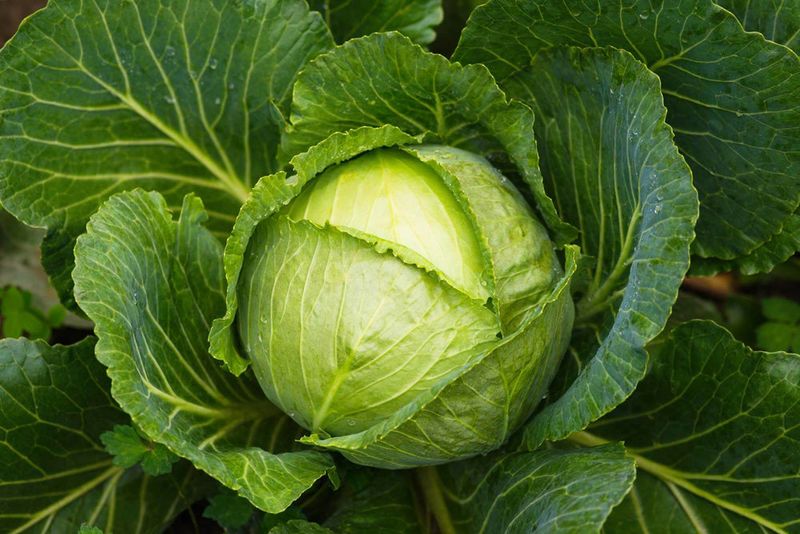
Starting cabbage transplants or setting out seedlings in June is one of the more practical moves an Ohio gardener can make after missing the spring window.
Fall-harvested cabbage is often firmer and sweeter than spring cabbage because the heads mature during cooling temperatures in September and October.
To make this work, the math needs to line up – selecting a variety that matures in 80 to 100 days and getting transplants in the ground by mid-June gives Ohio gardens a reasonable shot at a solid fall crop.
Cabbage started from transplants in June has a head start over direct-sown seed, which saves time during a season when every week counts.
Starting seeds indoors in late May and moving transplants outside after a week or so of hardening off is a common approach.
Setting them out during a cooler stretch of weather, rather than during a heat wave, reduces transplant stress considerably.
Consistent watering and a layer of mulch help cabbage roots stay cool as summer temperatures climb. Ohio summers can bring heat spells that stress young plants, so afternoon shade from taller crops or garden structures can be helpful.
Watching for cabbage worms and aphids early keeps problems manageable before heads begin to form.
4. Brussels Sprouts Need To Be Started Soon
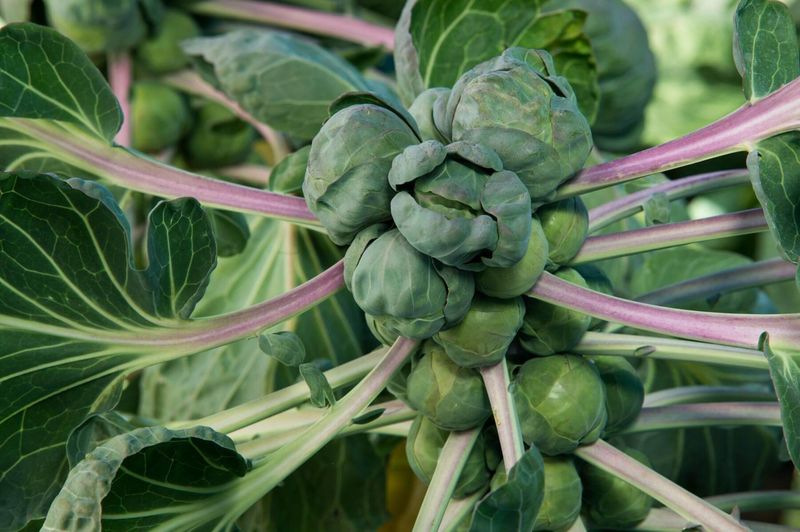
Of all the crops on a June planting list in Ohio, Brussels sprouts are the ones with the least flexible timeline.
These slow-growing vegetables need roughly 90 to 110 days to produce a harvestable crop, which means a June start is not early – it is actually close to the last practical window for getting them in the ground in Ohio.
Starting seeds indoors or setting out transplants in early June gives the plants enough time to develop before fall frosts arrive.
Brussels sprouts are genuinely cold-hardy and produce their best flavor after a few light frosts, which makes them well suited for Ohio fall gardens.
The challenge is getting them established and growing steadily through the heat of July and August before cooler weather arrives.
Keeping the soil moist and mulched helps protect young plants during those warmer weeks.
Spacing matters more with Brussels sprouts than with many other vegetables. Plants need about 18 to 24 inches between them to develop properly, and they can grow quite tall by fall.
Staking taller plants in windy gardens helps prevent them from tipping over as they mature. Removing lower yellowing leaves as the season progresses keeps the plant focused on producing sprouts rather than supporting aging foliage.
5. Cauliflower Still Fits A Fall Plan
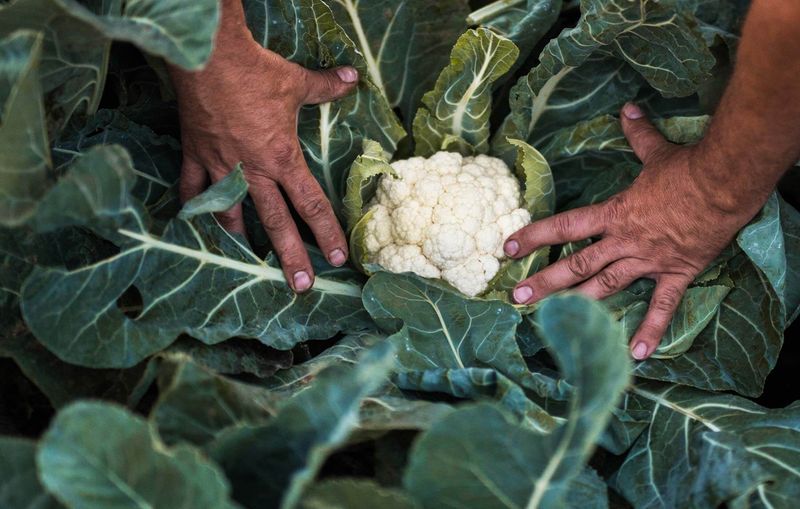
Cauliflower has a reputation for being finicky, and that reputation is not entirely undeserved. It needs steady temperatures, consistent moisture, and enough time to develop without being rushed by heat or slowed by cold.
That said, a June start in Ohio aimed at a fall harvest is one of the more reliable ways to grow cauliflower successfully, since the heads form during the cooler weeks of September and October rather than fighting through summer heat.
Transplants are generally the better option for June cauliflower in Ohio because they save several weeks compared to starting from seed directly in the garden.
If starting from seed indoors in late May, moving seedlings outside after a brief hardening-off period in early June keeps the timeline on track.
Look for varieties that mature in 70 to 85 days for the best fit with Ohio fall conditions.
Blanching – the practice of folding outer leaves over the developing head to protect it from sunlight – is worth doing when heads begin to form. It keeps the curd white and tender rather than discolored or tough.
Gardeners should also watch soil moisture carefully, since uneven watering during head development can lead to loose, ricey curds. A steady watering schedule and a layer of mulch around the base of each plant go a long way.
6. Lettuce Still Has A Place In June
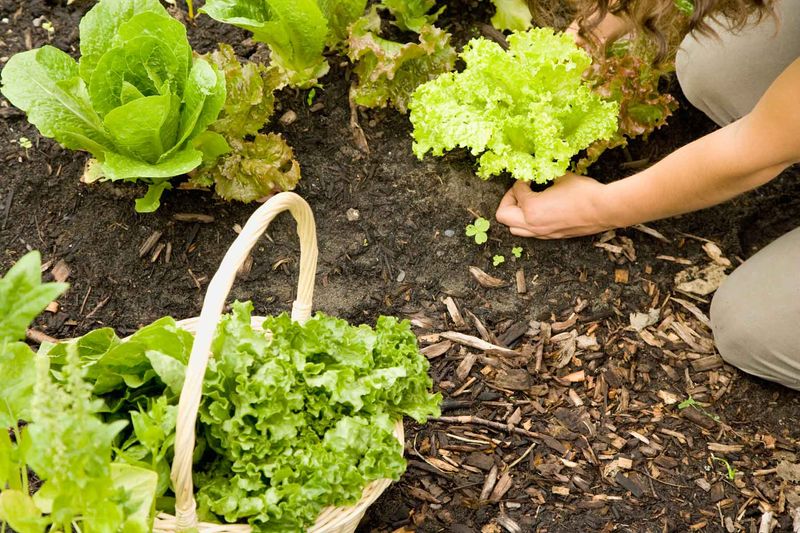
Lettuce is one of those crops that most gardeners write off once June arrives, assuming the heat will make it bolt before it is worth harvesting.
That assumption is fair for some Ohio gardens, but it overlooks a few practical strategies that can keep lettuce productive well into summer.
Choosing bolt-resistant varieties, planting in a spot with afternoon shade, and keeping the soil consistently cool with mulch can extend the lettuce season noticeably.
Loose-leaf varieties tend to handle June conditions better than heading types like iceberg or romaine.
They mature faster, can be harvested by picking outer leaves rather than pulling the whole plant, and generally tolerate mild heat better than their tighter-headed cousins.
Planting in the shadow of taller crops like tomatoes or trellised beans is a simple way to reduce heat stress on lettuce without dedicating a separate shaded bed.
For gardeners thinking beyond summer, lettuce also makes sense as a late-summer planting for fall harvests. Sowing again in August for a September and October crop is a common succession strategy.
But for those who want fresh greens right now, a June planting in a shaded, well-watered spot can still deliver.
Keeping expectations realistic and choosing the right variety makes the difference between a productive June lettuce bed and a frustrating one.
7. Radishes Still Reward A June Sowing
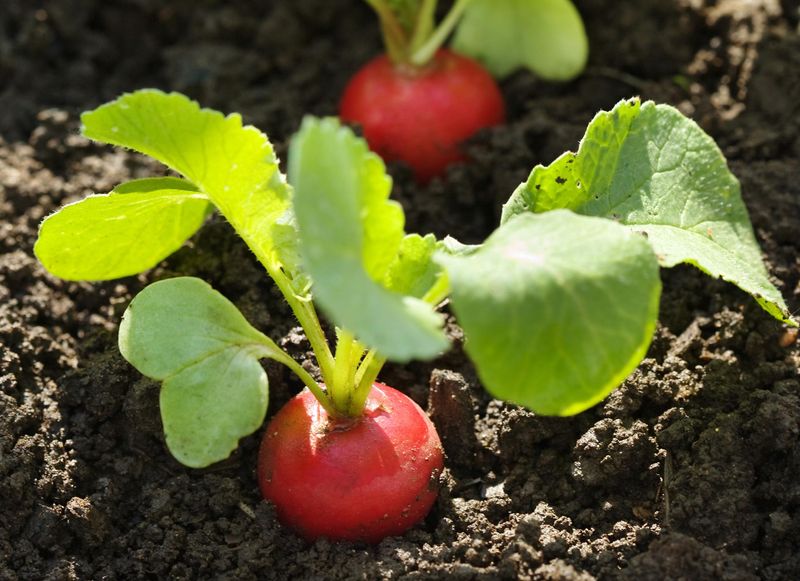
Radishes are the garden’s most immediate reward, and that quality makes them genuinely useful in June when patience is already running thin.
Most standard radish varieties mature in 22 to 30 days from seed, which means a mid-June sowing in Ohio can produce harvestable roots before the end of the month.
That quick turnaround is hard to match with almost any other vegetable.
The main challenge with June radishes in Ohio is heat. Standard round varieties like Cherry Belle or French Breakfast tend to bolt quickly and turn pithy when temperatures stay consistently above 80 degrees.
Choosing a slightly more heat-tolerant variety or timing the planting for a cooler stretch in early June gives the crop a better shot at producing well-formed, crisp roots.
Planting radishes alongside slower-growing crops like carrots or parsnips is a classic gardening trick. The radishes germinate quickly, mark the row, and get harvested before the slower crops need the space.
In Ohio raised beds, this kind of companion planting makes efficient use of limited garden area.
Succession sowing every two weeks through mid-June keeps a steady supply coming rather than ending up with a single oversized flush that outpaces what any household can reasonably eat in a week.
8. Turnips Can Still Be Started Now
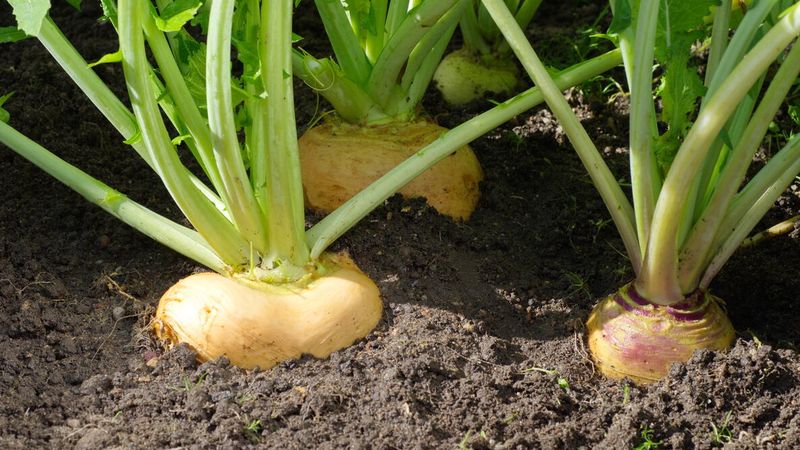
Turnips do not get nearly as much credit as they deserve in Ohio vegetable gardens. They are fast, productive, and useful in multiple ways – the roots are edible, and so are the leafy greens, which makes them a two-for-one crop in a single bed.
A June sowing in Ohio works well for gardeners who want a summer harvest of greens and smaller roots, or who are planning ahead for a full-sized fall turnip crop.
Most turnip varieties mature in about 45 to 60 days, which gives June-sown plants in Ohio plenty of time to produce before the season ends.
Planting in early to mid-June is generally better than waiting until late June, since the roots benefit from some cooling temperatures at the end of the season to develop their best flavor.
Turnips that mature entirely in summer heat can turn sharp and woody rather than mild and tender.
Direct sowing is the standard approach for turnips since they do not transplant especially well. Sow seeds thinly in rows or scatter them in wide bands and thin to about four to six inches apart once seedlings emerge.
Gardeners with heavy clay soil may want to work in some compost before sowing to improve drainage and root development. Consistent moisture helps turnips grow steadily without toughening up.
9. Kale Still Fits A Late Start
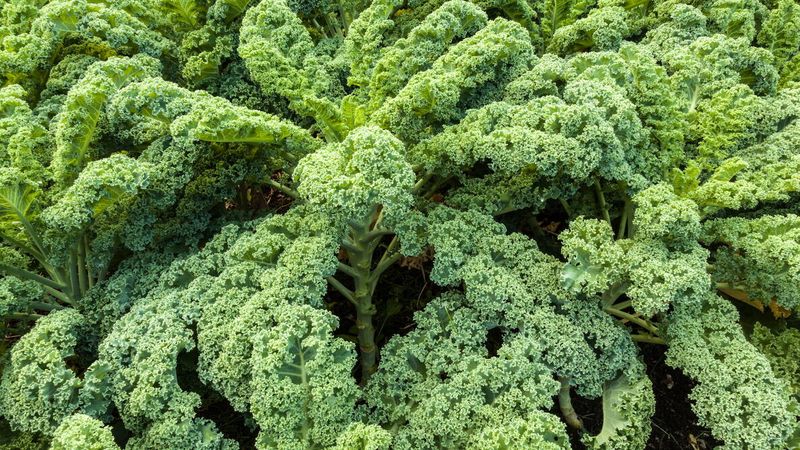
Kale has become one of the most talked-about vegetables in the home garden, and for good reason – it is genuinely tough, productive, and nutritious. Starting kale in June in Ohio is not a compromise or a fallback plan.
It is actually a smart move for gardeners who want a crop that improves as the season cools and keeps producing well into fall and sometimes beyond the first frost.
June-sown kale has time to establish during summer and then hit its stride when September temperatures drop.
Kale leaves become noticeably sweeter after frost exposure, which is why fall-harvested kale from an Ohio garden often tastes better than anything available at a store in the middle of winter.
Curly varieties like Winterbor and flat-leaf types like Lacinato both handle Ohio fall conditions reliably.
Direct sowing kale seeds in June works well, or transplants can be started indoors in late May and moved outside once they have a few true leaves. Spacing plants about 12 to 18 inches apart gives each one room to develop into a full, productive plant.
Kale can handle Ohio summer heat reasonably well compared to other cool-season crops, though consistent watering during dry spells keeps the leaves tender rather than tough.
Harvesting outer leaves regularly encourages the plant to keep producing through the season.