Your Missouri Yard Is A Raccoon Hot Spot After Dark, Here Is Why And What To Do About It
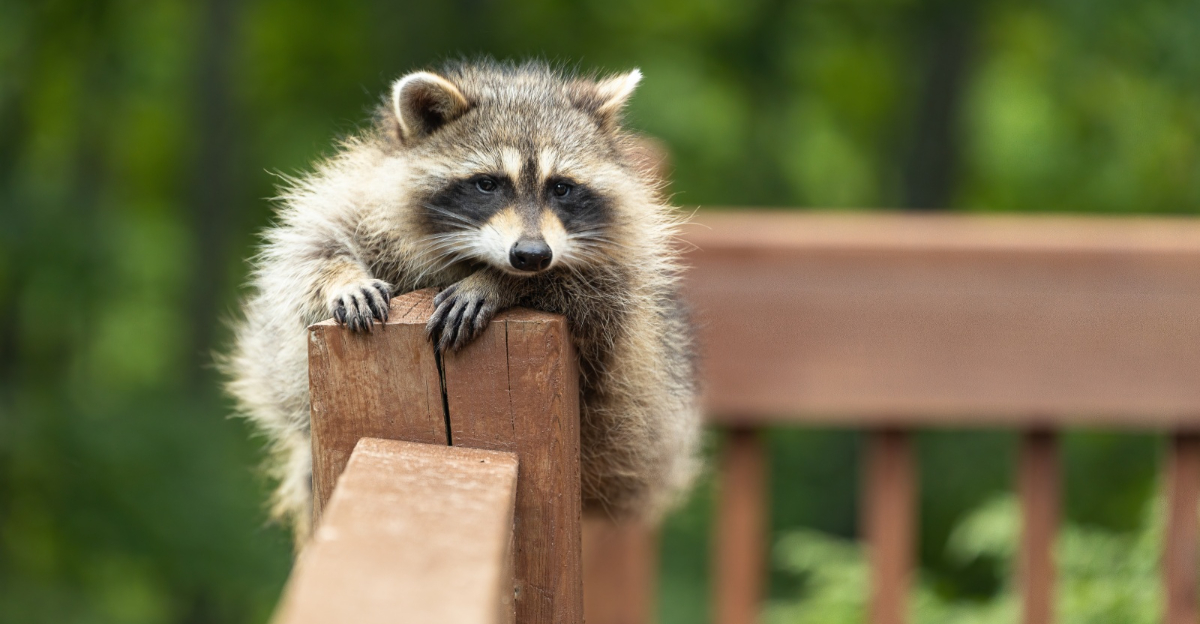
Trash cans rattling at midnight. A shadowy figure darting across your Missouri lawn. Raccoons have mastered the art of turning neighborhood yards into their personal dining rooms.
These resourceful, masked foragers are surprisingly skilled at sniffing out a meal, and most homeowners never figure out why they keep coming back.
Open compost bins, unattended pet food bowls, and fallen fruit are just a few of the quiet invitations your yard sends out each night. The encouraging part? A handful of practical changes can shift the odds in your favor.
Raccoons are opportunists, not residents. They move on quickly when easy food sources disappear.
Missouri homeowners who understand what attracts these nighttime visitors are already halfway to solving the problem.
Make a few smart adjustments to your outdoor space, and those midnight raids could become a thing of the past. Ready to stop being every raccoon’s favorite stop?
Tempting Trash And Easy Meals
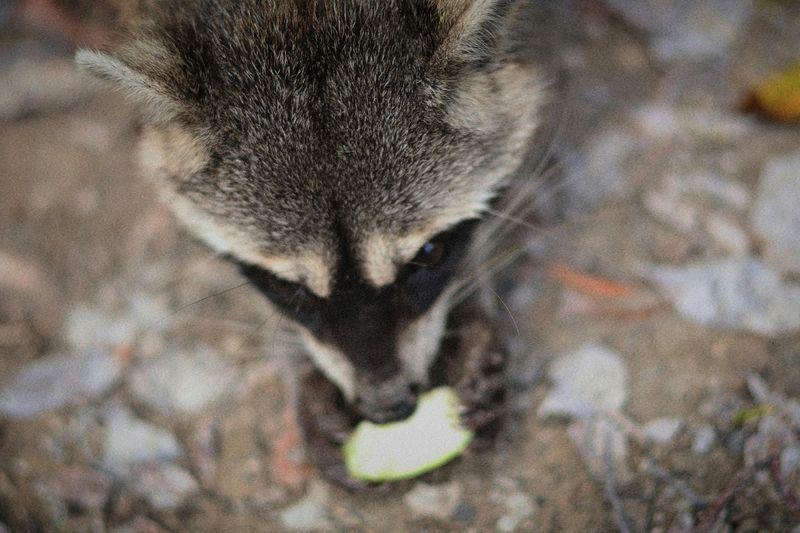
Raccoons have nimble fingers that would make a locksmith jealous. Those clever paws can lift lids, pull handles, and tip over standard trash cans without breaking a sweat.
A Missouri yard with easy-access garbage is basically a drive-through window for hungry wildlife.
Raccoons have a keen sense of smell, making even a tightly sealed bag of leftovers inside a regular bin hard to hide.
Food scraps like meat wrappers, fruit peels, and greasy containers are especially magnetic to these scavengers.
Leaving garbage cans outside overnight without a secure lid is one of the top reasons raccoons keep coming back. Once they find a reliable food source, they remember it and return every single night.
The fix starts with understanding that your trash is the number one attraction drawing raccoons into your yard after dark.
Pet Food Left Out In The Open
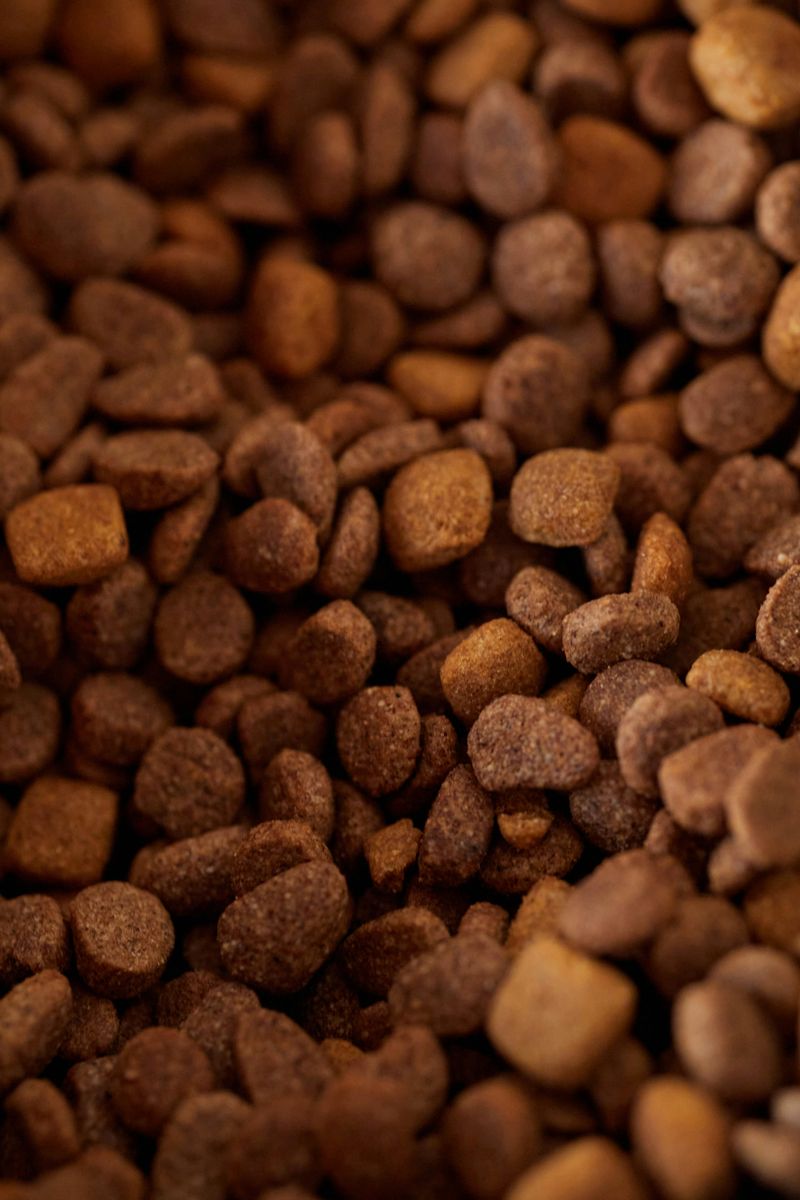
Leaving a bowl of kibble on the porch overnight is like putting out a neon sign that reads “Free Meals Here.” Raccoons are opportunistic eaters and will not pass up an easy, protein-rich snack.
Pet food left outside is one of the most common and overlooked reasons these animals visit yards repeatedly. What makes this especially tricky is that raccoons are bold.
They will approach a porch, a deck, or even a doorstep without much hesitation once they know food is available. Over time, they lose their natural wariness of humans, which creates a bigger problem than just a missing bowl of kibble.
Cats and dogs that eat outside are not always fast eaters, and leftover food sitting in a bowl for hours is a guaranteed raccoon magnet. Even the smell of a recently emptied bowl can attract these masked foragers.
Bringing pet food inside before the sun goes down is one of the simplest and most effective habits you can build to protect your yard from nightly raids.
Scattered Birdseed And Forgotten Feeders
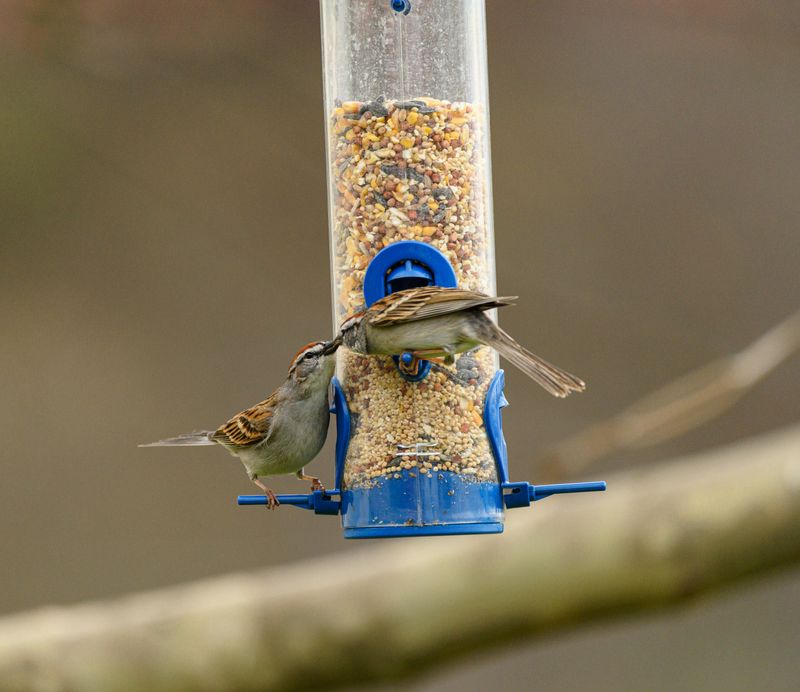
Bird feeders are a joy during the day and a raccoon magnet after dark. Sunflower seeds, peanuts, and mixed seed blends are high-calorie foods that raccoons absolutely love.
Your Missouri Garden Changes Every Week. Your Plan Should Too.
Gardening in Missouri changes quickly throughout the season. Every Friday you’ll receive a simple weekly plan showing exactly what to plant, prune, fertilize, harvest, and protect so you never miss the right timing.
Spilled seed on the ground beneath a feeder is especially tempting because it requires minimal effort to eat.
Here is something most bird lovers do not realize: a raccoon can smell birdseed from a significant distance and will actively seek it out.
These animals are surprisingly good climbers and can scale feeder poles, squeeze through baffles, and knock feeders clean off their hooks. Once they discover a feeder, they will check back night after night.
The seed scattered on the ground compounds the problem because it also attracts mice and rats, which then attract even more predators.
A yard with a poorly maintained feeder setup becomes a wildlife gathering spot that is hard to shut down.
Taking feeders inside each evening, or switching to squirrel-proof and raccoon-resistant designs, breaks the cycle and keeps your backyard bird station working for birds only.
Ripe Produce And Fallen Fruit Are Too Good To Ignore
Nothing stops a gardener’s heart faster than finding their vegetable patch destroyed overnight.
Raccoons are notorious garden raiders, and they have a particular fondness for sweet corn, tomatoes, melons, and strawberries.
A productive garden without protective fencing is essentially an open salad bar for local wildlife.
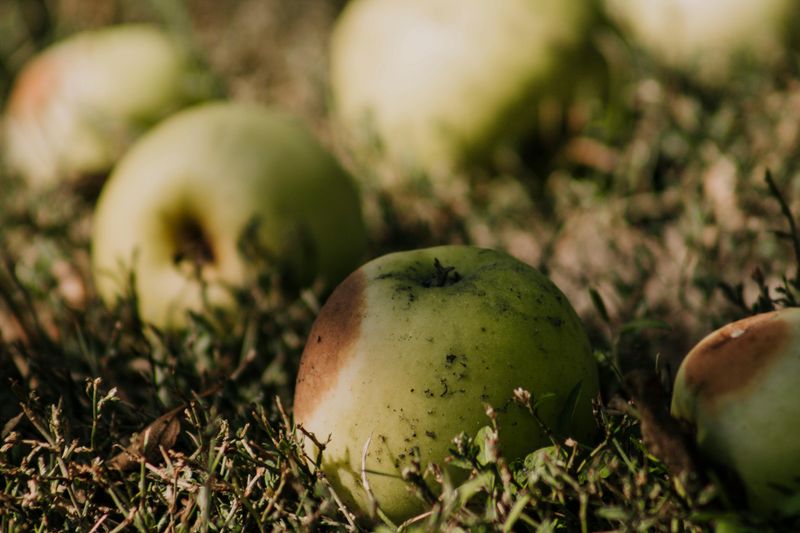
Fruit trees add another layer of attraction. Dropped fruit sitting on the ground ferments quickly, producing a sweet, strong scent that raccoons can detect from far away.
They will visit the same tree repeatedly throughout the growing season, especially once fruit starts dropping in late summer and early fall.
Gardeners who put serious effort into growing their own food deserve to enjoy the harvest themselves.
Installing motion-activated lights, wrapping tree trunks with metal sheeting, and using wire fencing around garden beds are all effective deterrents.
Picking ripe produce promptly and clearing fallen fruit every evening removes the temptation before nightfall. A little extra effort at dusk can save an entire season of hard work from being devoured by sunrise.
Compost Piles Are Left Uncovered
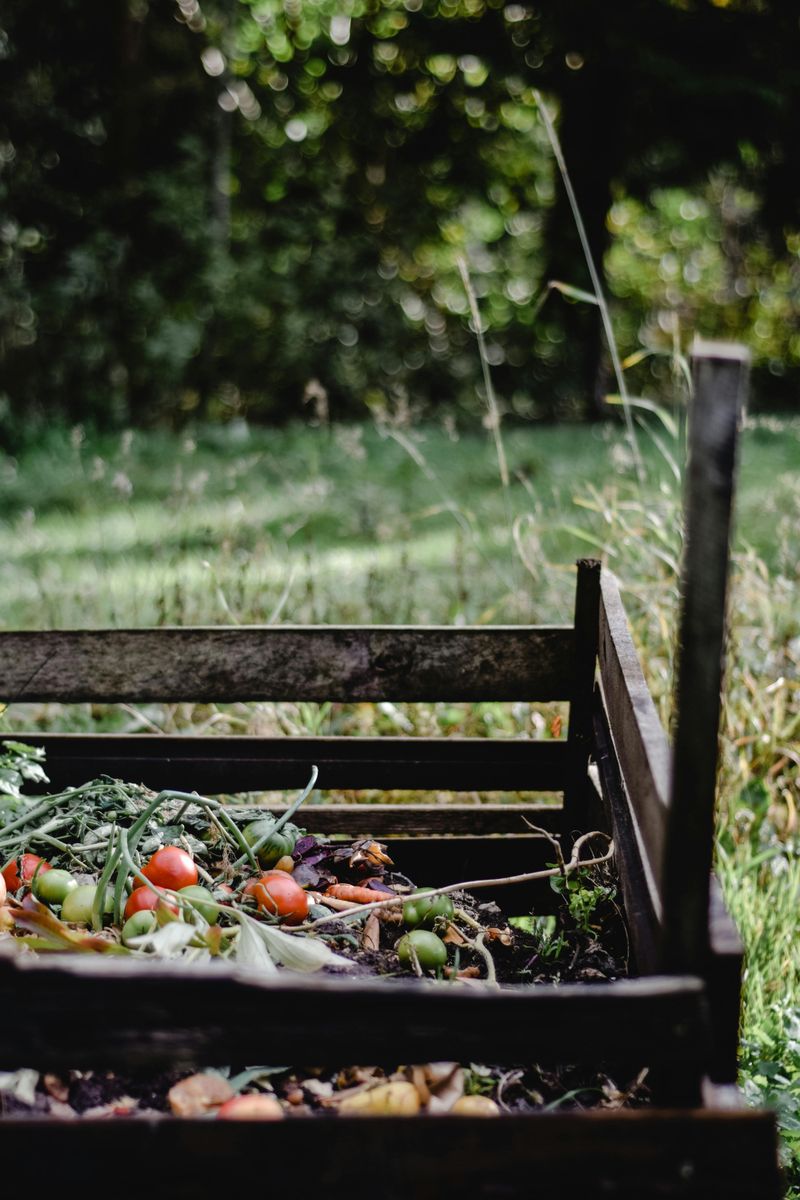
Composting is one of the greenest habits a homeowner can adopt, but an open pile is basically a buffet table with no closing time.
Food scraps like vegetable peels, coffee grounds, eggshells, and fruit cores release strong odors as they break down.
Raccoons follow those smells straight to the source, often making a mess of the pile in the process. What many composters do not expect is how quickly a raccoon figures out the routine.
If you add scraps in the evening and leave the pile uncovered, expect a visitor before midnight.
They dig, scatter, and eat selectively, leaving behind a scattered disaster that takes time to clean up and reorganize.
The compost pile does not have to be a problem, though. Switching to a closed bin with a latching lid eliminates most of the odor that attracts wildlife in the first place.
Avoiding meat, dairy, and oily foods in your compost further reduces the scent profile. With the right setup, you can compost freely without turning your yard into a nightly raccoon destination.
Standing Water Is An Open Invitation
Raccoons are famously associated with water, and for good reason. They frequently wet their food before eating, a behavior that one theory suggests may enhance their sense of touch.
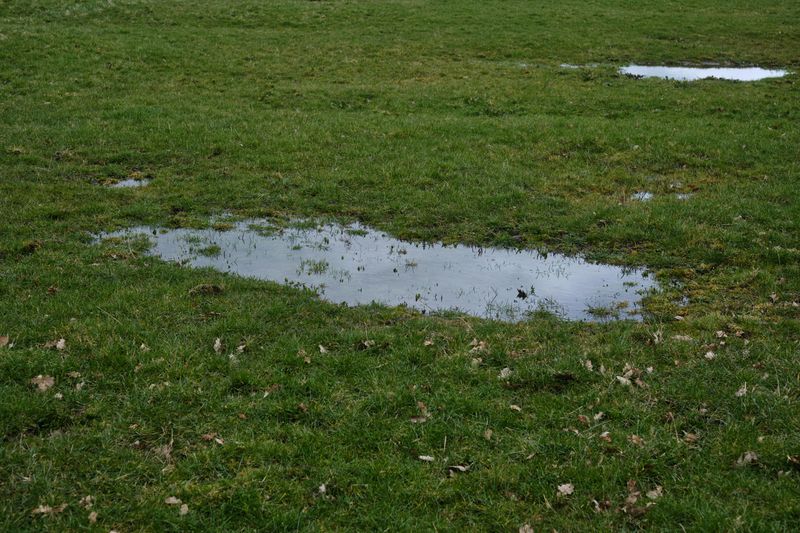
Any standing water in your yard, from birdbaths to buckets to low-lying puddles, acts as a welcome station for these nocturnal animals.
Beyond drinking and food-wetting, water sources also attract the insects and small creatures raccoons love to snack on.
Mosquito larvae, frogs, and small insects thrive in standing water. A yard with both food and water nearby is a raccoon’s ideal nightly stop.
Standing water also poses its own set of problems, including mosquito breeding and lawn damage from repeated animal traffic.
Emptying birdbaths at night, covering garden ponds with netting, and fixing areas where water pools after rain are smart steps.
Reducing water access does not mean eliminating every feature you love in your yard. It simply means being strategic about when and where water is available so your space stays enjoyable for you, not for masked nighttime guests.
Decks And Sheds Make Perfect Hiding Spots
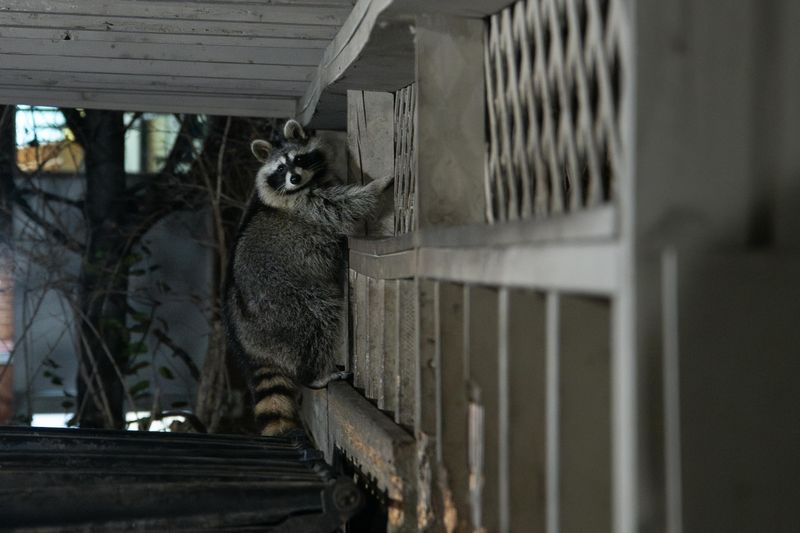
Raccoons are not just looking for food when they visit your yard. They are also scouting for a place to sleep, raise young, and stay warm.
The dark, sheltered space beneath a deck or shed is exactly the kind of cozy hideout a mother raccoon is searching for in spring. Once a family moves in, the problem goes from occasional visits to a full-time wildlife situation.
A raccoon litter typically includes three to five babies, and the mother is fiercely protective of her den. Having a family living under your deck means noise at night, damage to insulation or wiring, and a persistent odor that is hard to eliminate.
It also dramatically increases the chances of encounters with pets or children during the day. Spotting signs early makes all the difference. Look for disturbed soil, scratch marks on wood, and droppings near the base of your deck or shed.
If the space is still unoccupied, sealing it off with heavy-gauge wire mesh is the most effective long-term solution. Acting before raccoons settle in is far easier than dealing with an established den.
Lock Or Secure Trash Cans
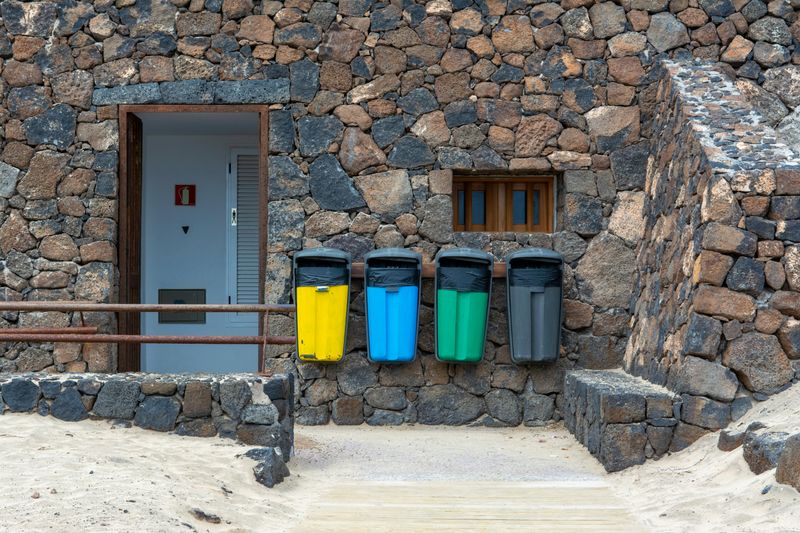
Securing your trash cans is the single most impactful step you can take to stop raccoon visits almost overnight. Standard lids are no match for an animal with dexterous paws and a strong motivation to eat.
A raccoon can pop off a loose lid in seconds, so the upgrade needs to be deliberate and sturdy. Heavy-duty bungee cords looped through the handles and over the lid work well as a quick fix.
For a more permanent solution, look for trash cans designed with locking mechanisms or claw-resistant materials. Some municipalities even offer wildlife-resistant cans through local programs, so it is worth checking with your city or county.
Storing cans in a garage or shed until the morning of pickup is the most foolproof method of all. If outdoor storage is the only option, placing cans in a wooden or metal enclosure with a latching door adds another barrier.
Raccoons are persistent, but they are also practical. If a food source requires too much effort, they will eventually move on.
Making your trash inaccessible is one of the most empowering moves a Missouri homeowner can make.
Bring Pet Food Inside Before Dark

Sunset is your cue to bring every food bowl inside, no exceptions. Even a small amount of kibble left in a dish is enough to draw a raccoon onto your porch and keep it coming back for weeks.
Building this habit into your evening routine takes less than a minute and makes a noticeable difference almost immediately.
If your pets graze throughout the day and resist scheduled feeding, consider switching to timed meals. Feeding dogs and cats at set times means bowls are empty well before dusk, eliminating the problem without any extra effort.
Pets actually tend to thrive on a feeding schedule, so this adjustment benefits everyone in the household. Water bowls are a slightly trickier call.
While you do not want to leave your pets without water, raccoons are drawn to water sources too. Bringing water bowls in at night and refilling them fresh in the morning is a good compromise.
If that feels like too much, elevating the bowl on a stand or using a motion-activated deterrent nearby can reduce raccoon interest. Small adjustments at dusk keep your porch peaceful long after dark.
Remove Bird Feeders At Night
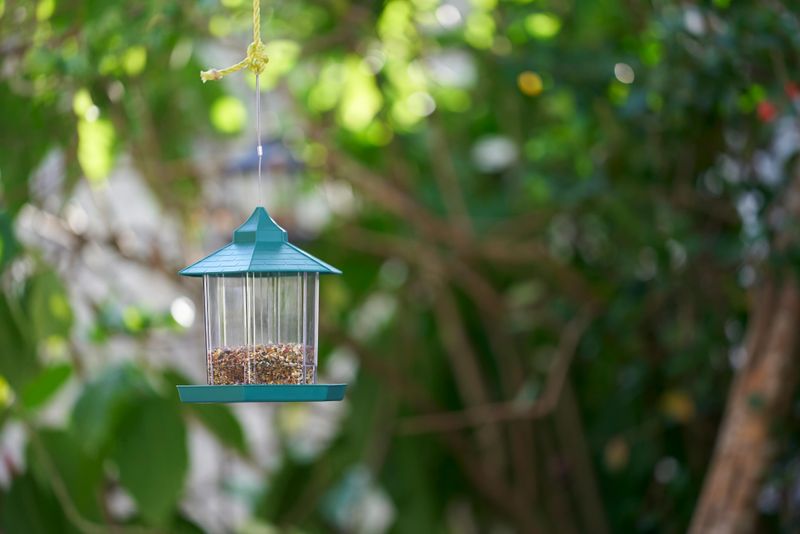
Taking your bird feeder down each evening is one of those habits that sounds inconvenient but quickly becomes second nature.
Raccoons are most active between dusk and dawn, so a feeder left out overnight is essentially unguarded during their peak hunting hours.
Removing it before dark eliminates the temptation entirely and protects your feeder from damage.
Many feeder poles show claw marks and bent baffles from repeated raccoon attempts, which adds up to real replacement costs over time.
A feeder that gets knocked down repeatedly also scatters seed across the ground, creating a ground-level food source that is even easier for wildlife to access.
The cycle feeds itself unless you break it with a consistent evening routine. Storing the feeder in a garage, shed, or even just inside the back door each night is all it takes.
If you have multiple feeders or a setup that is difficult to dismantle quickly, consider installing a motorized or pulley-style system that lets you raise feeders out of reach after dark.
Your backyard birds will still show up, and your feeder will last longer without nightly raccoon interference.
Pick Up Fallen Fruit And Harvest Vegetables Promptly
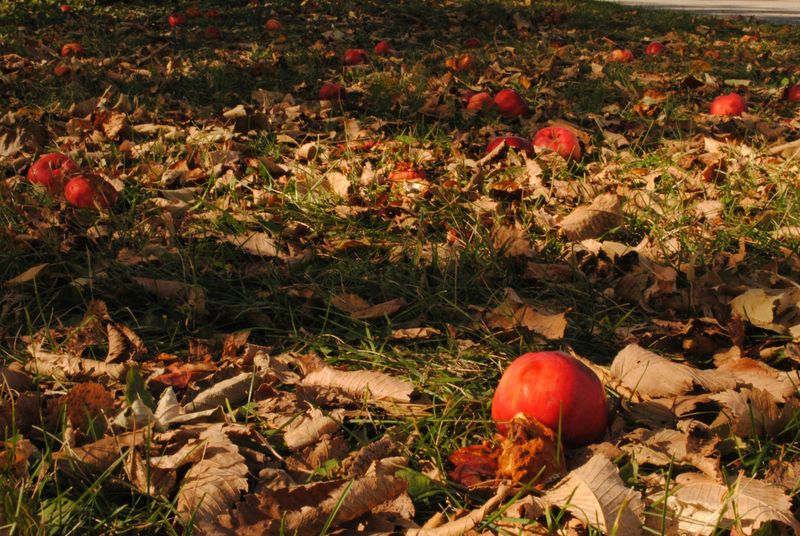
Fallen fruit is one of the most underestimated raccoon attractants in any yard. A single apple tree dropping fruit in late summer can draw wildlife every single night without the homeowner ever understanding why.
The sweet, fermenting scent of overripe fruit on the ground is an irresistible signal to scavenging animals.
Making a habit of walking the yard each evening to collect dropped fruit takes only a few minutes but pays off significantly.
Ripe vegetables left on the vine past their peak also release stronger odors, so harvesting promptly keeps your garden from broadcasting a dinner invitation.
A basket and a quick sweep at dusk is all the routine you need. Fruit and vegetable scraps collected during the sweep should go straight into a sealed bin, not onto an open compost pile.
Composting is still a great practice, but the container matters enormously when wildlife is nearby. Raccoons that find no food reward in your yard two or three nights in a row will gradually shift their attention elsewhere.
Consistency is the key, and a simple evening harvest routine is one of the most satisfying ways to take back your yard.
Use A Closed Compost Bin
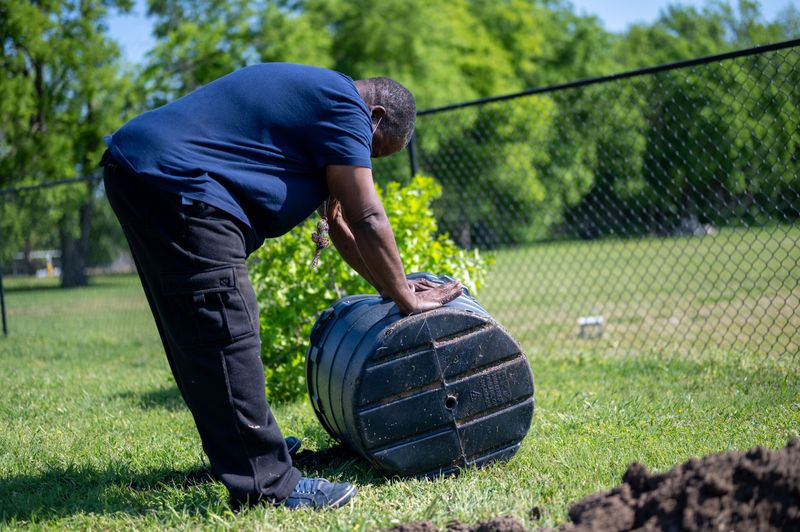
A closed compost bin with a secure lid is one of the smartest investments a yard-conscious homeowner can make.
It contains odors, speeds up decomposition, and sends a clear message to local wildlife that there is nothing accessible here.
Open piles, by contrast, are practically an advertisement for a free midnight snack. Look for bins made from thick, durable plastic or metal with a latching top and a solid base that prevents digging from below.
Some models come with ventilation slots that allow airflow without releasing enough scent to attract animals from a distance.
Placing the bin on a hard surface like a patio slab or gravel pad also reduces the risk of raccoons tunneling underneath. Even with a sealed bin, what you put inside matters.
Meat scraps, dairy products, and oily foods break down slowly and produce strong odors that even a lidded bin may not fully contain.
Sticking to plant-based scraps like vegetable trimmings, fruit cores, and yard waste keeps the smell minimal and the composting process efficient. With the right bin and smart habits, you can compost without attracting raccoons.
Remove Standing Water
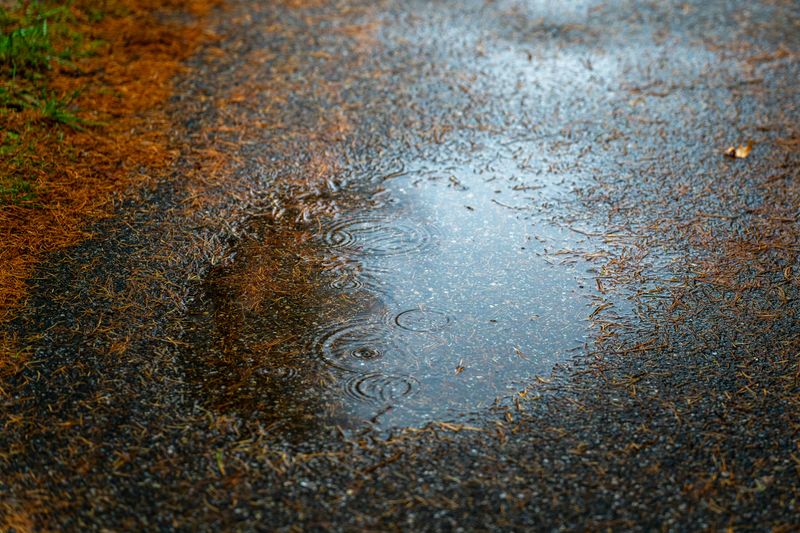
Standing water is a raccoon’s best friend, and most homeowners do not even realize how much of it accumulates in a typical yard.
Old buckets, clogged gutters, and neglected birdbaths can turn your space into a wildlife watering hole.
Eliminating these sources removes one of the key reasons raccoons keep circling back. Start by walking your yard after a rain and noting every spot where water collects.
Fix any grading issues that cause pooling near the foundation, and empty containers that have no purpose sitting outside. Clogged gutters can hold standing water that puddles near the base of your home.
Birdbaths and garden ponds are trickier because they serve a real purpose for birds and beneficial insects. For birdbaths, emptying them each evening and refilling in the morning is an easy compromise.
For ponds, covering the surface with netting at night makes access difficult without eliminating the feature entirely.
Motion-activated sprinklers placed near water features are another effective deterrent that startles animals without causing harm. Tackling standing water is a quiet but powerful move in your overall raccoon-prevention strategy.
Block Access Under Decks And Sheds
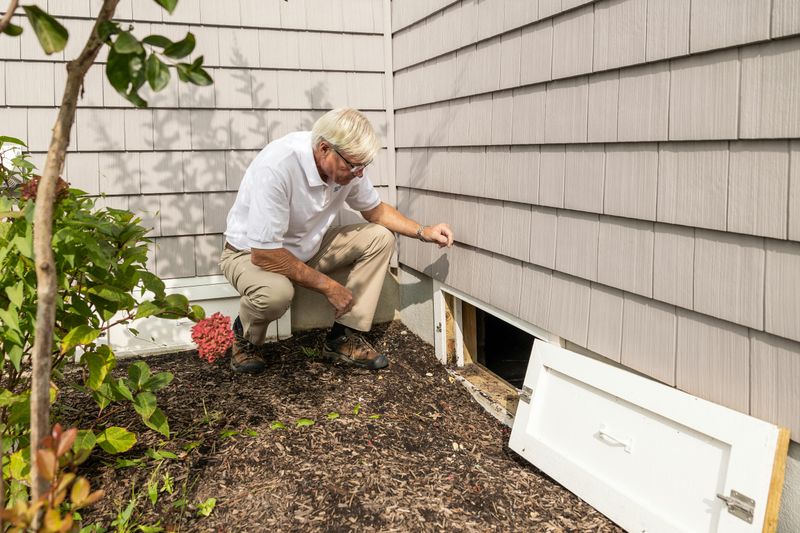
Sealing off the space beneath your deck or shed is one of the most effective long-term raccoon prevention steps you can take in your Missouri yard.
Once these animals find a warm, sheltered crawl space, they treat it as home and are extremely difficult to evict.
Acting before they move in is always easier than dealing with an established family of raccoons under your feet.
Heavy-gauge galvanized wire mesh, sometimes called hardware cloth, is the material of choice for this job. Bury it several inches into the ground along the perimeter of the structure to prevent digging underneath.
Fasten it tightly to the frame so there are no gaps wide enough for a determined animal to squeeze through.
Before sealing any opening, confirm the space is empty. Installing a one-way door temporarily allows any animal already inside to exit without being trapped.
Wait several days before permanently closing the gap to make sure no one is left inside. Once the barrier is in place, inspect it seasonally for signs of damage or attempted entry.
A properly secured deck or shed stops raccoons from settling in and gives you peace of mind every night going forward.