These Perennials Help Oregon Gardeners Fight Weeds With Flowers
Weeds hate competition, which is excellent news for Oregon gardeners who would rather grow flowers than spend weekends pulling random green freeloaders.
Some perennials do more than look pretty. They spread into full patches, shade the soil, and leave fewer open spots for weeds to sneak in.
That kind of help feels especially useful in Oregon, where rain can wake up weed seeds fast. A bare bed in April can turn into a surprise jungle by June, and nobody needs that drama.
Flowering perennials can make those spaces harder to invade while adding color that actually feels planned.
The trick is choosing plants that fill in without becoming bullies themselves. Once settled, they can turn problem areas into blooming ground cover with a purpose.
It is weed control with a much better outfit. Your garden gets flowers, and the weeds get fewer chances to be annoying.
1. Catmint Softens Borders And Crowds Out Weeds
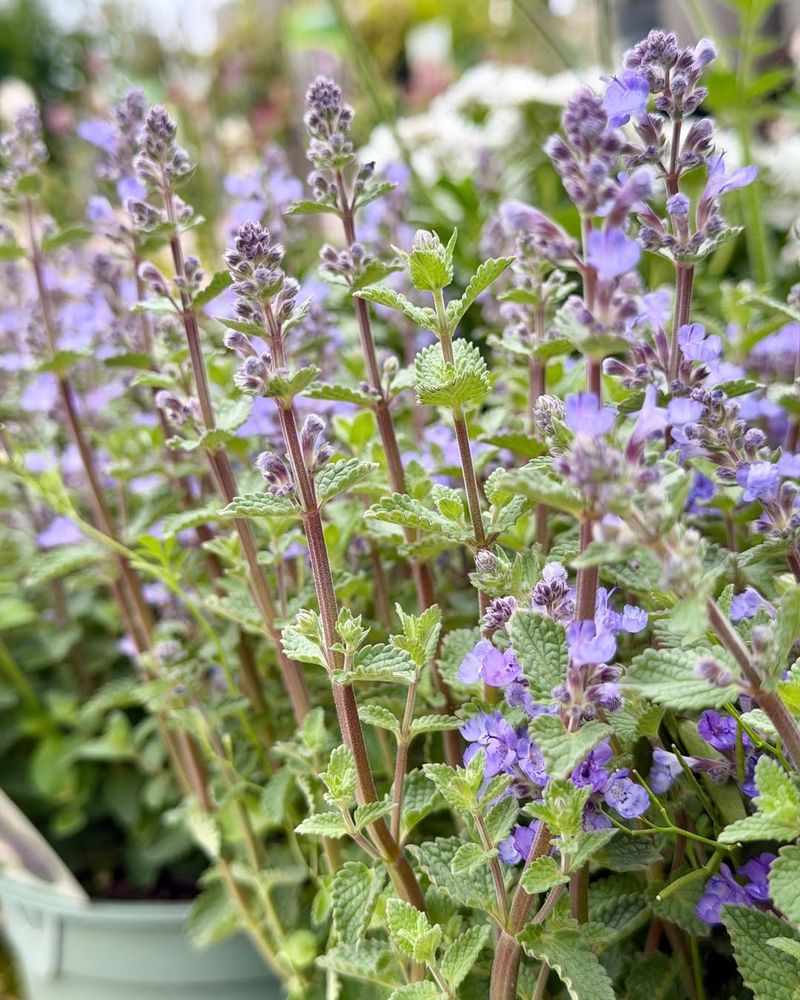
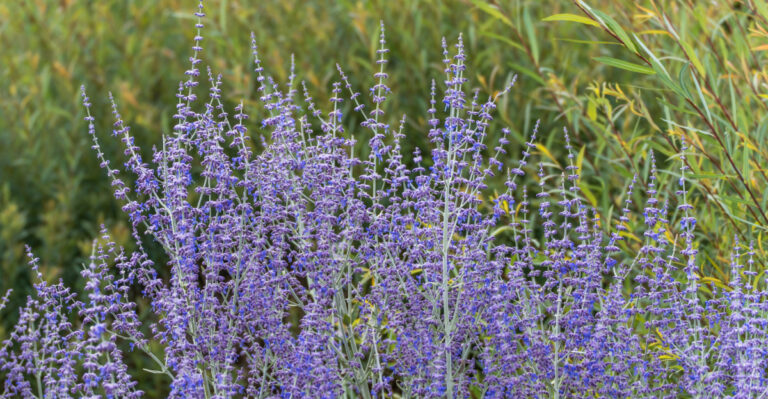
There is something almost magical about the way catmint transforms a garden border. Its soft, silver-green leaves and long spikes of lavender-blue flowers create a hazy, dreamy look that makes any garden edge feel intentional and polished.
It is one of those plants that looks like you put in a lot of effort, even when you did not. Beyond its good looks, catmint is a serious weed fighter. It grows into a wide, dense mound that shades the soil beneath it.
Weed seeds struggle to sprout when there is no sunlight reaching the ground. The plant also spreads at a steady pace, filling gaps along pathways and borders before weeds get the chance.
Catmint thrives in full sun and well-drained soil, which makes it perfect for the drier parts of our state.
It handles heat and drought better than many perennials, and deer tend to leave it alone. Bees and butterflies love it, so you get the bonus of supporting pollinators while keeping weeds at bay.
After the first big bloom in late spring, shear the plant back by about half. It will bounce back quickly with fresh foliage and often produces a second round of flowers by late summer. This plant is tough, fragrant, beautiful, and incredibly useful.
Planting it along a sunny border is one of the smartest decisions a gardener in this region can make.
2. Bee Balm Builds Dense Clumps That Shade Soil
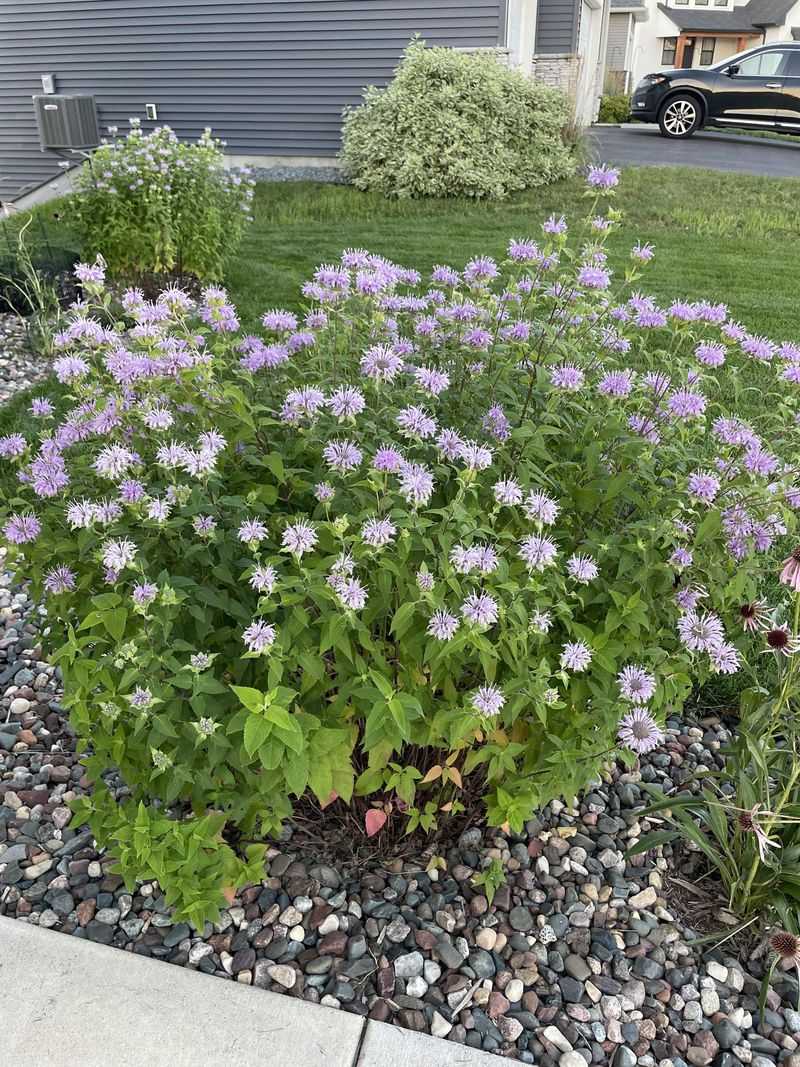
Bold, bright, and buzzing with life, bee balm is a standout in any garden. Its shaggy, spiky flowers come in shades of red, pink, purple, and white, and they bloom in midsummer when many other perennials are taking a break.
Hummingbirds, bees, and butterflies flock to it, making your garden feel alive and active. From a weed-control standpoint, bee balm is a powerhouse.
It spreads through underground runners to form wide, dense clumps over time. Those clumps shade the soil so thoroughly that most weeds simply cannot get started underneath them.
The taller the clumps grow, the more effective they become at blocking out unwanted plants around them.
It grows best in full sun to light shade and prefers moist, rich soil. In the wetter parts of our state, it tends to thrive with very little extra watering. In drier regions, giving it occasional deep watering during summer keeps it looking its best.
Your Oregon Garden Changes Every Week. Your Plan Should Too.
Gardening in Oregon changes quickly throughout the season. Every Friday you’ll receive a simple weekly plan showing exactly what to plant, prune, fertilize, harvest, and protect so you never miss the right timing.
Good air circulation helps prevent powdery mildew, which can affect the leaves in humid conditions.
To keep the clumps healthy and vigorous, divide them every two to three years. This also gives you extra plants to fill other weedy spots around the yard. Cutting spent flower stalks back to the ground in fall keeps the bed tidy through winter.
Bee balm is a plant with real personality, and it earns its space by being both stunning and seriously useful in the garden.
3. Hardy Geranium Fills Gaps Without Looking Messy
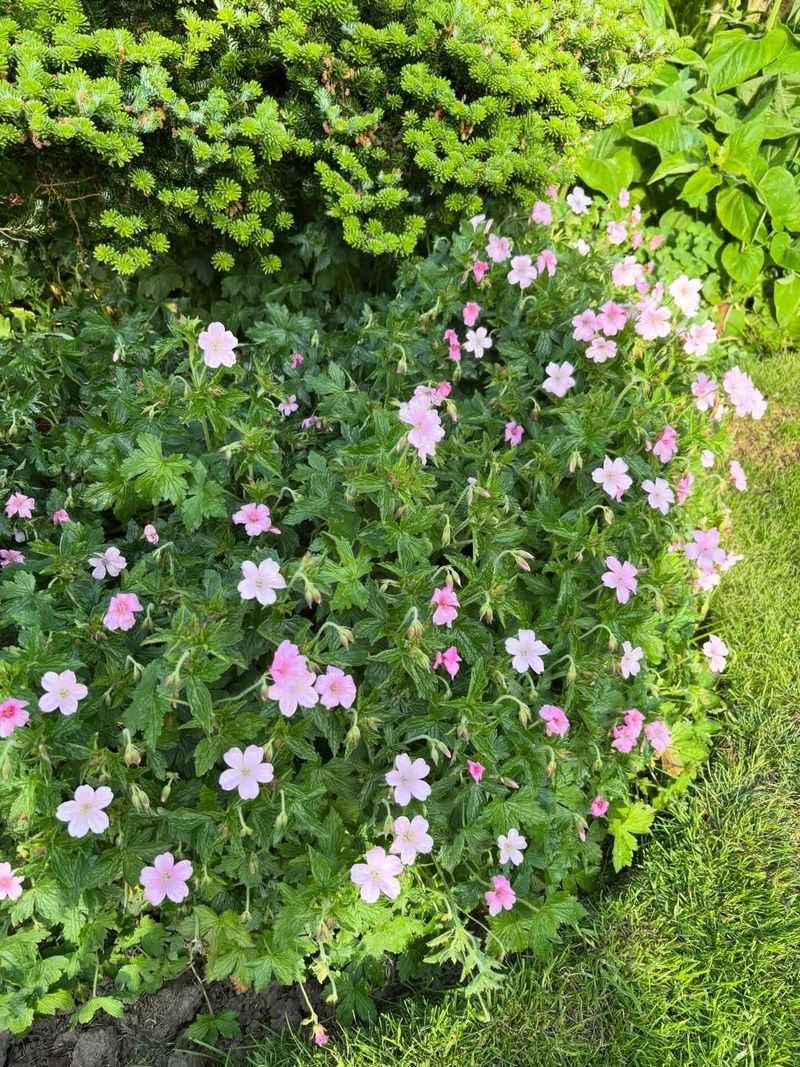
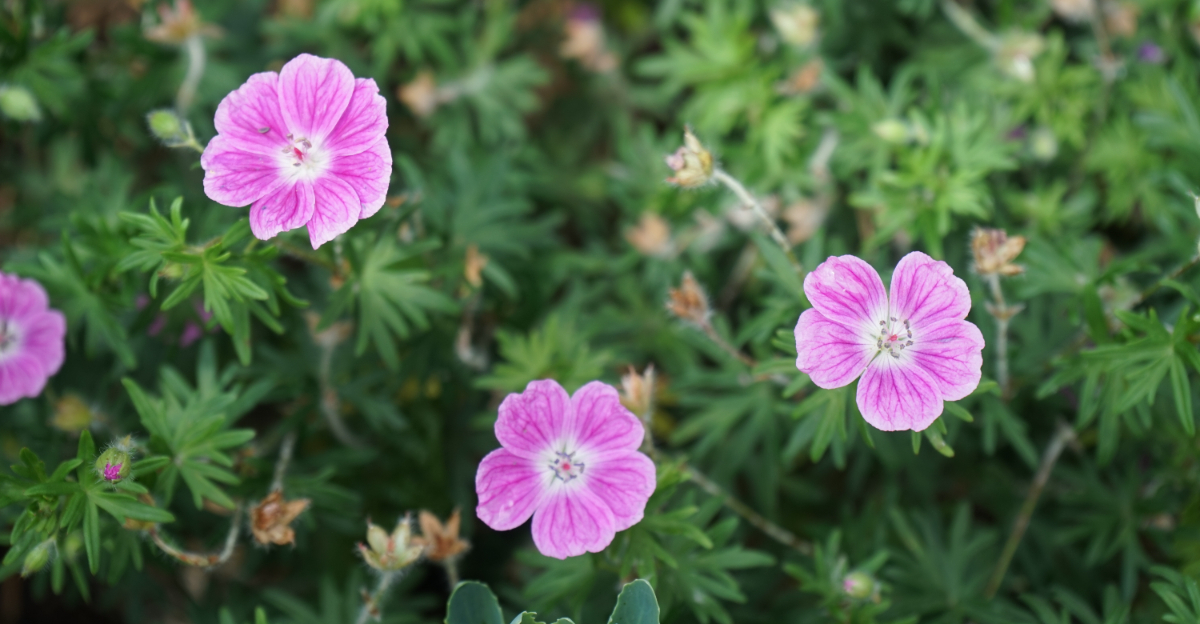
Few plants work as hard and look as effortless as the hardy geranium. Also called cranesbill, it forms a low, leafy mound that spreads steadily across open soil.
It does not take over aggressively, but it covers enough ground to block weed seeds from reaching the dirt below.
The leaves are deeply lobed and stay attractive even when the plant is not in bloom. When flowers arrive, usually in late spring or early summer, they come in shades of pink, purple, lavender, and white.
The blooms are cheerful without being showy, which makes them easy to mix with other plants.
Hardy geraniums do well in both sun and partial shade, which gives gardeners a lot of flexibility.
They are a great pick for filling the awkward gaps between taller perennials or shrubs. Instead of leaving bare soil where weeds love to settle, you can tuck in a few hardy geraniums and let them do the work.
In our state, they handle the rainy winters without much fuss. Once summer arrives, they are pretty drought-tolerant too. Cut them back after the first flush of blooms and they often rebloom later in the season.
Dividing them every few years keeps them vigorous and gives you more plants to spread around the garden.
They are one of the most reliable and low-maintenance weed-suppressing perennials available to gardeners here.
4. Creeping Thyme Turns Sunny Open Spots Into Blooming Mats
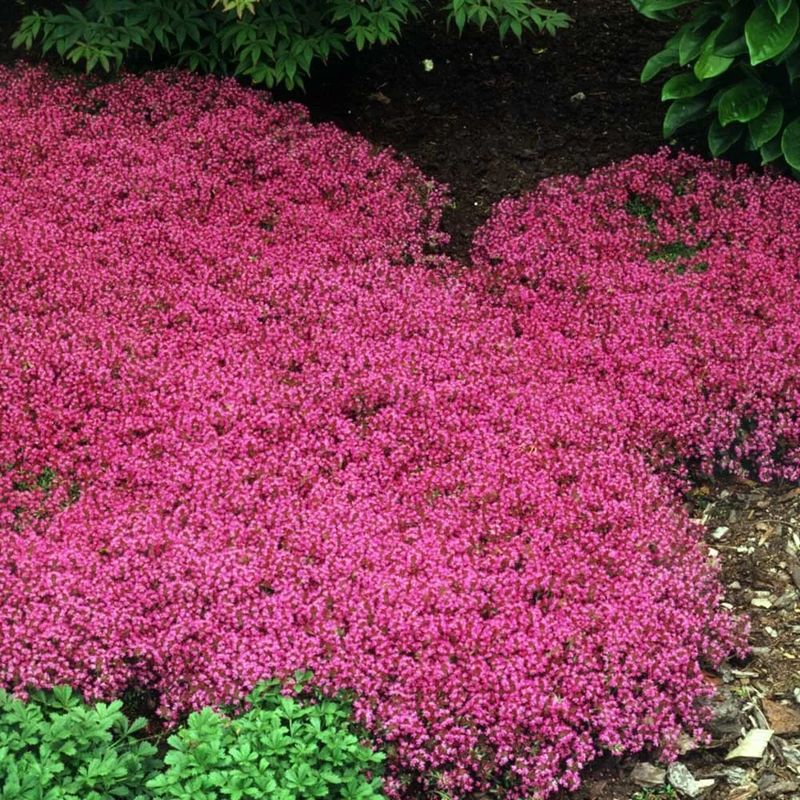
Open, sunny patches of bare soil are basically a welcome mat for weeds. Creeping thyme is the answer to that problem.
It spreads low and wide, hugging the ground and forming a thick, fragrant mat that leaves no room for anything unwanted to take root.
When it blooms in late spring and early summer, the tiny flowers turn the whole mat into a pink or purple carpet.
This plant is especially useful in spots where grass will not grow well and where you do not want to keep laying mulch.
Rocky slopes, spaces between stepping stones, and dry sunny corners are all perfect places for creeping thyme to shine. It handles foot traffic reasonably well, which is a bonus in high-traffic areas of the yard.
Gardeners in our state appreciate it because it handles dry summers without needing much extra water.
It roots deeply once established and rarely needs fertilizing. The only real maintenance is a light trim after blooming to keep it tidy and encourage fresh growth.
Creeping thyme is also deer-resistant and attracts a huge number of bees and other beneficial insects.
The fragrance released when you walk across it or brush against it is a pleasant bonus. You can also harvest small amounts of the leaves for cooking, since it is a true culinary thyme.
It is a hardworking, beautiful, and surprisingly versatile plant that earns its place in any sunny garden.
5. Daylilies Fill Space Fast With Tough Foliage
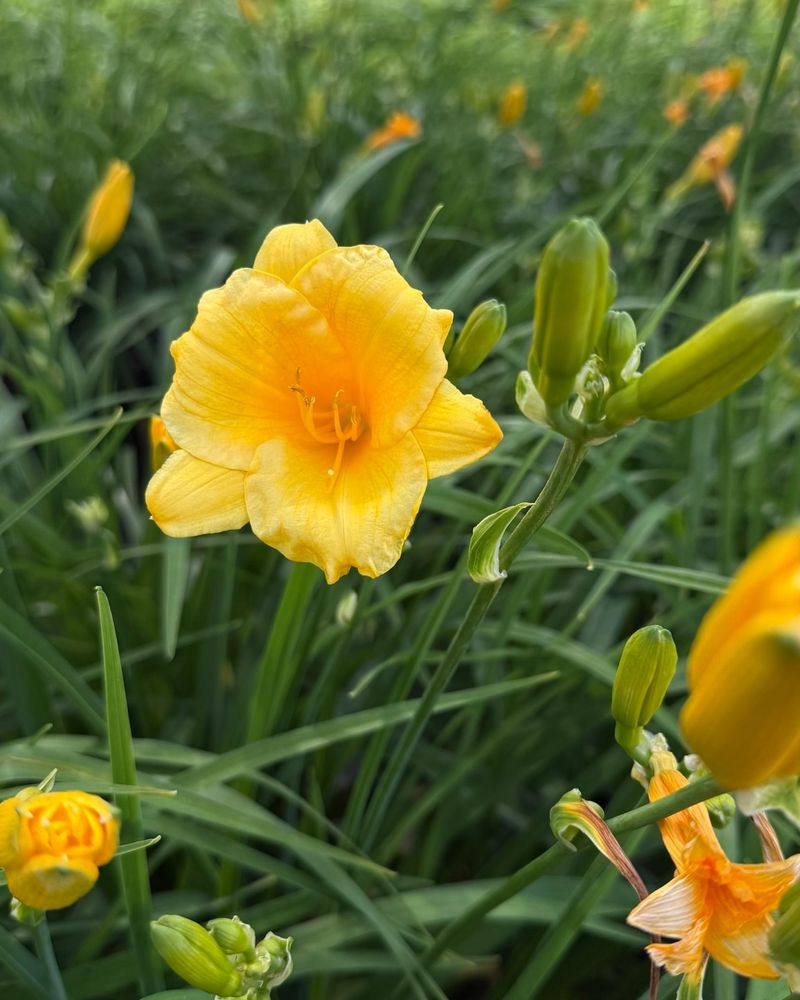
Daylilies have a reputation for being nearly unstoppable, and that is exactly what makes them so valuable in the weed battle.
Their strap-like leaves emerge early in spring and grow into thick, arching fans of foliage that cover the ground densely. By the time summer arrives, there is barely a patch of bare soil visible beneath them.
Weeds struggle to compete with daylilies because the foliage is so thick and fast-growing. Even stubborn weeds find it hard to push through a well-established clump.
The roots also spread steadily over the years, gradually taking over more ground and pushing out unwanted plants in the process.
One of the best things about daylilies is how little they ask for in return. They tolerate poor soil, drought, and neglect better than almost any other perennial.
In our state, they do especially well in sunny spots with decent drainage. They are not bothered much by pests or disease, which keeps maintenance very low.
The flowers are a bonus on top of all that practical usefulness. They come in nearly every color you can think of, from pale yellow to deep burgundy, and they bloom for weeks at a time.
Each individual flower lasts just one day, but new ones keep opening throughout the season.
Dividing clumps every few years keeps them blooming strongly and gives you more plants to spread across weedy areas. Few perennials offer this much value for so little effort.
6. Black-Eyed Susans Make Weedy Spots Look Intentional
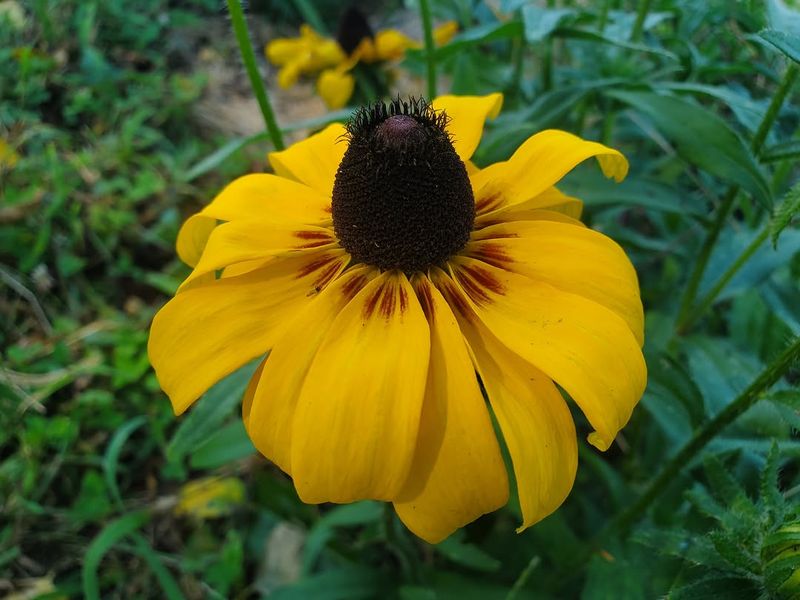
Some plants are so cheerful they can make even a rough, weedy-looking spot seem like it was planned that way.
Black-eyed Susans have that gift. Their bold yellow petals and dark chocolate centers are instantly recognizable and endlessly appealing. They bring a sunny, wildflower energy to any garden that feels relaxed and welcoming.
From a practical standpoint, they are excellent at filling space. They form upright clumps that spread gradually over time, and their dense foliage at the base shades out weeds effectively.
Because they self-seed freely, they can fill in gaps across a bed year after year without any effort from you.
That spreading habit is one of their biggest advantages in the weed-fighting game. They grow well in full sun and adapt to a wide range of soil types, including the heavy clay soils that are common in many parts of our state.
They are drought-tolerant once established and rarely need fertilizing. That combination of toughness and beauty makes them a go-to plant for low-maintenance gardeners.
Birds love the seed heads in fall and winter, so consider leaving the stalks standing after bloom rather than cutting them down right away. This adds winter interest to the garden and supports local wildlife.
Deadheading spent flowers during the season encourages more blooms and controls self-seeding if you want to keep the plants contained.
Black-eyed Susans are one of the most rewarding and reliable perennials you can grow in this region.
7. Sedum Handles Dry Corners Weeds Usually Claim
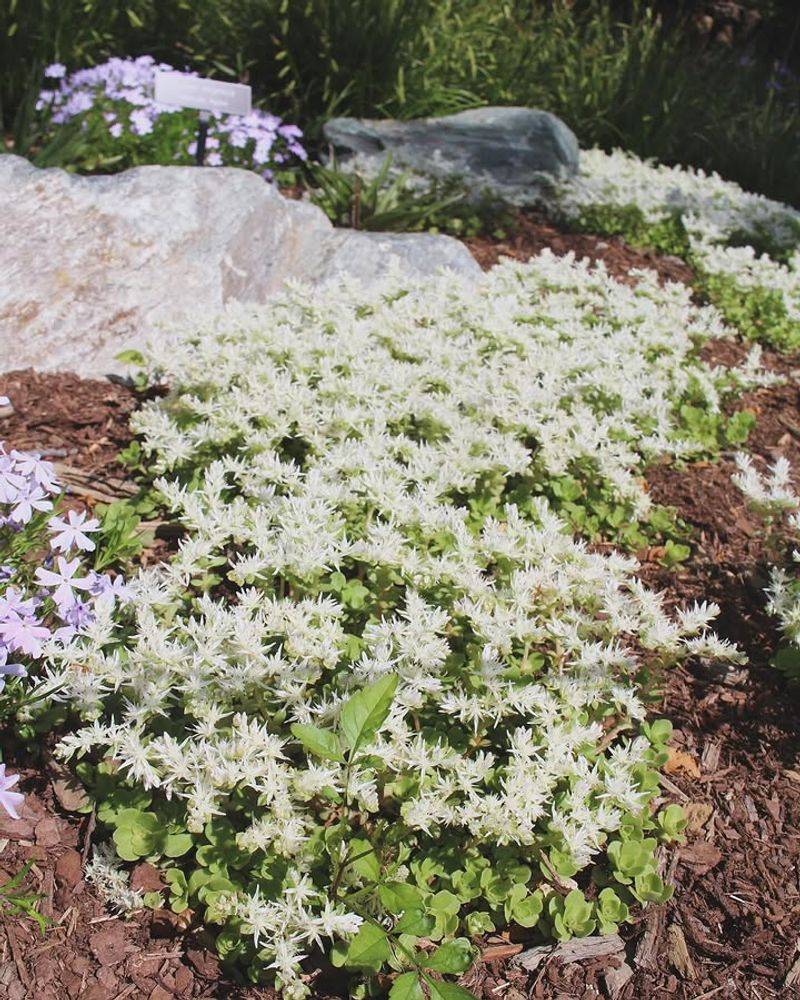
Dry, neglected corners of the yard are prime real estate for weeds. Most garden plants do not want to grow there, so weeds move in and take over without competition.
Sedum is one of the few perennials tough enough to thrive in those same harsh conditions and beat the weeds at their own game.
Also known as stonecrop, sedum stores water in its thick, fleshy leaves, which means it can handle drought like a champion. It spreads steadily across dry soil, forming a low, dense mat that leaves no room for weeds to establish.
The flowers, which appear in late summer and fall, are small but plentiful and come in shades of yellow, pink, red, and white.
There are two main types worth knowing about. Low-growing sedums are ideal for ground cover and filling gaps between rocks or pavers.
Taller varieties, like Autumn Joy, form upright clumps that work well in borders and look striking even in winter when the dried seed heads catch frost.
In our state, sedum is especially useful on south-facing slopes and in spots near walls or pavement that tend to bake in summer.
It needs very little water once established and almost never needs fertilizing. Poor soil is actually fine for most varieties.
Too much moisture or rich soil can cause the stems to flop. Plant it in a sunny, dry spot and it will reward you with years of low-maintenance beauty and reliable weed suppression.
8. Lamb’s Ear Blocks Weeds With Fuzzy Silver Leaves
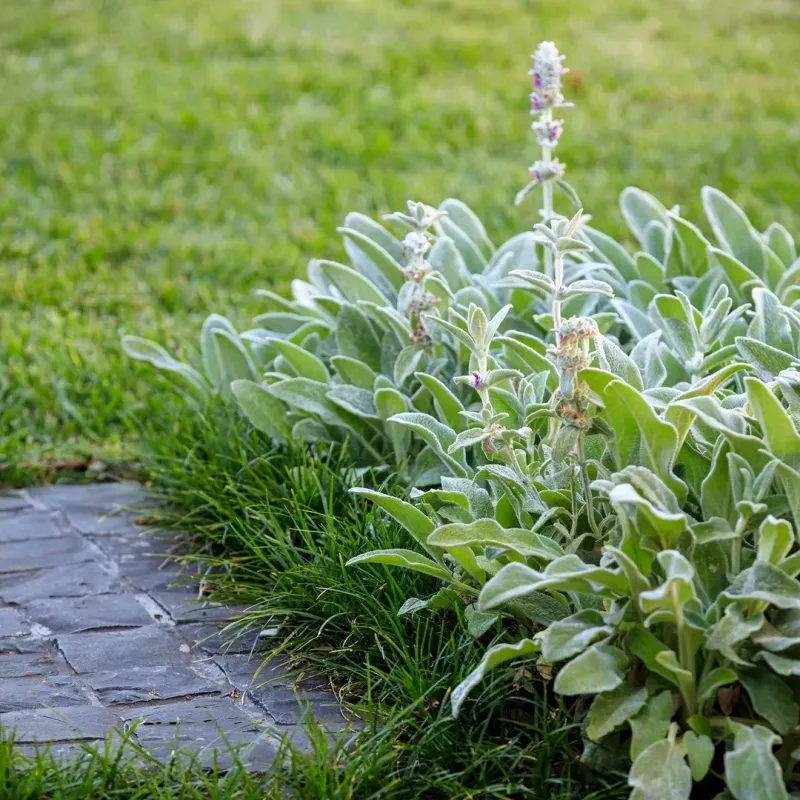
Running your hand across a lamb’s ear leaf is one of the small pleasures of gardening. The leaves are incredibly soft, thick, and covered in fine silver hairs that give the plant its name. That texture is not just charming, it is also functional.
The dense, low-growing rosettes spread across the soil and create a living barrier that weeds find very hard to penetrate.
The silver foliage is highly reflective and stands out beautifully in the garden, especially when planted next to darker green or purple plants.
It acts as a natural contrast plant, making the colors around it pop. Even without flowers, it earns its place in any border just through its striking appearance.
When flower spikes do appear in early summer, they rise above the foliage on tall, fuzzy stalks.
Some gardeners prefer to remove the spikes to keep the plant looking tidy and to encourage more leaf growth.
Others love the vertical interest the spikes provide. Either approach works well depending on the look you want.
Lamb’s ear prefers well-drained soil and full sun to light shade. It struggles in soggy conditions, so avoid planting it in low spots that collect water. In the drier parts of our state, it performs beautifully with minimal watering.
Dividing the clumps every couple of years keeps them from getting too crowded and helps maintain healthy, vigorous growth.
It is one of the most visually distinctive weed-suppressing plants you can add to your garden.
9. Ajuga Spreads Into A Flowering Living Mulch
Not many plants can thrive in deep shade, spread quickly, and produce flowers all at the same time.
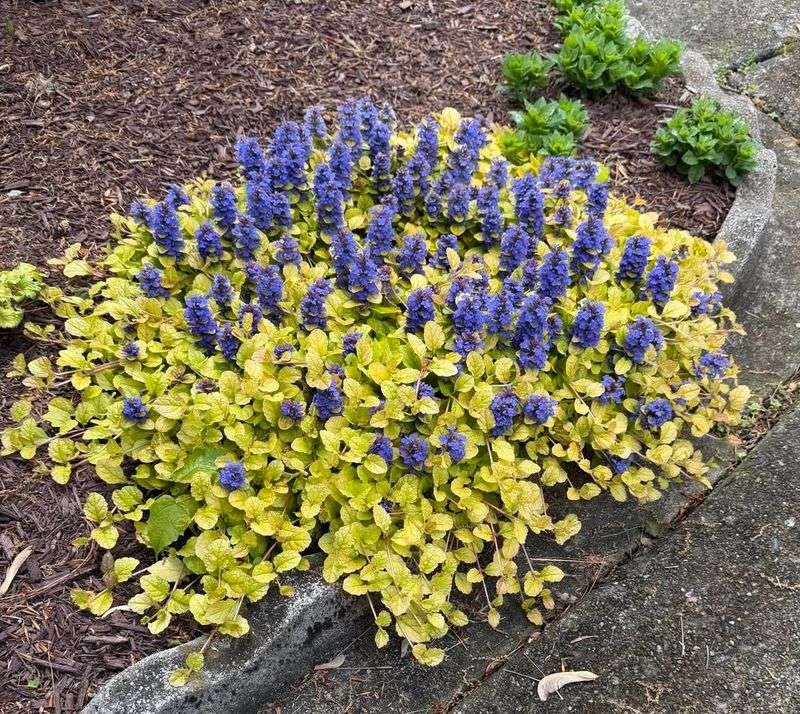
Ajuga does all three without missing a beat. Also called bugleweed, it forms a tight, carpet-like mat of colorful leaves that hug the ground and smother weeds before they have a chance to grow.
It is one of the most effective living mulches available to gardeners. The foliage comes in a range of colors depending on the variety.
Some have deep burgundy or bronze leaves, others are green with cream and pink variegation.
In spring, short upright spikes of blue or purple flowers appear above the mat, adding a cheerful burst of color. Bees are drawn to those flowers, which is always a welcome sight.
Shady spots under trees or along the north side of buildings are often the hardest places to keep weed-free.
Most ground covers struggle in low light, but ajuga handles it easily. It also tolerates some foot traffic and grows well in both dry and moist soil conditions, making it remarkably adaptable.
In our state, ajuga spreads quickly during the cool, wet months of spring and fall. It can become aggressive in ideal conditions, so planting it where it has natural boundaries like pathways or lawn edges helps keep it in check.
Dividing it occasionally prevents it from becoming too thick and keeps the mat looking fresh. For shady weedy spots, few plants are as reliable and rewarding as ajuga.