Think Twice Before Tossing That Old Potting Soil In Illinois
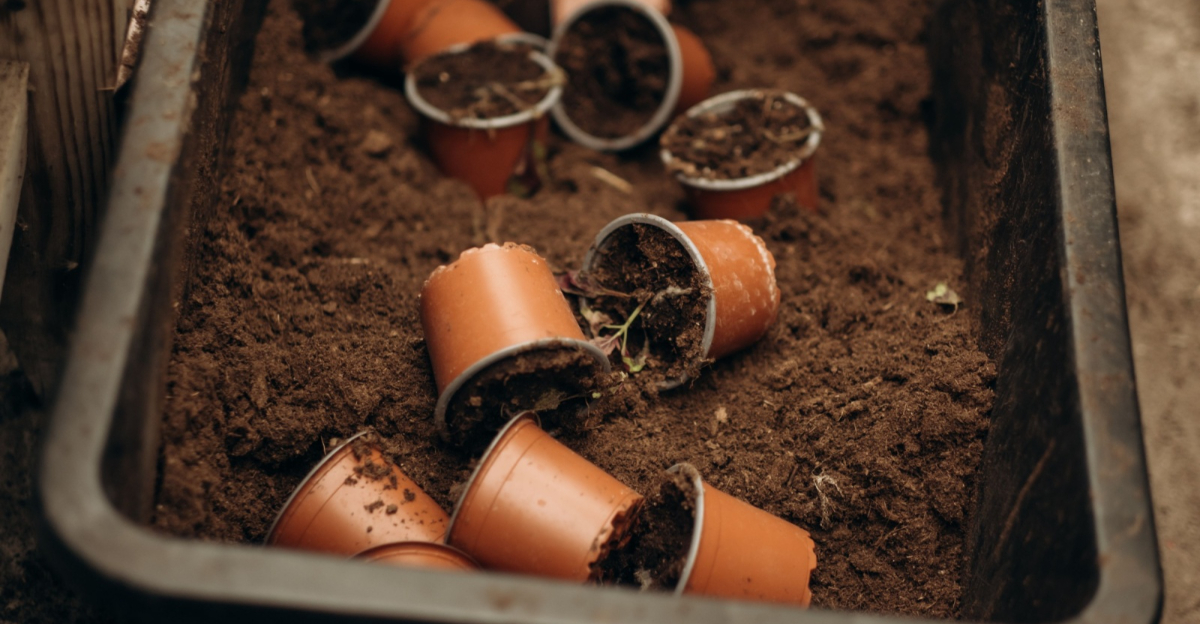
You drag out last year’s containers and stare at that sad, crusty potting soil wondering if it’s worth saving. Spoiler: it probably is.
Most Illinois gardeners toss perfectly salvageable soil every spring without a second thought. That’s money, time, and nutrients going straight into the trash.
Old potting soil isn’t the problem, neglected potting soil is. There’s a real difference, and once you know it, you’ll never look at last year’s mix the same way again.
With a few simple tricks, you can revive, reuse, or responsibly recycle that tired mix and keep your garden going strong. You might even end up with healthier plants than if you had started with a fresh bag.
Your soil has more left to give. Let’s figure out how to use it.
Your Old Potting Soil Still Has Plenty Left To Give
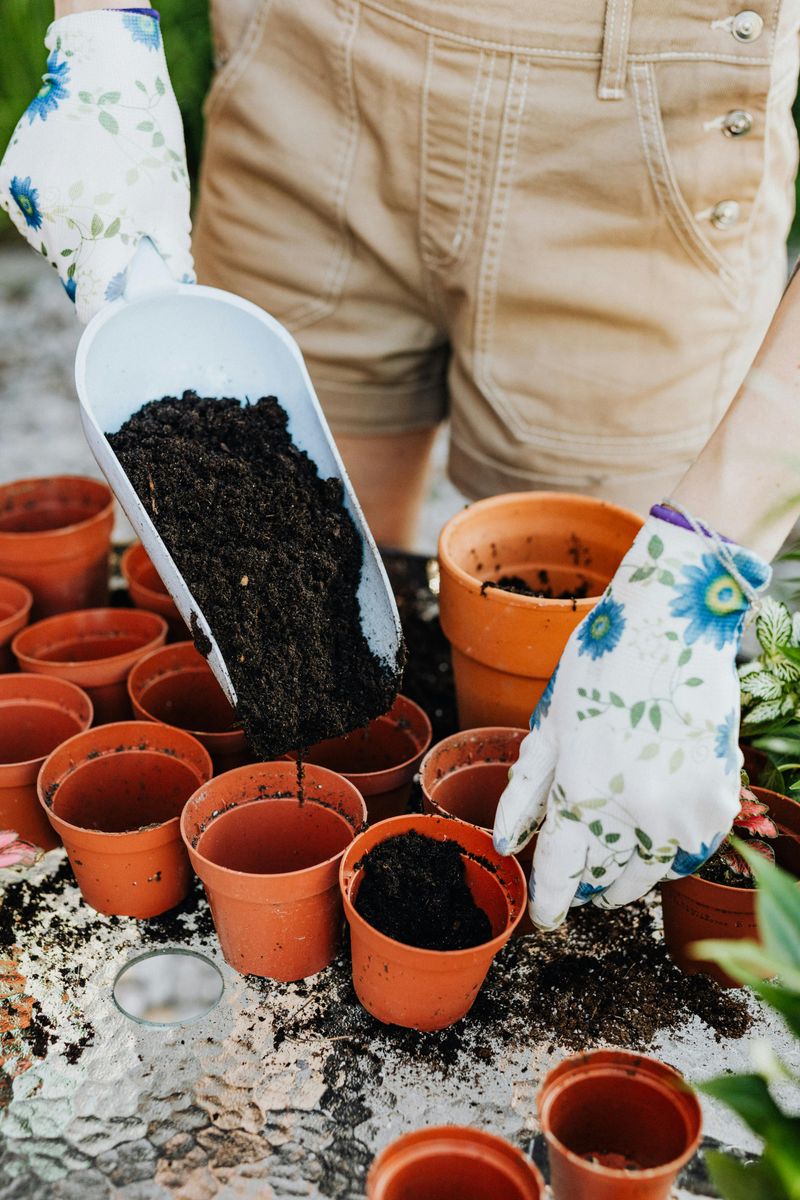
That sad, crusty mix sitting in your garage is not garbage yet. Old potting soil loses some nutrients over time, but its core structure can still support plant life when treated right.
Think of it like leftover pasta. A little seasoning and heat, and it is back on the menu.
Soil that looks worn out often just needs a boost of compost or slow-release fertilizer to get going again.
Many experienced gardeners refresh their mixes year after year. It is a practical habit that saves real money, especially when bagged soil prices can get more expensive each spring.
And here is the thing, most of that soil never needed replacing in the first place. It just needed a little attention.
The key is knowing what your soil still has to offer before writing it off. Physical structure matters just as much as nutrient content, and old mix often retains decent drainage if you fluff it up a bit.
One important caveat, only reuse soil that was healthy to begin with. If it hosted a plant with fungal disease or a serious pest problem, it is safer to start fresh.
Skipping the trash bin also keeps organic material out of Illinois landfills. That is a quiet win for the environment that does not require any extra effort on your part.
So before you haul those containers to the curb, give your old potting soil a second look. A little attention now could mean a fuller, greener garden by June without spending a single extra dollar.
Why Potting Soil Breaks Down Over Time
Potting soil does not last forever, and that is completely normal. Over time, the organic matter inside it breaks down through a natural process called decomposition.
Peat moss, bark, and coco coir all slowly shrink as microbes do their work. What started as a fluffy, airy mix can turn into a dense, compacted block that suffocates roots.
Watering speeds up this breakdown. Each time you water, tiny particles wash away and air pockets collapse, leaving behind a heavier, tighter mix that drains poorly.
Your Illinois Garden Changes Every Week. Your Plan Should Too.
Gardening in Illinois changes quickly throughout the season. Every Friday you’ll receive a simple weekly plan showing exactly what to plant, prune, fertilize, harvest, and protect so you never miss the right timing.
None of this means the soil is ruined. It just means it has been working hard, and like anything that works hard, it needs a little recovery time.
Temperature swings in Illinois make things worse. Freezing winters and hot summers stress the organic components, causing them to break apart faster than in milder climates.
These salts come mainly from commercial plant food and, in some areas, tap water, and at high levels, they can harm new seedlings. That is also why old potting soil is not recommended for seed starting.
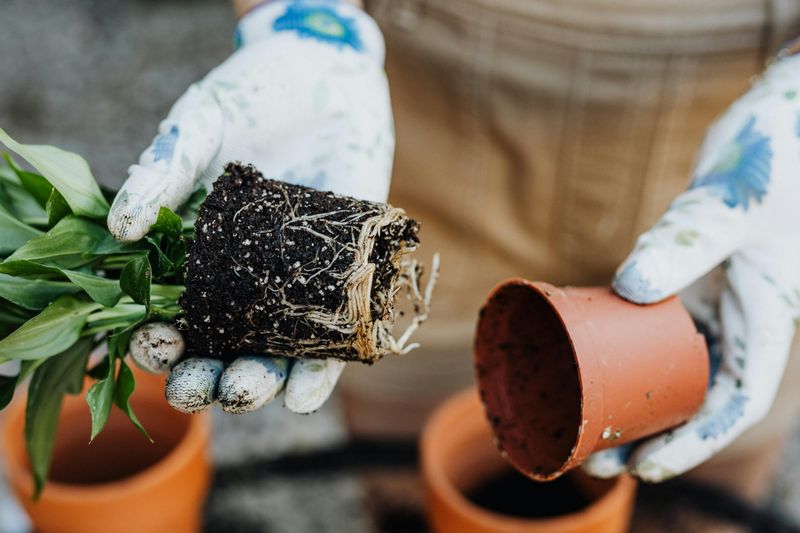
Roots from last season leave behind debris too. Old root matter adds bulk but not nutrition, and it can harbor old disease spores that carry over to your next planting.
Understanding why soil breaks down helps you decide what to do with it next. Once you know the cause, fixing the problem becomes a whole lot easier and more satisfying.
How To Tell If It Can Still Be Used
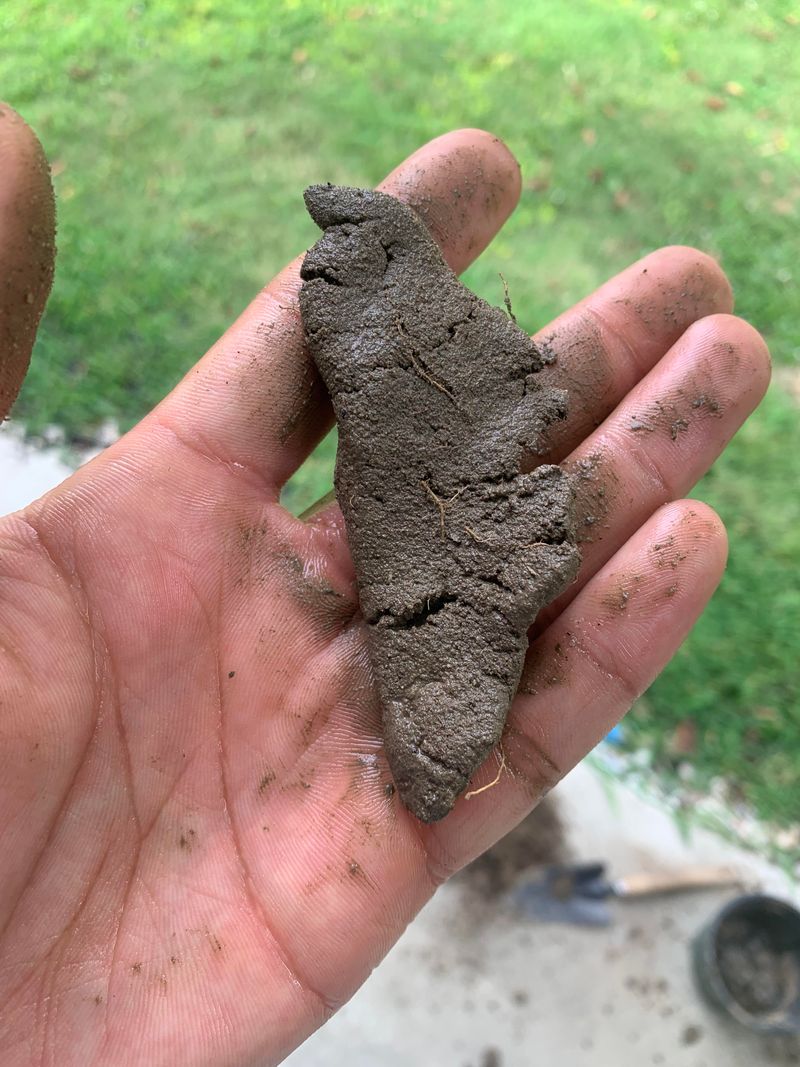
Squeeze a handful of your old mix and pay attention to what happens. Good soil should clump slightly when damp but break apart easily when you press it with your thumb.
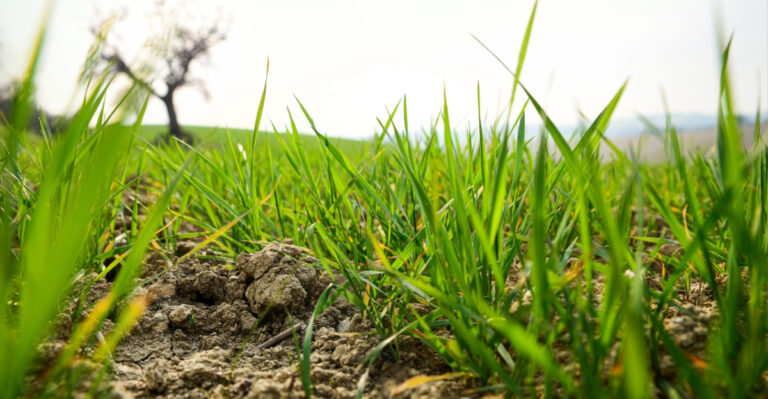
If it stays in a hard, clay-like ball that does not crumble, that is a sign the structure has collapsed too far. That kind of compaction makes it tough for roots to push through and access water.
These simple tests usually take less than five minutes. They can save you from replanting into a mix that will work against your plants instead of for them.
Smell it next. Fresh or neutral earthy scents are fine, but a sour or rotten egg odor means anaerobic bacteria have taken over, and that soil needs serious help or should be discarded.
Look for visible pests like fungus gnat larvae, which appear as tiny white worms near the surface. A few are manageable, but a heavy infestation means the mix needs treatment before reuse.
Check for extreme salt buildup by looking for a white crusty layer on top of the soil or along the inside rim of pots. Heavy crusting suggests salt levels are too high for sensitive plants.
Healthy old potting soil should still feel somewhat lightweight and loose even after a full season. If yours passes the smell, texture, and visual checks, you are probably good to refresh and replant with confidence.
Ways To Refresh And Reuse Old Potting Soil
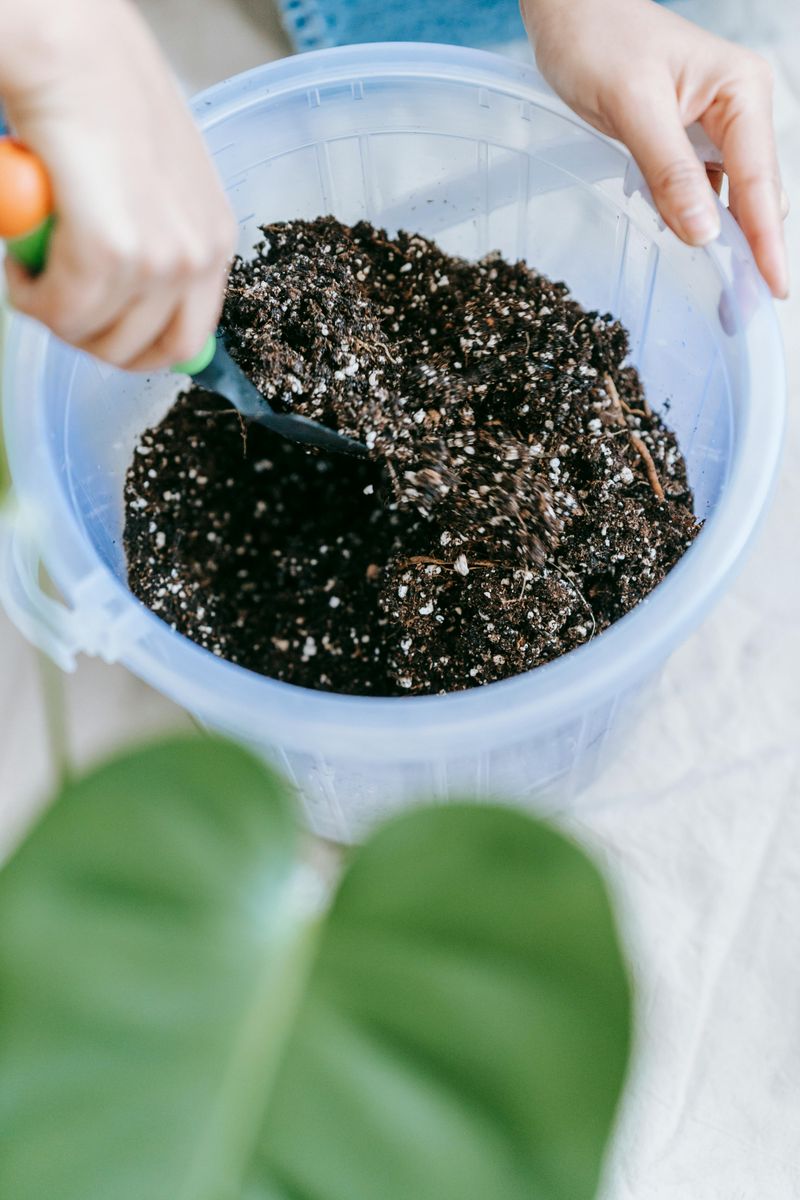
Refreshing old potting soil is easier than most people expect. Start by spreading it out on a tarp or into a wheelbarrow so you can work through it with your hands.
Remove any large root clumps, old mulch chunks, or debris you find. These pieces do not add value and can block drainage or harbor old fungal spores from the previous season.
Add about one part compost for every three parts old mix. Compost restores organic matter, feeds soil microbes, and brings back some of the nutrients that washed away during months of watering.
Toss in a handful of perlite if the mix feels heavy or dense. Perlite is those small white bits that look like tiny foam balls, and they create air pockets that help roots breathe and water drain properly.
A slow-release granular fertilizer mixed in at this stage sets your containers up for a strong start. Look for one balanced in nitrogen, phosphorus, and potassium for general container use.
If you are worried about lingering disease or pests, solarize the mix first. Spread it in black plastic bags and leave them in full sun for a few weeks before planting.
The heat does the heavy lifting for you, and your refreshed soil will be ready to support a whole new round of growth.
What Illinois Gardeners Grow With Revived Soil
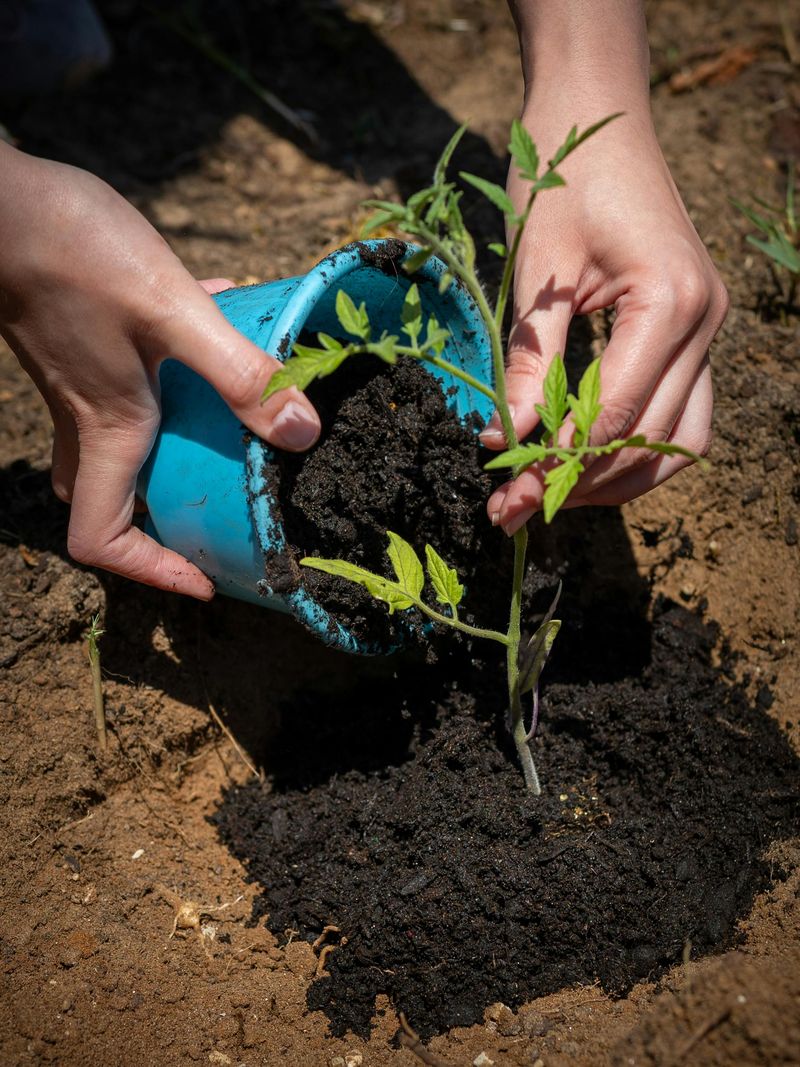
Refreshed potting soil opens up a surprisingly wide range of growing options. Many Illinois gardeners use their revived mix for containers packed with herbs like basil, parsley, and chives that come back strong each season.
Tomatoes and peppers do especially well in large containers filled with refreshed soil when extra compost and fertilizer are added. These heavy feeders need rich, well-draining conditions, and a properly revived mix can deliver both.
Annuals like petunias, marigolds, and zinnias thrive in refreshed container soil too. They are forgiving plants that respond quickly to improved nutrition, making them perfect for testing whether your revived mix is working.
Strawberries in hanging baskets or tiered planters are another popular choice among Illinois home growers. They prefer slightly acidic, well-aerated soil, and a refreshed mix amended with a touch of sulfur can help move it in the right direction.
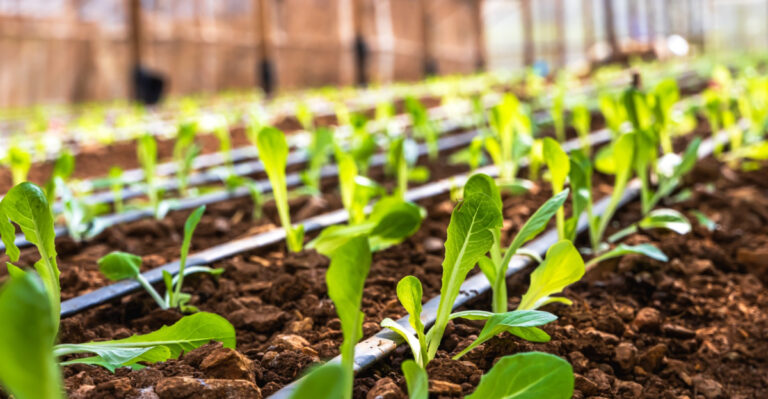
Salad greens like lettuce, spinach, and arugula grow fast and do not need deeply rich soil. These cool-season crops are ideal candidates for mildly refreshed mixes that still have some structure but may be lower on nutrients.
The variety of plants that thrive in revived soil proves that your old mix still has serious potential. Give it the right amendments, and your containers will reward you with a season full of flavor, color, and life.
When To Finally Let It Go
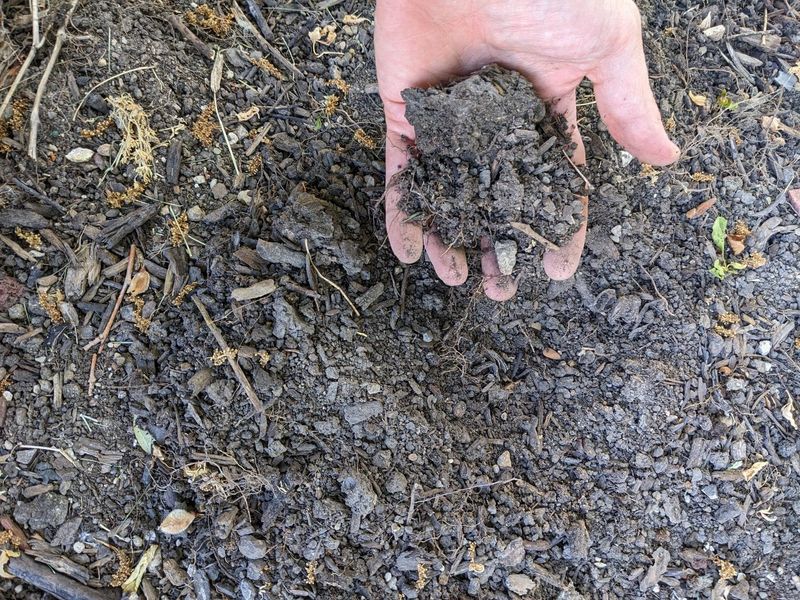
Sometimes old potting soil has simply run its course, and that is okay to admit. If the mix smells foul, stays waterlogged for days, or shows heavy mold growth, it is time to move on.
Soil that has hosted a diseased plant should not be reused in containers at all. Fungal issues like root rot or bacterial wilt can linger in the mix and spread to healthy plants the following season.
Extreme compaction that does not break up even after working it by hand is another clear signal. When roots cannot penetrate the mix, no amount of fertilizer or compost will fix the underlying problem.
Potting soil that is often more than a few seasons old tends to have lost too much structure. At that point, the organic components have broken down so completely that the mix behaves more like heavy garden dirt than a container medium.
Rather than tossing it in the trash, add spent potting soil to your outdoor compost pile or work it directly into garden beds. It still holds organic matter that benefits the ground, even if it cannot support containers anymore.
Knowing when to let go is just as important as knowing when to save. Making that call thoughtfully keeps your garden healthy and your old potting soil out of the landfill where it truly goes to waste.