Iowa Takes Its Tree Laws Seriously And So Will Your Wallet
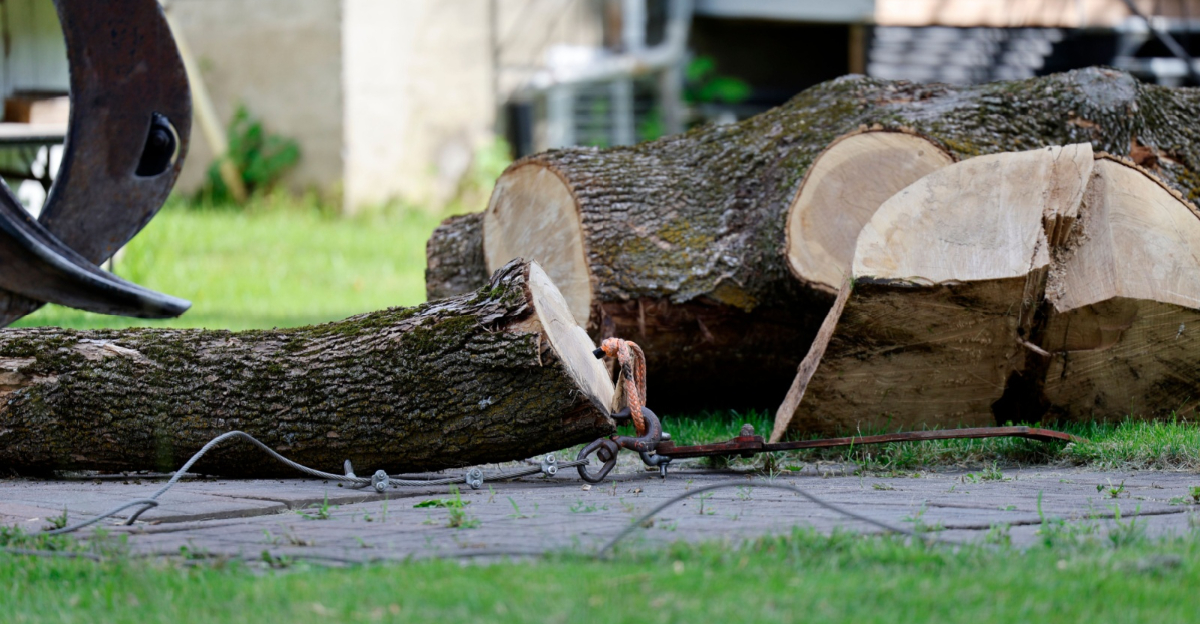
That oak tree looks innocent. Iowa law says otherwise.
Most homeowners never think about tree laws until something goes wrong.
A branch drifts over the fence. A storm rolls through and suddenly someone’s car is buried under a limb that wasn’t supposed to be there.
One bad cut can cost you thousands. One ignored ordinance can turn a quiet neighborhood into a months-long dispute.
Iowa tree laws cover everything from boundary lines to timber trespass. The penalties are surprisingly steep for something that started as a simple backyard decision.
“I didn’t know” won’t hold up in court. So before you pick up that chainsaw or plant anything near the curb, here’s what you actually need to know.
Tree Trimming In Iowa And Where Your Rights End
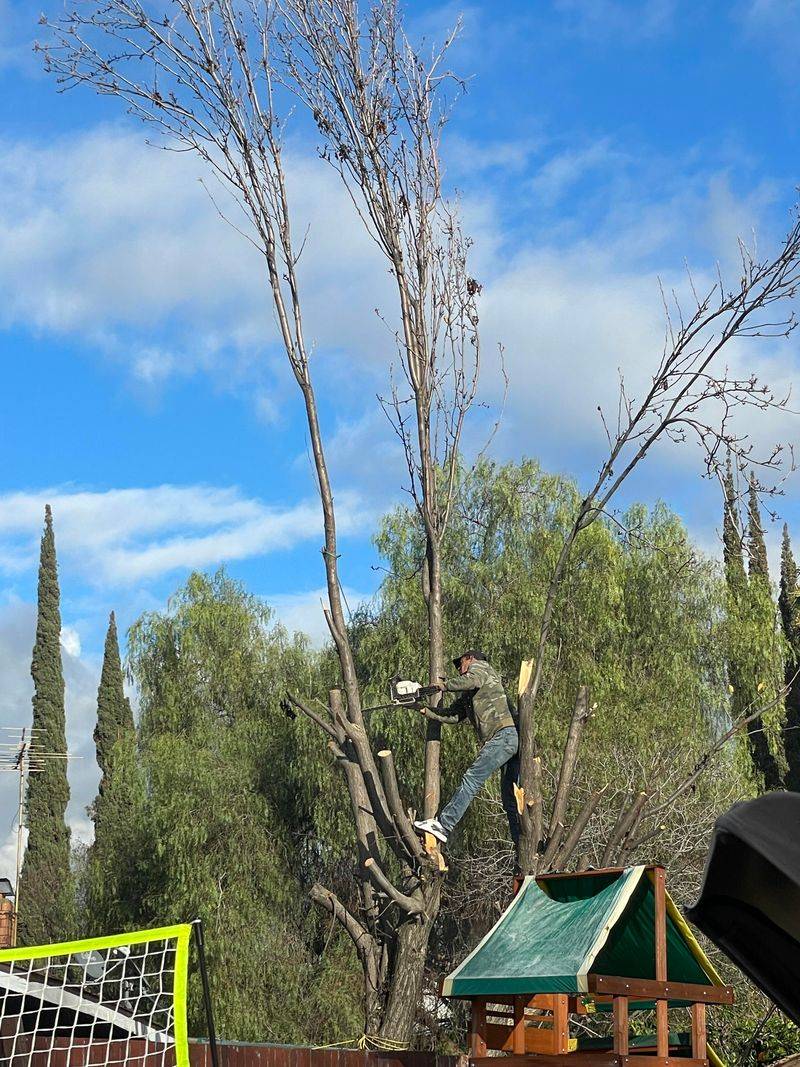
That overhanging branch might look like your problem, but Iowa law has a different opinion. You can trim branches that cross your property line, but only up to the boundary itself.
You cannot enter your neighbor’s yard to do the cutting. You also cannot demand they cover the cost, even if their tree drops leaves into your gutters every single fall.
Here is where it gets tricky. Trim too aggressively and cause permanent damage to the tree, and suddenly you are the one facing a lawsuit.
Iowa judges have sided with tree owners when careless trimming caused lasting harm. That chainsaw confidence can get expensive fast.
The safest first move is a simple conversation with your neighbor. Most disputes never make it to court because two people talked it out over a fence.
Bringing in a licensed arborist adds another layer of protection. They can document the tree’s health before any cutting begins, which gives you solid ground to stand on if things go sideways.
One thing many homeowners overlook is timing. The wrong cut at the wrong time of year can hand your neighbor exactly the evidence they need to take you to court.
Boundary Trees And Shared Responsibility
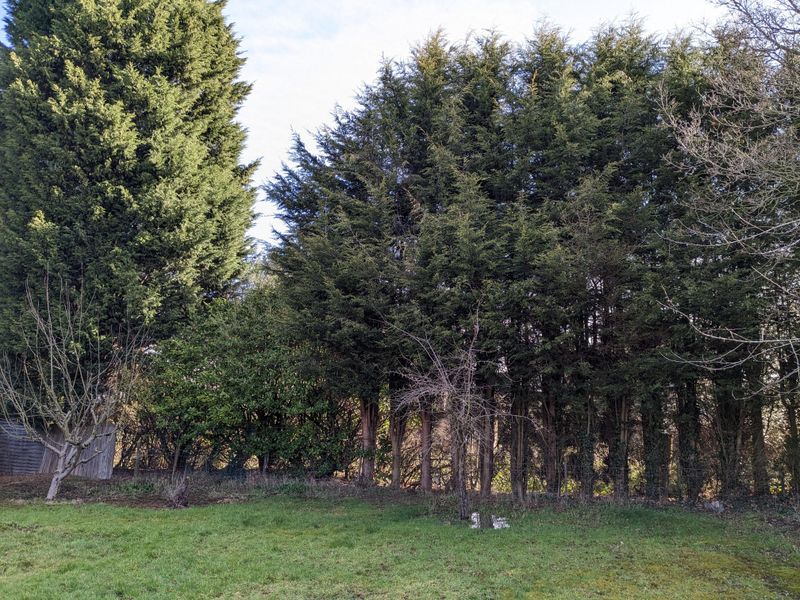
Imagine a massive oak tree with its trunk split perfectly down your property line. In Iowa, it’s like you both own it, and that shared ownership comes with shared obligations.
Neither neighbor can remove it without the other’s consent. Cut it down alone and the other owner can sue, and Iowa courts will back them up.
Maintenance costs are shared too. If the tree needs pruning or disease treatment, both parties are expected to chip in, whether they like it or not.
The tricky part is proving exactly where the property line falls. Many homeowners assume they know, but a professional survey often tells a very different story.
Boundary tree disputes escalate fast when money and property values get involved. What starts as a disagreement over one tree can turn into months of legal back-and-forth.
The smartest move is a written agreement with your neighbor before anything gets cut or trimmed. A local attorney can draft something simple that protects both sides and keeps the relationship intact.
Your Iowa Garden Changes Every Week. Your Plan Should Too.
Gardening in Iowa changes quickly throughout the season. Every Friday you’ll receive a simple weekly plan showing exactly what to plant, prune, fertilize, harvest, and protect so you never miss the right timing.
Shared trees can also complicate home sales. Buyers and their attorneys will ask questions about boundary trees, and not having clear documentation can slow down or even derail a closing.
Liability For Fallen Trees And Storm Damage
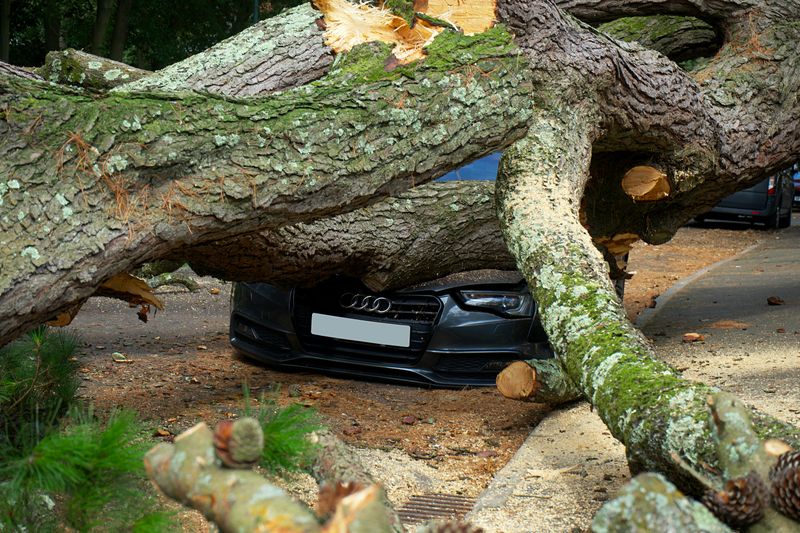
Storms roll through Iowa fast, and when they do, trees come down hard. The question everyone asks after the cleanup is simple: who pays?
Iowa follows the negligence standard. If your tree was healthy and fell during a storm, you are generally not liable for damage it causes on your neighbor’s side.
Nature gets the blame, not you. But that protection disappears the moment your tree was already rotting before it fell.
A written warning from your neighbor is not something to ignore. If that tree falls and you did nothing, a court will hold you responsible.
Documentation is everything in these cases. Keep records of any complaints and respond to them in writing, because silence looks a lot like negligence in court.
Homeowners insurance typically covers fallen tree damage, but policies vary more than people expect. Review yours before storm season, not after branches are already flying.
A written inspection report from a certified arborist showing your trees were healthy is a powerful legal defense. Schedule one before the next big storm rolls in.
Timber Trespass And Treble Damages Under Iowa Code 658.4
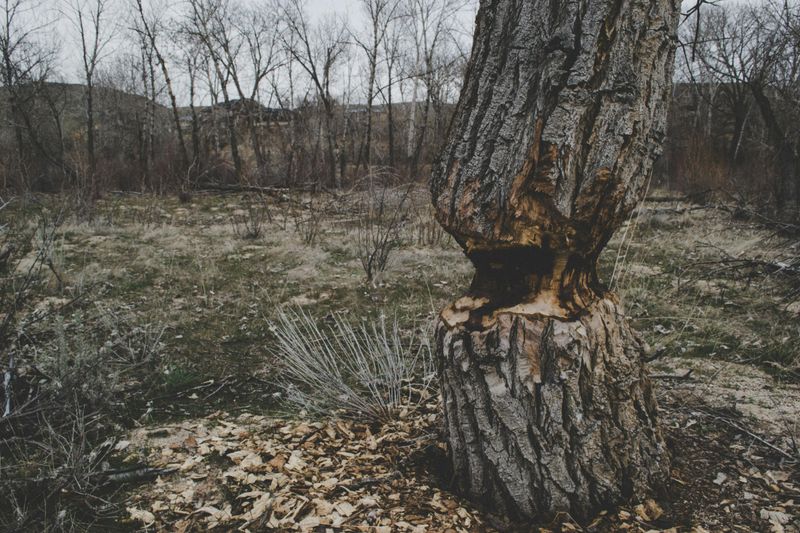
Cutting down someone else’s tree in Iowa is not just rude. It can cost you three times the value of what you destroyed.
Iowa Code 658.4 allows courts to award treble damages, meaning triple the assessed value, when someone willfully injures or destroys another person’s trees, shrubs, or timber without permission.
Boundary mistakes can still become expensive. If a chainsaw crosses the property line by just a few feet, the facts matter, including whether the cutting was intentional, whether there was notice, and whether the person should have known where the boundary was.
Tree valuation here is not based on firewood prices. Appraisers factor in species, age, size, and the shade or aesthetic value the tree provided, and a mature walnut or oak can reach thousands of dollars.
If you are hiring a contractor to clear trees near a property line, get the boundary confirmed in writing before any work begins. A contractor who removes the wrong tree can be held liable, but so can the property owner who hired them.
Iowa takes this law seriously. The financial consequences are steep enough to make anyone pause before firing up a saw.
Terrace Trees And Public Right-Of-Way Obligations
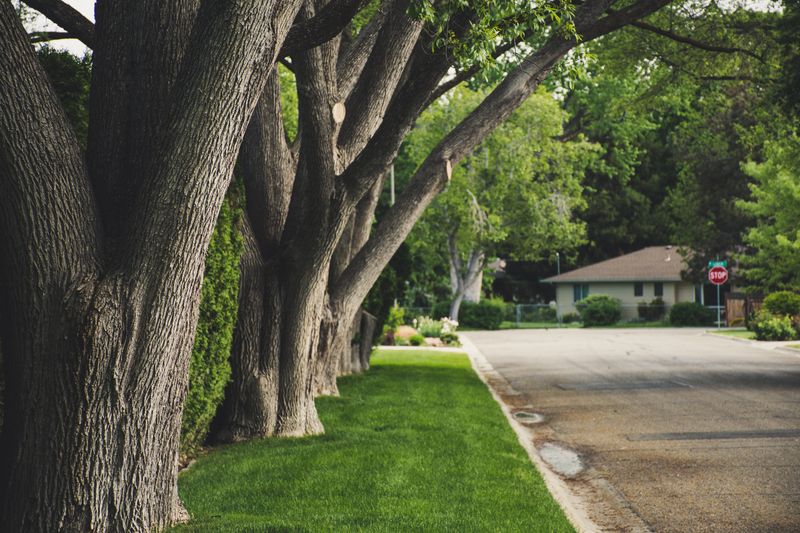
That strip of grass between your sidewalk and the street looks like your yard, but it often is not. In many Iowa cities, that area is called the terrace, and it belongs to the municipality.
Trees growing there are often considered city property. But who maintains them depends entirely on where you live.
Some cities handle everything. Others expect homeowners to water, prune, and care for trees they do not technically own.
That creates a genuinely confusing situation. If a terrace tree falls and damages a passing car, the question of liability gets complicated fast.
Before planting anything in that strip, check with your local public works department. Many Iowa cities have approved species lists.
Plant the wrong tree and the city can remove it at your expense.
Some cities also require permits before any terrace tree work begins. Skipping that step can bring fines that feel completely out of proportion to the job.
Understanding who owns what in your own front yard is one of the most overlooked parts of Iowa tree laws. And the bill that comes with getting it wrong has caught more than a few homeowners completely off guard.
Utility Lines, Planting Rules And Iowa One Call
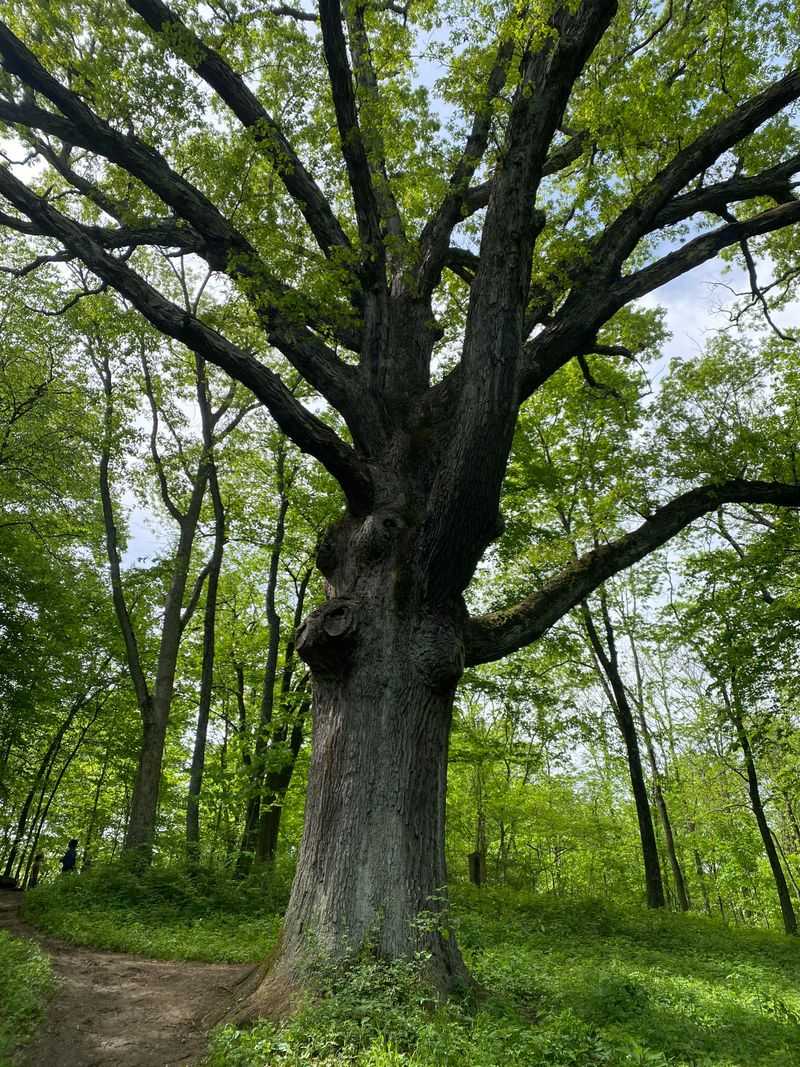
Planting a tree near a power line sounds harmless enough. Ten years later, that same tree is a fire hazard and possibly your financial responsibility.
Iowa utility companies are generally allowed to trim or remove trees that threaten their lines. If the tree falls within a utility easement, they typically do not need your permission to act.
Many homeowners are shocked to find a crew cutting their shade tree without any prior notice. Knowing where the easements are on your property before you plant anything saves that headache entirely.
Call 811 before you dig. Iowa One Call is the state’s free service for marking underground utility lines, and homeowners must contact it at least 48 hours before digging, not including the day of notice, weekends, or legal holidays.
Above-ground clearance matters just as much. Before planting near overhead lines, check your utility’s planting guide or easement rules, because tall-growing trees may be trimmed or removed later if they threaten utility lines.
One phone call before you plant could save you from a chain of expensive consequences. Iowa tree laws reward the planners and penalize the impulsive.
Ornamental trees that stay under 25 feet at maturity are almost always the smarter choice near utility infrastructure. They give you shade and curb appeal without putting you on a collision course with your power company.
When To Call An Attorney About Iowa Tree Laws
Some tree disputes settle over a handshake. Others quietly grow into five-figure legal problems before anyone sees it coming.
If a neighbor has already threatened legal action, do not wait.
Cases involving Iowa Code 658.4 are especially worth professional attention. The treble damages provision means the stakes are high on both sides, and settling early often makes more sense than going to court.
Boundary disputes, storm damage claims, and right-of-way conflicts can all spiral fast. A one-hour consultation with a local attorney is often enough to understand your options clearly.
Many Iowa counties have legal aid organizations that offer free or low-cost consultations for property matters. If cost is a concern, start there before assuming legal help is out of reach.
Iowa tree laws exist to protect everyone, but they only work in your favor if you understand them before a crisis hits. A little legal knowledge now is far cheaper than a court battle later.
Documenting everything from the start gives you a real advantage if things escalate. Photos, written notices, and arborist reports are the kind of evidence that ends arguments before they begin.
Iowa tree laws can vary by city and situation, so check local ordinances or speak with a local attorney before taking action.