How To Change Your Watering Schedule Before Texas Summer Heat Peaks
June in Texas feels like it should still be a viable planting month, and for some crops it genuinely is. For others, putting them in the ground right now is setting yourself up for a season of frustration that ends with very little to show for the effort.
Texas June heat is not just warm, it is the kind of sustained, intense heat that shuts down germination, stresses transplants before they can establish, and pushes certain vegetables past the point where they can set fruit or develop properly.
The problem is that a lot of common vegetable choices get planted in June out of habit or optimism without any real consideration for whether the timing makes sense in a Texas climate.
Knowing which vegetables are a lost cause this month and what to swap them out for can save a full season of wasted effort and redirect that energy toward crops that will actually deliver a real harvest.
1. Water Earlier In The Morning
Most experienced gardeners will tell you the same thing: timing is everything when it comes to watering.
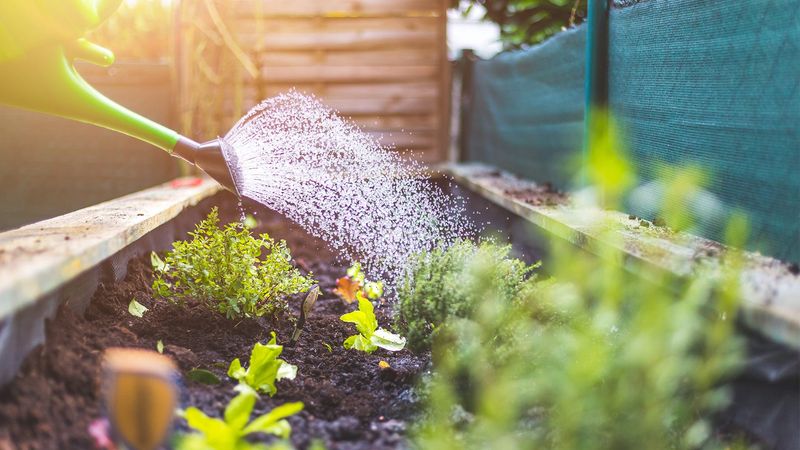
In Texas, watering early in the morning, ideally between 5 a.m. and 9 a.m., gives your lawn and plants the best chance to absorb moisture before the heat of the day sets in. It is a simple shift that can make a huge difference.
When you water in the morning, the soil is still cool from the night before. That means water soaks in more easily instead of sitting on top of hard, dry ground.
The cooler temperatures also mean less evaporation, so more water actually reaches the roots where it is needed most.
Watering in the middle of the day is one of the most common mistakes homeowners make. Under intense afternoon sun, a large portion of the water you put down simply evaporates before it ever reaches the roots.
You end up using more water and getting less benefit from it. Evening watering might seem like a good idea because it is cooler, but it comes with its own problems.
Wet foliage and damp soil at night create the perfect conditions for fungal growth and plant disease.
Morning watering gives leaves time to dry out during the day, which helps keep your plants healthier overall.
If you have an automatic irrigation system, now is the time to reprogram it. Set your timers to run before sunrise so watering finishes before the sun gets too strong.
Even shifting your schedule by just an hour or two earlier can help your yard hold up better through the brutal Texas summer heat.
2. Switch From Frequent Light Watering To Deep Soaking
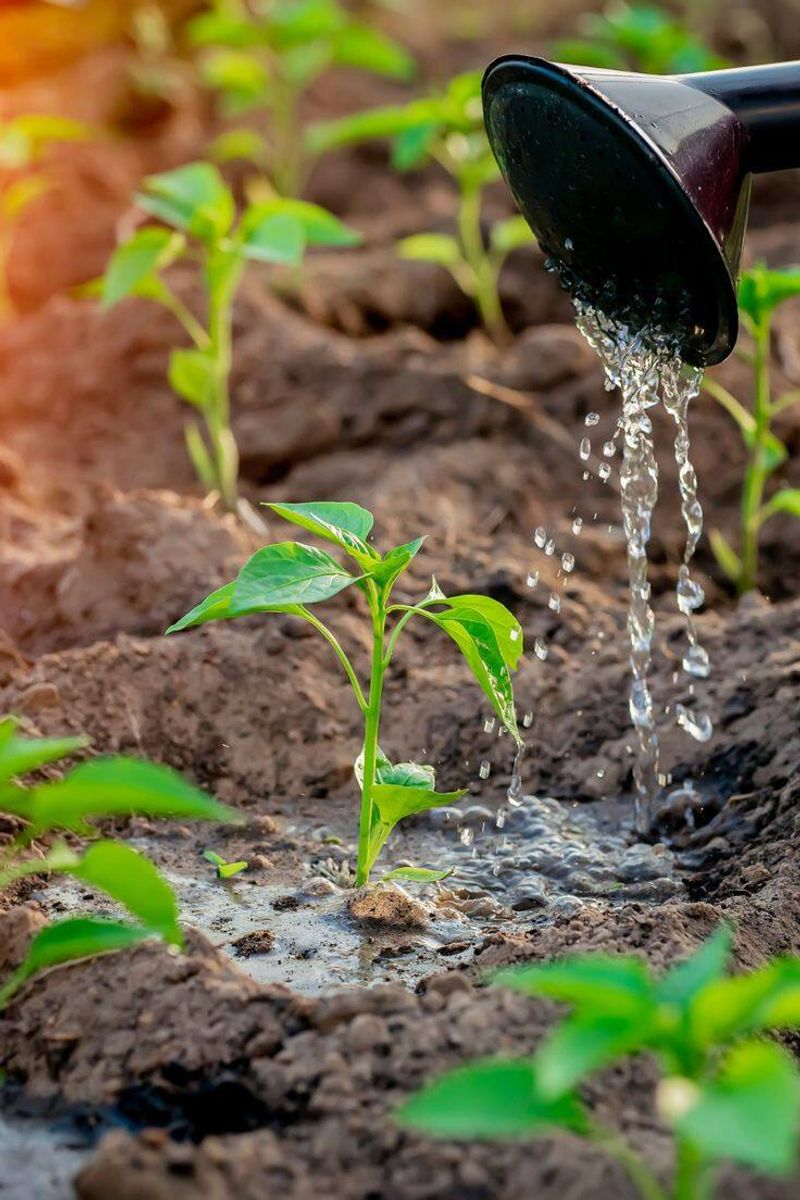
Picture two plants side by side. One gets a light sprinkle every day, and the other gets a long, deep soak twice a week.
Come midsummer in Texas, the deeply watered plant is going to look far healthier. That is because deep soaking trains roots to grow downward, where the soil stays cooler and holds moisture longer.
When you water lightly and often, roots have no reason to grow deep. They stay near the surface looking for the small amount of moisture that is available.
Your Texas Garden Changes Every Week. Your Plan Should Too.
Gardening in Texas changes quickly throughout the season. Every Friday you’ll receive a simple weekly plan showing exactly what to plant, prune, fertilize, harvest, and protect so you never miss the right timing.
Shallow roots are extremely vulnerable to heat and dry spells because the top layer of soil dries out incredibly fast in Texas summers.
Deep soaking means letting water run long enough to penetrate at least six to eight inches into the soil. You can check this by pushing a screwdriver or a thin stick into the ground after watering.
If it slides in easily to that depth, you know the water has reached where it needs to go. Switching to deep soaking does not mean you water more. Actually, many homeowners find they use less water overall because they are not running sprinklers every single day.
Fewer watering sessions that go deeper are more efficient and more beneficial for plant health than constant shallow sprinkles.
Start making this switch at least four to six weeks before peak summer heat arrives. That gives your plants time to adjust and develop deeper, stronger root systems.
By the time temperatures really climb, your lawn and garden will be far better equipped to handle the stress without showing signs of damage.
3. Increase Watering Time, Not Frequency
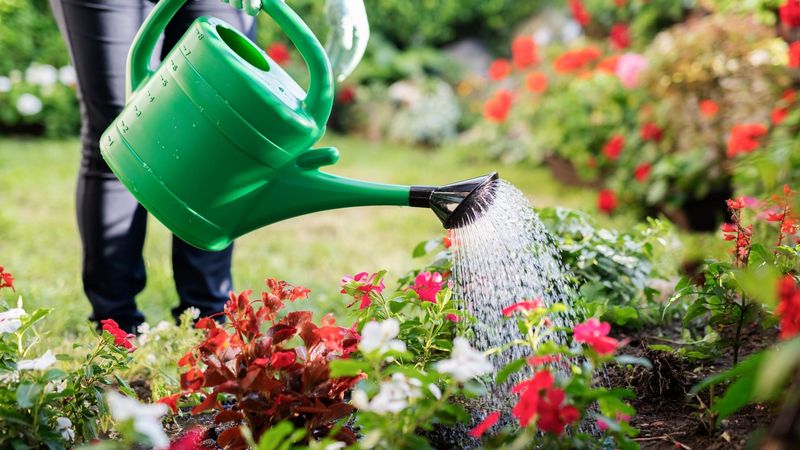
A lot of people assume that running sprinklers more often is the answer when summer heat ramps up.
However, adding more watering sessions without increasing the length of each one actually creates problems rather than solving them. Longer watering sessions are far more effective than watering more times per week.
Running your irrigation for longer periods allows water to travel deeper into the soil profile. Roots follow moisture, so when water penetrates deeper, roots reach deeper too.
Deep roots are more insulated from surface heat and have access to more stored moisture during dry stretches between watering sessions.
A good rule of thumb is to add five to ten minutes to each watering session rather than adding an extra day to your schedule. For most lawns in Texas, this means running each zone for at least twenty to thirty minutes depending on your soil type.
Clay soils hold moisture longer, while sandy soils need longer run times to push water deep enough.
Short, frequent watering sessions also tend to encourage weeds. Weed seeds sit near the surface and love the constant shallow moisture.
When you water deeply but less often, you make the surface less inviting for weeds while still keeping your established plants happy and hydrated.
Before peak heat hits, test your current setup by digging a small hole in your lawn about an hour after watering. Check how deep the moisture has actually reached.
If it is only two or three inches down, your sessions need to be longer. Making that adjustment now, before the worst heat arrives, gives your yard a real fighting chance all summer long.
4. Adjust Irrigation Based On Weather, Not The Calendar
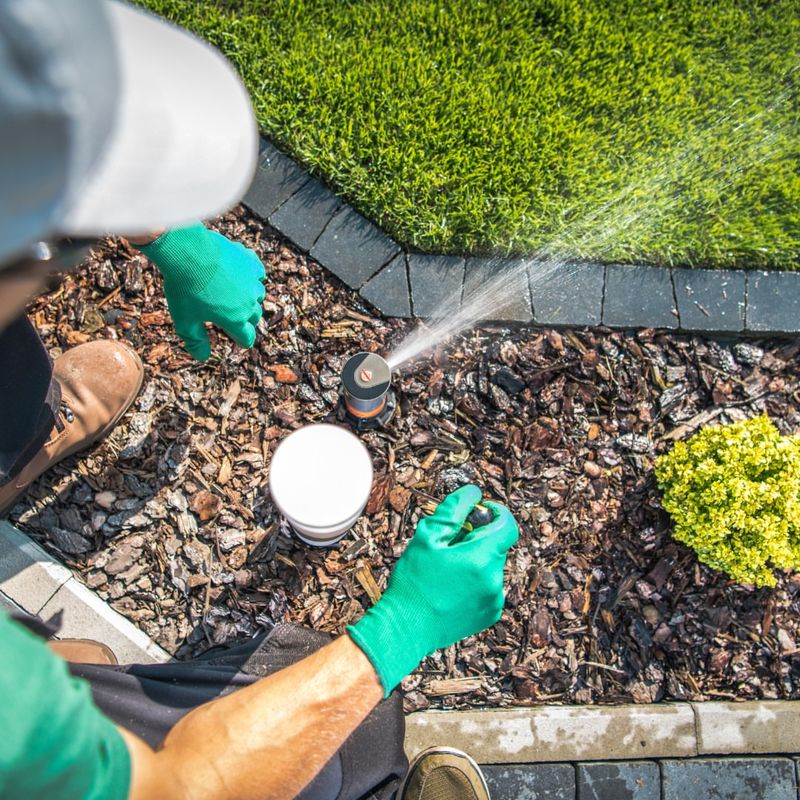
Sticking to a fixed watering calendar feels organized, but in Texas, the weather rarely cooperates with a neat schedule. A stretch of hot, windy days pulls moisture out of the soil much faster than a mild overcast week.
Relying only on the calendar means you are almost always either overwatering or underwatering your yard.
Wind is a factor that many homeowners completely overlook. On a hot, breezy Texas day, the evaporation rate from soil and plant surfaces skyrockets.
Your lawn can go from adequately moist to bone dry in just a couple of days. Paying attention to wind forecasts alongside temperature is a smart habit to develop heading into summer.
Smart irrigation controllers are a fantastic tool for this kind of flexible watering. Many models connect to local weather data and automatically skip or extend watering cycles based on real-time conditions.
If rain is expected, the system holds off. If a heat wave rolls in, it adds extra time to each zone automatically.
You do not necessarily need a high-tech system to water smarter. Simply checking the weather forecast each week and adjusting your manual timer takes only a few minutes.
If a hot and dry week is coming, add a little extra time to your sessions. If cooler or wetter weather is expected, dial it back a bit to avoid overwatering.
The goal is to let your yard guide you rather than the calendar. Plants and soil give clear signals when they need water, and paying attention to both the weather and those signals helps you stay responsive.
Flexible watering based on real conditions keeps your landscape healthier with less waste all season long.
5. Prioritize Trees, Shrubs, And Perennials First
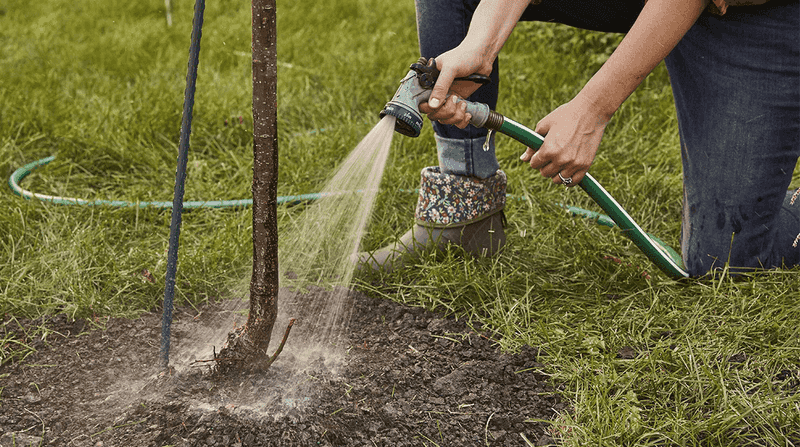
When water is limited and temperatures are extreme, not every plant in your yard needs the same level of attention. Established trees, shrubs, and perennials represent years of growth and investment.
Losing one of these plants to summer heat stress is far more costly and heartbreaking than losing a flat of annuals you can replace next season.
Trees, in particular, need deep and consistent moisture before peak heat arrives. Their root systems are wide and go deep, but they still depend on regular watering during drought conditions.
A mature tree that gets stressed from lack of moisture becomes more vulnerable to insects, disease, and structural problems that can be expensive to deal with later.
Shrubs and perennials that have been in the ground for at least a year have established root systems, but they still benefit enormously from deep watering before extreme heat sets in. Think of it as giving them a full tank of fuel before a long road trip.
They will draw on those deep moisture reserves when the surface soil dries out completely during heat waves.
Annual flowers and vegetables are important too, but they are easier to replace and typically have shallower roots.
If you have to make choices about where your water goes during a particularly hot stretch, always prioritize the plants that took the longest to grow and would be hardest to replace.
Soaker hoses and drip irrigation work especially well for trees and shrubs because they deliver water slowly right at the root zone.
Setting these up before summer officially begins means your most valuable landscape plants are already getting the deep, targeted moisture they need to stay strong and resilient all season.
6. Check Soil Moisture Before Turning On Sprinklers
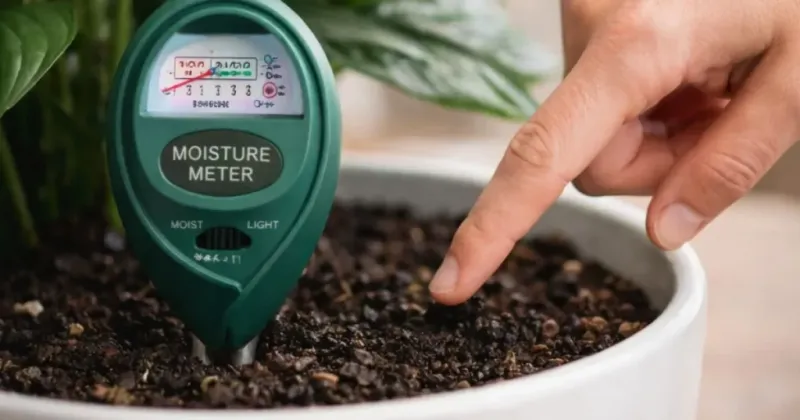
Running sprinklers on a schedule without ever checking what the soil actually needs is one of the easiest ways to waste water and accidentally harm your plants.
Overwatered soil suffocates roots by cutting off oxygen, while underwatered soil leaves plants struggling under intense heat. Checking soil moisture before you water is a habit that pays off quickly.
The simplest method is the finger test. Push your finger about two inches into the soil near your plants.
If it feels moist and cool, hold off on watering. If it feels dry and crumbly, your plants are ready for a drink. This takes about thirty seconds and tells you exactly what you need to know.
For a more precise reading, consider investing in a soil moisture meter. These inexpensive tools give you a numerical reading of moisture levels at different depths.
They are especially useful for checking deeper soil layers that your finger cannot reach, which matters a lot when you are trying to encourage deep root growth.
Overwatering is more common than most people realize, especially in yards with automatic irrigation systems set to run regardless of recent rain.
Consistently soggy soil weakens roots over time and makes plants less capable of handling dry spells when they do come.
Drought-resistant plants are built through cycles of appropriate watering and slight drying, not constant saturation.
Making soil checks part of your weekly yard routine before and during Texas summer gives you real control over your watering schedule. You stop guessing and start responding to what your yard actually needs.
That kind of thoughtful approach leads to stronger plants, lower water bills, and a yard that holds up beautifully even through the most intense summer heat Texas can throw at it.