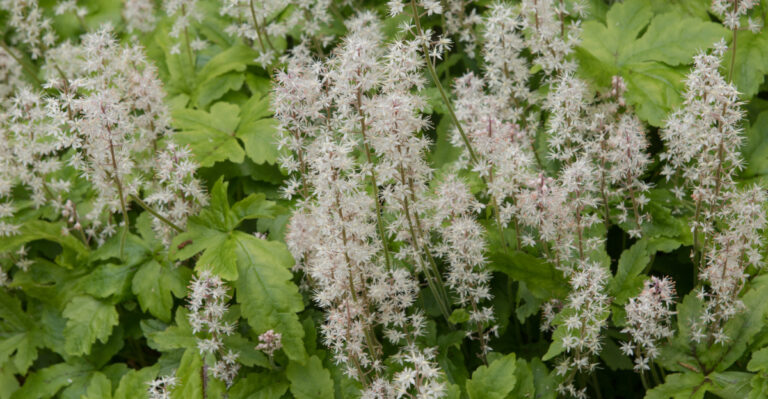
The Best Herb Pairings To Grow Together In Pots In Georgia
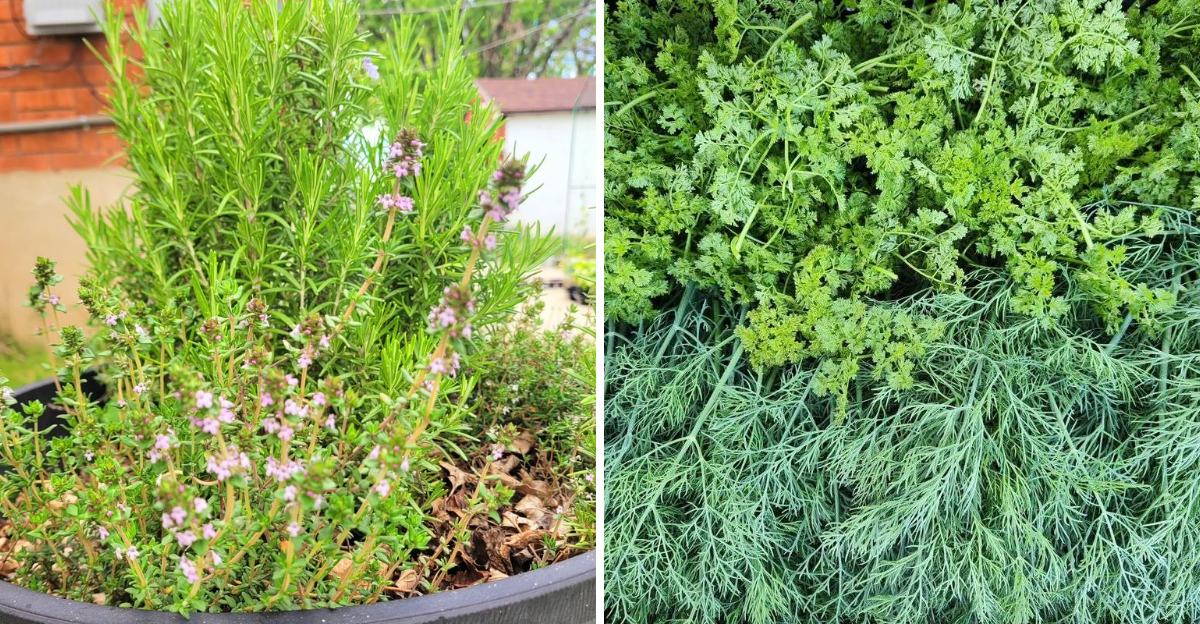
A container filled with healthy herbs can become one of the most useful parts of the garden.
Fresh ingredients are always close by, the plants are easy to manage, and even a small patio can produce plenty of growth throughout the season.
The key is not simply choosing herbs that taste good together. It is choosing herbs that grow well under the same conditions.
Some herbs prefer drier soil and less frequent watering. Others perform better when moisture stays more consistent.
When incompatible herbs share a container, one plant often thrives while the other struggles. That can make gardening more frustrating than expected.
In Georgia, warm weather gives many herbs a long growing season. Pairing compatible herbs together can lead to healthier plants, simpler care, and steady harvests for months ahead.
1. Basil And Parsley Thrive On Consistent Moisture
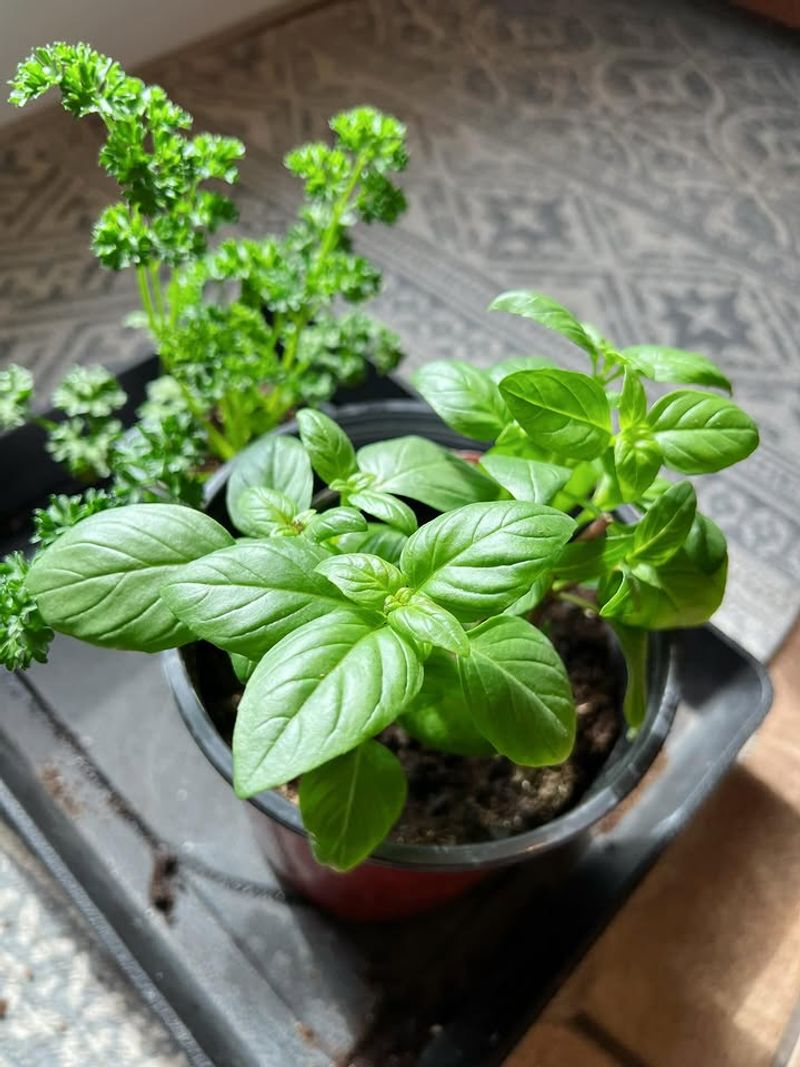
Water-loving herbs pair beautifully when they share the same thirst. Basil and parsley both need soil that stays evenly moist without becoming waterlogged.
Check your container daily during warm months because pots dry out faster than garden beds.
Basil grows rapidly in Georgia summers, producing fragrant leaves for pesto and caprese salads. Parsley takes longer to germinate but keeps producing through fall.
Both appreciate afternoon shade during July and August when temperatures soar above 90 degrees.
Use a container at least 12 inches deep with drainage holes. Fill it with potting mix that contains peat moss or coconut coir to hold moisture.
Water when the top inch feels dry to your fingertip.
Feed these herbs every two weeks with diluted liquid fertilizer. Basil flowers quickly in heat, so pinch off blooms to keep leaves tender.
Flat-leaf parsley handles Georgia humidity better than the curly variety.
Position your pot where it receives morning sun and afternoon protection. Both herbs grow well on east-facing porches or under tall trees that filter harsh midday rays.
Harvest regularly to encourage bushy growth.
Watch for aphids on new basil shoots. Spray them off with water rather than using chemicals on edible plants.
Parsley attracts swallowtail butterfly caterpillars, which you might choose to leave since they transform into beautiful pollinators.
Frequent harvesting keeps both herbs productive and helps prevent them from becoming leggy or slowing down during the peak growing season.
2. Oregano And Sage Handle Full Sun With Ease
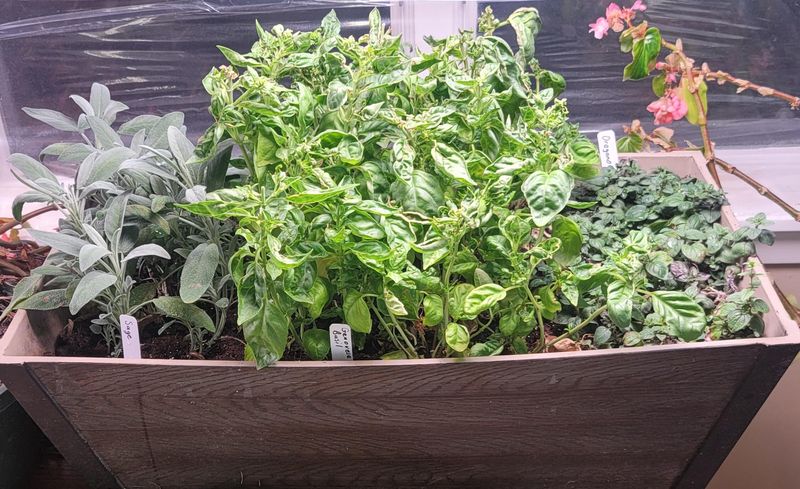
Sun worshippers need companions that match their energy. Oregano and sage both demand six to eight hours of direct sunlight daily to develop their strongest flavors.
Shade makes them leggy and bland.
Oregano spreads quickly, forming a mat of small leaves that cascade over pot edges. Sage grows upright with fuzzy, gray-green foliage that contrasts nicely with oregano’s darker green.
Plant them in a wide, shallow container that allows oregano room to sprawl. Depth matters less than width for these shallow-rooted herbs.
Use cactus mix or add extra sand to regular potting soil.
Water moderately and less frequently than basil or parsley. These tough herbs survive dry spells by storing moisture in their leaves.
Soggy soil weakens their immune systems and invites fungal problems.
Your Georgia Garden Changes Every Week. Your Plan Should Too.
Gardening in Georgia changes quickly throughout the season. Every Friday you’ll receive a simple weekly plan showing exactly what to plant, prune, fertilize, harvest, and protect so you never miss the right timing.
Harvest oregano regularly to prevent flowering, which makes leaves bitter. Sage leaves taste best before the plant blooms, though the purple flowers attract bees and hummingbirds.
Cut stems rather than individual leaves for faster regrowth.
Both herbs intensify in flavor when grown in lean soil with minimal fertilizer. Rich feeding produces lush foliage with diluted taste.
A single spring feeding with compost tea provides sufficient nutrients for robust growth throughout the season.
Good drainage remains essential for long-term success, as both herbs perform best when excess moisture moves quickly through the container rather than lingering around the roots.
3. Chives And Cilantro Grow Best During Cooler Months
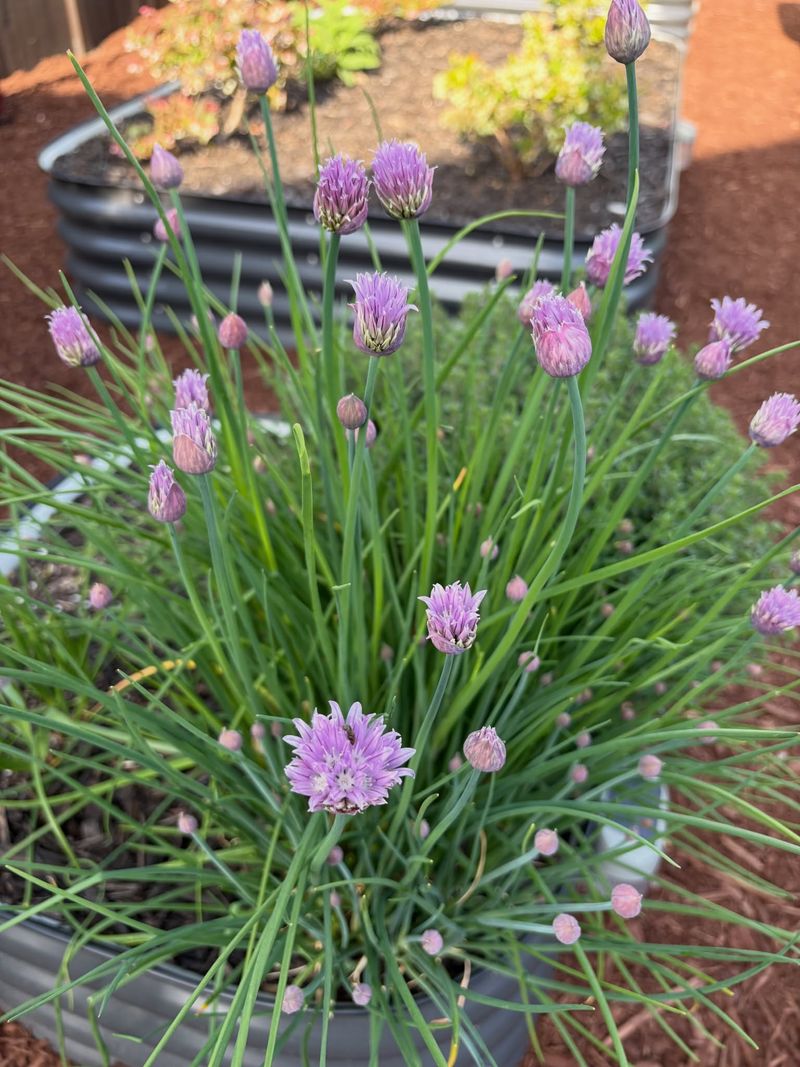
Cool-season champions team up perfectly. Chives and cilantro both struggle when temperatures climb into the 80s.
Plant them in early spring or late summer for best results.
Cilantro bolts to seed rapidly once heat arrives, usually by late May. Chives tolerate warmth better but produce tender leaves during March through May and September through November.
Pairing them makes sense because their peak seasons align.
Start cilantro from seed directly in your container every three weeks for continuous harvest. Chives grow from small bulbs that multiply over time.
One clump expands to fill a pot within two seasons.
Place containers where they receive morning sun but afternoon shade during transitional seasons. Too much spring sun tricks cilantro into flowering prematurely.
Chives appreciate the same protection.
Water when soil feels dry an inch down. Both herbs need consistent moisture but not saturation.
Cilantro roots rot easily in heavy, wet soil. Good drainage prevents problems.
Harvest cilantro leaves before the plant reaches 8 inches tall. Taller plants taste soapy to some people.
Snip chive leaves an inch above soil level, leaving enough growth for quick recovery. The purple chive blossoms taste mildly oniony and look beautiful in salads.
The flowers from both herbs attract beneficial insects, adding extra value to containers while supporting pollinators during their active growing seasons.
Regular harvesting helps both herbs stay productive longer.
4. Lemon Balm And Mint Fill Containers Quickly
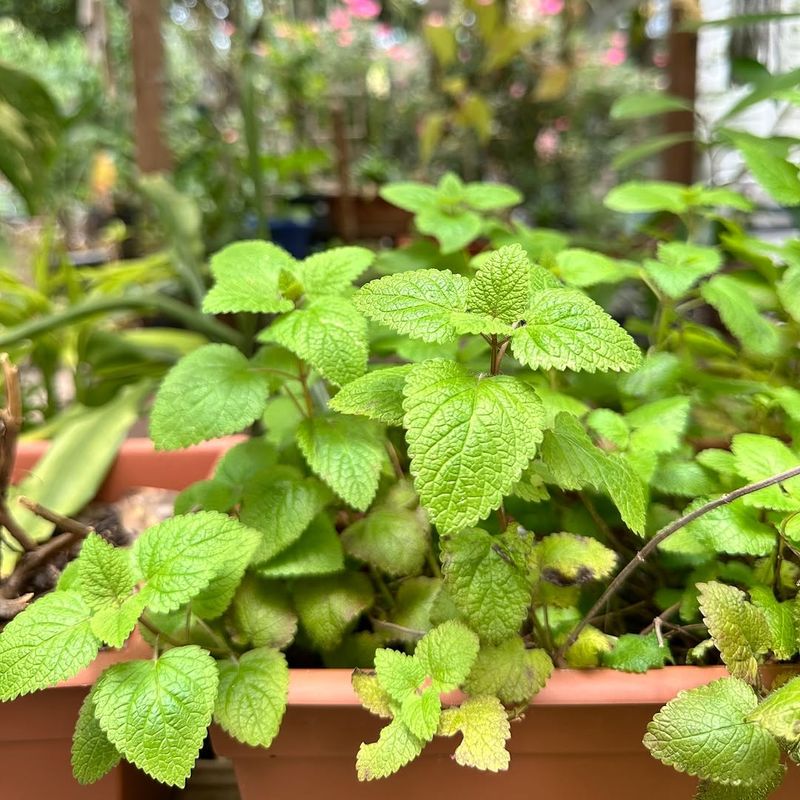
Aggressive growers need confinement. Lemon balm and mint both spread through underground runners that invade every available space.
Containers prevent them from taking over your entire garden.
Mint comes in dozens of varieties from spearmint to chocolate mint. Lemon balm smells like citrus when you brush against its leaves.
Both grow enthusiastically in humid climates, sometimes too enthusiastically.
Use the largest container you can manage because these herbs fill it rapidly. A 20-inch pot gives them room to spread without becoming root-bound by midsummer.
Plastic pots work better than clay because they retain moisture.
Keep soil consistently moist since both herbs wilt dramatically when dry. They recover quickly after watering but repeated stress reduces leaf quality.
Afternoon shade helps during peak summer.
Cut stems back by half when plants get leggy or start to flower. This harsh pruning encourages fresh, tender growth.
Use trimmings for tea, cocktails, or potpourri.
Divide overcrowded pots every spring by removing the entire root ball and cutting it into sections. Replant one section and share the rest.
Both herbs survive winter outdoors in many regions, going dormant but returning vigorously in spring. Watch for rust disease on mint leaves during humid weather.
Good air circulation around the container helps keep foliage healthier and reduces the chance of fungal issues during long periods of warm, humid weather.
5. Lavender And Hyssop Attract Pollinators All Season
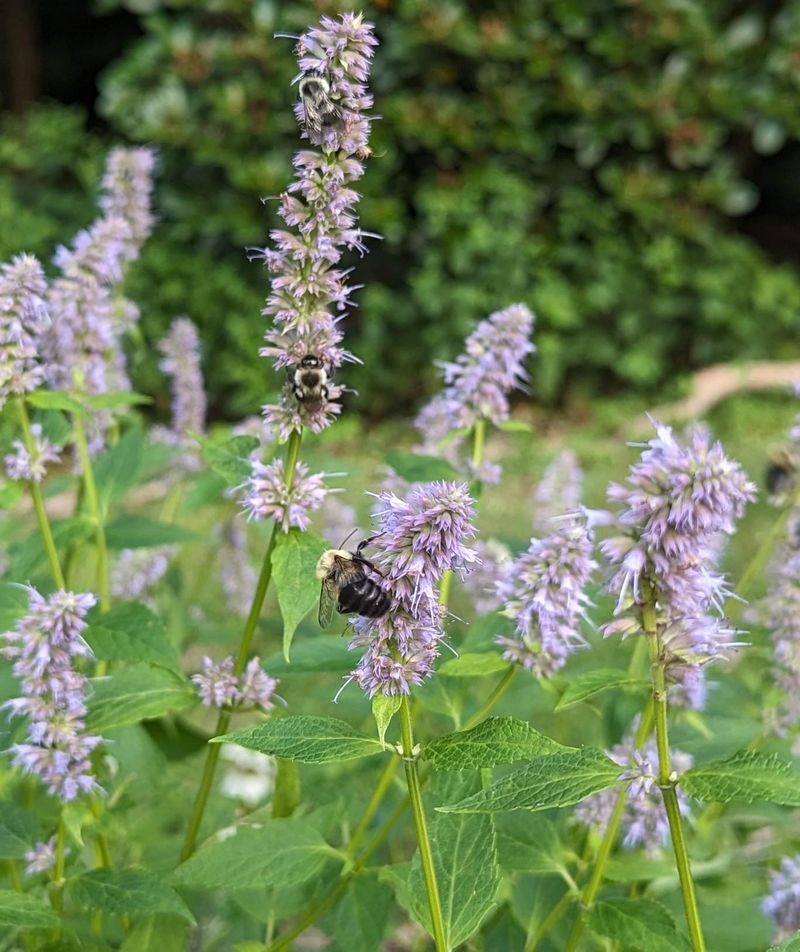
Flowering herbs serve double duty. Lavender and hyssop both produce abundant blooms that feed bees, butterflies, and hummingbirds while providing fragrant harvests.
Their purple flowers create a stunning container display.
Lavender needs excellent drainage and prefers alkaline soil, unusual in many areas where native soil runs acidic. Add lime to your potting mix or use a cactus blend.
Hyssop adapts to average conditions but tolerates the same lean soil lavender demands.
Plant them in a sunny spot with air circulation. Crowded, humid conditions encourage fungal diseases on lavender.
Space plants toward opposite sides of a large container rather than cramming them together.
Water sparingly once established. Both herbs survive drought better than excess moisture.
Let soil dry between waterings, especially during fall and winter when growth slows.
Deadhead spent flowers to encourage more blooms, or leave them for continuous pollinator activity. Lavender flowers dry beautifully for sachets.
Hyssop attracts beneficial insects that prey on garden pests.
English lavender varieties handle humidity better than French or Spanish types. Hyssop grows two to three feet tall with mint-scented leaves useful in cooking.
Both herbs contain aromatic oils that repel deer and rabbits, protecting nearby container plants from browsing.
A terracotta container works especially well for this pairing because it allows excess moisture to evaporate more quickly, helping keep roots healthy in humid conditions.
6. Dill And Chervil Mature Before Summer Heat Arrives
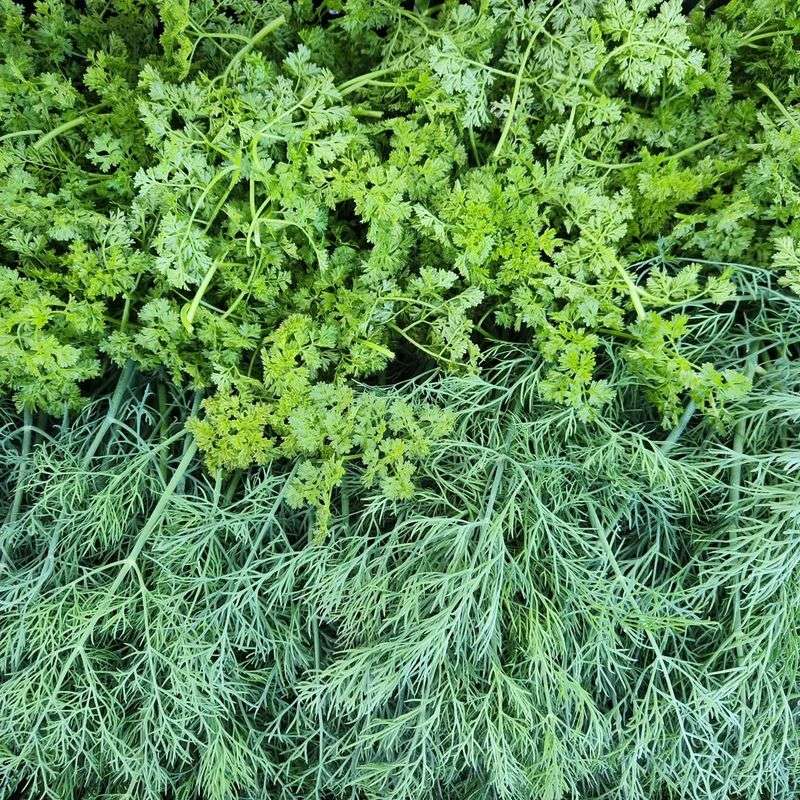
Quick growers beat the heat. Dill and chervil both complete their life cycles before Georgia summers turn brutal.
Plant them in February or March for April and May harvests.
Dill shoots up fast, reaching three feet in containers with adequate depth. Chervil stays shorter with delicate, parsley-like leaves that taste faintly of licorice.
Both have feathery foliage that looks attractive together.
Choose a container at least 16 inches deep for dill’s taproot. Shallow pots cause premature flowering.
Chervil manages fine in standard depths. Use loose, fertile potting mix that drains well.
Water regularly because these herbs grow so quickly they need consistent moisture. Dry soil slows growth and triggers early flowering.
Mulch the soil surface with shredded leaves to maintain even moisture.
Harvest dill fronds when plants reach 12 inches tall. Clip chervil leaves once the plant has at least six stems.
Both lose flavor after flowering begins, so use them young and tender.
Allow one dill plant to flower and set seed for pickling projects. Dill attracts beneficial insects including parasitic wasps that control garden pests.
Chervil self-sows readily, providing volunteer seedlings for fall planting. Neither herb transplants well, so direct seed them where you want them to grow.
Successive sowings every few weeks can extend the harvest season, especially if spring temperatures remain mild longer than usual.
7. Tarragon And Parsley Appreciate Similar Watering Needs
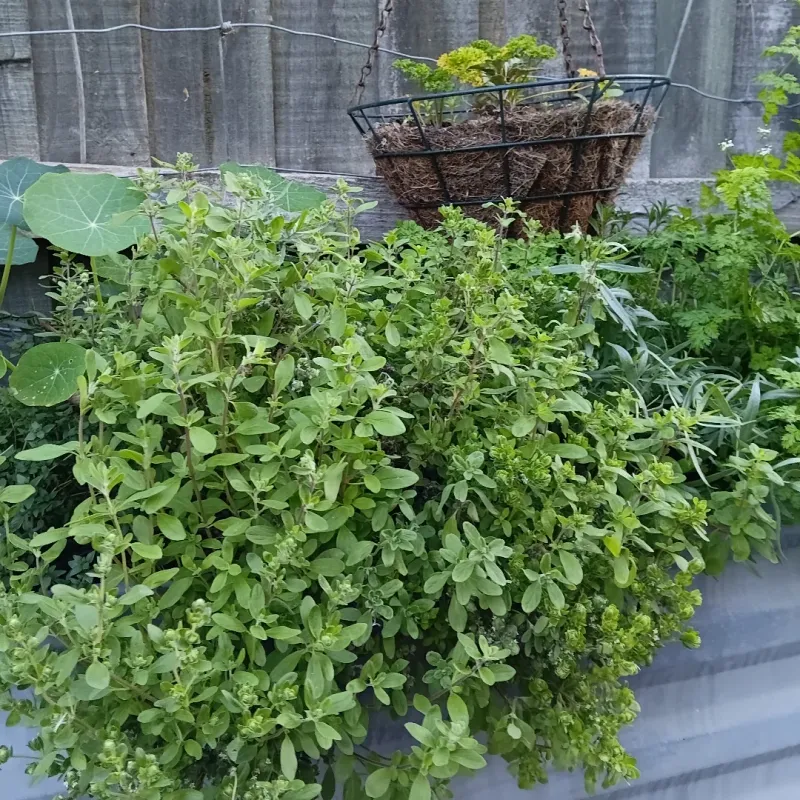
Moderate drinkers make compatible roommates. Tarragon and parsley both prefer soil that stays slightly moist but never soggy.
They occupy the middle ground between water-loving basil and drought-tolerant rosemary.
French tarragon produces the best flavor but cannot be grown from seed. Buy a small plant from a nursery and pair it with flat-leaf parsley started from seed.
Both have similar growth rates and mature heights.
Choose a container with good drainage and use quality potting mix. Water when the top two inches of soil feel dry.
During hot weather, this might mean daily watering. Cooler months require less frequent moisture.
Tarragon develops a spreading habit that benefits from regular harvesting. Pinch stem tips to encourage branching.
Parsley grows in a compact mound that fills in around tarragon stems.
Feed monthly with balanced liquid fertilizer diluted to half strength. Both herbs appreciate consistent nutrition without heavy feeding.
Excessive nitrogen makes leaves lush but reduces flavor concentration.
Tarragon loses flavor when it flowers, so remove bloom stalks immediately. Parsley remains productive through fall and often survives mild winters.
Mulch containers with shredded leaves in December to insulate roots during cold snaps. Tarragon goes dormant but returns reliably each spring from established roots.
Morning sun with some afternoon protection helps both herbs stay productive longer during the hottest part of summer, especially when growing in containers.
8. Rosemary And Thyme Prefer Fast-Draining Soil
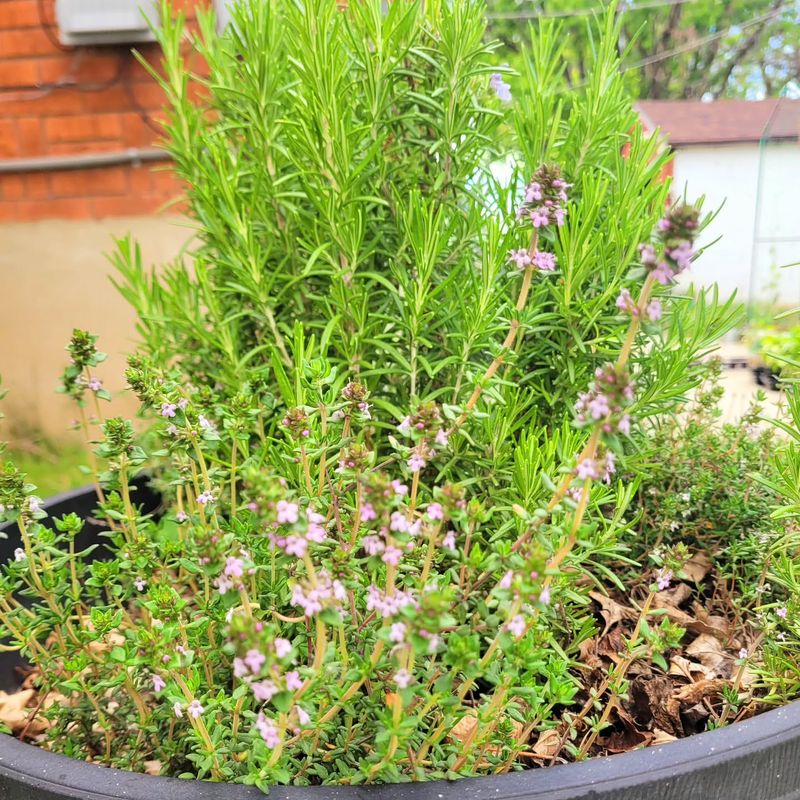
Mediterranean natives thrive in dry conditions and struggle when soil stays too wet. Rosemary and thyme evolved in rocky, dry regions where soil drains immediately after rain.
Recreate these conditions by mixing sand or perlite into your potting soil.
These woody herbs tolerate droughts better than downpours. Overwatering causes root rot faster than you might expect.
Let the soil dry between waterings, especially during cooler months when growth slows.
Choose a clay or terracotta pot rather than plastic. These materials breathe and wick excess moisture away from roots.
Add gravel or broken pottery pieces to the bottom for extra drainage.
Rosemary develops into a small shrub over time, reaching two feet tall in containers. Thyme stays low and spreading, creating a living mulch around rosemary stems.
Both handle full sun without complaint.
Feed sparingly because rich soil produces leggy growth with less flavor. A light application of balanced fertilizer in spring provides enough nutrition for the season.
Prune rosemary after flowering to maintain shape.
Winter protection becomes necessary when temperatures drop below 20 degrees. Move containers against a south-facing wall or into an unheated garage during hard freezes.
Both herbs stay evergreen through mild winters, providing fresh clippings for holiday cooking.
Good air circulation around the foliage helps prevent fungal problems, especially during periods of high humidity and frequent summer rainfall.
This pairing works well for gardeners who prefer low-maintenance herbs that produce reliable harvests without frequent watering or feeding.