These Are The Ohio Boxwood Alternatives Worth Planting Now That Box Tree Moth Is Spreading
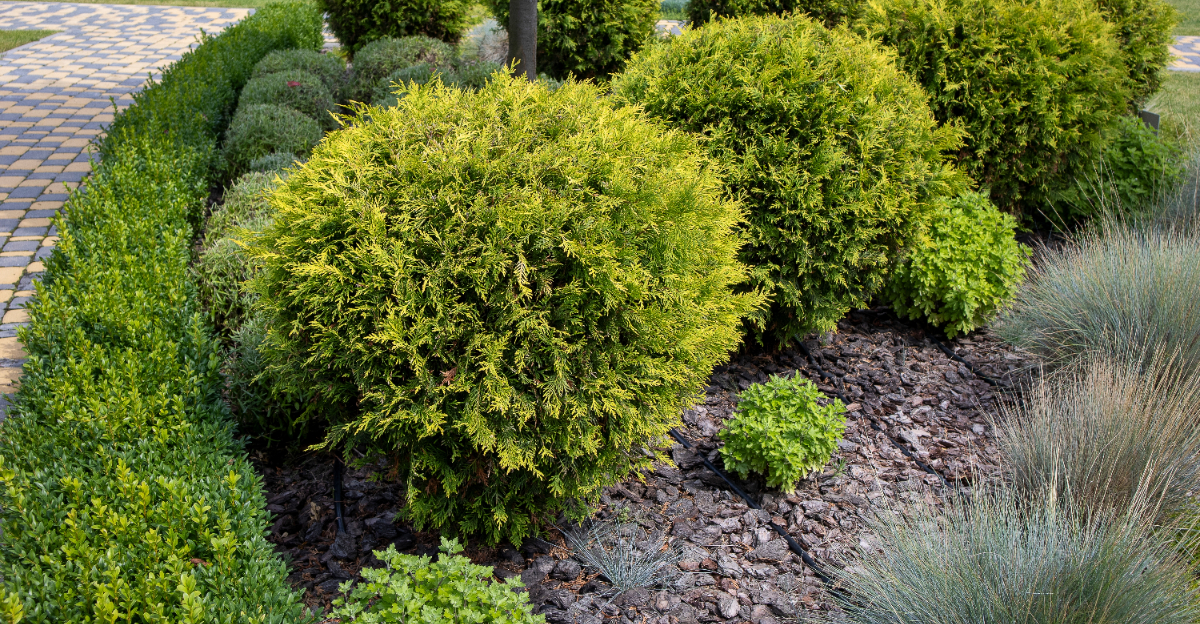
Boxwood has been a staple of Ohio landscaping for generations. Neat borders, reliable structure, evergreen color through brutal winters.
Gardeners trusted it and landscapes were built around it. Now box tree moth is spreading through Ohio and the conversation has completely changed.
This invasive pest does not just stress boxwood. It destroys it, and it moves fast through neighborhoods and garden districts once it gets a foothold.
Gardeners who spent years shaping and maintaining boxwood hedges are suddenly facing a real decision. Rip it out now or wait and risk losing it anyway.
That is a tough spot to be in. But the good news is that Ohio grows some genuinely excellent alternatives.
They offer similar structure, evergreen presence, and clean lines without any of the vulnerability. A few of them are native.
Most of them are tougher than boxwood ever was. Time to meet your options.
1. Inkberry Holly Gives Borders A Native Evergreen Look
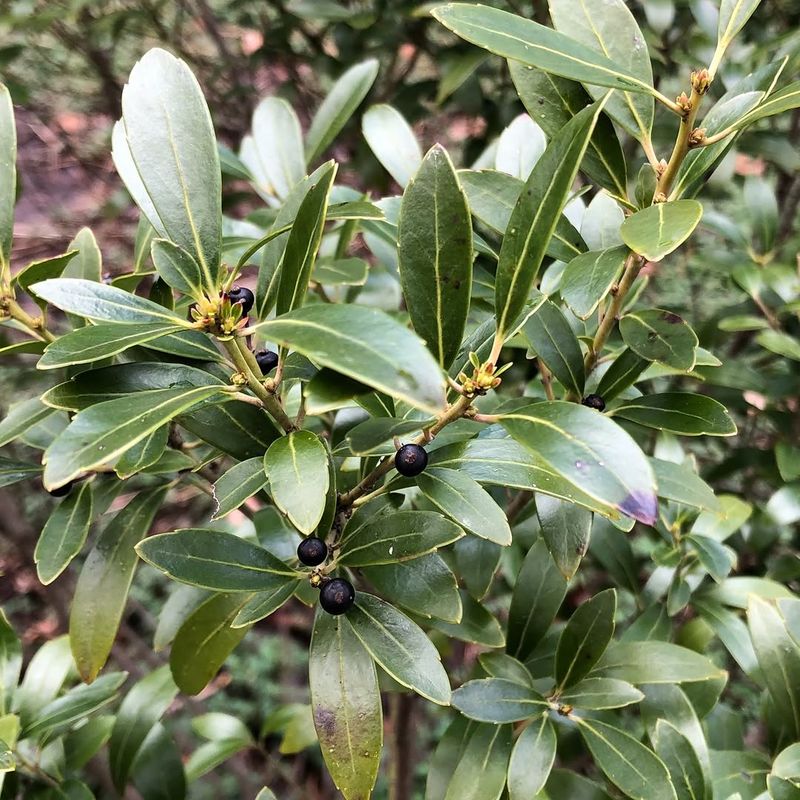
Native plant enthusiasts have long appreciated inkberry holly, and it deserves a much bigger spotlight as a boxwood alternative. Ilex glabra is a broadleaf evergreen native to eastern North America.
In the right setting, it can give foundation beds and low hedges a rounded, green presence that holds through winter.. That is exactly what many gardeners are looking for when they want to move away from boxwoods in Buxus.
The key word with inkberry is site. It performs best in acidic, moist but well-drained soil.
Gardeners with heavy clay, high-pH soil, or standing water after rain may find it struggles to establish or stay healthy. It is not a plant that forgives bad drainage the way some shrubs do.
Checking your soil pH before planting can save a lot of frustration.
The straight species can spread by suckering and grow larger than expected, reaching six feet or more. For a tidier, more compact look, seek out cultivars like Shamrock or Strongbox, which stay smaller and bushier.
Inkberry does not need constant clipping to look decent, but a light trim after fruiting can keep it tidy. Small black berries in fall feed birds, adding habitat value that boxwood simply cannot match.
2. Compact Yew Creates A Formal Shape Without Boxwood Leaves
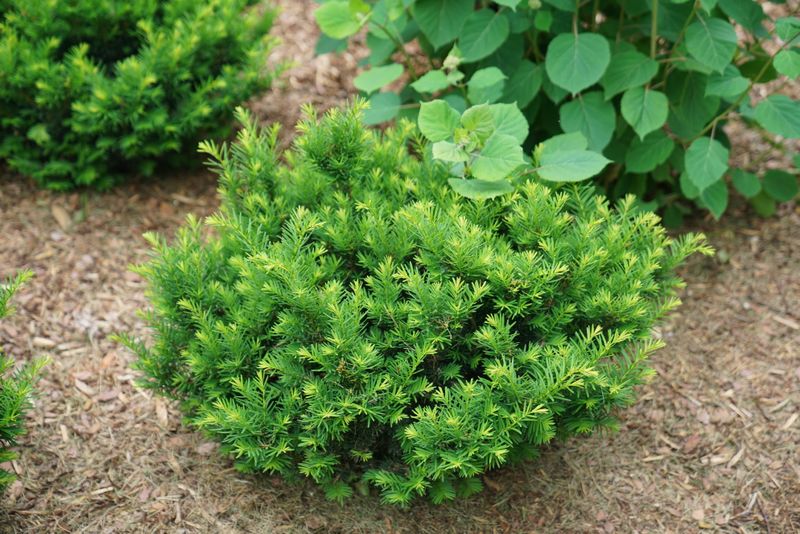
Few evergreen shrubs handle pruning as graciously as yew, and that quality alone makes it worth considering for gardeners who relied on boxwoods for crisp, clipped lines.
Taxus cultivars like Tauntonii or Densiformis can be shaped into low hedges, foundation masses, and formal borders without complaining.
They also tolerate shade better than most shrubs, which is a real advantage for north-facing foundation beds where boxwoods often struggled anyway.
Before planting, there is one fact you should not skip: yew is toxic if eaten. The needles, seeds, and bark all contain compounds that are dangerous to people, pets, and livestock.
This does not make yew a bad plant, but it does mean you should think carefully about placement. A clipped yew hedge along a front walk in a yard with dogs or young children may not be the best fit.
Your Ohio Garden Changes Every Week. Your Plan Should Too.
Gardening in Ohio changes quickly throughout the season. Every Friday you’ll receive a simple weekly plan showing exactly what to plant, prune, fertilize, harvest, and protect so you never miss the right timing.
Drainage matters just as much as placement. Yew will not tolerate sitting in wet soil.
Roots in poorly drained spots are vulnerable to rot, and once that starts, recovery is unlikely. Plant in well-drained soil, give it decent airflow, and avoid low spots that collect water after heavy rain.
In the right site, compact yew is durable, handsome, and long-lived.
3. Dwarf Arborvitae Keeps Foundation Beds Green Year-Round
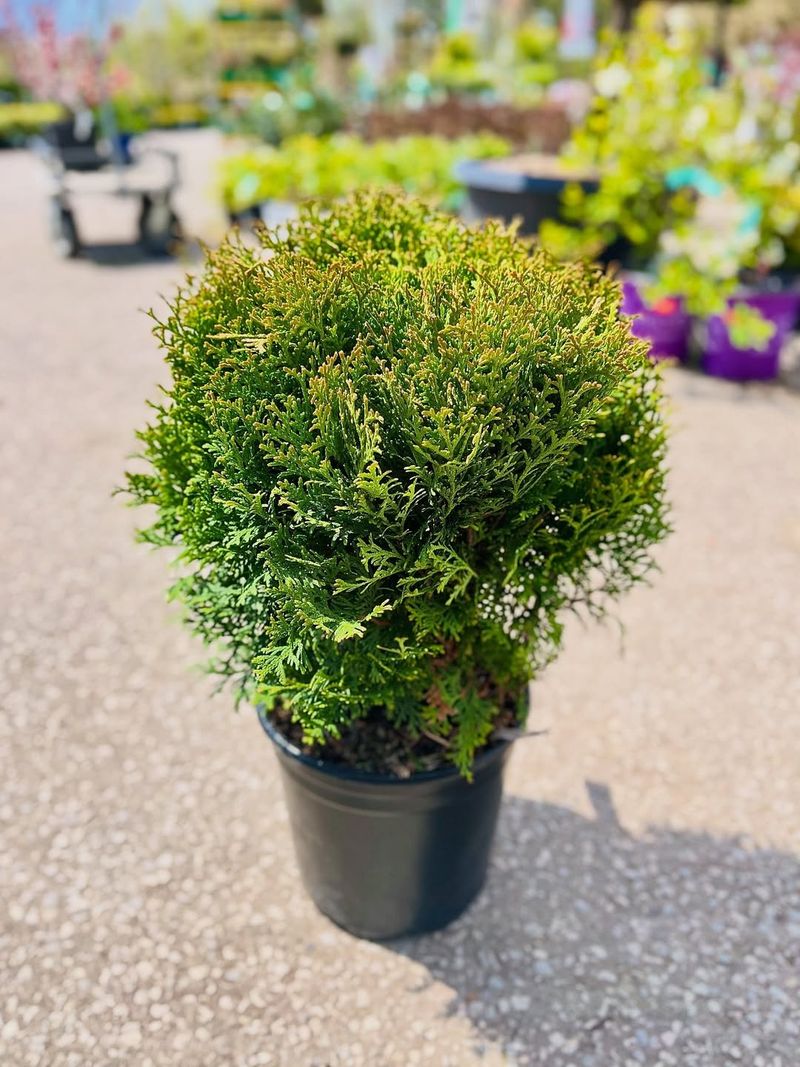
Arborvitae gets overlooked in the boxwood-alternative conversation, but dwarf forms earn their place in foundation beds and formal-looking borders.
Varieties like Hetz Midget, Little Giant, and Danica stay compact and naturally rounded without heavy pruning.
For gardeners who want a low-maintenance evergreen mound to anchor a corner or edge a walkway, these cultivars can fill that role through every season. That includes the gray Ohio winters when structure matters most.
Sun is a real requirement here. Dwarf arborvitae performs best in full sun to part sun with decent air circulation.
Shaded spots or tight corners against walls can lead to thin, open growth that never looks quite right. Spacing matters too.
Planting too close to foundations or other shrubs can limit airflow and lead to browning on the interior branches.
Two challenges come up often with arborvitae in this state: deer browsing and winter burn. Deer find arborvitae highly palatable, and in areas with heavy deer pressure, unprotected plants can be browsed down to bare stems.
Winter burn, a browning of foliage caused by wind and cold, can affect exposed plants in open sites. Burlap wrapping in late fall helps in vulnerable spots.
Always check the mature size of a cultivar before buying, because some grow much larger than the label suggests.
4. Japanese Holly Mimics Boxwood But Needs The Right Site
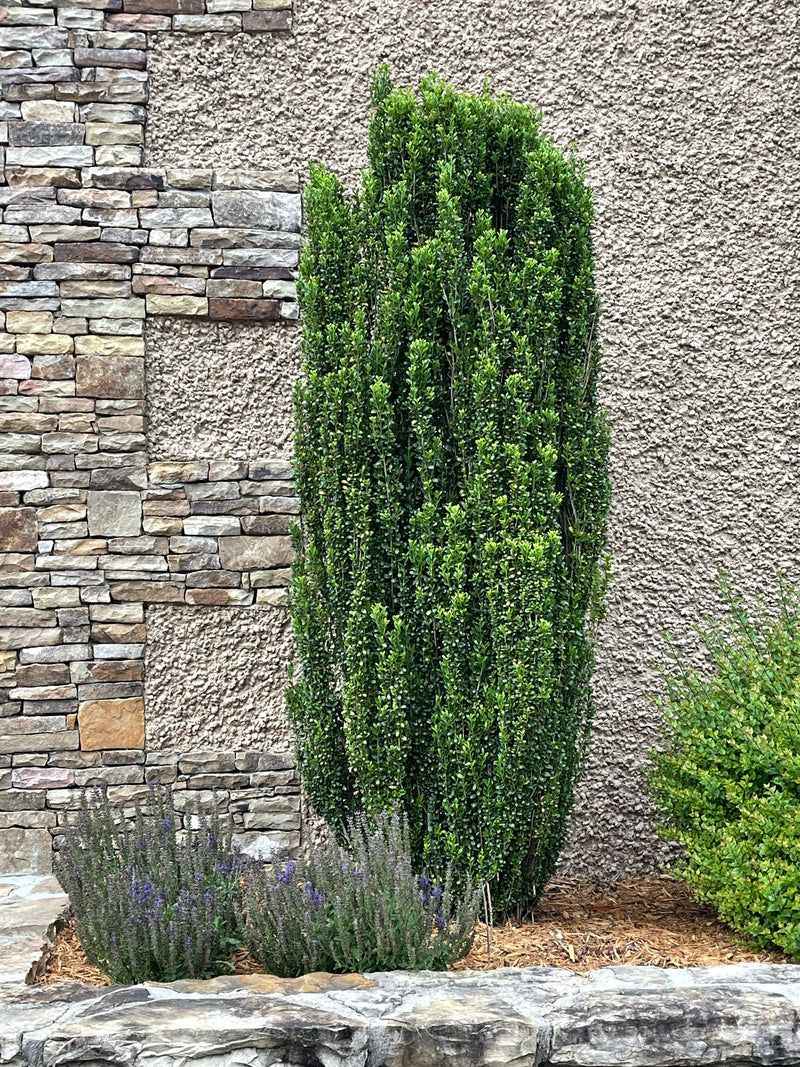
At a garden center, Japanese holly can stop you in your tracks. Ilex crenata has small, dark, glossy leaves and clips into tidy shapes so well that it is often sold specifically as a boxwood replacement.
In the right spot, it delivers that formal, clipped look without putting another Buxus plant in the ground. Cultivars like Sky Pencil, Soft Touch, and Helleri are widely available and offer a range of shapes and sizes.
Here is where the honesty comes in: Japanese holly is not native, so gardeners prioritizing ecological value may prefer inkberry holly or dwarf fothergilla instead. More practically, Japanese holly has real site limitations that catch buyers off guard.
It struggles in heavy clay soil, poorly drained spots, high-pH soil, and exposed winter locations. In northern regions of the state, some cultivars may show cold sensitivity, especially after harsh winters with little snow cover.
Before purchasing, check the cultivar’s cold hardiness rating and mature size carefully. Some forms sold as compact can eventually reach three to four feet or more.
Japanese holly is not a problem-free swap for boxwood. In a sheltered, well-drained, acidic to slightly acidic site with reasonable winter protection, it can perform beautifully.
In the wrong conditions, it tends to decline slowly and frustrate gardeners who expected an easy fix.
5. Dwarf Ninebark Adds Structure With More Seasonal Interest
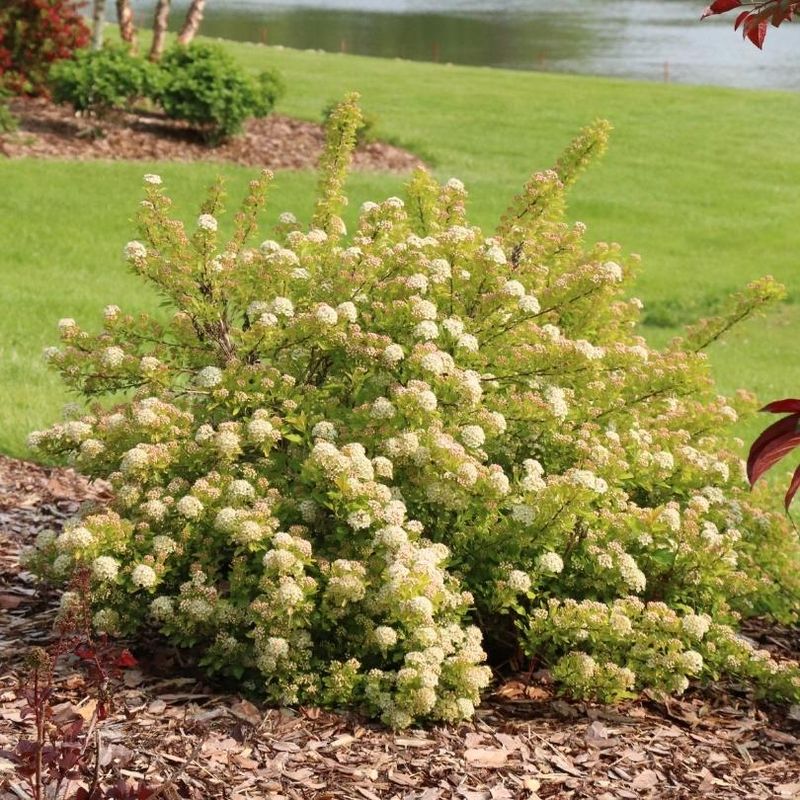
Swap the evergreen expectation for something with more personality, and dwarf ninebark starts to look very appealing. Physocarpus opulifolius cultivars like Tiny Wine, Little Devil, and Center Glow are compact natives.
They bring foliage color, spring flowers, interesting bark texture, and fall seed heads to a space that boxwood could never offer. For gardeners redesigning a border rather than just swapping one shrub for another, ninebark opens up a lot of creative options.
The honest trade-off is visibility in winter. Ninebark is deciduous, so the leaves drop in fall and the shrub goes bare.
If year-round green structure is non-negotiable, ninebark is not the right choice. But if you can appreciate the peeling, cinnamon-colored bark and the branching silhouette, ninebark still contributes something through the colder months.
It adds interest to the landscape even without its foliage.
Compact cultivars generally reach two to four feet tall and wide, making them appropriate for spots where small boxwoods were used.
Ninebark adapts to a wider range of soil conditions than many native shrubs, tolerating clay better than inkberry or Japanese holly.
It also attracts pollinators when it blooms in late spring. For gardeners ready to trade formal evergreen edges for seasonal rhythm and native habitat value, dwarf ninebark is a genuinely satisfying alternative.
6. Gem Box Inkberry Works Where A Tidy Rounded Shrub Is Needed
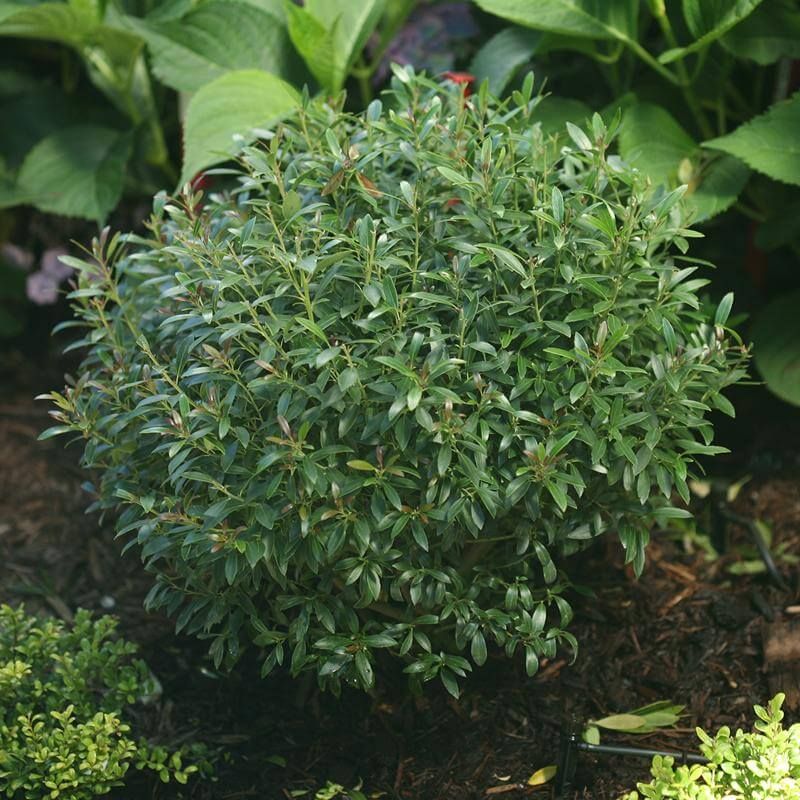
Compact plant breeders have given inkberry holly a serious makeover, and Gem Box is one of the most useful results. This cultivar of Ilex glabra stays naturally small, reaching about two to three feet tall and wide.
It has dense, glossy, dark green foliage that holds its shape through winter. For gardeners who loved the rounded, low-maintenance look of small boxwoods, Gem Box offers a native-parentage alternative.
It can fill that same visual role in foundation beds and low borders.
Like the straight species, Gem Box needs acidic soil to perform well. High-pH or alkaline soil can cause yellowing leaves and slow growth that never quite recovers.
Moist but well-drained conditions are ideal. It can handle brief wet periods better than Japanese holly, but it is not suited for spots that stay soggy for days after a rain event.
Consistent soil moisture during establishment helps it develop a strong root system.
Light matters for density. Plants in good sun to part sun will grow tighter and fuller than those in deep shade.
Gem Box does not need heavy pruning to stay tidy, but a light shaping trim can keep the mound looking clean. It also produces small black berries in fall that birds appreciate, adding ecological value that goes beyond what any boxwood provides.
7. Globe Arborvitae Replaces Boxwood Balls In Sunny Spots
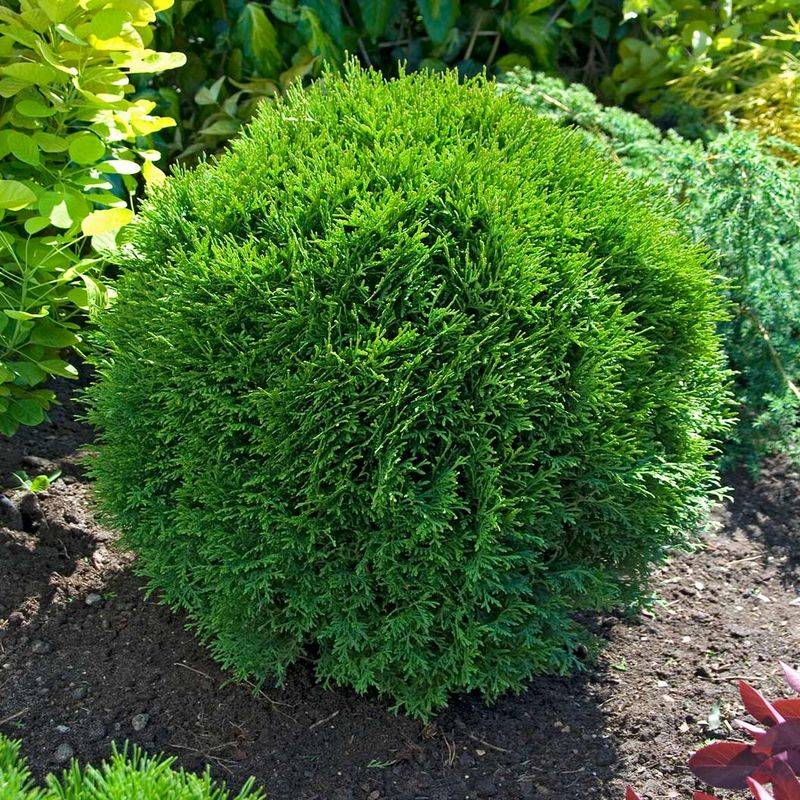
Rounded boxwood balls have been a staple of formal front yards for generations, and globe arborvitae can step into that role in sunny spots without much fuss.
Varieties like Tom Thumb and Woodwardii grow into naturally spherical or broadly rounded forms that hold their shape through the seasons.
They stay green through winter, which is part of what makes them a practical choice for gardeners who want year-round structure without constant clipping.
Placement decisions matter more than most people realize. Globe arborvitae needs good sun and airflow to stay dense and healthy.
Mature size is worth researching before you buy. Some globe forms eventually reach four feet or more across, which is larger than many small boxwood balls were in the same bed.
Deer pressure is a recurring problem in many neighborhoods and rural areas. Arborvitae is among the most browsed shrubs in the region, and unprotected plants can be stripped back badly in a single winter.
Repellent sprays and physical barriers help, but they require consistent reapplication. Winter browning from wind and cold can also affect exposed plants.
In a sheltered, sunny spot with manageable deer pressure, globe arborvitae is a reliable, attractive alternative worth planting.
8. Dwarf Fothergilla Brings Spring Flowers And Fall Color
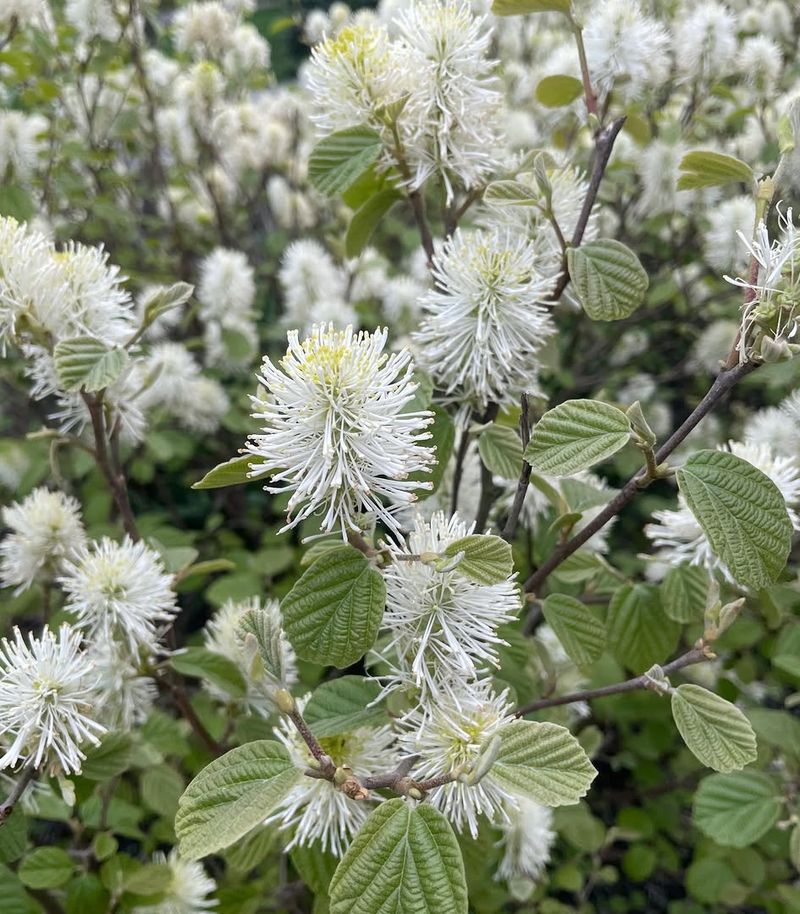
Some gardeners are ready to stop chasing the boxwood look entirely, and dwarf fothergilla gives them a compelling reason to move on. Fothergilla gardenii is a native shrub that earns its place in the landscape three seasons of the year.
Fragrant, white bottlebrush flowers open in spring before the leaves fully emerge, creating a soft and striking display. Summer brings clean, blue-green foliage.
Fall delivers some of the richest color combinations you will see in a home landscape, ranging from orange and red to deep burgundy.
It does not stay evergreen, so bare stems are part of the winter picture. For gardeners who measured success by year-round green coverage, that adjustment takes some getting used to.
But the seasonal payoff is genuinely rewarding, and the plant supports pollinators in spring when early-season food sources are still limited.
Soil preparation pays off with fothergilla. It prefers acidic, well-drained soil with consistent moisture, especially during establishment.
Sun to part shade works well, with more sun generally producing the best fall color. Mature size for dwarf forms typically falls in the two to four foot range, making it appropriate for smaller beds.
For gardeners replacing boxwood formality, dwarf fothergilla offers something that feeds bees, delights the eye, and connects to regional ecology. It is a deeply satisfying choice.