These Are The Texas Backyard Ideas Turning Small Outdoor Spaces Into Usable Retreats This Summer
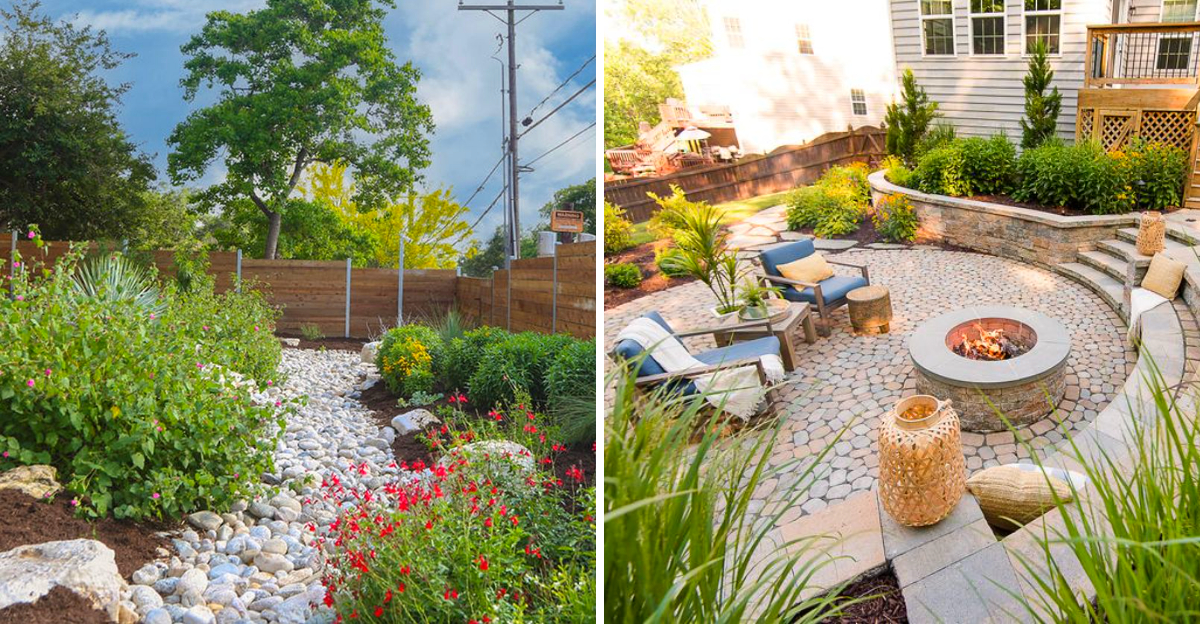
Let’s be real: stepping into a Texas backyard in July can feel a lot like opening an oven door. The blazing afternoon sun, the heat that just refuses to quit, the occasional stretch without a single drop of rain.
It’s a lot. But here’s the thing, having a small backyard does not mean you have to wave the white flag and stay inside until October.
Not even close. With the right shade choices, some water-wise plants that actually thrive out there, and a seating setup that makes sense for the space, even the most compact Texas yard can turn into a legitimate summer retreat.
We’re talking a spot you genuinely look forward to spending time in, not just a patch of ground you glance at through the window while standing next to the air conditioner.
1. Add Shade Over The Seating Area
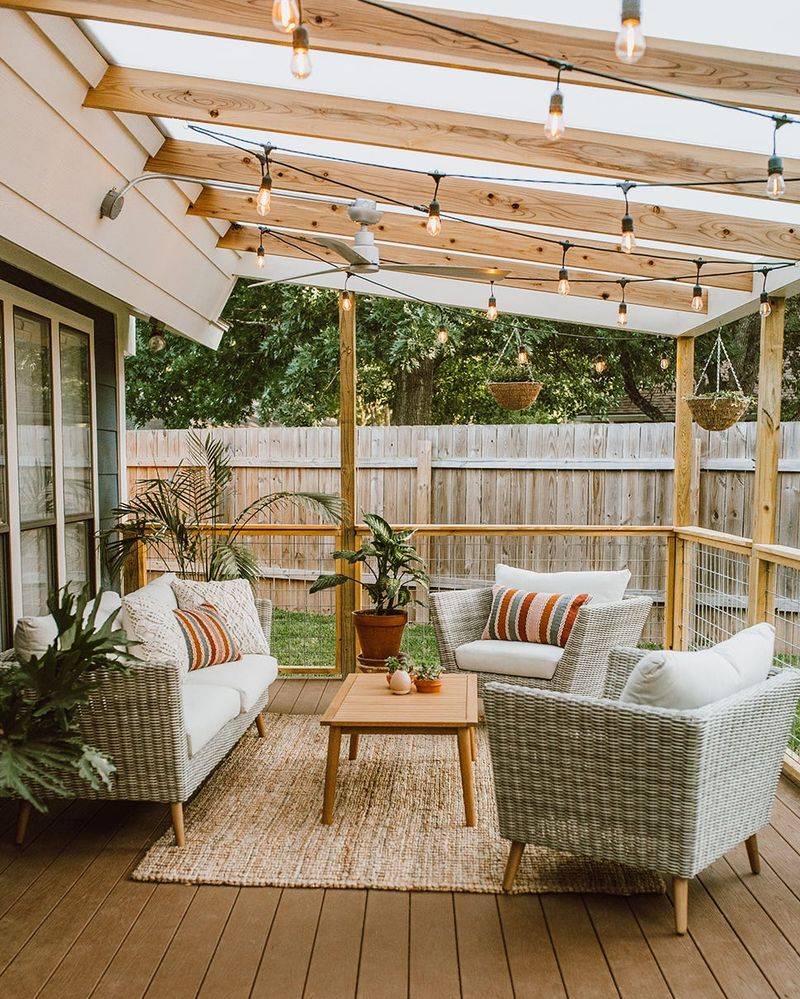
Afternoon sun can push patio temperatures well beyond what feels bearable, and that is where smart shade makes all the difference. A seating area without overhead cover in a Texas summer is rarely used after mid-morning.
Adding a pergola, shade sail, or retractable awning over your seating zone can drop the perceived temperature noticeably and extend the hours you can comfortably sit outside.
Shade sails are a popular option for small yards because they are relatively affordable, come in multiple shapes, and can be installed without major construction.
A pergola made from cedar or treated lumber offers a more permanent look and can support climbing plants like coral honeysuckle or crossvine that add natural cooling over time.
Retractable awnings work well for covered patios where you want flexibility between sun and shade.
When choosing a shade structure, consider the direction of your afternoon sun. In Texas, the west and southwest exposures tend to deliver the harshest heat, so positioning your shade accordingly will give you the most relief.
Make sure any structure is anchored securely, since Texas can experience strong afternoon thunderstorms during summer months. Even partial shade over a seating area can make your outdoor space genuinely usable on days that would otherwise keep you indoors.
2. Create A Small Patio Or Sitting Zone
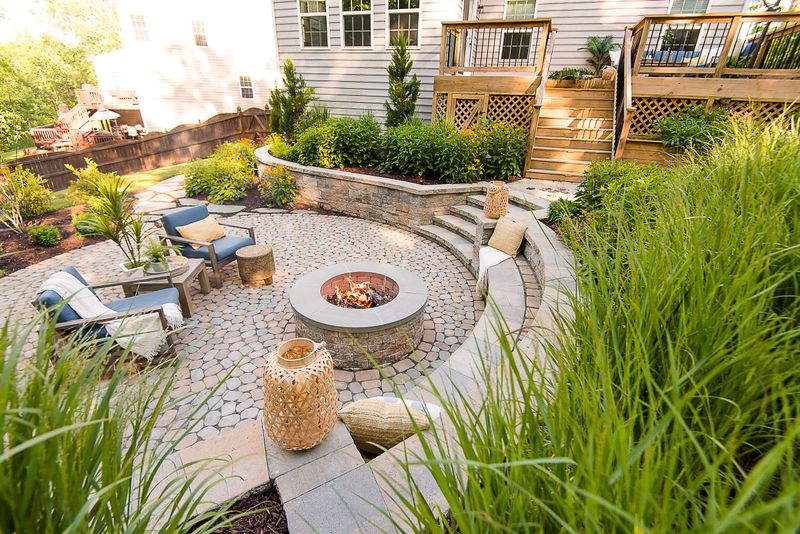
Carving out a dedicated sitting zone in a small Texas backyard gives the space a sense of purpose that a plain lawn rarely provides.
Even a modest area of eight by ten feet can hold two chairs, a small table, and a container or two, which is often enough to create a spot that feels like an outdoor room rather than just a yard.
Flagstone, decomposed granite, and concrete pavers are all solid choices for a small Texas patio base.
Flagstone has a natural look that blends well with garden plantings, while decomposed granite drains quickly after rain and stays relatively cool underfoot compared to solid concrete.
Concrete pavers come in many shapes and sizes, making them easy to work with in an irregular space. Whichever material you choose, a stable, level surface makes the seating area safer and more comfortable.
Your Texas Garden Changes Every Week. Your Plan Should Too.
Gardening in Texas changes quickly throughout the season. Every Friday you’ll receive a simple weekly plan showing exactly what to plant, prune, fertilize, harvest, and protect so you never miss the right timing.
Keeping the furniture simple and appropriately scaled for the space matters more than most people expect. Oversized chairs or a large dining table can make a small patio feel cramped and uninviting.
Folding or stackable furniture is a practical option for compact yards because it can be moved or stored when not in use.
Adding a small outdoor rug, a lantern, or a potted plant near the seating area helps the zone feel finished and welcoming without requiring a large investment or a lot of maintenance.
3. Use Native And Adapted Plants Around The Retreat Area
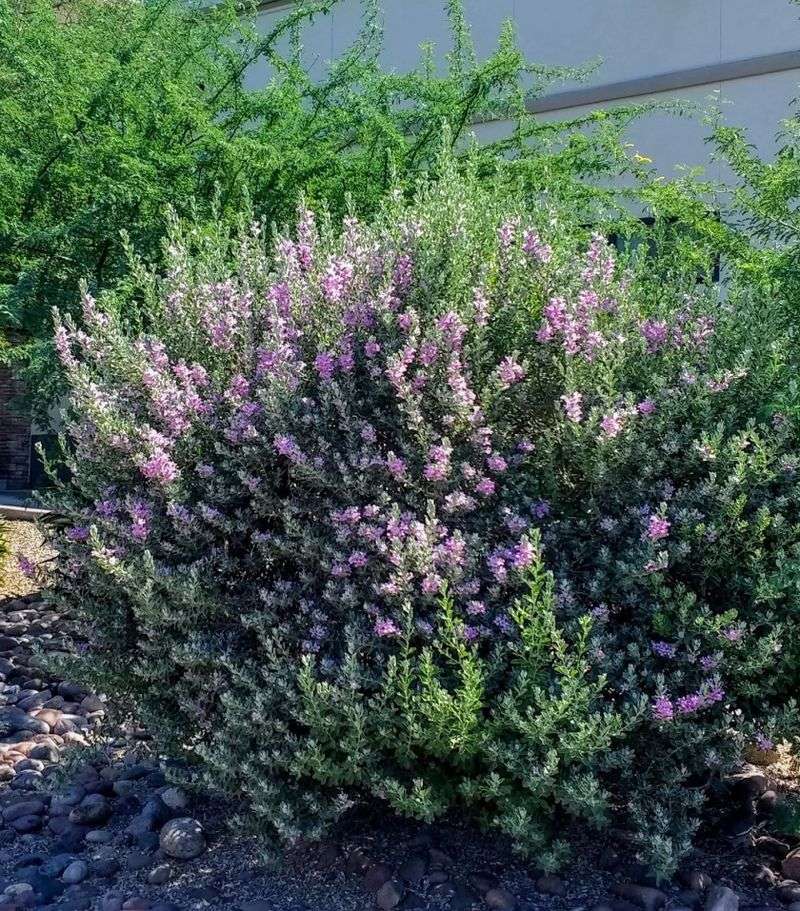
Surrounding a backyard retreat with the right plants can shift the entire feel of the space from bare and exposed to lush and private.
In Texas, choosing native and regionally adapted plants around your patio or sitting zone makes the planting more likely to establish well and handle the heat and irregular rainfall that come with a Texas summer.
Plants like Texas sage, lantana, black-eyed Susan, and autumn sage are widely used in Texas landscapes because they tolerate heat, handle dry stretches reasonably well once established, and tend to attract pollinators that bring life to a small yard.
Turk’s cap is a reliable option for partially shaded spots and produces red flowers that hummingbirds visit regularly.
Gulf muhly and other ornamental grasses add movement and texture without requiring intensive care.
Placement matters when working with a small retreat area. Taller shrubs or ornamental grasses positioned along a fence or property line can add privacy without taking up much ground space.
Lower-growing plants along the edges of a patio soften the transition between hardscape and garden bed, making the seating zone feel more integrated with the surrounding landscape.
Grouping plants with similar water needs together makes watering more efficient and helps each plant get what it needs without overwatering neighbors that prefer drier conditions.
A thoughtful plant selection around your retreat area can make the space feel more complete through much of the summer season.
4. Replace Some Lawn With Low-Water Planting Beds
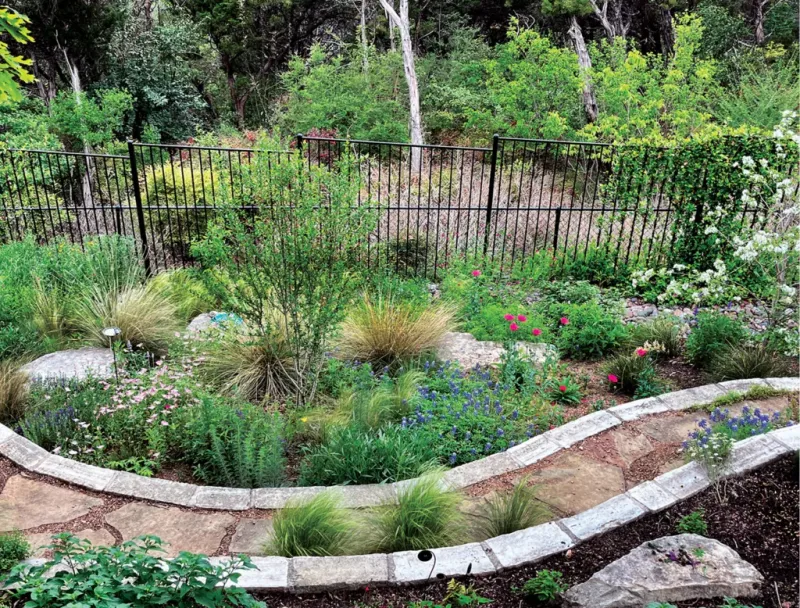
Maintaining a full lawn in a small Texas backyard during summer can require more water, more mowing, and more effort than many homeowners expect.
Replacing even a portion of that lawn with a well-designed planting bed can reduce those demands while giving the yard a more intentional, finished appearance.
Low-water planting beds work well in Texas when they feature a combination of groundcovers, ornamental grasses, perennials, and shrubs suited to the region.
Plants like inland sea oats, prairie verbena, and Mexican feathergrass can fill a bed with interesting texture and seasonal color while tolerating the heat and occasional dry spells that summers tend to bring.
A generous layer of mulch over the soil surface helps retain moisture between watering sessions and moderates soil temperature during the hottest months.
When planning where to remove lawn, consider the areas that get the most foot traffic versus the areas that simply sit unused.
Corners, strips along fences, and narrow side yards are often good candidates for conversion since they tend to be awkward to mow and difficult to keep looking neat.
Replacing these spots with a planted bed edged cleanly with steel, stone, or concrete edging gives the yard a crisper look with less ongoing effort.
Over time, an established low-water bed typically needs less regular attention than the same square footage of lawn, which can make summer yard maintenance feel much more manageable.
5. Use Containers For Herbs, Flowers, Or Compact Edibles
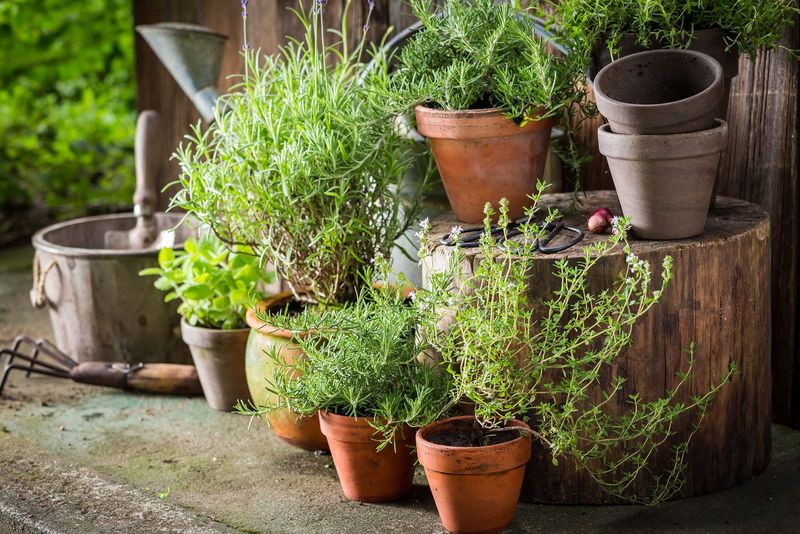
Container gardening gives small backyards a surprising amount of flexibility.
Pots, raised planters, and fabric grow bags can be arranged on a patio, along a fence, or near a doorway to bring color, fragrance, and even a small harvest into a compact outdoor space without requiring any in-ground planting beds.
Herbs like basil, rosemary, and thyme do well in containers in Texas during the warmer months, though basil in particular benefits from some afternoon shade during the peak of summer heat.
Cherry tomatoes, peppers, and compact eggplant varieties can produce reasonably well in large containers when given consistent watering and a spot with morning sun.
Marigolds and zinnias are reliable choices for adding color to a patio container arrangement and tend to handle Texas heat with less fuss than some other flowering annuals.
Choosing the right container size matters more than many beginners realize. Smaller pots dry out much faster in Texas heat, which means more frequent watering and a greater chance of stress for the plants inside.
Larger containers hold more soil volume, which helps buffer temperature swings and retain moisture longer between waterings.
Dark-colored containers can absorb more heat, so lighter colors or glazed pots may be a better choice for spots that receive intense afternoon sun.
Grouping containers together also helps reduce moisture loss and creates a more cohesive visual display in a small yard setting.
6. Add Pervious Paths Or Pavers Instead Of More Solid Hardscape
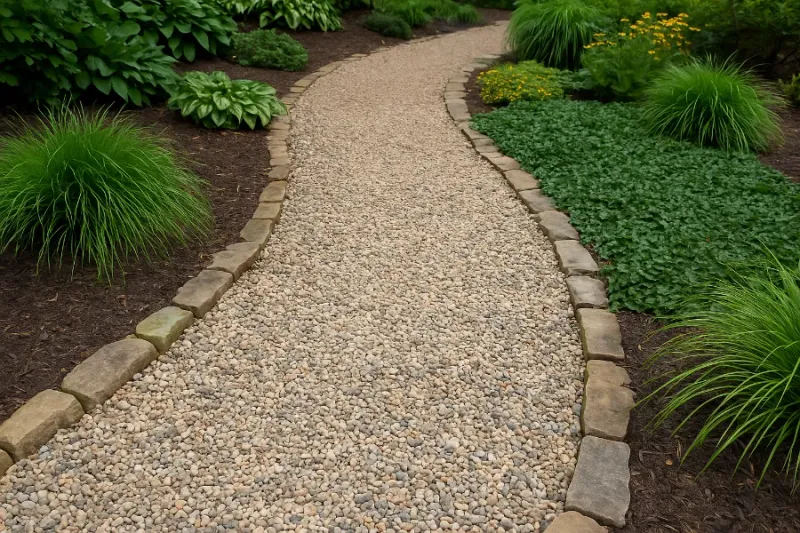
Solid hardscape surfaces like poured concrete can absorb and radiate a significant amount of heat in a Texas summer, making the surrounding area noticeably warmer during the hottest parts of the day.
Choosing pervious materials for paths and walkways in a small yard is one way to reduce that heat buildup while also allowing rainwater to filter into the soil rather than running off.
Decomposed granite is one of the most common pervious path materials used in Texas landscapes. It compacts well enough to create a stable walking surface, drains quickly after rainfall, and blends naturally with plantings on either side.
Stepping stones set in decomposed granite or planted groundcover offer another option that feels less formal and works well in yards where the path winds through a garden area rather than connecting two fixed points in a straight line.
Gravel, flagstone with open joints, and permeable concrete pavers are additional materials worth considering depending on the look you prefer and the amount of foot traffic the path will receive.
Open joints between pavers can be planted with low-growing groundcovers like buffalo grass plugs or creeping thyme, which add softness to an otherwise hard surface.
Keeping path widths modest in a small yard, typically around two to three feet for a simple garden path, helps preserve more planting space on either side and keeps the overall scale of the design appropriate for a compact outdoor setting.
7. Use Rainwater Harvesting For Supplemental Watering
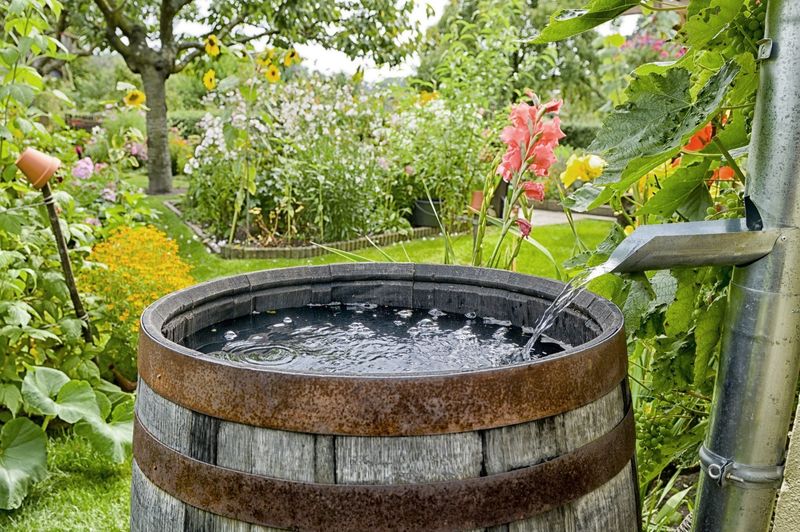
Rainfall in Texas can be unpredictable, arriving in heavy bursts during some weeks and disappearing entirely during others.
Capturing some of that rainwater when it does fall gives homeowners a free, readily available water source for container plants, garden beds, and newly planted areas that may need extra support between natural rain events.
A simple rain barrel connected to a downspout is a straightforward way to start collecting rainwater in a small yard. Most rain barrels hold between fifty and eighty gallons, which can go a reasonable distance when used on containers and small planting beds.
Positioning the barrel near the area where you most often water reduces the effort involved in using it regularly. Some homeowners use multiple barrels connected in series to increase storage capacity without taking up much additional space.
One thing worth keeping in mind is that rainwater harvesting works best as a supplement to other watering methods rather than a complete replacement.
During extended dry stretches, a single rain barrel may not provide enough water for a full landscape, but it can meaningfully reduce how much you draw from the tap for routine container watering.
It is also worth checking local regulations, since some Texas municipalities have specific guidelines around rainwater collection systems.
After a significant rain event, avoid watering plants that have already received enough moisture from natural rainfall, since unnecessary irrigation can lead to root problems in containers and beds alike.
8. Design With Summer Comfort And Maintenance In Mind
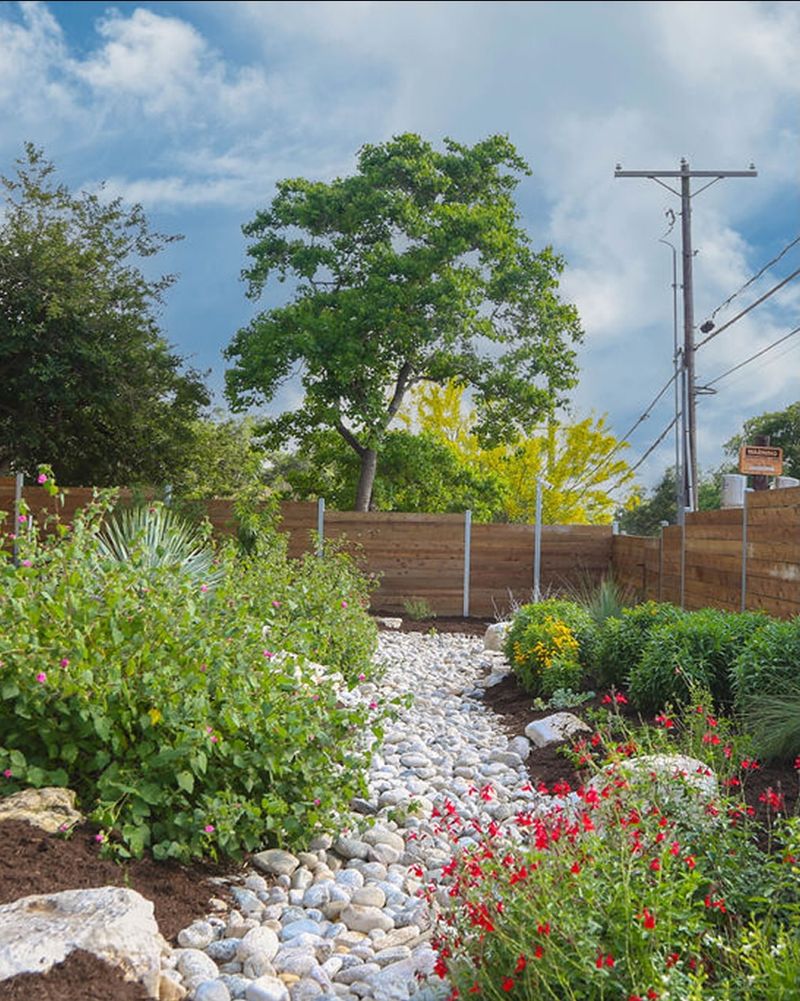
A backyard retreat that looks great in April but becomes overwhelming to maintain by July is a common frustration for Texas homeowners.
Designing with the full summer season in mind from the beginning helps create a space that stays usable and reasonably tidy even during the hottest and driest weeks of the year.
Choosing plants that are genuinely suited to your specific yard conditions, including sun exposure, soil type, and available water, reduces the amount of intervention needed to keep the landscape looking decent.
Drip irrigation or soaker hoses connected to a timer can take the guesswork out of watering containers and planting beds during summer, delivering water directly to the root zone where it is needed most and reducing waste from surface evaporation.
Mulching beds generously at the start of the season is another step that pays off throughout the summer by keeping soil moisture more stable and reducing how often you need to water.
Keeping the overall design simple is often the most effective strategy for a small Texas backyard retreat.
Fewer elements, each chosen thoughtfully, tend to create a more cohesive and manageable space than a yard packed with features that compete for attention and upkeep.
A shaded seating area, a small planting bed or container grouping, and a tidy path between them can be enough to make a compact outdoor space feel genuinely welcoming and comfortable through even the most demanding summer months.