These Texas Plants Repel Deer So Reliably Neighbors Will Ask What You Did
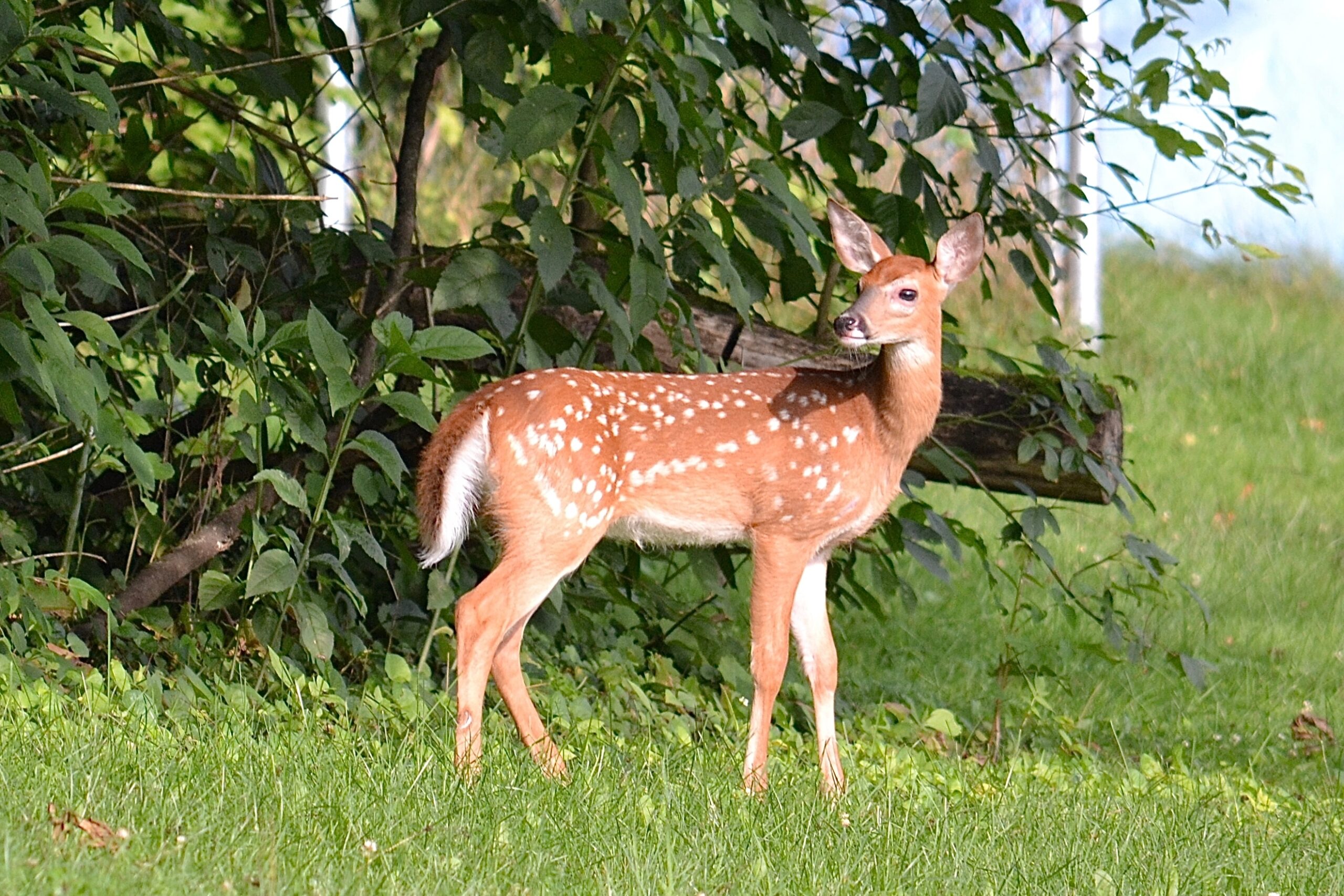
Deer pressure in Texas is no joke. One night is all it takes for a small group of them to work through plants you have been growing for months, leaving behind nothing but stems and frustration.
Fencing is effective but expensive and not always practical, and commercial repellent sprays require constant reapplication and wear off the moment it rains.
What actually holds deer back long term is a yard that smells and tastes like somewhere they do not want to be.
Certain Texas plants are so consistently unappealing to deer that once you build your garden around them, the visits drop off dramatically.
The best part is that most of these plants are beautiful, low maintenance, and genuinely well suited to the Texas climate. Your neighbors will notice the difference before they ever figure out your secret.
1. Texas Sage
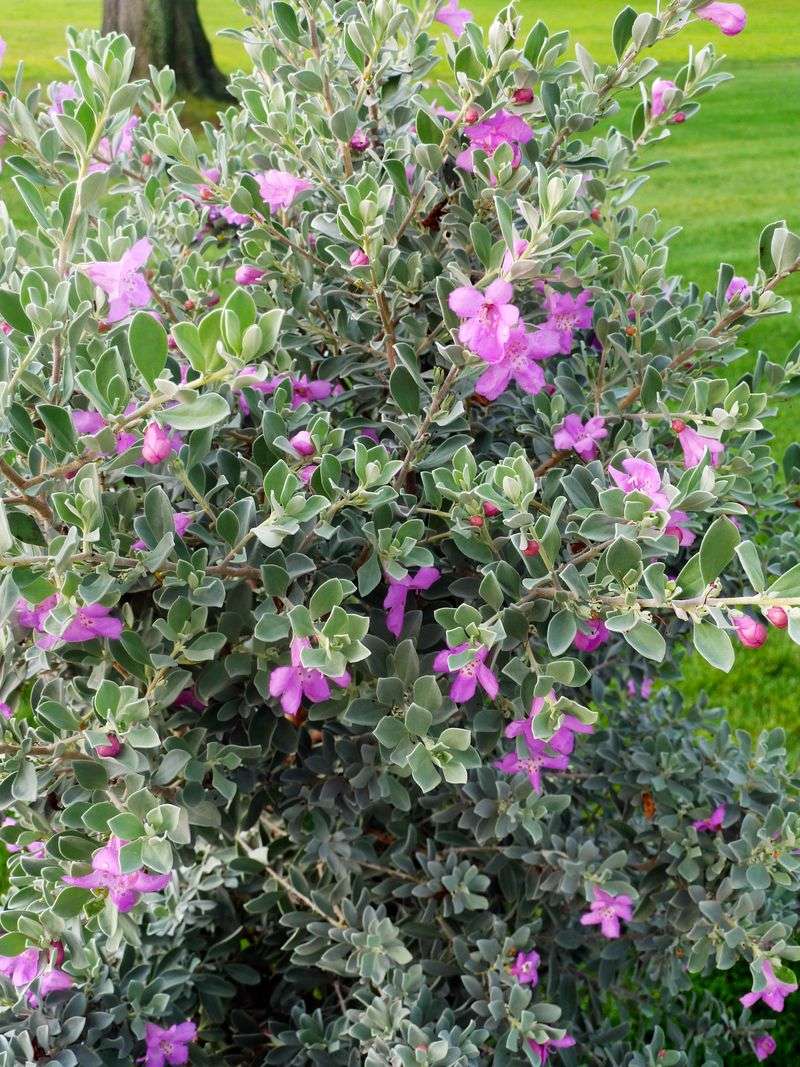
Walk past a Texas Sage shrub after a summer rain and you will immediately understand why deer want nothing to do with it.
The plant releases a sharp, herbal scent that is pleasant to people but seriously off-putting to browsing deer. That smell alone is often enough to send them looking for a snack somewhere else.
Texas Sage, also called Cenizo or Purple Sage, is a native Texas shrub that thrives in hot, dry conditions. It loves full sun and well-drained soil, which makes it a perfect fit for most Texas yards.
Once established, it barely needs any water, making it a dream plant for gardeners who do not want a high-maintenance landscape.
The silvery foliage is the plant’s first line of defense. Deer tend to avoid plants with fuzzy or textured leaves because they do not feel good in their mouths.
Texas Sage has both the rough texture and the strong aroma working together to keep deer away reliably.
Beyond being deer-resistant, this shrub is genuinely stunning. It bursts into bright purple blooms after rainfall events, sometimes multiple times a year.
Locals even use it as a natural weather predictor, saying it blooms just before rain arrives. Plant it along borders, near entryways, or as a low hedge and you will get beauty and protection in one tough package.
It grows slowly but steadily and can reach four to eight feet tall at maturity, giving your yard real structure and year-round color without the deer headaches.
2. Rosemary
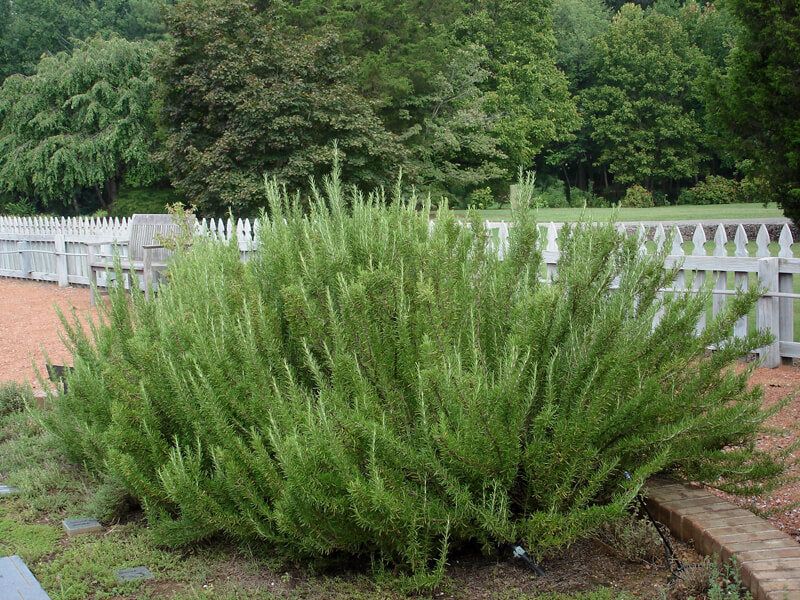
Rosemary is one of those plants that pulls double duty without breaking a sweat. In the kitchen, it is a beloved herb that makes roasted chicken and vegetables taste incredible.
In the garden, it is a quiet but powerful deer deterrent that holds its ground season after season.
Deer rely heavily on their sense of smell to find food. Rosemary’s intense, pine-like fragrance is simply too strong for their sensitive noses.
They take one whiff and move on quickly. The woody, needle-like leaves also have a tough, almost scratchy texture that does not feel appealing when deer try to take a bite.
In Texas, rosemary is a champion. It handles heat and drought like a pro, and it actually thrives in the kind of rocky, well-drained soil that many yards have.
Your Texas Garden Changes Every Week. Your Plan Should Too.
Gardening in Texas changes quickly throughout the season. Every Friday you’ll receive a simple weekly plan showing exactly what to plant, prune, fertilize, harvest, and protect so you never miss the right timing.
Plant it in full sun and give it room to spread, and it will reward you with years of lush, fragrant growth. Some varieties can grow into large shrubs several feet wide and tall.
Rosemary also blooms with tiny blue or white flowers that attract bees and butterflies, so your garden gets a pollinator boost along with deer protection. You can use it as a border plant, a low hedge, or even in containers on a porch or patio.
Harvest sprigs regularly for cooking and the plant will stay bushy and healthy. It is one of the easiest wins you can get in a Texas deer-country garden, combining flavor, fragrance, and function beautifully.
3. Autumn Sage
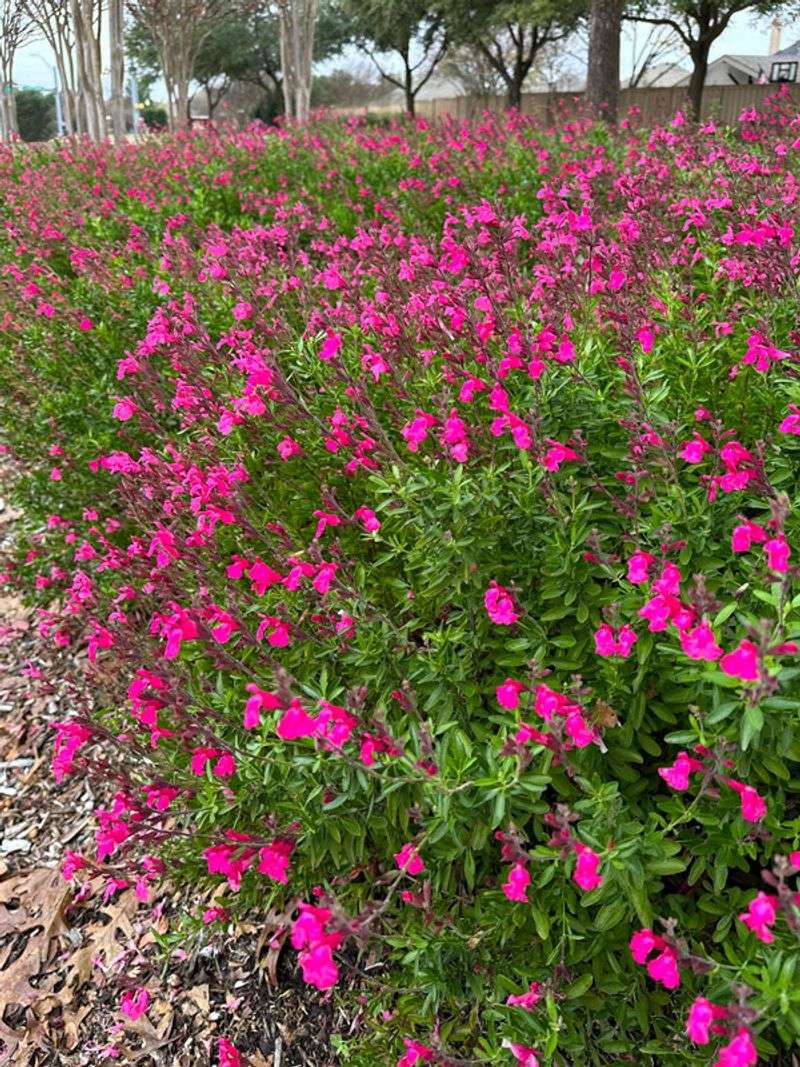
Few plants work as hard as Autumn Sage does in a Texas garden. It blooms from spring all the way through fall, pumping out cheerful red, pink, or coral flowers that hummingbirds absolutely love.
While it is busy feeding pollinators, deer are staying far away, and that combination is exactly what most gardeners are looking for.
Autumn Sage, known scientifically as Salvia greggii, is a native Texas plant. That means it evolved right here, adapted to the intense heat, occasional drought, and unpredictable rainfall that define Texas weather.
Once established, it is incredibly tough and requires very little care beyond the occasional trim to keep it looking tidy.
The reason deer avoid it comes down to the foliage. Autumn Sage leaves have a strong, slightly medicinal smell that deer find unappealing.
They much prefer tender, sweet-smelling plants over something that smells like a herb garden. Since deer are selective eaters, they will almost always skip Autumn Sage in favor of something more tempting nearby.
Planting Autumn Sage in groups creates a dense, colorful mass that looks spectacular along walkways, in raised beds, or mixed into a perennial border.
It stays relatively compact, usually growing two to three feet tall and wide, so it fits into smaller spaces without taking over.
Pruning it back lightly after each big bloom cycle encourages fresh new growth and even more flowers. If you want reliable color, pollinator support, and serious deer resistance all in one plant, Autumn Sage is one of the best choices you can make for a yard.
4. Lavender
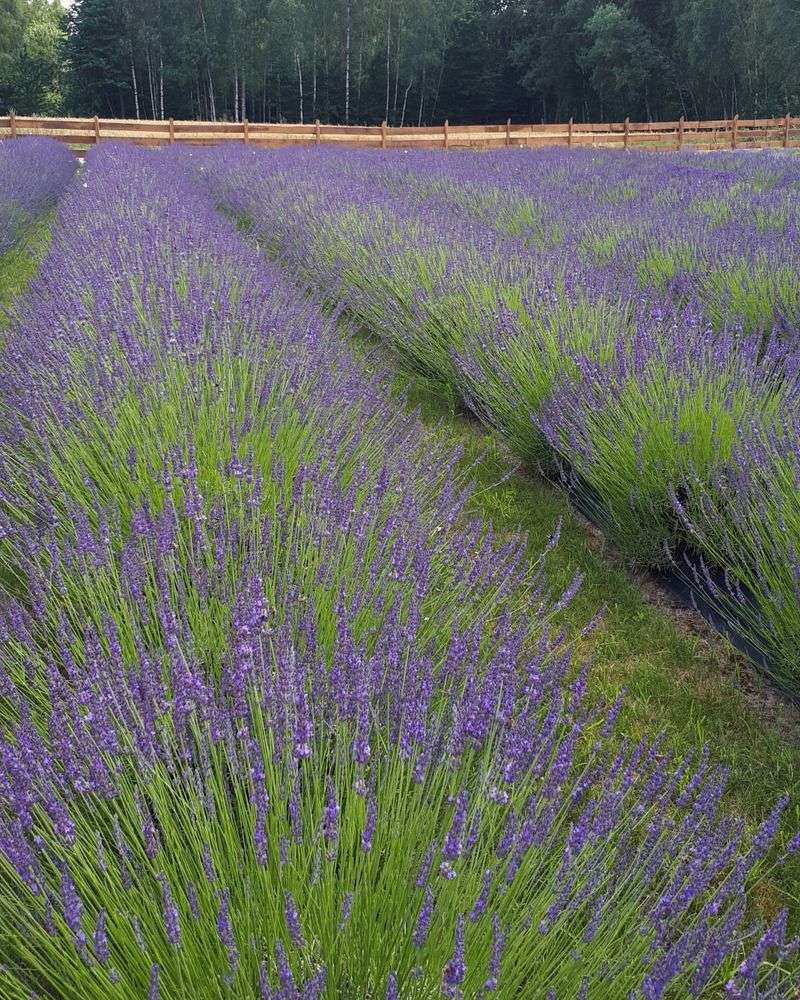
There is something almost magical about a lavender plant in full bloom. The purple flower spikes sway gently in a warm breeze, filling the air with one of the most recognizable and beloved scents in the world.
Humans find it calming and wonderful. Deer, on the other hand, find it completely overwhelming and want nothing to do with it.
Lavender’s fragrance comes from essential oils stored in both its flowers and its silvery-gray leaves. That scent is strong, persistent, and present even when the plant is not blooming.
Deer have incredibly sensitive noses, and a plant that smells this powerfully tends to get ignored during their nightly browsing runs. The fuzzy, textured leaves add another layer of protection since deer generally prefer smooth, tender foliage.
Growing lavender in Texas requires a little planning but is absolutely doable. Choose a variety suited to the Texas climate, like Spanish Lavender or Phenomenal Lavender, which handle humidity and heat better than some other types.
Plant in full sun with excellent drainage because soggy soil is the one thing lavender truly cannot tolerate.
Beyond keeping deer away, lavender is a magnet for bees, butterflies, and other beneficial insects. It also makes a beautiful cut flower and can be dried for use in sachets, wreaths, and home decor.
Plant it along walkways where you will brush against it and release that gorgeous scent. Use it as a border plant or mix it into a rock garden for a Mediterranean feel right in your backyard. It is a plant that earns its spot every single day.
5. Yarrow
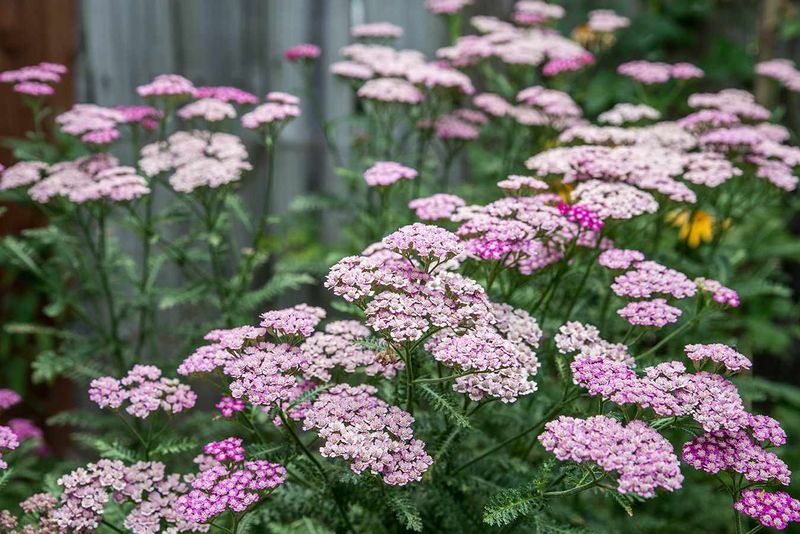
Yarrow has been growing wild across Texas for centuries, and it has a reputation that goes way back.
Ancient cultures used it as a medicinal herb, and soldiers reportedly carried it to treat wounds on the battlefield. Today, Texas gardeners love it for a completely different reason: deer almost never touch it.
The secret is in the leaves. Yarrow foliage has a strong, spicy, almost medicinal smell that most deer find completely unattractive.
When a deer approaches a yarrow plant and catches that scent, it usually turns around and finds something more appealing to eat. The finely divided, feathery leaves also have a texture that does not sit well with deer browsing habits.
Yarrow is incredibly easy to grow in Texas. It thrives in full sun, handles drought like a champion, and actually does better in poor soil than in rich, heavily amended beds.
Overwatering is really the only way to get into trouble with this plant. It spreads gradually over time, filling in gaps in a garden bed and creating a lush, full look without much effort from you.
The flowers come in a wide range of colors including white, yellow, pink, red, and lavender, so there is a variety to match nearly any garden palette. Bloom time runs from late spring through summer, and cutting spent flowers encourages more blooms to follow.
Yarrow also attracts ladybugs, lacewings, and other beneficial insects that help keep pest populations under control. It is a low-fuss, high-reward plant that does a remarkable job protecting your garden while looking genuinely beautiful all season long.
6. Red Yucca
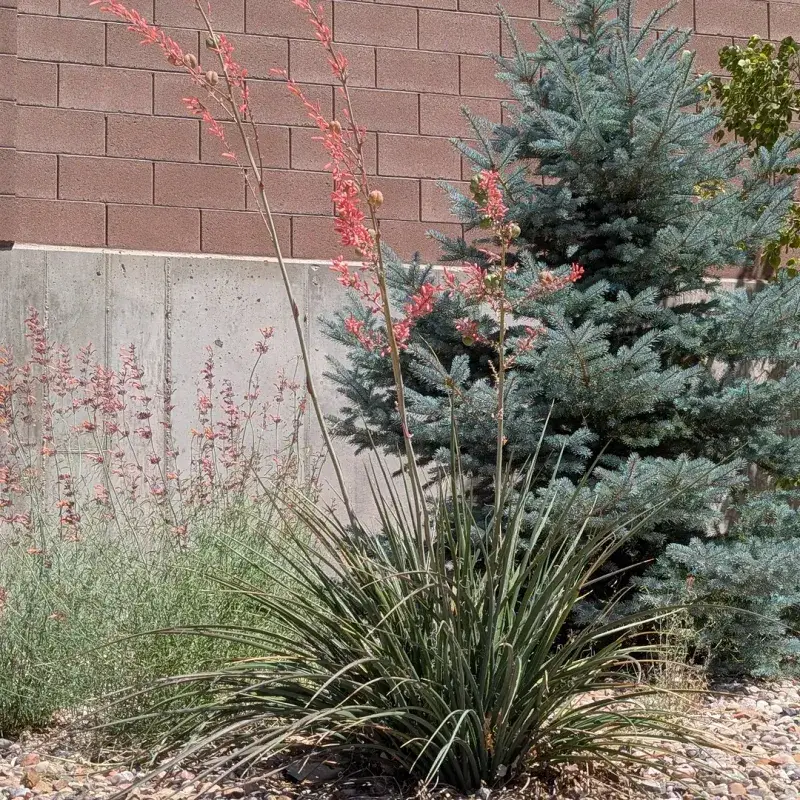
Red Yucca is the kind of plant that makes you stop and stare. Those tall, arching flower stalks covered in coral-pink tubular blooms are genuinely eye-catching, and hummingbirds treat them like an all-you-can-eat buffet.
Meanwhile, deer take one look at those stiff, narrow leaves and keep walking without even slowing down.
Despite its name, Red Yucca is not actually a true yucca. It is a member of the agave family, and it shares that family’s trademark toughness.
The leaves are long, narrow, and fibrous with a slightly rough texture. They do not have the sharp spines of a true yucca, but they are still unappealing enough that deer consistently leave them alone.
Deer prefer tender, easy-to-chew vegetation, and Red Yucca simply does not fit that description.
From a practical standpoint, Red Yucca is one of the most effortless plants you can grow in Texas. It handles brutal summer heat, extended drought, and even poor rocky soil without missing a beat.
Once established, it needs almost no supplemental watering. Plant it in full sun and mostly leave it alone, and it will reward you generously.
The flower stalks can reach four to six feet tall and bloom from late spring through summer, sometimes reblooming in fall. After blooming, the stalks can be trimmed back to keep the plant looking neat.
Red Yucca works beautifully as a specimen plant, in mass plantings along slopes, or mixed into a xeriscape design. It brings dramatic structure, wildlife value, and serious deer resistance to any Texas landscape without demanding much attention in return.
7. Mealy Blue Sage
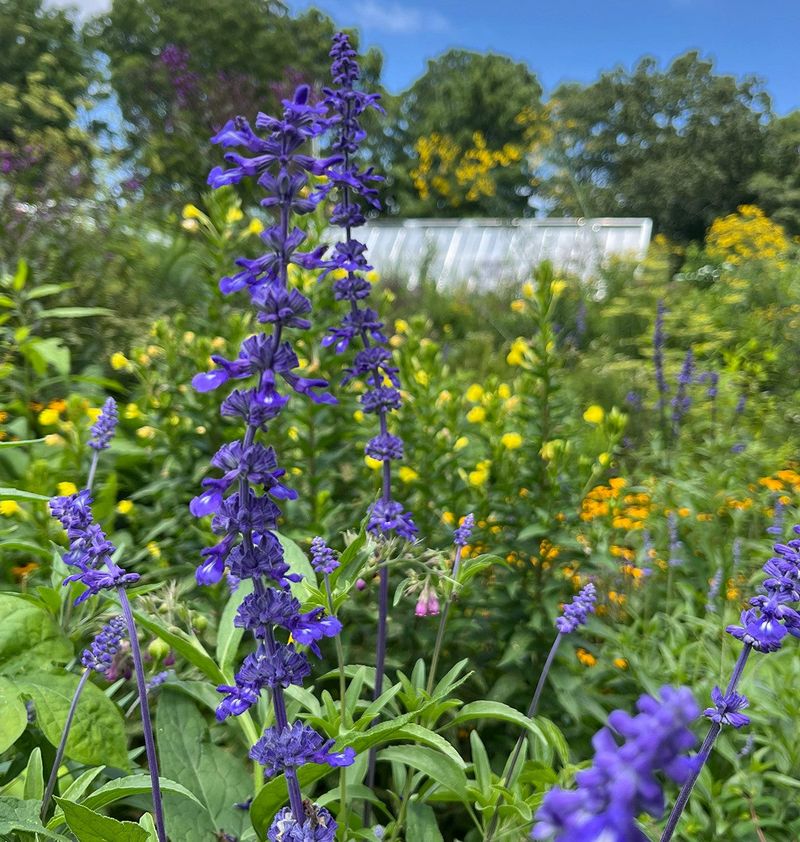
If you have ever walked through a Texas Hill Country meadow in late summer, you have probably seen Mealy Blue Sage putting on a show.
The spikes of bright blue-purple flowers are hard to miss, and the bees and butterflies hovering around them make the whole scene feel alive. What you probably did not notice is that the deer were nowhere near it.
Mealy Blue Sage, or Salvia farinacea, earns its name from the whitish, powdery coating on its flower stems. That same plant also produces aromatic foliage that deer consistently avoid.
The scent is sharp and herbal, similar to other sages, and deer have learned over generations that plants in this family are not worth their time.
Growing Mealy Blue Sage in a Texas garden is genuinely easy. It thrives in full sun to partial shade, handles heat and humidity well, and tolerates drought once established.
It tends to bloom from spring through the first frost, giving your garden an incredibly long season of color. Few plants can match that kind of staying power in a Texas summer.
Because it attracts so many pollinators, planting Mealy Blue Sage near vegetables or fruit trees can actually improve your overall garden productivity. More bees mean better pollination and bigger harvests.
It grows two to three feet tall and can be used as a border plant, mixed into a wildflower planting, or grown in containers. Deadheading spent flower spikes encourages fresh blooms to emerge quickly.
It is a native Texas plant that gives back far more than it asks for, and keeping deer away is just one of its many talents.