This Low-Maintenance Wisconsin Shrub Looks Stunning Along A Driveway
Most Wisconsin driveways tell the same story. Boxwoods and arborvitaes, trimmed into submission every summer, forgettable by August.
A better option has been growing wild along Wisconsin’s wetlands and roadsides this whole time.
It is a native shrub that most gardeners walk right past without a second glance. That’s a mistake.
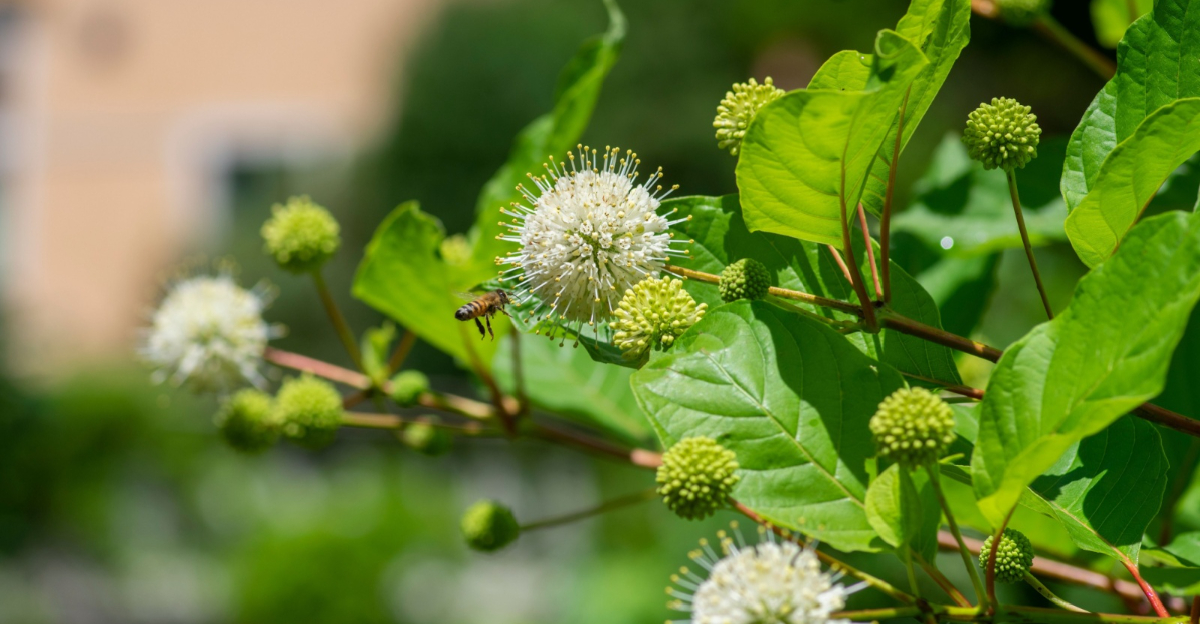
In midsummer, it produces globe-shaped white blooms that look like something out of a botanical garden, with almost no help from you. It won’t demand aggressive pruning or keep you guessing come winter.
Plant it along your driveway, give it a season to settle in, and buttonbush will take care of the rest. Here’s what you need to know before you bring one home.
The Shrub That Has Been Growing Wild In Wisconsin All Along
You have probably driven past it a hundred times without knowing its name.
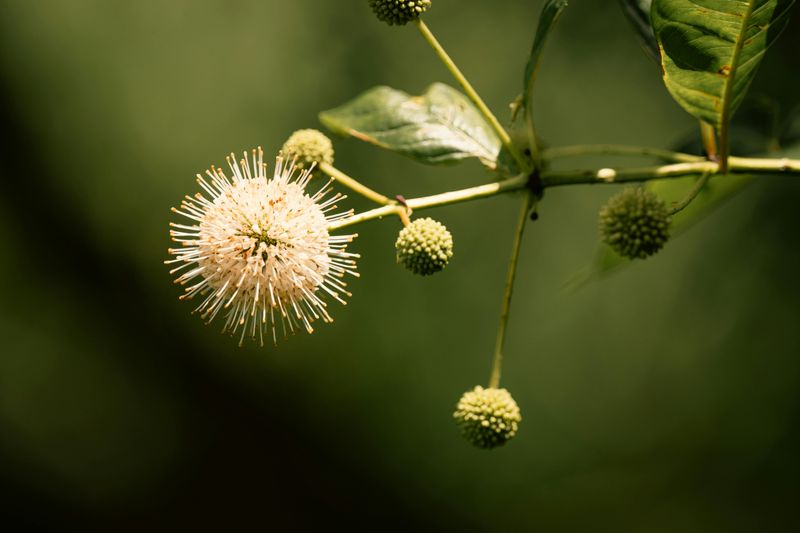
Buttonbush, or Cephalanthus occidentalis, grows naturally along streams, pond edges, and wet ditches all across Wisconsin.
It is a native shrub, which means it evolved right here and knows exactly how to handle the local climate. Most people mistake it for something exotic because those round, white flower heads look almost too perfect to be wild.
Each bloom resembles a tiny pincushion covered in small white tubes, and they appear in clusters from late June through August. Pollinators go absolutely wild for these flowers, and you will often see hummingbirds hovering nearby too.
The plant can grow anywhere from four to twelve feet tall depending on its conditions. In natural settings, it tends to sprawl a bit, but give it a good spot and some space, and it shapes up beautifully.
Wisconsin gardeners who have discovered it often say the same thing: they cannot believe it was free and growing in the wild the whole time. The seeds are eaten by ducks and other waterfowl, making it an important part of the local ecosystem.
Native plant nurseries in the state have started stocking it more regularly as interest grows. Once you learn to spot buttonbush in the wild, you will start seeing it everywhere along roadsides and riverbanks.
It has been here all along, just waiting for someone to bring it home.
Buttonbush Belongs Along A Wisconsin Driveway
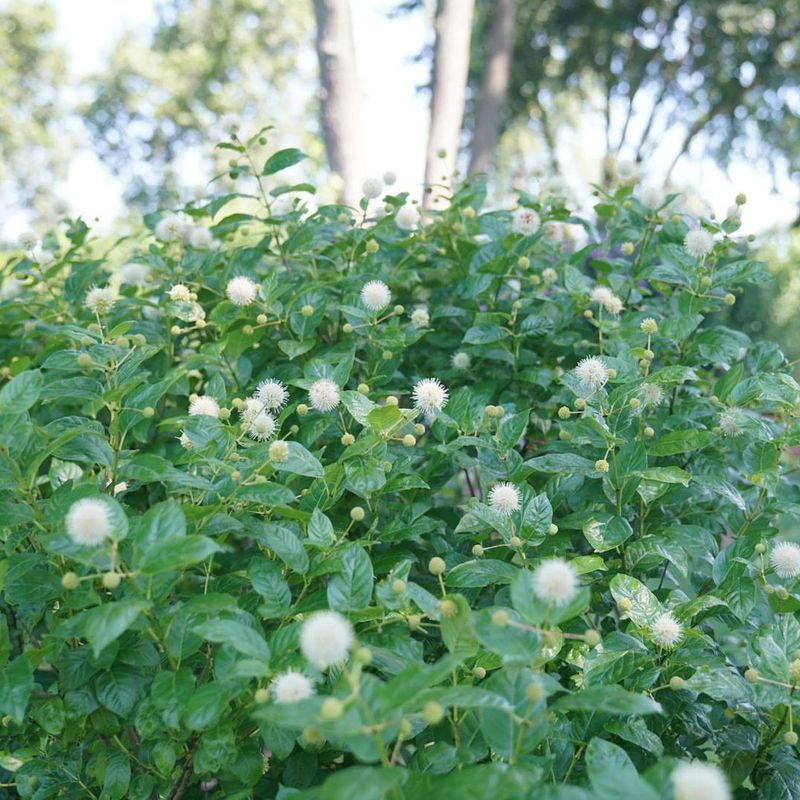
Picture pulling up to your house with two rows of lush green shrubs on either side of the driveway. Each one dotted with those bright white globe flowers.
That is exactly what buttonbush can do for a home entrance, and it does it without demanding much in return. The plant has a naturally rounded shape that looks intentional and tidy without constant pruning.
Its glossy, deep green leaves give it a polished look from spring through fall, long before the flowers even show up.
Because it is a native shrub, it does not need fertilizer, special soil amendments, or any kind of pampering to look good. It handles the full range of Wisconsin weather, from late spring frosts to humid August heat, without skipping a beat.
Your Wisconsin Garden Changes Every Week. Your Plan Should Too.
Gardening in Wisconsin changes quickly throughout the season. Every Friday you’ll receive a simple weekly plan showing exactly what to plant, prune, fertilize, harvest, and protect so you never miss the right timing.
One of its biggest advantages is tolerance for compacted or wet soil. Those soggy spots near the driveway edge that would rot out most ornamentals are exactly where buttonbush thrives.
Spacing plants about five to six feet apart creates a full, layered look within two to three growing seasons. The white flowers pop beautifully against a dark asphalt driveway, creating a contrast that looks professionally landscaped.
Neighbors will ask what that gorgeous blooming shrub is, and you will enjoy telling them it is a Wisconsin native.
Few plants deliver this level of curb appeal with this little effort.
Buttonbush Through The Seasons
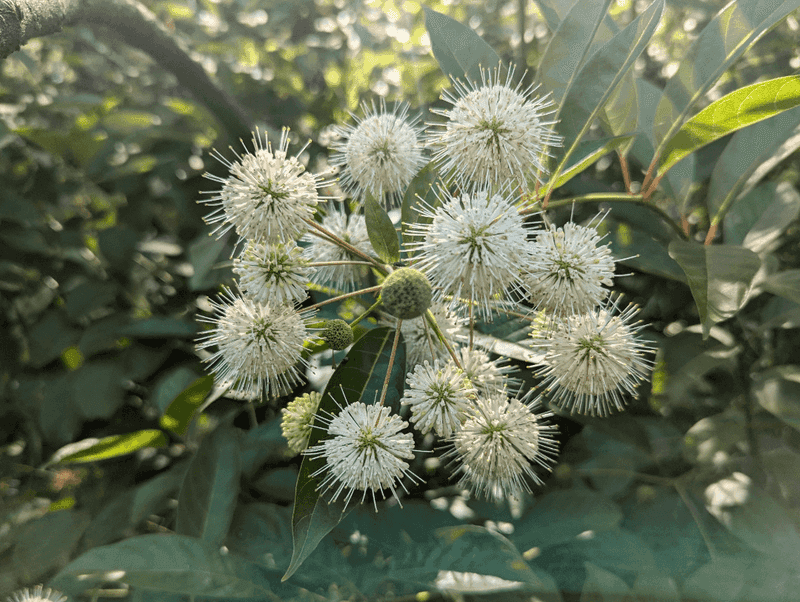
Spring arrives and buttonbush wastes no time putting out fresh, glossy green leaves that catch the light beautifully. The foliage alone makes a strong statement along any driveway before a single flower bud appears.
By late June, those iconic pincushion blooms start opening up, and the show runs well into August. That is a longer bloom window than most flowering shrubs offer, which means your driveway looks spectacular for weeks on end.
Butterflies, bees, and hummingbirds are drawn to the flowers all summer long. As fall arrives, the leaves shift toward a warm yellow-green before dropping, and small reddish seed clusters appear along the branches.
Those seed heads hold through winter, giving the bare plant a sculptural quality. Chickadees and finches pick at them through the cold months, so there is still life near your driveway even in January.
The branching structure of a mature plant is interesting enough on its own that winter does not feel like a quiet season for your landscaping. Most ornamental shrubs offer one good season and then fade into the background.
Buttonbush delivers something worth looking at in every single month of the year. That kind of year-round presence is rare, and it makes the plant an unusually smart choice for a high-visibility spot like a driveway entrance.
Planting Buttonbush Along A Driveway
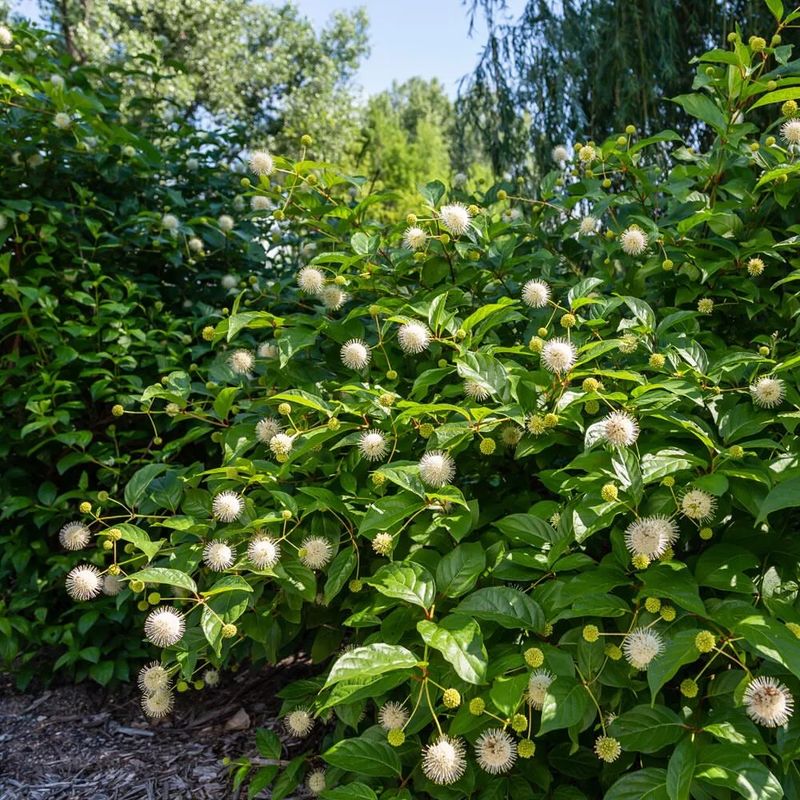
Buttonbush goes in the ground without much drama. Pick a spot with full sun to partial shade, and don’t stress over soil quality, this shrub handles a wide range.
It actually prefers moist to wet soil, so low spots near the driveway edge that collect water are perfect candidates. Dig a hole twice as wide as the root ball and set the plant in at the same depth it sat in the container.
Backfill with native soil, water thoroughly, and you are mostly done. A two-inch layer of mulch around the base helps retain moisture through the first season.
Water weekly during the first summer if rain is scarce, but once established, this shrub handles dry stretches without much help from you. Spring planting gives it the longest possible growing season to settle its roots before winter.
Fall planting works too, as long as you get it in at least six weeks before the ground freezes hard. Avoid planting directly against the pavement edge since the roots appreciate a little breathing room.
Aim for a planting distance of at least two feet from the driveway surface to give the root zone space to spread. A solid start here means years of effortless beauty ahead.
The Real Maintenance Story With Buttonbush
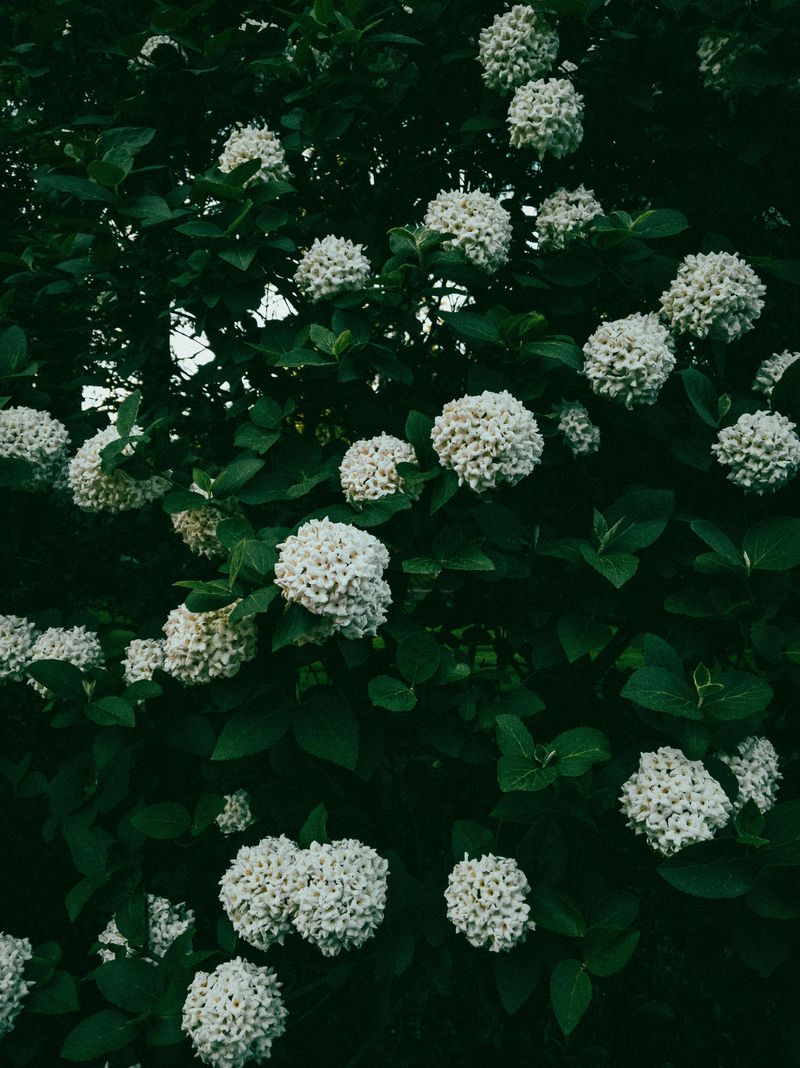
Here is the honest truth about maintaining buttonbush: there is almost nothing to do. Once it is established in its second or third year, this shrub largely takes care of itself through the growing season.
Weekly trimming, fertilizer schedules, and special sprays are simply not part of the routine. If you want to keep it at a tidy height, a light pruning in early spring before new growth starts is all it takes.
Avoid pruning in late summer or fall, buttonbush sets next year’s flower buds on new wood. Removing spent blooms is optional since the seed clusters attract birds.
Pests rarely cause serious trouble thanks to centuries of natural balance with local insects. Deer tend to leave it alone, which is a real bonus in areas with heavy pressure.
Diseases are not a common issue as long as the plant has decent airflow around its branches. If a branch looks damaged after a harsh winter, simply cut it back to healthy wood in early spring and the shrub rebounds fast.
The low-maintenance Wisconsin shrub reputation that buttonbush has earned is completely deserved. You get all the beauty and almost none of the upkeep, which is exactly the kind of deal every gardener is looking for.
Finding Buttonbush And Bringing It Home
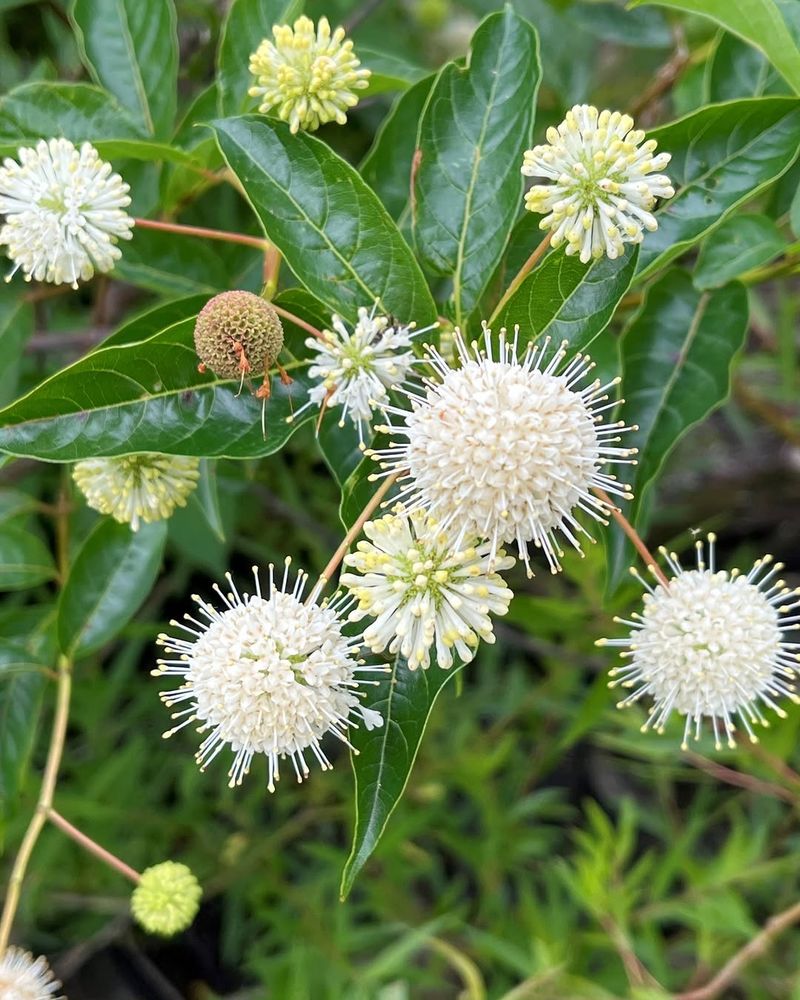
Buttonbush is not on every garden center shelf yet, but native plant nurseries across Wisconsin are catching up.
The Wisconsin Native Plant Society hosts spring plant sales where you can find healthy, locally sourced specimens. Locally grown plants tend to settle in faster.
Look for a strong central stem, healthy leaves, and no root-bound crowding at the base. A one-gallon container works fine, though a three-gallon size gives you a head start.
Some gardeners also propagate buttonbush from cuttings taken in late spring, which is a rewarding and nearly free way to multiply your supply. Softwood cuttings root fairly easily in a moist growing medium with indirect light.
Online native plant retailers ship bare-root buttonbush in early spring. A solid backup if local nurseries come up short.
Once you bring one home and see how quickly it settles in, you will almost certainly want more for other spots in the yard. The low-maintenance Wisconsin shrub journey usually starts with just one plant.
Why Buttonbush Is The Smartest Driveway Shrub Choice
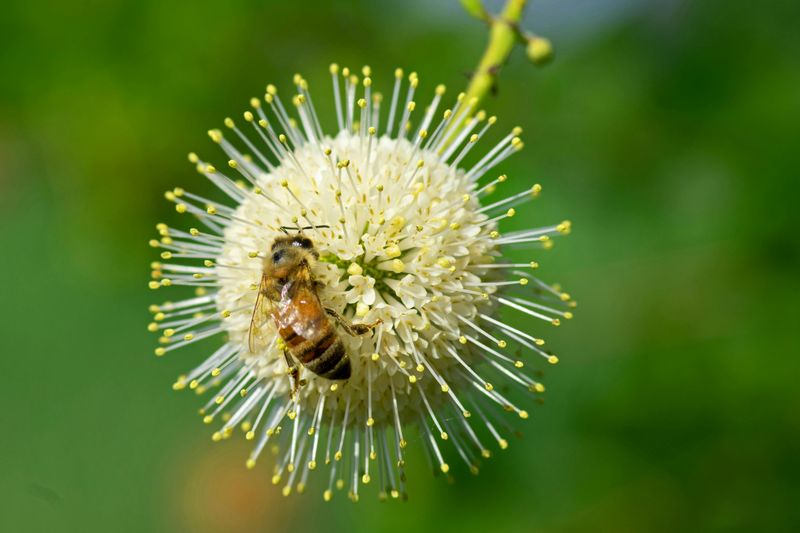
Some plants look good in a catalog and disappoint in real life. Buttonbush is the opposite, it looks better in person, especially when those white flowers catch afternoon light and pollinators are buzzing all around it.
Planting native species along a driveway does something meaningful beyond aesthetics. It supports the local food web in a way that non-native ornamentals simply cannot match.
Every bee on those flowers and every bird eating those seeds is part of an ecological relationship thousands of years in the making. Choosing a plant like this makes your yard a small but genuine refuge for local wildlife.
From a practical standpoint, you are also saving money and time, fewer replacement plants over the years and little need for professional pruning.
Cold-hardy through USDA Zone 5, buttonbush is a reliable choice across much of Wisconsin with uncommonly low winter losses. Established plants are long-lived, making your driveway planting a permanent feature.
When you look at the full picture, a shrub that delivers beauty, wildlife value, seasonal interest, and genuine toughness all in one package is a rare find. Buttonbush earns every inch of space you give it.