These Climbing Plants Will Turn Any Tough Oregon Wall Into A Showstopper
Vertical space is one of the most underused opportunities in Oregon gardens and honestly it is just sitting there waiting for someone to do something interesting with it.
That bare fence along your back boundary, the plain wall on the side of the garage, the sturdy post holding up the corner of your porch roof.
All of it is potential. The right climbing plant can completely transform a hard, flat surface into something that has color, texture, movement, and in some cases actual food growing on it.
Oregon’s climate is more accommodating than most people realize for a surprisingly wide range of climbers, and once these plants find their footing they tend to take off fast.
Give them something solid to grab onto and they will do the rest.
1. Clematis Brings Color To A Wall Trellis
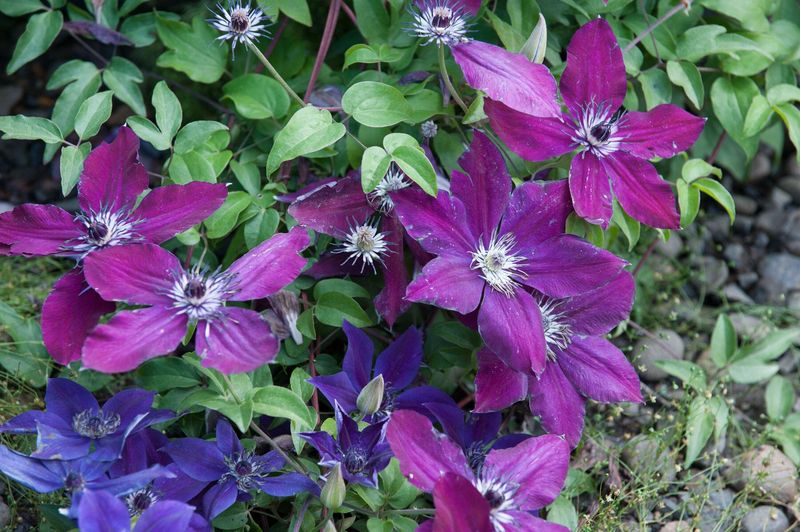
Few flowering vines can match the visual impact clematis delivers when it reaches full bloom on a wall trellis.
The flowers range from deep purple and lavender to soft pink and bright white, depending on the variety, and they can cover a trellis in color from late spring through summer or even into fall with the right selection.
In Oregon, clematis performs well across much of the Willamette Valley and into other mild western regions. It appreciates the moist spring weather but benefits from some supplemental watering during the dry summer months that are common across the state.
A layer of mulch around the base helps keep the roots cooler and retains moisture between waterings.
Clematis grows by wrapping its leaf stems around a support, so it needs something it can grip, such as wire, thin wooden slats, or a mesh trellis. It does not cling directly to flat walls on its own.
Mounting the trellis a few inches away from the wall surface gives the plant room to attach and allows air to circulate behind the foliage.
Pruning requirements vary by group, so checking which pruning category your variety falls into before buying saves a lot of guesswork later.
With solid support and regular care, clematis can become a reliable, long-blooming feature in an Oregon garden.
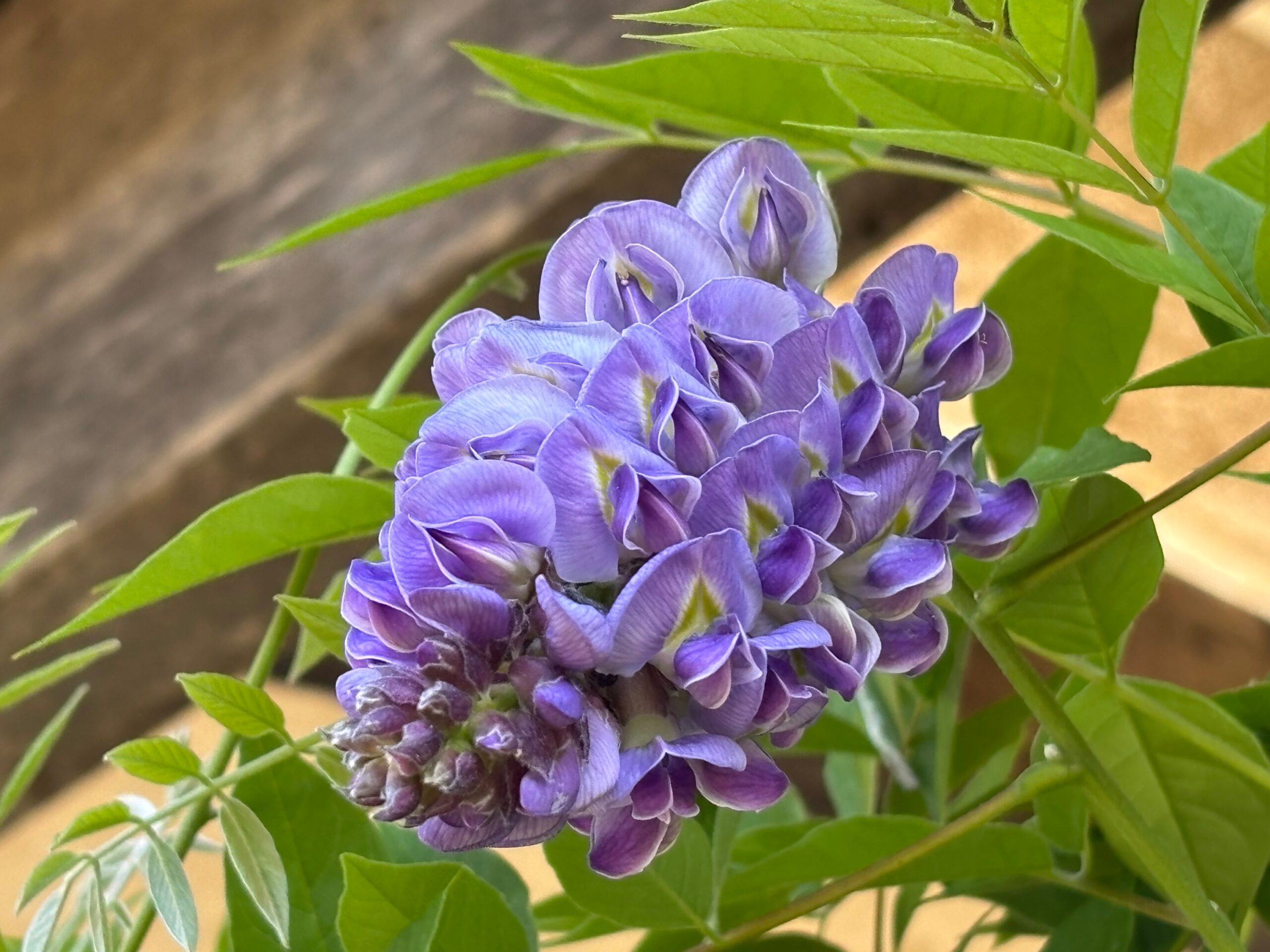
2. Wisteria Adds A Big Spring Flower Show
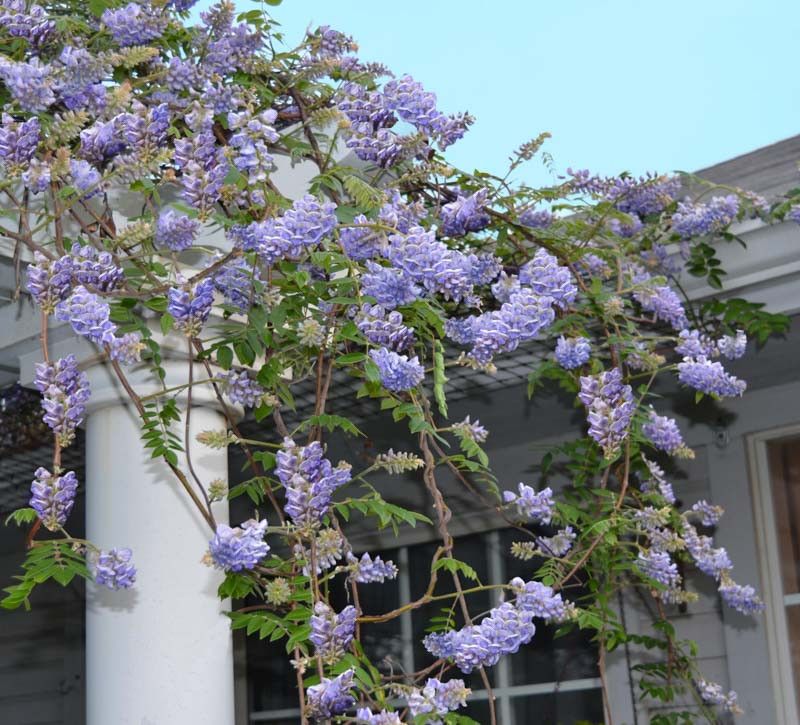
Spring can feel like it arrives overnight, and wisteria makes that arrival impossible to miss.
The long, drooping flower clusters in shades of purple, lavender, and white appear before much of the foliage fills in, creating a dramatic display that draws attention from across the yard.
The fragrance is just as impressive as the visual, carrying sweetly through cool spring air.
Wisteria is a vigorous grower and can become quite heavy over time, which means the support structure needs to be genuinely strong. A lightweight trellis or flimsy fence post is not going to hold a mature wisteria plant safely.
A well-built pergola, heavy-gauge wire system anchored to solid posts, or a robust arbor are much better choices for keeping growth manageable and the structure intact.
Regular pruning is essential with wisteria. Without it, the plant can spread aggressively and put on so much woody growth that flowering actually decreases.
Your Oregon Garden Changes Every Week. Your Plan Should Too.
Gardening in Oregon changes quickly throughout the season. Every Friday you’ll receive a simple weekly plan showing exactly what to plant, prune, fertilize, harvest, and protect so you never miss the right timing.
Pruning twice a year, once in summer after flowering and again in late winter, helps keep the plant in check and encourages better blooms.
In Oregon, Asian wisteria species can spread beyond the garden, so selecting American wisteria or Kentucky wisteria varieties is a more responsible choice for gardeners near natural areas.
These native alternatives still offer beautiful blooms with a more manageable growth habit.
3. Honeysuckle Covers Supports With Fragrant Blooms
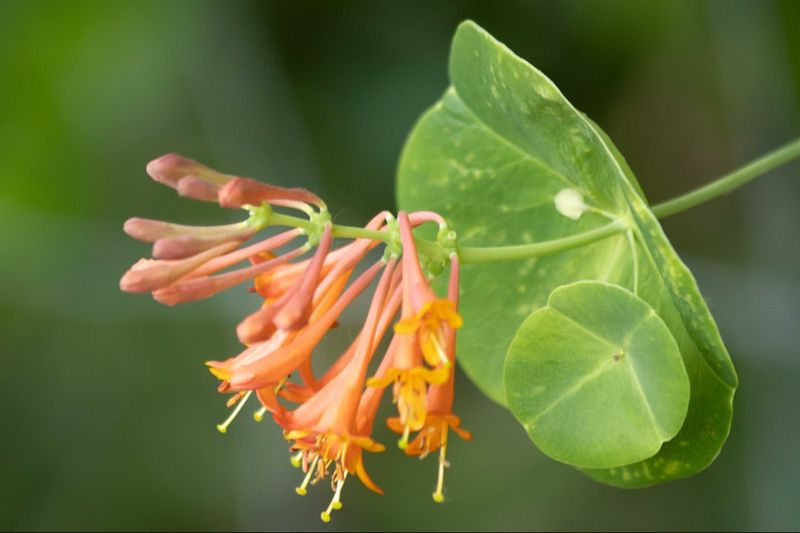
Walking past a honeysuckle-covered fence on a warm evening is one of those simple garden experiences that stays with you.
The sweet scent drifts through the air, hummingbirds hover around the tubular flowers, and the whole structure feels lush and alive.
Honeysuckle can transform a plain fence or wire support into something that looks intentional and well-tended.
For Oregon gardeners, especially those west of the Cascades, it is important to choose the right species. Japanese honeysuckle is considered invasive in many parts of western Oregon and should be avoided in that region.
Instead, look for native options such as orange honeysuckle, also known as Lonicera ciliosa, or other non-invasive cultivated varieties that offer the same beauty without spreading into surrounding natural areas.
Honeysuckle climbs by twining around its support, so a wire trellis, wooden lattice, or chain-link fence gives it plenty to work with. It grows vigorously during Oregon’s mild, wet springs and can cover a support quickly once established.
Giving it a moderate trim after the main bloom period helps keep the growth tidy and encourages fresh flowering stems. The plant also provides cover and food for birds during the growing season, adding wildlife value beyond the visual appeal.
With the right species selection, honeysuckle is a rewarding and sensory-rich choice for walls and fences.
4. Annual Morning Glory Adds Fast Summer Color
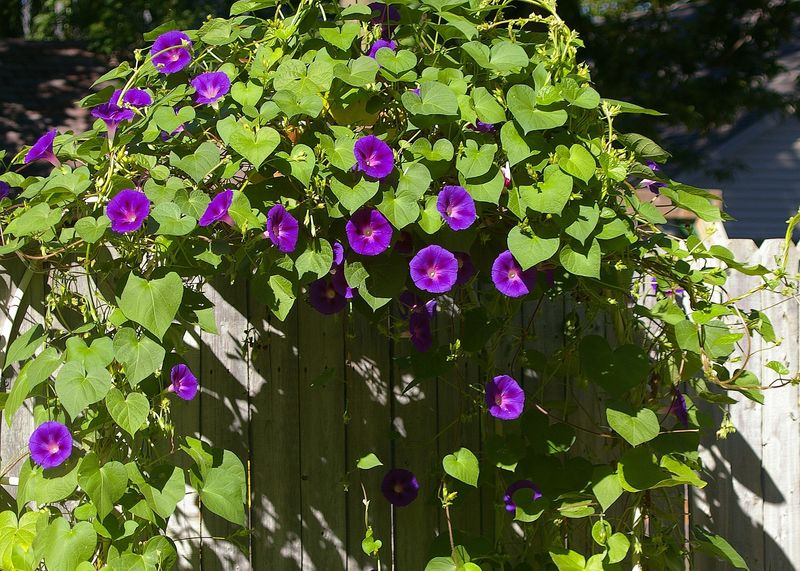
Sometimes a gardener just wants quick, cheerful color without a long-term commitment, and that is exactly where annual morning glory shines.
Sow the seeds in late spring after Oregon’s last frost date, and within a few weeks the vines are climbing and reaching for support.
By midsummer, the trumpet-shaped flowers open each morning in shades of vivid blue, purple, pink, and white, creating a display that feels almost effortless.
Morning glory is one of the most accessible climbing plants for new gardeners. It grows from seed, needs minimal soil preparation, and thrives in a sunny spot with reasonable moisture.
Soaking the seeds overnight before planting helps speed up germination, which can otherwise be slow. Because it is an annual, it completes its full life cycle in one season and does not require winter pruning or long-term management.
The vines climb by twining, so they need something to wrap around, such as wire, string, twine, or a mesh trellis.
They are not heavy enough to require a massive support structure, making them a great low-cost option for decorating a patio trellis, covering a simple fence panel, or dressing up a temporary screen.
In Oregon’s warm summer valleys, morning glory can grow several feet in a single season. Removing spent flowers regularly encourages continued blooming and reduces unwanted self-seeding the following year.
5. Hops Climb High With Bold Green Growth
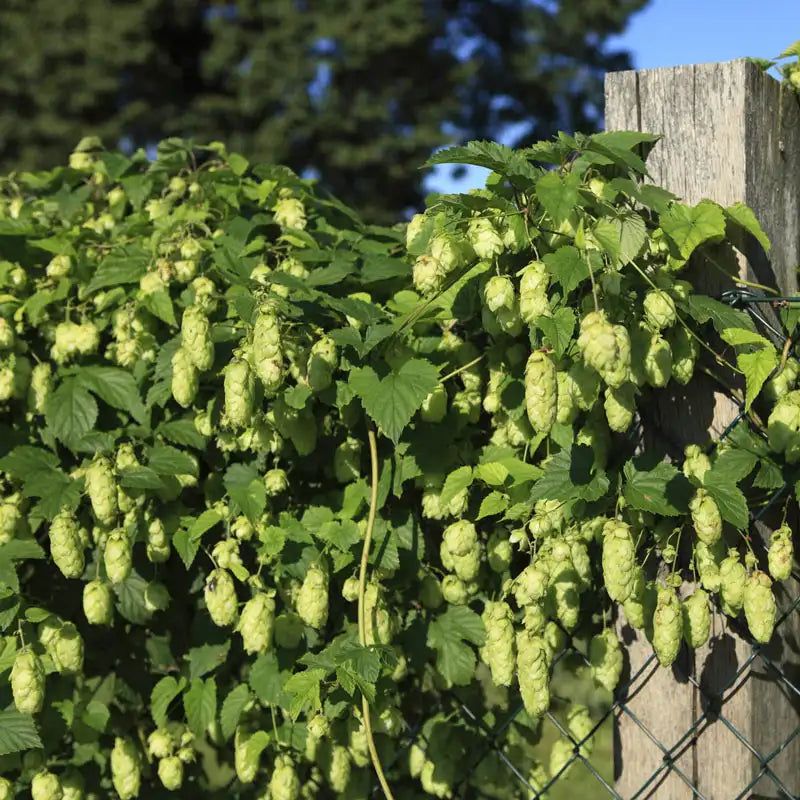
Oregon has a long and proud relationship with hops, and it shows in how naturally the plant thrives in the state’s agricultural valleys.
Hops are grown commercially across the Willamette Valley, but the same vigorous, bold-growing vine works just as well in a home garden where tall vertical space is available and a striking green wall effect is the goal.
Hops grow from rhizomes and can reach impressive heights in a single season, sometimes climbing fifteen feet or more when conditions are favorable. That kind of vertical ambition means the support structure needs to match.
Tall, sturdy posts with heavy-gauge wire or strong rope stretched between them give the vines the height and grip they need. A short trellis or lightweight fence panel is unlikely to be sufficient once the plant hits its stride in midsummer.
The plant grows back from its roots each year, so the above-ground growth is cut back in late fall or early winter after the growing season ends.
This annual regrowth cycle means the support structure gets a rest each winter and can be inspected and repaired before the next season begins.
Hops also produce the familiar papery cone flowers used in brewing, which adds a fun, edible dimension to the ornamental appeal.
For Oregon homebrewers, growing your own hops on a backyard trellis is a genuinely satisfying experience that combines garden interest with a practical harvest.
6. Grapes Bring Shade, Structure, And Fruit
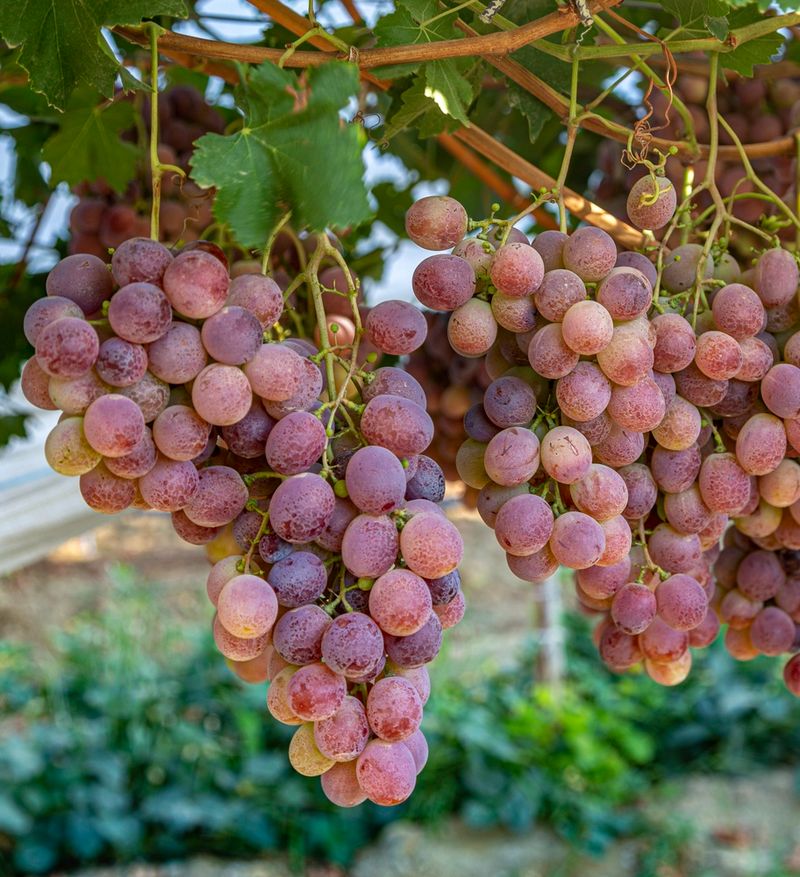
A grapevine trained over a pergola or along a strong wire trellis does something most ornamental plants cannot: it provides shade, adds architectural structure, and produces edible fruit all at the same time.
In Oregon, where summer afternoons can warm up significantly in inland valleys, a well-placed grape arbor over a patio or seating area creates a cool, leafy retreat that feels genuinely useful.
Oregon’s climate suits several grape varieties well, particularly in the Willamette Valley and other western regions with long, warm summers.
Both wine and table grape varieties can perform well in home gardens, though selecting a variety suited to your specific location and frost exposure improves your chances of a reliable harvest.
A local nursery familiar with Oregon growing conditions can help narrow down the best choices for your area.
Grapes require a sturdy trellis or wire system that can hold significant weight as the vine matures and fruit develops. Annual pruning is one of the most important maintenance tasks for keeping grapevines productive and manageable.
Without regular pruning, the vines can become dense and tangled, fruit production drops, and the plant becomes harder to manage over time.
Training new growth along the support wires during the growing season and cutting back heavily in late winter keeps the vine in good shape.
Grapes are a long-term investment, but for gardeners with the right space and support, they are well worth the effort.
7. Scarlet Runner Bean Adds Flowers And Food
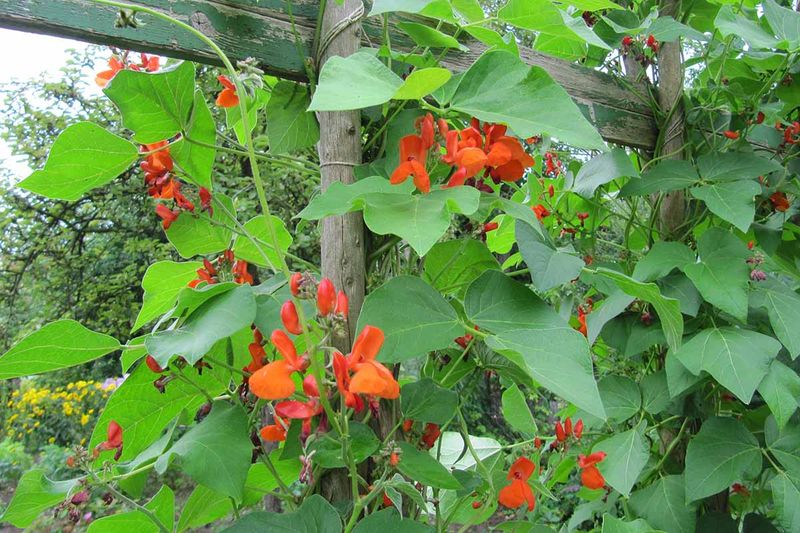
Bright red flowers and edible beans on the same vine sounds like a gardener’s dream, and scarlet runner bean actually delivers on both counts.
The vivid scarlet blooms appear in midsummer and attract hummingbirds and bumblebees with impressive regularity, while the long, flat bean pods that follow are edible when harvested young and tender.
Scarlet runner bean is a warm-season annual in most of Oregon, meaning it is planted after the last spring frost and completes its cycle within one growing season.
In milder coastal and valley areas, it can sometimes overwinter if the roots are protected, but most gardeners treat it as a reliable annual that gets replanted each year.
Seeds can be sown directly into the ground once soil temperatures warm in late spring.
The vines climb by twining and can reach six to ten feet in a single season, making them useful for covering a trellis, decorating a fence panel, or creating a temporary living screen in a vegetable garden. A simple bamboo teepee structure or a sturdy wire trellis works well as support.
Regular harvesting of the bean pods encourages the plant to keep flowering and producing, extending the display well into late summer.
For Oregon gardeners who want their edible garden to look as good as it produces, scarlet runner bean is one of the most visually rewarding choices available.
8. Climbing Rose Brings Classic Blooms To A Wall Support
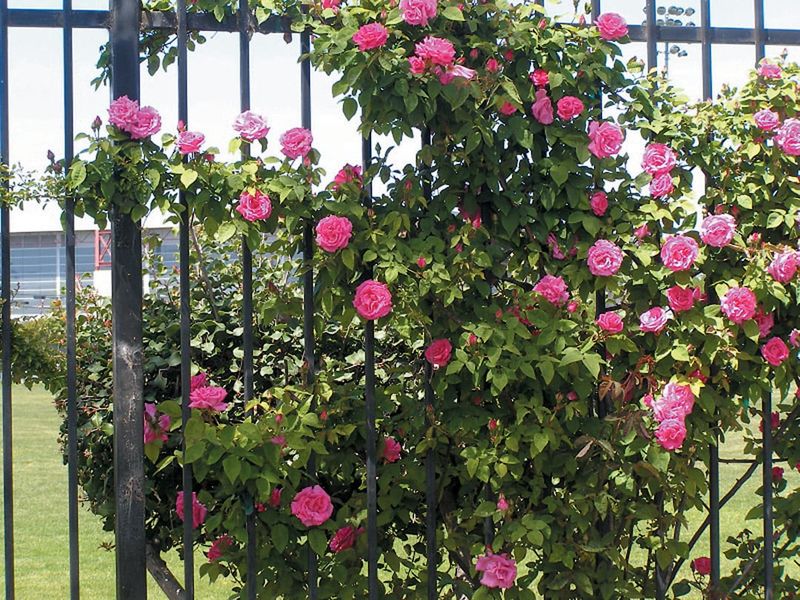
There is something timeless about a climbing rose in full bloom against a garden wall, and Oregon’s mild western valleys provide conditions where many rose varieties thrive and repeat their flowering through much of the summer.
The combination of large, fragrant blooms and arching canes draped across a well-built support creates a classic garden look that few other plants can replicate.
Unlike true clinging vines, climbing roses do not attach themselves to surfaces on their own. The long canes need to be tied or trained onto a trellis, fence, or wire system using soft ties or garden twine.
This actually gives the gardener more control over the shape and direction of growth, allowing you to spread the canes horizontally to encourage more flowering along the length of each stem rather than just at the tips.
Choosing a disease-resistant variety is especially worthwhile in western Oregon, where moist spring and fall weather can encourage fungal issues on susceptible plants.
Many modern climbing rose varieties have been bred for improved resistance, which reduces the need for frequent spraying and makes maintenance more manageable.
Annual pruning in late winter removes old, unproductive canes and shapes the plant for the coming season.
Positioning the support a few inches away from the wall surface also helps with airflow, which goes a long way toward keeping the foliage healthier through Oregon’s wetter seasons.