How To Grow Vegetables In Virginia Clay Soil (And Actually Succeed)
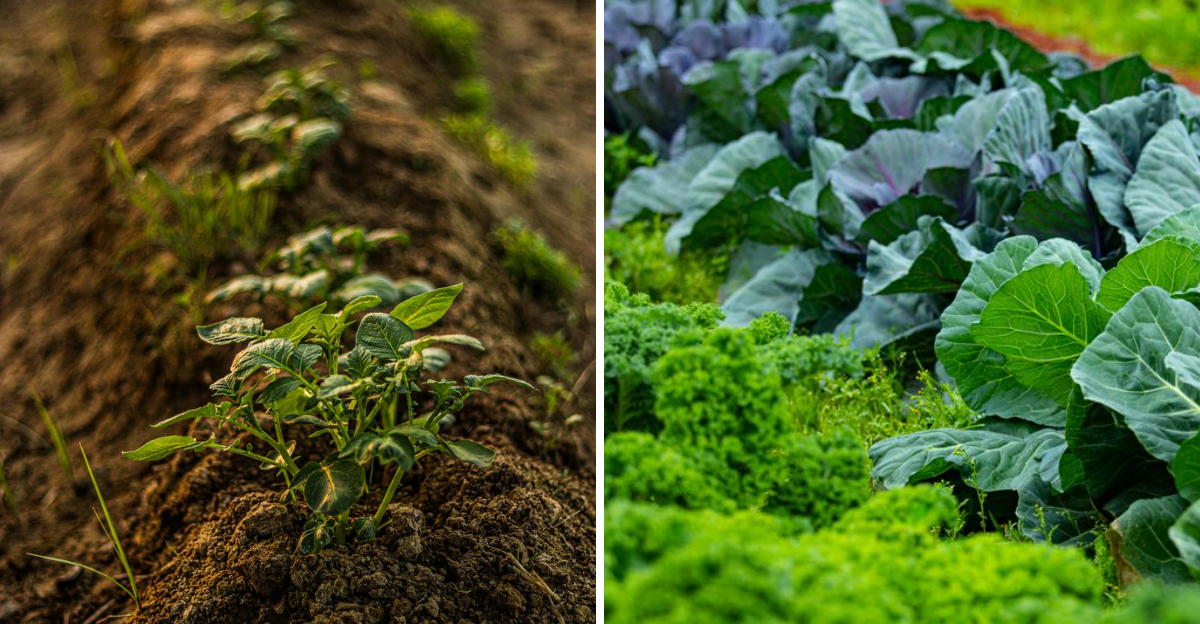
Virginia clay has humbled better growers than me. I still remember my first spring planting, pushing a trowel into what felt like wet concrete, watching my carrot seeds disappear into cracks that sealed shut overnight.
That soil taught me everything. Clay earth across Virginia carries a reputation for stubbornness, and honestly, it earns that reputation every single season. It pools water after rain. It bakes into hard plates under summer sun.
It tangles roots and frustrates beginners. But here is what most people take years to discover: that same dense, heavy soil holds nutrients better than almost any other type.
Those who learn to read their clay, to work with its rhythms rather than against them, tend to grow vegetables that genuinely surprise them. Richer flavor.
Stronger plants. More consistent harvests. Your clay soil might just be your greatest growing advantage waiting to be unlocked.
Amend With Organic Matter Every Season
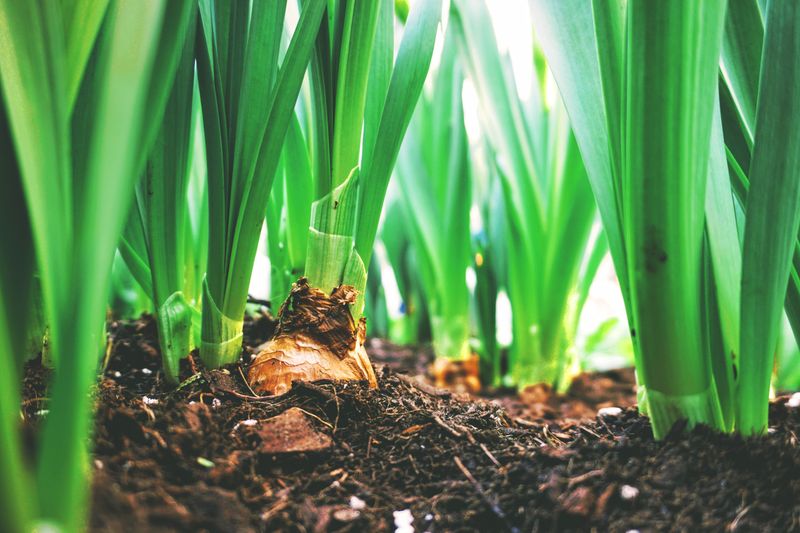
Organic matter is the single greatest gift you can give clay soil. Every time you add compost, aged manure, or shredded leaves, you are building a network of tiny air pockets that roots absolutely love.
Virginia clay is notorious for packing so tight that water just sits on top and suffocates plant roots below. Spread at least three inches of compost across your beds before each planting season.
Work it into the top six to eight inches of soil using a garden fork, not a heavy rototiller. Over time, earthworms and microbes break everything down and create a crumbly, rich texture that clay gardeners dream about.
Skipping this step even one season can set your garden back noticeably. Amending consistently is what separates a struggling clay garden from a thriving one. Think of it as feeding the soil first so the soil can feed your plants all season long.
Fall is actually the best time to add organic matter because winter freeze-thaw cycles help break it down faster. By spring, your beds will be looser, darker, and ready for action.
This one habit, practiced year after year, is the foundation of every successful Virginia clay vegetable garden.
Build Raised Beds For Instant Drainage
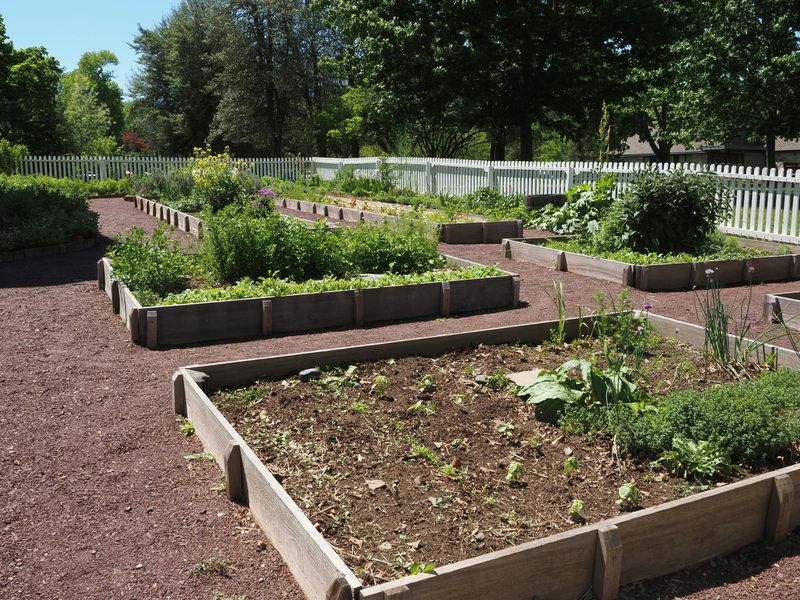
Nothing transforms a clay garden faster than raised beds. When you build up instead of digging down, you sidestep Virginia clay’s biggest flaw: its refusal to drain properly after heavy rain.
Roots get the oxygen they need, and you get vegetables that grow strong instead of rotting at the base.
Aim for beds that are at least ten to twelve inches tall. Fill them with a mix of topsoil, compost, and coarse sand for a blend that drains beautifully while holding just enough moisture.
Cedar and untreated pine are excellent wood choices because they resist rot without leaching chemicals into your food crops.
Raised beds also warm up faster in spring, which means earlier planting dates and longer growing seasons.
For Virginia gardeners, that extra two to three weeks at the start of the season can mean the difference between a full harvest and a rushed one.
Your Virginia Garden Changes Every Week. Your Plan Should Too.
Gardening in Virginia changes quickly throughout the season. Every Friday you’ll receive a simple weekly plan showing exactly what to plant, prune, fertilize, harvest, and protect so you never miss the right timing.
Planting tomatoes and peppers in raised beds rather than native clay can significantly improve your yield in wet years. Maintenance is minimal once beds are established.
Top them off with compost each season and your soil structure stays excellent without heavy labor. A well-built raised bed is honestly one of the smartest investments a Virginia vegetable grower can make.
Grow Clay-Tolerant Crops First
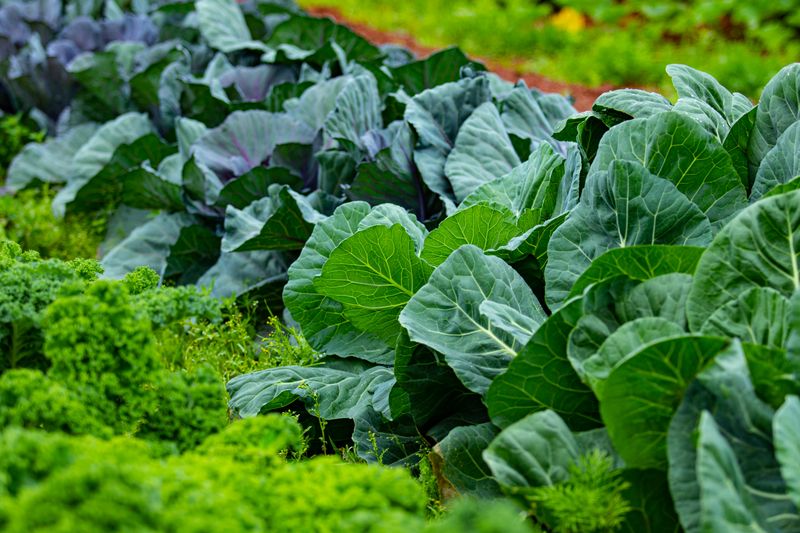
Not every vegetable handles clay with grace, but some actually prefer its dense, moisture-retaining nature.
Kale, cabbage, broccoli, and squash are heavy feeders that love the nutrient richness clay provides when properly amended.
Starting with these resilient crops builds your confidence while you work on improving the soil long-term.
Beans are another fantastic choice for clay-heavy Virginia gardens. They fix nitrogen directly into the soil, which improves structure over time and feeds whatever you plant next.
Sweet corn also performs well because its deep roots can push through moderately compacted ground without much complaint. Avoid starting with carrots, parsnips, or beets in raw clay.
Those root vegetables need loose, deep soil to form properly, and clay will twist and stunt them before they even get started.
Save those crops for raised beds or areas you have already spent a couple of seasons improving. Choosing the right plants for your current soil conditions is a strategy, not a compromise.
Every successful season in clay soil teaches you something new about what your garden needs. Start with crops that work with your ground, and use their success as momentum to keep improving the rest of your space.
Avoid Tilling Wet Clay
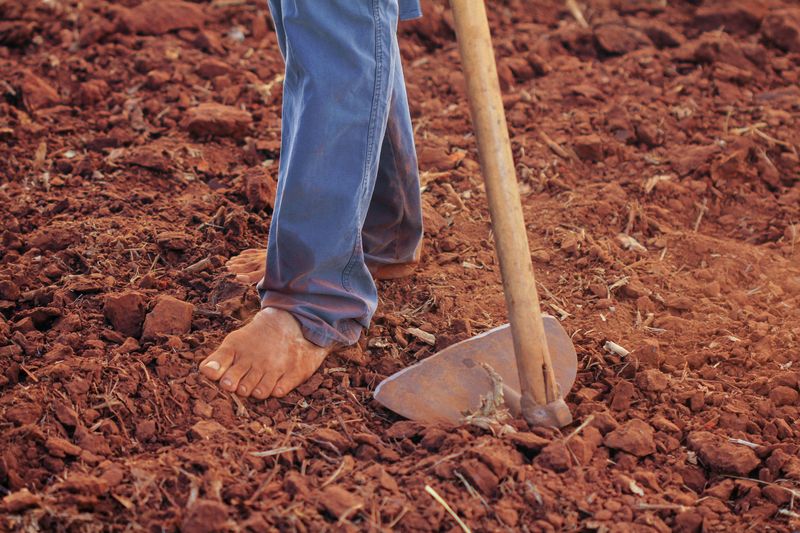
Wet clay and a garden tiller are one of the worst combinations in home vegetable gardening. When you work clay while it is saturated, you destroy its structure and create hard, brick-like clumps that take months to break apart.
Those clumps are not just ugly; they block root growth and trap moisture in all the wrong places. A simple squeeze test tells you everything you need to know before grabbing a tool.
Pick up a handful of soil and squeeze it firmly, then poke it with your finger. If it crumbles, you are good to go.
If it holds its shape like modeling clay, walk away and wait another day or two. Patience here is genuinely a gardening superpower.
Working soil at the right moisture level protects years of soil-building work from being undone in a single afternoon.
Many experienced growers say this one habit made a noticeable difference in how their clay soil performed season to season.
Raised bed pathways covered in wood chips also help by keeping foot traffic off garden beds after rain.
Compaction from walking on wet soil is just as damaging as tilling it. Protect what you have built, and your clay soil will keep improving season after season.
Use Gypsum To Break Up Compaction
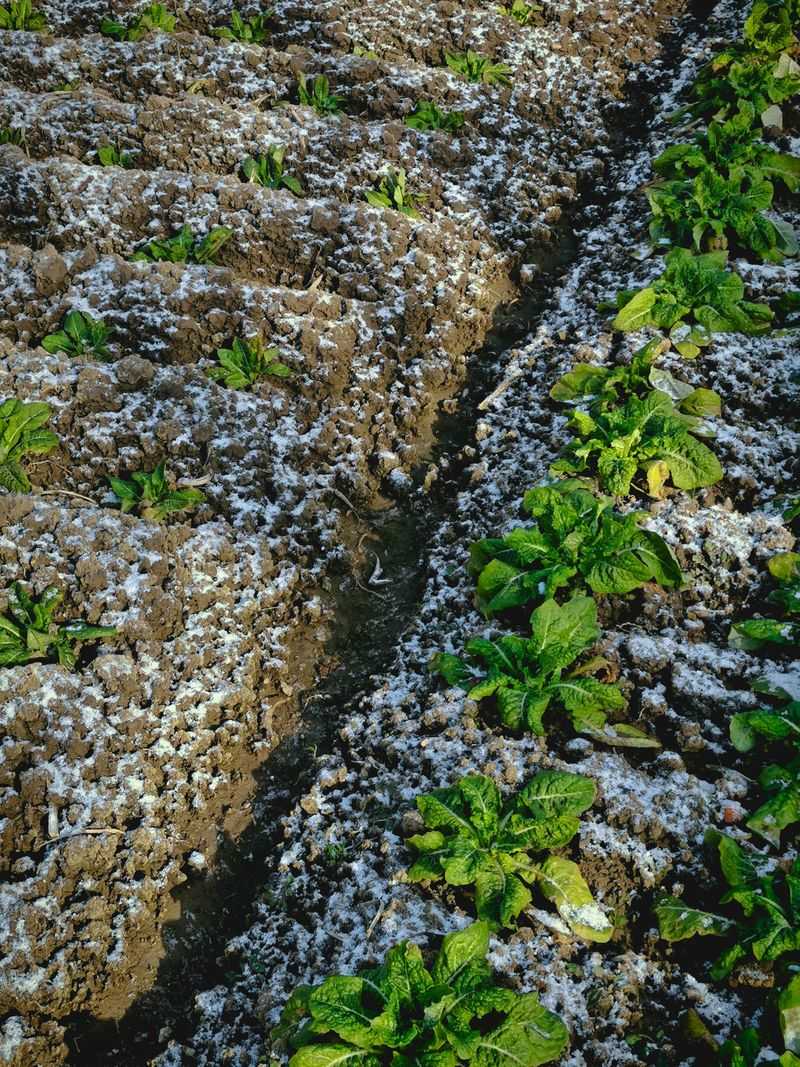
Gypsum, also known as calcium sulfate, is one of the most underrated tools in the clay gardener’s toolkit.
It works by replacing sodium ions in clay particles with calcium, which causes those particles to clump together into larger, more porous aggregates. The result is soil that breathes better, drains faster, and actually supports root growth without a fight.
Apply gypsum at a rate of about forty pounds per thousand square feet of garden bed. Work it lightly into the top few inches of soil and then water it in thoroughly.
You will not see dramatic overnight results, but within a few months the improvement in soil texture becomes noticeable and measurable.
Unlike lime, gypsum does not significantly affect soil pH, which makes it safe to use even in gardens where you have already balanced your acidity levels.
That flexibility is a big deal for Virginia clay gardeners who are juggling multiple soil chemistry goals at once. It is also safe around vegetables, fruit trees, and ornamental plants with no risk of chemical burn.
Gypsum works best when paired with regular organic matter additions. Think of it as loosening the lock while compost turns the key.
Together, they create the kind of soil transformation that can meaningfully shorten your clay improvement timeline.
Plant On Raised Rows, Not Flat Ground
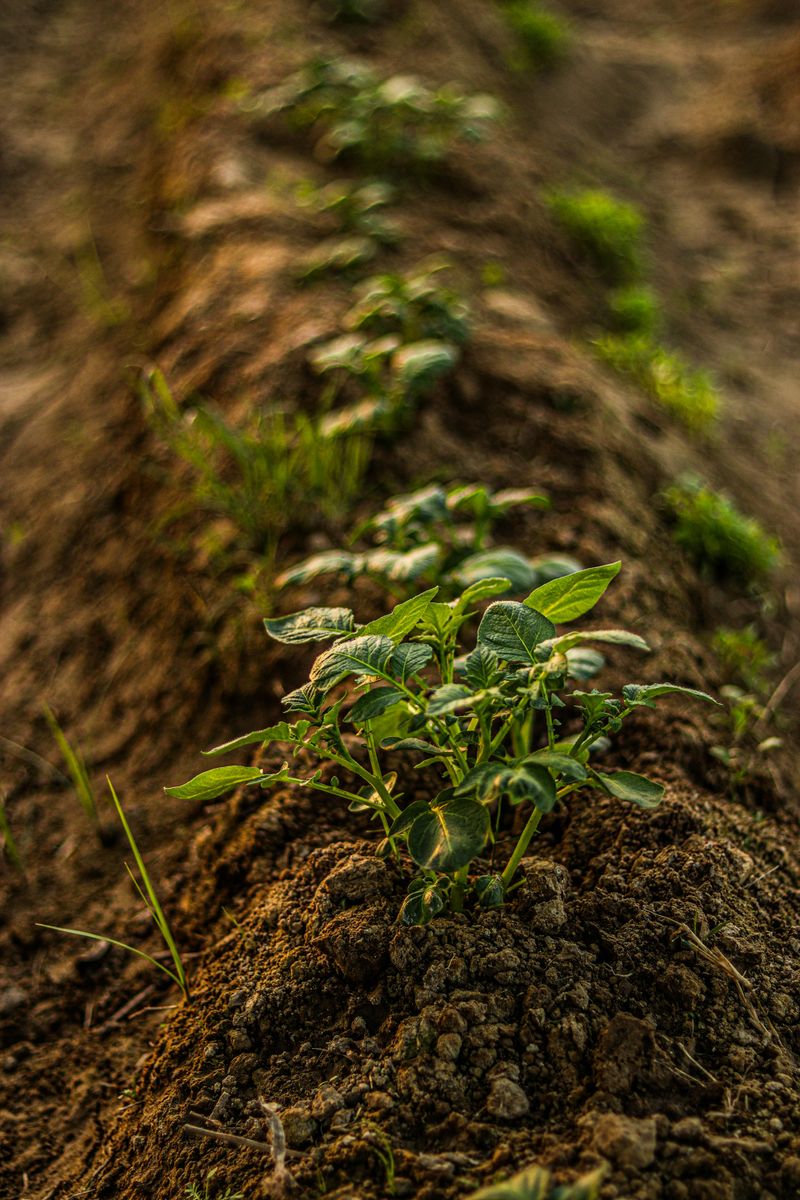
Flat ground and clay soil are a recipe for standing water and root rot. Raised rows, sometimes called hilled beds or ridges, are a centuries-old technique that solves this problem without the cost or labor of building full raised bed structures.
By mounding soil just six to eight inches above the surrounding pathways, you create a drainage advantage that clay desperately needs.
Space your rows about eighteen to twenty-four inches apart and leave the low pathways between them to channel away excess rainwater.
The crown of each row stays drier and warmer, which is exactly where you want your vegetable roots to be. Tomatoes, peppers, and squash all respond enthusiastically to this setup in Mid-Atlantic gardens.
Forming raised rows is also easier on your back than traditional flat-bed gardening because you spend less time bending into waterlogged soil.
You can shape them quickly with a hoe or a flat shovel, and they only need reshaping once or twice per season. It is a low-tech solution with surprisingly high payoff.
Combine raised rows with heavy mulching between them and you have a system that manages moisture, suppresses weeds, and improves soil structure all at once.
Some Virginia growers say this approach made a real difference during particularly wet springs. Simple solutions often outperform complicated ones.
Mulch Heavily To Prevent Surface Crusting
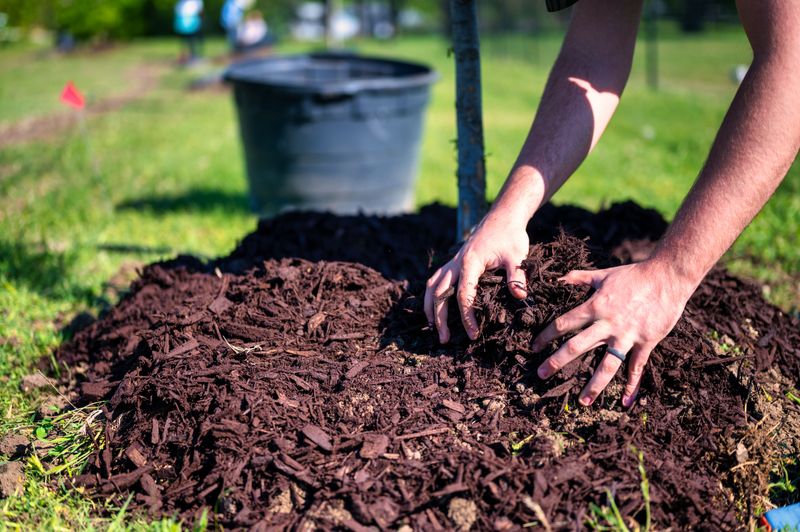
Clay soil has a sneaky habit of forming a hard crust on its surface after rain dries. That crust acts like a lid, blocking water from soaking in and preventing tiny seedlings from pushing through.
A thick layer of organic mulch stops this from happening before it starts. Straw, wood chips, shredded leaves, and even grass clippings work beautifully as mulch in vegetable gardens.
Apply a layer three to four inches thick around your plants, keeping it a couple of inches away from plant stems to prevent rot. As the mulch breaks down, it adds organic matter to your soil and feeds the microbial life that makes clay workable over time.
Mulch also regulates soil temperature, which is a quiet but powerful benefit in Virginia’s unpredictable climate.
During heat waves, mulched soil stays significantly cooler than bare ground, which means less stress on plant roots and more consistent moisture levels. Cooler, steadier soil means steadier growth and better harvests.
Pulling back mulch in fall and adding a fresh layer each spring keeps your garden beds in excellent condition year-round.
This practice also creates ideal habitat for earthworms, which are clay soil’s best natural allies. Every inch of mulch you lay down is a long-term investment in your garden’s productivity.
Add Cover Crops Between Seasons
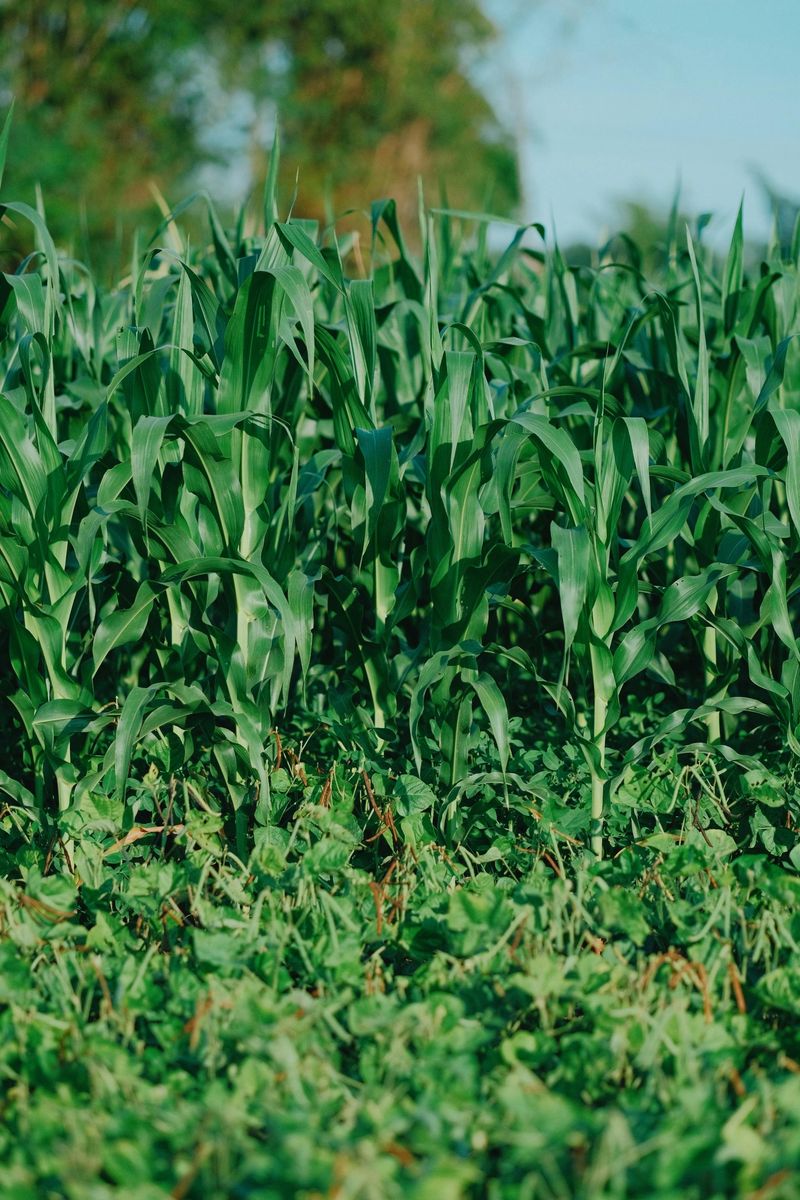
Cover crops are one of the most powerful and least-used tools in the home vegetable garden.
Planted between growing seasons, they protect bare clay from rain compaction, add organic matter when turned in, and some even fix nitrogen directly into the soil.
For Virginia clay gardeners, they are essentially a free soil improvement service that runs all winter. Winter rye is a top choice for fall planting because it establishes quickly and creates a dense root network that physically breaks up compacted clay layers.
Crimson clover adds beauty alongside nitrogen-fixing benefits and pollinators love it in spring before you turn it under.
Buckwheat is another excellent warm-season option that suppresses weeds aggressively while improving tilth.
Turn cover crops into the soil about two to three weeks before your next planting date. This gives the green material time to break down before vegetable roots encounter it.
Fresh green material incorporated too late can temporarily rob nitrogen from the soil as it decomposes, so timing matters.
After two or three seasons of consistent cover cropping, many Virginia clay gardens show measurable improvement in drainage and root penetration.
The soil becomes darker, more crumbly, and dramatically easier to work. Cover crops do the hard work while you rest during the off-season.
Water Deeply But Infrequently
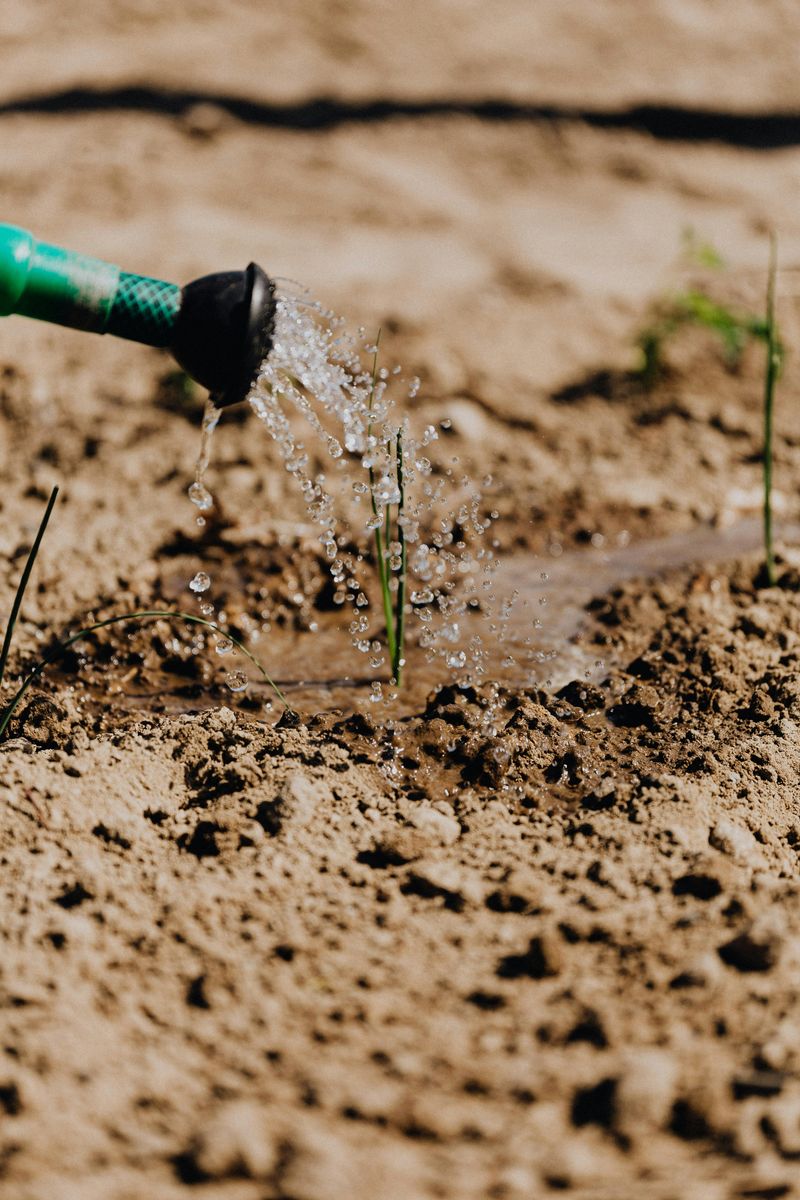
Clay soil holds water far longer than sandy or loamy ground, which means overwatering is a genuine and common threat.
Watering too frequently keeps clay perpetually saturated, starving roots of oxygen and creating perfect conditions for fungal problems.
The trick is training your plants to send roots deep by watering thoroughly and then waiting. Water slowly and deeply, aiming for moisture to penetrate at least six to eight inches into the soil.
A soaker hose or drip irrigation system delivers water right at the root zone without splashing clay onto plant leaves or causing surface runoff.
This approach also uses significantly less water than overhead sprinklers, which is a bonus during dry Virginia summers. Check soil moisture before each watering session rather than following a rigid schedule.
Stick your finger two inches into the soil near the base of your plants. If it still feels moist, skip the watering and check again in a day or two.
Deep, infrequent watering also encourages roots to grow downward in search of moisture, which makes plants more resilient during dry stretches. Shallow-rooted plants in clay are the first to struggle when conditions shift.
Teach your plants to reach deep, and they will reward you with stability and strength all season long.
Test Soil pH Annually
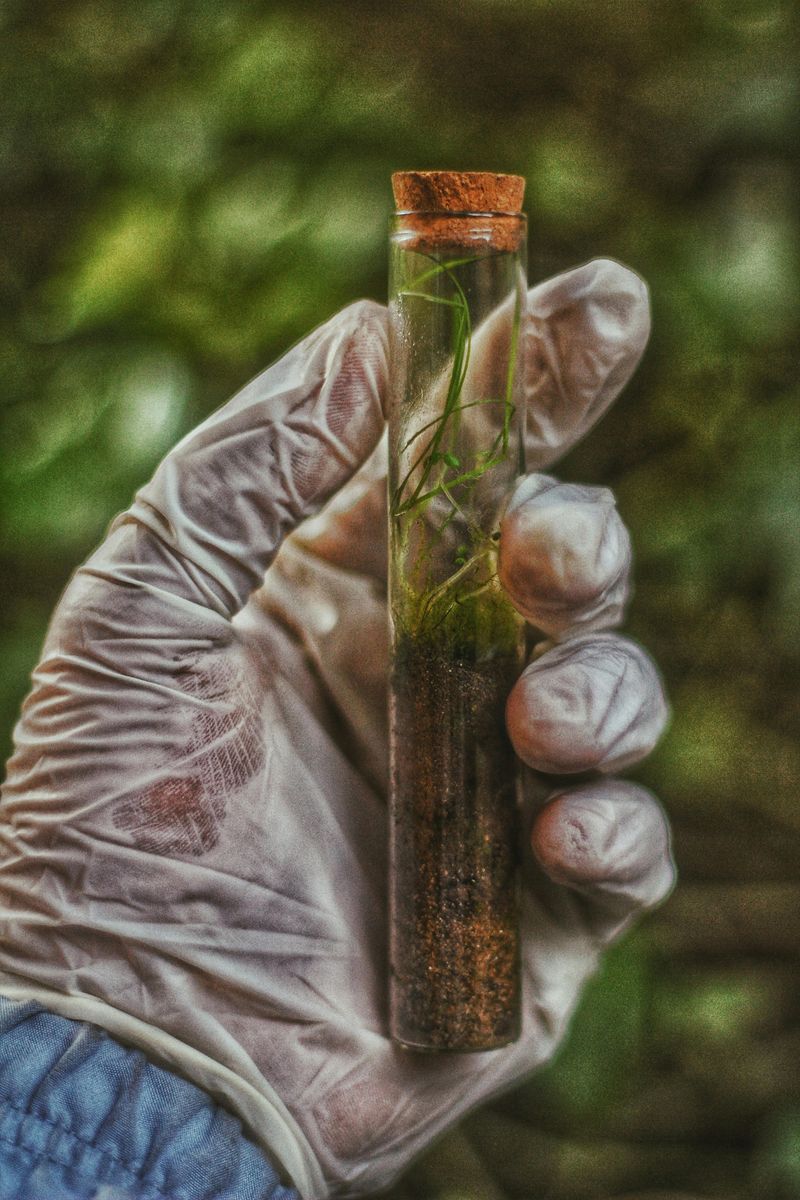
Clay soil in Virginia often runs slightly acidic, and that acidity quietly sabotages even the most carefully amended garden.
When pH drifts too far from the ideal range of 6.0 to 7.0 for most vegetables, nutrients lock up in the soil and become unavailable to plant roots no matter how much fertilizer you add.
Annual pH testing is the only way to stay ahead of this invisible problem. Home test kits from garden centers are affordable and accurate enough for most backyard gardeners.
For a more detailed analysis, the Virginia Cooperative Extension offers low-cost soil testing through local offices, and the results include specific lime or sulfur recommendations tailored to your exact soil.
That kind of targeted guidance saves money and prevents guesswork. If your pH is too low, adding agricultural lime raises it back into the productive range.
If it runs too high, sulfur brings it back down over a few months. Making small, measured adjustments based on actual test results is far more effective than applying amendments blindly.
Testing in fall gives amendments the entire winter to work into the soil before spring planting in your Virginia clay vegetable garden.
Consistent annual testing transforms soil management from guesswork into a clear, confident system. Know your numbers, and your garden will always have a fighting chance.