8 New Jersey Perennials That Keep Blooming And Rarely Need To Be Divided
New Jersey gardens have a secret weapon: perennials that return season after season! They fill borders with color and life without demanding constant attention.
These plants are built for the region’s climate, from humid summers to frosty winters, and they prove that a beautiful garden does not have to mean endless labor. Choosing the right perennials makes all the difference.
Instead of digging, splitting, and replanting every few years, you can simply sit back and watch your garden thrive. Every plant on this list was selected because it blooms reliably, spreads politely, and holds its own against New Jersey’s unpredictable weather patterns.
Some of these might already be on your radar. Others could surprise you completely. Either way, once you plant them, you will wonder why you ever wasted time on anything that needed more work and gave back so much less.
1. Catmint
Nobody warns you how addictive catmint can be once you plant it the first time. This perennial is one of the most reliably low-maintenance bloomers you can grow in a New Jersey garden, and it earns that reputation every single season.
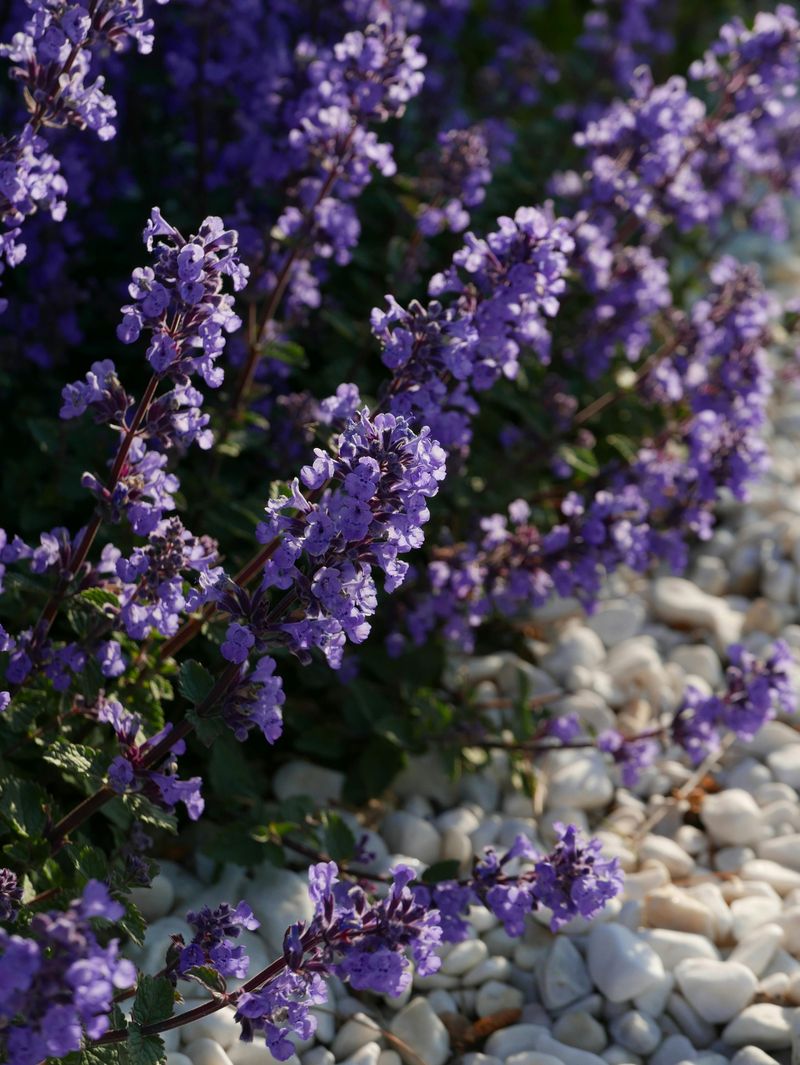
Soft lavender-blue flower spikes rise above mounded gray-green foliage from late spring well into summer, creating a hazy, romantic effect that looks almost painted.
Catmint thrives in full sun and well-drained soil, which makes it a natural fit for the hot, sometimes dry summers the Garden State dishes out.
Once established, it handles drought without complaint, and deer tend to leave it alone because of its aromatic leaves.
Pollinators, on the other hand, absolutely swarm it, so expect a constant buzzing chorus of bees and butterflies from June through August.
Cut it back by about one-third after the first big flush of blooms to trigger a second wave of flowers in late summer.
No dividing required, no special fertilizer, no drama whatsoever. Just plant it, step back, and watch it do its thing year after year with almost zero intervention from you.
Catmint pairs beautifully with roses, ornamental grasses, and coneflowers, giving your beds a layered, professional look without the professional effort.
It spreads gently over time but never becomes invasive or takes over neighboring plants. Big visual impact with minimal upkeep, this plant is basically a cheat code hidden in plain sight.
2. Black-Eyed Susan
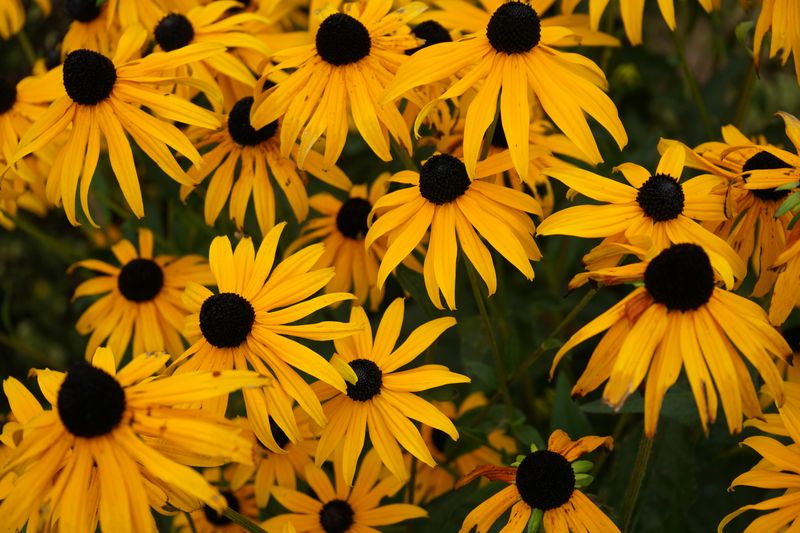
There is something deeply satisfying about a plant that looks like pure summer joy and asks for almost nothing in return.
Black-eyed Susan is that plant, and it has been a staple of American gardens for generations for very good reason.
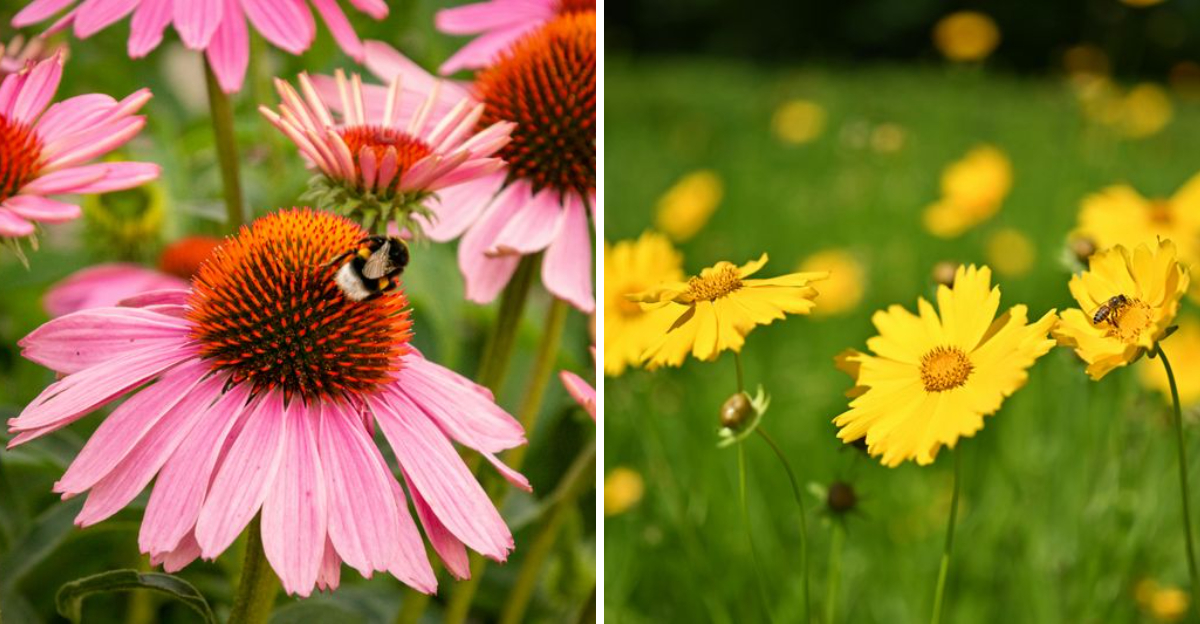
Those bold golden petals surrounding a dark chocolate-brown center are practically synonymous with late-summer color across New Jersey landscapes.
This perennial loves full sun and adapts to a wide range of soil types, from sandy coastal ground to heavier clay soils found further inland.
Once established, it handles drought like a champ and rebounds quickly after hot, dry stretches that would stress out less resilient plants.
It even self-seeds modestly, meaning new plants may pop up nearby, giving you a gradually expanding colony without any extra effort.
Your New Jersey Garden Changes Every Week. Your Plan Should Too.
Gardening in New Jersey changes quickly throughout the season. Every Friday you’ll receive a simple weekly plan showing exactly what to plant, prune, fertilize, harvest, and protect so you never miss the right timing.
Butterflies and bees treat black-eyed Susan like an all-you-can-eat buffet from July through September.
When the blooms fade, the seed heads become a valuable food source for finches and sparrows heading into fall migration.
Leaving those seed heads standing through winter adds architectural interest to the garden and keeps the birds coming back.
Black-eyed Susan is a short-lived perennial that renews itself through gentle self-seeding, gradually building a colony that persists for many years without any effort from you.
A little cleanup in early spring is all it really needs to look sharp again. A plant that connects your yard to the wider natural world while asking almost nothing in return. This cheerful native bloomer is hard to beat.
3. Coreopsis
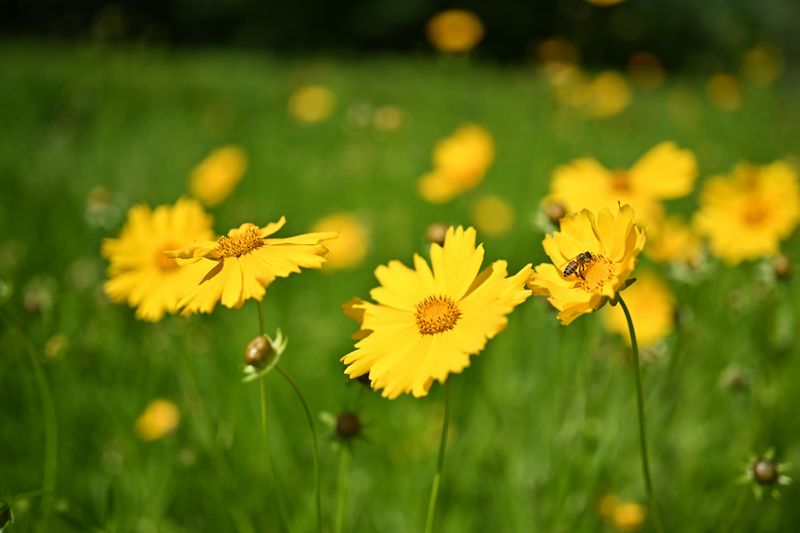
Sunshine stored in a flower, that is essentially what Coreopsis looks like when it is in full bloom.
Also called tickseed, this cheerful perennial produces a non-stop display of daisy-like flowers in shades of gold, yellow, and even soft pink from early summer through fall.
Few plants in the New Jersey perennial lineup can match its sheer staying power across such a long growing season.
Plant it in a spot with full sun and average, well-drained soil, and Coreopsis will largely take care of itself.
It tolerates heat, humidity, and dry spells with the kind of composure most plants can only dream about.
Removing spent blooms encourages even more flowers, but the plant rebounds so quickly that skipping this step will not ruin the show.
One of the best things about Coreopsis is how it attracts goldfinches late in the season when seed heads form.
You get a pollinator magnet during the bloom period and a bird feeder afterward, all from one plant.
That kind of double duty is rare, and gardeners who discover it tend to plant more every single year. Dividing is not necessary for this perennial to stay healthy and productive.
It naturally maintains a tidy clump that grows a bit wider each year without ever becoming unruly or crowding out neighbors.
Building a low-fuss, high-reward garden in New Jersey? Coreopsis belongs in the front row of every planting plan.
4. Russian Sage
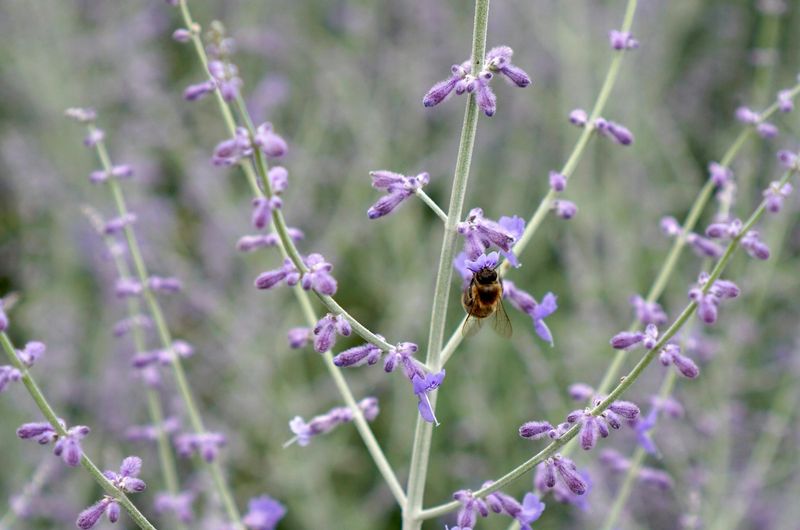
Walking past a mature Russian Sage in full bloom feels like brushing against a cloud that smells faintly of herbs.
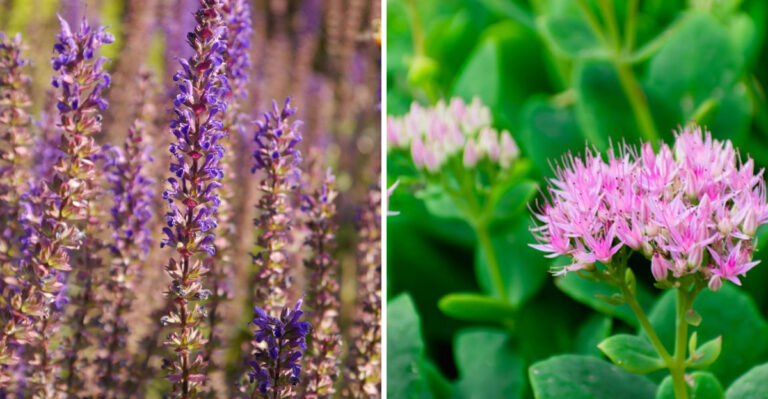
This striking perennial sends up tall, branching stems covered in tiny violet-blue flowers from midsummer well into fall, creating an airy, almost ethereal effect in the garden.
The silvery stems remain attractive even when the plant is not actively blooming, giving you structure and visual interest across multiple seasons.
Russian Sage thrives in full sun and poor, well-drained soil, which makes it one of the best choices for hot, dry spots where other plants struggle.
It is remarkably drought-tolerant once established, and deer and rabbits avoid it almost entirely because of its pungent, aromatic foliage.
That combination of toughness and deer resistance is a serious selling point for New Jersey gardeners dealing with hungry wildlife.
Cutting the plant back hard in early spring, down to healthy live wood. Apart from that single annual task, Russian Sage asks for nothing else from you.
No dividing, no feeding, no fussing, just clean it up once a year and enjoy the show. Pairing this plant with ornamental grasses, coneflowers, or black-eyed Susans creates a dynamic, textured border that looks like it was designed by a professional.
The contrast between its silvery stems and bolder, brighter neighbors is genuinely stunning.
For low-maintenance perennials that deliver maximum visual drama, Russian Sage stands in a category almost entirely its own.
5. Woodland Sage
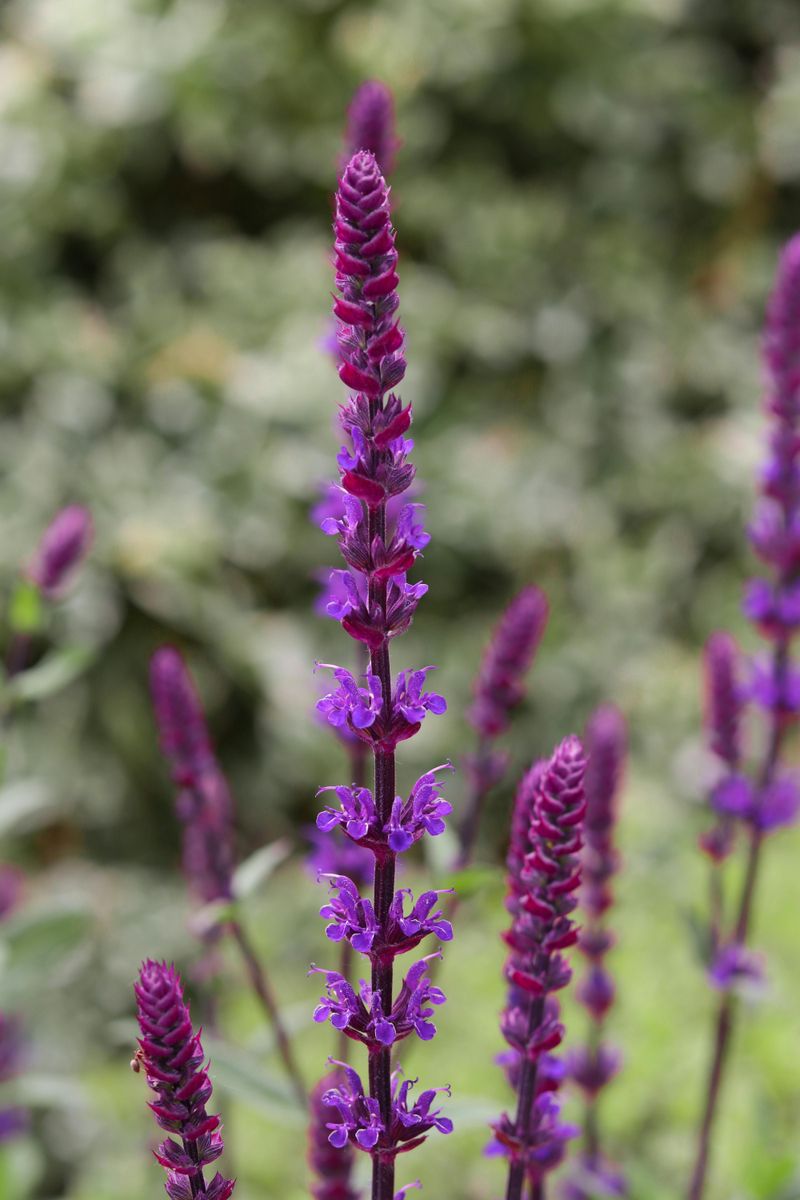
Most gardeners think of sage as something that belongs in the kitchen, but Woodland Sage will completely change that assumption.
Salvia nemorosa, as it is formally known, produces dense, upright spikes of deep purple or blue flowers that rise above neat, textured foliage from late spring into early summer.
It is one of those plants that makes a border look intentional and polished without requiring much gardener involvement at all.
Woodland Sage performs best in full sun to partial shade and tolerates a wide range of soil conditions, including average and slightly dry soils that many New Jersey gardens have.
Once it settles in, it is impressively drought-tolerant and rarely needs supplemental watering during normal summer conditions.
Bees absolutely love the tubular flowers, and the plant earns its keep as a pollinator magnet from the moment it opens its first blooms.
Cutting the spent flower spikes back after the initial bloom flush triggers a reliable rebloom in late summer, effectively doubling your display from a single plant.
This is one of those gardening tricks that feels almost too good to be true until you see it happen.
The fresh wave of color in August is a welcome surprise when many other perennials are starting to wind down.
Woodland Sage stays in a tidy, well-behaved clump that grows gradually wider without ever becoming aggressive or crowding its neighbors.
Division is simply not necessary to keep it healthy and blooming year after year.
Rich color, strong structure, and almost no maintenance required. This underused perennial deserves a prominent spot in any planting scheme.
6. Hyssop
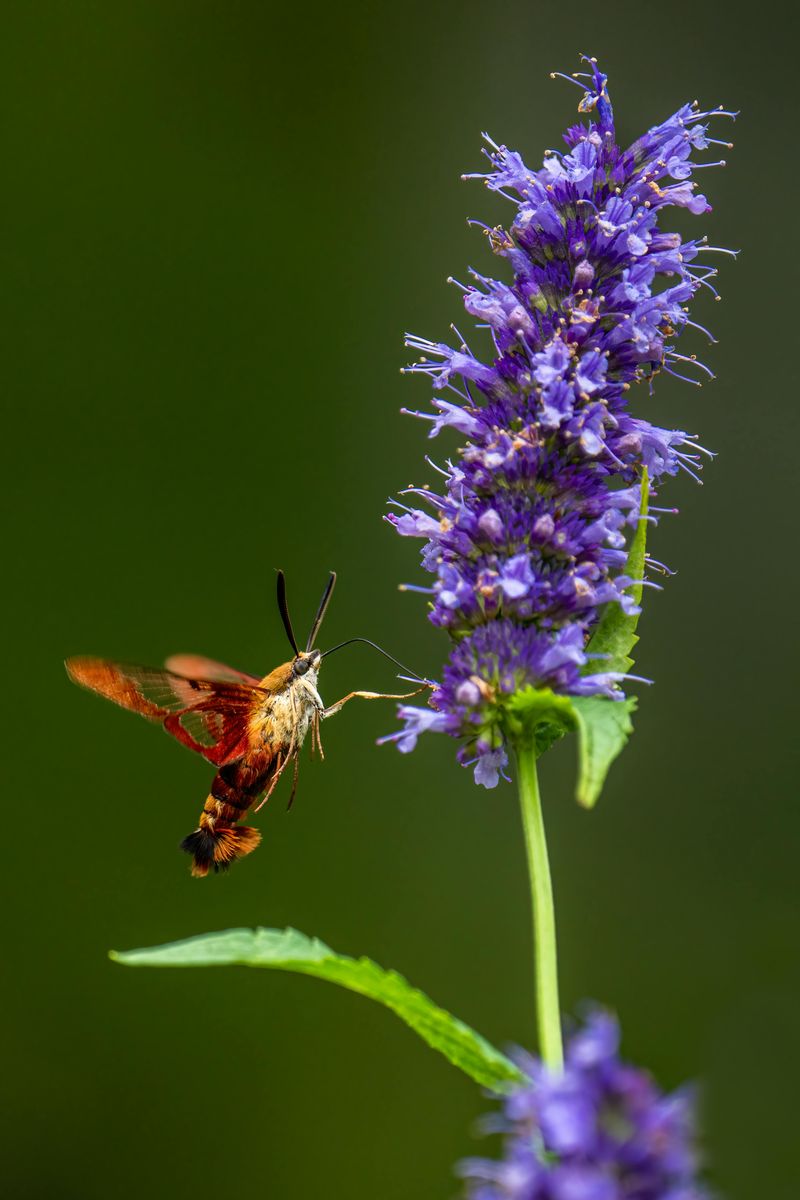
Hummingbirds will find your garden before you even finish planting Hyssop, because this perennial is basically a flashing neon sign for pollinators.
Agastache, the ornamental hyssop most gardeners grow, produces tall spikes of tubular flowers in shades of orange, pink, purple, and coral from midsummer through early fall.
The blooms are striking on their own, but watching a hummingbird hover over them takes the whole experience to another level entirely.
This perennial loves heat and full sun, which makes it a natural fit for the warmest spots in a New Jersey yard.
It handles dry conditions with ease once established, and the aromatic foliage keeps deer and pests from bothering it.
Plant it in well-drained soil, water it regularly for the first season, and then essentially step back and let it do its thing.
One slightly quirky fact about Hyssop is that it often self-seeds around the garden, popping up in unexpected spots the following spring.
Those seedlings are easy to move or remove, but many gardeners simply let them stay and enjoy the happy accidents.
Over time, a single plant can become a loose, fragrant colony that fills a border with vertical color and constant pollinator activity. Hyssop does not need dividing to stay vigorous.
Many varieties perform well for several seasons in well-drained spots, and self-seeding quietly keeps the colony going over time. A light trim in early spring is all the grooming it requires.
For anyone who wants a garden that buzzes with life from July through October, Hyssop is an absolute non-negotiable addition.
7. Coneflower
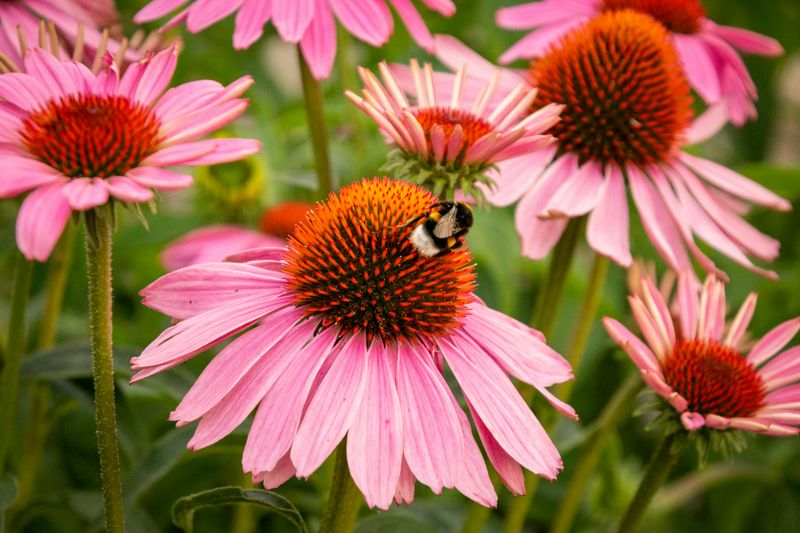
Few perennials have the cult following that Echinacea, commonly called Coneflower, has built among American gardeners over the past two decades.
Originally a native prairie plant, it has been bred into dozens of colors ranging from classic purple to warm coral, creamy white, and deep red, giving gardeners almost endless options.
The bold, slightly drooping petals surrounding a spiky central cone give it a look that is instantly recognizable and endlessly satisfying to grow.
Coneflower thrives in full sun and average, well-drained soil across New Jersey, and it handles summer heat without needing extra water once established.
It blooms from early summer through fall, with individual flowers lasting several weeks before giving way to seed heads that birds devour through winter.
That long season of interest, from bud to seed head, makes it one of the most valuable plants you can put in the ground.
Butterflies, especially swallowtails and fritillaries, treat Coneflower as a preferred nectar stop, and bees of all sizes work the flowers from morning to evening on warm days.
The wildlife value alone would justify growing it, but the beauty is an equally compelling reason.
Planting several varieties together creates a stunning tapestry of color that peaks in late summer when many other plants are fading.
Healthy, established clumps of Coneflower bloom reliably for many years without ever needing to be dug up and divided. The plants self-seed gently, gradually increasing in number without becoming weedy or invasive.
For New Jersey perennials that check every box, from beauty to toughness to ecological value, Coneflower is genuinely hard to top.
8. Walker’s Low Catmint
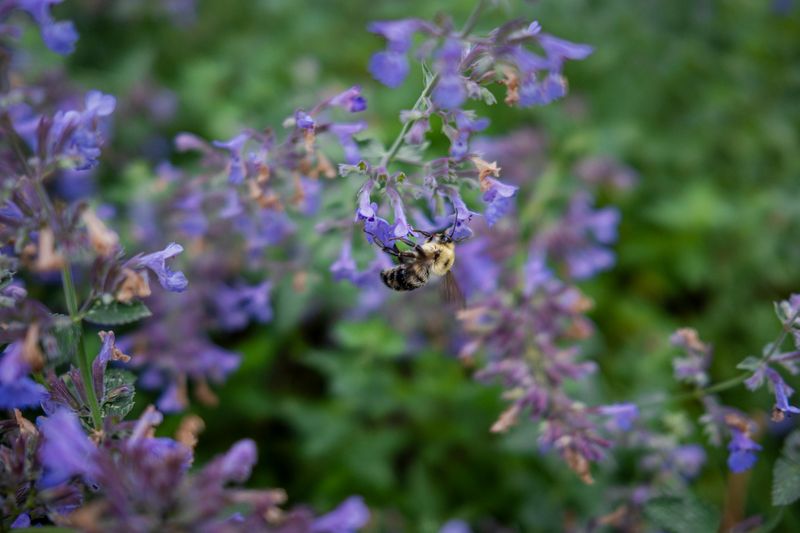
If regular catmint is impressive, Walker’s Low Catmint is the version that makes visitors stop mid-sentence and ask what that incredible plant is. Despite the name, this variety grows into a generous, flowing mound typically two to three feet tall.
It has a soft, almost romantic quality that makes any garden border look like it belongs on a magazine cover.
Walker’s Low earned the Perennial Plant Association’s Plant of the Year award back in 2007, and gardeners who grow it understand exactly why that recognition was well-deserved.
It thrives in full sun and well-drained soil, tolerates drought and heat, and repels deer with its strongly aromatic foliage.
Bees and butterflies swarm it enthusiastically, making it one of the most pollinator-friendly choices available to New Jersey gardeners.
Cutting it back by about half after the first wave of blooms encourages a fresh flush of flowers in late summer, essentially giving you two distinct bloom periods from a single planting.
That rebloom is generous and full, not a weak repeat, which is a meaningful distinction when you are planning a garden calendar.
The mounded form stays attractive even between bloom cycles, adding soft texture and fragrance to the border.
Walker’s Low Catmint, like the other New Jersey perennials on this list, never needs dividing to stay healthy and full. It simply grows more beautiful and more generous with each passing season.
For gardeners who want effortless elegance that comes back stronger every year, this is the plant that makes the whole philosophy click.