8 Michigan Perennials That Triple In Size In One Season And 2 That Give Instant Impact
Waiting three years for a perennial garden to look like something is a particular kind of patience that not everyone has, and honestly, you don’t need it.
Michigan’s growing season is shorter than a lot of the country, but certain perennials use every week of it aggressively, pushing out new growth at a pace that actually surprises people.
Plant them in spring and by September the bed looks like it’s been established for years. Eight perennials on this list are known for that kind of fast, dramatic expansion, the type where you find yourself looking out the window every few days just to track the progress.
And then there are two more that work differently, not through size but through immediate, generous color that makes a brand new planting look finished from the very first bloom.
1. Joe-Pye Weed
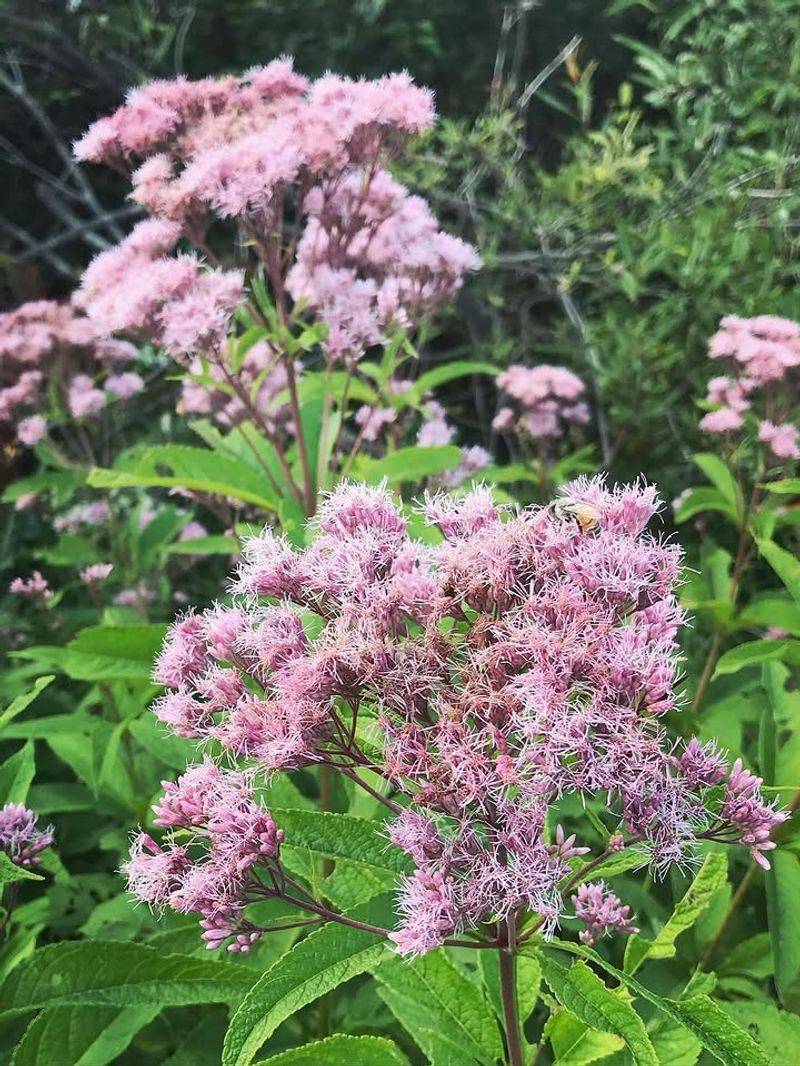
Few plants command attention quite like Joe-Pye Weed. Standing anywhere from five to seven feet tall by midsummer, this native Michigan powerhouse can genuinely triple in size within a single growing season when planted in moist, rich soil with plenty of sun.
It starts out modest in spring, but by August it towers over nearly everything else in the garden.
The fluffy mauve-pink flower clusters that appear in late summer are a magnet for butterflies, especially monarchs and swallowtails. Gardeners who want to support pollinators will find this plant almost irresistible.
It blooms for weeks, giving you a long window of color and wildlife activity right in your backyard.
Joe-Pye Weed thrives along stream banks, pond edges, and rain gardens where the soil stays consistently moist. It handles summers beautifully without much fuss.
Plant it at the back of a border where its impressive height becomes a dramatic backdrop for shorter perennials.
Once established, it spreads gradually through rhizomes, meaning you will have more plants to enjoy or share with neighbors each year. It is bold, reliable, and genuinely rewarding.
2. Wild Bergamot
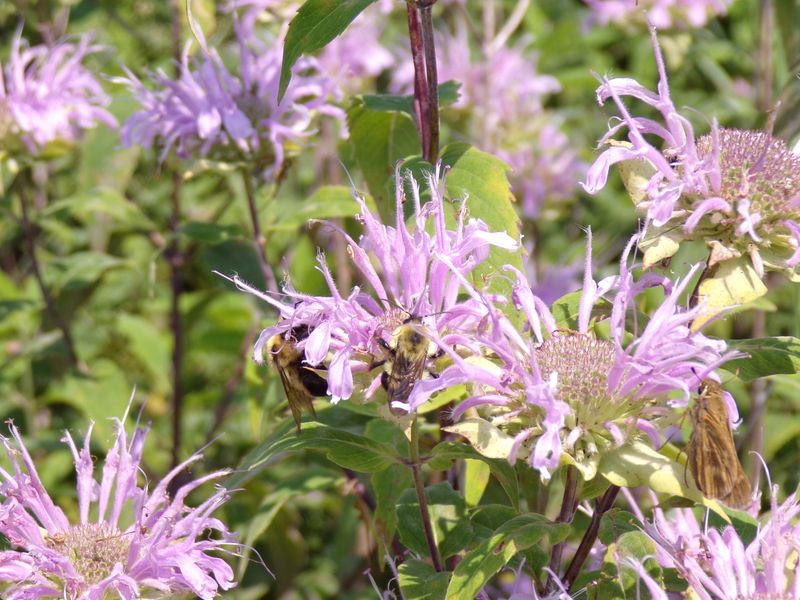
Walk past a patch of Wild Bergamot on a warm July afternoon and you will notice the air smells faintly of oregano and mint. That aromatic quality comes from the same plant family as culinary herbs, and it makes this native Michigan perennial extra special.
Beyond the scent, Wild Bergamot is a spreading machine that can triple its footprint within one growing season under the right conditions.
The lavender-purple flowers are absolutely buzzing with activity all summer long. Bumblebees, hummingbirds, and native bees flock to the blooms, making your garden feel alive in the best possible way.
It blooms from June through August, giving you nearly three months of soft, beautiful color in sunny garden beds.
Wild Bergamot spreads through underground rhizomes and self-seeds freely, so one small plant can become a generous colony surprisingly fast. It prefers well-drained soil and full sun, making it ideal for dry or average garden spots where other plants struggle.
Powdery mildew can appear in humid summers, but choosing an open, airy planting spot minimizes that issue significantly. Cutting plants back by half in early June encourages bushier, more compact growth.
Your Michigan Garden Changes Every Week. Your Plan Should Too.
Gardening in Michigan changes quickly throughout the season. Every Friday you’ll receive a simple weekly plan showing exactly what to plant, prune, fertilize, harvest, and protect so you never miss the right timing.
It is low-maintenance, drought-tolerant once established, and an absolute favorite among native plant enthusiasts.
3. Obedient Plant
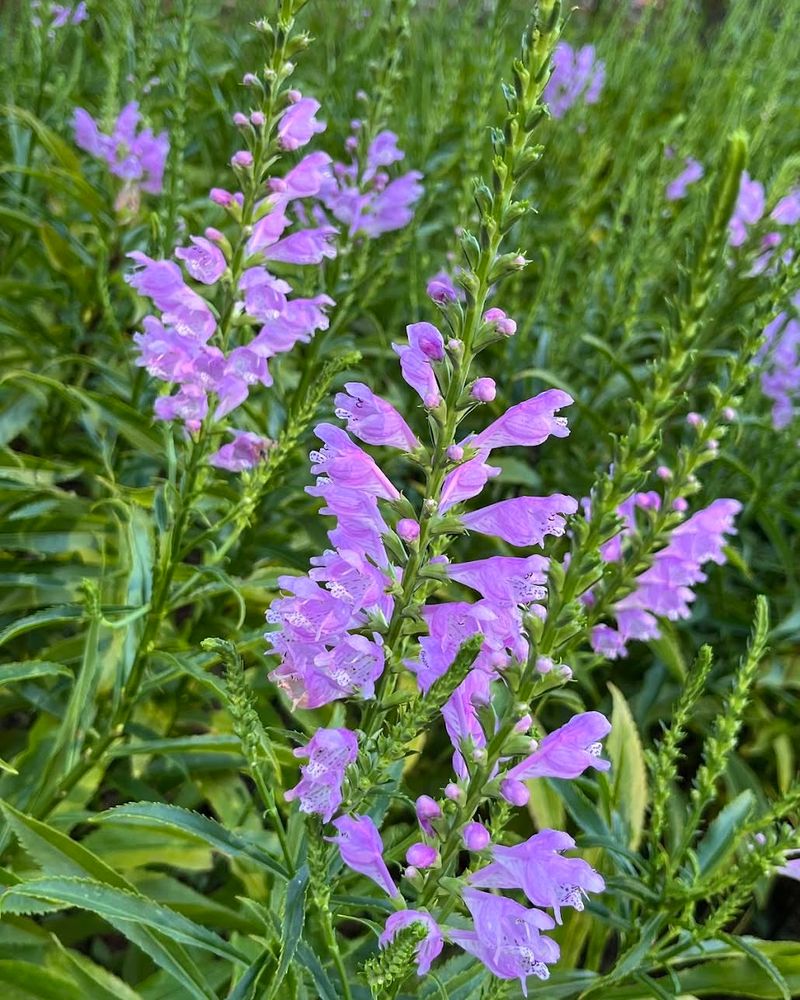
The name might suggest a well-behaved plant, but Obedient Plant is actually one of the most enthusiastic spreaders in the Michigan perennial garden.
It earns its quirky name from the individual flowers, which stay in position when you push them along the stem rather than snapping back. That small detail makes it a fun conversation piece every summer.
Growth-wise, Obedient Plant is genuinely impressive. A single clump planted in spring can spread several feet in all directions by fall, especially in moist, fertile soil with good sun exposure.
The upright pink flower spikes appear in late summer and early fall, filling in gaps beautifully at a time when many other perennials are winding down. It provides valuable late-season color that keeps the garden looking fresh well into September.
Because it spreads so aggressively through underground runners, planting it in a contained area or dividing it every two to three years keeps it from overwhelming neighboring plants.
Raised beds or spots bordered by hardscaping work wonderfully for managing its enthusiasm.
Despite its spreading habit, gardeners who give it room absolutely love it. The dense, full patches it creates look lush and intentional, almost like a professionally designed planting.
Michigan gardeners with moist soil conditions will find Obedient Plant one of the most rewarding fast-growing perennials available.
4. Goldenrod
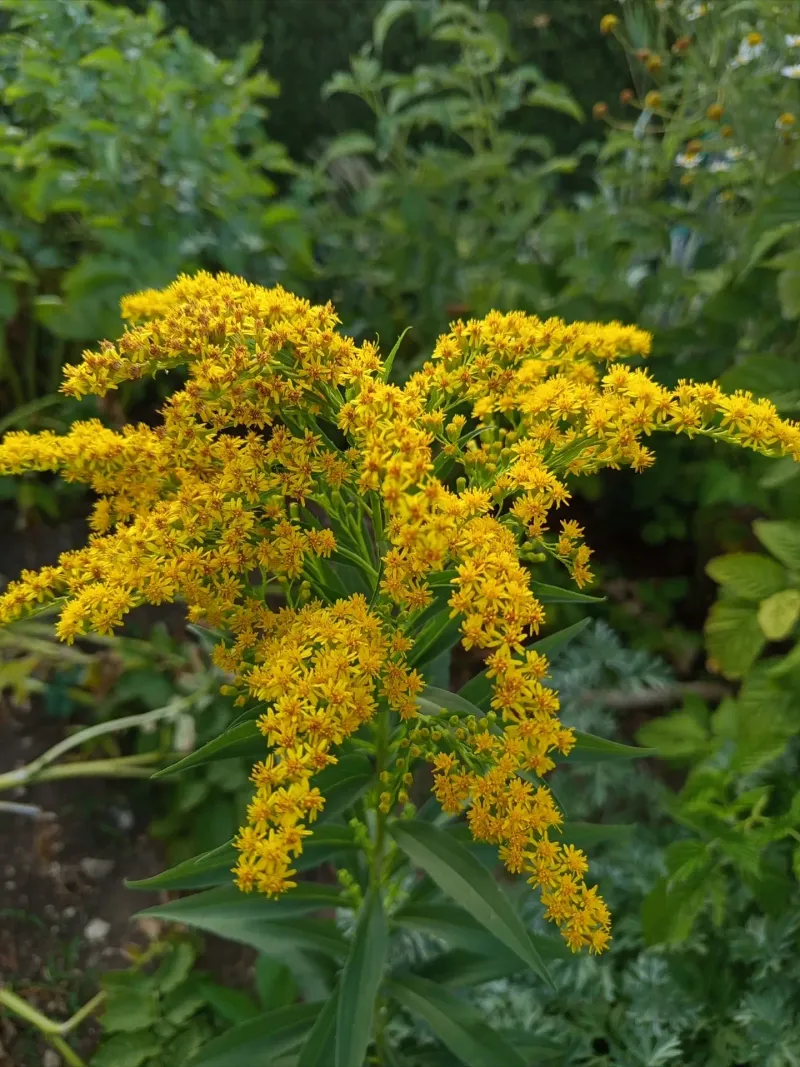
Goldenrod gets blamed unfairly for hay fever every fall, but here is the truth: ragweed is the real culprit, and goldenrod is actually one of the most beneficial native plants you can grow in Michigan.
Its pollen is too heavy to float through the air, so it poses no allergy threat at all. Knowing that makes it much easier to appreciate how stunning a full patch of golden-yellow plumes looks in late summer.
Solidago rugosa, known as Wrinkleleaf Goldenrod, is particularly vigorous. It spreads through rhizomes and can easily triple its original size within one season when planted in moist to average soil with full or partial sun.
By late August and September, the arching yellow flower sprays absolutely glow in the garden, attracting an enormous variety of native bees, beetles, and butterflies.
Over 100 species of native bees depend on goldenrod as a critical late-season food source before winter arrives.
Planting it is one of the single most impactful things a gardener can do for local wildlife. It pairs beautifully with asters, ironweed, and native grasses in a meadow-style planting.
Goldenrod is tough, adaptable, and nearly maintenance-free once established, making it a perfect choice for gardeners who want big results without spending hours on upkeep every week.
5. Ironweed
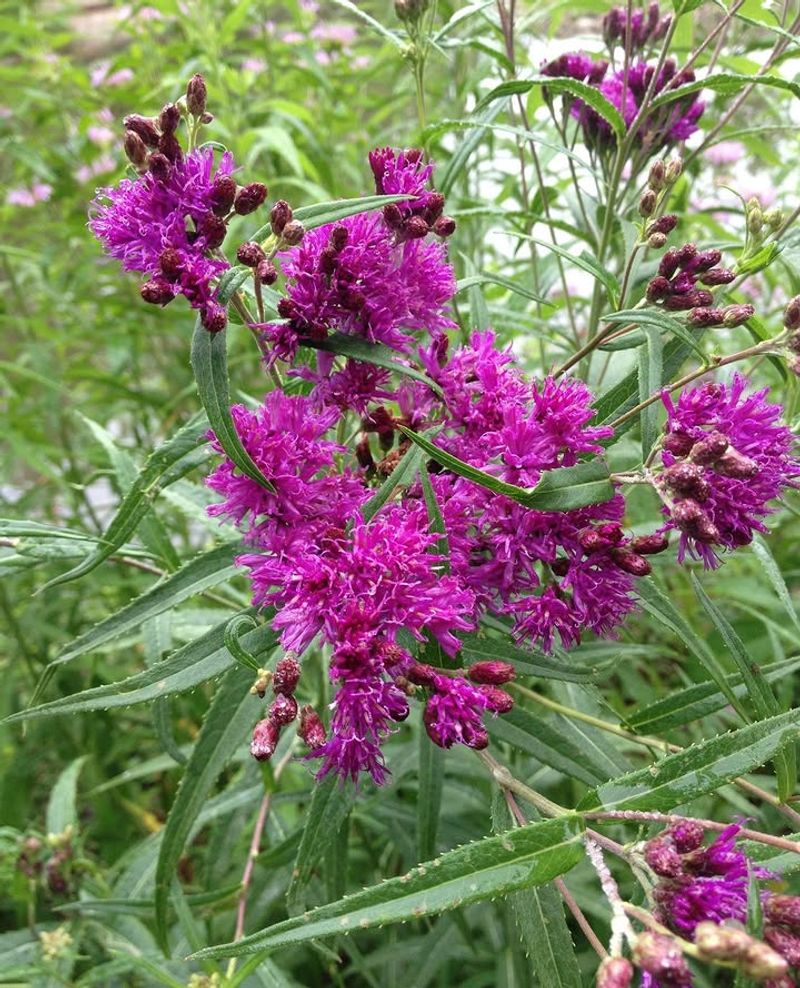
If you want a plant that stops people in their tracks, Ironweed delivers every single time. The deep, almost electric purple flower clusters are unlike anything else blooming in late summer, and the color is so saturated it looks almost unreal.
Standing four to six feet tall by the time it blooms in August, Ironweed is a true showstopper in any garden.
Vernonia fasciculata grows quickly and vigorously in moist, sunny conditions. It can triple in clump size within one season, especially in the rich, moist soils found near Michigan waterways and low-lying garden areas.
The stiff, upright stems rarely need staking, which makes it a very easy plant to manage despite its impressive height. Monarch butterflies and bumblebees are particularly drawn to its blooms.
Ironweed combines strikingly well with goldenrod, creating a classic purple-and-gold color combination that looks like it belongs in a professional landscape design.
Pairing it with ornamental grasses adds movement and texture that makes the whole planting feel dynamic and layered.
It self-seeds moderately, so you may find new seedlings nearby each spring, which is a bonus rather than a problem for most gardeners.
Once established in a spot it loves, Ironweed comes back stronger and fuller each year, building into a truly magnificent native perennial planting over time.
6. Blue Vervain
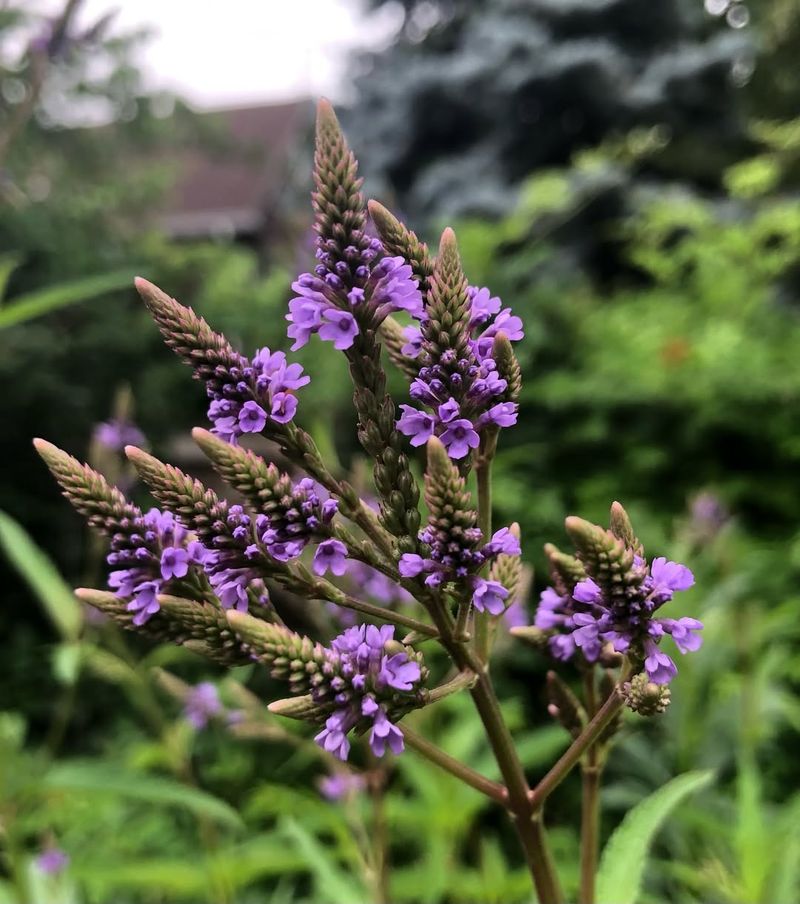
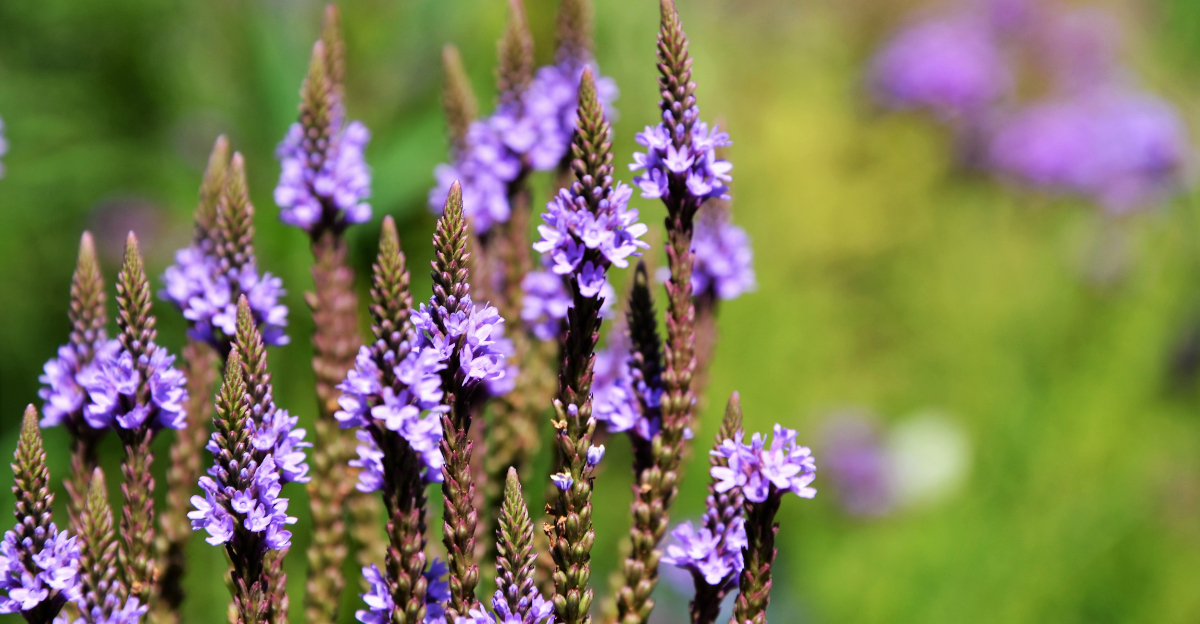
Blue Vervain has a quiet kind of magic. It does not scream for attention the way some showy garden plants do, but once you look closely at its slender purple-blue flower spikes reaching up toward the sky, you realize just how beautiful and intricate it really is.
Native to Michigan wetlands and moist meadows, this plant thrives in conditions that challenge many other perennials.
In its first full season, Blue Vervain can grow from a small transplant to a multi-stemmed clump standing four to six feet tall, effectively tripling its size in one year.
It blooms progressively up the spike from bottom to top throughout July and August, meaning the flowering period stretches on longer than you might expect.
That extended bloom time makes it an excellent choice for gardeners who want consistent color and pollinator activity all summer.
Small native bees, especially sweat bees and small carpenter bees, absolutely love Blue Vervain. It also attracts birds in fall and winter because the seeds are a favorite food source for swamp sparrows and song sparrows.
Planting it near a rain garden, pond edge, or naturally low spot in your yard gives it exactly the moist conditions it craves.
Blue Vervain is surprisingly underused in Michigan gardens, which makes it a wonderful way to add something a little different and genuinely valuable to your landscape.
7. Blue Mistflower
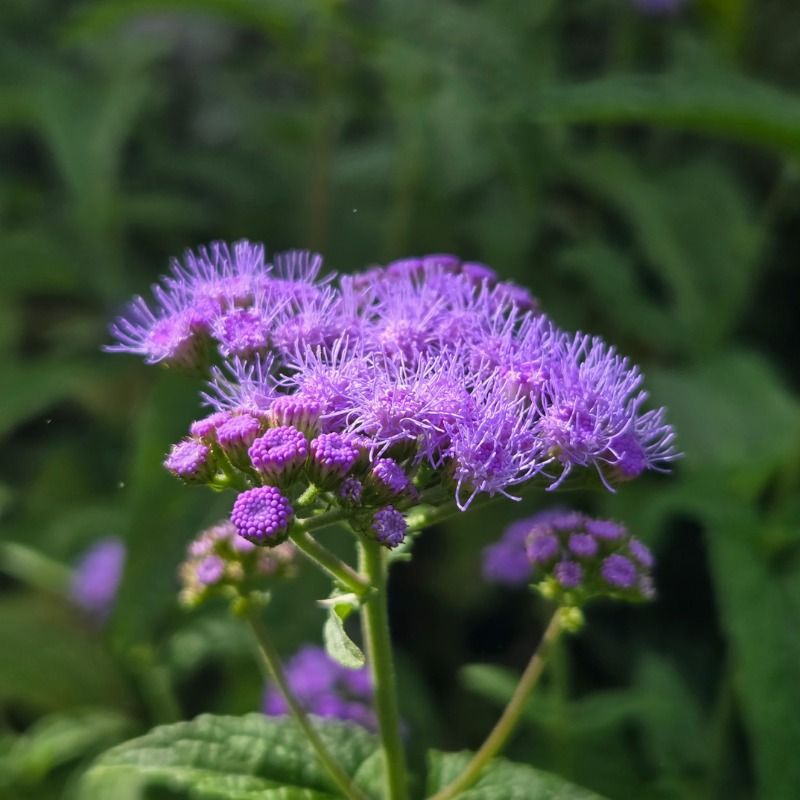
Blue Mistflower looks like someone scattered tiny puffs of blue-purple smoke across the garden in late summer. The fuzzy, ageratum-like flowers appear in September and October, right when most other perennials are finishing up for the year.
That late-season bloom time makes it genuinely valuable for gardeners who want color and pollinator support stretching into fall.
This plant spreads enthusiastically through both rhizomes and self-seeding, and a single plant can expand into a wide, full colony within one growing season.
It works beautifully as a groundcover along shaded or semi-shaded garden edges, especially where the soil stays moist.
Michigan gardeners with woodland gardens or shady borders will find Blue Mistflower fills in bare areas quickly and looks lush doing it.
Monarch butterflies migrating south in September frequently stop to feed on Blue Mistflower, making it a genuinely impactful plant for supporting one of North America’s most beloved insects during a critical time of year.
It pairs wonderfully with goldenrod, asters, and ornamental grasses for a layered, naturalistic fall garden scene.
Because it spreads so readily, giving it a defined space or edging it each spring keeps it from wandering into areas where it is not wanted.
Once you see it covered in butterflies on a warm September afternoon, you will wonder why every Michigan garden does not already have it.
8. Switchgrass
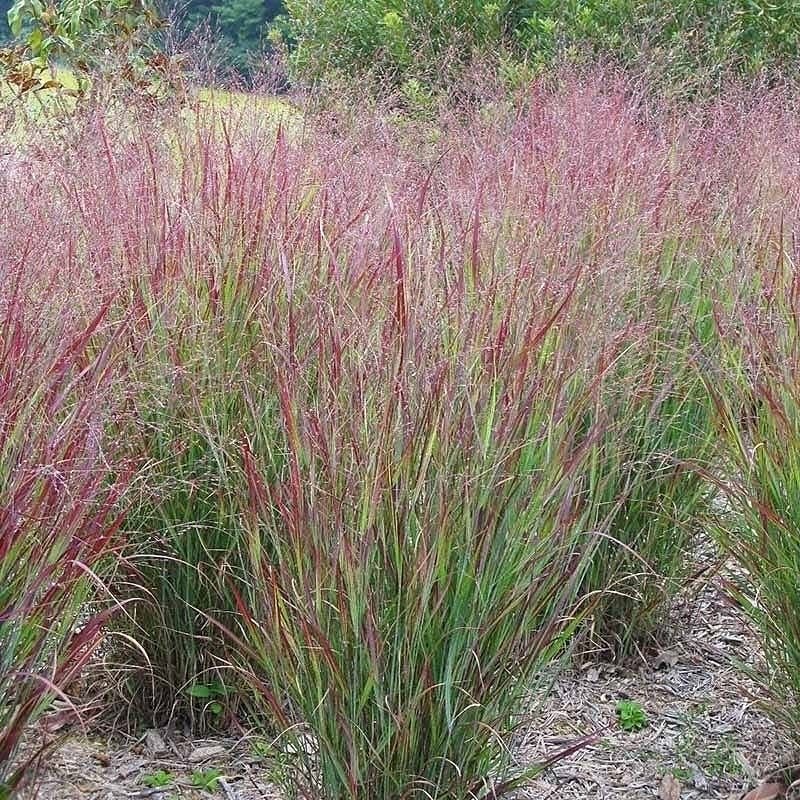
Switchgrass is one of those plants that earns its place in the garden every single month of the year. In spring it pushes up fresh green blades with real energy.
By summer it forms a tall, upright clump with airy seedheads that catch the light beautifully. In fall the foliage turns shades of gold and rust, and through winter the dried stems and seedheads add structure and texture to an otherwise bare garden.
As a warm-season grass native to Michigan and much of North America, Switchgrass grows rapidly once summer temperatures kick in. A young clump can easily double or triple in size within its first full growing season, especially in full sun with average to moist soil.
Varieties like Shenandoah and Prairie Fire add brilliant red fall color on top of all that impressive growth.
Birds love Switchgrass seeds, and the dense clumps provide nesting cover and shelter for small wildlife through the colder months. It is also extremely adaptable, handling everything from wet soil near ponds to dry, sandy Michigan soils with equal success.
Deer generally leave it alone, which is a major bonus for gardeners in rural or suburban areas with heavy deer pressure.
Switchgrass is low-maintenance, structurally beautiful, and ecologically valuable, making it one of the smartest perennial investments a gardener can make.
9. Ostrich Fern
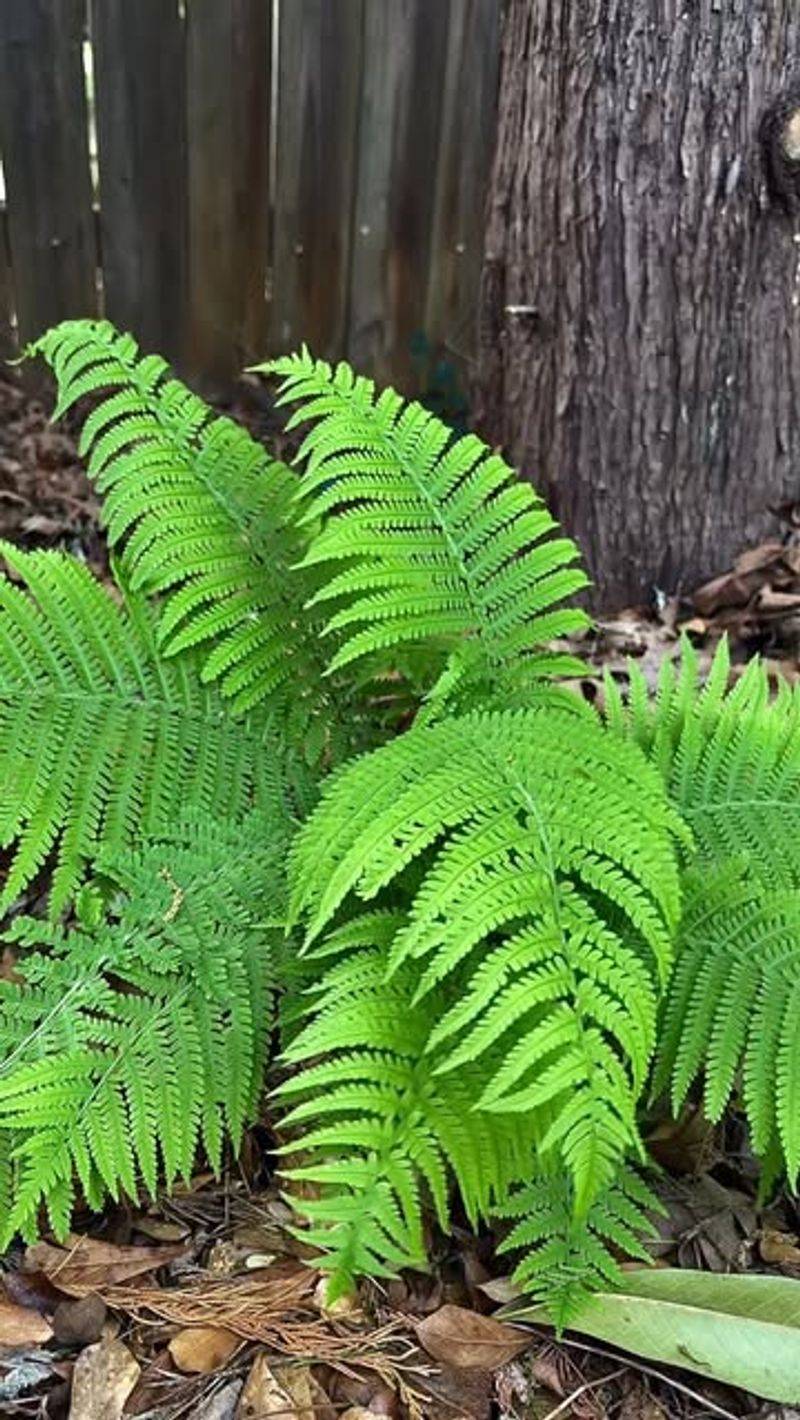
Some plants make you wait seasons before they look impressive. Ostrich Fern is not one of them.
Plant a decent-sized division in a shady, moist spot and it will reward you almost immediately with tall, arching vase-shaped fronds that can reach four to six feet in height within the very first season.
The effect is lush, dramatic, and instantly transforms a dull shaded corner into something that looks like a Pacific Northwest woodland.
Native to Michigan and the Great Lakes region, Ostrich Fern thrives in the moist, humus-rich soil found under deciduous trees. It spreads by underground runners, gradually forming wide, impressive colonies that look intentional and designed.
Once established, it creates a dense groundcover that suppresses weeds effectively, reducing the maintenance burden in areas that are otherwise difficult to manage.
The bold, architectural fronds make Ostrich Fern one of the most visually impactful shade plants available to gardeners. It pairs beautifully with hostas, astilbes, and native wildflowers like trillium and wild ginger.
The shorter, fertile fronds that appear in late summer are also used in floral arrangements and dried decorations. Young fiddleheads emerging in spring are even edible, making this plant both ornamental and surprisingly practical.
For anyone who needs fast, reliable, stunning results in a shady garden, Ostrich Fern is the answer.
10. Culver’s Root
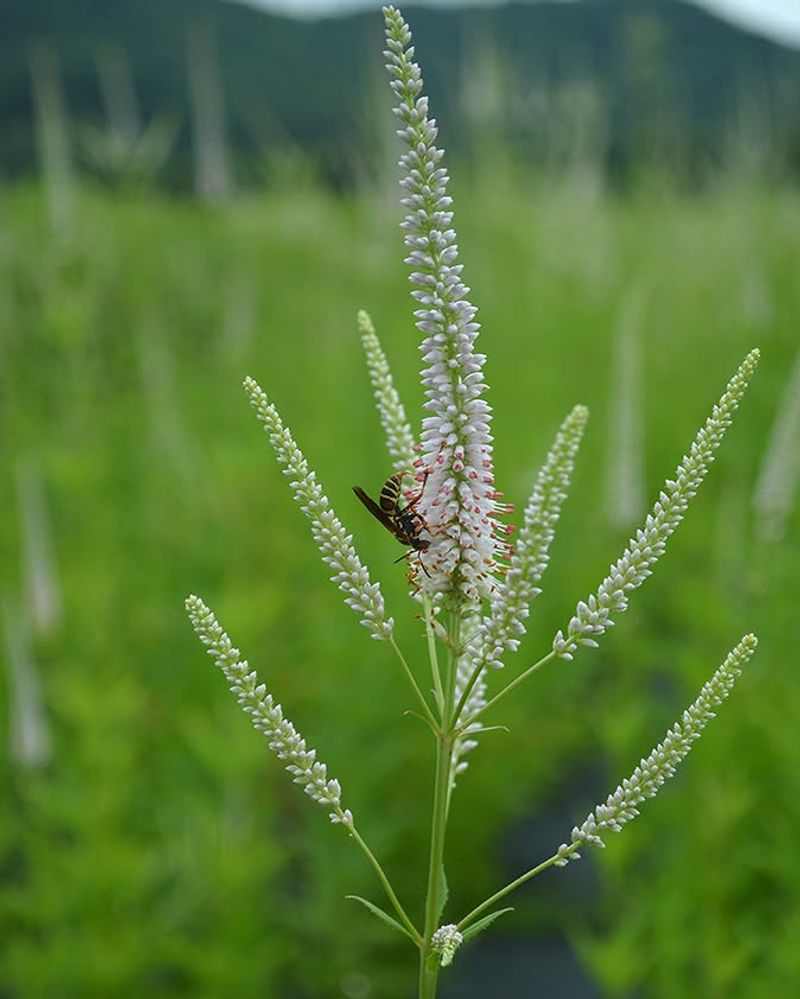
Tall, elegant, and loaded with slender white flower spikes, Culver’s Root is the kind of plant that makes a garden look professionally designed from the moment it blooms.
Unlike the fast spreaders earlier on this list, Culver’s Root earns its place through sheer visual presence rather than explosive growth.
A mature clump in full bloom is simply one of the most striking sights in any summer garden.
Veronicastrum virginicum grows steadily rather than explosively, but a well-established plant delivers instant impact every summer with flower spikes reaching five to seven feet tall.
The whorled foliage arranged in neat rings around the stem looks attractive even before the flowers open, giving this plant a refined, architectural quality that few other perennials match.
It blooms from July into August, bridging the gap between early summer and fall-blooming plants.
Pollinators absolutely swarm Culver’s Root when it is in bloom. Long-tongued bees, skippers, and various native bee species visit the flowers constantly throughout the day.
It performs best in full sun to light shade with consistently moist soil, making it ideal for Michigan rain gardens and moist native plantings.
Because it is slow to establish from small divisions, starting with a larger container plant gives you that bold, immediate visual impact in the first season.
Patience during the first year or two is rewarded with a truly magnificent, long-lived perennial centerpiece.