8 Plants New Jersey Gardeners Use To Cool Down Their Yards
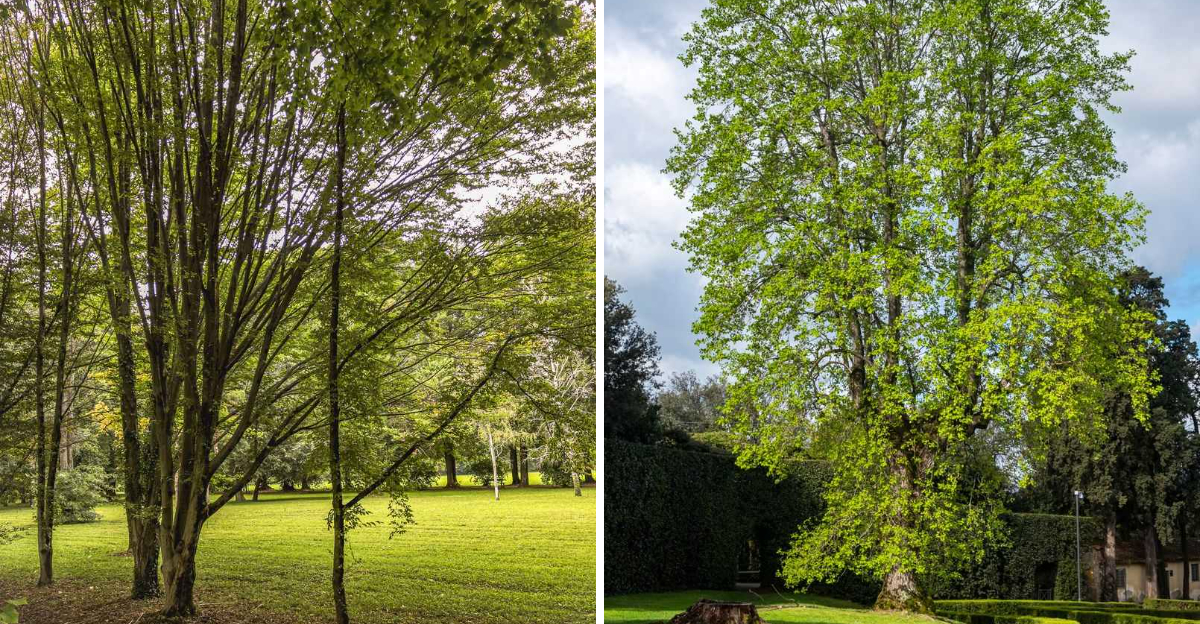
New Jersey backyards turn brutal by mid-July, with pavement radiating heat and grass giving up by noon. A few strategic plantings around your house can pull the temperature down several degrees without touching the thermostat.
Homeowners across the state are catching on to this trick, swapping bare patches and exposed decks for living shade. The payoff shows up fast: cooler porches, lower energy bills, and a yard that actually invites you outside after work.
Some options work best near windows, others along fence lines, and a few thrive tucked into tight urban lots. Each one earns its spot by blocking harsh afternoon sun exactly where it hits hardest.
1. Red Maple
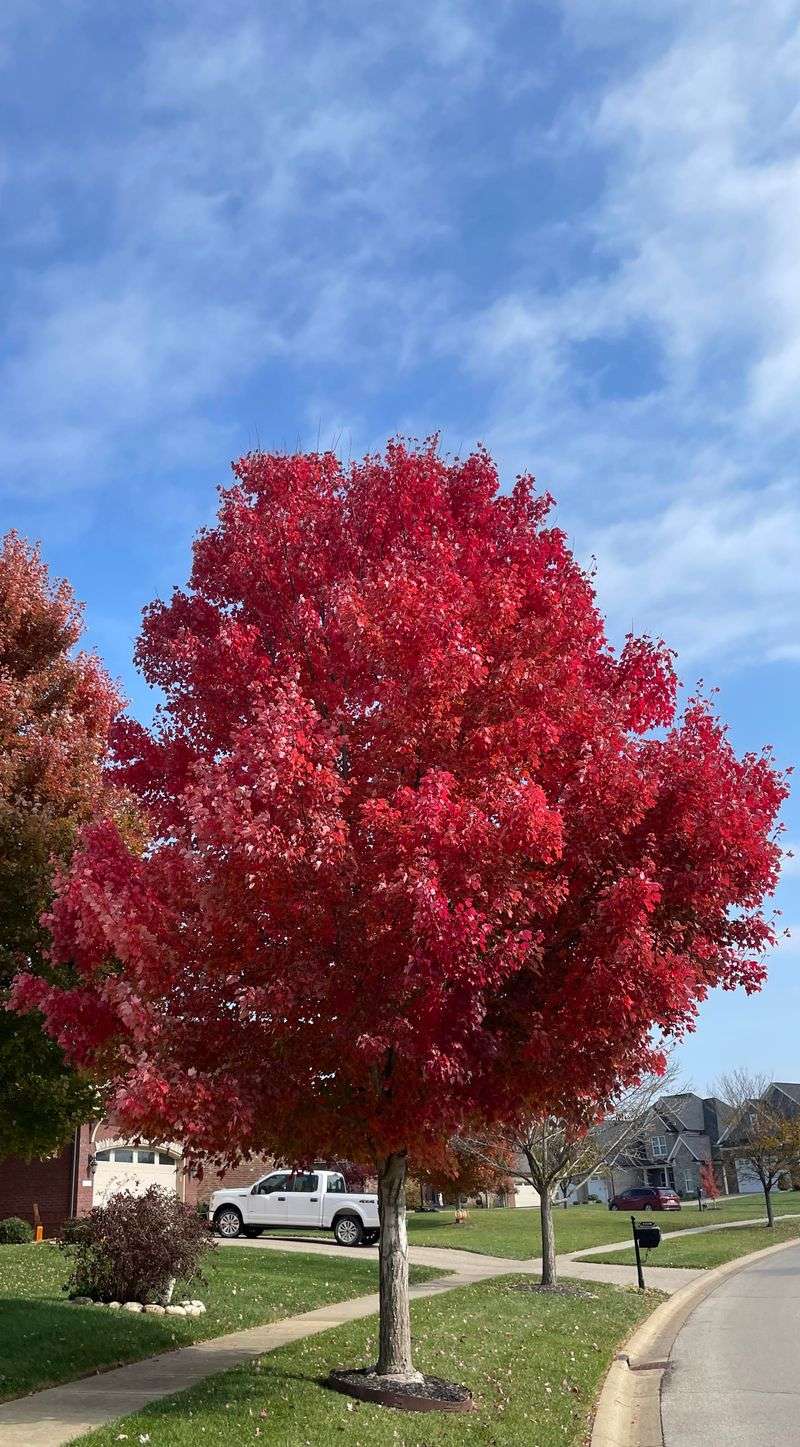
Few trees work as hard as the red maple. It grows fast, spreads wide, and turns your yard into a shaded retreat before you know it.
Red maples can grow one to two feet per year in good conditions. That speed makes them a favorite for homeowners who want results without waiting a decade.
The canopy spreads broadly, blocking direct sunlight from hitting your lawn, patio, and even your home’s exterior walls. Less sun on those surfaces means cooler outdoor temps and lower energy bills inside.
Planting one on the southwest side of your house gives you maximum afternoon shade. That is when summer heat peaks and comfort matters most.
Red maples thrive across most of the Garden State, handling both wet and moderately dry soils. They are adaptable without being fussy, which gardeners genuinely appreciate.
Small red flowers appear on bare branches in early spring, well before the leaves emerge. Bees and other early pollinators rely on that burst of color when little else is blooming yet.
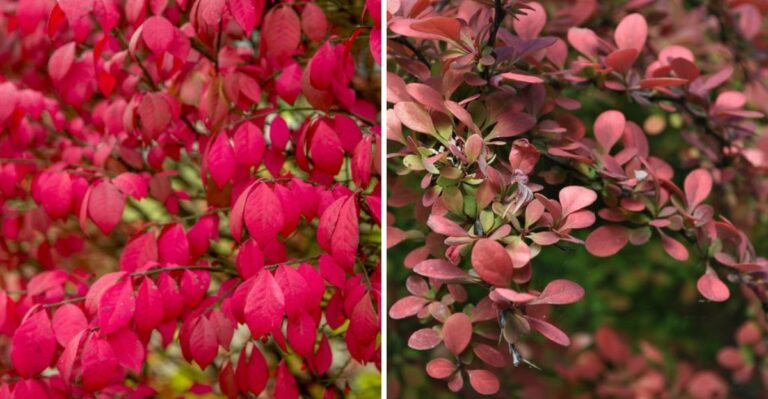
Come fall, the payoff doubles. Brilliant red and orange leaves light up the yard like nature’s own fireworks show.
You will want to give this tree plenty of room, since mature specimens reach 40 to 60 feet tall. Planting too close to structures is the one mistake to avoid.
A young red maple costs relatively little at most nurseries. For the shade and beauty it delivers over decades, that investment pays off every single summer.
2. Northern Red Oak
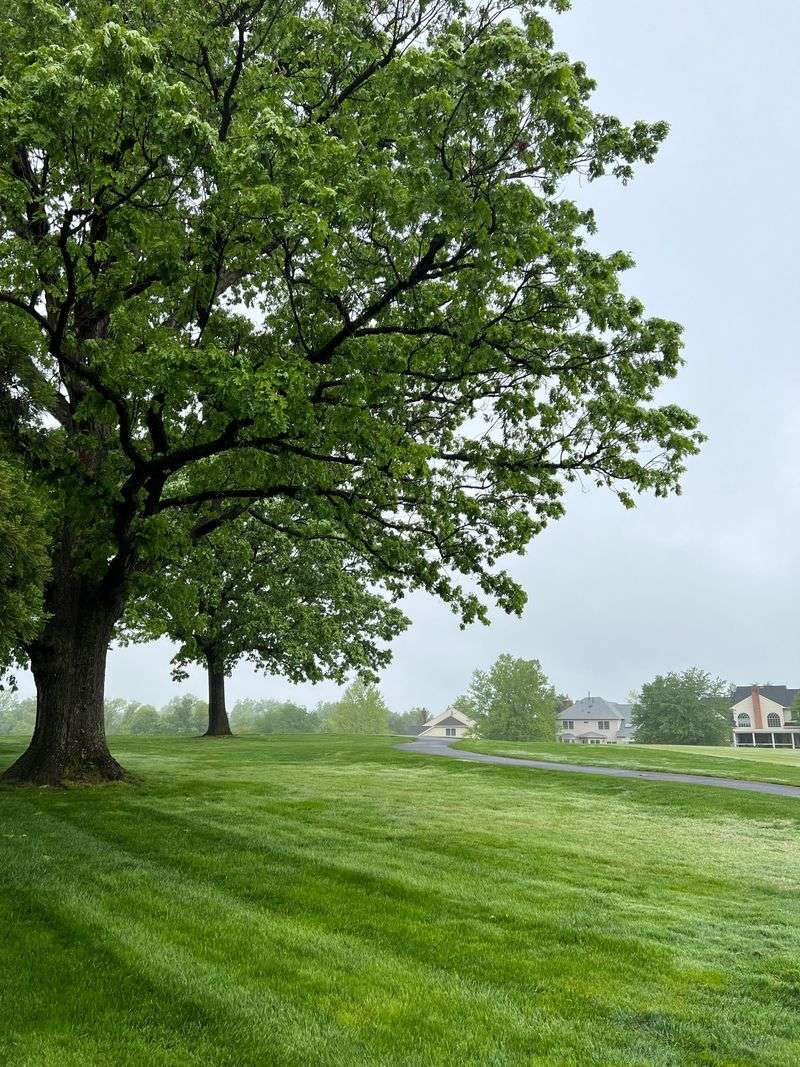
Compacted soil is one of the biggest headaches for suburban gardeners. Most trees struggle in it, but the northern red oak barely flinches.
This tough native tree pushes roots through dense, clay-heavy ground that would stop other species cold. That resilience makes it a go-to choice for neighborhoods with heavy foot traffic or construction history.
Northern red oaks grow to impressive heights, often reaching 60 to 75 feet at maturity. Their wide canopies cast deep, satisfying shade across large portions of a yard.
Established trees can handle summer drought surprisingly well. Once the root system gets settled, usually after two or three seasons, these oaks need almost no extra watering.
Wildlife loves this tree too. Acorns feed deer, squirrels, and birds, turning your yard into a mini ecosystem without any extra effort from you.
The leaves hold on into late fall, giving you extended shade coverage well past Labor Day. That extended season is a real bonus for outdoor entertaining.
Your New Jersey Garden Changes Every Week. Your Plan Should Too.
Gardening in New Jersey changes quickly throughout the season. Every Friday you’ll receive a simple weekly plan showing exactly what to plant, prune, fertilize, harvest, and protect so you never miss the right timing.
One thing to plan for is the acorn drop. A quick rake in autumn keeps things tidy and prevents slippery walkways near the tree.
For gardeners wanting a long-term investment, northern red oak delivers century-level staying power. Plant one now, and future generations will still be sitting in its shade decades from now.
3. Tulip Tree
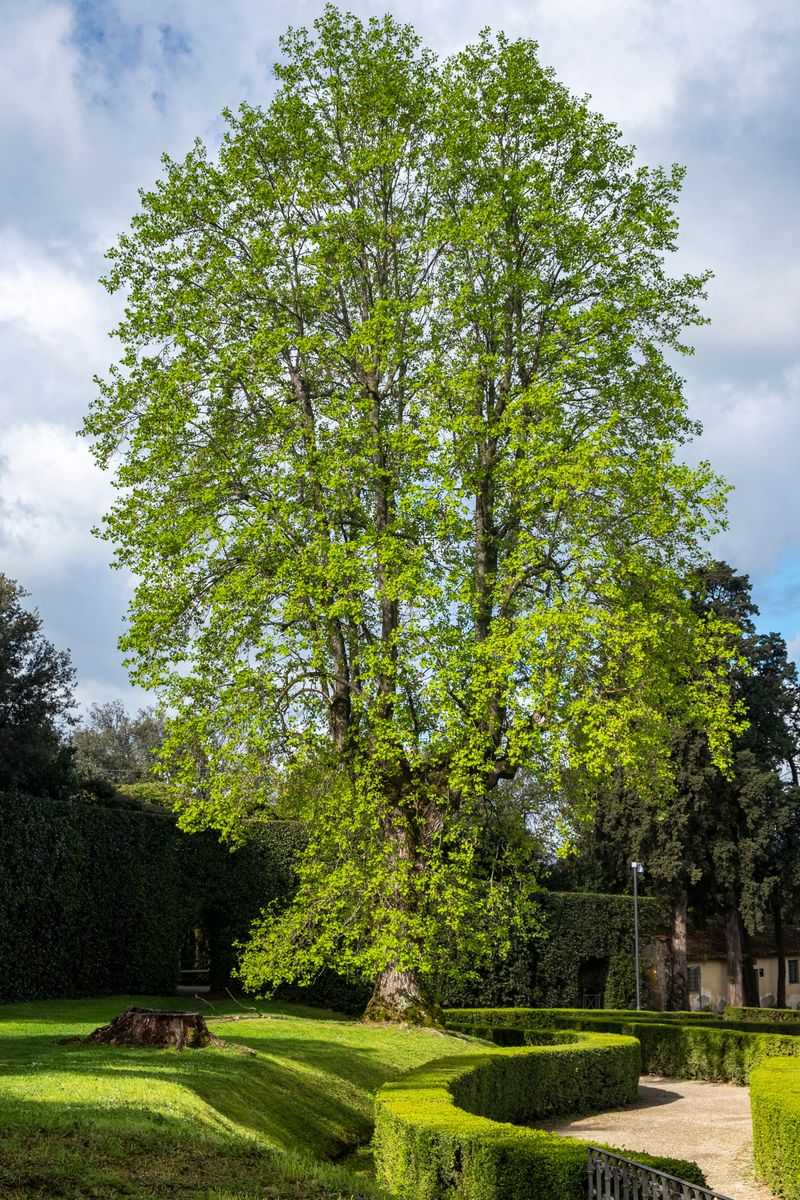
Want serious shade in a hurry? The tulip tree is built for exactly that job, growing fast and stretching high above most other yard trees.
Known scientifically as Liriodendron tulipifera, this native giant can reach 90 feet tall in the right conditions. That height translates into an enormous canopy that shades large areas all at once.
The leaves are uniquely shaped, almost like a tulip outline, which gives the tree instant visual charm even before it flowers. In late spring, yellow-orange blooms appear near the treetops and attract pollinators by the dozens.
Tulip trees prefer deep, moist, well-drained soil and full sun. A spot with room to grow is essential, since these trees need a wide footprint even though their canopy spreads narrower than their height.
Homeowners near open lots or large backyards get the most benefit. Smaller urban lots may find this tree too ambitious for the space available.
Growth rates average two to three feet per year under good conditions. Within ten years, you will have meaningful shade coverage over patios, decks, and outdoor seating areas.
Autumn brings another reward when the leaves turn a warm golden yellow. That seasonal color adds a finishing touch to the yard’s overall appeal.
For gardeners wanting the fastest possible shade, this towering beauty is a top-tier answer. Few trees match its combination of speed, size, and seasonal beauty.
4. River Birch
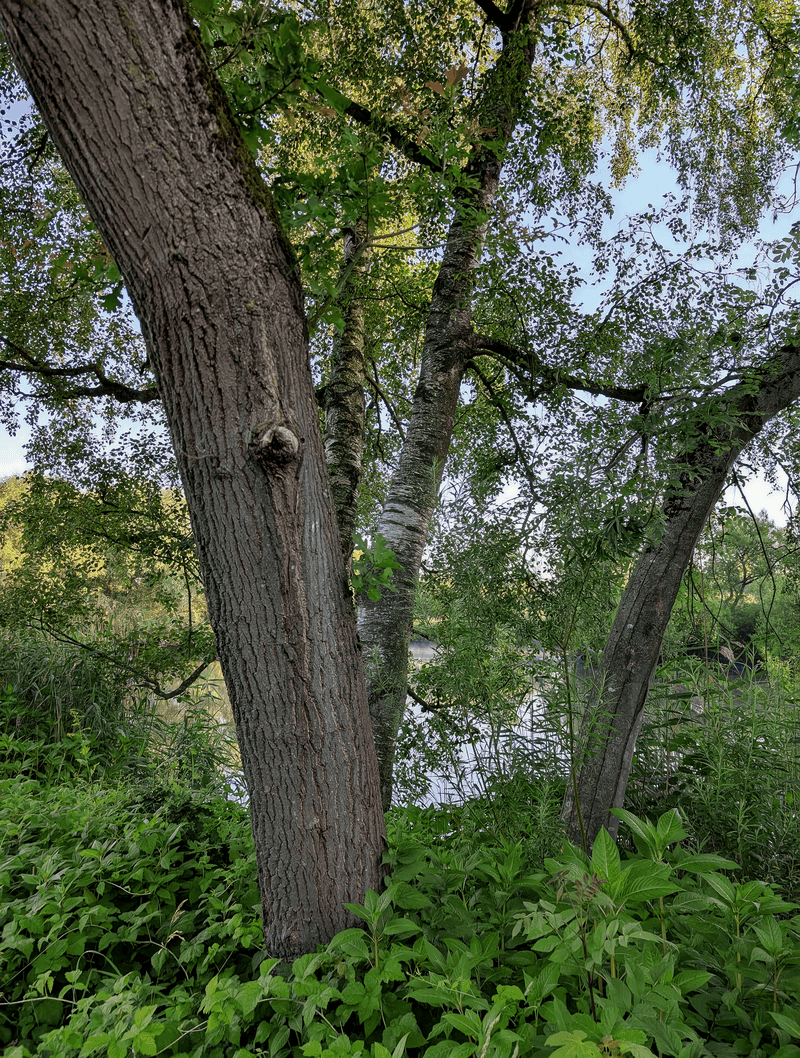
Peeling bark that curls like cinnamon ribbons makes the river birch one of the most visually striking trees you can plant. Beyond its good looks, this tree is a problem-solver for tricky yard conditions.
River birch thrives in spots that stay wet after rain, which is a common challenge in many New Jersey yards. It also handles drier periods once its roots get established, making it genuinely flexible.
The tree grows quickly, often adding two to three feet per year in favorable conditions. A multi-trunk form is common, giving it a sculptural presence that single-trunk trees simply cannot match.
Mature river birches reach 40 to 70 feet tall with a graceful, arching canopy. The dappled shade they produce is lighter than a dense oak, which suits gardens where some sunlight still needs to reach the ground.
The exfoliating bark peels back to reveal layers of cream, salmon, and brown underneath. Even in winter when the leaves are gone, this tree remains one of the most attractive features in the yard.
Birds love nesting in river birch branches, and the catkins it produces feed small songbirds through early spring. Planting one near a window gives you a front-row seat to the action.
Gardeners with low spots, drainage issues, or rain garden areas should put this tree at the top of their list. It turns a frustrating yard problem into a genuine focal point.
5. American Hornbeam
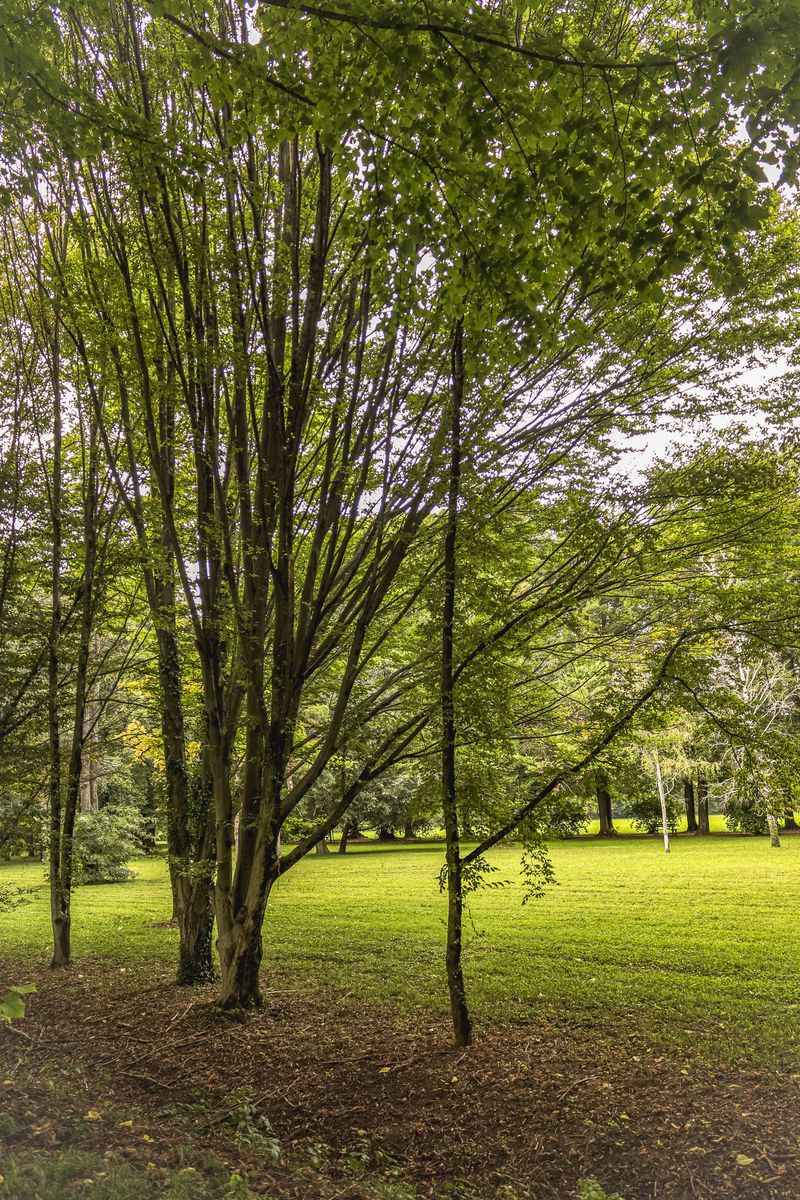
Not every yard has room for a towering oak or a spreading maple. The American hornbeam is the answer for smaller spaces that still deserve real shade.
This understory native typically tops out at 20 to 30 feet tall. That modest height makes it safe near power lines, fences, and homes where larger trees would cause problems.
The bark is one of its most unusual features, smooth and gray with a rippling, muscle-like texture. Landscape designers love it for that distinctive look, which adds character even in winter.
American hornbeam grows slowly, which means less pruning and maintenance over the years. Once established, it is remarkably self-sufficient, needing little beyond occasional cleanup of fallen leaves.
It thrives in partial shade, making it ideal for spots under larger trees where nothing else seems to grow. Plant it beneath a canopy and it will quietly fill in that awkward gap in your landscape.
Fall color on this tree ranges from orange to deep red, sometimes both on the same branch. That unpredictable autumn display keeps the yard interesting right through October.
Songbirds and small mammals rely on the seeds for fall and winter food. Adding this tree supports local wildlife without any extra work on your part.
For suburban gardeners with tight space but big ambitions, American hornbeam delivers shade, structure, and seasonal interest in a compact, manageable package that never overstays its welcome.
6. Sweetbay Magnolia
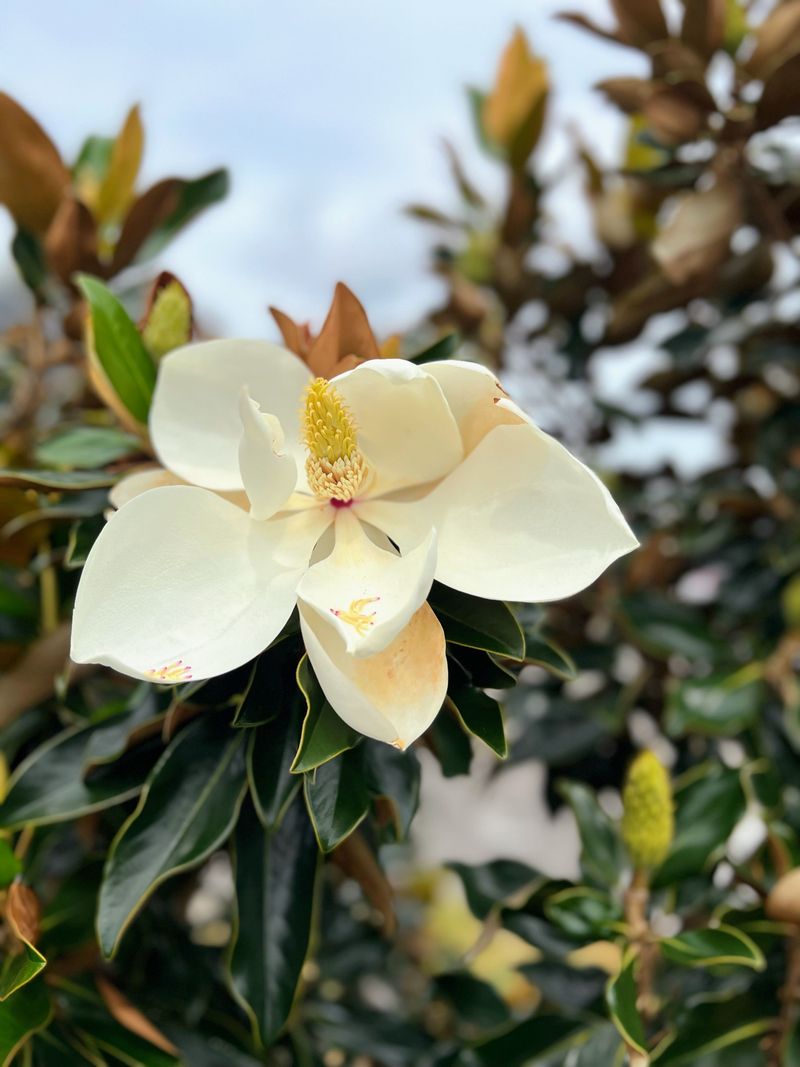
Creamy white flowers with a lemony vanilla scent make the sweetbay magnolia one of the most sensory-rich trees you can grow. It blooms in late spring and often pushes out a second round of flowers in early summer.
What sets this magnolia apart from its showier cousins is its tolerance for wet, poorly drained soil. Many yards in New Jersey sit over clay or have spots that stay soggy after rain, and this tree handles that with ease.
Sweetbay magnolia is semi-evergreen in mild winters, meaning it holds onto its leaves longer than most deciduous trees. That extended leaf coverage translates into more weeks of shade during the shoulder seasons.
The tree reaches 10 to 20 feet tall in most yard settings, though it can stretch taller in ideal conditions. Its refined scale makes it suitable for mid-sized yards where a full canopy tree would feel overwhelming.
Leaves are dark glossy green on top and silvery white underneath. When a breeze moves through, that two-toned shimmer catches the eye in a way that feels almost theatrical.
Planting near a patio or seating area lets you enjoy the fragrance up close during warm evenings. The scent carries surprisingly well on still summer nights.
Wildlife benefits too, as the red berries that follow the flowers attract birds through late summer and fall. For a tree this beautiful, the low maintenance requirements feel almost unfair in the best possible way.
7. Eastern Redbud
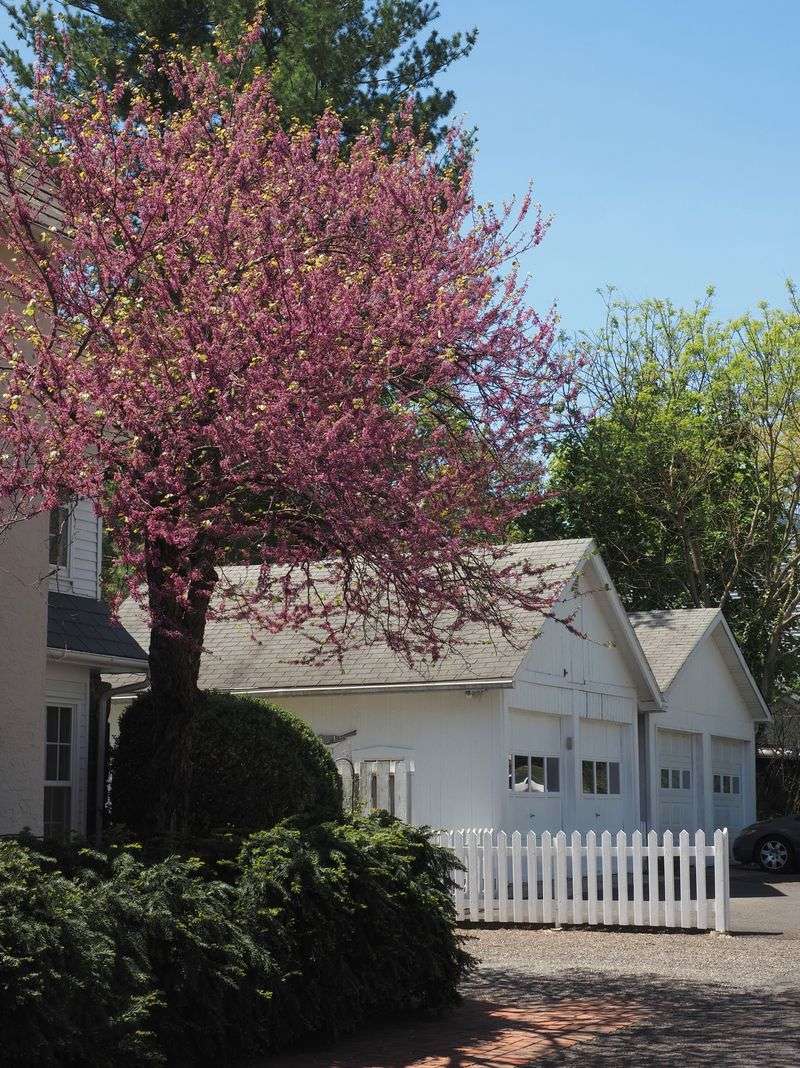
Before most trees even think about leafing out, the eastern redbud explodes in a cloud of magenta pink blossoms. It is one of the earliest signs that winter is officially done.
That early bloom is just the beginning of what this tree offers. Once the flowers fade, large heart-shaped leaves emerge and fill in quickly, creating a dense canopy by early summer.
Eastern redbuds stay relatively compact, usually reaching 20 to 30 feet tall and wide. That manageable size makes them perfect for front yards, side yards, or anywhere with limited overhead space.
The shade they provide is gentle and dappled, which suits gardens where you want light to filter through rather than block completely. Pair one with hostas underneath for a layered, lush look that feels designed.
Fall brings another visual reward when the leaves shift to clear yellow. That golden finish extends the tree’s seasonal interest well beyond its spring flowering moment.
Eastern redbud grows well in full sun to partial shade and adapts to a range of soil types. It is one of the more forgiving native trees for gardeners still learning the ropes.
Pollinators go wild for the early blossoms, which arrive when little else is blooming. Planting one near a garden bed gives your bees and butterflies a critical early-season food source.
For charm, flexibility, and seasonal drama, this tree earns its spot in the yard every single year without demanding much in return.
8. Hostas And Ferns
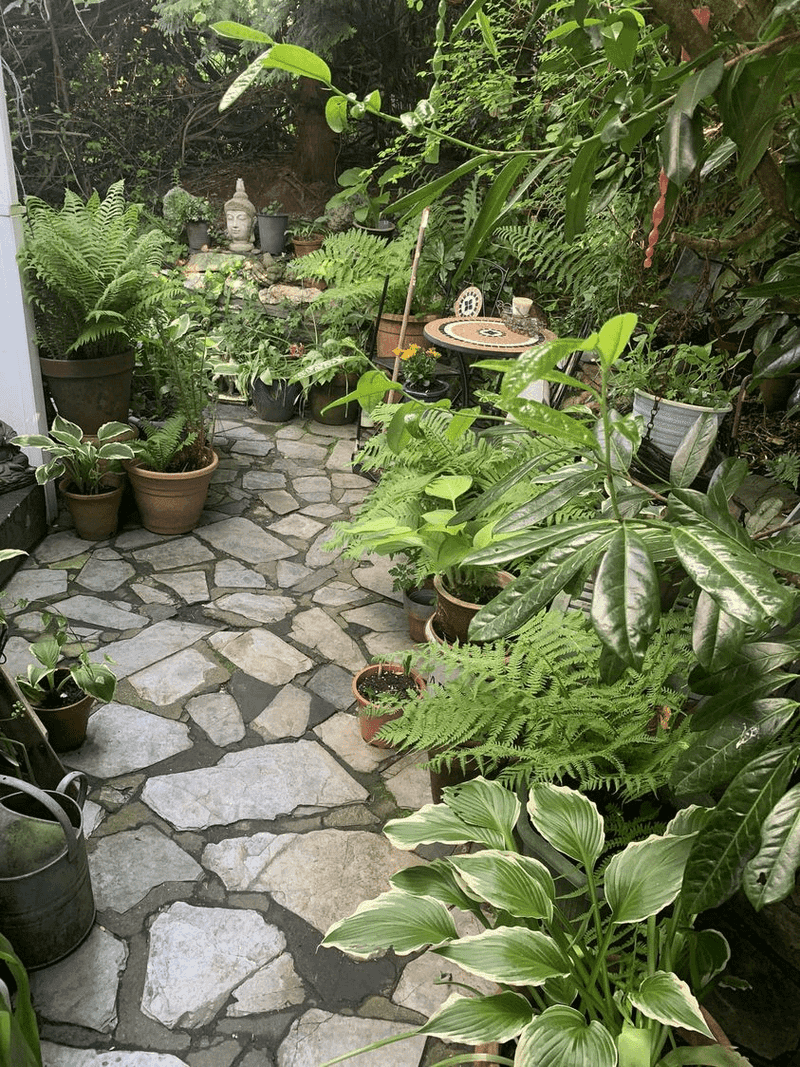
Ground-level cooling is just as important as the shade above it. Bare soil and mulch absorb heat, but hostas and ferns keep the ground beneath your trees genuinely cool and moist.
Hostas come in dozens of sizes and leaf colors, from blue-green giants to golden miniatures that fit tight corners. That variety means you can design a ground bed that looks intentional and polished rather than like a random afterthought.
Ferns add a different texture to the mix, with their feathery, arching fronds creating movement and softness. Together, hostas and ferns form a layered ground cover that fills in thickly over a few seasons.
Both plants thrive in shade, which makes them ideal partners for the larger trees on this list. Where tree roots compete with grass and grass always loses, these shade-lovers step in and win.
Hostas are practically foolproof once established, needing only occasional watering during dry spells. Ferns are similarly low-fuss, especially native varieties like cinnamon fern or interrupted fern that are already suited to local conditions.
Planting these under a red maple or tulip tree creates a complete cooling system, from canopy to ground. The effect on outdoor temperature in that zone is noticeable on even the hottest afternoons.
For gardeners tackling the toughest New Jersey summers, this pairing is the ground-level answer. Shade the soil, cool the air, and make your yard a place you genuinely want to spend time in all season long.