Plant These 8 Beans In June For A Bumper Crop Before Minnesota’s First Frost
The first time I direct-sowed beans in early June, I half-expected the short northern season to work against me. It did not.
Minnesota gardeners have a window that feels tight on paper but performs beautifully when you plant the right varieties at the right moment. The growing season here rewards preparation far more than it punishes brevity.
Certain bean varieties go from seed to table in as few as 50 days. That means a June planting lands a full, generous harvest deep into September, well ahead of the first frost in most parts of the state.
A backyard plot, a raised bed, or even a sunny patch of bare ground will do fine. The soil just needs to be workable, not wonderful.
Simplicity is the whole point. No complicated systems, no special equipment. Just the right seed dropped into the ground at the right time of year.
Upper Midwest growers have leaned on four specific varieties for decades, through generous summers and punishing ones alike. Season after season, these beans keep delivering.
1. Provider Beans
Some bean varieties show up and do the job quietly, but Provider shows up and consistently delivers. Gardeners across the Midwest have trusted this variety for decades, and for good reason.
Provider bush beans are known for producing heavy yields even when the soil is still a little cool, which makes them a near-perfect fit for June planting in Minnesota.
Maturity comes in around 50 to 54 days, so a June 1st planting can have you snapping fresh beans by late July.
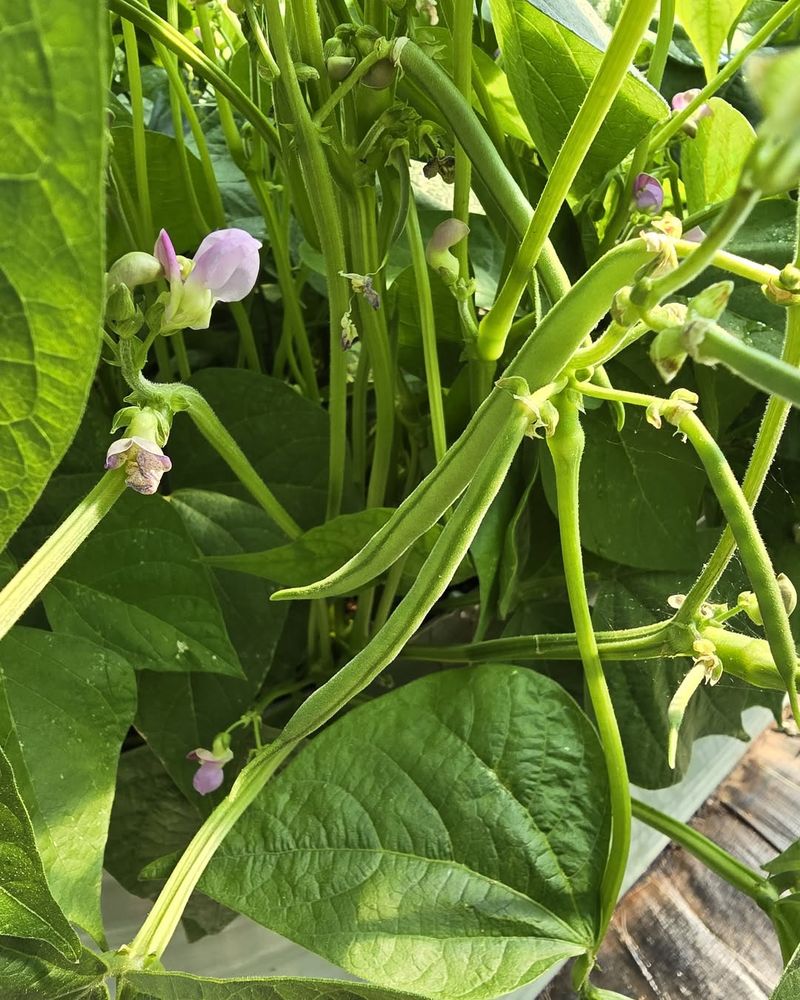
The pods grow straight, dark green, and tender, making them a pleasure both in the garden and on the dinner table. They hold up well in a light saute with butter and garlic, or simply blanched and tossed into a summer salad.
Provider plants are compact and bushy, reaching about 18 to 20 inches tall, so they fit neatly into raised beds or smaller garden spaces.
They are also notably resistant to common bean mosaic virus, which can wipe out less hardy varieties mid-season. That disease resistance is a real bonus when you are working against a tight growing calendar.
Planting is straightforward: sow seeds about one inch deep and three to four inches apart in full sun. Keep the soil consistently moist after planting, and you will see sprouts within a week.
If you stagger your Provider planting by two weeks, you can stretch the harvest window and enjoy fresh beans well into August. Provider is the dependable anchor that every Minnesota bean garden deserves.
2. Contender Beans
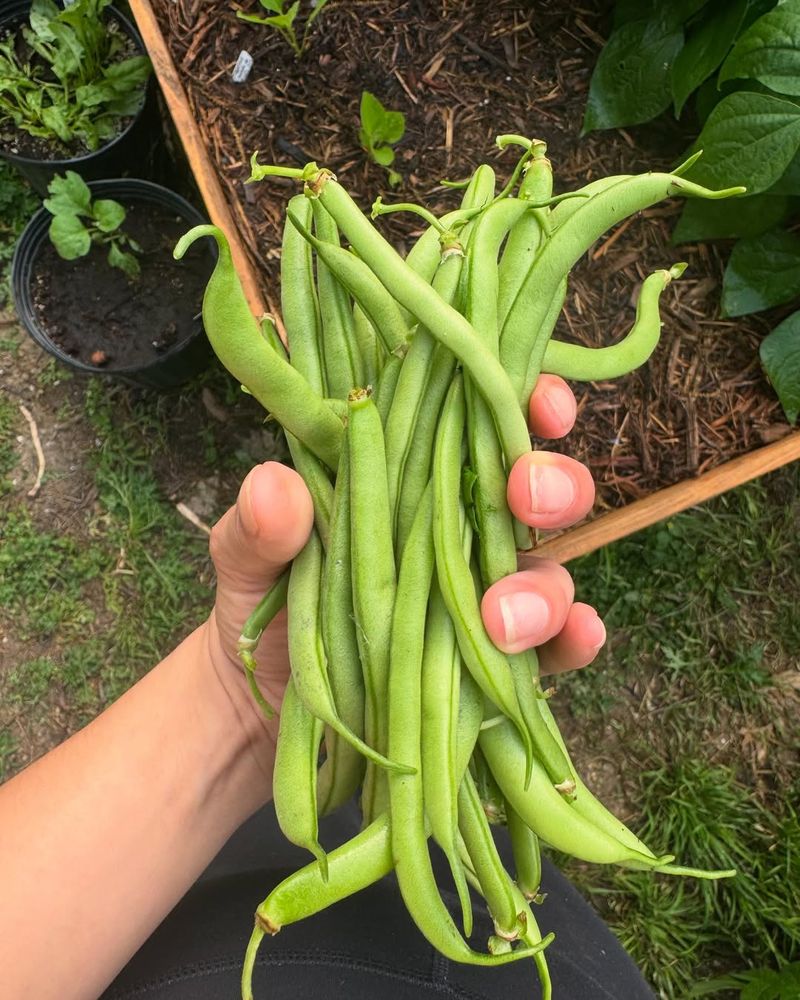
Picture opening a seed packet and feeling genuinely confident about what goes in the ground.
That is the Contender experience, and it has earned a loyal following among home gardeners who want results without fuss. This variety has been a staple in American vegetable gardens since 1949.
Contender matures in roughly 49 to 55 days, which puts it right in the sweet zone for a June planting before frost arrives in Minnesota.
The pods are round, medium green, and slightly curved, with a tender bite that holds even when the beans get a little larger than ideal harvest size.
Your Minnesota Garden Changes Every Week. Your Plan Should Too.
Gardening in Minnesota changes quickly throughout the season. Every Friday you’ll receive a simple weekly plan showing exactly what to plant, prune, fertilize, harvest, and protect so you never miss the right timing.
That forgiving quality is a lifesaver when life gets busy and you miss a day or two of checking the garden.
One of the biggest advantages Contender brings to the table is its tolerance for cooler soil temperatures.
Most beans sulk when the ground is still on the chilly side, but Contender germinates reliably even when June mornings feel more like May.
That early-season resilience can mean the difference between a strong start and a patchy, frustrating stand.
Plant seeds one inch deep and space them about three inches apart in rows roughly 18 inches wide.
Contender plants stay compact, so they work beautifully in both traditional row gardens and raised beds.
A light mulch around the base helps hold moisture and keeps weeds from stealing nutrients.
Once Contender gets going, it produces a generous flush of pods that practically beg to be picked and eaten fresh off the vine.
3. Blue Lake 274
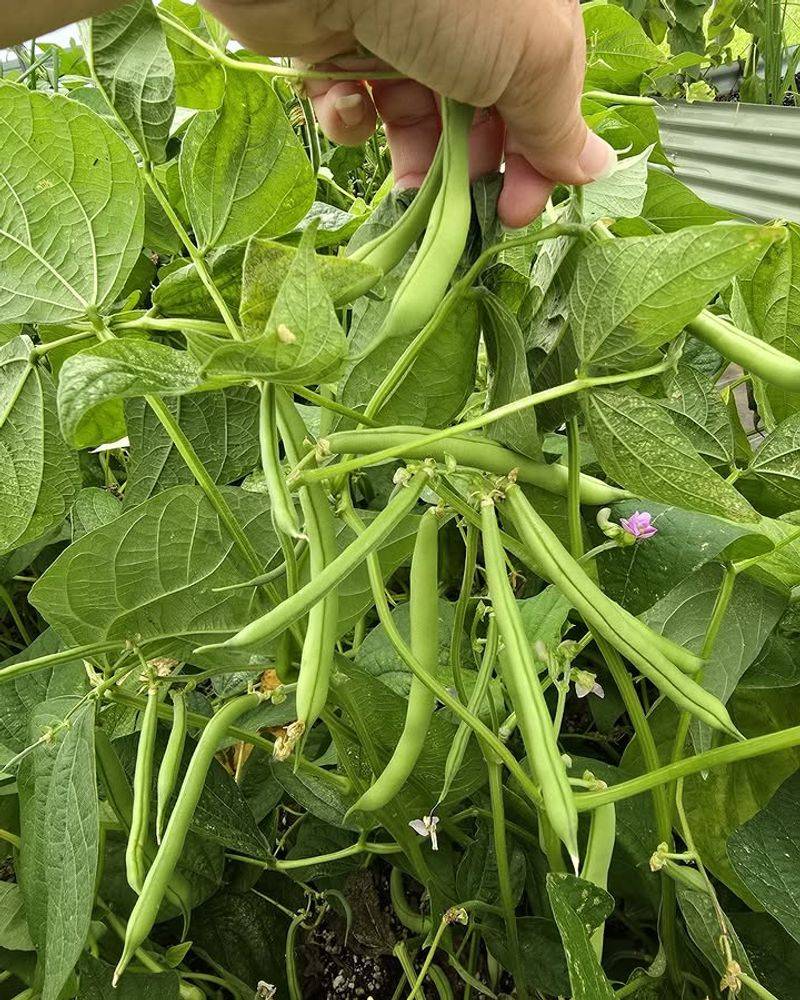
Blue Lake 274 is the bean that shows up in grandma’s garden stories and modern seed catalogs alike.
It has been a benchmark variety for flavor and texture since it was introduced in the mid-20th century, and it still sets the standard for what a fresh green bean should taste like. If you have ever eaten a truly exceptional green bean, it may well have been a Blue Lake.
This variety matures in about 54 to 58 days, which makes it a great candidate for a mid-June planting in Minnesota.
The pods are round, straight, and a rich, deep green that looks almost too good to eat. Almost.
The flavor is clean, slightly sweet, and holds up beautifully whether you steam, roast, or can them for later in the year.
Blue Lake 274 plants grow upright and uniform, which makes harvesting a breeze compared to sprawling or uneven varieties.
The bush form stays around 18 to 24 inches tall and produces a concentrated flush of pods, so you get a big harvest in a short window.
That concentrated production is especially useful when you are working with Minnesota’s compact growing season.
Sow seeds one inch deep, spacing them about three to four inches apart in full sun with well-drained soil. Water consistently but avoid soaking the foliage, since wet leaves can invite fungal issues.
Blue Lake 274 also freezes exceptionally well, so any surplus from your bumper crop can go straight into the freezer for warm, satisfying meals all winter long. This is the variety that earns its place in the garden every single year.
4. Jade
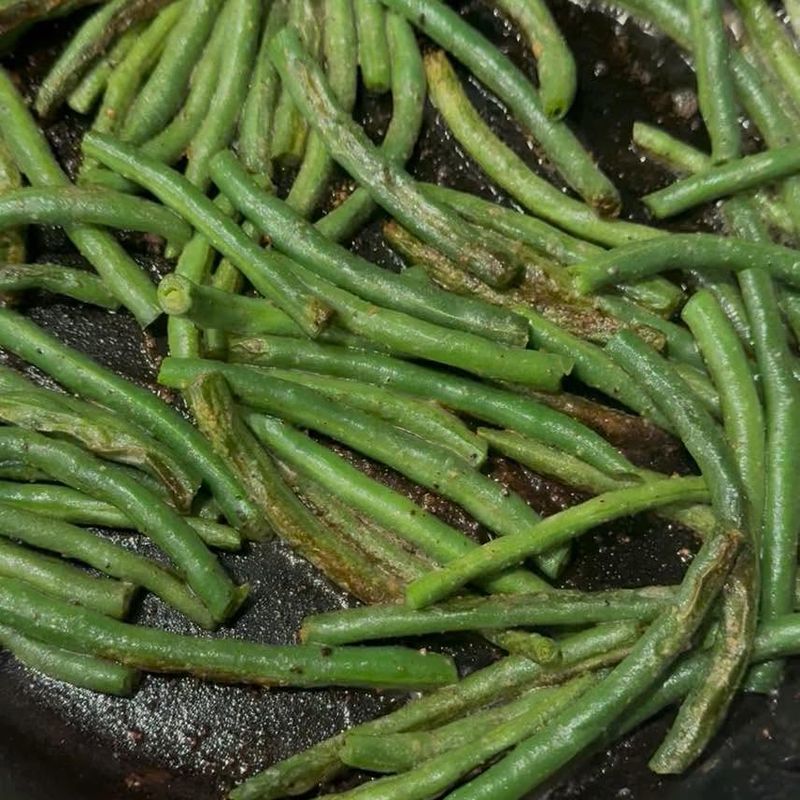
Long, elegant, and loaded with flavor, Jade bush beans look like something you would find at a farmers market with a premium price tag.
But grow them yourself in June, and you get all that beauty and taste for the cost of a seed packet.
Jade is a relatively newer variety compared to the old-school classics, but it has quickly become a favorite among gardeners who want both performance and presentation.
Maturity clocks in at around 53 to 60 days, which slots perfectly into a June planting schedule for beating Minnesota’s first frost.
The pods are noticeably longer than most bush bean varieties, often reaching six to seven inches, and they stay tender and stringless even as they fill out.
That stringless quality means less prep work in the kitchen and more time actually enjoying what you grew.
Jade plants are vigorous and upright, producing a heavy set of pods that tend to hang above the foliage for easy spotting and picking.
The dark green color is striking in the garden, and the pods have a firm, satisfying snap when they are at peak freshness.
Roasted with olive oil and sea salt, they are honestly hard to beat as a simple summer side dish. Plant Jade seeds one inch deep in full sun, spacing them three to four inches apart.
They thrive in loose, well-amended soil with consistent moisture throughout the growing period.
Jade also responds well to a light side-dressing of balanced fertilizer about three weeks after germination.
For a June planting in Minnesota, Jade is the variety that combines elegance with reliability in one impressive package.
5. Roma II
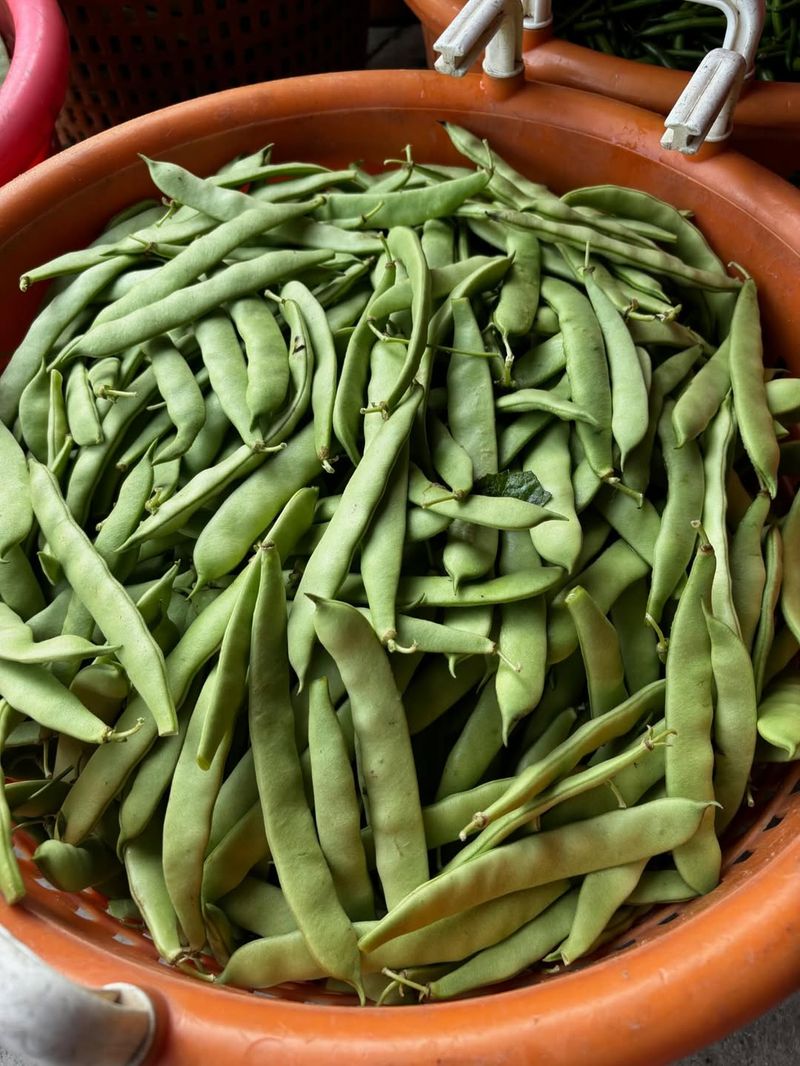
Roma II is a romano-type bush bean that delivers a broad, meaty pod with a flavor richness that standard round-podded varieties rarely match.
Maturing in 55 to 60 days, a June sowing in the upper Midwest positions the harvest comfortably in mid-to-late August, well clear of the first frost window.
Pods grow four to five inches long, noticeably wider and flatter than a conventional green bean, with a dense texture that holds up beautifully to long, slow cooking.
Strong disease resistance, particularly against bean common mosaic virus, gives Roma II a clear edge during the humid stretches that late July reliably brings.
Plants stay compact at 18 inches, require no staking, and produce a concentrated flush across two to three weeks that suits both fresh eating and preserving in equal measure.
Flavor intensifies when braised, roasted, or sautéed, developing a silkier texture and deeper savory note that raw preparation only hints at.
Soil should be loose and moderately fertile; overly rich ground encourages lush foliage at the expense of pod production, so go easy on nitrogen-heavy amendments.
Sow seeds one inch deep, four inches apart, with consistent watering every two to three days during dry spells to prevent the tough, leathery texture that drought stress causes.
A light mulch layer around plant bases conserves moisture and suppresses weeds without trapping the excess humidity that invites fungal trouble.
Roma II packs tightly into canning jars and retains color and texture through processing better than most alternatives, making it a natural choice for gardeners who preserve.
Pair a fresh sauté of Roma II with garlic and olive oil at the end of a long August harvest day and every bit of effort the season demanded suddenly feels worth it.
6. Kentucky Wonder Bean
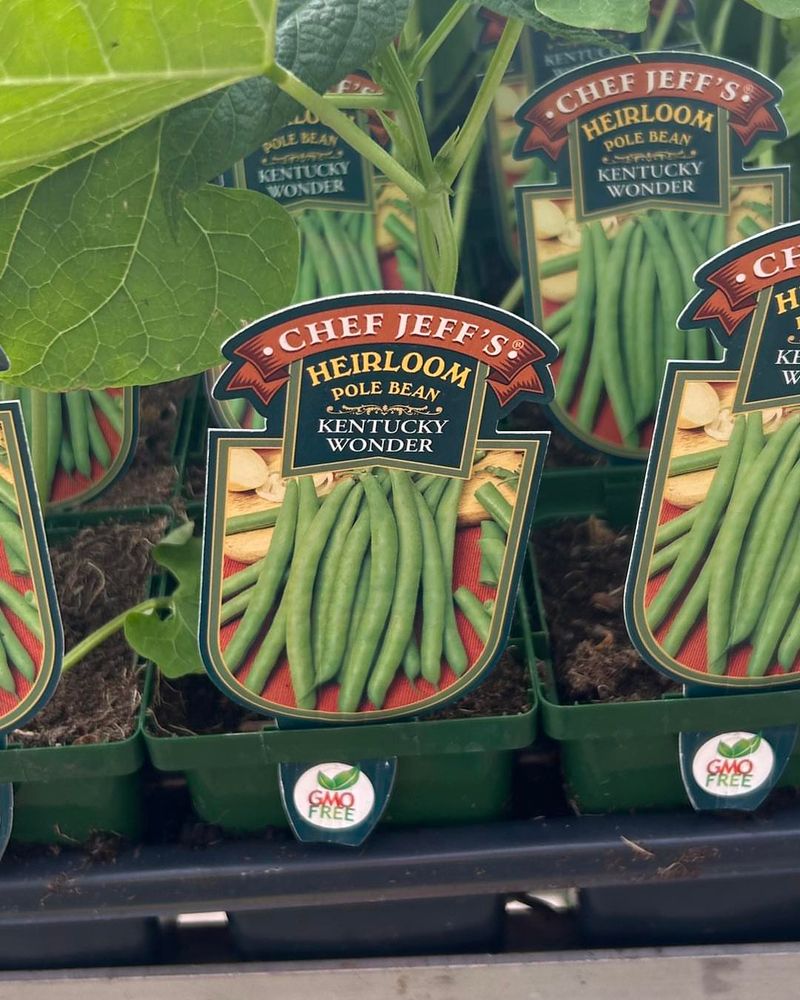
This bean has been feeding families since the 1860s. Few modern hybrids have matched its combination of flavor and yield.
That says everything about its reliability across generations of wildly different growing seasons.
Plant by June 10 in the upper Midwest. It matures in 60 to 65 days, landing a full harvest before the first frost arrives in mid-September. Pods grow six to nine inches long.
They are meaty, slightly flattened, and carry a savory depth that aggressively bred modern varieties rarely match.
Plants climb to six or seven feet. A sturdy trellis or teepee of tall stakes is non-negotiable from planting day forward. That vertical habit is actually an advantage in tight plots.
Kentucky Wonder pole bean produces an enormous harvest on a surprisingly narrow horizontal footprint.
Drought tolerance is another quiet strength. Once established, the vines push through dry August stretches with far less stress than nearby bush varieties show.
Prepare the site with compost worked eight inches deep. This is a heavy feeder and responds visibly to rich, moisture-retentive ground.
Sow seeds one inch deep and three inches apart along the trellis base. Thin to six inches once seedlings reach four inches tall.
Harvest pods when firm and the seeds inside are just beginning to swell. Waiting too long shifts the texture from tender to starchy, and the window to catch them right is shorter than most gardeners expect.
Blanch and freeze the surplus straight from the garden. The flavor holds exceptionally well through winter, stretching one August afternoon of picking into months of satisfaction at the table.
Build the trellis in June and this heirloom will give back far more than the effort ever cost.
7. Dragon Tongue
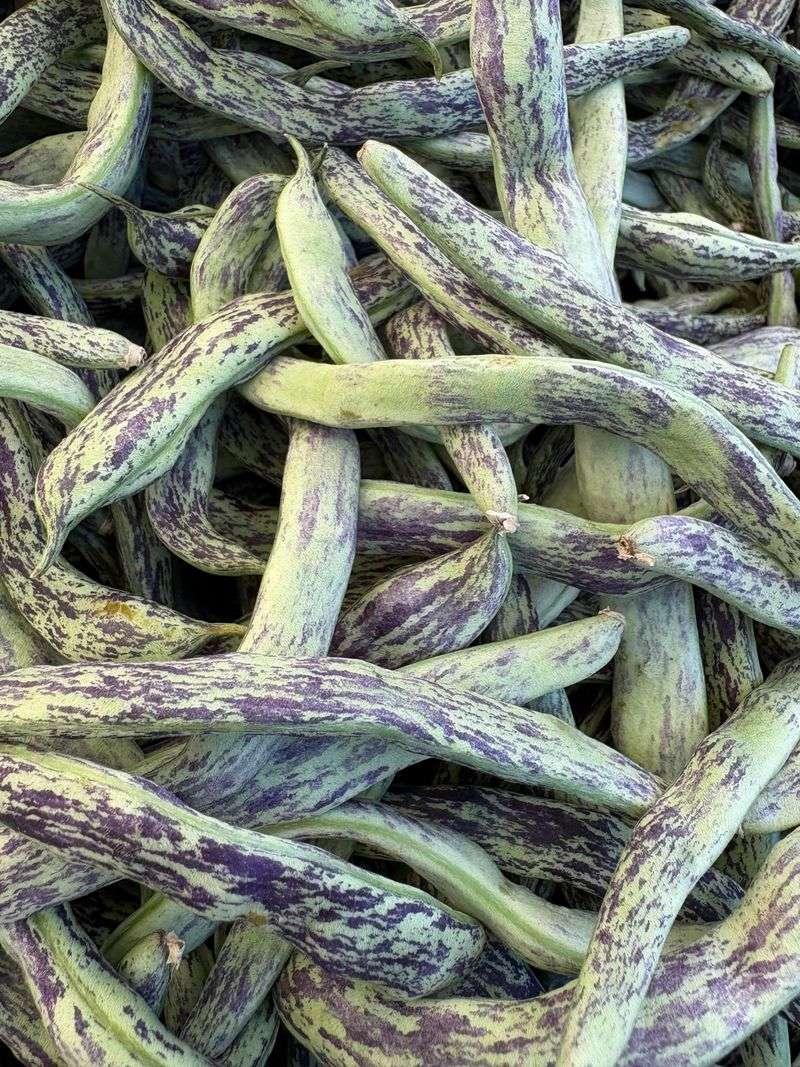
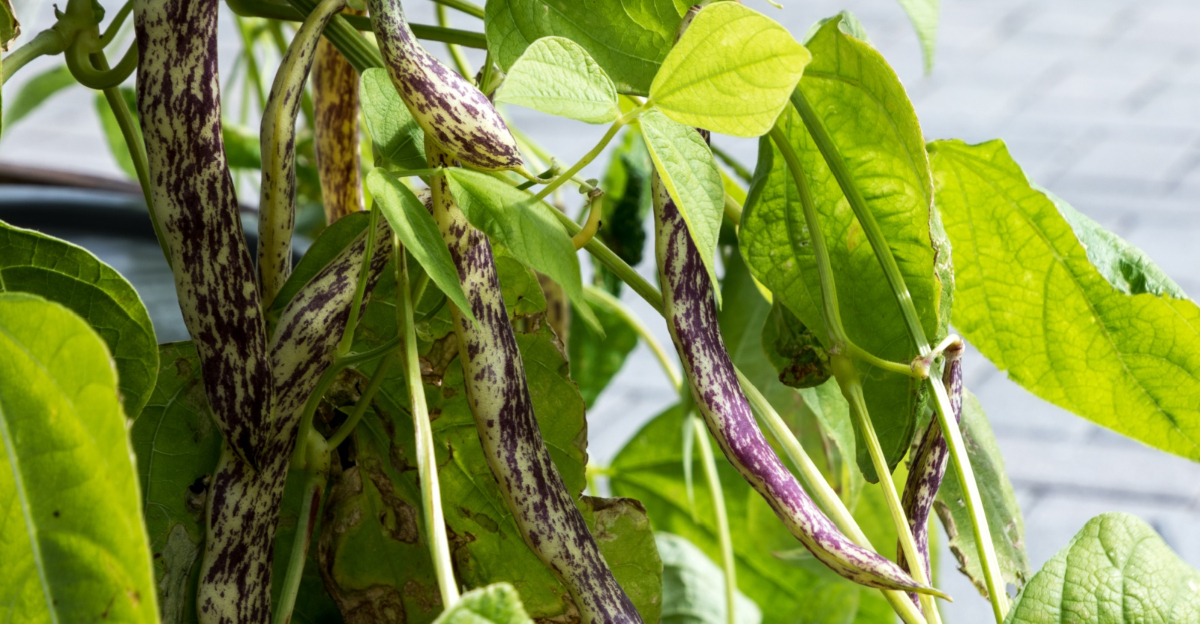
Creamy yellow pods laced with vivid purple streaks stop people in their tracks. Dragon Tongue is one of the most visually arresting vegetables a home garden can produce.
It originates in the Netherlands and has built a devoted following among growers who refuse to settle for ordinary. The flavor backs up every bit of the fanfare. The taste leans nutty and buttery.
It is noticeably richer than standard green beans, which surprises anyone tasting it fresh off the vine for the first time. Dragon Tongue bean matures in 55 to 60 days.
That fits comfortably inside the growing window for a June planting across the upper Midwest. Plants stay compact at around 18 inches.
They require no trellis and push through July heatwaves with a heat tolerance that makes other varieties sulk and stall. Pods are stringless when harvested young.
That makes prep fast and the eating experience smooth and clean right from the garden. Sow seeds one inch deep after soil reaches 60°F.
Space plants five to six inches apart with 18-inch row spacing to encourage good airflow between the foliage. Consistent moisture during pod development is the single most important care step.
Dry spells cause uneven growth and reduced tenderness at harvest, so water regularly once pods begin forming. Raw pods shine on a crudité platter.
They hold their crunch longer than green beans and draw immediate curiosity from anyone who has never seen the variety before.
Here is what catches people completely off guard: every purple streak vanishes the moment the pods hit boiling water, leaving them fully yellow-green when cooked.
Grow Dragon Tongue once and the only question next spring will be how many more rows you can fit.
8. Strike Beans
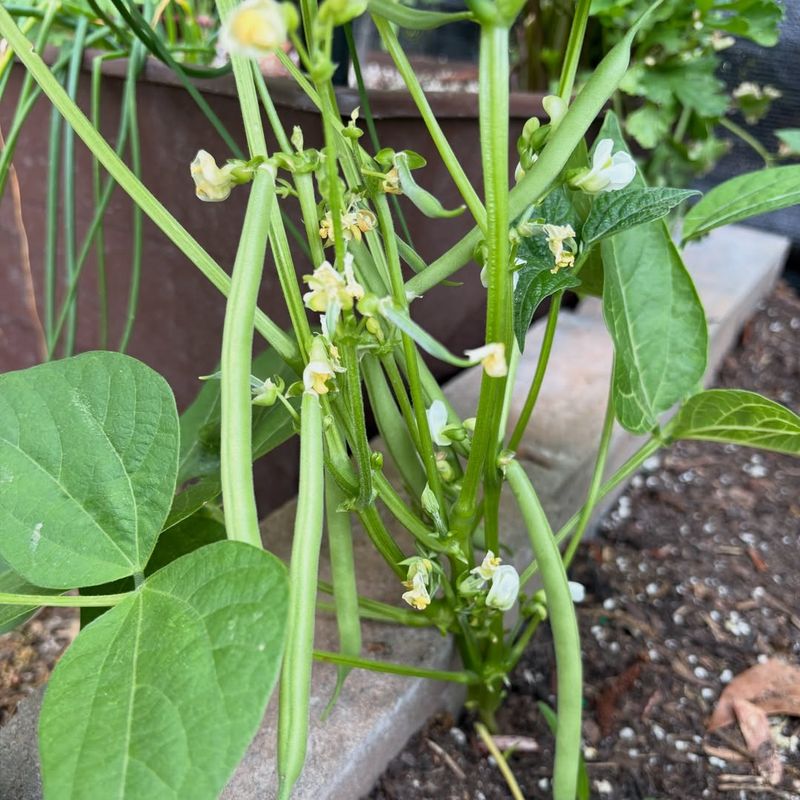
Few bush beans show up as consistently as Strike does when June temperatures swing wildly.
Strike bean earned its All-America Selections award not for novelty but for flat-out dependability in unpredictable growing conditions. It germinates quickly even when soil hovers around 60°F.
That matters enormously for northern gardeners planting in early June when the ground is still shaking off the cold. Pods develop straight and slender.
They mature in 53 to 57 days with a tenderness that holds long after most varieties would have toughened up. That staying power on the vine gives growers a forgiving harvest window.
It is a quiet luxury when life gets busy in late summer. Disease resistance rounds out the picture. Strike stands firm against common bean mosaic virus and powdery mildew that can ruin lesser varieties mid-season.
Plants grow to a compact 18 inches, needing no staking. That leaves room to succession-plant a second sowing two weeks behind the first for a longer continuous harvest. Direct sow seeds one inch deep and four inches apart.
Loose, well-drained ground with a pH between 6.0 and 6.8 gives this variety its best possible start. Water at the base rather than overhead.
Keeping foliage dry reduces the fungal pressure that humid August nights can invite onto susceptible plants. Home canners and freezer-fillers gravitate toward Strike for good reason.
Pods retain color and texture through processing far better than many alternatives on the market. A single June sowing can stretch harvests across three to four weeks, an output that feels outsized for such a compact, unfussy plant.
Once you taste what a perfectly timed Strike harvest delivers, planting June beans without it stops making sense.