The Soil Amendment Mistake That Makes Arizona Desert Gardens Fail Every Year
Everything starts off looking promising. Fresh plants go into the ground, the garden bed looks improved, and new growth appears within weeks.
For a while, it seems like all the preparation paid off. Then the problems begin.
Plants struggle through summer, watering becomes more frequent, and the garden never performs the way it should.
The cause is not always obvious. In many cases, the trouble started before the first plant was even added.
A common soil practice that sounds helpful can create conditions that work against desert plants instead of supporting them.
Arizona gardens grow in very different conditions than gardens in cooler or wetter regions. Methods that produce great results elsewhere do not always translate well to desert soil.
That is why one simple mistake continues causing problems in garden beds year after year.
1. Adding Too Much Organic Matter Creates Problems
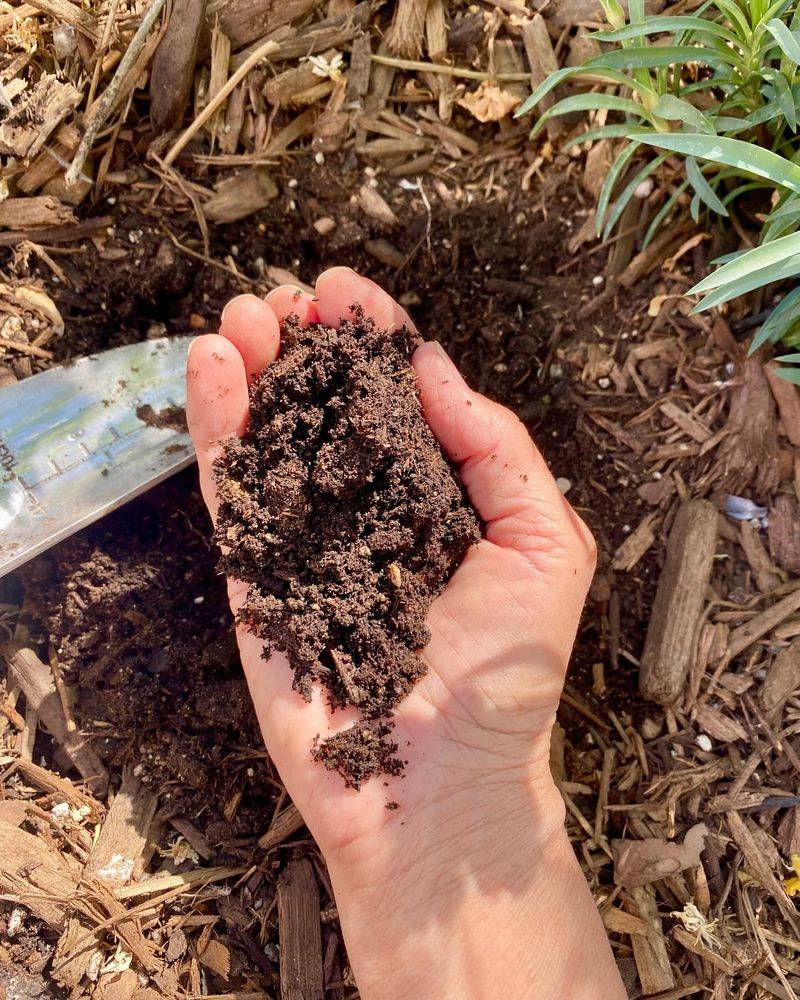
Piling on the compost feels generous, but desert plants did not evolve in rich soil. Native species like palo verde, brittlebush, and desert marigold thrive in lean, gritty ground.
Adding too much organic matter changes the soil chemistry in ways those plants simply do not expect.
Organic matter holds moisture. In a humid climate, that is a feature.
In a hot, dry desert environment, it becomes a liability. Roots sitting in retained moisture during summer heat can develop rot quickly.
What looks like a nutrient boost can actually stress the plant.
Excess compost also changes the soil texture. Sandy desert soil drains fast by design.
Mix in heavy organic material, and drainage slows down considerably. Water pools where it should not, and roots suffer in waterlogged pockets during monsoon season.
A little compost mixed into the backfill is not always harmful, especially for vegetable beds. But for native and desert-adapted plants, less is genuinely more.
Some experienced desert gardeners skip the amendment entirely and report better results than when they tried to enrich the soil.
2. Rich Soil Pockets Can Trap Water Around Roots
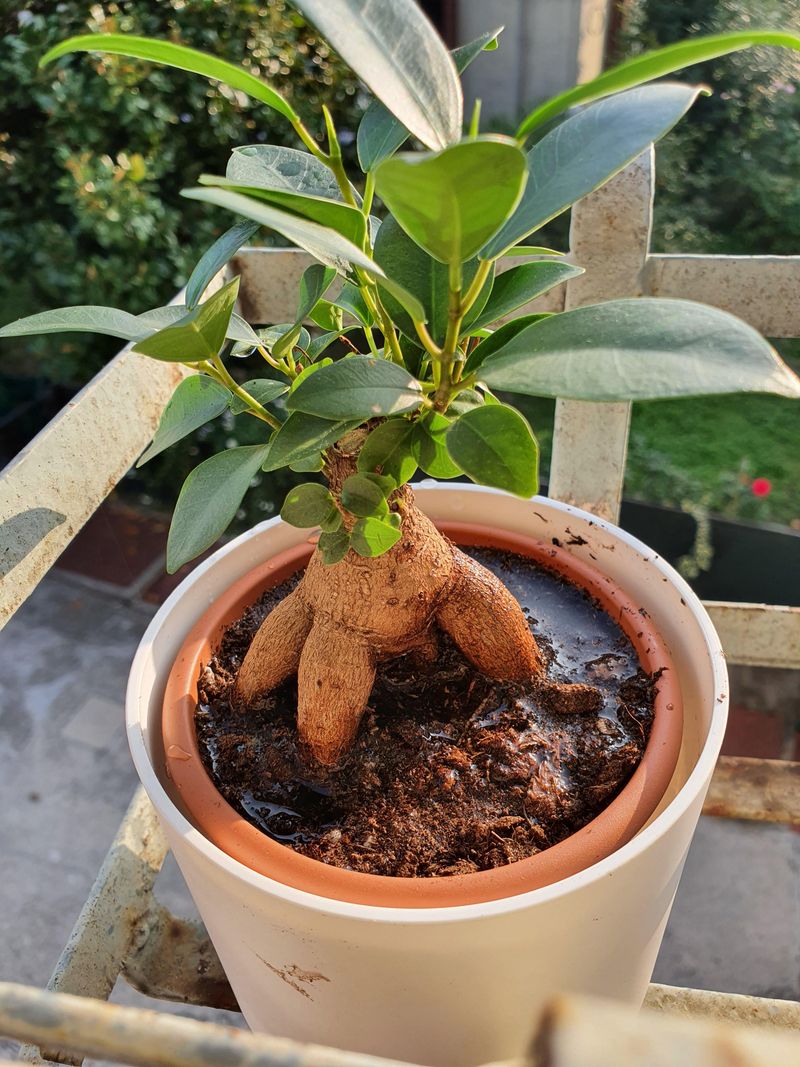
Picture a sponge sitting inside a bucket of sand. That is essentially what happens when you fill a planting hole with rich amended soil in a desert garden.
Water flows through the surrounding native ground quickly, but slows down sharply when it hits the organic pocket.
Roots in that pocket stay wet long after the surrounding soil has dried out. During monsoon rains or heavy irrigation cycles, the problem gets worse.
Water collects in the amended zone and has nowhere to go because the native soil around it drains at a different rate.
Soil scientists call this a perched water table effect. It happens when two soil types with very different drainage rates sit next to each other.
The boundary between them acts almost like a barrier. Water backs up instead of moving through.
Cacti, agaves, and other succulents are especially vulnerable to this setup. Their roots are designed to absorb water fast and then dry out quickly.
Sitting in a wet pocket even for a few days can cause serious root damage. Signs often do not appear above ground until weeks later.
Your Arizona Garden Changes Every Week. Your Plan Should Too.
Gardening in Arizona changes quickly throughout the season. Every Friday you’ll receive a simple weekly plan showing exactly what to plant, prune, fertilize, harvest, and protect so you never miss the right timing.
Avoiding this problem is straightforward. Match your backfill soil closely to the native soil already in the ground.
3. Roots Often Stay Inside The Amended Area Instead Of Spreading Out
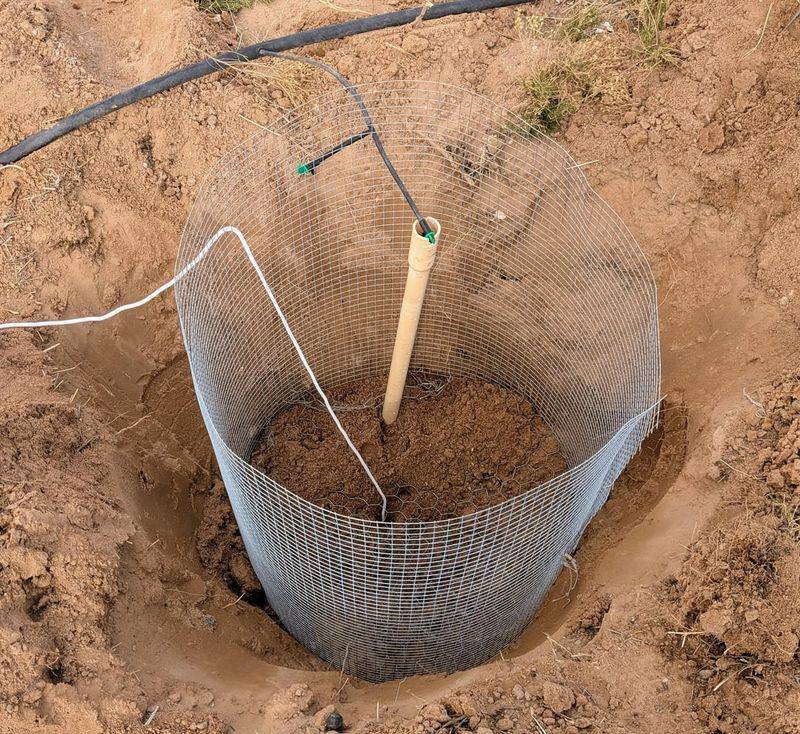
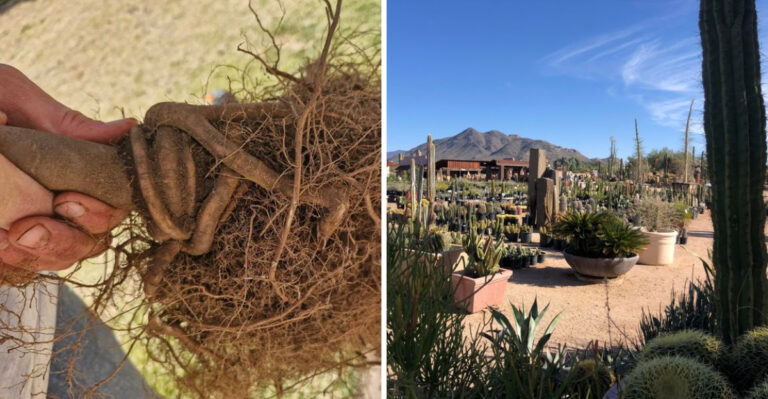
Roots always follow the path of least resistance. When amended soil sits inside a planting hole, roots find it easy to grow there and hard to push into the compacted native ground surrounding it.
Over time, the plant becomes pot-bound inside the ground.
A plant with roots confined to a small area cannot access the moisture stored deeper in the native soil. It also cannot anchor itself properly.
In a wind-prone desert environment, shallow or restricted roots mean the plant is far more vulnerable to being uprooted or leaning badly after storms.
Long-term, restricted roots limit the plant’s ability to grow to its natural size. You might notice a transplanted tree or shrub that looks healthy for a season or two, then suddenly stops putting on new growth.
Restricted roots are often the reason. The plant has simply run out of usable space underground.
Encouraging roots to spread outward takes deliberate effort. Water placement matters a lot.
Placing drip emitters farther from the trunk as the plant matures pulls roots outward into the native soil. Watering deeply and less frequently also encourages roots to chase moisture downward and outward.
Avoid creating conditions that make the amended hole more appealing than the surrounding native ground.
4. Desert Plants Perform Best In Soil That Drains Naturally
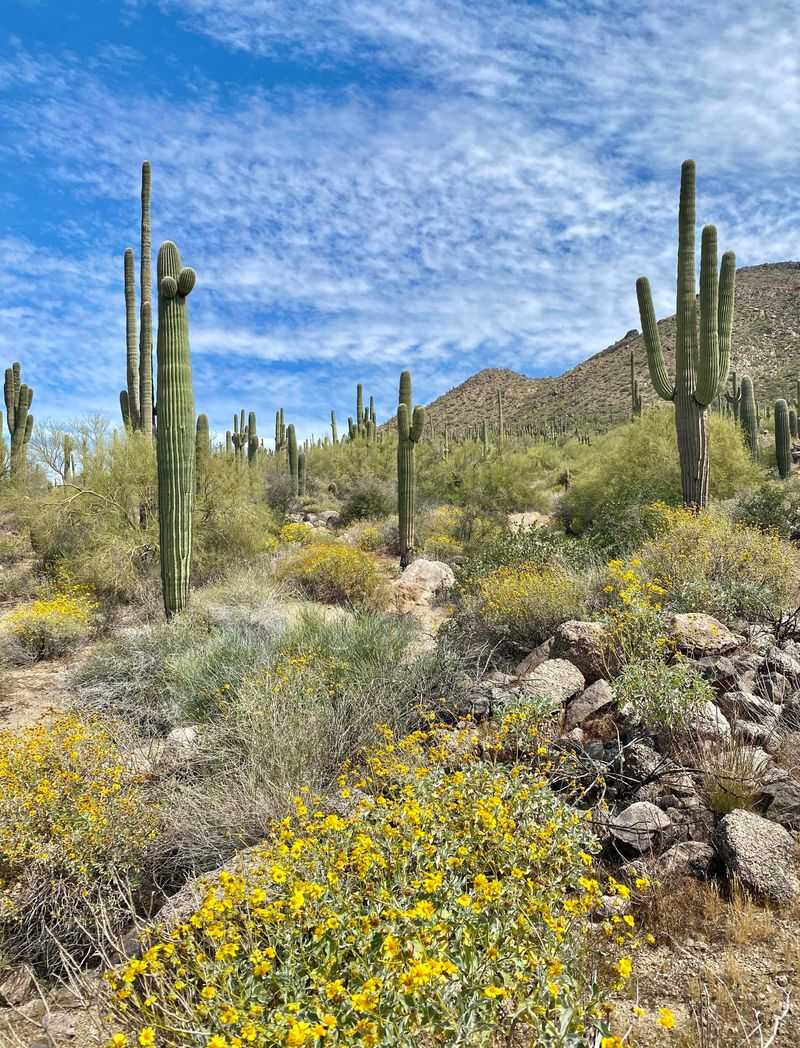
Fast drainage is not a flaw in desert soil. It is the whole point.
Most desert-adapted plants are built to absorb water quickly during rain events and then tolerate long dry stretches. Soil that drains fast supports exactly that cycle.
When you slow down drainage with amendments, you interrupt that natural rhythm. Roots that expect dry conditions between waterings end up sitting in moisture longer than they can handle.
Root systems adapted to intermittent water stress are not equipped to manage constant dampness.
Rocky, sandy, and even caliche-heavy soils found across the desert Southwest are not poor soils from a native plant perspective. They are precisely calibrated environments.
Plants that evolved in those conditions over thousands of years are genuinely adapted to the mineral content, pH, and drainage speed of that native ground.
Improving drainage is sometimes necessary, especially in compacted clay areas or spots where water sits after rain. In those cases, loosening compacted soil and planting on raised mounds often improves drainage while preserving the natural soil structure.
That approach works with desert conditions rather than against them.
Selecting plants that match your specific soil type is always more reliable than trying to change the soil to match the plant.
5. Surface Compost Works Better Than Filling Planting Holes
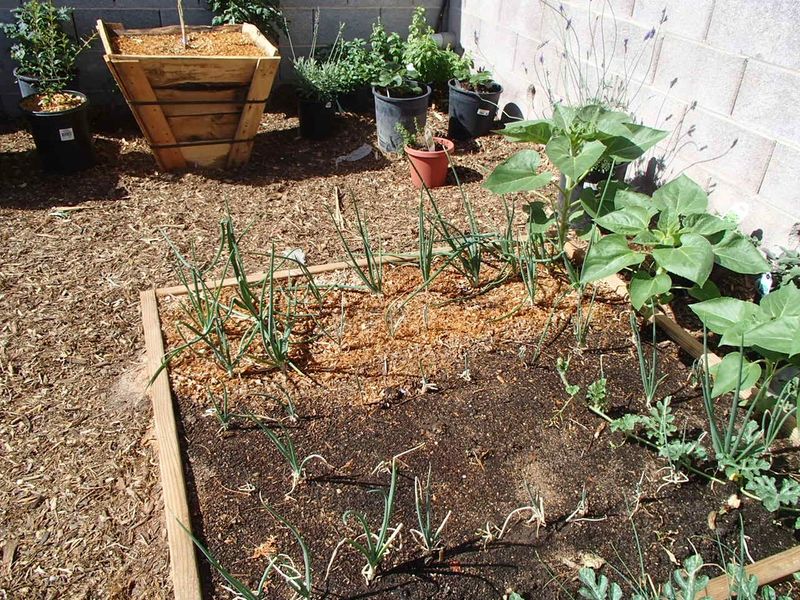
Spreading compost on top of the soil is a completely different approach than burying it in the planting hole. Surface application lets organic matter break down slowly and naturally.
Rainfall and irrigation carry nutrients downward at a pace the soil and plants can actually use.
Earthworms and soil microbes do the mixing work over time. Nutrients get incorporated gradually rather than in a concentrated mass around the roots.
That slow process mimics how organic matter actually accumulates in natural desert environments, where leaf litter and plant debris break down on the surface.
Surface compost also acts as a light mulch layer. It reduces soil temperature, slows evaporation, and prevents the hard crust that forms on bare desert soil after rain.
All of those benefits happen without disrupting the drainage structure below ground.
Keep the layer thin. About one inch of compost spread around the drip line of the plant is usually enough.
Piling it thick near the base of the plant can hold moisture against the stem or trunk, which causes its own set of problems in a hot climate.
Switching from hole amendments to surface application is a simple change that many desert gardeners report makes a noticeable difference.
6. Heavy Soil Amendments Can Work Against Desert Adapted Plants
Not every plant wants what a tomato wants. Heavy amendments loaded with peat moss, dense compost, or water-retaining polymers are designed for plants that need consistent moisture and rich nutrients.
Desert-adapted species have opposite needs.
Peat moss, for example, holds enormous amounts of water relative to its volume. Mixed into a desert planting hole, it creates a wet zone that stays damp far longer than the surrounding soil.
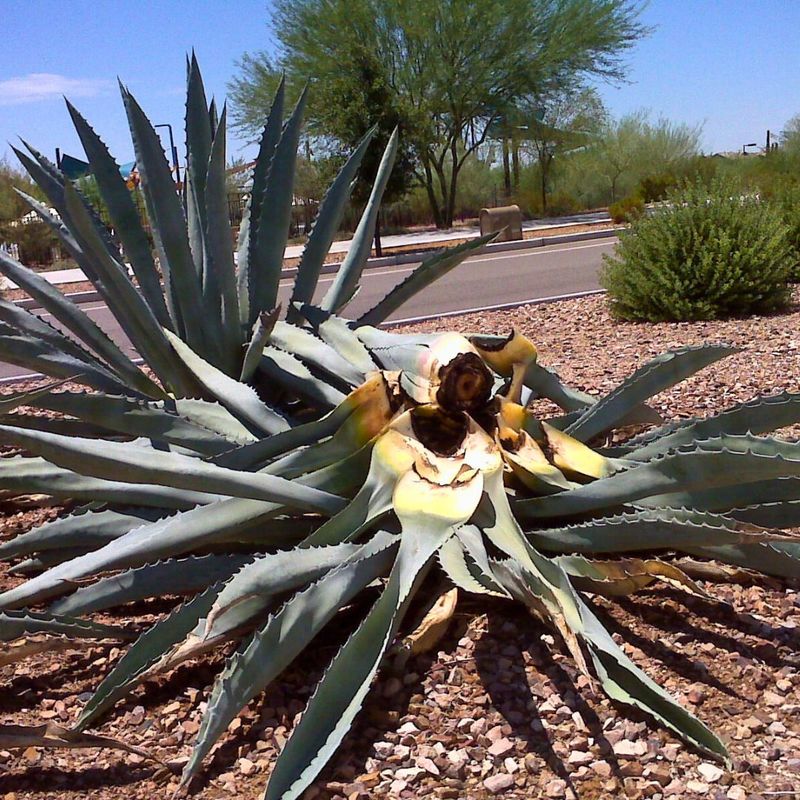
Agaves, desert willows, and native salvias planted in that mix often show poor establishment or mushy root zones within a single growing season.
Water-retaining gels and crystals are sometimes marketed as helpful for desert gardening. In practice, they can keep roots in contact with more moisture than desert plants can tolerate.
Roots accustomed to wet-dry cycles struggle when the dry phase never fully arrives.
Heavy amendments also shift the soil pH. Desert soils tend to be alkaline.
Rich organic amendments often lower pH over time. Plants adapted to alkaline conditions can show nutrient deficiencies when pH drops, even if nutrients are technically present in the soil.
Reading plant tags carefully before amending matters. A plant labeled as drought-tolerant or native to the Sonoran Desert is telling you something specific about its soil preferences.
7. Matching The Plant To The Existing Soil Prevents Future Problems
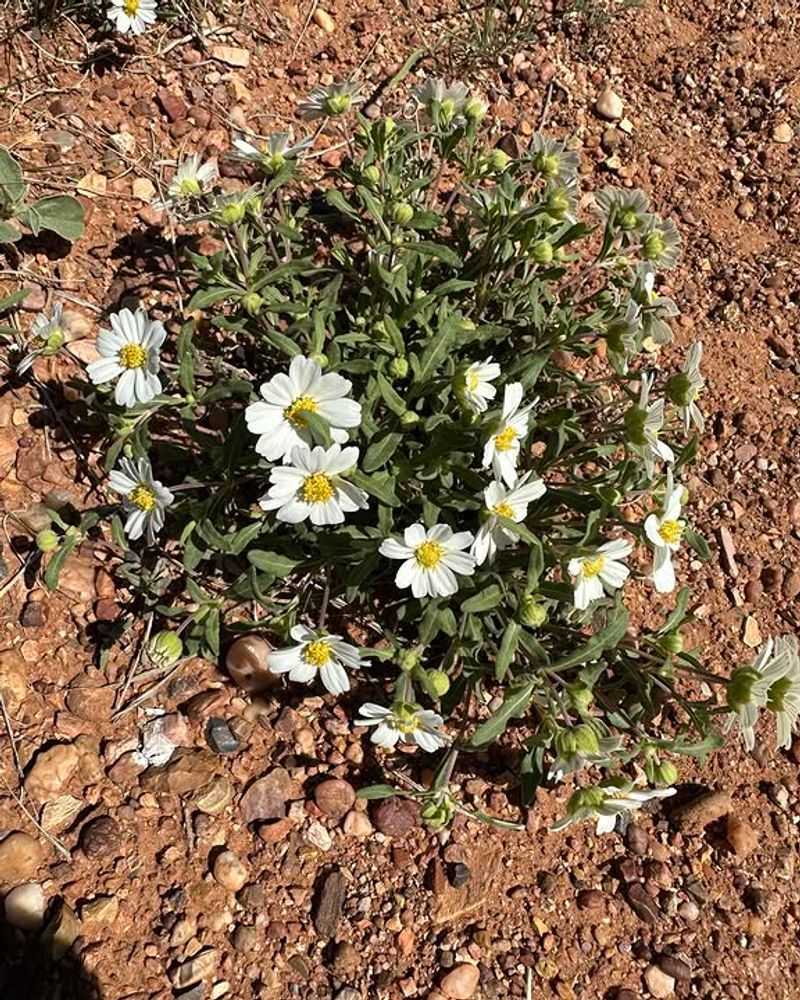
Choosing the right plant for the actual soil you have is the most reliable strategy in desert gardening. Amending soil to fit a plant is always more work, and it often creates the drainage and moisture problems described throughout this article.
Local native plant nurseries in the desert Southwest carry species selected specifically for regional soil conditions. Plants grown in those nurseries are already acclimated to alkaline, fast-draining ground.
They establish more reliably than plants grown in different regions and then shipped in.
Soil testing is a practical first step if you are unsure what you are working with. A basic test reveals pH, texture, and nutrient levels.
That information helps you choose plants suited to your actual conditions rather than an idealized version of your yard.
Clay-heavy spots, areas with caliche layers, and sandy washes all support different plant communities. Matching plant selection to each microzone in your yard produces better results than trying to standardize the entire space.
Variety in soil type is not a problem. It is an opportunity to grow a wider range of species.
Gardening in the desert Southwest rewards patience and observation.