Why Are Your Missouri Roses Turning Yellow In June (And How To Save Them)

Your Missouri rosebush had one job this June, and instead it showed up wearing a yellow outfit nobody asked for. I remember the first time mine pulled this stunt.
I had babied that bush all spring, and it repaid me with a foliage situation that looked more like autumn than peak bloom season.
Here is the part that might actually surprise you: yellow leaves in June are one of the most common rose complaints around, and they are almost never a death sentence for your plant.
Something as simple as watering habits, soil chemistry, or a sneaky fungal visitor could be the whole story. Each cause has a clear fix, and most of them won’t cost you more than an afternoon in the garden.
Your roses are not being dramatic for no reason. They are waving a flag, and once you know what to look for, turning things around is very much within reach.
Black Spot Fungal Disease
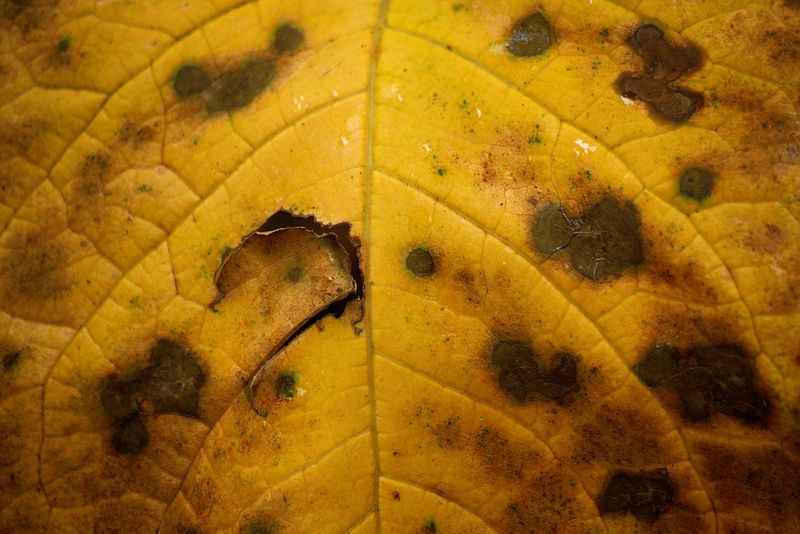
Tiny black circles on your rose leaves are not just ugly, they are a warning sign. Black spot is a fungal disease caused by Diplocarpon rosae, and it thrives in Missouri’s warm, humid June weather.
When the fungus takes hold, the leaves develop dark circular spots surrounded by yellow halos. Before long, the entire leaf turns yellow and drops off the plant.
What makes black spot so sneaky is how fast it spreads. Spores travel through splashing water, so rain and overhead irrigation send the infection from leaf to leaf almost overnight.
A plant that looked healthy one week can show serious defoliation within two to three weeks if the infection goes untreated. The fungus overwinters in fallen leaves and infected canes, then wakes back up each spring.
If you had black spot last year and did not clean up thoroughly, chances are it came back stronger this season.
Left untreated, repeated infections weaken the plant’s ability to photosynthesize and store energy for next year’s blooms. Catching it early is your biggest advantage.
Look closely at the lower leaves first, since that is where black spot almost always starts. Spot it soon enough, and you still have time to turn things around completely.
Iron Or Magnesium Deficiency
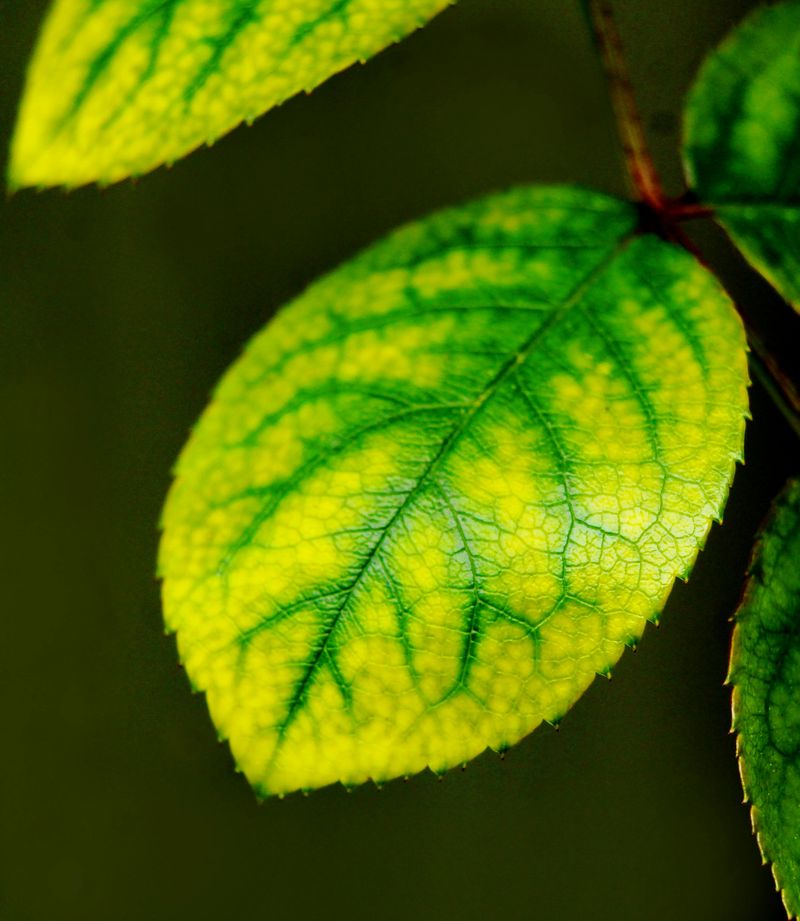
Yellow leaves with green veins are practically nature’s way of sending you a text message. That pattern, called interveinal chlorosis, usually points to an iron or magnesium deficiency.
Both minerals are essential for chlorophyll production, which is what keeps leaves green and the plant actively growing.
Without enough of either one, the rose simply cannot make the green pigment it needs. Here is where Missouri’s soil adds a twist.
Many parts of the state have naturally alkaline or clay-heavy soil, and high pH levels lock up iron so tightly that roots cannot absorb it even when it is physically present.
Magnesium, on the other hand, tends to wash out of sandy soils quickly after heavy spring rains.
Iron deficiency shows up first in young leaves at the top of the plant. Magnesium deficiency typically starts on older, lower leaves and works its way upward. Knowing which pattern you see tells you exactly which mineral to target.
Your Missouri Garden Changes Every Week. Your Plan Should Too.
Gardening in Missouri changes quickly throughout the season. Every Friday you’ll receive a simple weekly plan showing exactly what to plant, prune, fertilize, harvest, and protect so you never miss the right timing.
A simple soil test from your local cooperative extension office costs just a few dollars and removes all the guesswork.
Knowing your soil’s exact pH and mineral levels lets you treat the real problem instead of guessing and wasting money on the wrong products. That small investment can save an entire season of blooms.
Overwatering Or Poor Drainage
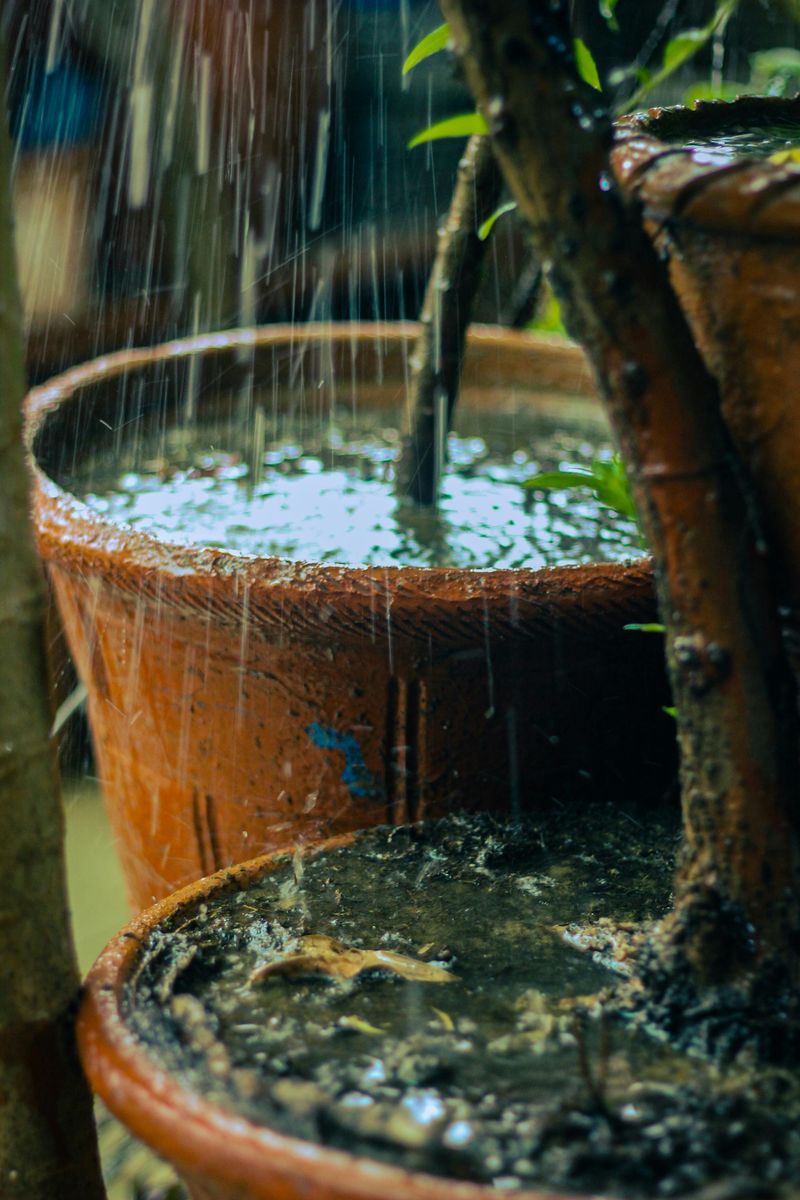
Drowning a rose with kindness is easier than most gardeners want to admit. Overwatering is one of the leading causes of yellow foliage, and it trips up beginners and experienced growers alike.
When soil stays waterlogged for too long, the roots are deprived of oxygen. Oxygen-starved roots cannot transport nutrients properly, and the leaves start turning yellow as a direct result.
Missouri summers bring unpredictable rain patterns. Some weeks bring daily thunderstorms, while others are bone dry.
If you are watering on a fixed schedule without checking the soil first, you are almost certainly overwatering during wet stretches. Poor drainage makes everything worse.
Clay-heavy Missouri soil drains slowly by nature, meaning water can pool around roots for days after a storm. Raised beds and amended soil with compost or coarse sand can dramatically improve drainage and reduce the risk of root stress.
Stick your finger two inches into the soil before you water. If it still feels damp, skip that watering day entirely.
Roots need a healthy cycle of moisture and air to function at their best, and giving them both is the single most underrated habit in rose care. Get that balance right, and yellowing from water stress almost disappears on its own.
Spider Mites In The Heat
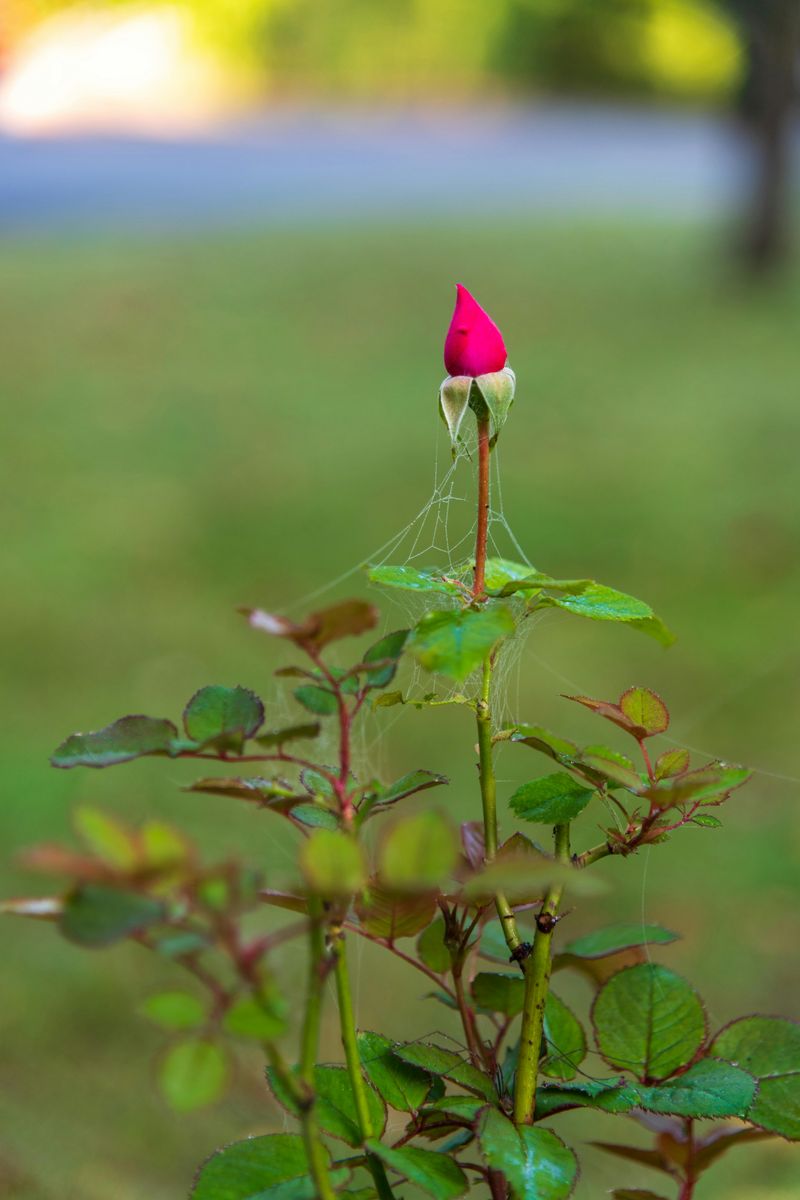
Something so small it is nearly invisible can strip a rose plant bare in a matter of weeks. Spider mites are not insects at all but tiny arachnids, and they multiply rapidly when temperatures climb above 85 degrees Fahrenheit.
Missouri’s June heat creates a perfect breeding ground for these pests. A single female can lay up to 100 to 200 eggs across her lifespan, and in hot, dry conditions that cycle speeds up considerably.
The damage they cause looks like faint yellow stippling or a washed-out, dusty appearance on the leaves. As the population grows, you may notice fine, silky webbing on the undersides of leaves.
Eventually the entire leaf goes pale yellow, dries out, and falls off. Spider mites prefer stressed plants, so a rose that is already dealing with drought or poor soil is far more vulnerable.
They spread quickly between plants, especially when dry winds carry them from one bush to another. Checking the undersides of leaves regularly is the fastest way to catch an infestation before it gets out of control.
Run your hand under a suspect leaf and rub it on white paper. If you see tiny moving specks, mites are present and action is needed immediately. The earlier you respond, the fewer plants end up affected by the end of the season.
Natural Seasonal Leaf Drop
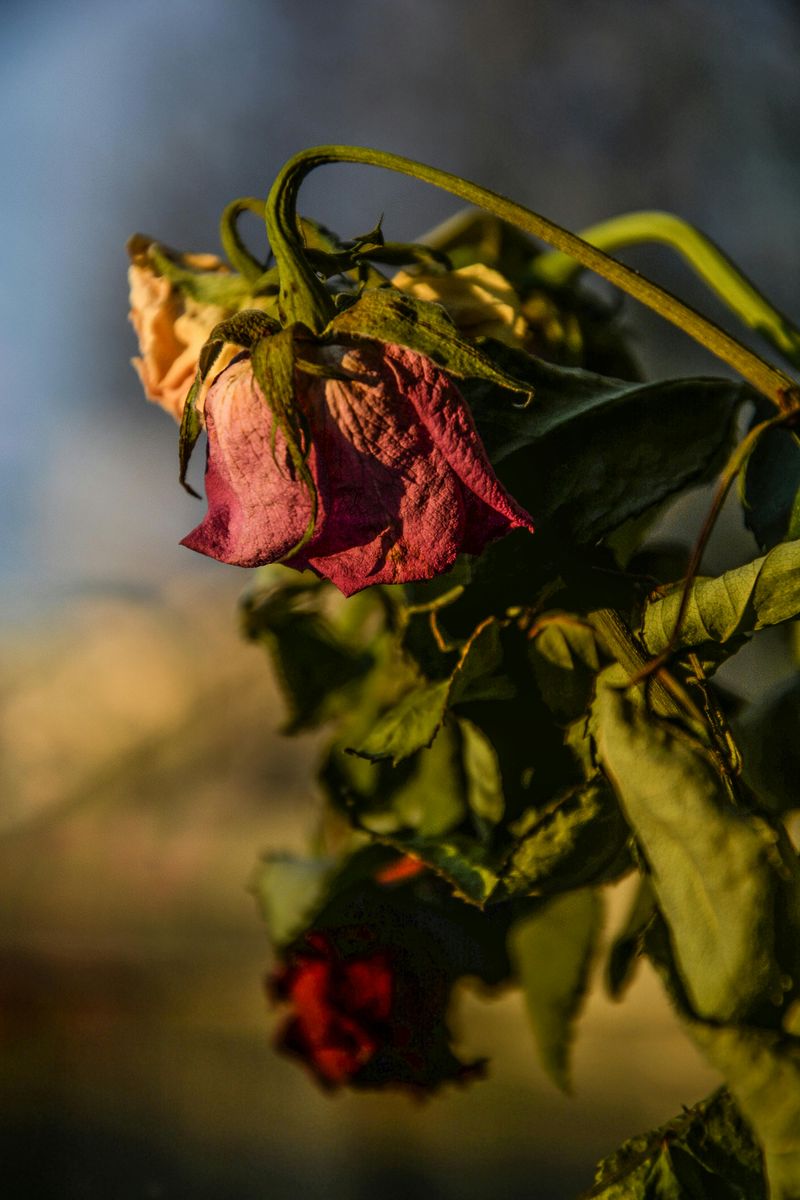
Not every yellow leaf is a crisis, and sometimes your rose is just doing exactly what it should. Roses naturally shed older, lower leaves as the season shifts from spring to summer.
This is a normal part of the plant’s growth cycle, not a sign of disease or neglect. As the plant puts energy into producing new growth and blooms, it lets go of older foliage that is no longer efficient at capturing sunlight.
Seasonal drop usually affects only the lowest leaves on the canes. The yellowing tends to be uniform and gradual, without the spots, webbing, or crispy edges that signal a pest or disease problem.
New healthy growth at the tips is a strong sign that everything is fine. Missouri’s transition from mild May to hot June accelerates this process.
Longer days and higher temperatures push roses into a more active growth phase, and shedding a few leaves is part of the adjustment.
Think of it as the plant lightening its load before the real summer push begins. If only a handful of lower leaves are yellowing while the rest of the plant looks vibrant, take a breath.
Sometimes the best thing a gardener can do is observe without panicking. Not every yellow leaf needs a treatment plan, and learning to tell the difference saves time, money, and unnecessary stress.
Nitrogen Depletion In Summer Soil
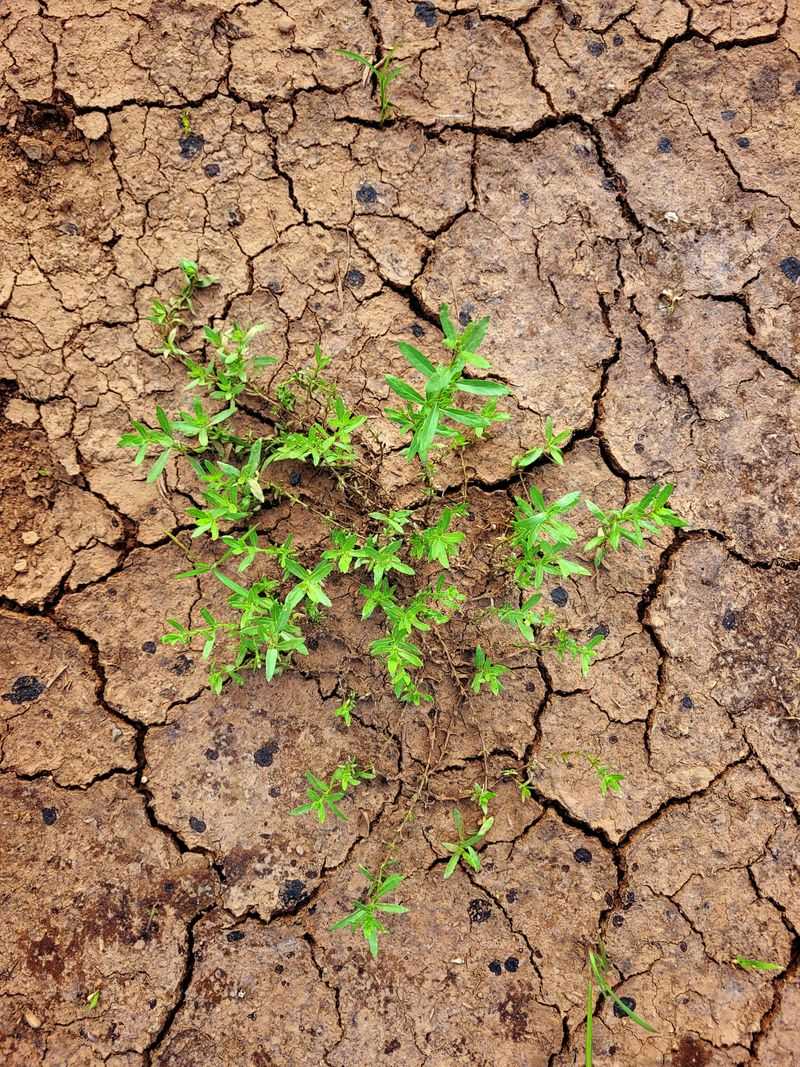
Pale, washed-out leaves that start at the bottom and creep upward are often the soil running out of fuel. Nitrogen is the nutrient roses need most for leafy, vigorous growth.
It is also the one that disappears from soil the fastest, especially after heavy spring rains flush it through the root zone. By June, a rose that was well-fed in March may already be running on empty.
Unlike iron or magnesium deficiency, nitrogen depletion causes an overall yellowing rather than a patterned one. The entire leaf fades to a light green or yellow-green, starting with the oldest leaves first.
Growth slows noticeably, and new shoots may appear smaller and weaker than they should be at this time of year. Missouri’s clay soils can hold nitrogen reasonably well, but sandy or heavily amended beds lose it much more rapidly.
Frequent watering and irrigation also speed up the depletion process by leaching the nutrient deeper than roots can reach. A balanced rose fertilizer with a higher first number in the N-P-K ratio is exactly what a nitrogen-starved plant needs.
Applying it in early June, then again in mid-summer, keeps the supply consistent throughout the growing season. Fed properly, a rose that looked tired and pale can bounce back with surprising speed and energy.
Treat Fungal Disease With Fungicide
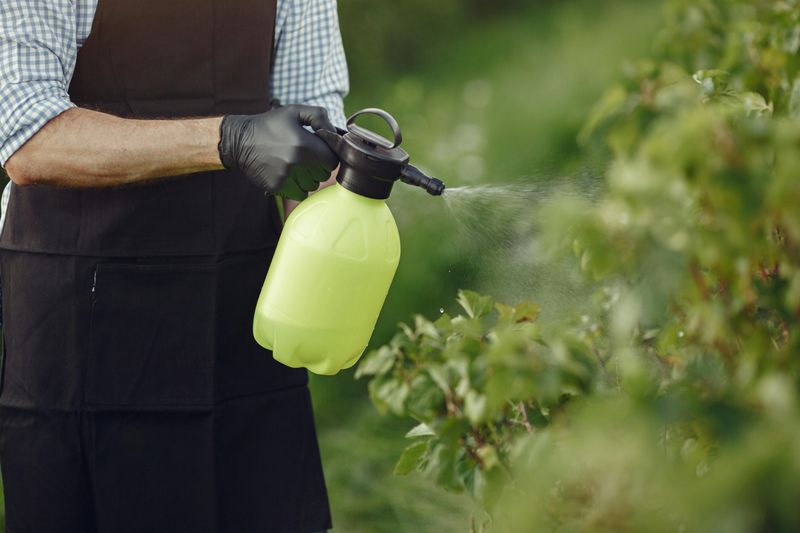
Catching black spot early gives you a real fighting chance, and the right fungicide is your best tool. Products containing chlorothalonil, myclobutanil, or neem oil are widely available and proven effective against the most common rose fungal diseases.
Neem oil is a popular organic option that disrupts the fungus’s life cycle without harsh chemicals. Synthetic fungicides tend to act faster, which matters when an infection is already spreading across multiple canes.
When using neem oil, avoid applying it during bloom hours when bees are active, as it can harm beneficial insects.
If using chlorothalonil, keep runoff away from water sources, as it is toxic to fish and aquatic life. Timing your application is just as important as the product you choose. Spray in the early morning so leaves have time to dry before nightfall.
Wet foliage overnight creates ideal conditions for fungal spores to germinate and spread further. Always remove and bag infected leaves before spraying, including any fallen debris around the base of the plant.
Leaving diseased material on the ground gives the fungus a place to survive and reinfect the plant after rain.
Do not compost infected leaves since cold or passive compost piles do not reach temperatures high enough to destroy fungal spores, and most home setups fall into that category.
Repeat applications every seven to ten days during humid weather for the best results. Consistency is what separates a gardener who manages black spot from one who battles it all season long.
Stay on schedule, and your Missouri roses turning yellow from fungal disease will become a past-tense problem sooner than you expect.
Correct Soil PH And Feed Minerals
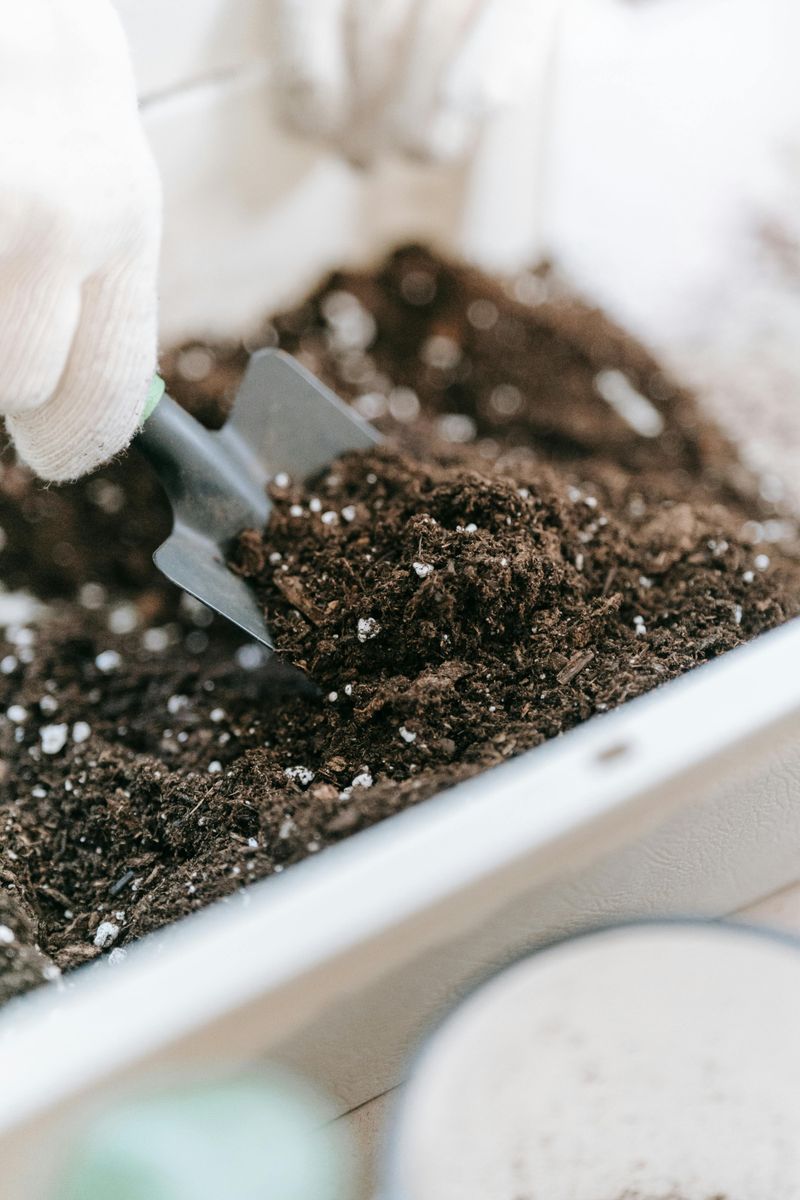
Fixing a mineral deficiency without checking your soil pH first is like treating a symptom while ignoring the cause. Most roses thrive in soil with a pH between 6.0 and 6.5.
Above that range, iron and magnesium become chemically bound to soil particles and essentially unavailable to roots, no matter how much you add. Lowering pH is the first step to unlocking nutrients that are already there.
Sulfur is a widely used soil amendment that gradually lowers pH over several weeks. For faster results, iron sulfate works more quickly and delivers iron directly at the same time.
Always follow package directions carefully since too much of either product can swing pH too far in the other direction.
For magnesium deficiency specifically, Epsom salt is a classic and affordable fix. Dissolve one tablespoon per gallon of water and apply it as a foliar spray or a soil drench around the root zone.
Results are often visible within two weeks as new leaves emerge greener and more vibrant. Retesting your soil every spring keeps you ahead of nutrient problems before they show up as yellow leaves in June.
Paired with a quality rose fertilizer that includes trace minerals, a well-balanced soil becomes the foundation for a plant that practically takes care of itself. Healthy soil is the single best investment you can make in your garden this season.