Missouri Zucchini Mistakes That Cost You Your Harvest And How To Avoid Them
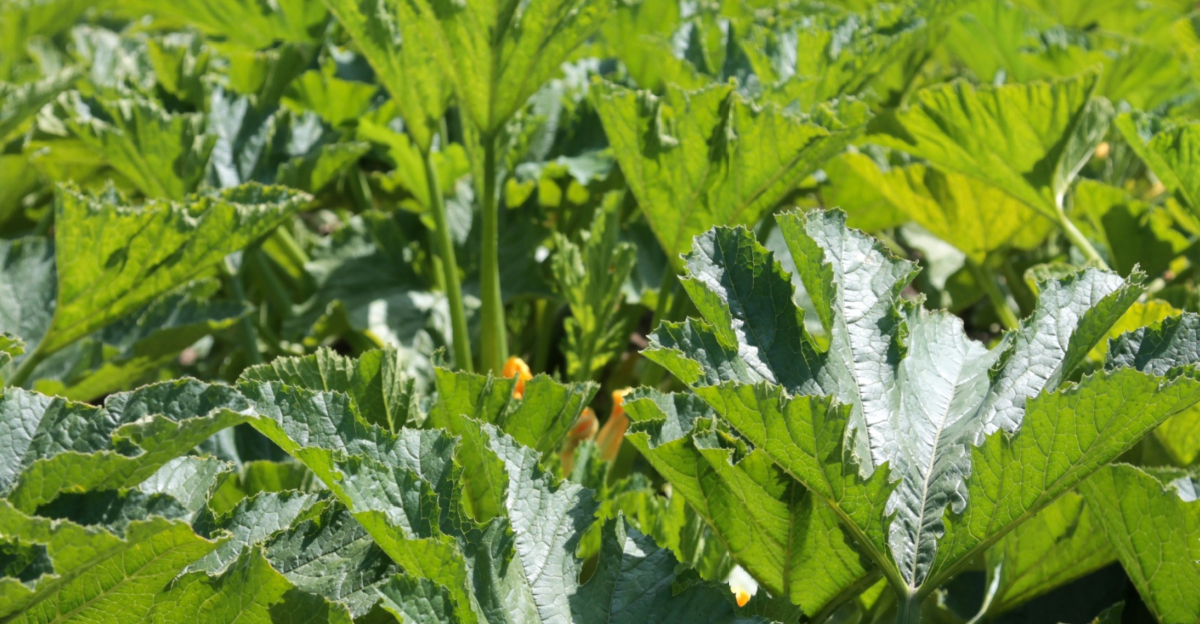
trick even experienced gardeners into false confidence. Blossoms open bright, yet nothing sets Something feels wrong when zucchini blooms but never fruits.
Missouri summers trick even experienced gardeners into false confidence. Blossoms open bright, yet nothing sets behind them. Heat spikes across Missouri reduce pollinator activity when needed most.
Soil quietly hides the imbalance affecting your entire crop. Watering too often drowns roots before symptoms appear. Spacing plants too tightly blocks airflow and breeds disease.
Fertilizer loaded with nitrogen forces leaves instead of fruit. Timing your planting wrong locks you into a bad window. Pests slip in unnoticed, then damage weeks of growth.
Bees disappear right when your flowers need them most. None of these failures mean you erred.
Every mistake traces back to a fixable cause. Understanding what actually happens changes how you garden forever.
Momentum shifts the instant you identify the real culprit. Your next harvest depends on catching these early. You won’t see your zucchini patch the same way again.
Planting Seeds Too Early In Cold Soil
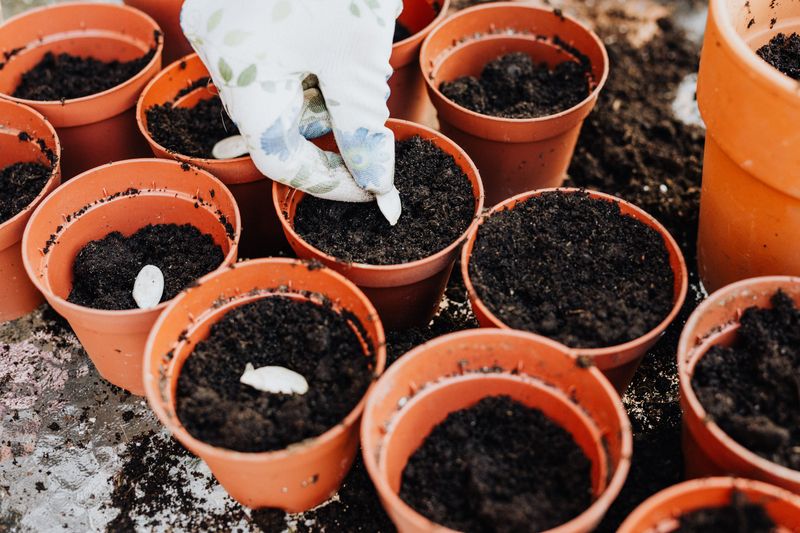
Cold soil is an easy issue to overlook, and it often costs gardeners a good harvest. Zucchini seeds need soil at least 65 degrees Fahrenheit to sprout properly.
When you plant too early in Missouri, seeds just sit there rotting underground. The cool, damp conditions invite fungal problems that destroy seeds before they ever germinate.
Many gardeners assume spring sunshine means warm soil below the surface. Sadly, air temperature and ground temperature are two completely different things.
Use an inexpensive soil thermometer to check before you plant anything. Push it four inches deep and wait sixty seconds for an accurate reading.
Missouri zucchini mistakes like early planting cost gardeners weeks of wasted effort. A patient gardener always outperforms an eager one when cold soil is involved.
Wait until mid-May in most parts of the state to be safe. Warm soil means faster germination, stronger seedlings, and a much better start overall.
Seeds planted in warm soil often sprout within seven to ten days. That quick start gives your plants the momentum they need to thrive all summer long.
Overcrowding Plants Without Enough Spacing
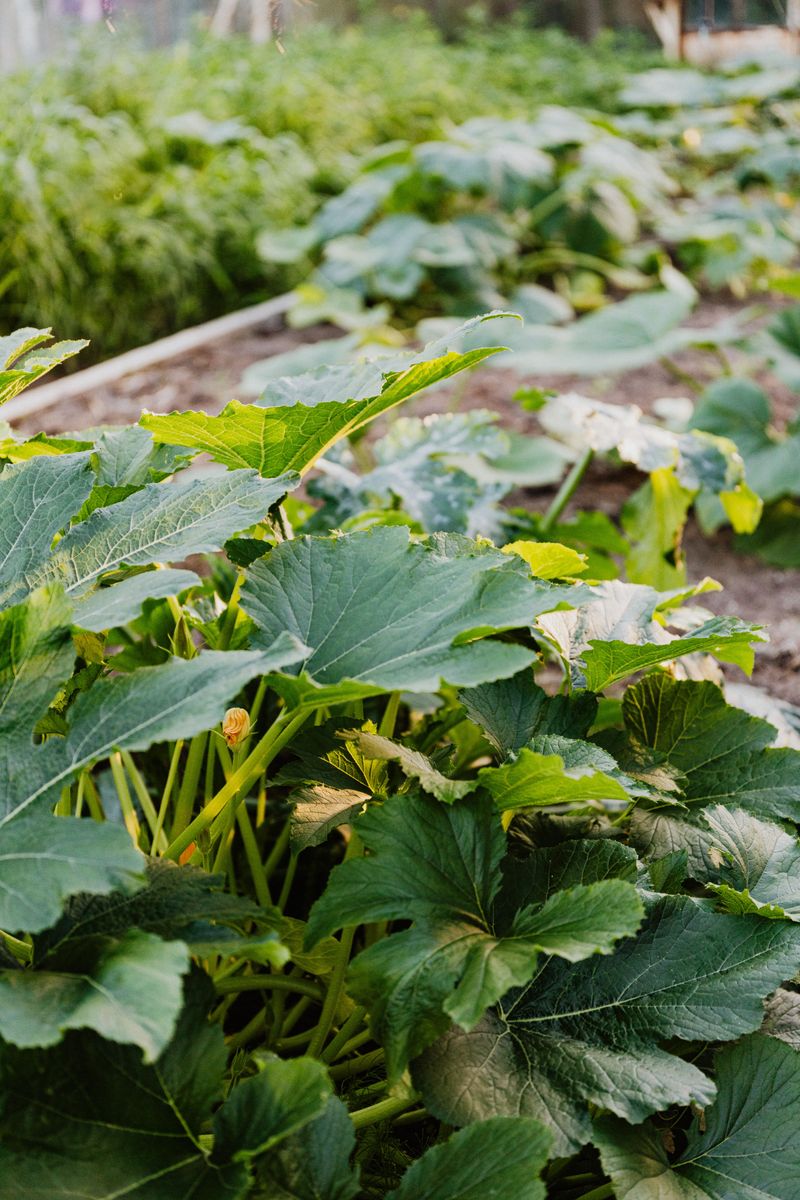
Zucchini plants are space hogs, and they make no apologies for it. Each plant spreads wide and needs room to breathe, grow, and produce fruit.
Squeezing plants together feels efficient in spring when seedlings look tiny. By July, that decision can leave your garden overcrowded with poor airflow.
Poor air circulation between crowded plants creates humid pockets near the soil. Those humid zones breed powdery mildew, which weakens leaves and stops fruit production cold.
Crowded roots also compete fiercely for water and nutrients in the ground. One plant starves while another struggles, and neither produces the harvest you expected.
Spacing plants correctly is one of the easiest Missouri zucchini mistakes to avoid. All it takes is a little planning before you put anything in the ground.
Give each plant at least two to three feet of space in every direction, depending on variety. If you grow in rows, keep rows four feet apart for best results.
Your Missouri Garden Changes Every Week. Your Plan Should Too.
Gardening in Missouri changes quickly throughout the season. Every Friday you’ll receive a simple weekly plan showing exactly what to plant, prune, fertilize, harvest, and protect so you never miss the right timing.
Proper spacing lets sunlight reach every leaf and flower on the plant. More sunlight means more energy, better pollination, and bigger zucchinis waiting for you at harvest time.
Ignoring Poor Pollination In The Flowers

Zucchini flowers are gorgeous, but beauty alone does not make a harvest. Pollination is the hidden step that turns a flower into an actual vegetable.
Male flowers open first and produce pollen. Female flowers, which have a tiny zucchini at their base, need that pollen delivered by a bee or your own hand.
When pollination fails, the tiny fruit behind the female flower shrivels and drops off. Gardeners often panic thinking the plant is sick when the real issue is simple.
Pollinator populations have declined in many regions across the country in recent years, and Missouri gardens are no exception. Fewer bees visiting your garden means fewer fruits setting on each plant.
Pesticide use nearby can also reduce pollinator visits dramatically. Even spraying your own yard at the wrong time chases away the bees you need.
Watch your plants in the morning when flowers are fully open and fresh. That two-hour window after sunrise is peak pollination time for zucchini blooms.
Ignoring this step is one of the sneakiest Missouri zucchini mistakes out there. Once you understand pollination, you hold the power to fix it yourself every single day.
Watering The Leaves Instead Of The Roots
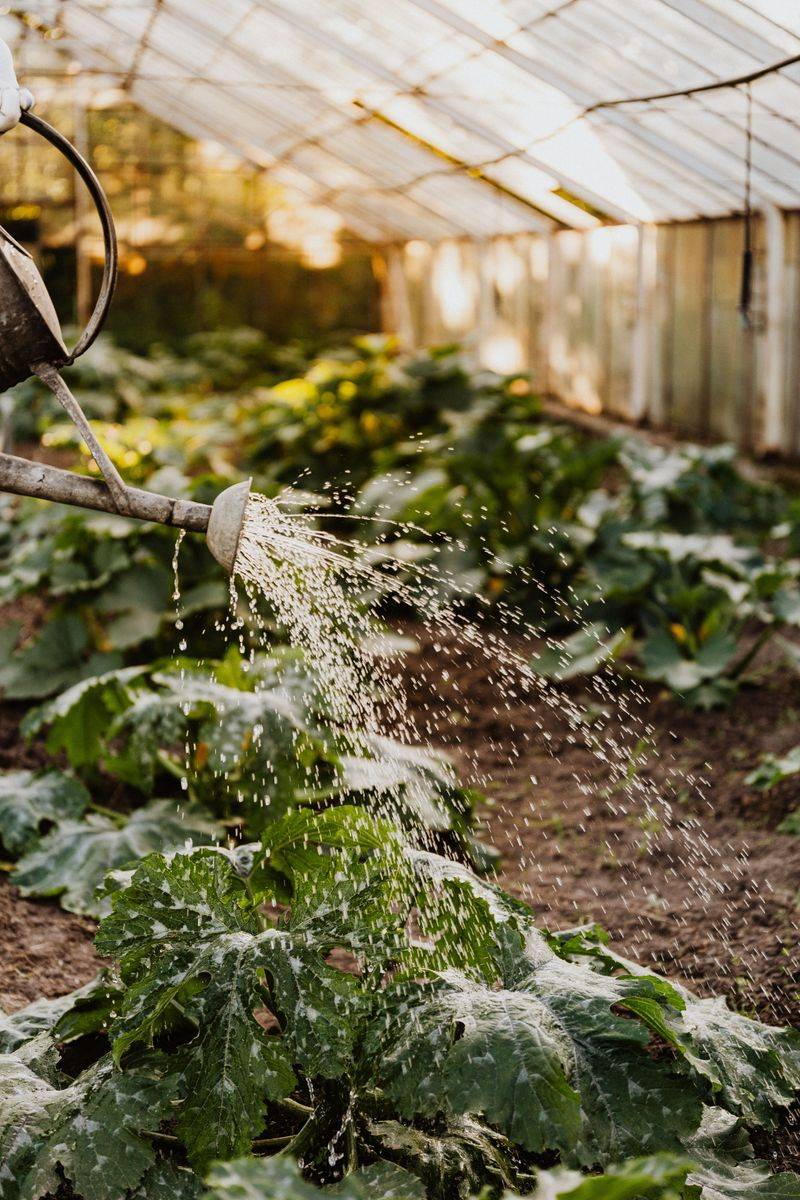
Overhead watering feels natural and satisfying, like giving your garden a refreshing shower. Unfortunately, zucchini plants struggle badly when their leaves get wet.
Wet foliage sitting in warm Missouri humidity is a perfect recipe for powdery mildew. That white fungal coating spreads fast and weakens the entire plant within days.
Water droplets on leaves can create damp spots that encourage fungal growth in bright, humid conditions, and can also create entry points for bacterial infections. They can scorch leaf tissue and create entry points for bacterial infections.
Roots are where zucchini actually absorbs water and nutrients from the soil. Splashing the leaves wastes water and does nothing useful for the plant’s real needs.
Drip irrigation or a simple soaker hose solves this problem completely. Water goes directly to the root zone without touching a single leaf above ground.
If you hand-water, aim the hose nozzle at the soil around the base. Keep the stream low and slow so water soaks in rather than running off.
Morning watering is always better than evening watering for Missouri gardens. Soil absorbs moisture before the heat peaks, and roots stay hydrated through the hottest part of the day.
Skipping Fertilizer During Fruit Development
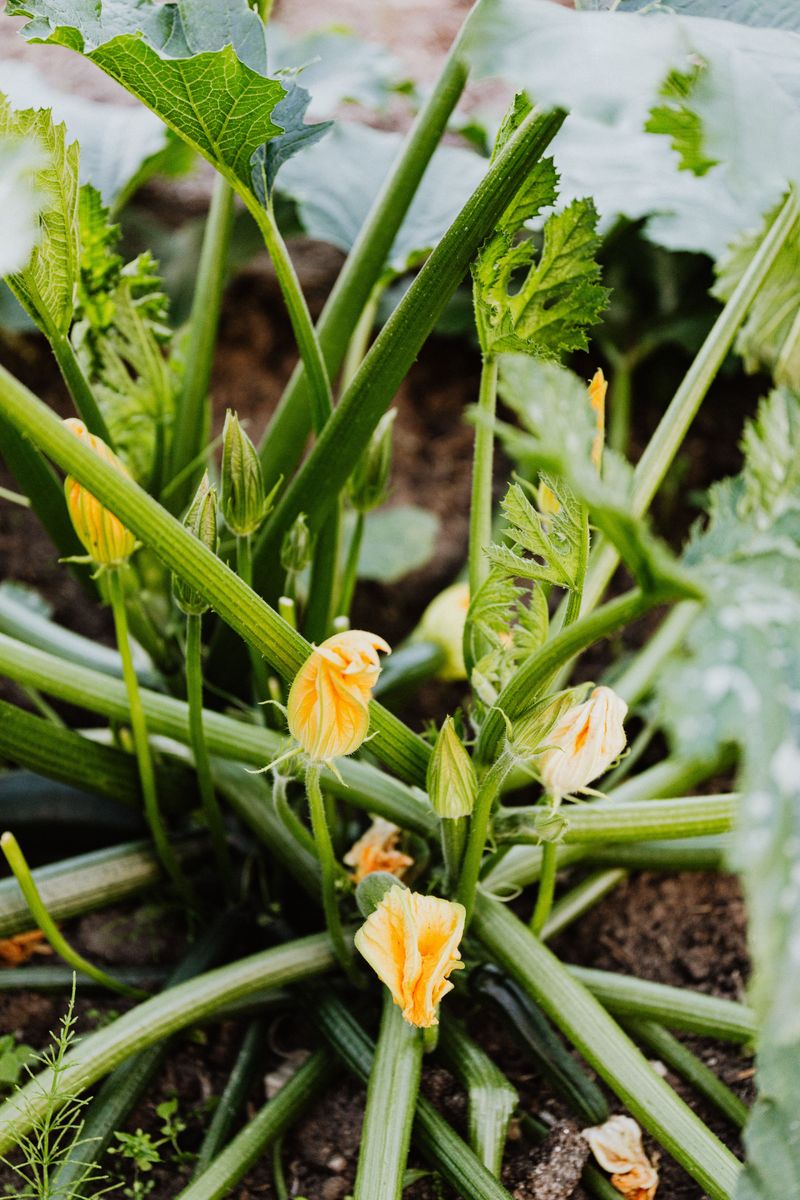
Zucchini is a heavy feeder, and skipping fertilizer mid-season quickly slows down fruit production.
Many gardeners fertilize at planting and then forget about it entirely. That single dose runs out fast once the plant starts pushing out fruit after fruit.
Nitrogen keeps leaves green and the plant growing strong through summer heat. Phosphorus and potassium support root health and fuel fruit development from blossom to harvest.
Without those nutrients, fruits grow slowly, stay small, or develop strange shapes. Yellow leaves mid-season are often the first sign that your plant is running on empty.
A balanced vegetable fertilizer applied every three weeks keeps production steady. Look for options labeled for vegetables and follow the package directions carefully.
Organic choices like compost tea or fish emulsion work beautifully for zucchini. They feed slowly and improve soil structure at the same time, which benefits future seasons too.
Skipping this step is one of those Missouri zucchini mistakes that sneaks up on you slowly. By the time you notice the problem, weeks of potential harvest are already gone.
Letting Squash Bugs Go Unchecked
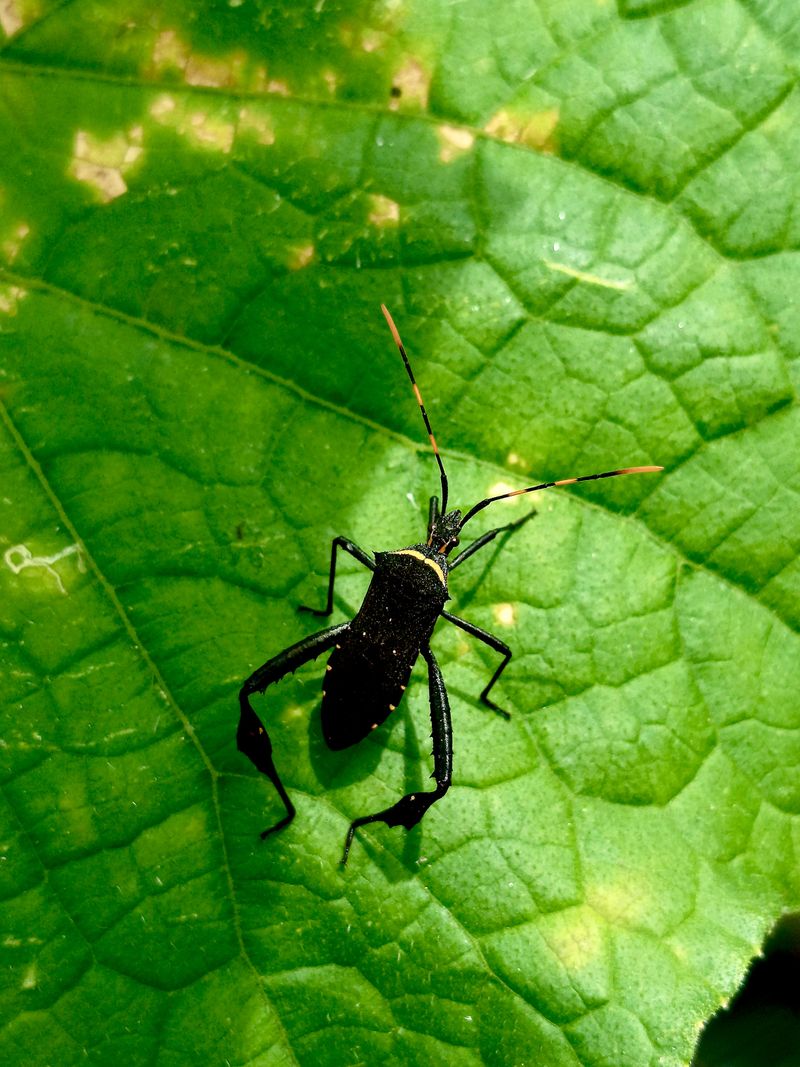
Squash bugs are one of the most common and fast-acting pests for Missouri gardeners. A small infestation left unchecked can seriously damage a plant within a couple of weeks.
These flat, gray insects hide under leaves and along the base of stems. They suck sap from the plant, causing wilting that looks exactly like drought stress.
Many gardeners water more when they see wilting, never checking for bugs underneath. Meanwhile, the real culprits keep multiplying and spreading to neighboring plants without any resistance.
Female squash bugs lay clusters of shiny bronze eggs on leaf undersides. Spotting and crushing those eggs early stops the next generation before it ever hatches.
Check plants every few days during peak summer months in Missouri. Flip leaves over and look along the main stem where bugs love to cluster together.
Remove bugs by hand and drop them into a container of soapy water. Neem oil spray applied in the evening also helps manage populations without harming helpful insects nearby.
Letting squash bugs go unchecked is one of the fastest Missouri zucchini mistakes to regret. Stay consistent with inspections, and you will keep these pests from ever gaining the upper hand.
Wait Until Soil Warms Before Planting
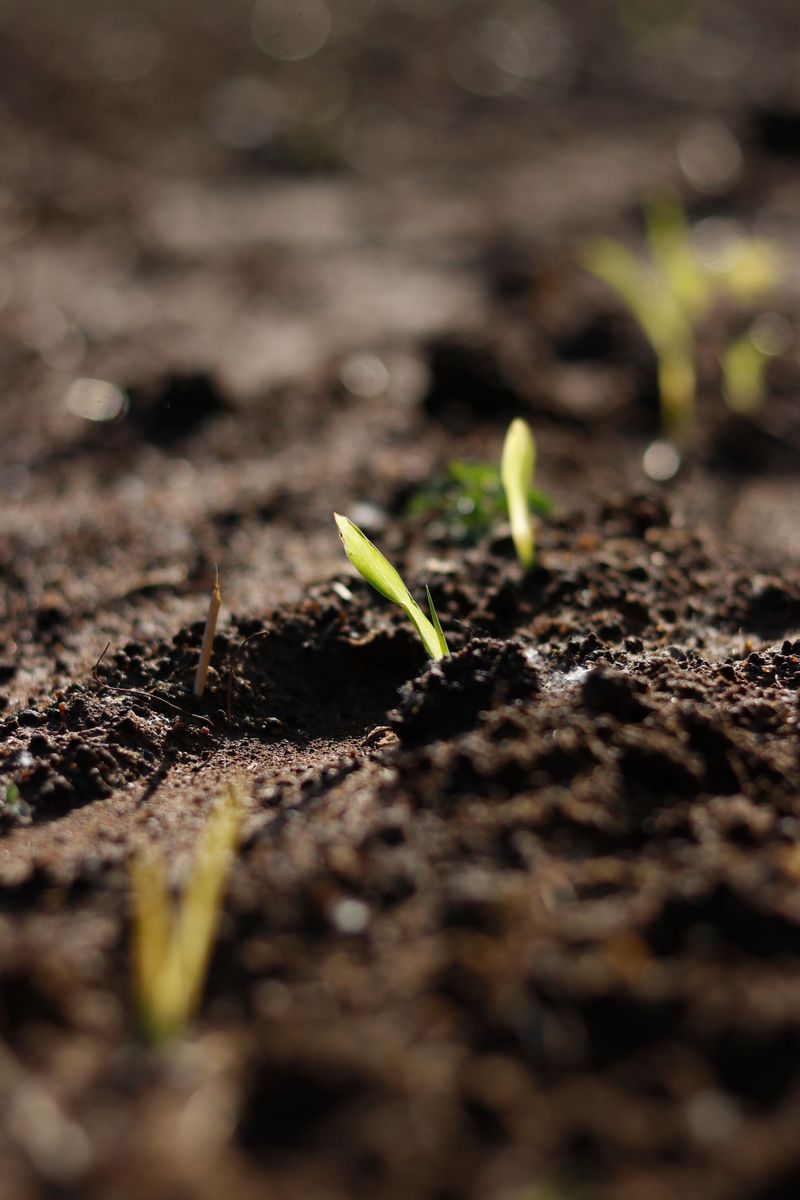
Patience is the most underrated gardening tool you will ever own. Waiting for warm soil before planting zucchini is not laziness, it is smart strategy.
Missouri springs are tricky because warm days can fool even experienced gardeners. A stretch of 70-degree afternoons does not mean the ground below is ready for seeds.
Soil holds cold longer than air does, especially after a rainy spring season. That lag time between warm air and warm ground catches impatient gardeners every year.
A soil thermometer costs just a few dollars at any garden center. Stick it four inches down, wait a minute, and get a reading you can actually trust.
Target 65 degrees Fahrenheit or warmer before dropping any zucchini seeds in. At that temperature, germination happens quickly and seedlings emerge strong and healthy.
Mid-May is usually the sweet spot for most of Missouri’s growing regions. Southern parts of the state may be ready a week or two earlier than the north.
Rushing the season never saves time in the long run for home gardeners. One extra week of waiting means weeks of better production and far fewer frustrating setbacks ahead.
Space Plants At Least Two Feet Apart
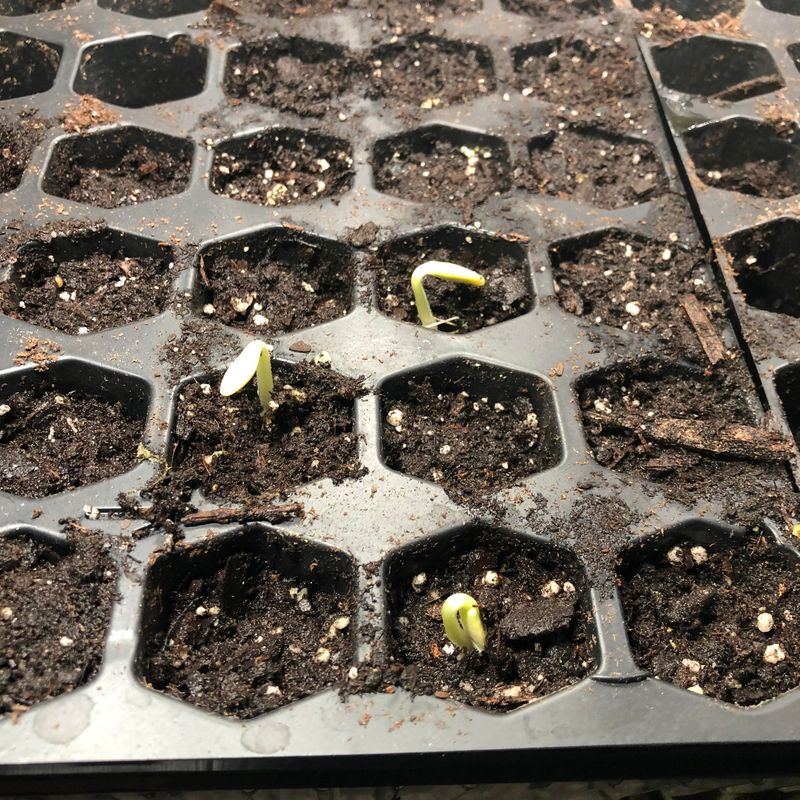
Give your zucchini room to breathe and it will reward you generously all season. Tight spacing might look tidy in May, but it creates chaos by the time July arrives.
Each zucchini plant can spread two to four feet wide at full maturity. That is a lot of leafy real estate that needs sunlight, airflow, and access to pollinators.
When plants touch and overlap, moisture traps between the leaves and stems. That trapped humidity invites fungal diseases that spread from one crowded plant to the next.
Two to three feet between plants is generally recommended for a healthy garden setup. More space gives even better results, especially in Missouri’s humid summer climate.
Mark your spacing before you plant using stakes or a simple measuring tape. A little prep work at planting time prevents a big headache two months later.
Raised beds are a great way to control spacing and soil quality at once. You can plan exactly how many plants fit without guessing or crowding by accident.
Proper spacing is one of the simplest fixes for common Missouri zucchini mistakes. A little extra elbow room for each plant translates directly into more fruit on your kitchen counter.
Hand-Pollinate Flowers If Bees Are Scarce

No bees showing up to your garden party? You can take matters into your own hands, literally.Hand-pollination is easier than it sounds and incredibly effective for boosting your harvest.
All you need is a small paintbrush or a cotton swab from your bathroom cabinet. These simple tools work perfectly for transferring pollen between flowers.
Identify the male flower first by its straight, slender stem with no swelling at the base. The female flower has a tiny zucchini-shaped bump right below the petals.
Swipe your brush gently inside the male flower to collect the yellow pollen. Then brush that pollen directly onto the center of the open female flower nearby.
Do this in the morning when flowers are fully open and fresh. Flowers close by midday, so that early window is your best and only daily opportunity.
One male flower can pollinate several female flowers on the same morning. Check your plant for multiple open blooms and work through them quickly while conditions are right.
Hand-pollination turns a frustrating no-harvest season into a productive one fast. Once you try it, you will wonder why you ever left this job entirely up to the bees.
Check Regularly For Pest Damage Early
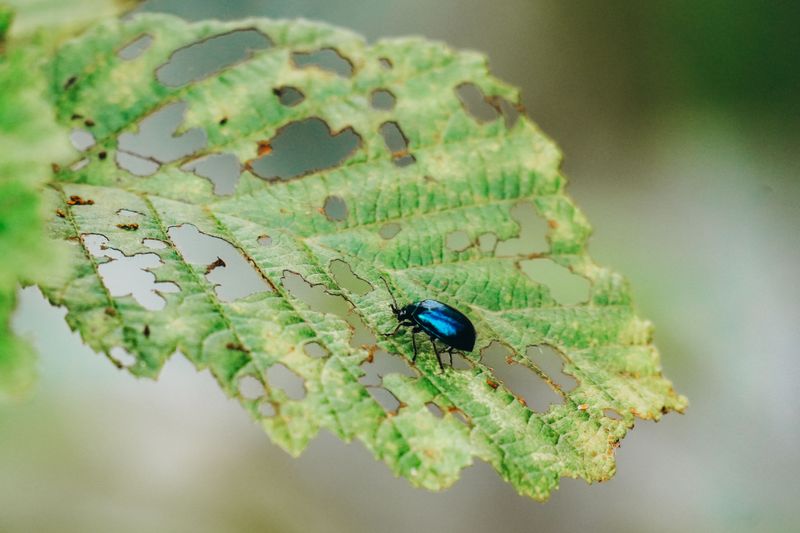
Catching pest problems early is the difference between a minor fix and a major disaster. By the time damage is obvious from a distance, things are already out of hand.
Squash bugs, cucumber beetles, and aphids all target zucchini plants during the growing season. Each pest causes different damage, so knowing what to look for matters enormously.
Cucumber beetles chew irregular holes in leaves and spread bacterial wilt quickly. Aphids cluster on new growth and drain plant energy while producing a sticky residue behind them.
Checking every two to three days during peak summer keeps you ahead of infestations. Flip leaves, inspect stems, and scan the soil surface around each plant carefully.
Early detection means you can remove pests by hand before populations grow out of control. A dozen bugs handled today beats five hundred bugs handled two weeks from now.
Yellow sticky traps placed near plants help monitor flying pest populations too. They show you what insects are active before visible damage even begins to appear.
Consistent scouting is the habit that separates thriving Missouri gardens from failed ones. Avoiding Missouri zucchini mistakes is mostly about showing up regularly and paying close attention to your plants.