8 Easiest Plants To Multiply From Cuttings In Indiana
What if your next plant cost you nothing but a clean snip and three weeks of patience? That is the quiet magic Indiana gardeners have been passing down for generations. It requires no fancy equipment and works surprisingly well across Indiana’s varied seasons.
The first cutting I ever took was a leggy coleus rescued from a frost warning in late September, stuffed into a jam jar on the windowsill, forgotten between dishes, and somehow alive by October.
You do not need a greenhouse or a sprawling garden to pull this off. A clean snip, the right light, and a little patience go a long way.
These plants respond beautifully to this method, from a sunny balcony to a shady backyard corner. Start with just one cutting, and you may find yourself building an entire collection without spending a single dollar.
1. Coleus
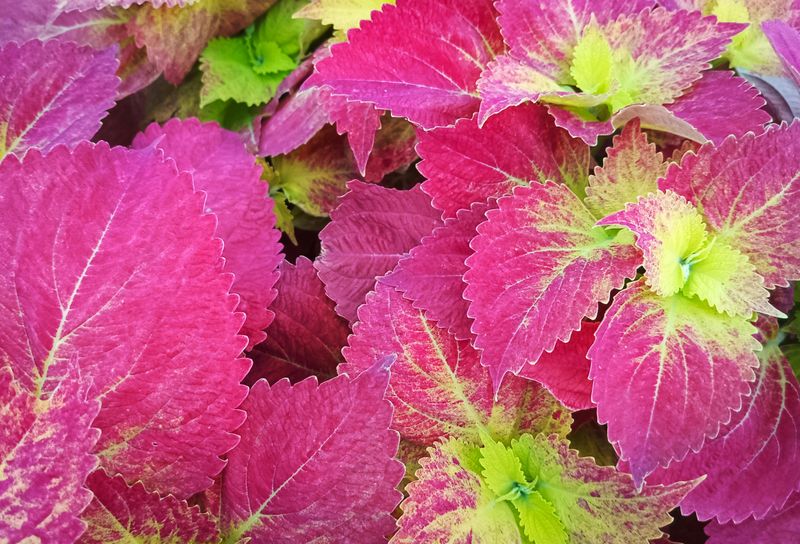
Few plants put on a color show quite like coleus does with almost zero effort on your part. The leaves come in electric shades of burgundy, lime green, hot pink, and deep purple, sometimes all on the same plant.
If you have ever walked past one and thought, I need ten more of those, good news: you could have rooted cuttings within ten days to two weeks under good conditions. Snipping a coleus cutting is almost embarrassingly simple.
Choose a healthy stem about four to six inches long, strip the lower leaves, and pop it into a glass of water on a sunny windowsill.
Roots usually appear within seven to ten days, which feels like watching a small miracle happen in real time.
Once the roots reach about an inch long, move the cutting into moist potting soil and keep it out of harsh afternoon sun while it settles in.
Coleus thrives in Indiana summers and loves the warm, humid stretches that mid-July brings.
You can propagate new plants all season long, building a bold, colorful garden bed without spending another dollar at the nursery. One insider tip: pinch off any flower spikes as soon as they appear.
Flowering causes the plant to shift its energy away from those gorgeous leaves, and the foliage starts to look tired and washed out.
One note for pet owners: coleus is mildly toxic to dogs and cats, so keep pots out of reach of animals that like to chew on plants.
2. Sedum
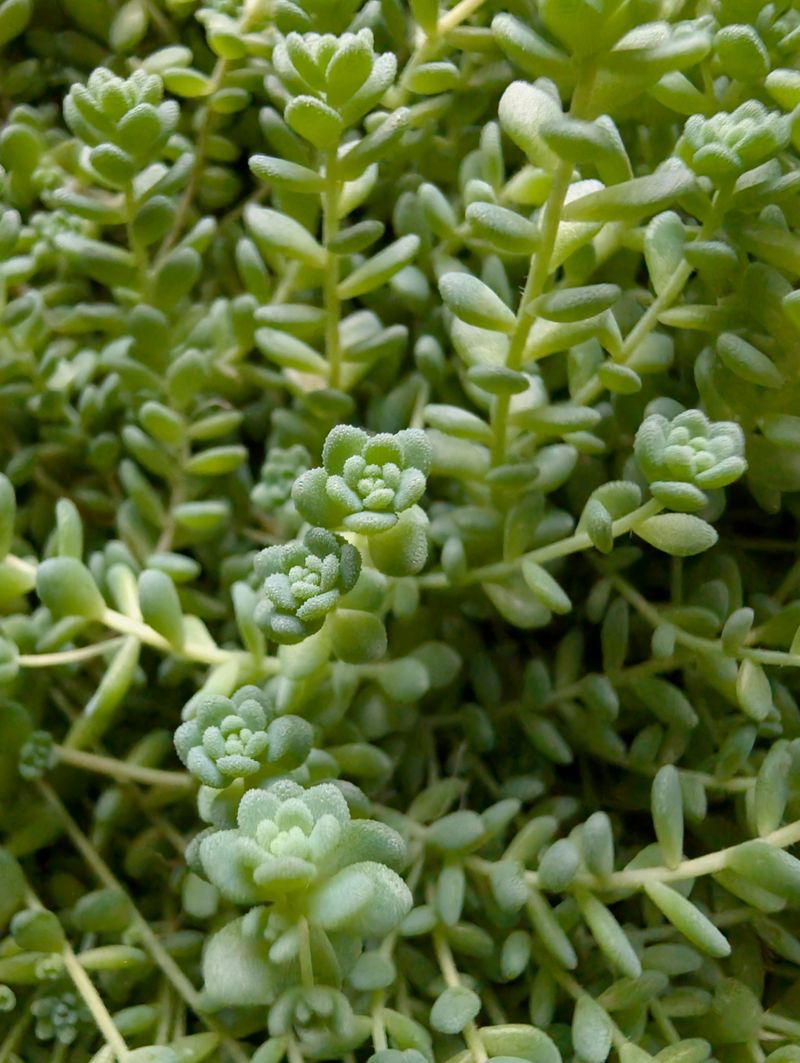
Sedum is the plant that basically propagates itself if you leave it alone long enough. Drop a broken stem on the soil and come back in two weeks, and there is a solid chance roots are already forming.
For gardeners in Indiana who want maximum reward for minimum fuss, sedum is a dream come true.
To take a cutting intentionally, snip a stem about three to four inches long from a healthy, established plant.
Let the cut end sit out in open air for a day or two so it can form a callus, which helps prevent rot once it hits the soil.
Your Indiana Garden Changes Every Week. Your Plan Should Too.
Gardening in Indiana changes quickly throughout the season. Every Friday you’ll receive a simple weekly plan showing exactly what to plant, prune, fertilize, harvest, and protect so you never miss the right timing.
This quick drying step is the secret weapon most beginner gardeners skip, and it makes a real difference. Sedum is a large genus and not all varieties behave the same in the garden.
Stick to named cultivars like ‘Autumn Joy’ or ‘Dragon’s Blood’, as some wild species such as Sedum acre can naturalize and spread as weeds in Midwest gardens.
Push the calloused end into well-draining soil or a sandy mix, water lightly, and then step back.
Sedum hates soggy roots more than almost anything, so resist the urge to overwater while it establishes.
Within three to four weeks, a gentle tug on the stem will meet resistance, which means roots have anchored in and the new plant is officially on its way. Indiana gardeners love sedum for good reason beyond easy propagation.
It handles drought, tolerates poor soil, and looks stunning in rock gardens, borders, and container arrangements.
Some varieties even blush red and orange in fall, adding a seasonal pop of color when most other plants are winding down.
Building a whole sedum collection from one parent plant is one of gardening’s most satisfying small victories.
3. Rosemary
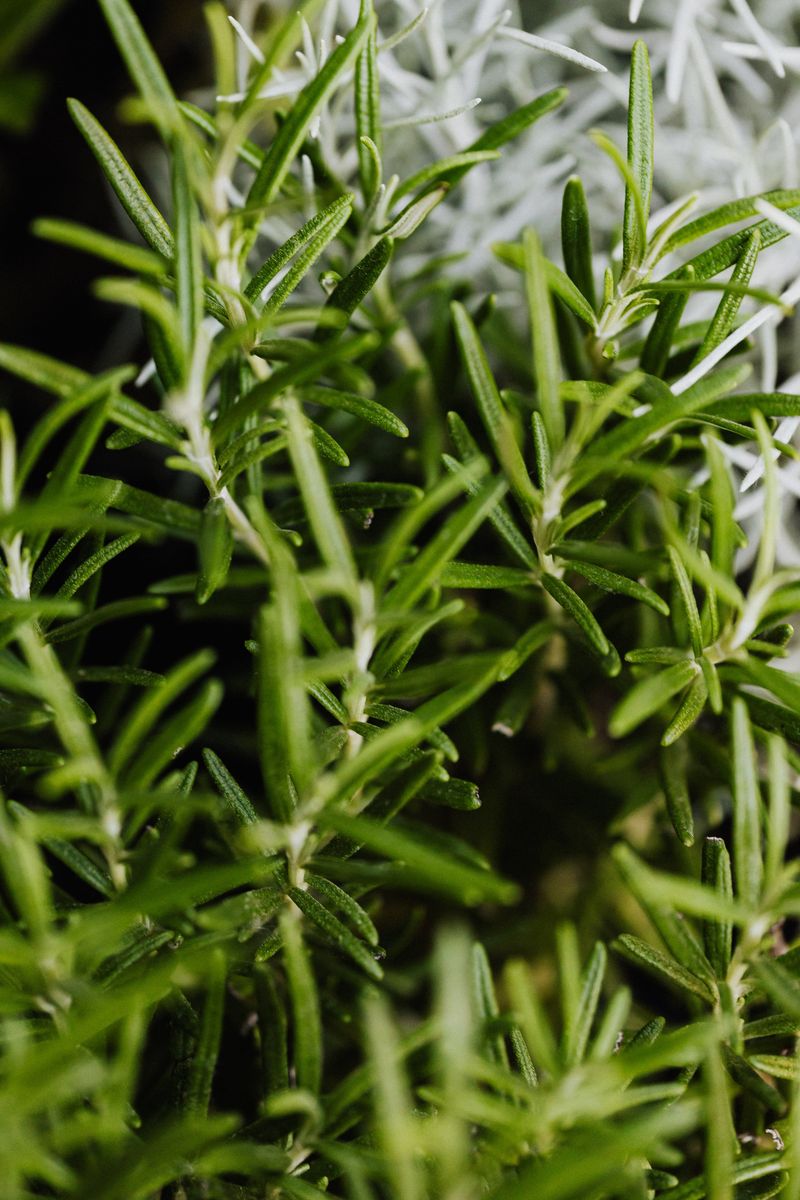
Rosemary smells like a Mediterranean hillside and roots like a champion when given a little encouragement.
This woody herb is a staple in kitchens and gardens alike, and one established plant can easily become five or six new ones with nothing more than a pair of scissors and some patience.
For Indiana herb gardeners, this is about as good as it gets. Take a cutting from the soft, new growth at the tip of a stem, aiming for about four to six inches.
Strip the needles from the bottom two inches, dip the cut end in rooting hormone powder if you have it on hand, and stick it into a small pot of damp, well-draining soil.
Cover loosely with a plastic bag to hold in humidity, and place it somewhere bright but not in direct, blazing sun.
Rooting takes patience with rosemary, usually six to twelve weeks. Check the soil regularly and mist lightly if it starts to dry out.
Once the cutting shows new leaf growth at the tips, that is your green light that roots have formed below the surface.
Rosemary is not fully cold-hardy in all parts of Indiana, so propagating extras gives you a smart backup plan.
Pot up a few cuttings and bring them indoors before the first hard freeze, and you will have thriving plants ready to go back outside come spring.
There is something deeply satisfying about brushing your fingers across a rosemary sprig you grew from scratch and smelling that sharp, piney fragrance fill the air.
4. Thyme
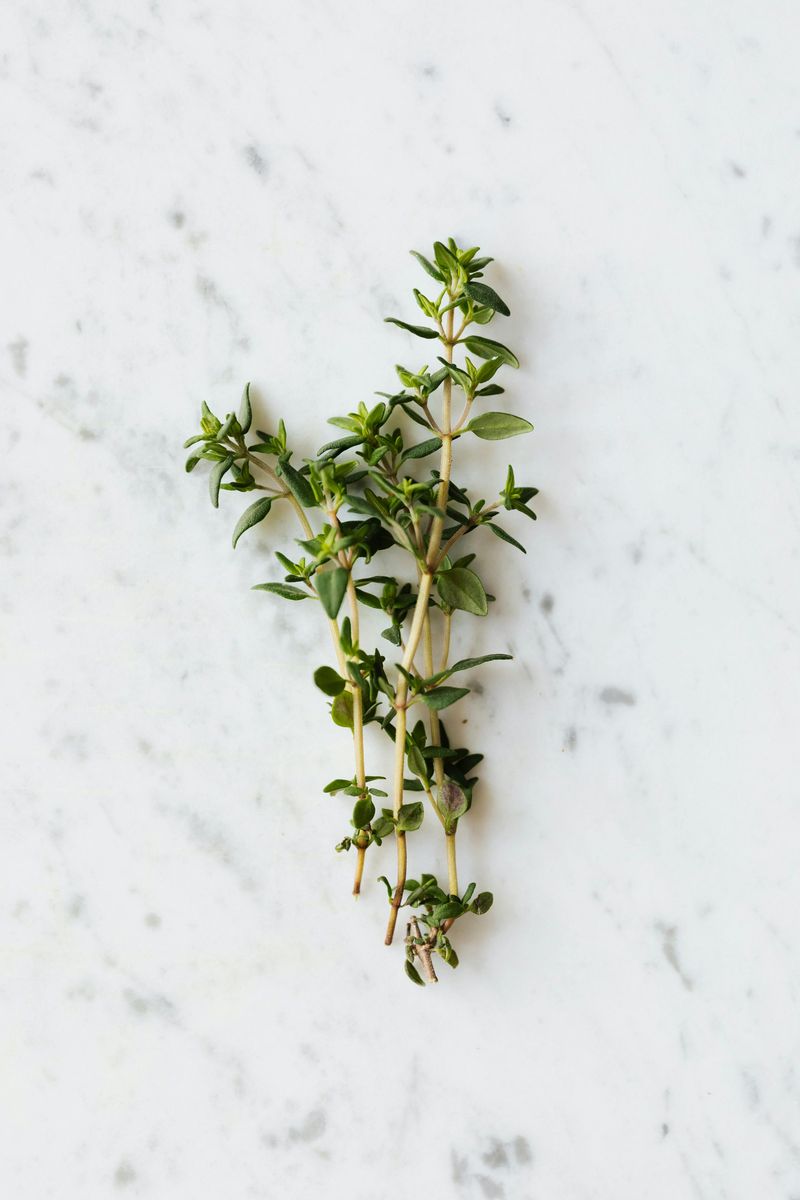
Thyme is the quiet overachiever of the herb garden, and it multiplies from cuttings with an ease that almost feels like cheating.
Tuck a few stems into soil, give them moderate moisture and decent light, and thyme will reward you with a full new plant before you know it.
For anyone who cooks regularly, having an endless supply of fresh thyme on hand is nothing short of life-changing. The best cuttings come from stems that are not too young and not too woody, somewhere in that sweet middle zone.
Snip about three to four inches, strip the lower leaves, and press the bare stem into moist potting mix or seed-starting soil.
A small plastic dome or upside-down clear cup placed over the cutting helps trap humidity and speeds up rooting noticeably.
Thyme roots in roughly two to four weeks under good conditions, which is quick enough to keep a beginner motivated.
Once you see fresh growth emerging from the tip, ease off the humidity cover gradually over a few days so the plant adjusts to normal air without wilting. Then move it to a sunnier spot and treat it like any established herb.
Indiana summers give thyme exactly the warm, bright conditions it craves, making late spring the ideal time to start a propagation batch.
A single thyme plant from the grocery store can easily become a dozen thriving specimens lined up along a sunny windowsill or garden border.
That generous, herby abundance, built entirely from cuttings, is the kind of gardening win that keeps you coming back for more.
5. Forsythia
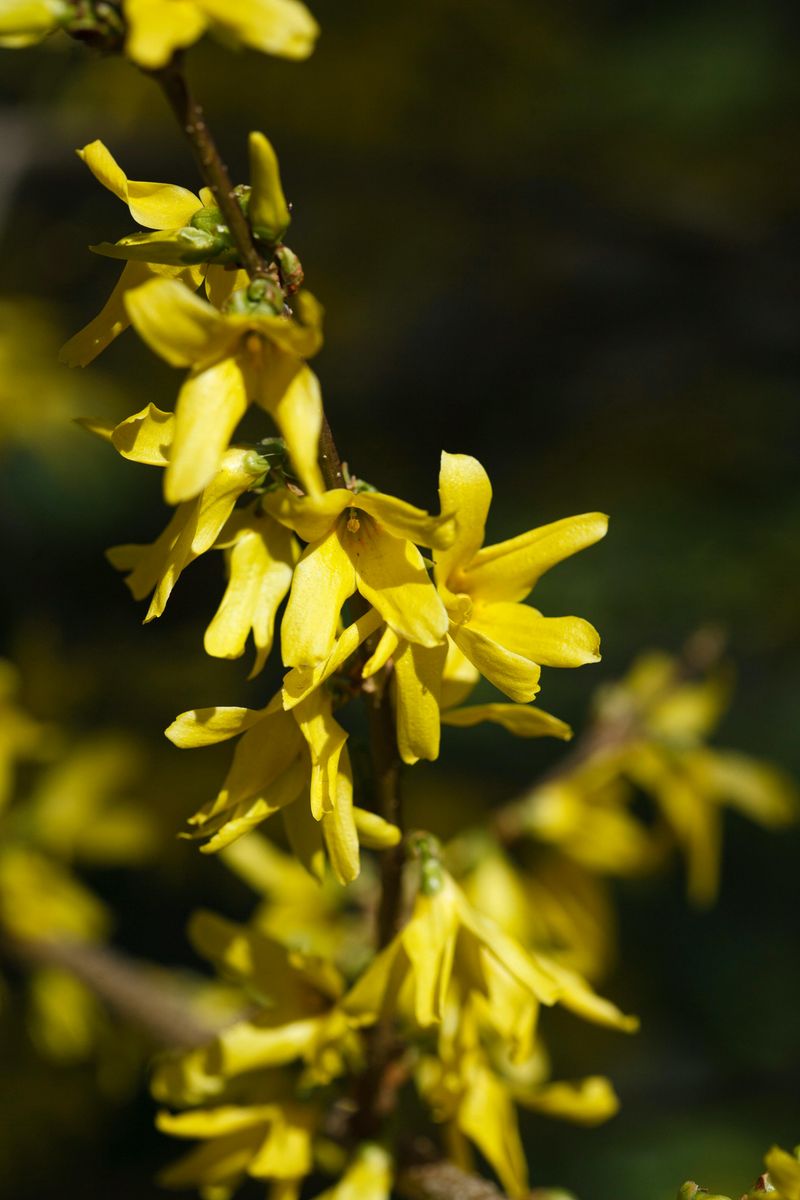
Every spring in Indiana, forsythia explodes into a riot of bright yellow blooms before a single other shrub has even thought about waking up.
It is one of the boldest signs that winter is truly over, and the good news is that this cheerful shrub is one of the easiest woody plants to propagate from cuttings.
One mature forsythia can give you a whole hedge row of new shrubs without spending a cent. Softwood cuttings taken in late spring or early summer root the most reliably.
Choose stems from the current season’s growth, cut about six to eight inches long, and remove all but the top few leaves.
Dip the cut end in rooting hormone, press it into a container of moist potting mix, and cover with a plastic bag to create a mini greenhouse effect. Keep the cutting in bright, indirect light and check the moisture level every couple of days.
Forking out for a heat mat can speed things up, but it is not strictly necessary during Indiana’s warm summer months when ambient temperatures do the job naturally.
Rooting typically takes four to six weeks, and a gentle tug test will confirm whether the roots have taken hold.
Hardwood cuttings taken in late fall are another option, one that many experienced gardeners swear by for forsythia.
Bundle the cuttings and store them in a cool spot over winter, then plant them out in early spring.
Be aware that forsythia can spread beyond its intended space through root suckering, so site it with room to grow or plan to trim the base each year.
6. Bee Balm
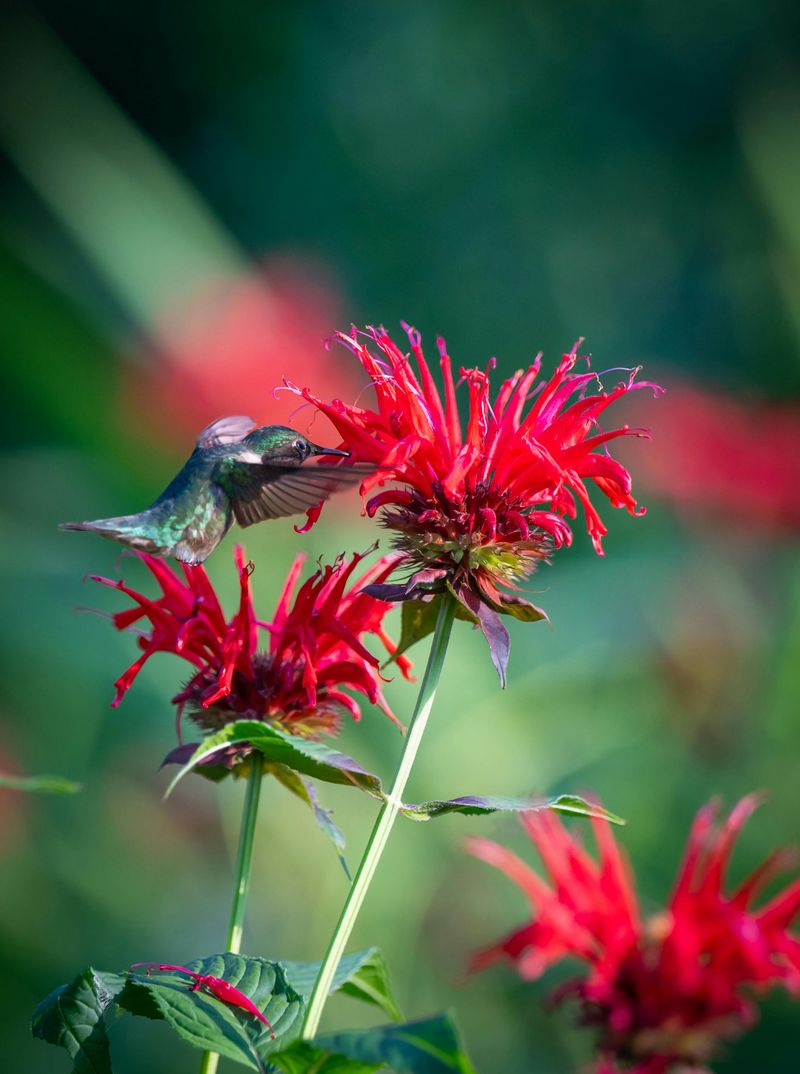
Plant bee balm once and your garden becomes a wildlife hotspot. Bee balm is also one of the most forgiving plants to multiply from cuttings, making it a favorite among Indiana native plant enthusiasts.
Once you have one clump growing, you will want it spreading everywhere. Take stem cuttings in late spring or early summer when the plant is actively pushing new growth.
Aim for non-flowering stems about four to five inches long, strip the lower leaves, and root them in moist potting mix or a mix of perlite and compost.
Bee balm roots quickly compared to many perennials, often showing signs of establishment within two to three weeks under warm conditions.
Keep the cuttings in a warm, bright spot out of harsh direct sun, and mist them lightly every day or two to prevent the leaves from drying out before roots form.
Once rooted, harden the young plants off gradually by setting them outside for a few hours each day before transplanting into the garden.
Bee balm spreads enthusiastically once established, so give each new plant plenty of room to grow.
The scent alone is worth the propagation effort: crush a leaf between your fingers and you get a sharp, minty oregano fragrance that is hard to describe but impossible to forget.
Planted along a sunny border, a row of bee balm in full bloom is a buzzing, fluttering, wildly alive spectacle. Multiplying these beauties from cuttings means more of that magic, season after season.
7. Phlox
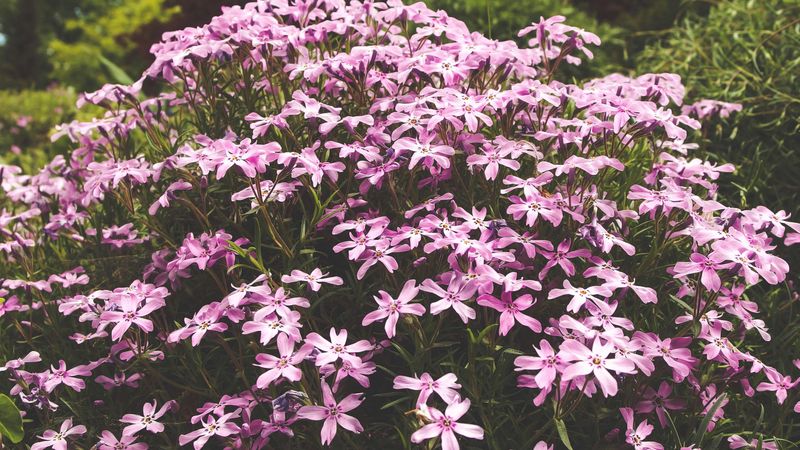
Phlox is the kind of plant that stops people mid-stride on a summer walk, pulling them toward a cloud of pink, purple, or white blooms with a fragrance that is sweet without being overwhelming.
Garden phlox is a staple of Indiana landscapes, and propagating it from cuttings is a straightforward process that pays off in spectacular fashion.
One healthy parent plant can generate a good number of new specimens ,often five to fifteen, in a single season.
Take basal cuttings in spring when new shoots emerge at the base of the plant, before any flower buds form. These young, vigorous shoots root far more successfully than older, woodier stems.
Cut them about three to four inches long, strip the bottom leaves, and nestle them into moist, well-draining potting mix in small containers.
Place the cuttings in a bright spot with indirect light and keep the soil consistently moist but never waterlogged. A humidity dome helps retain moisture around the leaves while roots develop below.
In three to five weeks, new leaf growth signals that the cutting has rooted and is ready to transition to a sunnier location.
Creeping phlox, the low-growing cousin that carpades over walls and slopes in early spring, propagates just as easily from stem cuttings taken after flowering.
Both types thrive in Indiana’s warm summers and cool autumns, filling in borders and slopes with reliable, season-long color.
Building a phlox-filled garden from a handful of cuttings is one of those slow-burn gardening projects that delivers a jaw-dropping payoff when everything blooms at once.
8. Mint
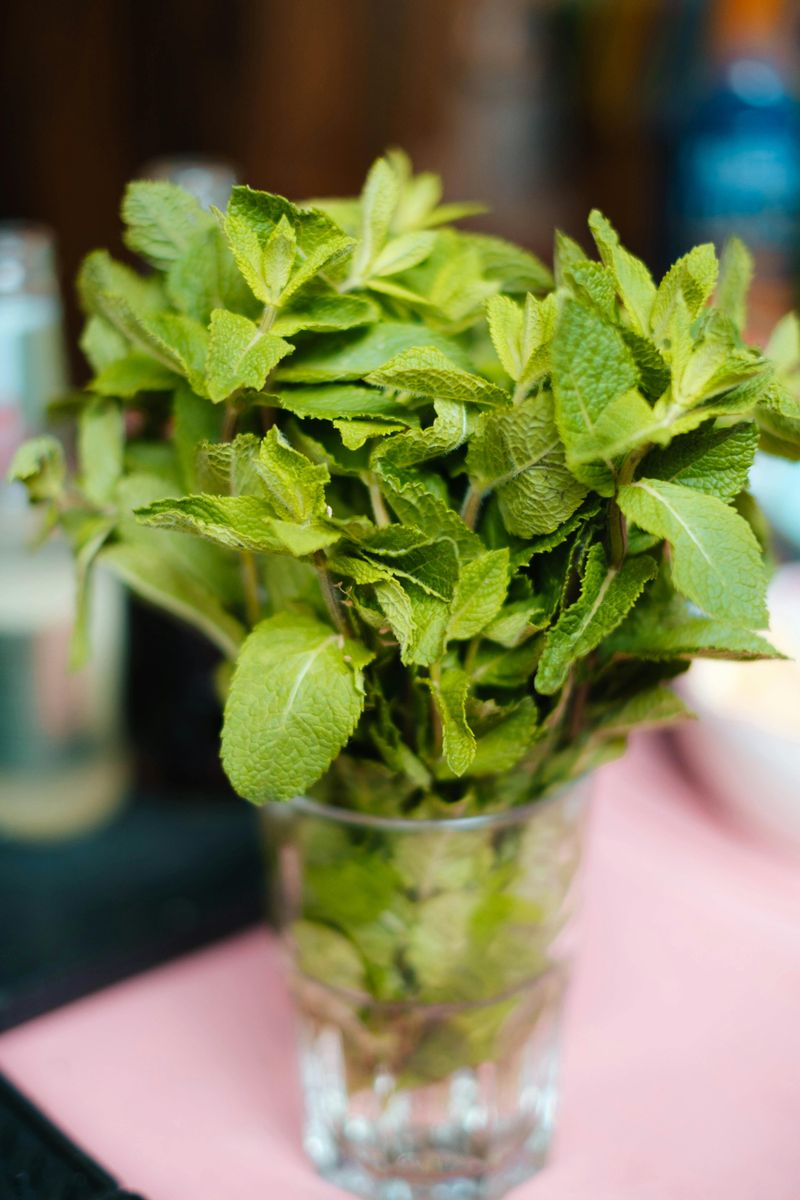
Mint practically begs to be multiplied, and it will root in a glass of water faster than almost any other plant on this list.
Snip a stem, drop it in water, and roots appear within a week in most cases, sometimes sooner if the conditions are warm.
For anyone new to propagating plants from cuttings, mint is the perfect place to start building confidence.
Choose a healthy stem about four to six inches long, cut just below a leaf node, and strip the leaves from the bottom half.
Set the stem in a glass or jar of clean water in a bright spot, and change the water every two to three days to keep it fresh and oxygen-rich.
By day seven or eight, you will likely see white roots threading out from the submerged nodes, which is one of the most satisfying sights in home gardening.
Once the roots reach about an inch long, transfer the cutting into potting soil and water it in gently.
Mint grows fast and spreads aggressively, so planting it in a container is often the smartest move, especially for tidy gardeners who do not want it taking over an entire raised bed.
Mint spreads aggressively through underground rhizomes and can take over garden beds if left unchecked. Planting it in a container is strongly recommended.
The buried pot trick, where you sink a container into the ground flush with the soil surface, is the safest way to grow mint in a garden bed.
Indiana’s warm, humid summers are practically tailor-made for mint, and a single propagated cutting can become a lush, overflowing pot within one season.
Fresh mint for lemonade, cocktails, tea, and cooking, all grown from a free cutting you took from one thriving parent plant, is the kind of simple abundance that makes gardening endlessly worthwhile.