These Groundcovers Are Illegal To Plant In Texas
Groundcovers are one of the most practical tools in a Texas landscape, filling in bare ground, controlling erosion, and cutting down on the weeding and watering that open soil demands.
The problem is that some of the most widely available and commonly planted options have ended up on Texas invasive species lists, and a few are now outright illegal to plant, sell, or allow to spread in the state.
These are not obscure plants tucked away in specialty nurseries. Several of them are sold regularly at big box stores and garden centers without much warning about what they can do once they leave the pot.
They spread aggressively beyond property lines, crowd out native vegetation, and cause environmental damage that is genuinely difficult to reverse.
A handful of the plants on this list are familiar enough that finding out they are restricted in Texas will catch a lot of people completely off guard.
1. Giant Salvinia
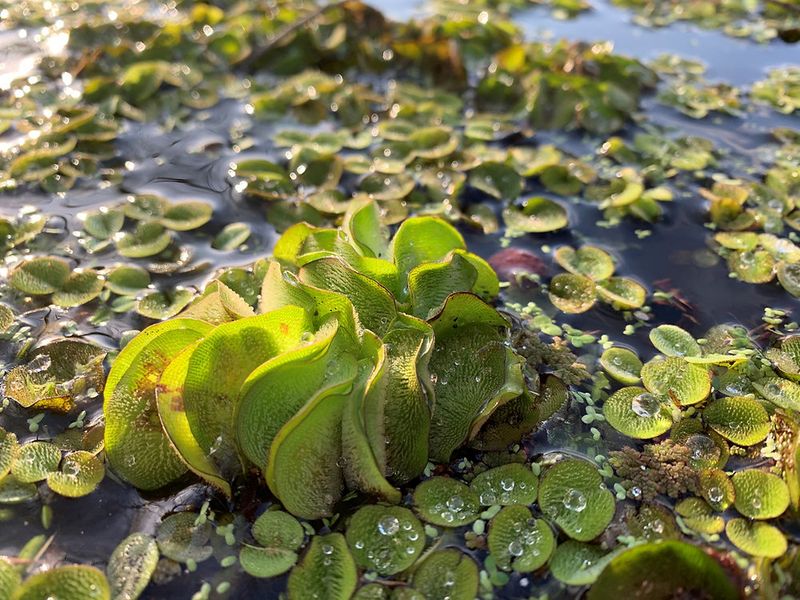
Imagine looking out at a peaceful Texas lake and seeing nothing but a thick carpet of bright green plants from one shore to the other. That is exactly what Giant Salvinia can do, and it does it faster than most people expect.
This floating fern is originally from South America, and it has no natural enemies in Texas to slow it down.
Giant Salvinia doubles in size roughly every week under the right conditions. That means a small patch can turn into a massive bloom in just a matter of weeks.
It blocks sunlight from reaching underwater plants, and it lowers oxygen levels so much that fish and other aquatic life struggle to survive.
Texas law makes it illegal to possess, transport, purchase, or sell Giant Salvinia. The Texas Parks and Wildlife Department lists it as a harmful invasive species with serious consequences for anyone who spreads it.
Even moving a small piece on a boat, trailer, or fishing gear from one body of water to another is enough to start a new infestation.
If you enjoy boating or fishing in Texas, always clean your equipment before leaving any body of water. Remove any plant material you see clinging to your boat, motor, or trailer.
Drain all water from your boat, live well, and bait buckets before you leave. These simple steps make a huge difference in stopping the spread of Giant Salvinia and keeping Texas waterways healthy and open for everyone to enjoy for years to come.
2. Hydrilla
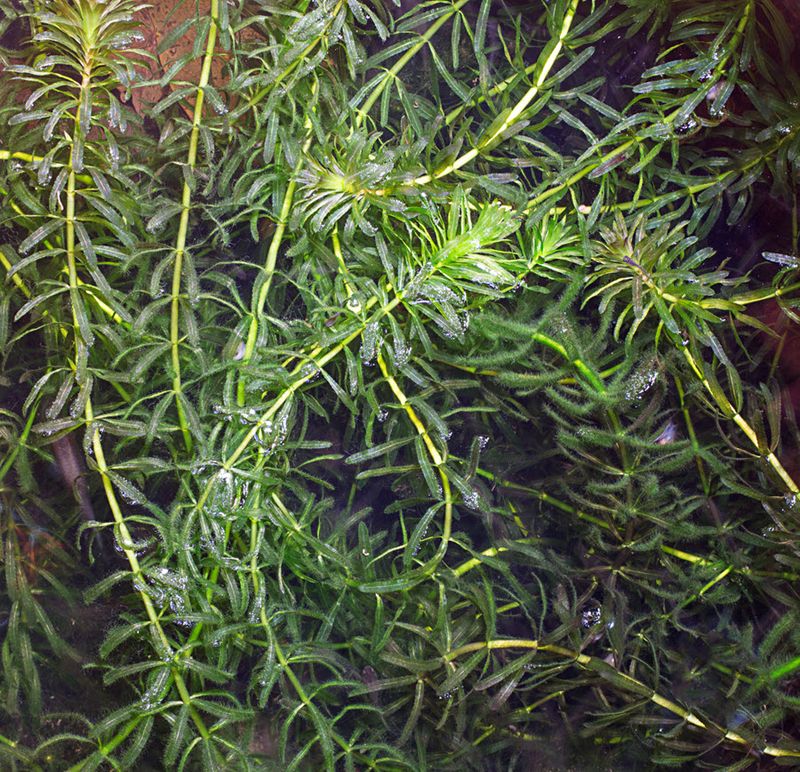
Hydrilla is one of the most stubborn aquatic weeds ever introduced to the United States, and Texas has been fighting it for decades. Originally brought over as an aquarium plant, it escaped into natural waterways and quickly became a major problem.
It grows in almost any freshwater environment and can thrive in conditions where many other plants cannot.
What makes Hydrilla so hard to control is the way it reproduces. It spreads through fragments, tubers, and turions, which are tiny bud-like structures that can survive in soil for years.
Even a tiny piece of the plant left behind can start a whole new colony. It grows so densely that it clogs boat propellers, blocks irrigation systems, and makes swimming dangerous.
Your Texas Garden Changes Every Week. Your Plan Should Too.
Gardening in Texas changes quickly throughout the season. Every Friday you’ll receive a simple weekly plan showing exactly what to plant, prune, fertilize, harvest, and protect so you never miss the right timing.
Texas regulates Hydrilla as a harmful invasive species under state law. It is illegal to import, sell, purchase, or transport it anywhere in Texas.
The state spends millions of dollars every year trying to manage existing populations in lakes like Lake Travis and Lake Conroe. Despite those efforts, Hydrilla remains one of the hardest invasive plants to fully remove once it takes hold.
Boaters and anglers play a huge role in either spreading or stopping Hydrilla. Never release aquarium plants into natural water.
Always inspect your boat and gear after a day on the water. The Texas Parks and Wildlife Department offers free resources and reporting tools so the public can help track and report new sightings.
Staying alert and taking action is the best way communities can fight back against this relentless underwater invader.
3. Water Hyacinth
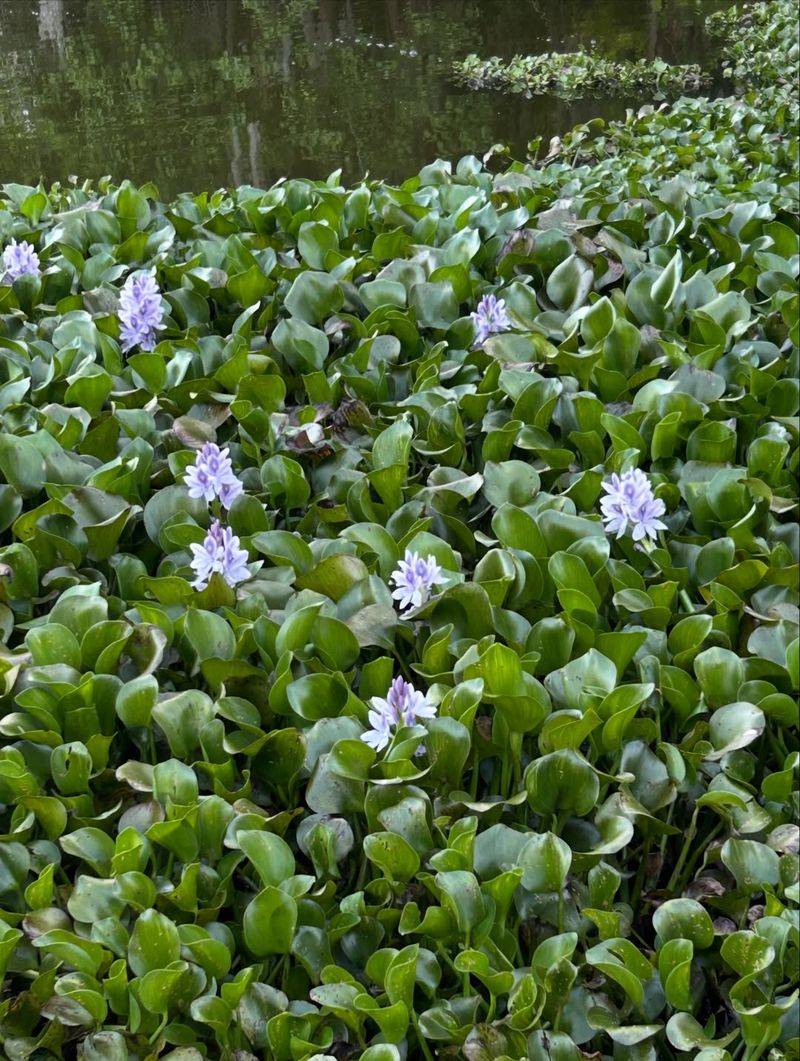
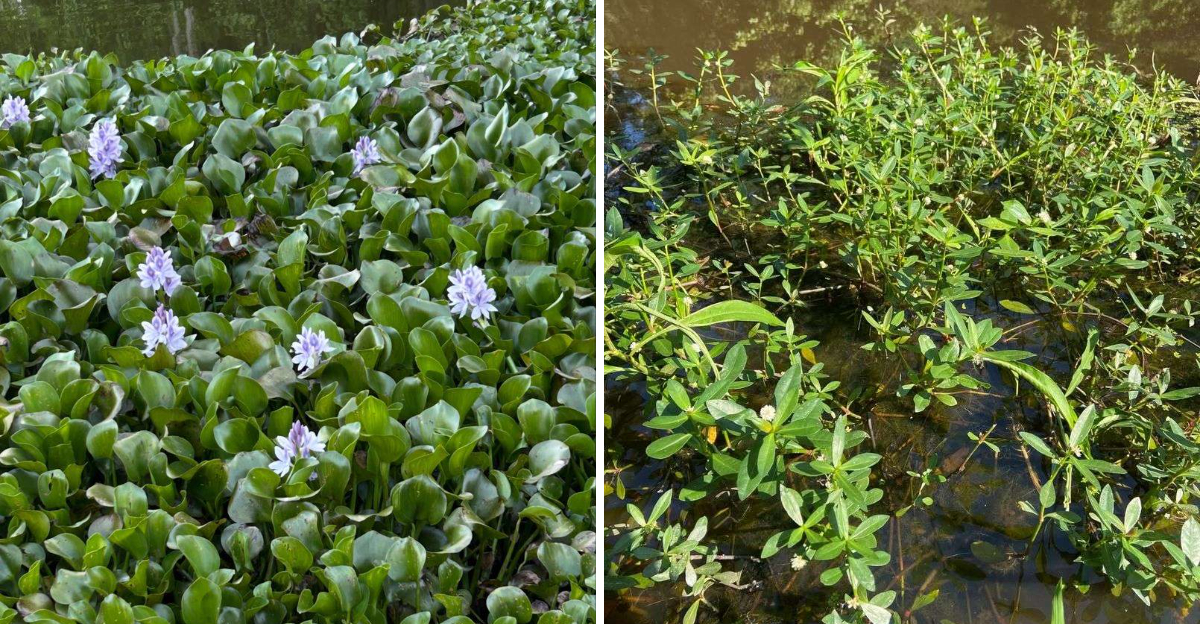
Pretty as it looks, Water Hyacinth is one of the most destructive floating plants on the planet. Its lavender flowers and shiny green leaves can make a pond look like something out of a garden magazine.
But underneath that beauty is a plant that spreads faster than almost any other aquatic weed in the world.
Water Hyacinth forms thick floating mats that can cover an entire pond or slow-moving river in a matter of months. Those mats block sunlight from reaching underwater life and cause oxygen levels to crash.
Fish, turtles, and other wildlife suffer when their habitat is smothered by this dense, tangled layer of plants. Boats cannot pass through heavy infestations, and water intake pipes for irrigation or drinking water can become completely clogged.
Texas restricts Water Hyacinth under its invasive species regulations. You cannot legally plant it in outdoor water features that connect to natural waterways, and selling or distributing it is prohibited.
The plant thrives in warm, nutrient-rich water, which means Texas rivers and ponds are basically perfect for it. Warm temperatures and water runoff from lawns and farms create conditions where it explodes in growth.
If you spot Water Hyacinth growing in a local waterway, report it to the Texas Parks and Wildlife Department right away. Do not try to remove it yourself without guidance, because broken-off pieces can float away and start new colonies downstream.
Choosing native aquatic plants for water gardens is a smart and legal alternative that still looks beautiful without putting natural ecosystems at risk.
4. Alligatorweed
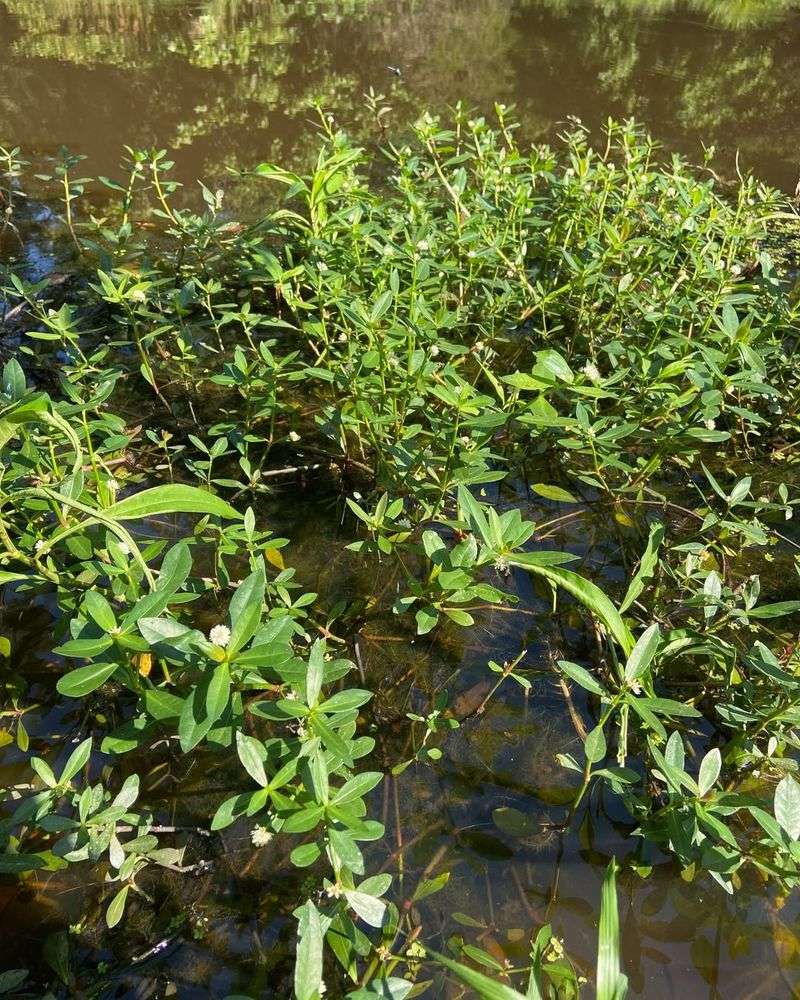
Alligatorweed earned its name because it is nearly as hard to get rid of as an alligator. This tough, fast-spreading plant originally came from South America and has made itself very comfortable in Texas wetlands, riverbanks, and slow-moving streams.
It grows both in water and on moist soil, which makes it even harder to control than plants that stick to one environment.
The stems of Alligatorweed are hollow and float easily, allowing it to spread downstream and colonize new areas quickly. It forms thick mats along the edges of waterways that crowd out native grasses and plants.
Cattle and other livestock that depend on waterside vegetation for food can find their grazing areas taken over. The dense growth also clogs drainage ditches and flood control channels, creating real problems for farmers and land managers.
Texas considers Alligatorweed a regulated invasive species, and it is illegal to introduce it into Texas waters or wetlands. Managing existing populations is a serious challenge.
Researchers have had some success using biological control agents, including a South American flea beetle that feeds on the plant, but eradication is rarely complete. The plant can regrow from small fragments left behind in the soil or water.
Landowners in Texas who notice Alligatorweed on their property should contact the Texas A&M AgriLife Extension Service for guidance on management options. Early action is key because the plant spreads rapidly once established.
Keeping an eye on waterways and reporting new patches quickly gives land managers the best chance of preventing a full-scale infestation before it becomes impossible to manage.
5. Anchored Water Hyacinth
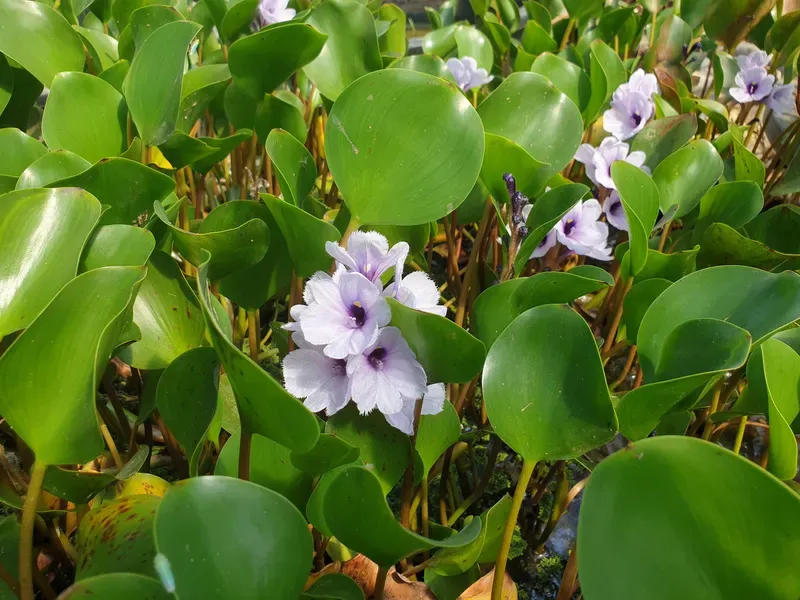
Not everyone realizes that Anchored Water Hyacinth is actually a different species from the free-floating Water Hyacinth, even though they look similar and share the same bad reputation.
While the floating version drifts wherever the current takes it, Anchored Water Hyacinth roots itself into the mud at the bottom of shallow waterways. That rooting makes it even harder to remove once it gets established in a new location.
Anchored Water Hyacinth is native to tropical regions of South America and thrives in the warm, shallow waters found throughout much of Texas. It grows in dense colonies that shade out native aquatic plants and reduce oxygen in the water around its roots.
Over time, those conditions make the habitat much less hospitable for native fish, amphibians, and invertebrates that depend on healthy, balanced aquatic ecosystems.
Texas includes Anchored Water Hyacinth on its list of prohibited exotic plants, making it illegal to import, sell, or introduce it into any Texas water body.
The state takes these rules seriously because aquatic invasions are extremely costly and difficult to reverse once they take hold.
Even a single plant accidentally introduced to a new water body can start a colony that spreads across acres within a few growing seasons.
If you have a water garden or pond on your property, always double-check that any aquatic plants you purchase are legal in Texas. Many invasive aquatic plants are still sold online or at garden centers under different names.
Buying plants from reputable, Texas-compliant nurseries and asking questions before you buy can prevent a costly and ecologically damaging mistake on your property.
6. Purple Loosestrife
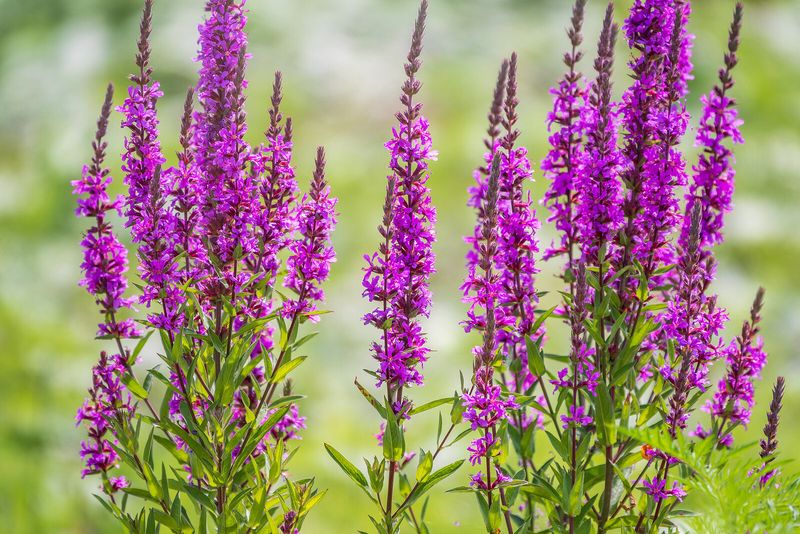
Few invasive plants look as striking as Purple Loosestrife. Its tall spikes of bright magenta-purple flowers can make a wetland look absolutely gorgeous in summer.
That visual appeal is part of what made it so popular in gardens and landscaping across North America for many years. Unfortunately, the same qualities that make it beautiful also make it incredibly destructive in the wild.
Purple Loosestrife is native to Europe and Asia, and it has no natural controls in North American ecosystems. A single plant can produce up to two million seeds per year, and those seeds spread easily by wind and water.
Once it establishes in a wetland, it forms a dense monoculture that pushes out native plants like cattails, bulrushes, and native sedges. When native plants go, so does the habitat that birds, mammals, and insects depend on.
Texas restricts Purple Loosestrife because its aggressive spread threatens the health of wetlands, floodplains, and riparian areas across the state. It is on the Texas Department of Agriculture’s noxious weed list, which means transporting, selling, or planting it is illegal.
Despite these rules, Purple Loosestrife occasionally shows up at garden centers or online retailers, sometimes under misleading labels claiming the variety is sterile.
Gardeners who love the look of Purple Loosestrife can find beautiful native alternatives that provide similar color without the ecological damage.
Plants like native blazing star, blue mistflower, or swamp milkweed offer vibrant blooms and actually support local pollinators and wildlife.
Choosing native plants is always the smarter, safer, and more responsible option for Texas landscapes near wetlands or waterways.