Indiana Septic Drain Fields Have 8 Planting Rules Homeowners Should Know
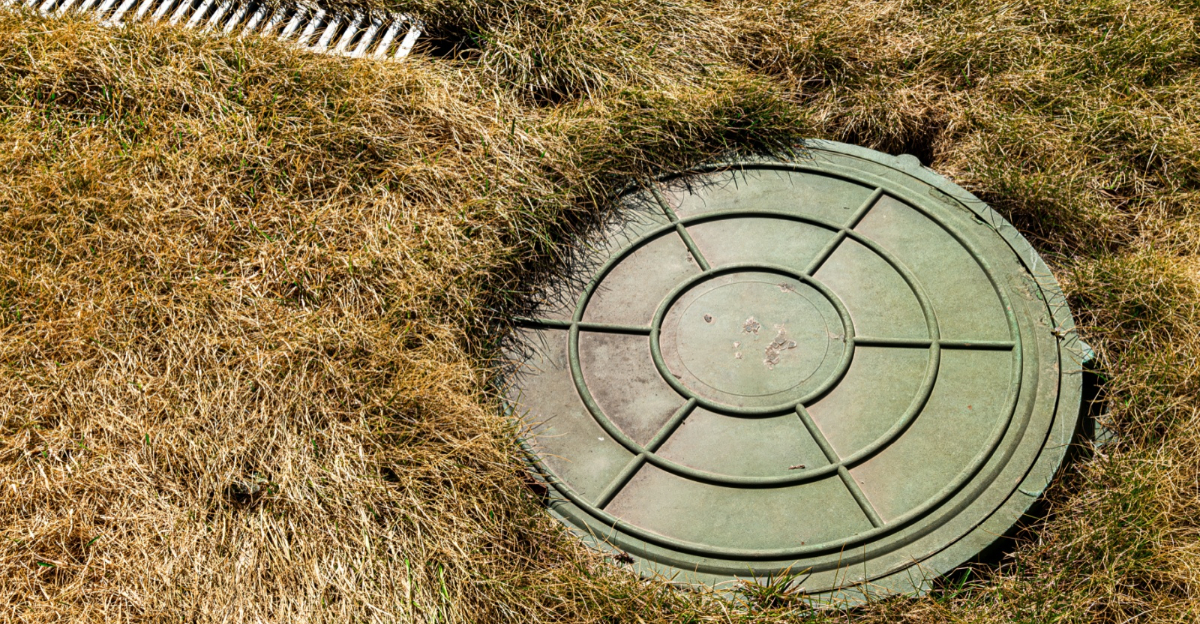
Beneath your lawn, roots are quietly plotting a slow move on unseen pipes. Indiana soil hides drain fields that demand respect, not neglect.
Grass seems safe, but certain plants can surprise you underground. Deep roots crack pipes slowly, long before symptoms surface above. Contractors charge steep rates once damage spreads beneath saturated soil.
Homeowners assume landscaping choices are harmless, yet septic systems disagree completely. Wrong choices invite clogged lines, backed-up drains, and costly repair bills.
Local codes matter because Indiana septic rules restrict careless planting choices. Trees seem distant, yet their roots travel further than most realize.
Shrubs seem gentle, yet aggressive root systems seek moisture relentlessly. Every plant near your drain field carries hidden risk or hidden safety.
Knowing which is which changes everything about protecting your investment. Costs escalate fast once contractors uncover extensive underground damage nearby. Ignore this knowledge, and you might dig up more than dirt.
Stick To Shallow-Rooted Grasses And Groundcovers
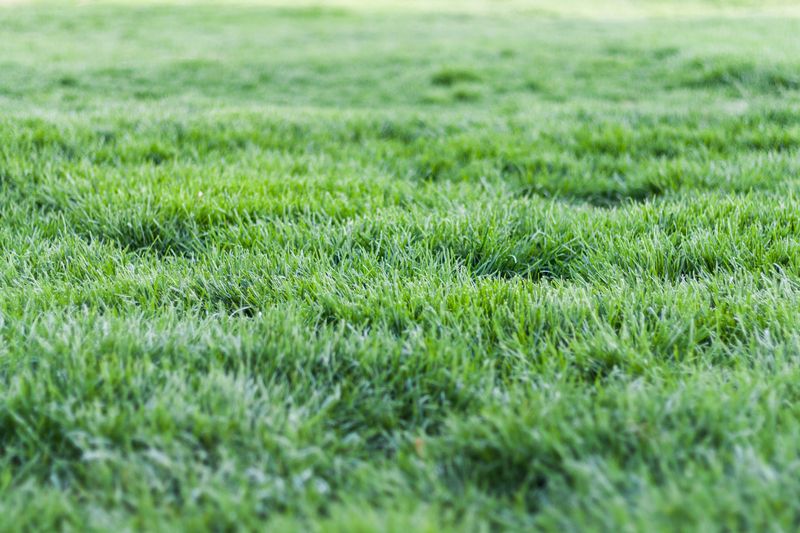
Picture a perfectly green lawn rolling over your drain field without a single problem underneath. That is exactly what shallow-rooted grasses and groundcovers can give you.
Grasses like Kentucky bluegrass, fescue, and ryegrass are popular choices for Indiana yards. Their roots stay near the surface and never reach deep enough to threaten your pipes.
Groundcovers like creeping thyme or clover work just as well. They spread low and wide without sending roots down into the soil layers where your lines run.
The key benefit here is moisture control. These plants absorb excess water from the soil, which actually helps your drain field work more efficiently.
Shallow roots also make maintenance easier. You can mow, trim, or replant without worrying about disturbing anything underground.
Many Indiana homeowners mistakenly assume any green plant is safe. Root depth matters far more than how a plant looks from above the ground.
A general guideline is to choose plants known for shallow root systems, though exact depth varies by species and soil. That keeps your system safe and your lawn looking great.
Groundcovers also protect the soil from erosion during heavy Indiana rains. A stable surface above your drain field means fewer long-term problems below it.
Start simple and start smart. The right grass or groundcover is the easiest way to protect your septic investment for years to come.
Avoid Trees And Large Shrubs Near The Field
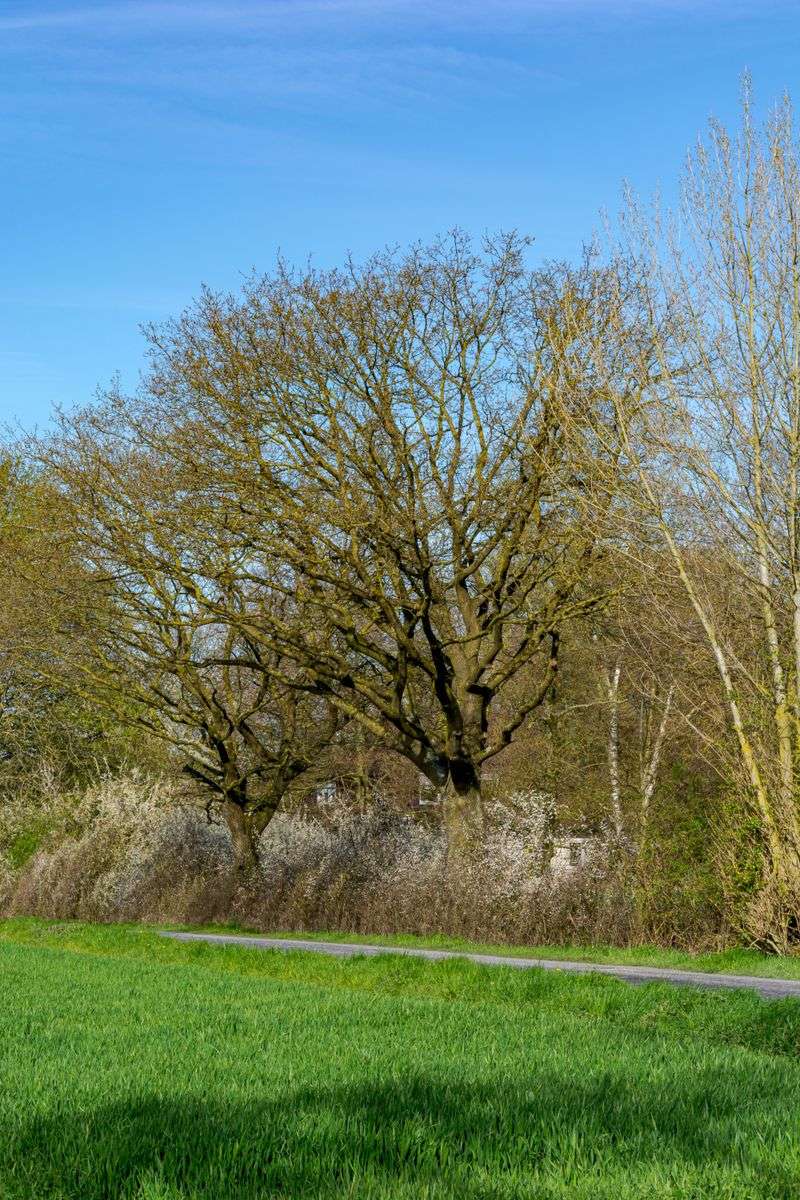
Trees are beautiful, but near a drain field, they can pose a real risk. Their roots travel far and wide searching for water and nutrients underground.
A mature oak or maple can send roots well beyond its canopy, often twenty feet or more, depending on soil and species.
Large shrubs like forsythia and butterfly bush are equally problematic. They may look manageable above ground, but below the surface, they behave aggressively.
As a general guideline, many experts recommend keeping large trees a significant distance from the drain field boundary; check local guidance for exact figures.
Root intrusion is a common cause of drain field problems. Once roots find a crack or joint in a pipe, they grow inside it fast.
Your Indiana Garden Changes Every Week. Your Plan Should Too.
Gardening in Indiana changes quickly throughout the season. Every Friday you’ll receive a simple weekly plan showing exactly what to plant, prune, fertilize, harvest, and protect so you never miss the right timing.
Smaller ornamental trees like dogwoods or redbuds have less aggressive root systems. Even so, planting them too close to the field is still a risk worth avoiding, so check recommended setback distances for your property.
If you already have an established tree near your field, watch for slow drains or wet spots in the yard. Those are early warning signs that roots may already be causing damage.
Removing a tree before it causes damage is far cheaper than replacing a failed drain field. Prevention here is worth every penny you spend on it.
Your septic system is not a garden feature. Keep the big plants far away and protect what is buried beneath your feet.
Keep Root Systems Away From Pipes And Lines
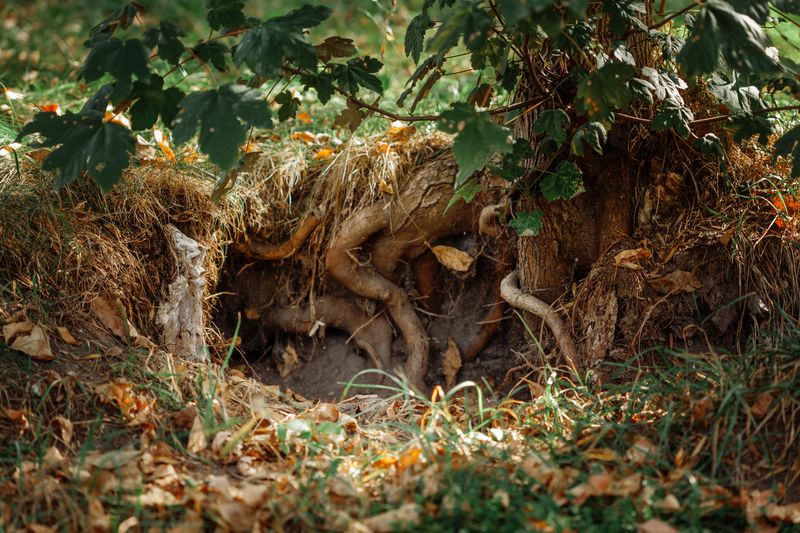
Out of sight does not mean out of danger when it comes to your underground pipes. Root systems follow moisture, and your septic lines are full of it.
Even plants that seem harmless can cause major trouble beneath the surface. A root does not need to be thick to squeeze into a small pipe joint and grow.
Perforated pipes in a drain field are especially vulnerable. They have small openings that allow water to seep out, and those same openings invite roots right in.
Once a root enters a pipe, it branches out and creates a dense mat. That mat traps solids, restricts flow, and eventually causes a full blockage in the line.
Indiana soils vary widely across the state due to glacial history, ranging from clay-heavy to sandy loam depending on the region.
Homeowners should map out where their drain field lines run before planting anything new. Your county health department or the original installation permit may have this information available.
A generous buffer zone around each pipe line is a smart starting point; confirm exact distances with your local health department. The more space you give your pipes, the safer your system stays over time.
Regular inspections can catch early root intrusion before it becomes a full repair job. A camera inspection every few years is a worthwhile investment for any homeowner.
Protecting your pipes means protecting your wallet. Give those underground lines the breathing room they need to keep working.
Never Plant Vegetable Gardens Over The Drain Field
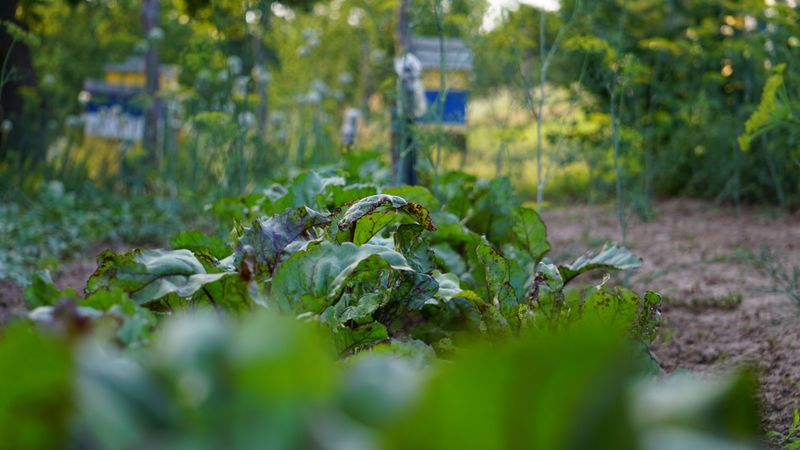
Growing your own food sounds rewarding, but placing a vegetable garden over a drain field is a bad idea on every level. The risks go beyond just your septic system.
Drain fields release partially treated wastewater into the surrounding soil. That water contains bacteria and pathogens that can be absorbed directly by edible plants.
Root vegetables like carrots, beets, and radishes are considered higher risk due to direct soil contact. They grow directly in the contaminated soil zone and absorb what is in it.
Even above-ground vegetables like tomatoes and peppers can carry contamination through their root systems. Washing produce may not fully remove bacteria that was absorbed during growth.
Many Indiana counties discourage or restrict edible gardens over active septic systems, so it’s worth checking local health department rules. Violating this is not just a rule problem, it is a legitimate food safety concern.
Beyond contamination, vegetable gardens require frequent watering and soil amendments. Extra irrigation overloads the drain field and disrupts the natural treatment process happening below.
Digging and tilling for a garden also risks physically damaging the pipes and distribution boxes buried just beneath the surface. Digging carelessly near pipes can lead to costly repairs.
If you love gardening, place your raised beds a safe distance from the drain field boundary, and confirm exact setback requirements locally. Use clean soil and keep those beds completely separate from your septic zone.
Keep food production separate from potential contamination sources. Keep the garden and the drain field in completely different parts of your yard.
Skip Anything Requiring Deep Irrigation Or Watering
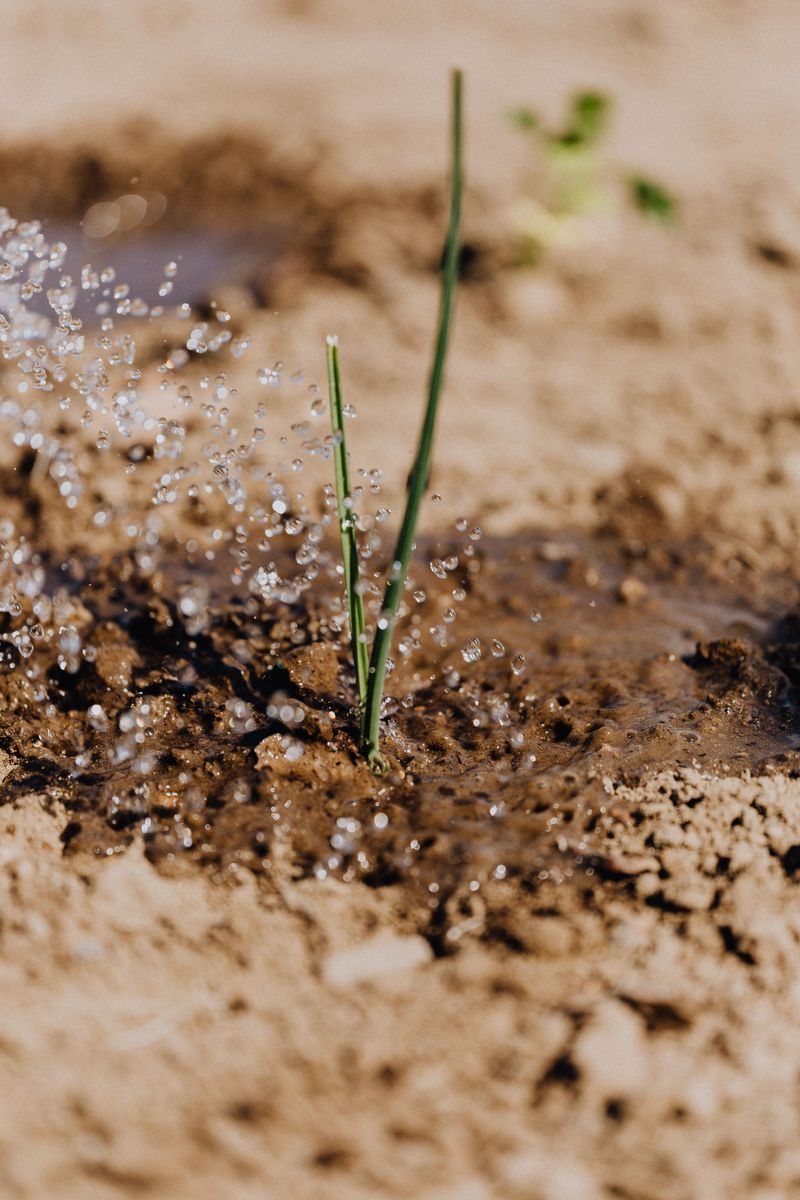
Water-hungry plants sound like a landscaping dream, but near a drain field, they can put significant strain on the system. Too much water in the wrong place causes big problems underground.
Drain fields work by allowing wastewater to slowly filter through the soil. When you add extra irrigation on top, the soil becomes saturated and cannot do its job properly.
Plants like willows, water-loving ferns, and bog garden varieties thrive on heavy moisture. Their demand for water pulls them directly toward the wet environment your drain field creates.
Saturated soil above a drain field leads to a condition called hydraulic overload. The system backs up, wastewater surfaces in your yard, and repairs become unavoidable quickly.
Indiana summers can be hot, but your drain field area should rely on natural rainfall only. Supplemental irrigation in that zone puts unnecessary stress on the entire system.
Even drip irrigation systems placed near the field boundary can cause problems. Water migrates through soil laterally, and it does not stay where you point the emitter.
Choosing drought-tolerant plants for the drain field area solves this problem entirely. They thrive on minimal water and never demand more than the sky naturally provides.
Native Indiana plants are well-suited to the local rainfall patterns and rarely need extra watering once established. They are a smart, low-effort choice for any drain field zone planting.
Less water above means better treatment below. Keep the irrigation hose away from your drain field and let nature handle the moisture balance.
Avoid Plants With Aggressive Or Invasive Roots
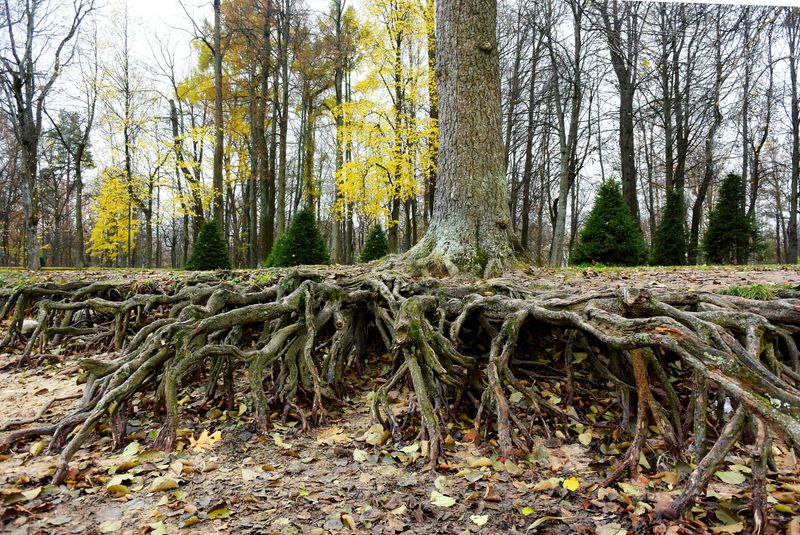
Some plants look stunning in a catalog but can spread aggressively underground. Aggressive root systems are a significant risk to residential drain fields.
Bamboo is a classic example that many homeowners plant for privacy. Its roots spread rapidly in all directions and can travel dozens of feet from the original planting spot.
Japanese knotweed is another offender that is also an invasive species in Indiana. It pushes through pavement, foundations, and yes, septic pipes without slowing down at all.
Mint, while small above ground, spreads aggressively through underground runners called rhizomes. Planting it near a drain field is an invitation for long-term root chaos beneath your lawn.
Wisteria and trumpet vine may look gorgeous on a trellis, but their roots are relentless underground explorers. They will find your pipes faster than you might expect them to.
The problem with invasive roots is that they are nearly impossible to fully remove once established. Pulling the plant above ground does nothing to stop the root network already spreading below.
Before adding any new plant near your septic zone, research its root behavior specifically. Garden center tags often don’t mention underground spread behavior.
Indiana has several native plants that offer beauty without the underground drama. Wild bergamot, coneflower, and black-eyed Susan are all excellent low-risk choices for the drain field area.
Choose plants that play nicely with what is underground. Your pipes will thank you for years of peaceful coexistence.
Leave Access Clear For Inspections And Repairs
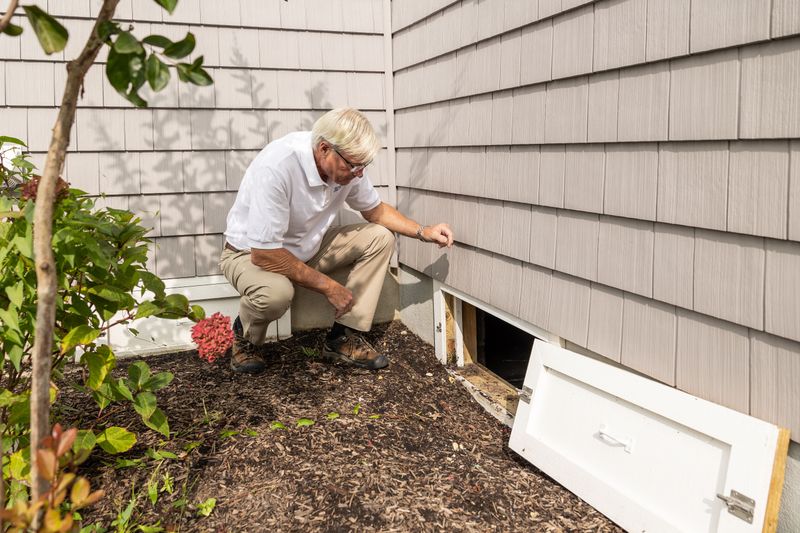
Overgrown landscaping can make it difficult for a repair crew to access the system. That can increase time and cost for repairs.
Access points like cleanout caps, inspection ports, and distribution boxes must stay visible and reachable at all times. Covering them with plants or mulch creates a real problem during emergencies.
Indiana septic systems are often subject to periodic inspection requirements, which can vary by county. Check with your local health department for specifics.
If a technician cannot reach the access points quickly, your inspection appointment gets complicated fast.
Dense plantings near access lids also make it harder to notice warning signs like wet spots or unusual odors. Early detection depends on being able to see and reach the area easily.
Ornamental grasses, tall perennials, and shrubs planted near access points seem harmless at first. Over a few seasons, they create a dense barrier that blocks clear access to the system.
A simple rule is to keep a clear zone around every access point on your property so it stays reachable. Mark the locations clearly so anyone working on the system can find them without delay.
Flat stepping stones or short lawn markers are helpful ways to identify access points without obstructing them. They blend into the landscape while keeping the critical spots easy to locate.
If you are unsure where your access points are located, contact your county health department for records. Having that information before you landscape could prevent a very expensive mistake.
Clear access is not just a courtesy to repair crews. It is a rule that protects your home, your system, and your budget.
Choose Drought-Tolerant, Low-Maintenance Native Plants
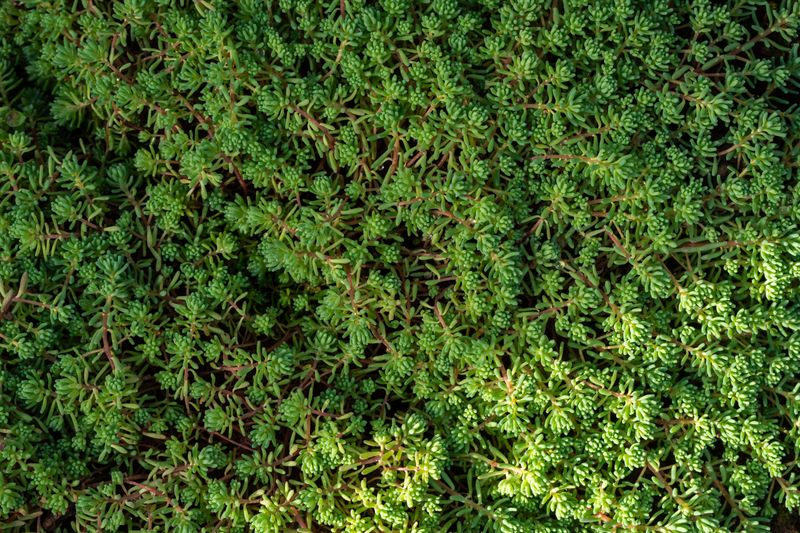
Native plants are the unsung heroes of drain field landscaping, and Indiana has plenty of excellent options to choose from. They evolved here, so they already know how to thrive.
Drought-tolerant natives like coneflower, wild bergamot, and little bluestem grass are perfectly suited for the drain field zone. They need minimal water, minimal care, and cause no underground stress.
These plants have naturally adapted to Indiana rainfall patterns over thousands of years. Once established, they rarely need supplemental watering, which keeps the soil above your drain field balanced.
Their root systems are moderate and well-behaved compared to ornamental imports or aggressive garden varieties. You get beauty above ground without sacrificing safety below the surface.
Native plants also support local pollinators like bees and butterflies, adding ecological value to your yard. A drain field zone planted with natives becomes a small habitat instead of a bare patch of lawn.
Low-maintenance means fewer disturbances to the soil above your system. You will not need to dig, till, or heavily amend the area once your native plants are established and growing.
Black-eyed Susan and butterfly weed are two favorites that perform exceptionally well in Indiana conditions. Both stay compact, bloom reliably, and never demand the kind of attention that puts your system at risk.
Choosing the right plants for your Indiana septic drain fields does not have to feel overwhelming or complicated. Start with natives, keep it simple, and your system will reward you with years of trouble-free operation.