What California Gardeners Should Deep Water Before June Gets Any Hotter
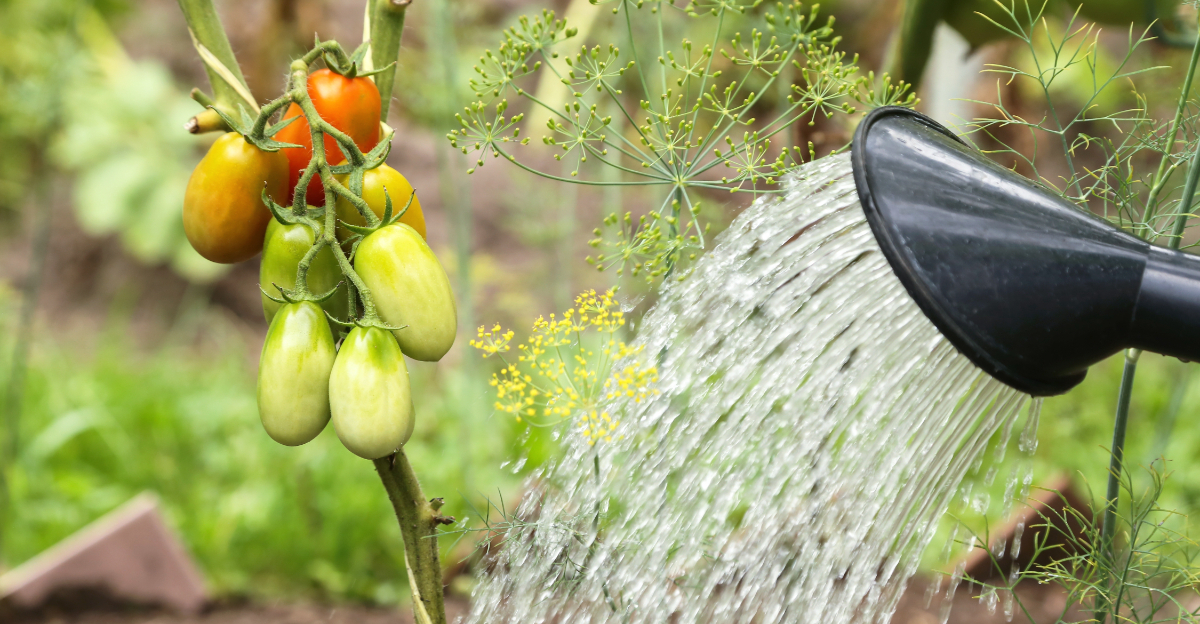
June heat can sneak up on a garden fast. One week, the soil feels fine. The next, leaves droop by noon and containers feel dry before breakfast.
Deep watering gives plants a stronger start before hotter days settle in. It sends moisture down where roots can use it longer, instead of leaving the surface damp for only a short time.
This matters most for trees, shrubs, vines, and perennials that are carrying fruit or pushing new growth.
A slow soak now can help them handle stress with less fuss later. It can also reduce shallow roots, which makes plants need water more often.
The goal is not to flood the garden. It is to water slowly, deeply, and at the right time. Give thirsty plants the backup they need now, and your garden will have a better shot at staying steady through summer.
1. Citrus Trees Need Deep Moisture Before Heat Spikes
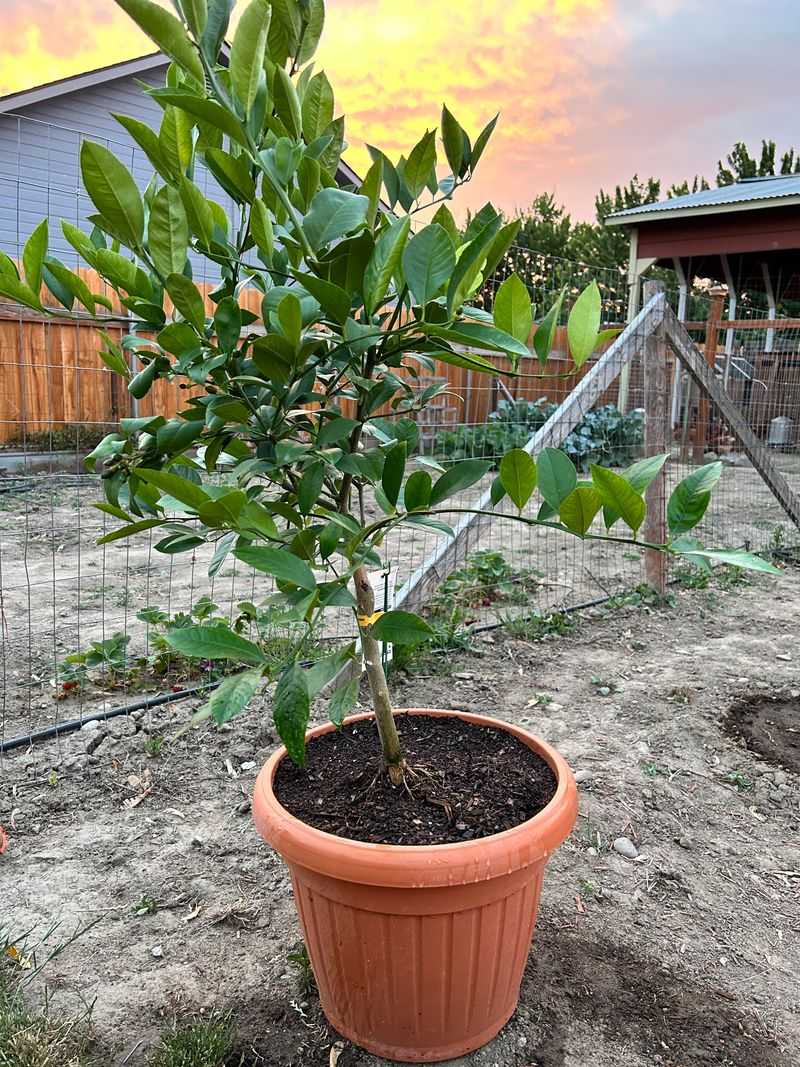
Few things are more satisfying than a citrus tree loaded with fruit, but that heavy crop comes with serious water demands.
When June heats up, citrus roots need moisture stored deep in the soil to keep leaves from curling and fruit from dropping early.
Shallow watering during hot spells is one of the most common mistakes home gardeners make with citrus. The top few inches of soil dry out within hours on a hot afternoon.
That means the roots sitting deeper in the ground never get what they need.
A good deep watering session should last long enough to push moisture down at least 18 to 24 inches into the soil. You can check this by using a long screwdriver or a soil probe after watering.
If it slides in easily, the water has reached deep enough.
Drip irrigation set to run for two to three hours works well for citrus. Slow, steady delivery gives the soil time to absorb water without runoff.
Mulching around the base of the tree also helps trap moisture and keep roots cool.
Try to water in the early morning so the soil stays moist through the hottest part of the day. Watering at night can work too, but morning is best for reducing fungal issues near the trunk.
Get this habit going now before the real heat arrives.
2. Avocado Trees Struggle Fast When Roots Dry Out
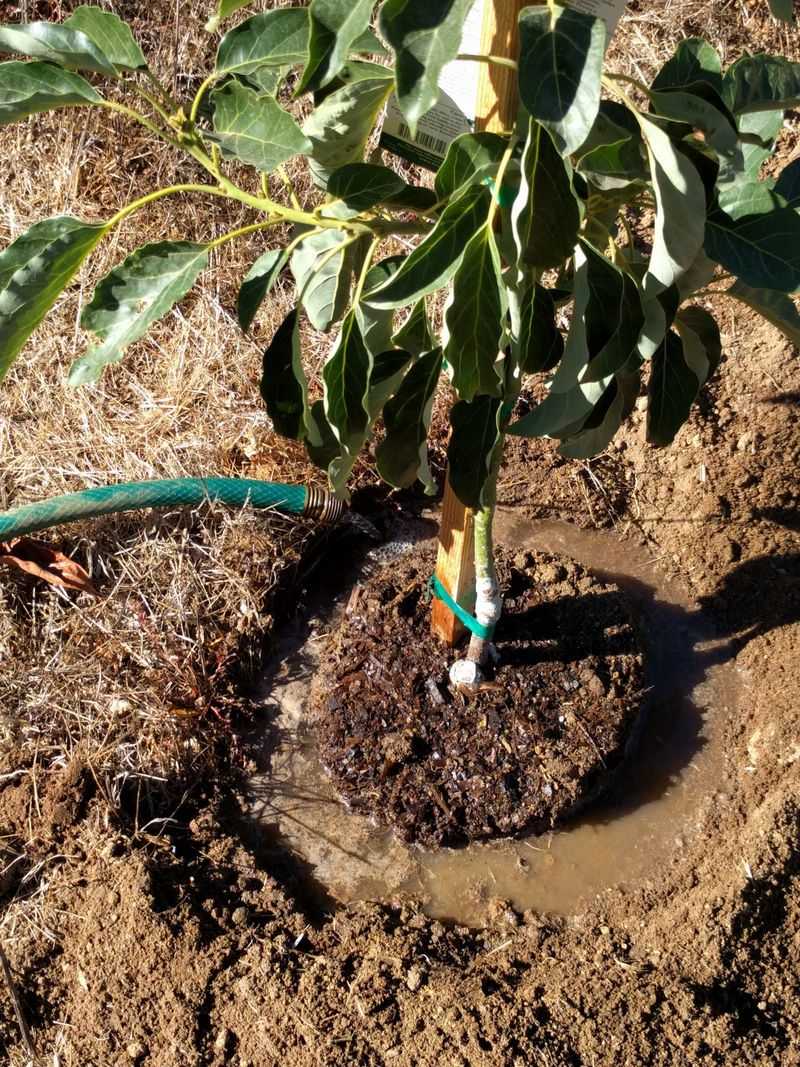
Avocado trees have a reputation for being thirsty, and that reputation is well earned. Their root systems are surprisingly shallow for such a large tree, which means they depend on consistent soil moisture more than most people realize.
When the top layer of soil dries out quickly in June heat, avocado roots feel it almost immediately.
Leaf tips start turning brown, and young fruit can shrivel and fall before it ever gets a chance to develop properly.
Deep watering now gives those shallow roots a reserve to pull from during the hottest weeks ahead. Aim to wet the soil at least 24 inches down and out to the full width of the tree canopy.
The feeder roots spread wide, so watering only near the trunk misses most of them. Avocados do best with slow, deep watering every five to seven days during warm months.
Your California Garden Changes Every Week. Your Plan Should Too.
Gardening in California changes quickly throughout the season. Every Friday you’ll receive a simple weekly plan showing exactly what to plant, prune, fertilize, harvest, and protect so you never miss the right timing.
Running a drip system for three to four hours at low pressure works much better than a quick blast from a sprinkler.
Avoid letting water pool around the trunk, as that can lead to root rot.
Spreading a thick layer of wood chip mulch around the base, about four to six inches deep, keeps the soil from baking between waterings.
Start this routine before temperatures climb into the 90s and your tree will handle summer stress much more smoothly.
3. Fig Trees Drop Fruit When Watering Gets Uneven
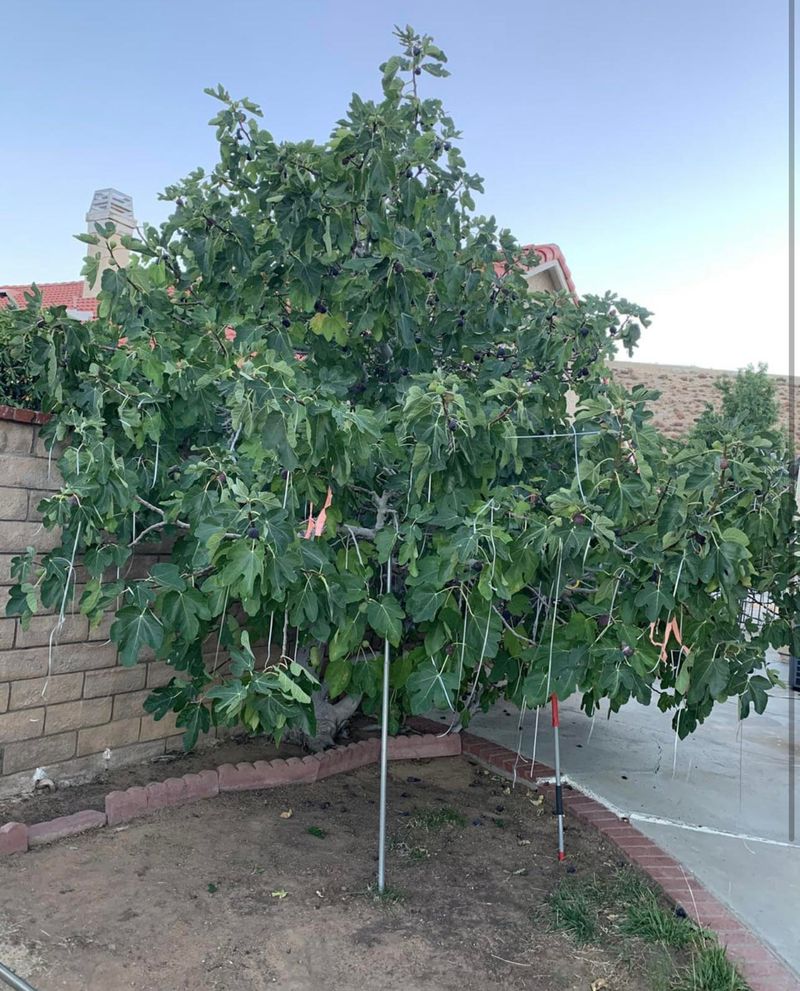
Fig trees have a quirky side that surprises a lot of gardeners. They can look perfectly healthy one week and start dropping unripe fruit the next, all because watering got a little inconsistent during a heat wave.
The reason this happens is simple. When soil moisture swings from too dry to too wet and back again, fig trees respond by shedding fruit as a survival response.
They are basically lightening their load so the tree itself can survive the stress.
Keeping moisture levels steady is the key to getting a full fig harvest. Deep watering before the heat builds helps create a buffer in the soil.
That stored moisture acts like a slow-release reservoir that the roots can tap into on the hottest days.
Water fig trees deeply every seven to ten days during warm weather. Push moisture down at least 18 inches and cover an area extending two to three feet beyond the trunk.
Drip lines or a soaker hose laid in a ring around the tree work really well for this.
One more helpful tip is to mulch heavily around the base. A four-inch layer of straw or wood chips slows evaporation dramatically.
Figs growing in containers need even more frequent attention since pots heat up faster than ground soil. Check container soil every two to three days once temperatures climb above 85 degrees.
4. Young Fruit Trees Need A Wider Soak Than You Think
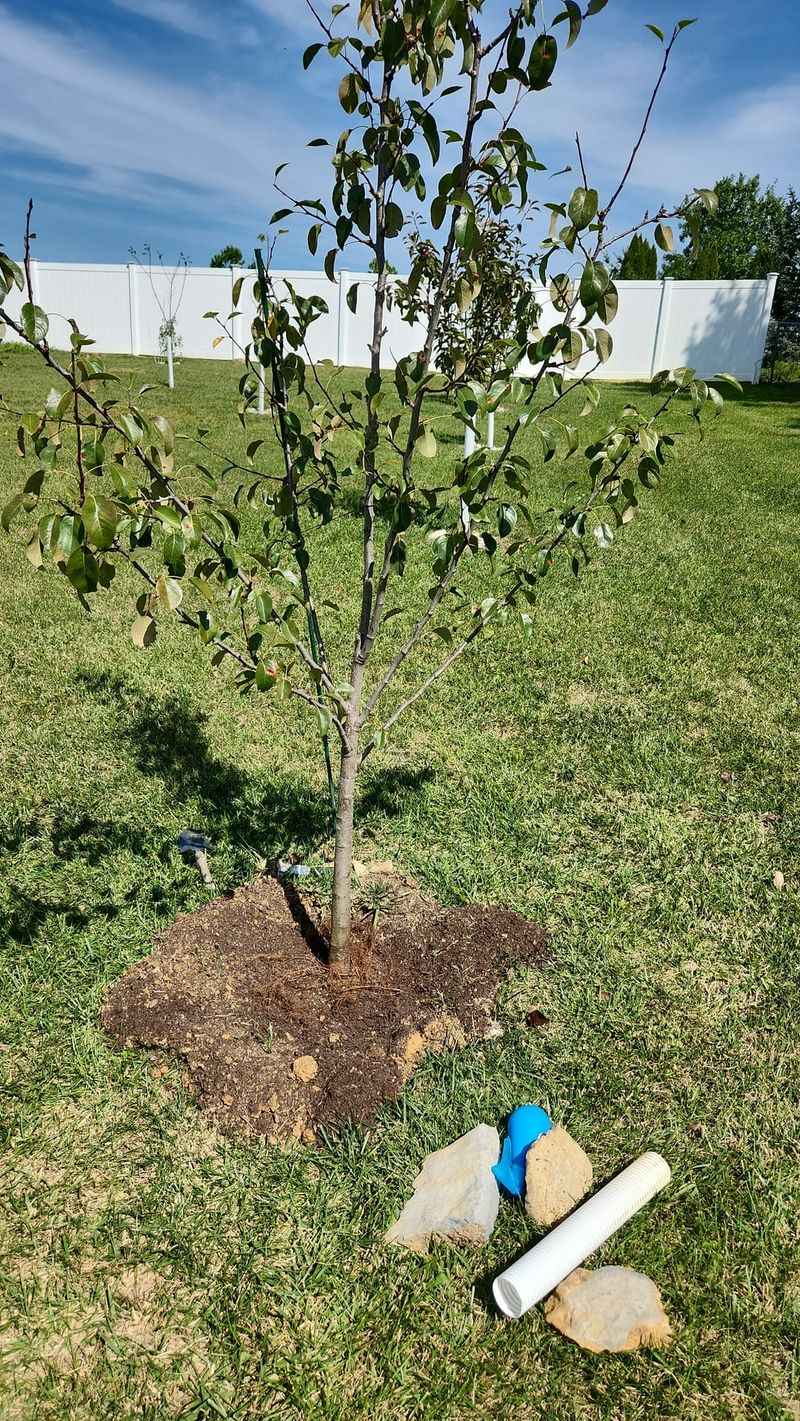
Newly planted fruit trees are in a tough spot during early summer. Their root systems have not had time to spread out and find water on their own, so they depend almost entirely on what you give them.
Most gardeners water too close to the trunk when a tree is young. But the feeder roots that actually absorb water are not at the base.
They grow out toward the edge of the canopy, and in a young tree, they are already reaching further than you might expect.
A proper soak for a young fruit tree should cover a wide circle, at least two to three feet out from the trunk in all directions. Water slowly so it soaks in rather than running off.
A simple earthen basin built around the drip line helps hold water in place while it absorbs.
Young trees need deep watering at least twice a week during June. Sandy soils may need even more frequent watering since they drain faster.
Clay soils hold moisture longer but can get compacted, so watering slowly is especially important in those areas.
A two-to-three inch layer of mulch placed around the tree, but kept a few inches away from the trunk, goes a long way in protecting young roots from heat.
Getting into a consistent deep watering routine now helps young trees build the strong root systems they need to handle future summers on their own.
5. Roses Bloom Better With Deep, Steady Water
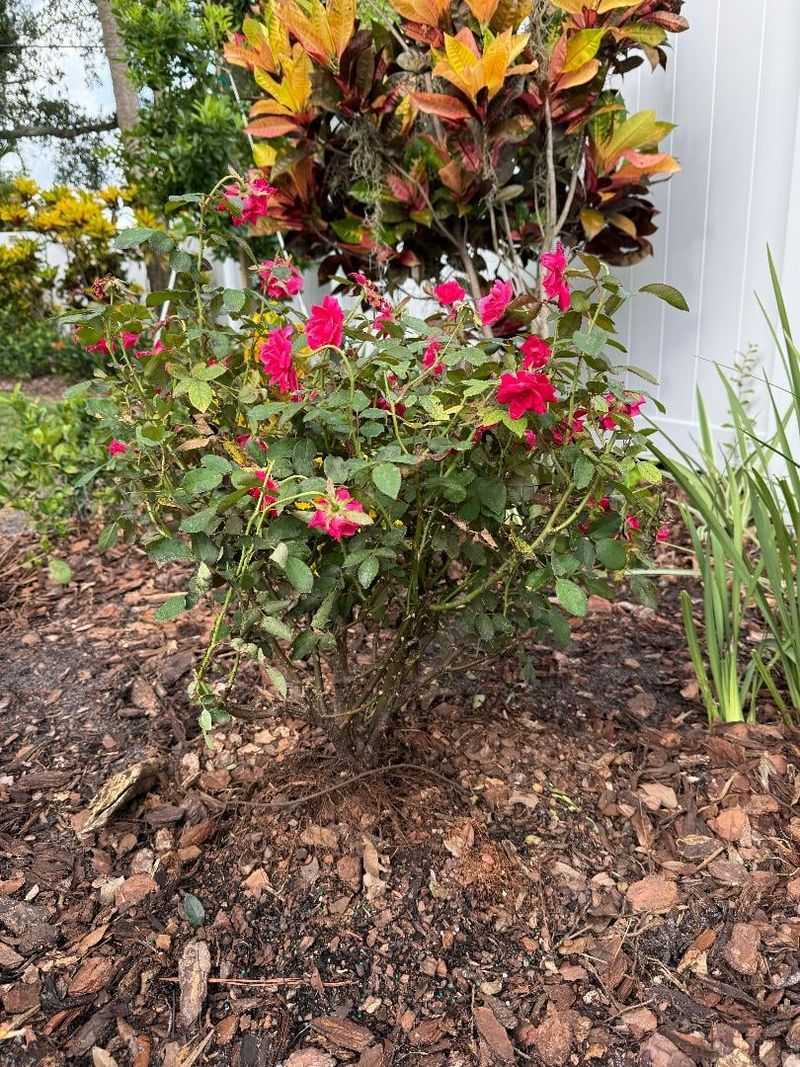
There is something almost magical about a rose bush covered in blooms during late spring, and keeping that show going into summer takes the right watering approach.
Roses are not drought-tolerant plants, and they let you know quickly when they are not getting enough moisture.
Wilting leaves and smaller blooms are the first signs that roses are running low on water. If the soil around the roots dries out completely between waterings, the plant shifts energy away from flowers and toward basic survival.
Deep watering once or twice a week is far better than light daily watering for roses. When water only reaches the top few inches of soil, roots stay shallow and vulnerable to heat.
Pushing moisture down 12 to 18 inches encourages roots to grow deeper, where soil temperatures stay cooler.
Soaker hoses are one of the best tools for watering roses. They deliver water slowly at ground level, which keeps leaves dry and reduces the chance of fungal disease.
Run them for about 45 minutes to an hour depending on your soil type.
Mulching around rose bushes is a smart move before June heats up. A three-inch layer of compost or bark mulch keeps moisture in the soil longer and reduces how often you need to water.
Roses that go into summer with deep, moist root zones tend to bloom more reliably and handle heat spikes with far less stress.
6. Hydrangeas Wilt Quickly When Shallow Roots Dry Out
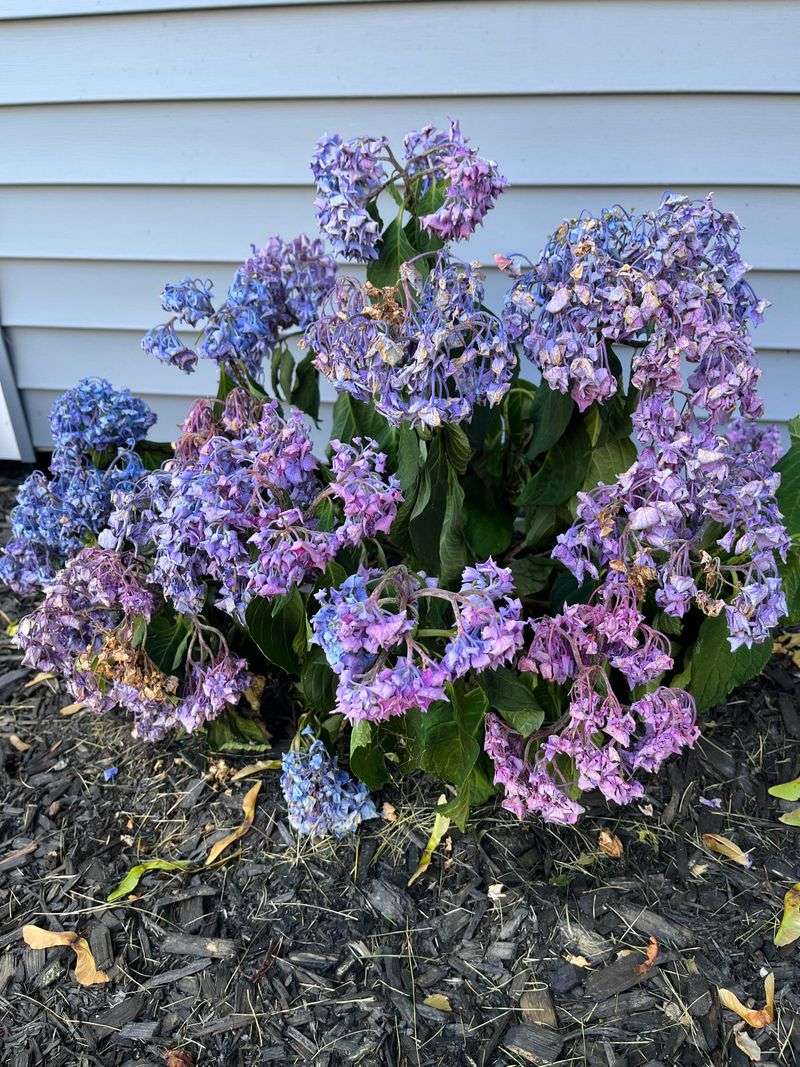
Walk past a hydrangea on a hot afternoon and you might think something is terribly wrong. Those big, dramatic leaves flop over and the whole plant looks like it is giving up.
But most of the time, a good deep watering brings them right back to life by morning.
Hydrangeas have shallow, fibrous root systems that sit close to the surface. That makes them especially vulnerable when the top layer of soil heats up and dries out fast.
They are not built to handle drought the way deeper-rooted plants can.
Before June temperatures climb, get into the habit of watering hydrangeas deeply two to three times per week. Each session should wet the soil at least 12 inches down.
A slow trickle from a garden hose held near the base for 10 to 15 minutes usually does the job in most garden soils.
Avoid getting water on the leaves and flowers during the hottest part of the day. Wet foliage in direct sun can lead to scorching and makes the plant more vulnerable to disease.
Morning watering is always the safest option for hydrangeas.
Placing a generous layer of mulch around the base, about three to four inches thick, is one of the most effective things you can do.
It keeps soil cool, holds moisture, and reduces the dramatic wilting that happens on hot afternoons.
Hydrangeas in containers need extra attention since pots heat up and dry out much faster than garden beds.
7. Camellias Need Moist Roots Before Hot Weather Hits
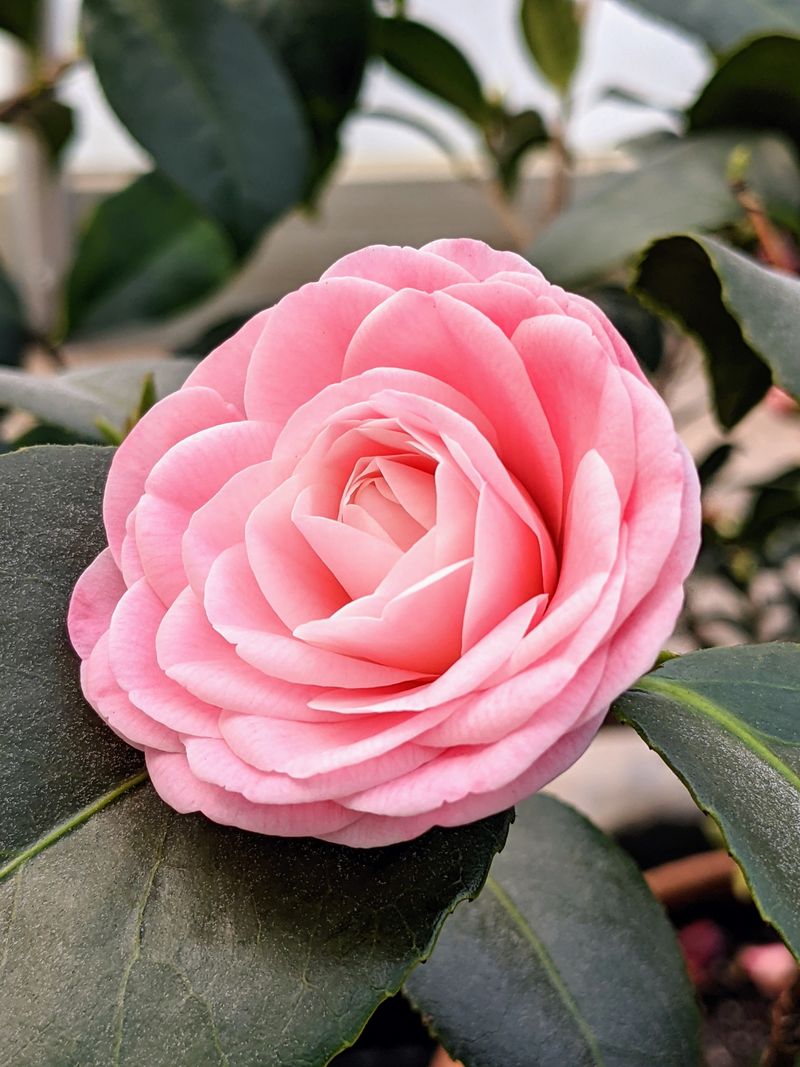
Camellias have a quiet elegance that makes them a favorite in gardens across the state.
They bloom beautifully in cooler months, but they need some extra care before summer heat sets in to stay healthy and strong through the warm season.
One thing many gardeners do not realize is that camellias keep growing and developing their flower buds during summer, even though they bloom in fall and winter.
That means the care you give them now directly affects how well they flower months later.
Dry roots during hot weather cause bud drop, yellowing leaves, and general decline. Getting moisture deep into the soil before temperatures spike gives the root system a reserve to work with.
Water camellias slowly and deeply every seven to ten days once June arrives.
These shrubs prefer slightly acidic, well-draining soil that stays consistently moist but never waterlogged.
Sandy soils in drier parts of the state may require more frequent watering.
In heavier clay soils, be careful not to overwater since poor drainage can cause root problems.
Camellias love mulch. A thick layer of pine needles or bark mulch helps keep roots cool and moist while also adding a touch of acidity to the soil over time.
Keep mulch a few inches away from the main stem to prevent moisture buildup against the bark.
Starting a consistent deep watering schedule now sets these plants up for a strong fall bloom season.
8. Azaleas Suffer When Dry Heat Reaches Their Roots
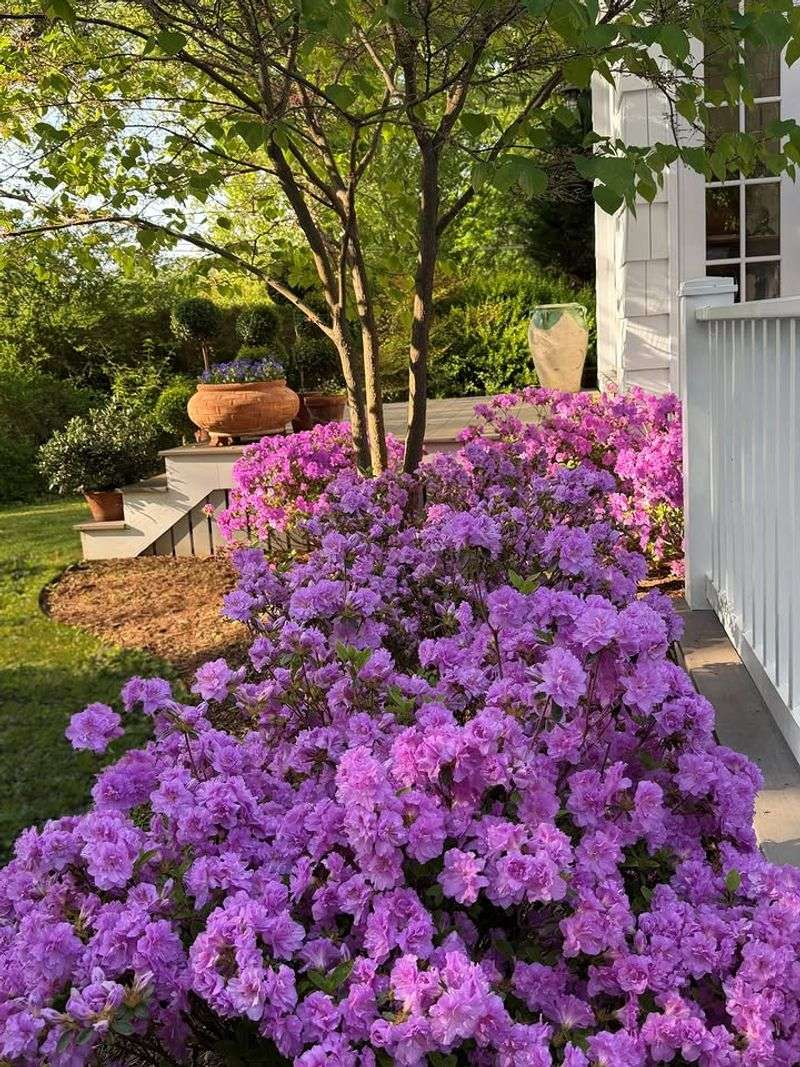
Azaleas are crowd-pleasers in the garden, bursting with color in spring and filling spaces with lush green foliage the rest of the year.
But beneath all that beauty are some of the most heat-sensitive roots in the garden.
Azalea roots are fine, fibrous, and extremely shallow. They sit just a few inches below the surface, which means they feel every degree of summer heat.
When the soil dries out, these roots lose moisture fast and the plant begins to suffer in visible ways.
Leaves may curl, turn yellow, or develop brown edges when azaleas are stressed by heat and dry soil. The plant may also shed leaves earlier than usual as a way to reduce water loss.
Catching this early and watering deeply can reverse the damage before it goes too far.
Water azaleas slowly and deeply, aiming to wet the soil at least 10 to 12 inches down. Twice-weekly deep watering during June is a solid starting point.
Use a soaker hose or drip line to keep water at the root zone and off the foliage.
Azaleas are acid-loving plants, so mulching with pine bark or pine needles serves a double purpose.
It keeps roots cool and moist while slightly acidifying the soil over time. Avoid planting or placing containers in full afternoon sun if possible.
Partial shade in the afternoon reduces heat stress dramatically and makes your watering efforts go much further through the summer months ahead.
9. Tomatoes Need Deep Water Before Summer Stress Builds
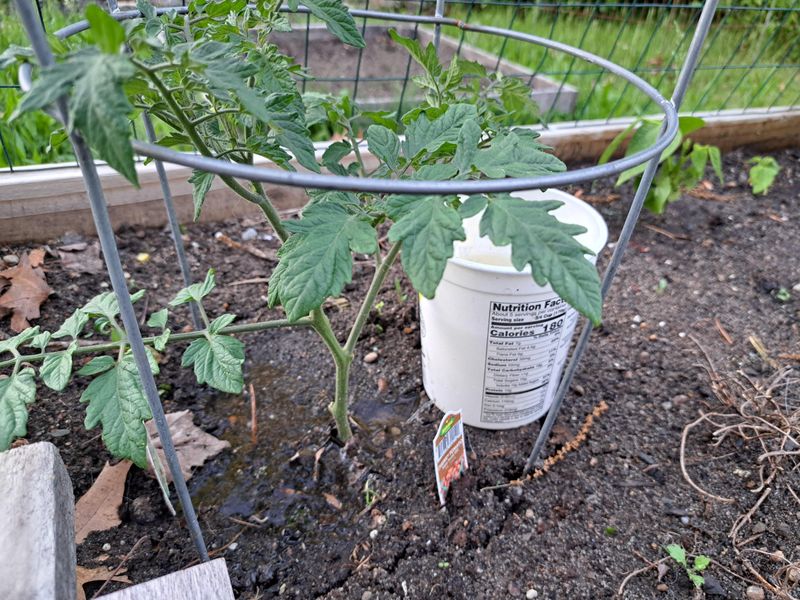
Ask any home gardener what they grow every summer and tomatoes are almost always on the list. They are rewarding, delicious, and surprisingly demanding when it comes to water.
Getting the watering right before June heats up is one of the most important things you can do for a successful harvest.
Inconsistent watering is the number one cause of tomato problems in summer. When soil goes from dry to wet and back again, tomatoes develop issues like blossom end rot and cracked fruit.
These problems are not caused by disease or pests. They come from water stress.
Deep watering encourages tomato roots to grow down instead of staying near the surface. Roots that go deeper have access to cooler, more stable soil moisture.
That makes the plant much better at handling the heat spikes that are common in our state during June and July.
Water tomatoes deeply two to three times per week, pushing moisture down at least 12 inches.
Drip irrigation is the most efficient method because it delivers water directly to the roots without wetting the leaves. Wet foliage in warm weather can lead to fungal problems that spread quickly.
Mulching tomato beds with straw or shredded leaves makes a noticeable difference in how often you need to water. It keeps soil cool and slows evaporation significantly.
Start your deep watering routine now, before summer stress builds, and your tomato plants will reward you with a much better and longer harvest season.