This Is The Biggest Mistake Georgia Gardeners Make With Gardenias Every Summer
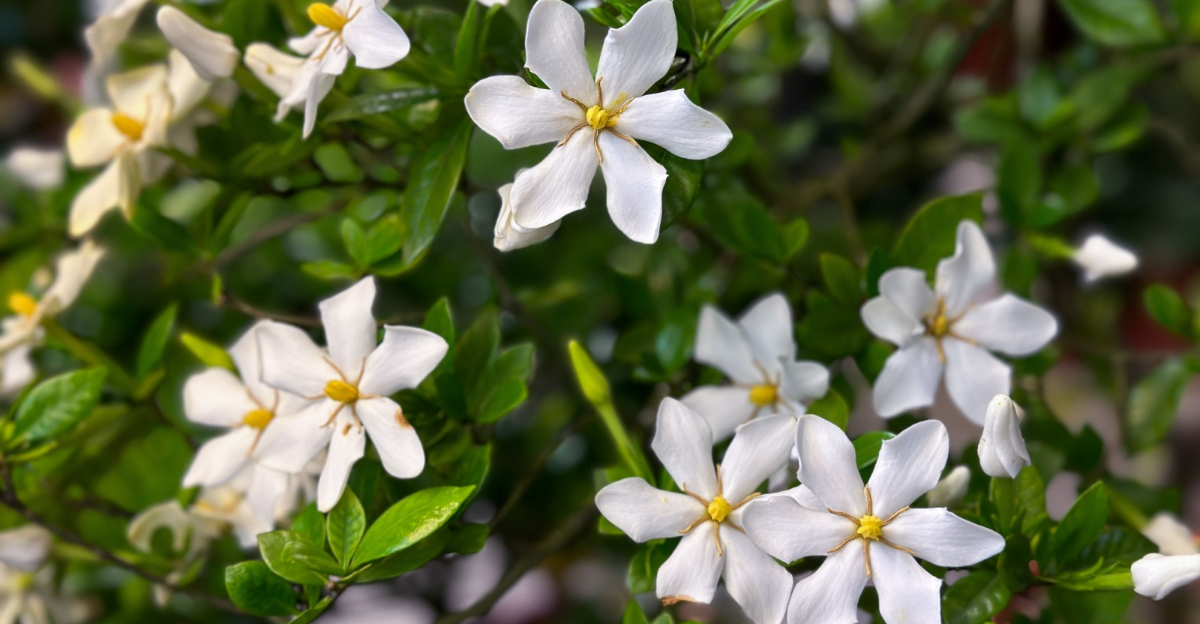
Few plants do what a gardenia does on a warm Georgia summer evening. That sweet, unmistakable fragrance drifting across the porch is honestly one of the better things about having a garden in this state.
But gardenias have a bit of a reputation, and it’s not entirely undeserved. They can be surprisingly easy to mismanage once the summer heat sets in, and watering is usually where things start going sideways.
A lot of Georgia gardeners water on a schedule without checking the soil first, and that one habit can leave roots either sitting in too much moisture or barely getting enough near the surface.
Yellow leaves, dropping buds, and a plant that looks stressed despite constant attention are all signs that something in the watering routine needs a closer look.
1. Summer Heat Makes Gardenias Look Thirsty
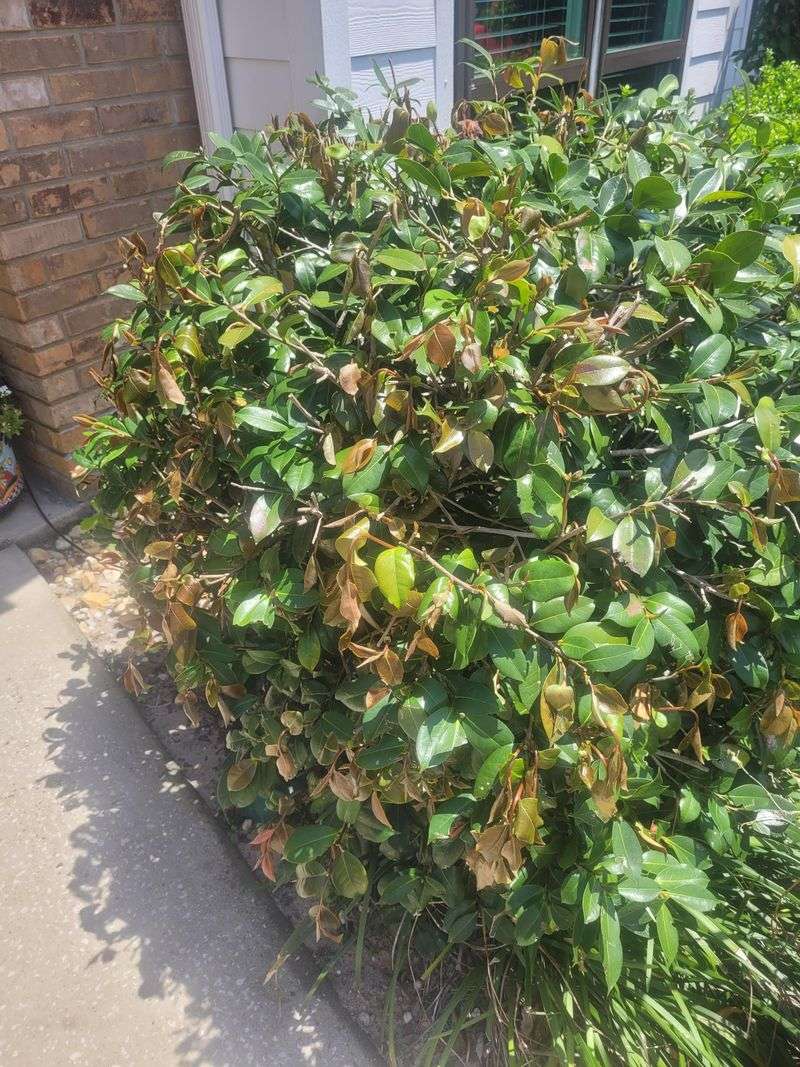
Walking past a gardenia on a hot afternoon, it is easy to assume the drooping leaves mean the plant needs water right away.
The scorching summer temperatures that roll through Georgia from June into September can make even a well-watered gardenia look like it is struggling.
That visual cue sends many gardeners straight for the hose.
What is actually happening is that gardenias, like many broadleaf evergreens, temporarily wilt during peak afternoon heat as a way of reducing moisture loss through their leaves. This is a natural response, not a distress signal tied to dry soil.
Reaching for the hose every time you notice midday drooping can quickly lead to overwatering without realizing it.
Georgia summers combine high heat with high humidity, which slows down how fast soil dries out compared to drier climates. The root zone may still hold plenty of moisture even when the foliage looks limp at two in the afternoon.
Checking the soil a few inches down with a finger or a simple moisture meter before watering gives a much clearer picture of what the plant actually needs. If the soil still feels moist at that depth, holding off on watering is usually the smarter move.
Letting the plant recover on its own as evening temperatures drop is often all it takes.
2. Georgia Clay Holds Moisture Around Roots
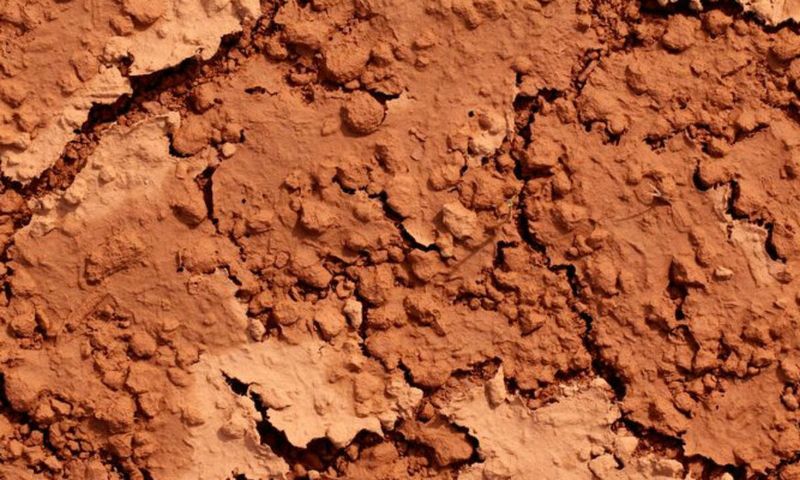
Across much of Georgia, the soil beneath a gardenia is not the light, loamy mix you might find in a garden center bag. Georgia clay is dense, heavy, and slow to drain, which completely changes how water behaves around a gardenia’s root zone.
Clay particles hold onto moisture much longer than sandy or loamy soils, meaning the ground can stay wet for days after a rain or a watering session.
Gardenias prefer consistently moist, well-drained, acidic soil. That combination can be tricky to achieve in Georgia clay because the drainage part of the equation often falls short.
Water tends to pool around roots rather than move through the soil freely, and roots sitting in saturated clay can develop stress symptoms quickly.
Many gardeners amend their planting beds with organic matter like pine bark or compost to loosen the clay and improve drainage before planting gardenias. Raised beds are another option that works well in areas where clay is especially thick.
Your Georgia Garden Changes Every Week. Your Plan Should Too.
Gardening in Georgia changes quickly throughout the season. Every Friday you’ll receive a simple weekly plan showing exactly what to plant, prune, fertilize, harvest, and protect so you never miss the right timing.
If a gardenia is already in the ground and struggling, top-dressing with a few inches of quality organic mulch can help regulate soil moisture over time.
Understanding that Georgia clay behaves differently than other soil types is a key first step toward giving gardenias the growing conditions they need to thrive through a long, humid summer.
3. Yellow Leaves Can Send The Wrong Message
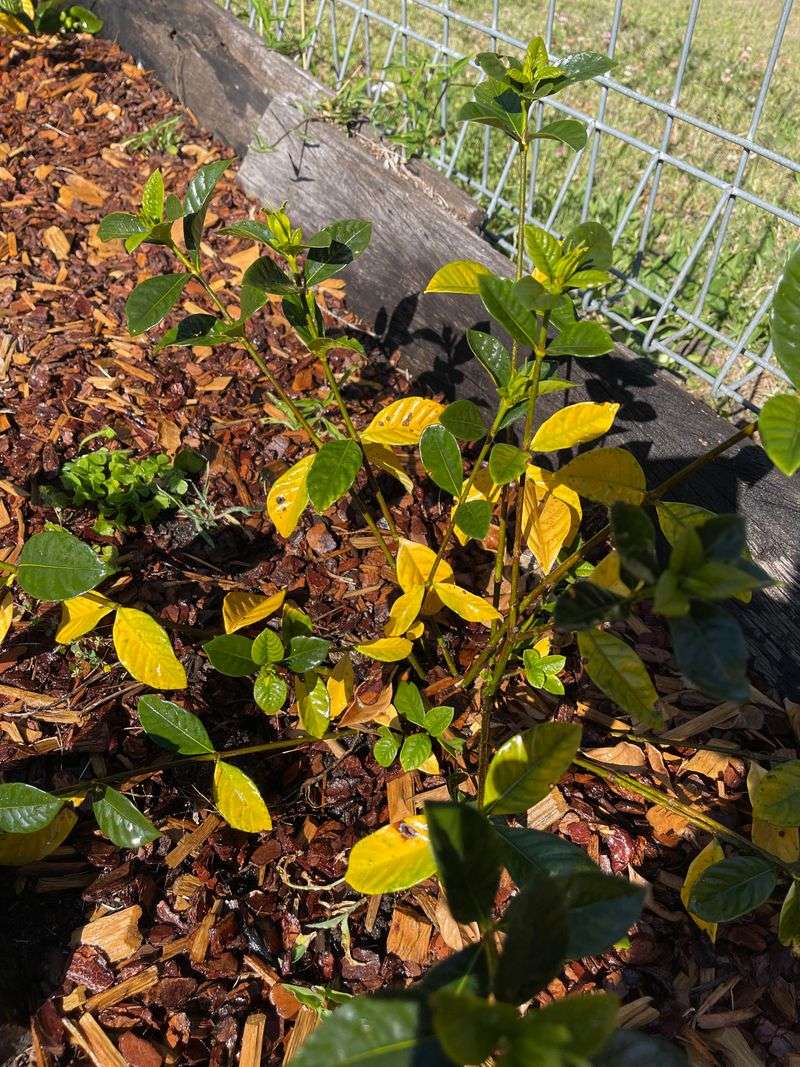
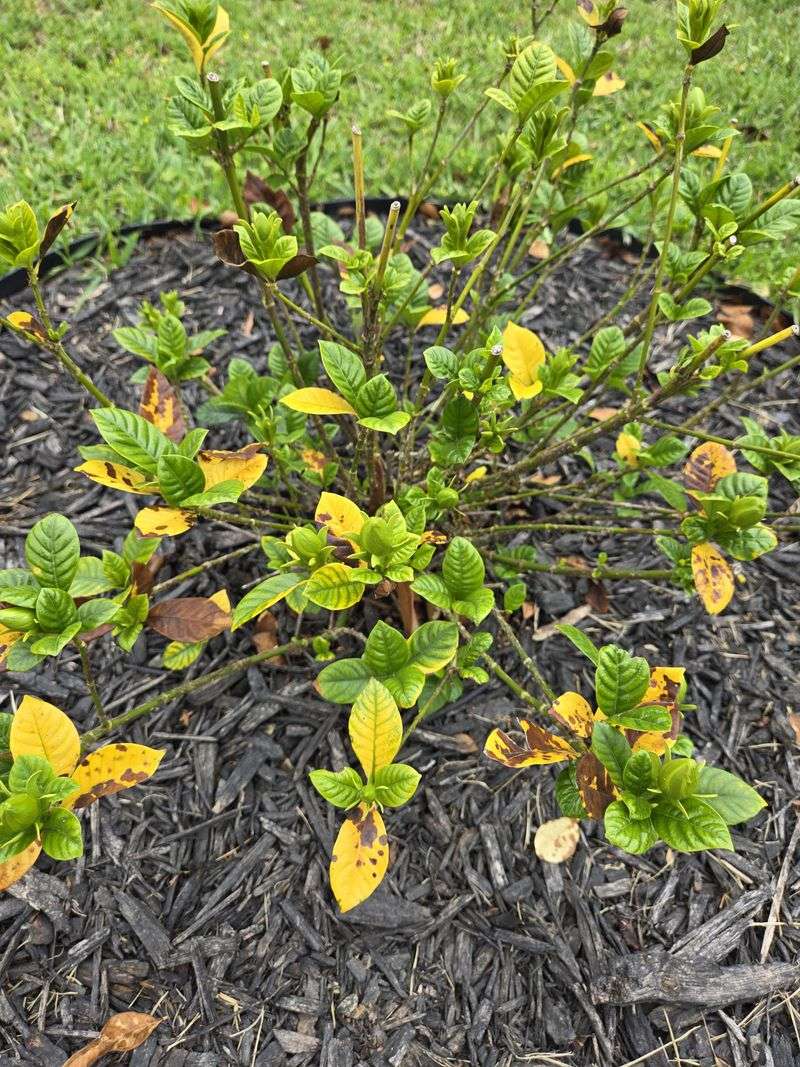
Yellowing leaves on a gardenia are one of the most misread signals in Georgia gardening. Most homeowners see yellow leaves and immediately assume the plant is thirsty, so they water more.
In many cases, that extra water makes the real problem worse rather than better.
Yellow leaves on gardenias can point to several different issues. Overwatering and poor drainage are common causes, especially in Georgia clay soils that stay wet after summer storms.
But soil pH can also trigger yellowing. Gardenias need acidic soil, generally in the range of 5.0 to 6.0.
When pH drifts higher, gardenias struggle to absorb iron and other nutrients even if those nutrients are present in the soil, leading to a condition called chlorosis where leaves turn yellow between the veins.
Root stress from compacted soil, pest pressure from insects like whiteflies or spider mites, and natural leaf drop as older foliage ages out can all show up as yellowing too.
Before assuming a yellow-leaved gardenia just needs more water, it helps to do a little detective work.
Check the soil moisture, look at the leaf pattern, and consider whether the plant has been fertilized or had its soil pH tested recently.
Gardeners who take time to diagnose the cause of yellowing tend to have much better results than those who reach for the watering can first.
4. Shallow Moisture Leaves Roots Struggling
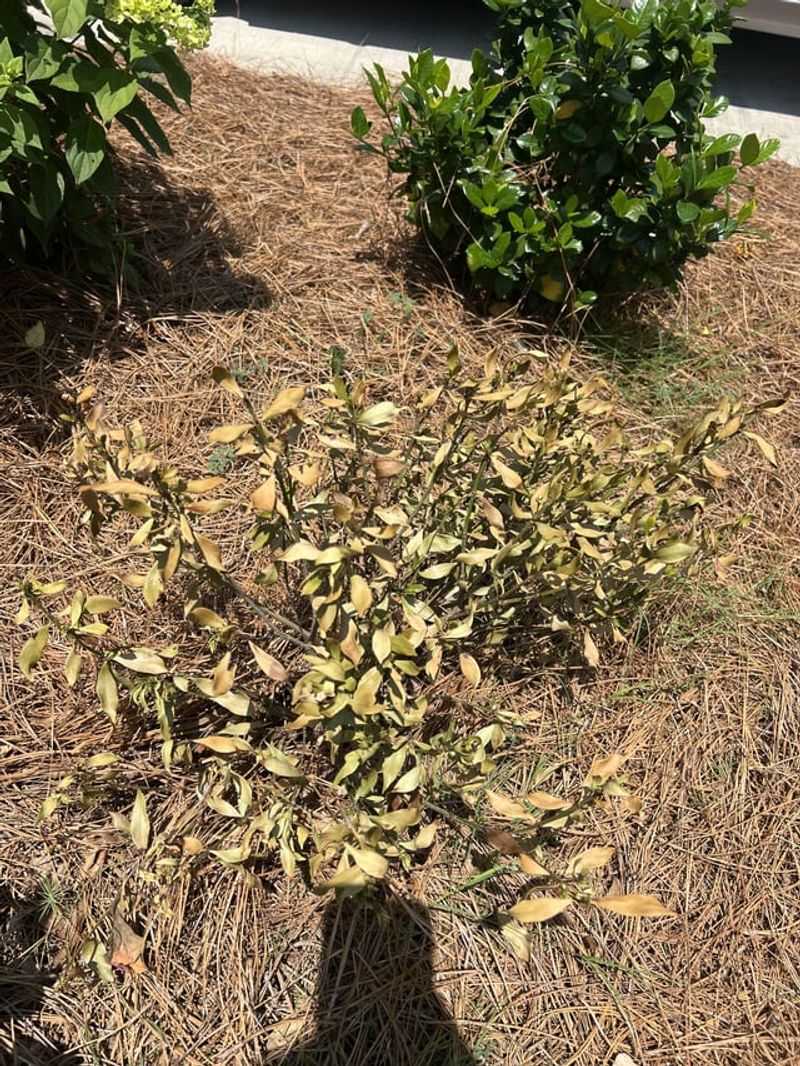
Frequent light watering is one of the most common habits gardeners fall into during summer, and it tends to do gardenias more harm than good over time. When only the top inch or two of soil gets wet, roots have little reason to grow deeper into the ground.
The result is a shallow root system that is far more vulnerable to heat, drought, and soil fluctuations.
Gardenias with deep, established root systems handle Georgia summers much more gracefully than those with roots clustered near the surface. Deep roots can access cooler, more consistently moist soil layers even during dry spells.
Surface roots, on the other hand, are exposed to the full intensity of Georgia summer heat and dry out quickly between waterings, creating a cycle of stress that is hard to break.
Watering slowly and deeply, less often, encourages roots to follow the moisture downward. A good rule of thumb is to water until the soil is moist several inches below the surface, then wait until the top few inches begin to dry out before watering again.
Drip irrigation or a slow soaker hose works well for this because water is delivered directly to the root zone at a pace the soil can absorb. Building this habit early in the growing season gives gardenias a much stronger foundation for handling the heat ahead.
5. Soggy Soil Adds To Summer Stress
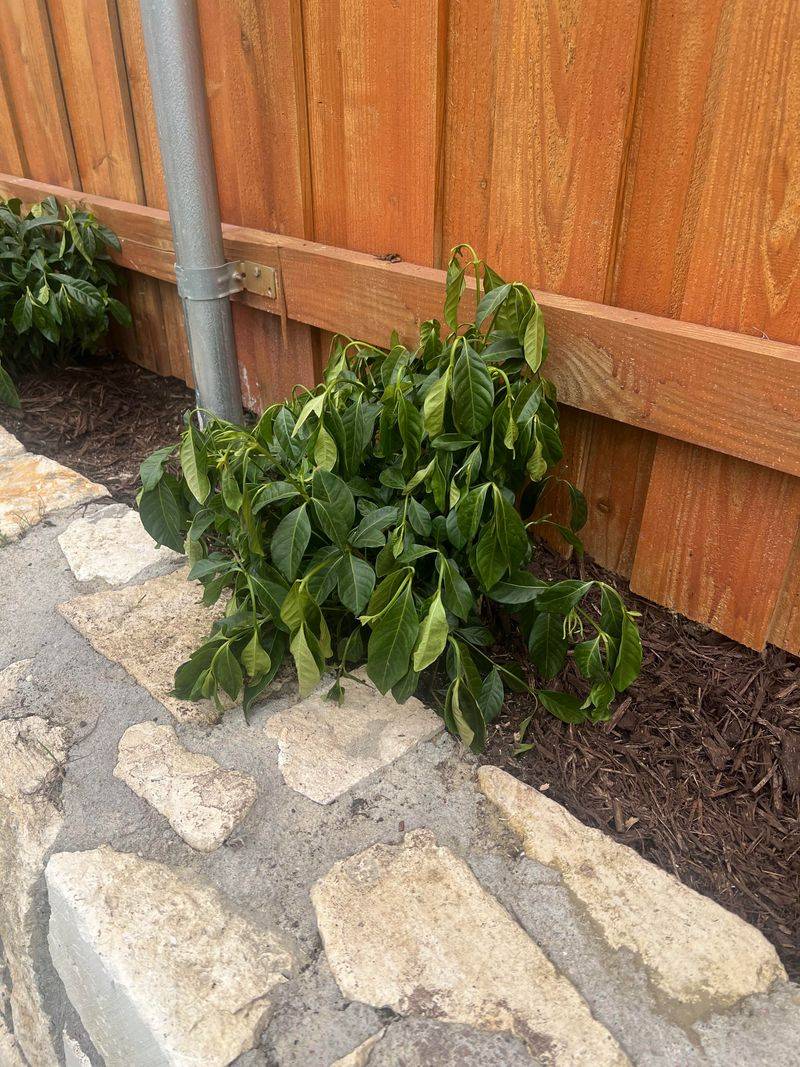
Heavy afternoon thunderstorms are a regular feature of Georgia summers, and they can drop a significant amount of rain in a short period of time. When that rain falls on a garden bed that is already moist from recent irrigation, the soil can become saturated quickly.
Gardenias sitting in soggy soil for extended periods face a very different set of problems than those dealing with drought.
Roots need oxygen as much as they need water. When soil pores fill completely with water and stay that way, roots begin to struggle because the oxygen supply is cut off.
Symptoms can look surprisingly similar to drought stress, which is part of why this problem is so easy to misread. A wilting gardenia in waterlogged soil might get watered again by a well-meaning gardener, compounding the issue further.
In Georgia landscapes, soggy soil is especially common in low spots, near downspouts, and in foundation beds where runoff collects after heavy rain. Gardenias planted in these locations face repeated cycles of saturation throughout the summer storm season.
Improving drainage before planting, choosing slightly elevated planting locations, or redirecting water flow away from gardenia beds can make a real difference.
Monitoring soil moisture after heavy rains and holding off on scheduled irrigation until the soil has had a chance to drain is one of the simplest adjustments gardeners can make.
6. Mulch Helps Gardenias Handle Hot Days
Pine straw is practically a Georgia tradition, and it turns out there are solid horticultural reasons to use it around gardenias.
A two-to-three inch layer of organic mulch spread around the base of a gardenia does several useful things at once during the summer months.
It slows evaporation from the soil surface, helps moderate soil temperature, and reduces the frequency of watering needed to keep the root zone consistently moist.
Summers can push soil surface temperatures surprisingly high in an unprotected bed, especially in areas that receive afternoon sun. Mulch acts as an insulating buffer, keeping the root zone cooler and more stable.
That stability matters because gardenias respond well to consistent conditions and can show stress when the soil swings between very dry and very wet repeatedly over a short period.
Organic mulches like pine straw, pine bark, or shredded hardwood also break down gradually and add organic matter to the soil over time, which benefits drainage and soil structure in Georgia clay.
When applying mulch, keeping it a few inches away from the main stem of the gardenia is a good practice, since mulch piled against the stem can trap moisture and create conditions favorable for disease.
Refreshing the mulch layer once or twice a year helps maintain its effectiveness through Georgia’s long growing season.
7. Sprinklers Often Miss The Root Zone
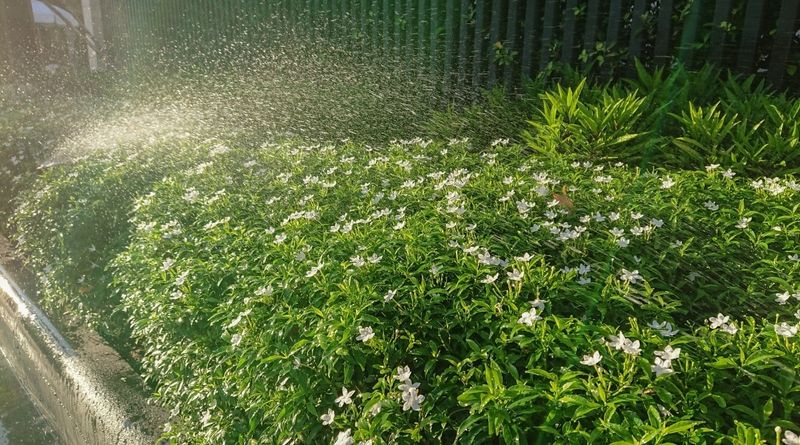
Automated irrigation systems are a convenience many Georgia homeowners rely on during summer, but sprinkler heads designed to cover lawn areas are not always positioned to water shrub beds effectively.
Water thrown through the air in wide arcs can wet foliage, sidewalks, and mulch surfaces while leaving the actual root zone of a gardenia surprisingly dry underneath.
Overhead watering also raises a secondary concern with gardenias. Wet foliage during warm, humid Georgia evenings can encourage fungal issues, and gardenias are susceptible to sooty mold and other surface problems when leaves stay damp for extended periods.
While one watering session will not cause a crisis, repeated overhead wetting through a long summer can contribute to leaf problems that are frustrating to manage.
Drip irrigation and soaker hoses solve both problems at once. They deliver water directly to the soil at the base of the plant, where the roots can actually use it, and they keep foliage dry in the process.
For gardeners who rely on sprinkler systems, adding a drip zone specifically for gardenia beds is worth considering.
Hand watering at the base of each plant is another straightforward option that gives full control over where the water goes and how much each plant receives.
Paying attention to where the water actually lands makes a bigger difference than most gardeners expect.
8. Better Drainage Supports Healthier Growth
Improving drainage in a Georgia gardenia bed does not have to be a complicated project, but the payoff through summer can be substantial.
When water moves through the root zone at a reasonable pace, gardenias are far less likely to sit in saturated conditions after rain.
The roots stay healthier, nutrient uptake improves, and the plant is better equipped to handle the heat and humidity that summers bring.
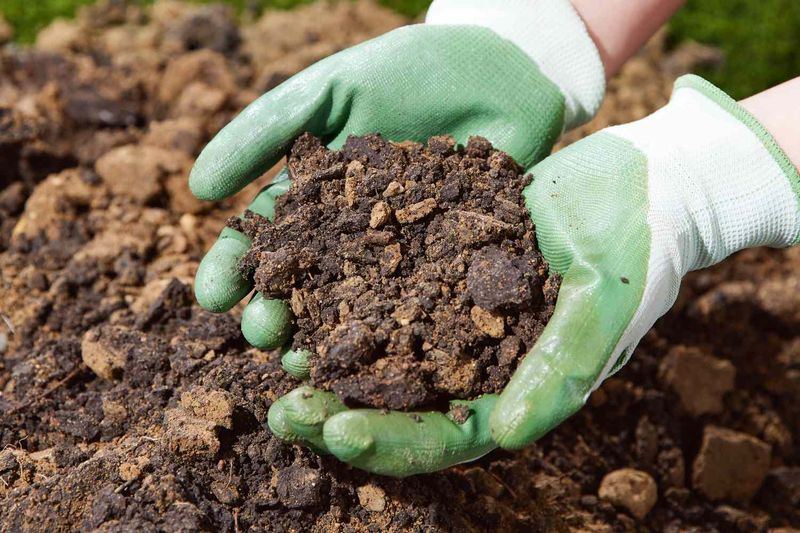
Mixing generous amounts of pine bark, aged compost, or other coarse organic material into Georgia clay before planting creates a soil structure that drains more freely while still retaining enough moisture for gardenia roots to access between waterings.
Raised planting beds accomplish a similar goal by elevating the root zone above the surrounding grade, allowing water to drain away rather than pool around the roots.
For gardenias already established in poorly draining beds, top-dressing with organic matter and aerating the surrounding soil can gradually improve conditions over a season or two.
Avoiding heavy foot traffic around the base of gardenias also helps prevent compaction that worsens drainage over time.
Gardeners who take drainage seriously tend to see fewer summer problems overall, including less yellowing, stronger bloom cycles, and shrubs that recover more quickly from the inevitable heat waves that roll through the state between June and September.
Good drainage is one of the most practical investments a gardener can make.