Why Vinca Becomes A Go-To Flower For Florida Heat
Florida summers have a reputation, and honestly they have earned it. Blazing sun, sticky humidity, warm nights that never really cool down, and afternoon storms that show up like clockwork.
Most flowers take one look at those conditions and quietly give up by July. But vinca?
Vinca thrives on it. Also known as periwinkle or Madagascar periwinkle, and botanically named Catharanthus roseus, this cheerful warm season annual is one of the few flowers that genuinely delivers steady color through Florida’s most intense months.
Sandy beds, open borders, container gardens, vinca handles them all with surprising ease. If your summer landscape has been looking a little washed out and uninspired lately, this might be exactly the plant you have been looking for all along.
1. Handles Florida Heat Well
Walking through a Florida yard in July, most gardeners know the painful feeling of watching cool season flowers wilt and fade as temperatures climb. That is exactly the moment when vinca earns its reputation.
Catharanthus roseus, the warm season annual commonly called vinca or periwinkle, is well suited to Florida’s hot and humid summers in a way that many other flowering plants simply are not.
Florida’s warm season brings intense heat that can push soil temperatures up and stress plants that prefer cooler conditions.
Vinca has waxy leaves that help it manage under bright sun, and it generally keeps its color and form even when temperatures stay high for extended periods.
That kind of heat tolerance makes it a practical choice when homeowners want color in the landscape without constant replanting.
It is worth mentioning that heat tolerance does not mean vinca thrives under poor care or in every site. Plants still need proper drainage, some irrigation during dry spells, and reasonable soil conditions to perform well.
However, when those basics are in place, vinca tends to hold up through Florida’s warm season better than many flowering annuals.
For homeowners who have watched other flowers fade by June, that resilience makes a real difference in keeping the landscape looking its best through summer.
2. Flowers Through The Warm Months
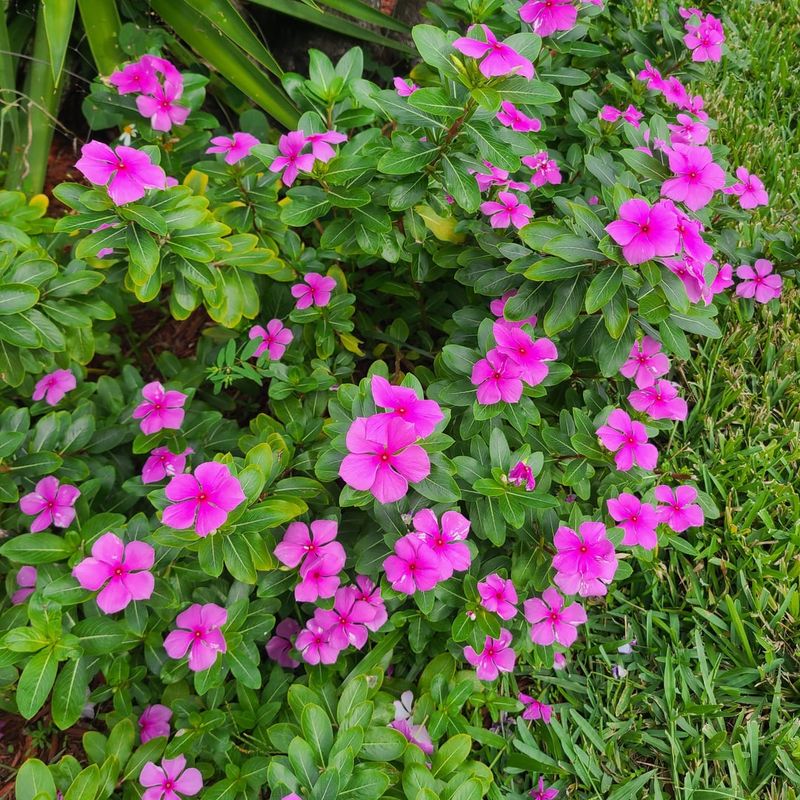
Color in the summer landscape is something homeowners genuinely appreciate, especially when so many flowering plants slow down or stop blooming once the heat arrives.
Vinca is one of the warm season annuals that can continue producing flowers through the hottest months when planted in suitable conditions.
That steady supply of blooms makes it a dependable choice for beds and containers that need color from late spring through early fall.
Each vinca plant produces small, flat-faced flowers that open regularly throughout the growing season. The blooms do not require deadheading to keep coming, which saves time for busy gardeners who do not want to fuss over their plants every few days.
As long as the plant has enough sun, reasonable soil drainage, and some water during dry periods, flowering tends to continue through Florida’s long warm season.
It is honest to say that flowering performance can vary based on planting location, soil quality, and how well drainage works in a given spot. Vinca planted in poorly drained soil or deeply shaded areas may not flower as freely or stay as healthy.
Your Florida Garden Changes Every Week. Your Plan Should Too.
Gardening in Florida changes quickly throughout the season. Every Friday you’ll receive a simple weekly plan showing exactly what to plant, prune, fertilize, harvest, and protect so you never miss the right timing.
But in a well prepared bed or a container with good drainage, the plant can reward gardeners with consistent color from the time cool season annuals start fading until cooler fall weather eventually arrives.
3. Thrives In Full Sun Or Light Shade
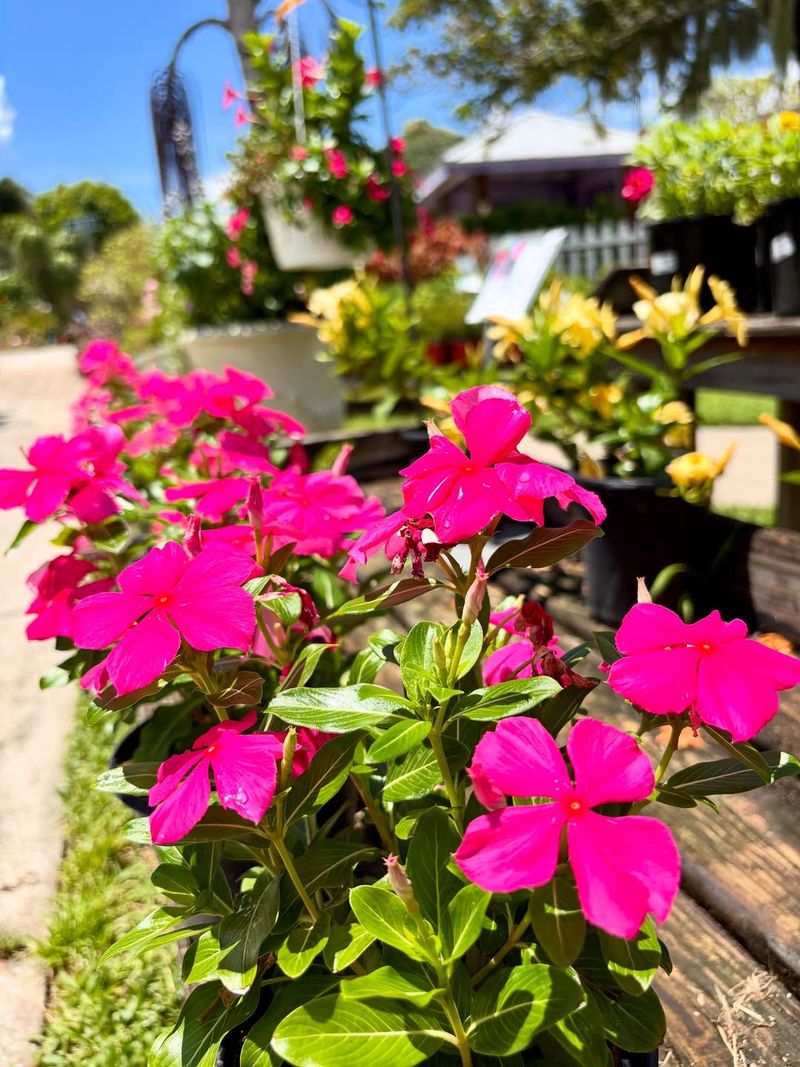
Sunlight availability varies a lot across Florida yards, and not every garden spot gets the same amount of direct sun throughout the day.
One reason vinca gets used so widely in Florida landscapes is that it can adapt to both full sun and spots with some light shade, giving homeowners more flexibility when choosing where to plant.
Full sun exposure generally produces the strongest flowering performance. Vinca planted where it receives several hours of direct sunlight each day tends to bloom more freely and develop a compact, full shape.
That makes it a natural fit for open beds, sunny borders, and containers placed in bright spots on patios or along driveways. Florida’s strong summer sun can be intense, but vinca handles that brightness reasonably well compared to many other flowering annuals.
Light shade, such as the kind created by a nearby tree or a structure that blocks afternoon sun, can also work for vinca. Flowering may be somewhat less abundant in shadier locations, and the plant may grow slightly more open in form.
Very deep shade is not a good match, as the plant needs enough light to produce flowers reliably.
Gardeners with partly shaded beds who want warm season color often find that vinca performs better than many other annuals in those transitional light conditions, making it a versatile option across different yard layouts.
4. Works Well As A Warm Season Annual
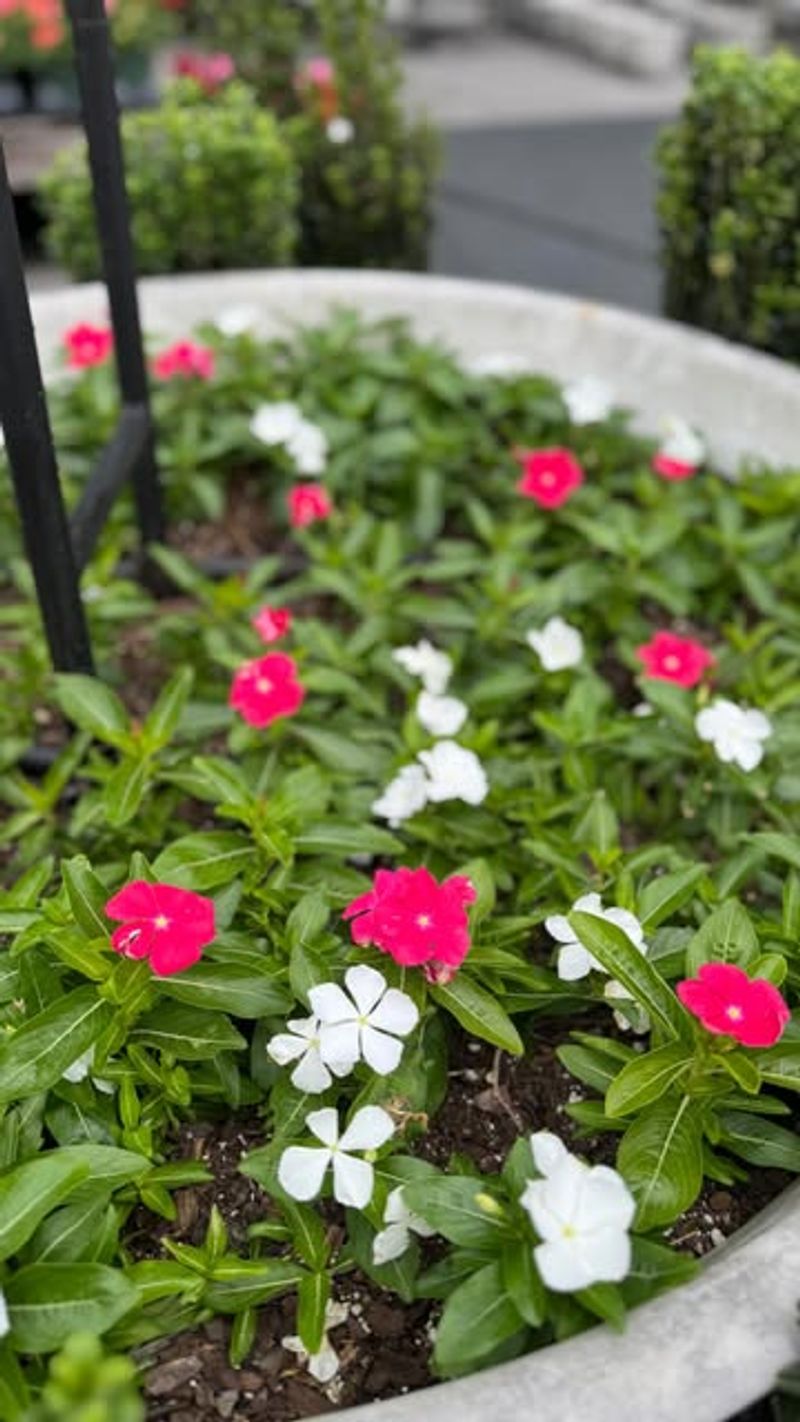
Spring brings a familiar task for many homeowners: pulling out cool season flowers that have finished their run and deciding what to plant next.
Impatiens, petunias, and snapdragons that looked great in winter often struggle once temperatures climb into the upper eighties and beyond.
That seasonal transition is exactly where vinca steps in as a reliable warm season annual.
Warm season annuals are plants that are typically installed in spring and kept through summer, then removed or replaced when cooler temperatures return.
Vinca fits that role well in Florida because its heat tolerance aligns naturally with the state’s long warm season.
Homeowners can transplant nursery-grown vinca starts into beds and containers after the last cool spell has passed and expect the plants to settle in and begin growing as temperatures rise.
Timing matters a bit when planting. Getting vinca into the ground after soil has warmed and frost risk has passed gives the plant a better start.
It is also a good idea to water new transplants consistently for the first few weeks while roots establish. Once vinca is settled in, it tends to grow steadily through the warm months without needing much fussing.
For gardeners who rotate seasonal flowers throughout the year, vinca is a straightforward warm season choice that fills the gap left by cool season plants without creating a lot of extra work.
5. Offers Plenty Of Flower Color Choices
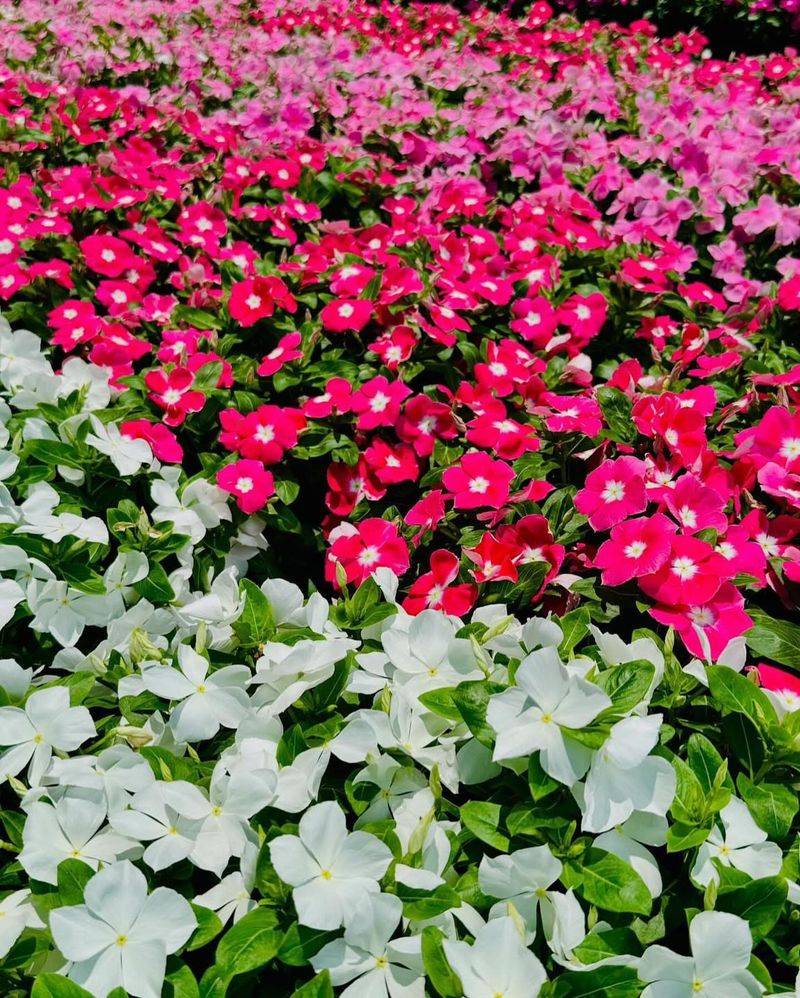
Picking flowers for a summer bed or container often comes down to color. Gardeners who want to match their landscape to a specific look, a home exterior color, or a personal preference will find that vinca comes in a range of shades that covers a lot of ground.
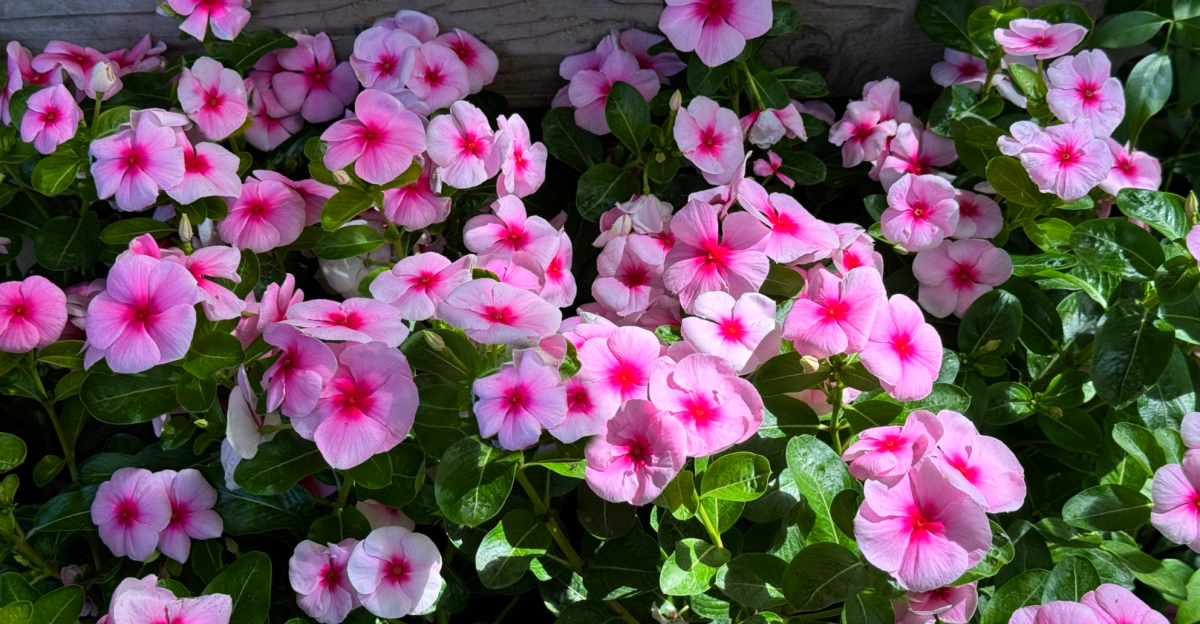
From rich reds and deep pinks to softer lavenders, pale roses, and bright white blooms, the color selection available at most Florida nurseries gives homeowners real options.
Many vinca varieties also feature a contrasting eye at the center of the flower, which adds a little extra visual interest without making the plant look fussy.
The flowers themselves are simple and clean in shape, which means they tend to complement other plants in a mixed bed rather than compete with them.
That clean look holds up well in Florida’s bright summer light, where subtler flowers can sometimes get washed out.
It is worth keeping in mind that specific color availability can vary by nursery and season. Not every variety will be stocked at every garden center, so shopping early in the spring planting season often gives the best selection.
Homeowners putting together a color scheme for a large bed or a matching container display may want to pick up all their plants at the same time to make sure the shades stay consistent.
That small bit of planning can make a big difference in how a finished planting looks.
6. Fits Borders, Beds, Containers, And Groundcover Areas
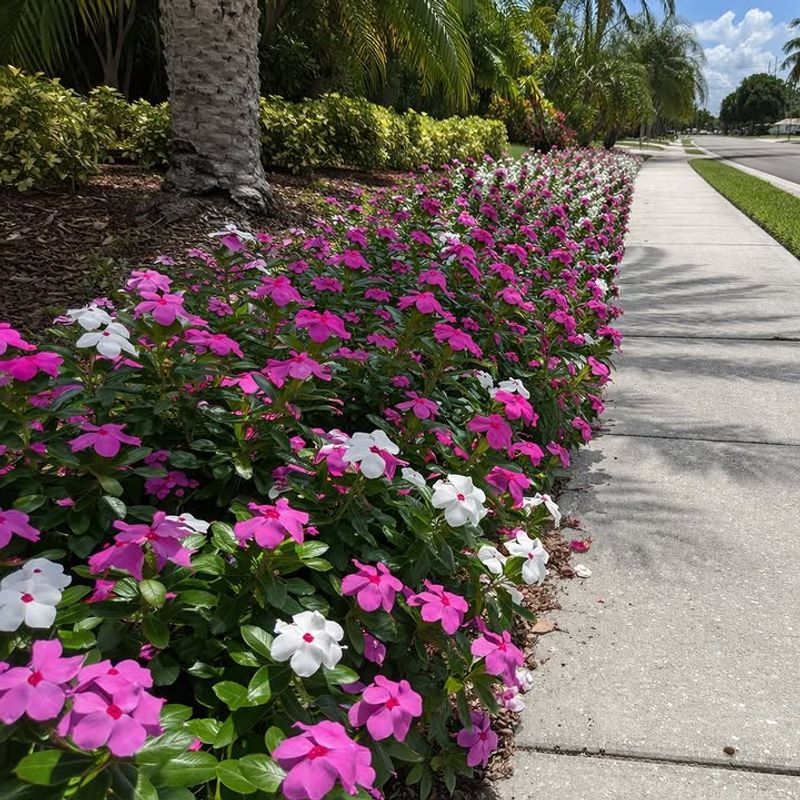
One of the most practical things about vinca is how many different spots in a Florida landscape it can fill.
Whether someone is planting a formal border along a walkway, filling a large sunny bed, dropping color into a patio container, or covering a section of ground with low-growing plants, vinca can work in each of those situations with the right spacing and setup.
In borders and beds, vinca plants spaced at a reasonable distance from one another can fill in over time and create a full, colorful display.
Good air movement around plants matters in Florida’s humid climate, so avoiding overly tight spacing helps reduce moisture-related issues.
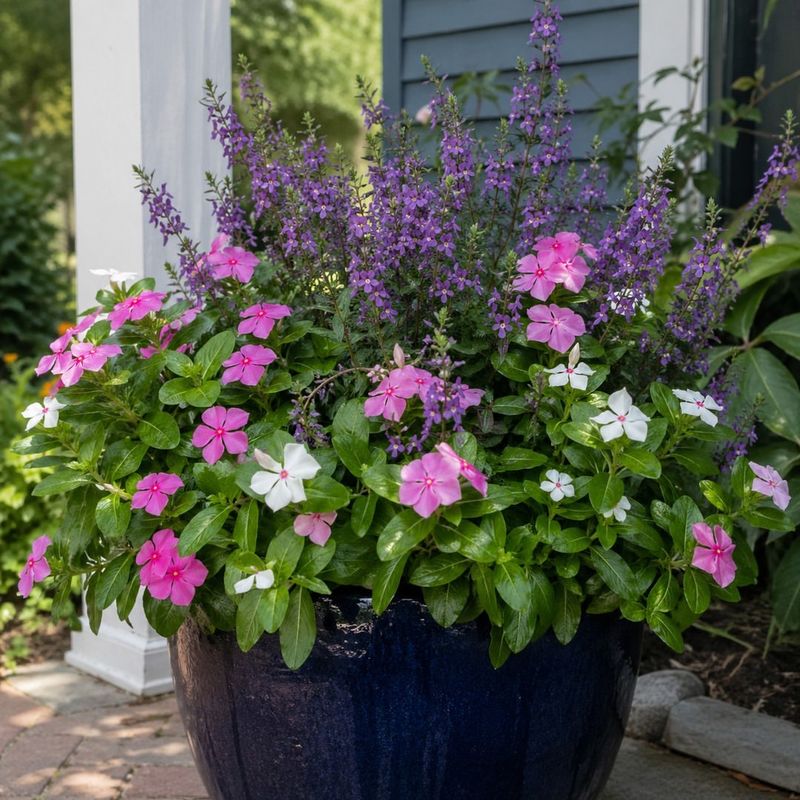
In containers, using pots with drainage holes and a quality potting mix gives vinca the well-drained environment it prefers, and container planting also makes it easy to move plants if a spot turns out to be too shady or too wet.
For groundcover-style planting in sunny areas, vinca can spread gradually and cover open ground with green foliage and consistent color.
It is not a fast-spreading groundcover the way some other plants are, but in the right spot it can fill in nicely over a warm season.
Raised beds, sloped areas with decent drainage, and open landscape zones along fences or property edges are all places where homeowners commonly use vinca to add summer color without a lot of complicated maintenance.
7. Has Moderate Drought Tolerance Once Established
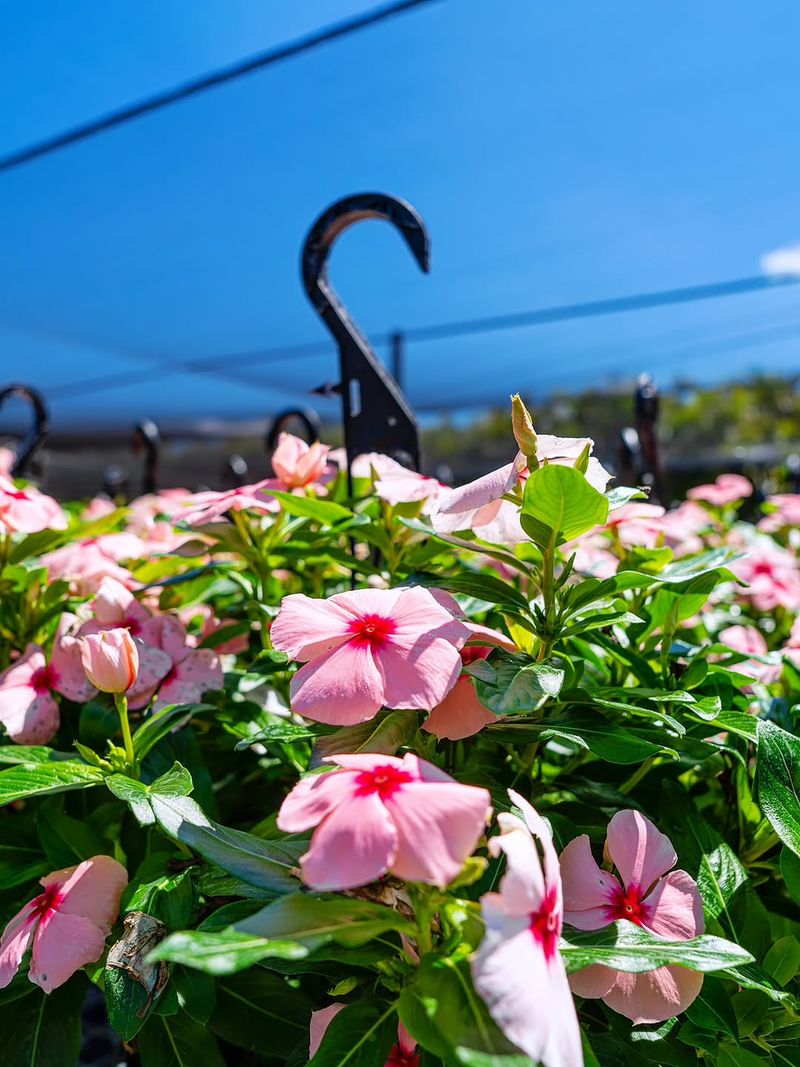
Florida weather can swing between heavy summer rain and dry stretches that leave garden beds parched for days at a time. Having plants that can handle some dryness without immediately showing stress is genuinely useful in that kind of climate.
Vinca has moderate drought tolerance once its root system has had time to settle into the soil, which makes it a bit more forgiving than annuals that need constant moisture to stay healthy.
That drought tolerance does not kick in right away, though. Newly planted vinca needs regular watering while roots are getting established, especially during the first few weeks after transplanting.
Letting new plants dry out too much before they have developed a strong root system can set them back. Consistent, moderate watering during that early period gives vinca the best start and helps it develop the resilience it is known for.
Once established, vinca can generally handle short dry periods without dramatic wilting or flower drop. During rainy season, natural rainfall often provides enough moisture to keep established plants going between irrigation cycles.
During drier stretches, a deep watering a couple of times per week is usually enough to keep plants healthy and flowering.
Homeowners who are trying to reduce irrigation use in their Florida landscapes will find vinca a more manageable choice than many other warm season annuals that need more frequent watering to perform at their best.
8. Prefers Well Drained Soil, Which Suits Many Florida Sites
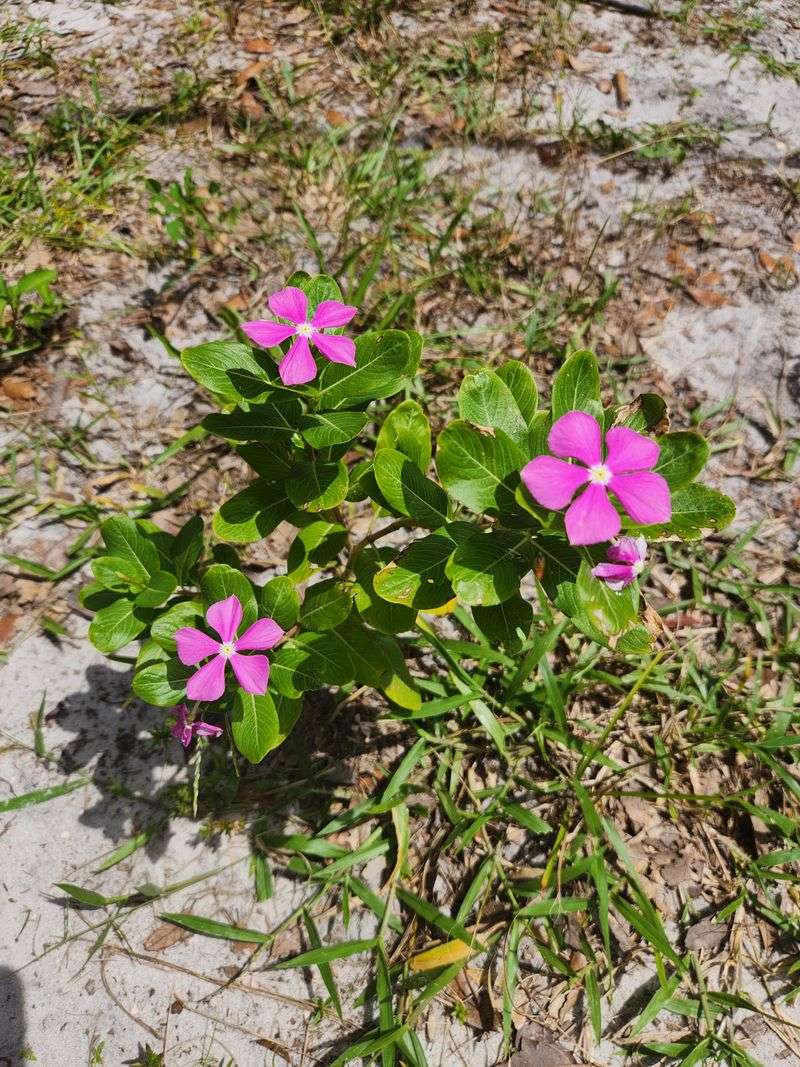
Sandy soil gets a bad reputation sometimes, but for vinca it is actually a reasonable match. Florida’s native sandy soils drain quickly, which is exactly what vinca needs to stay healthy.
Standing water and consistently soggy soil around the root zone can lead to root problems and plant decline, so the fast-draining nature of many Florida planting sites works in vinca’s favor.
During rainy season, which typically runs from late spring through early fall, beds can receive significant rainfall in a short period. Plants that prefer consistently moist or wet conditions can do fine in those conditions, but vinca is not one of them.
Raised beds, slopes, and planting areas with natural drainage tend to give vinca a healthier environment than low spots where water pools after a heavy rain.
Containers with drainage holes are another straightforward way to give vinca the drainage it needs, especially for gardeners working with compacted or poorly drained soil.
Adding organic matter to sandy beds before planting can improve moisture retention just enough to help plants through dry spells without creating waterlogged conditions.
The key is balance: vinca wants soil that does not dry out instantly but also does not hold water around its roots for long periods.
In many Florida yards, especially those with sandy, open ground, that balance is easier to achieve than it might be in other regions with heavier clay soils.