The Fruit Trees California Gardeners Are Planting Instead Of Ornamentals
A pretty tree is nice. A pretty tree that gives you fruit feels like a win every time you walk outside.
That is why more California gardeners are swapping purely ornamental trees for choices that look good and earn their space.
Citrus, figs, pomegranates, persimmons, and certain stone fruits can bring shade, flowers, shape, and a harvest.
The best pick depends on your climate, chill hours, yard size, and how much care you want to give. A small patio may suit a dwarf lemon.
A sunny backyard may have room for a fig or plum. These trees can make a landscape feel useful without losing beauty.
Plant the right one in the right spot, and your yard can offer spring blooms, summer shade, and fruit you actually get excited to pick.
1. Dwarf Meyer Lemon Adds Flowers, Fragrance, And Fruit
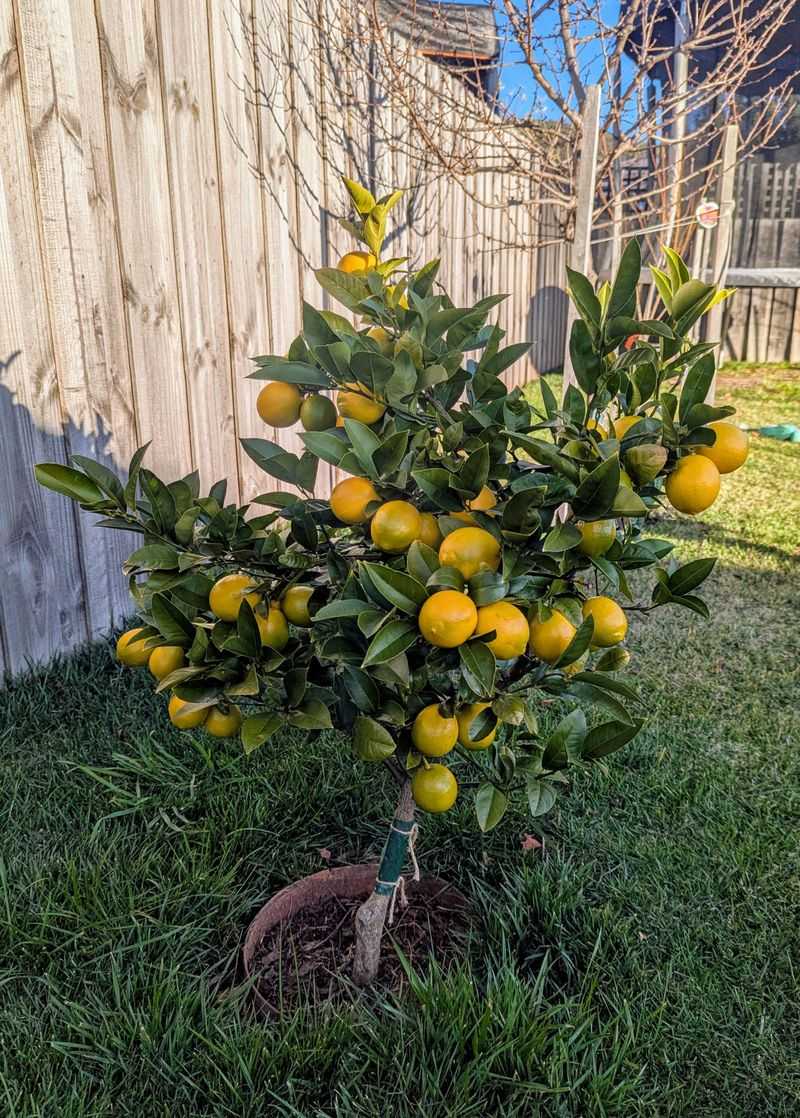
Few plants earn their spot in a garden quite like the dwarf Meyer lemon. It blooms with small white flowers that smell like a mix of citrus and vanilla, and those flowers eventually turn into juicy, thin-skinned lemons that are sweeter than store-bought ones.
You get fragrance, beauty, and fruit all from one compact tree.
Grown in a large container or planted directly in the ground, this tree stays manageable in size, usually reaching four to six feet tall.
That makes it easy to place near a front door, along a patio edge, or even on an apartment balcony.
It does well in full sun and needs well-draining soil to stay healthy.
Watering is straightforward once you get the hang of it. Let the soil dry slightly between waterings, and avoid letting the roots sit in soggy ground.
Feed it with a citrus-specific fertilizer a few times a year, and it will reward you with fruit almost year-round in warmer regions of the state.
One thing gardeners love most is that the tree looks attractive even when it is not fruiting. The deep green, glossy leaves stay on year-round, giving it that lush, polished look.
If you have only ever thought of lemon trees as farm or orchard plants, the dwarf Meyer variety might completely change your mind about what belongs in a home garden.
2. Kumquat Looks Polished Enough For Front Yards
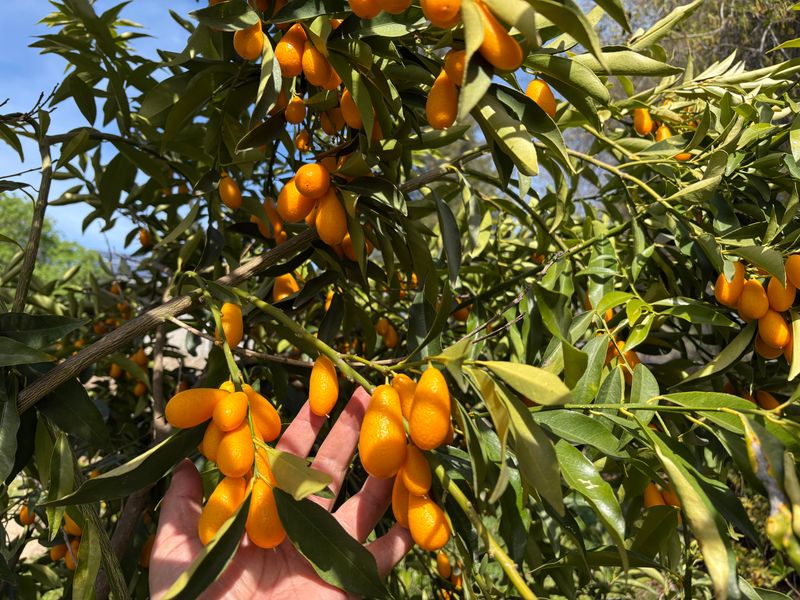
Tiny, bright orange fruits clustered among deep green leaves make the kumquat one of the most eye-catching trees you can plant near a front entrance.
People often mistake it for a decorative tree because it looks so tidy and colorful. But every one of those little fruits is edible, and you eat them whole, skin and all.
The flavor is a fun surprise. The skin is sweet while the inside is tart, so biting into one gives you both flavors at once.
Kids especially get a kick out of eating them straight off the tree. They also make excellent marmalades, candied fruit, and cocktail garnishes for the adults in the house.
Kumquat trees are naturally compact, usually staying between six and ten feet tall without much pruning. That makes them ideal for smaller yards or as a focal point in a mixed garden border.
Your California Garden Changes Every Week. Your Plan Should Too.
Gardening in California changes quickly throughout the season. Every Friday you’ll receive a simple weekly plan showing exactly what to plant, prune, fertilize, harvest, and protect so you never miss the right timing.
They prefer full sun and do well in the warm, dry conditions found across most of this state.
Cold hardiness is another bonus.
Compared to most citrus trees, kumquats can handle a light frost, which makes them a good option for gardeners in slightly cooler inland valleys or higher elevations.
They are slow growers but long-lived, meaning once you plant one, it could be producing fruit for decades. For a front yard tree that combines curb appeal with something useful, kumquat is hard to beat.
3. Pomegranate Brings Red Blooms Before The Fruit Arrives
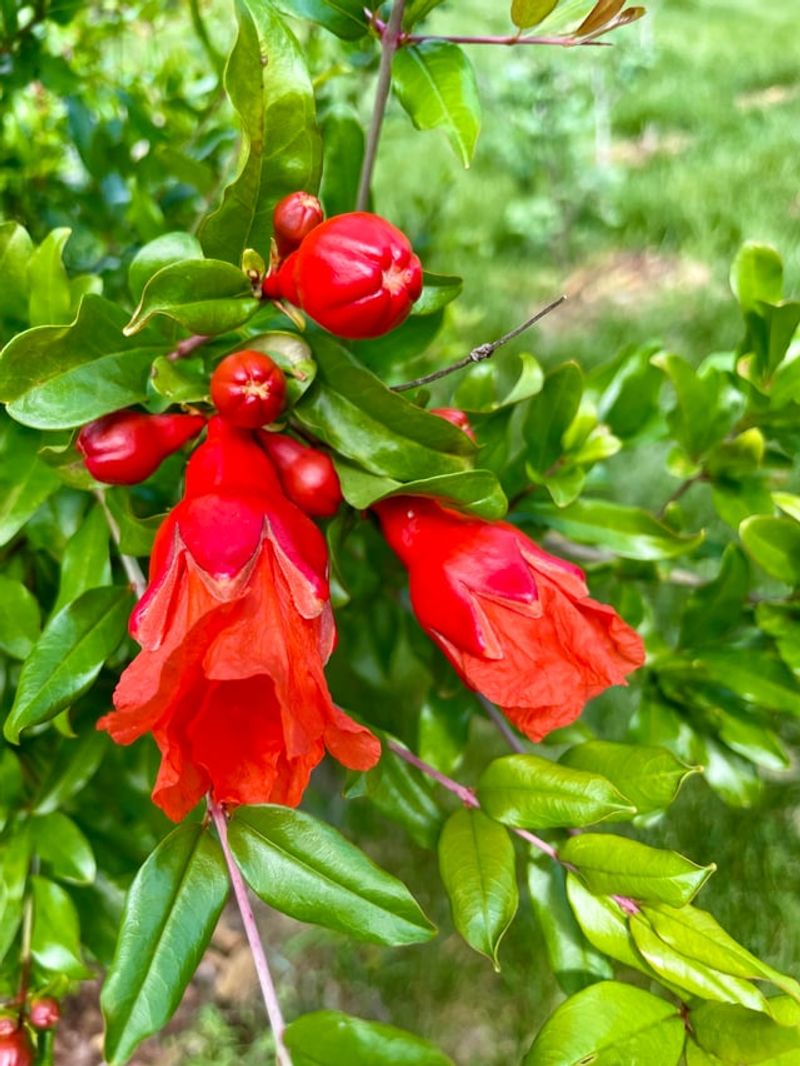
Long before the fruit shows up, the pomegranate tree puts on a show. The flowers are a deep, fiery red-orange and shaped like little trumpets.
They appear in late spring and early summer, making the tree look like something you would find in a Mediterranean garden or a fancy botanical park.
Once the blooms fade, the fruit begins to develop. By fall, those round, leathery red fruits are ready to pick.
Inside, hundreds of jewel-like seeds are packed with sweet-tart juice that is loaded with antioxidants. A single mature tree can produce more pomegranates than one family can eat in a season.
What makes pomegranate trees especially appealing for this state is how well they handle heat and drought. Once established, they need very little water compared to most fruit trees.
They thrive in hot inland areas and can tolerate poor soil conditions that would stress out other trees.
Pomegranate trees also have an attractive natural shape. With minimal pruning, they can be trained into a small multi-trunk tree or kept as a large, rounded shrub.
Some varieties stay under ten feet, making them a great fit for mid-sized yards.
The bark develops a gnarled, textured look as the tree matures, which adds character to the landscape even in winter when the leaves have dropped. For beauty across all four seasons, this tree delivers consistently.
4. Fig Trees Give California Yards Big Tropical-Looking Leaves
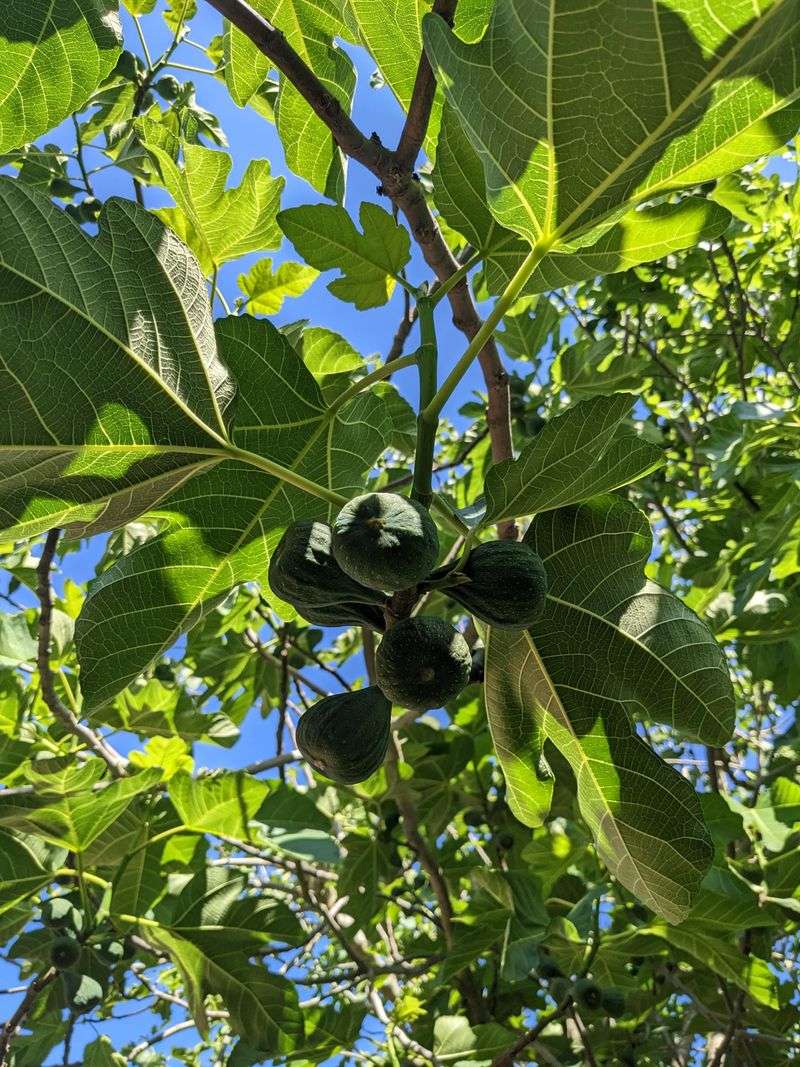
There is something almost theatrical about a fig tree in full leaf. The leaves are enormous, deeply lobed, and a rich shade of green that feels more tropical rainforest than suburban backyard.
Even without fruit, a mature fig tree makes a bold visual statement in any garden space.
Figs have been grown around the Mediterranean and Middle East for thousands of years, and they settled into this state like they were born here. The warm, dry summers and mild winters in most regions are nearly perfect for them.
Popular varieties like Brown Turkey, Black Mission, and Kadota all perform beautifully here.
The fruit itself is soft, sweet, and rich in flavor. Fresh figs are a treat that most people rarely get from a grocery store because they do not ship well.
Having a tree in your own yard means you can pick them at peak ripeness, which is a completely different experience from anything you can buy in a bag.
Fig trees are also very forgiving. They tolerate poor soil, irregular watering, and occasional neglect better than most fruit trees.
They can grow quite large if left alone, reaching up to thirty feet, but regular pruning keeps them at a manageable height. Dwarf varieties are available for smaller spaces.
The combination of dramatic foliage, sweet fruit, and low-maintenance care makes fig one of the most rewarding trees a home gardener can choose.
5. Olive Trees Offer Silvery Foliage With Edible Rewards
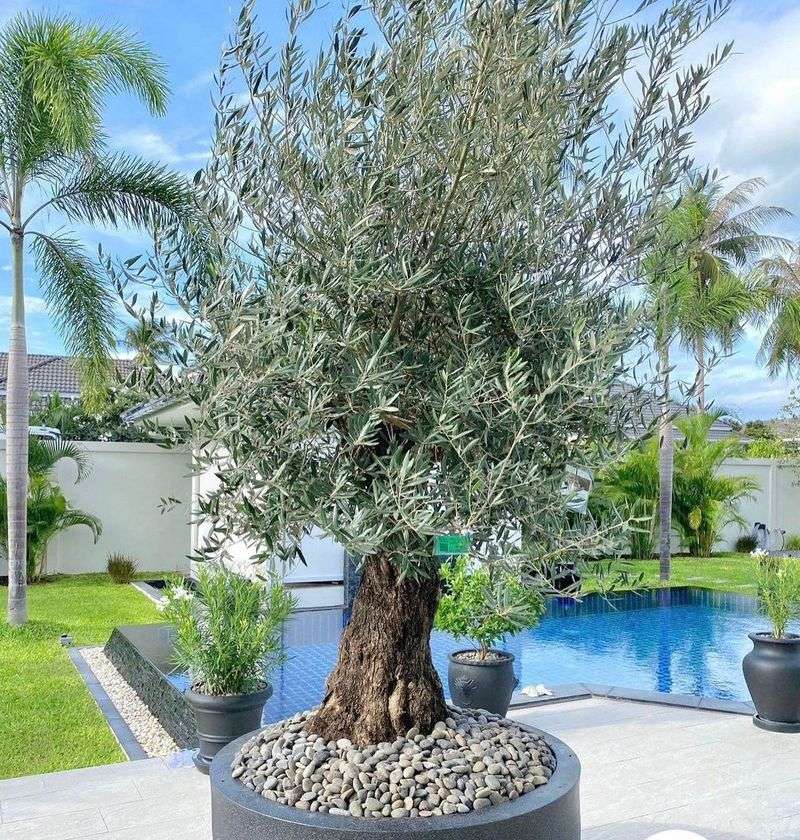
Olive trees have been planted across this state for over two centuries, and their appeal has never faded. The narrow, silvery-green leaves shimmer in the breeze and give the tree an almost painterly quality.
On a sunny afternoon, an olive tree in your yard can look like it belongs in a scene from ancient Greece.
Beyond the looks, olive trees are remarkably tough. They handle drought, heat, and poor soil with ease.
Once established, they may need watering only once or twice a month during dry summers. That level of low maintenance is hard to find in any other fruit-bearing tree.
Fruiting varieties produce olives that can be cured and eaten or pressed for oil at home. It takes some effort to process them, but the result is genuinely satisfying.
Non-fruiting varieties are also available for gardeners who want the look without the cleanup of fallen fruit on driveways or walkways.
Olive trees grow slowly but live for an incredibly long time. Some trees in the Mediterranean region are over a thousand years old.
In a home garden, that means you are planting something that could outlast the house itself. They work beautifully as shade trees, focal points, or even as informal hedges when planted in a row.
The gnarled trunk and canopy shape become more interesting with every passing year, making this one of the most visually rewarding long-term investments a gardener can make.
6. Loquat Gives Shade, Flowers, And Early Fruit
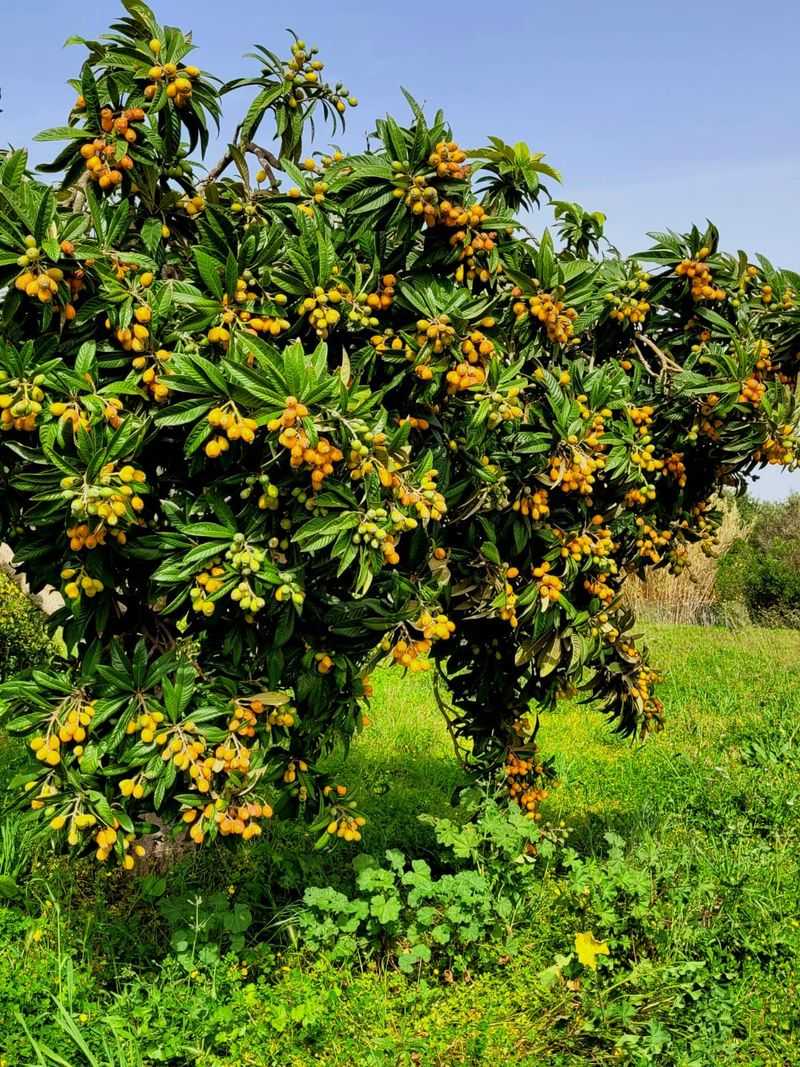
Most fruit trees bloom in spring and fruit in summer or fall. The loquat does things on its own schedule.
It blooms in late fall or winter and produces fruit in early spring, which means you are harvesting while most other trees are still waking up from their dormant period.
That early harvest is one reason gardeners across the state love it so much.
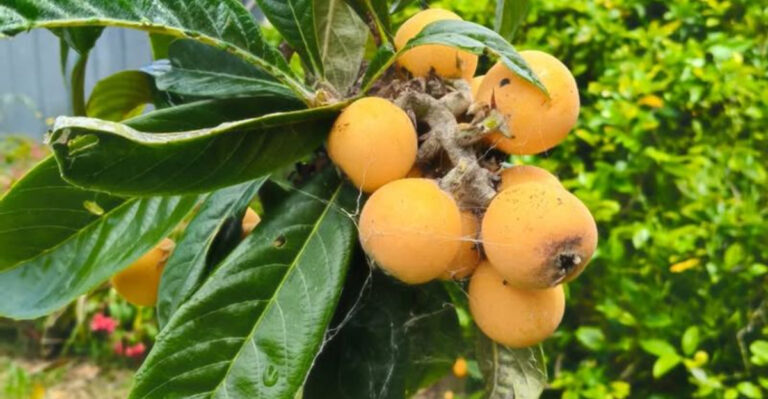
Small clusters of yellow-orange fruits appear in March and April, offering a sweet, slightly tangy flavor that tastes like a cross between a peach and a mild mango.
The fruit is soft and juicy, and it does not last long once picked, so eating them fresh off the tree is really the best way to enjoy them.
Loquat trees are also impressively large and leafy. The leaves are long, dark green, and leathery, with a slightly textured surface.
They create a dense canopy that provides real shade during the warmer months. In a yard that needs privacy or a natural screen, a loquat tree planted along a fence line works very well.
Care is minimal once the tree is established. It tolerates a range of soil types, handles occasional drought, and rarely needs spraying for pests or disease.
Trees can reach fifteen to thirty feet if unpruned, but regular trimming keeps them compact and encourages better fruit production.
For a tree that works hard in every season, loquat earns a top spot in any edible garden plan.
7. Persimmon Trees Look Ornamental Long After Harvest
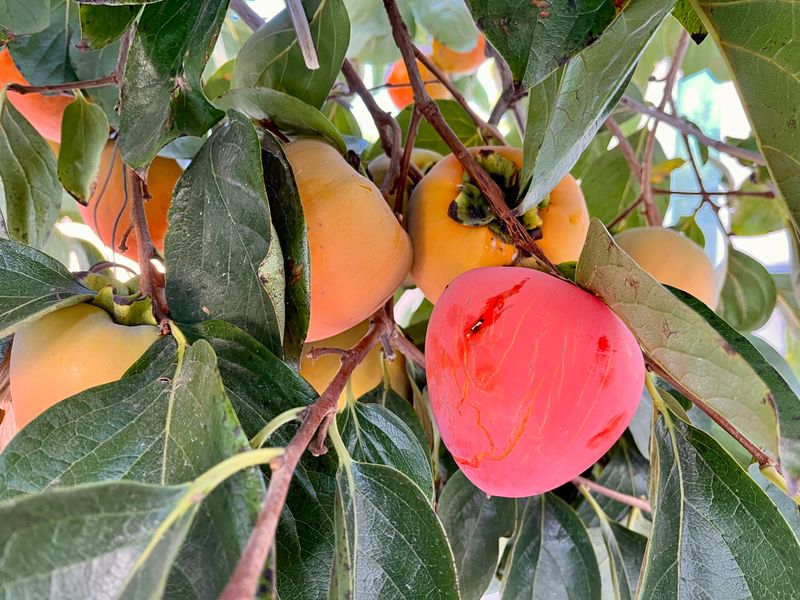
When the leaves drop in late fall, most trees just look bare and a little sad. The persimmon does the opposite.
Its bright orange fruits cling to the bare branches like decorations on a tree, creating one of the most striking displays in the autumn garden. It looks almost too pretty to be real.
There are two main types grown in home gardens: Hachiya and Fuyu. Hachiya fruits are acorn-shaped and must be fully ripe before eating, or they will taste extremely astringent.
Fuyu fruits are rounder and can be eaten while still firm, much like an apple. Both are delicious and both look beautiful on the tree.
Persimmon trees are well-adapted to the climate found in most parts of this state.
They handle both heat and moderate cold, making them a solid choice for inland valleys, coastal areas, and even some of the cooler northern regions.
They need very little water once established and are rarely bothered by serious pest problems.
Growth habit is naturally attractive. The tree develops a rounded, spreading canopy with glossy green leaves that turn yellow and orange before they fall each autumn.
That fall color is an added bonus in a state where dramatic autumn foliage is not always guaranteed.
Mature trees can reach twenty to thirty feet, but many gardeners keep them smaller with regular pruning.
Either way, this tree earns its place as one of the most beautiful fruiting options available.
8. Pineapple Guava Works Like A Pretty Evergreen Shrub-Tree
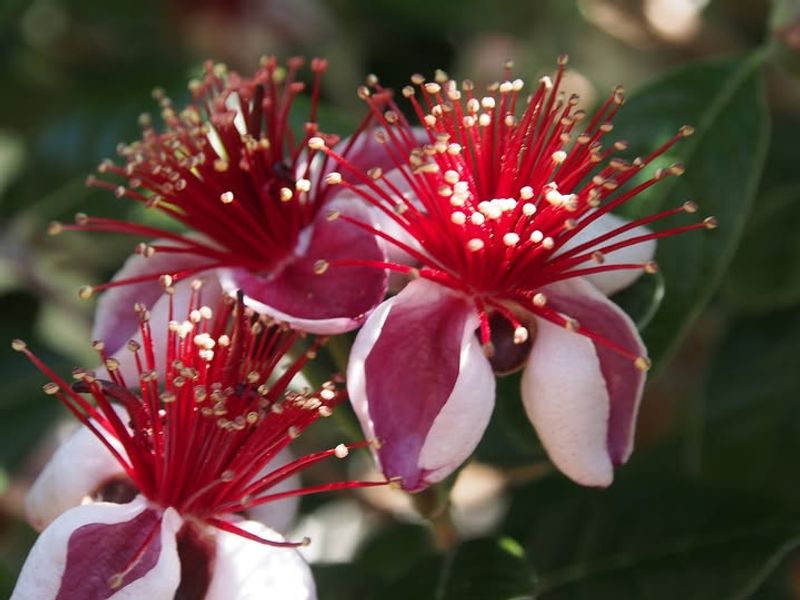
Not every fruit tree looks like a tree. Pineapple guava, also called feijoa, grows more like a large shrub or a small multi-stemmed tree.
It fits naturally into mixed garden borders, foundation plantings, or hedgerows without looking out of place among purely ornamental plants.
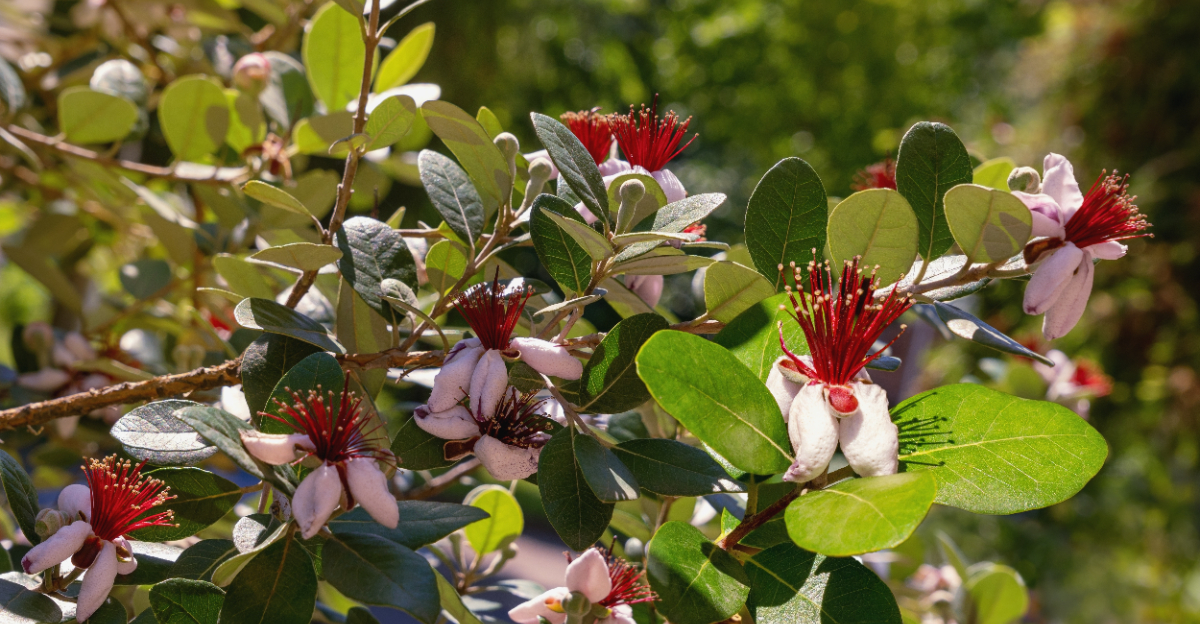
The flowers are genuinely exotic-looking. They have white petals with a burst of bright red stamens in the center, and the petals themselves are edible and taste faintly sweet.
Hummingbirds are wild about them, which makes the blooming season extra entertaining to watch from a nearby window or patio chair.
The fruit that follows looks like a small, oval, grayish-green guava. Inside, the flesh is creamy white with a flavor that has been described as a blend of pineapple, mint, and strawberry.
It is unusual enough to impress guests but mild enough that most people enjoy it right away without needing to acquire a taste for it.
Pineapple guava is one of the tougher options on this list. It handles drought, coastal winds, and light frost without much fuss.
It grows well in full sun or partial shade, which gives gardeners more flexibility when choosing a planting spot.
The silvery-green foliage holds its color year-round, keeping the plant attractive in every season.
For gardeners who want something that looks like a well-designed ornamental but still produces real, edible fruit, this shrub-tree is a genuinely clever choice.
9. Mulberry Trees Give Fast Shade With A Sweet Payoff
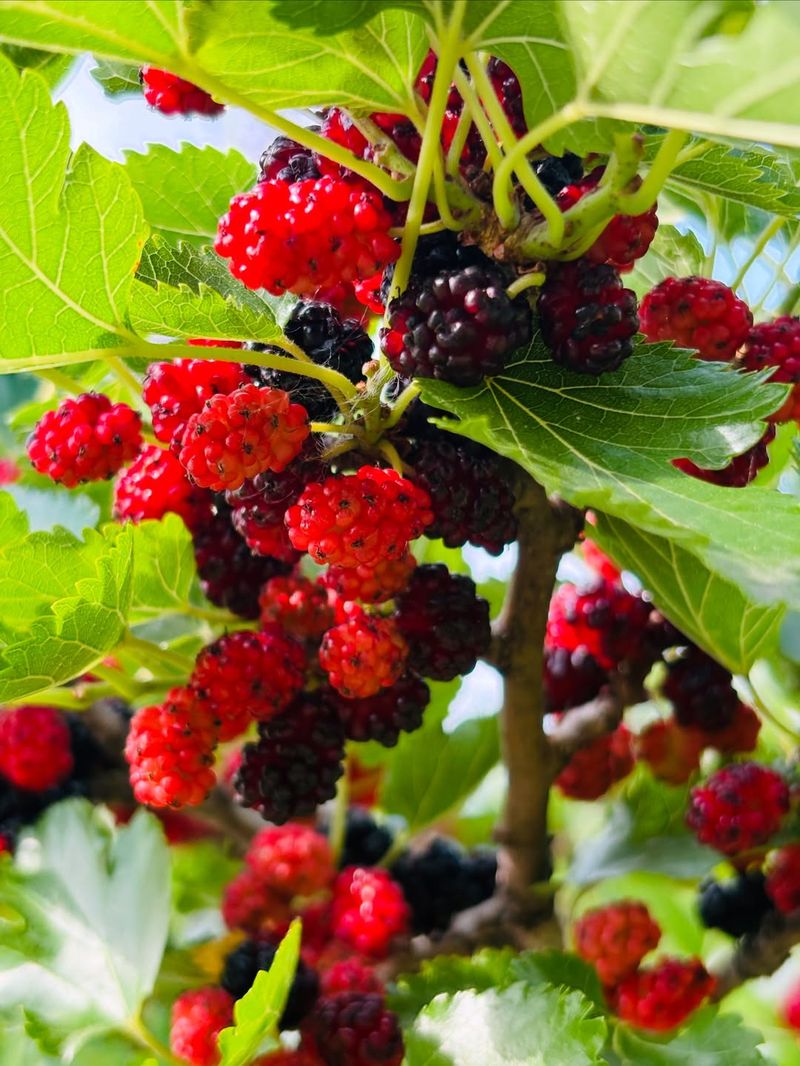
Speed matters when you are waiting for a tree to actually do something useful in your yard. Mulberry trees grow fast, sometimes putting on several feet of new growth in a single season.
Within just a few years of planting, you have real shade and a real harvest, which is not something most trees can promise.
The fruit looks like a stretched blackberry and ranges in color from deep purple-red to white, depending on the variety.
Red and black mulberries have the richest flavor, sweet and slightly tart with a juicy texture that is hard to resist.
White mulberries are milder and often preferred by birds, which means you may have some competition at harvest time.
One honest note: mulberries are messy. The fruit falls when ripe and can stain patios, driveways, and shoes a deep purple.
Planting them over a lawn or garden bed rather than a hard surface makes cleanup much easier.
Fruitless mulberry varieties exist if you want the shade without the fruit, but then you miss the whole point of edible landscaping.
Trees can grow large, sometimes reaching thirty to fifty feet at maturity, so they need space. Regular pruning keeps them manageable and actually encourages more fruit production on younger wood.
The broad canopy and large leaves create a dense, cooling shade that is hard to match with any ornamental tree.
For gardeners who value speed, shade, and a generous harvest, mulberry is the clear front-runner on this list.