Think Twice Before Adding These 9 Things To Your Illinois Vegetable Garden
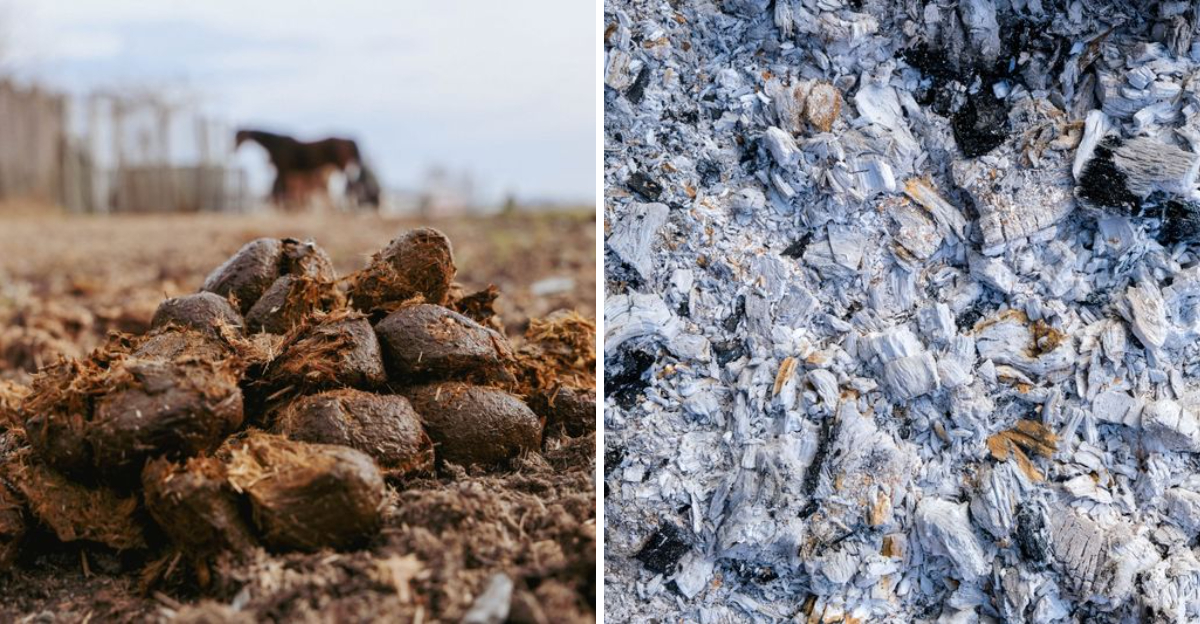
Your vegetable garden was supposed to be the easy part. You prepped the beds, picked the seeds, and did everything right, or so you thought.
The problem is that some of the most well-meaning additions can quietly work against everything you planted. A bucket of something free from a neighbor.
A bale of straw from the farm down the road. A bag of soil scooped from the woods behind your house. Each one sounds reasonable. Each one can quietly ruin a season.
Illinois gardeners deal with a specific set of conditions, clay-heavy soil, unpredictable springs, humid summers, and not every shortcut holds up here.
Some additions throw off your soil pH. Others bring in herbicide residue that lingers for years. A few create the kind of contamination you cannot see until your plants stop growing or your harvest raises questions.
Nine common additions do not belong in your Illinois vegetable garden, no matter how often you see them recommended online.
1. Landscape Fabric Between Vegetable Rows
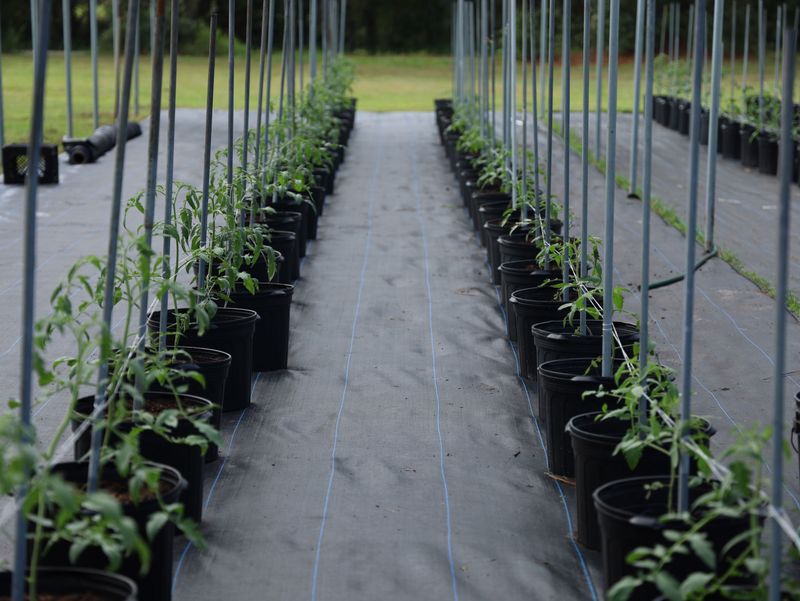
Landscape fabric seems like the ultimate weed solution, neat, tidy, and low maintenance. But in a vegetable garden, it creates more problems than it solves over time.
The fabric blocks water and air from penetrating the soil evenly. Roots struggle to breathe, and beneficial microbes that feed your plants begin to disappear.
Earthworms avoid compacted, oxygen-poor zones beneath the fabric. Fewer worms mean less natural aeration and less nutrient cycling for your crops.
Weeds eventually push through anyway, especially aggressive ones like bindweed or nutsedge. Removing them becomes a nightmare because roots tangle tightly into the fabric itself.
Illinois summers are humid and unpredictable, and soil trapped under fabric heats unevenly during heat waves. That temperature stress reaches plant roots faster than most gardeners expect.
Vegetable gardens need living, breathing soil that changes with each season. Landscape fabric locks the ground into a static, suffocating state that fights against healthy growth.
Organic mulches like straw, wood chips, or shredded leaves do the same weed-blocking job without the downsides. They also break down and enrich the soil naturally over time.
Fabric works fine around perennial shrubs or pathways, but keep it away from your edible beds. Giving your vegetable garden room to breathe is one of the smartest moves you can make this season.
2. Fresh Manure From Livestock
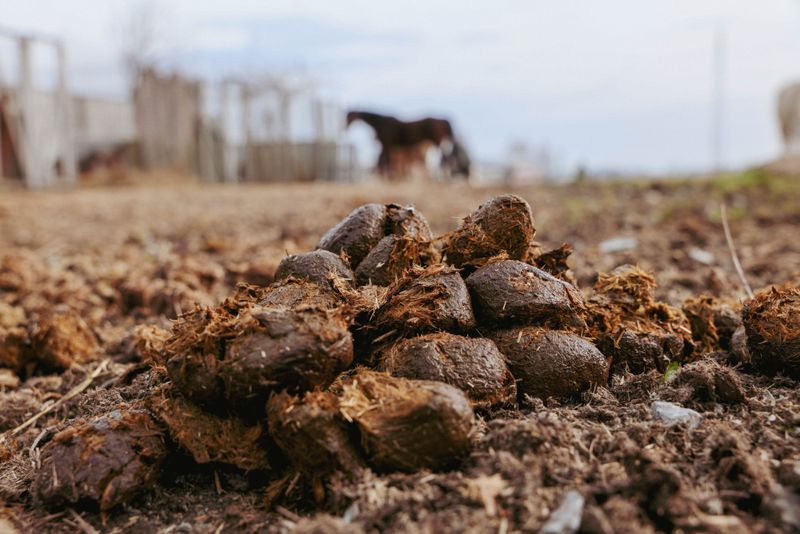
Image Credit: © Vladimir Srajber / Pexels
It smells like a shortcut to great soil, but fresh manure is a trap. Raw animal waste carries harmful bacteria like E. coli and Salmonella that can transfer directly onto your vegetables.
Spreading it too close to harvest time puts your family at real risk. The USDA recommends waiting at least 120 days after applying raw manure before harvesting root crops.
That timeline is easy to miscalculate, especially in a short Midwest growing season. Fresh manure also burns plant roots with high nitrogen levels, causing yellowing leaves and stunted growth.
Weed seeds survive inside raw manure too. One wheelbarrow load can introduce stubborn weeds that are difficult to get rid of later.
Your Illinois Garden Changes Every Week. Your Plan Should Too.
Gardening in Illinois changes quickly throughout the season. Every Friday you’ll receive a simple weekly plan showing exactly what to plant, prune, fertilize, harvest, and protect so you never miss the right timing.
Composted manure, aged for several months, is a completely different story. It breaks down pathogens and balances nutrients into a rich, safe soil amendment.
Look for bagged, composted manure at your local garden center if you want the benefits without the risks. Your plants will respond better, and your harvest will be genuinely safer for everyone at the table.
3. Non-Composted Kitchen Scraps Dug Directly Into Soil
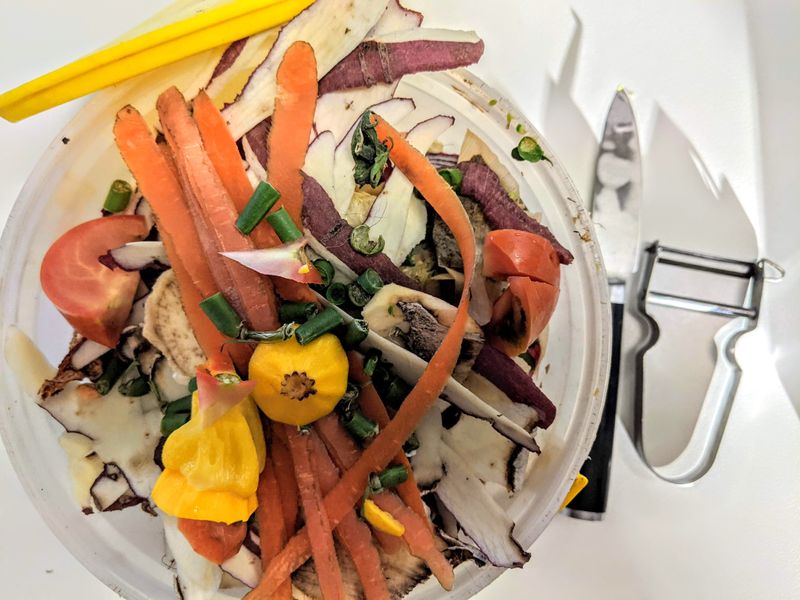
Burying banana peels and coffee grounds straight into your garden bed feels resourceful and eco-friendly. But raw kitchen scraps decompose slowly and create serious problems underground.
As they break down, they temporarily rob the surrounding soil of nitrogen. Plants nearby show pale, weak growth while the scraps hog available nutrients during decomposition.
Raw food waste also attracts unwanted visitors. Raccoons, rats, opossums, and other wildlife will dig up your beds searching for that buried snack.
Illinois yards already see heavy wildlife pressure through spring and summer. An easy food source buried in your garden is an open invitation you do not want to send.
Fruit and vegetable scraps can also introduce fungal issues when buried in dense, wet soil. Decomposing matter can introduce fungal pressure to nearby plant roots over time.
Meat, dairy, and cooked food scraps are a different story altogether. They attract pests far more reliably and tend to create unpleasant odors that linger in the garden.
Composting kitchen scraps properly is the answer. A simple backyard compost bin transforms waste into nutrient-dense material over a few months.
Finished compost is dark, earthy-smelling, and safe to mix into your vegetable beds freely. Patience with the process pays off in dramatically healthier soil and stronger plants all season long.
4. Treated Or Painted Wood For Raised Beds
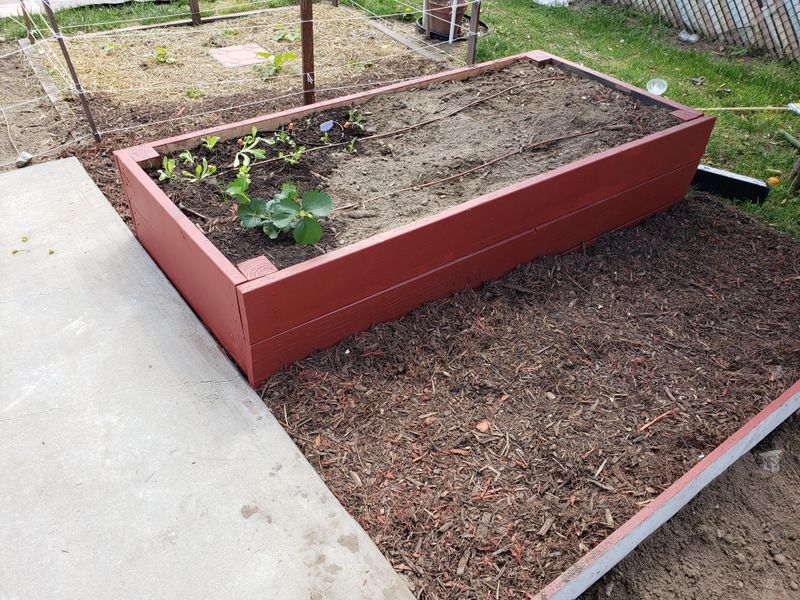
Building a raised bed with leftover lumber from a deck project seems practical and budget-friendly. But treated wood contains chemical preservatives that leach slowly into your growing soil.
Older pressure-treated wood used arsenic-based compounds called CCA. Even newer formulas contain copper azole or alkaline copper quaternary, which can migrate into soil and plant tissue.
Root vegetables like carrots, beets, and radishes absorb soil compounds directly as they grow. Eating produce grown in chemically contaminated soil is a legitimate health concern worth taking seriously.
Painted wood presents similar risks. Many exterior paints contain lead, especially in older homes with leftover supplies stored in garages for decades.
The flaking and peeling that happens outdoors deposits those compounds directly into your soil over time. You may not notice any visible changes, but the chemistry shifts quietly beneath the surface.
Safe alternatives include untreated cedar, redwood, or Douglas fir. These naturally resist rot without any added chemicals and last several good seasons.
Composite lumber made specifically for garden beds is another solid option where available at your local garden center. Choosing the right materials from the start protects your soil, your crops, and the people who eat from your garden all summer.
5. Wood Ash In Large Quantities
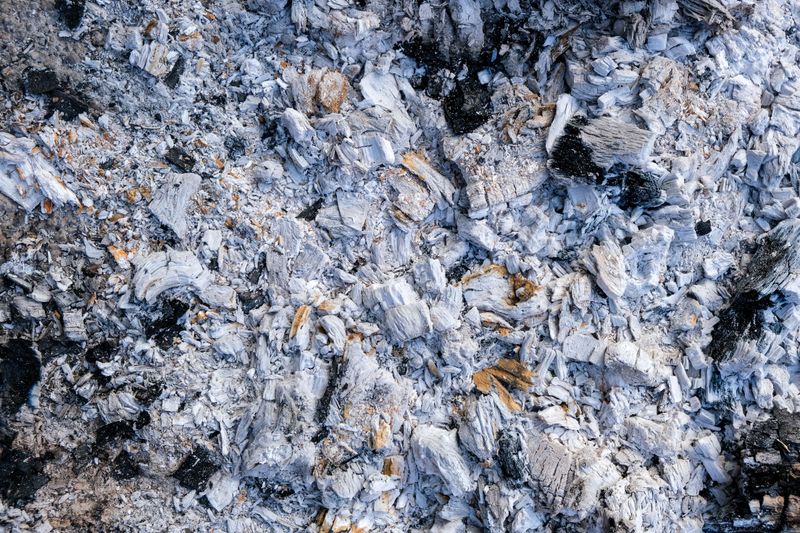
Image Credit: © Magda Ehlers / Pexels
Wood ash sounds like a brilliant, free soil fix, especially after a cozy bonfire season. The problem is that it raises soil pH fast, and most vegetables prefer slightly acidic conditions.
Illinois soils already trend neutral to slightly alkaline in many regions. Dumping wood ash on top pushes pH even higher, locking out nutrients like iron and manganese.
When plants cannot access those minerals, leaves turn yellow between the veins. That condition is called chlorosis, and it spreads quickly across an entire bed.
A small, careful amount of wood ash can benefit certain crops like brassicas or onions in acidic soil conditions. But without a soil test, you are essentially guessing with your garden’s chemistry.
Too much ash also introduces soluble salts that stress plant roots. Overloaded soil becomes hostile rather than hospitable, even for tough, seasoned crops.
Coal ash is a different matter entirely and is best kept away from edible gardens. It contains heavy metals that accumulate in soil over time.
If you want to use wood ash wisely, test your soil first, apply sparingly, and work it in thoroughly. A little knowledge here goes a long way toward keeping your vegetable garden thriving all season.
6. Soil Taken Straight From The Woods
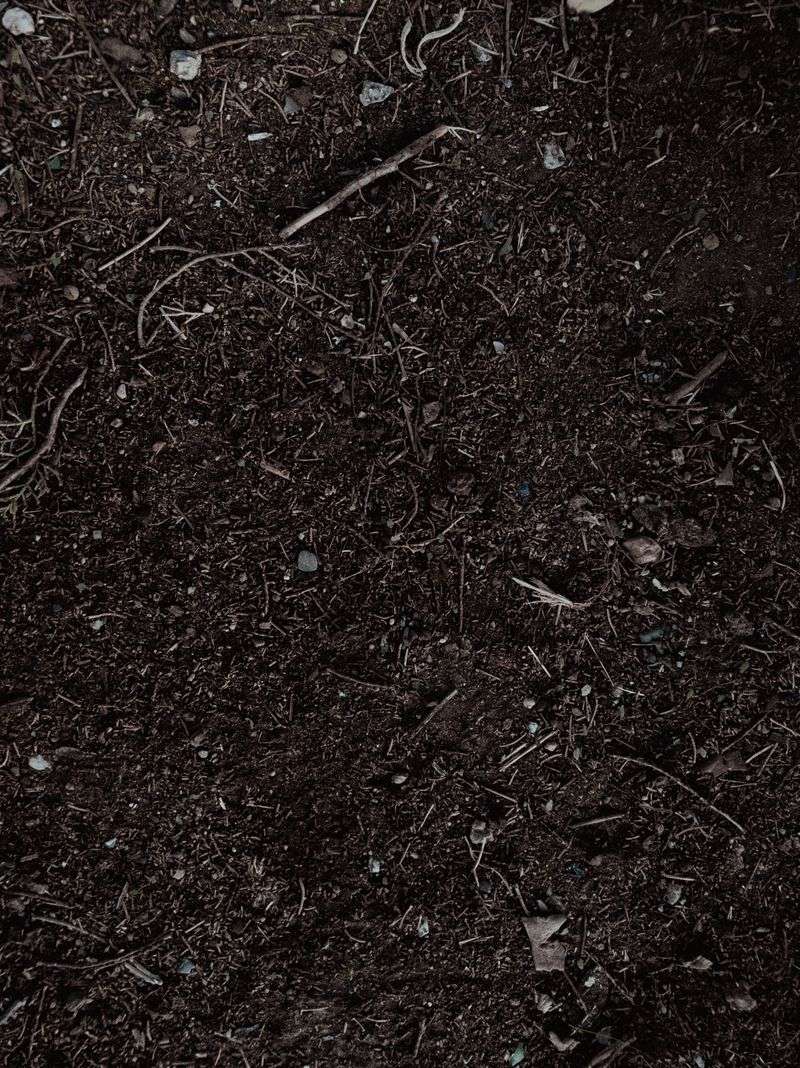
Forest floor soil looks incredibly rich, dark, and full of life, the kind of stuff gardeners dream about. But transplanting it directly into your vegetable garden is asking for trouble.
Woodland soil is a complete ecosystem built for forest plants, not vegetables. Its pH, drainage, and microbial balance are tuned for trees, ferns, and shade-loving understory plants.
Most vegetables need looser, better-draining soil with a neutral pH. Dense, acidic forest soil smothers roots and holds too much moisture around delicate seedlings.
Wild soil also carries weed seeds, fungal spores, and soil-borne pathogens not found in cultivated garden beds. Introducing them can trigger disease outbreaks that spread across your entire plot.
Invasive plants like garlic mustard spread aggressively through transported soil. One shovelful of forest dirt can kickstart a weed invasion that takes years to control.
Some protected natural areas in Illinois restrict removing soil or organic material entirely. Always check local rules before taking anything from a forest preserve or conservation land.
High-quality bagged garden soil or a well-amended native soil is always the smarter choice. Building your own rich mix gives you full control over what goes into your vegetable garden from the very first season.
7. Synthetic Mulch Made From Rubber Or Dyed Materials
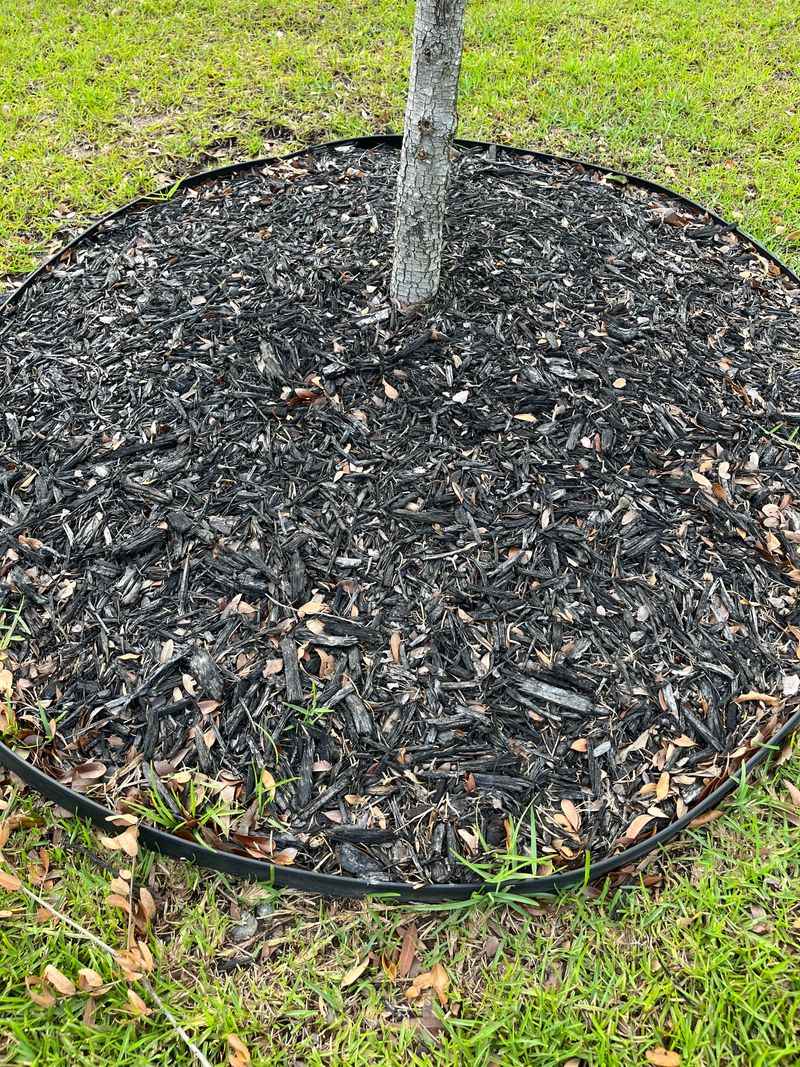
Rubber mulch has a long lifespan and stays in place beautifully, which makes it popular for playgrounds and decorative beds. Around edible crops, though, it is a different story entirely.
Rubber mulch is made from recycled tires, which contain zinc, heavy metals, and petrochemicals. Heat from summer sun accelerates the release of those compounds into surrounding soil.
Illinois summers get hot and humid, making chemical leaching from rubber mulch a real concern. Vegetables absorb whatever is in their root zone, and you cannot rinse that away at harvest.
Dyed wood chip mulches carry their own baggage. Some commercial dyes contain heavy metals or synthetic compounds used as colorants and fixatives.
Avoid unknown dyed or recycled-wood mulches and choose the organic one instead.
These synthetic mulches also do not break down and feed the soil like organic options do. They just sit there, decorating the surface while contributing nothing to soil health.
Plain wood chips, untreated straw, or shredded leaves are all excellent mulch choices for vegetable gardens. They suppress weeds, hold moisture, and gradually improve your soil with every passing season.
8. Hay Or Straw Mulch With Herbicide Residue
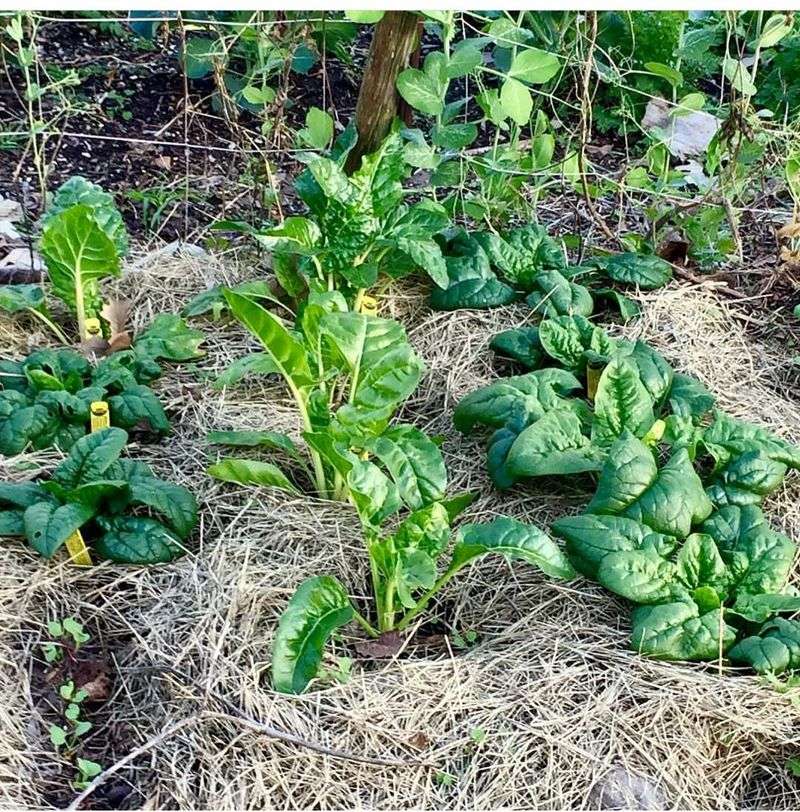
Straw mulch is a Midwest garden classic, affordable, widely available, and genuinely useful for moisture retention. But not all bales are created equal, and some carry a hidden chemical problem.
Persistent herbicides like clopyralid and aminopyralid are sprayed on grain crops and grasses across the Midwest. These chemicals survive the baling process and remain active inside the straw for months.
When contaminated straw breaks down in your garden, it releases those herbicides into the soil. Tomatoes, peppers, beans, and potatoes are especially sensitive and show dramatic damage quickly.
Symptoms include twisted, curling leaves and distorted growth that mimics a viral infection. Many gardeners spend weeks troubleshooting a mystery problem that originated in an innocent-looking bale.
Hay is often worse than straw because it contains more weed seeds and broader plant material that breaks down unpredictably. Straw from untreated wheat or oat crops is generally the safer pick.
Always ask your supplier whether the source grain field was sprayed with persistent herbicides. A simple question before you buy can save an entire growing season of heartbreak.
You can also test a new bale by sprouting bean seeds in a small pot of the composted material. Healthy sprouting is a good green light for your vegetable garden this season.
9. Lime Added Without A Soil Test First
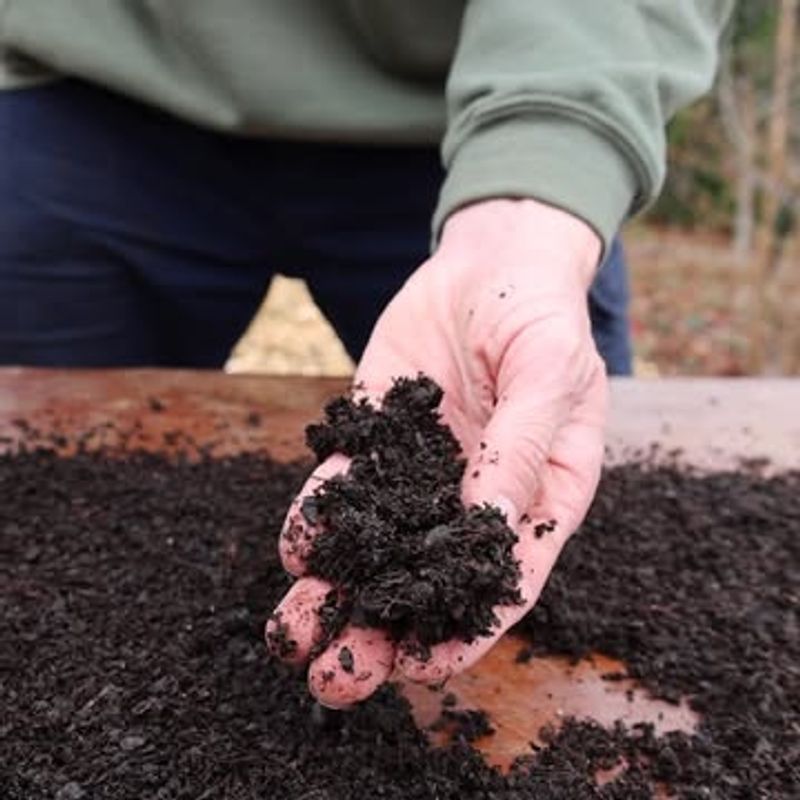
Lime has a well-earned reputation as a soil savior, and in the right situation it absolutely is. The catch is that adding it blindly can send your soil chemistry in the completely wrong direction.
Many Illinois vegetable gardens already sit at a neutral or slightly alkaline pH due to local geology. Applying lime to already-neutral soil pushes conditions too far toward alkaline territory.
When pH climbs above 7.5, nutrients like iron, zinc, and phosphorus become chemically unavailable. Plants show deficiencies even when those nutrients are physically present in the soil.
Fixing an over-limed garden takes time and effort. Sulfur amendments can help lower pH, but results come slowly and may take an entire season to register meaningfully.
A basic soil test from your local cooperative extension office costs very little. It gives you exact pH readings and nutrient levels so you can make smart, targeted amendments.
Soil tests also reveal whether your garden needs lime at all, or whether a different fix is more appropriate. Skipping this step means making changes to your soil without knowing whether they are actually needed.
Protecting your Illinois vegetable garden means making decisions based on real data, not guesswork. A cheap soil test is one of the best investments any backyard grower can make all year.