Why Michigan Gardeners Are Starting Their Tick Prevention Routine Earlier Every Year
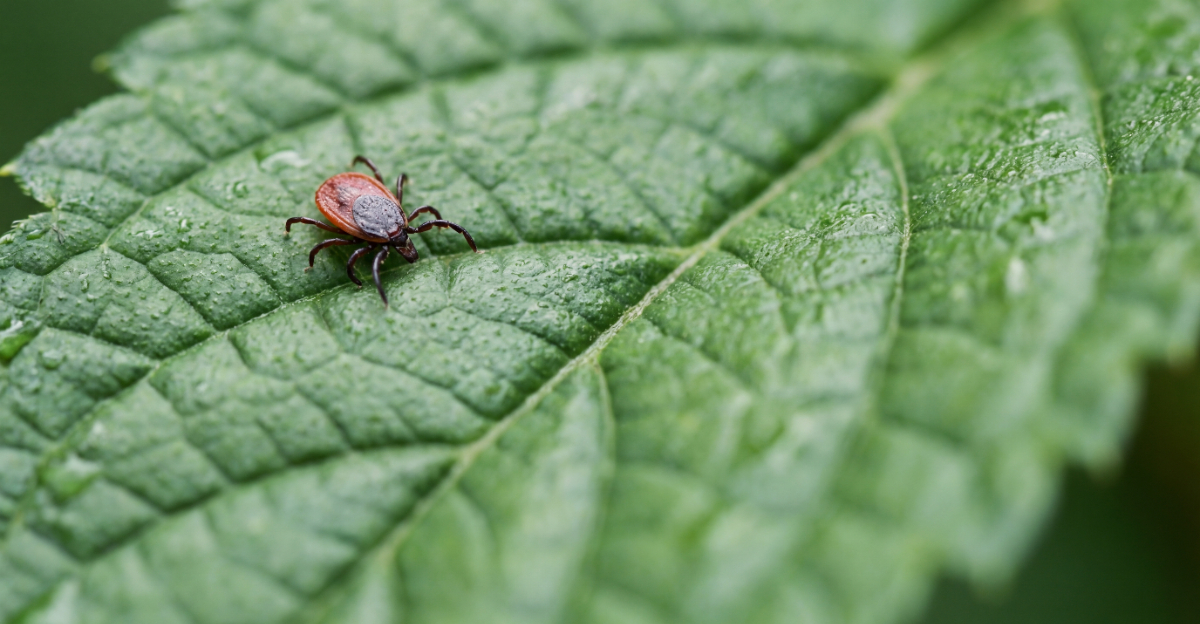
Not long ago, ticks in Michigan were mostly a concern for people hiking through the woods in late summer. That’s not the situation anymore.
The season is starting earlier, the range is expanding, and ticks are showing up in ordinary suburban backyards well before most people have started thinking about prevention.
Michigan gardeners who used to wait until July are now finding that window is simply too late to be effective.
Starting early isn’t about being anxious, it’s about working with the tick life cycle instead of reacting after it’s already in full swing.
The yards that stay most manageable through the season are the ones where prevention starts in spring, before the first warm stretch brings out the first wave.
Getting ahead of it by even a few weeks changes the whole picture in a meaningful way.
1. Tick Activity Begins Earlier During Mild Springs
Warmer winters across Michigan have quietly changed the rules. When temperatures climb above freezing earlier than expected, ticks do not wait around for a formal invitation.
Blacklegged ticks, in particular, can become active when temperatures hit just 35 to 40 degrees Fahrenheit, which means they are already on the move while many gardeners are still planning their seed orders.
Over the past decade, Michigan has seen a noticeable pattern of milder late winters and early springs. That shift gives ticks a longer window to search for a host before summer even officially begins.
Gardeners who used to start worrying in June are now rethinking that timeline and pushing their awareness into March and April.
The smart move is to treat early spring yard time the same way you would a midsummer outing. Wear long pants tucked into socks, stick to light-colored clothing so ticks are easier to spot, and do a full body check after every outdoor session.
Adjusting your habits now, when the weather still feels cool and safe, can make a real difference before tick populations reach their seasonal peak. Getting ahead of the season is one of the most effective things a Michigan gardener can do.
2. Blacklegged Ticks Are Expanding Their Range
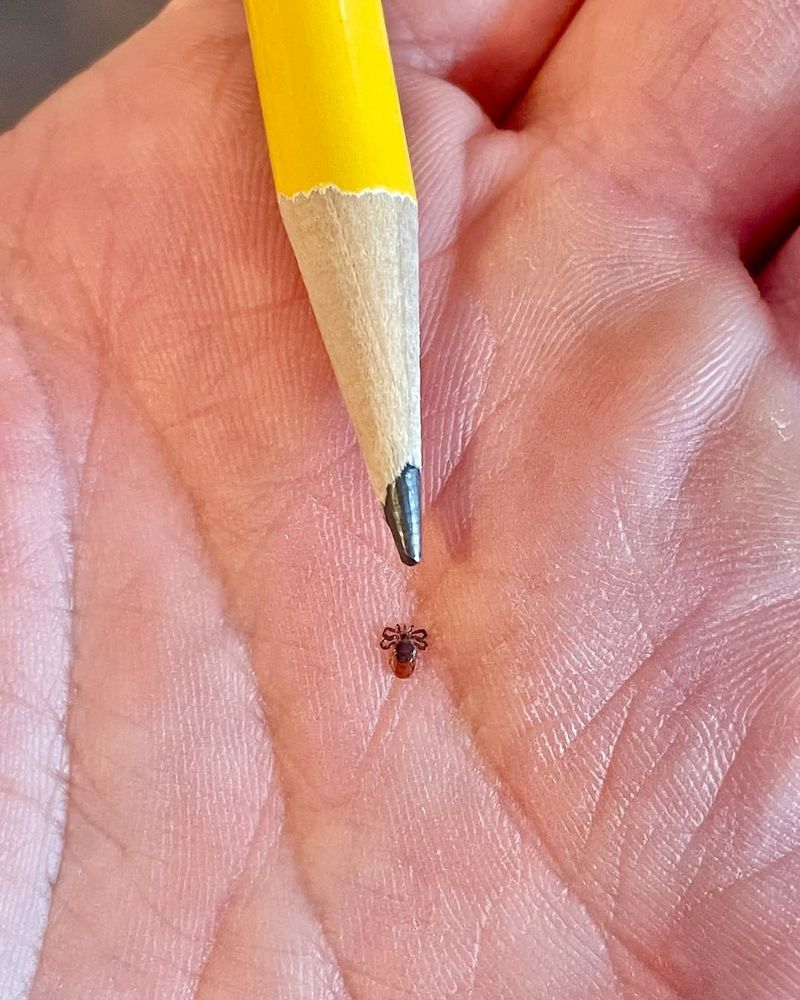
Not long ago, blacklegged ticks were mostly a concern in the western and northern parts of Michigan. That picture has changed significantly.
Research from Michigan State University and the Michigan Department of Health and Human Services has confirmed that blacklegged tick populations are now spreading into counties that previously had very low numbers.
More counties are reporting established populations every year. What is driving this expansion?
A combination of factors including milder winters, growing deer populations, and increased movement of wildlife through suburban areas has allowed ticks to colonize new territory.
For homeowners and gardeners, this means the risk is no longer limited to rural or heavily wooded properties. Suburban yards with tree lines, brush edges, or nearby green spaces are increasingly on the radar.
Knowing that ticks are moving into new areas is a strong reason to stop assuming your neighborhood is a low-risk zone. Even if you have never found a tick in your yard before, conditions may have changed.
Your Michigan Garden Changes Every Week. Your Plan Should Too.
Gardening in Michigan changes quickly throughout the season. Every Friday you’ll receive a simple weekly plan showing exactly what to plant, prune, fertilize, harvest, and protect so you never miss the right timing.
Checking local health department updates and staying informed about tick activity in your county gives you a real advantage.
Michigan gardeners who once felt safe from tick encounters are now building prevention habits because the landscape of risk has genuinely shifted, and awareness is the first step toward staying protected all season long.
3. Early Spring Yard Cleanup Reduces Tick Habitat Near High-Use Areas
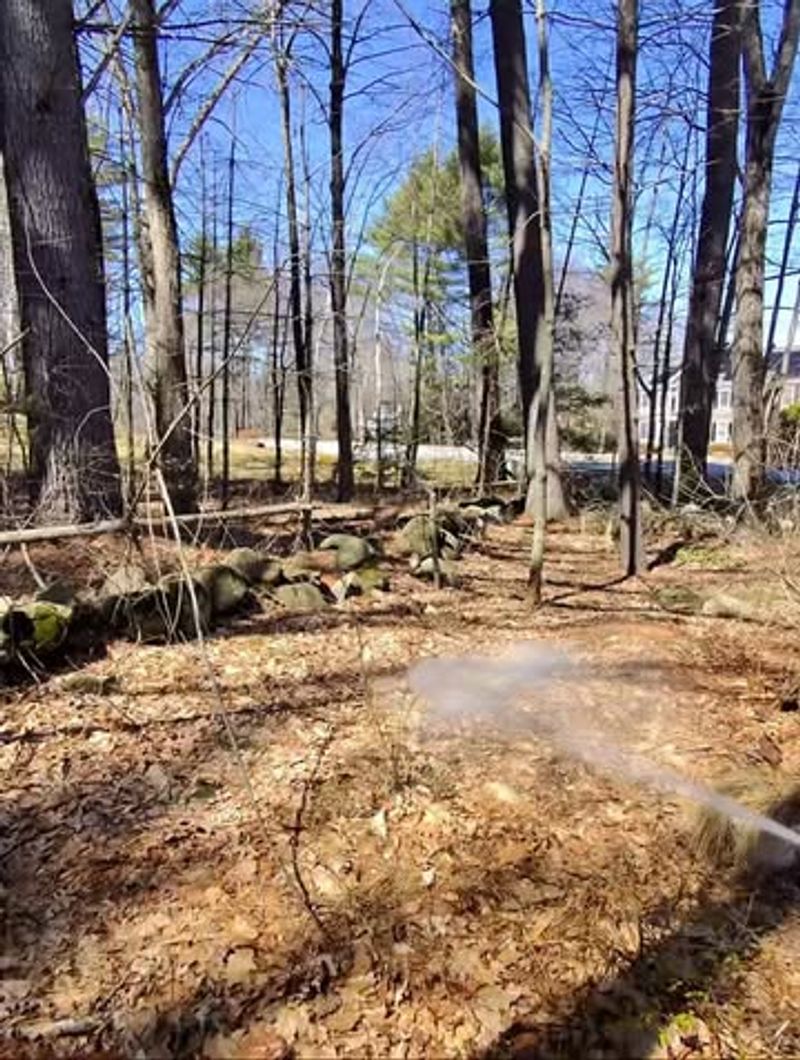
Leaf piles left over from fall are basically a welcome mat for ticks. Damp, dark, and sheltered, those decomposing layers of leaves create exactly the kind of environment where ticks thrive and wait for a passing host.
The moment you step outside to garden, walk the dog, or let the kids play, you are moving through their territory.
Clearing out that leaf litter and breaking down brush piles early in the season dramatically reduces the places where ticks can hide and survive.
Focus especially on the edges of your yard where lawn meets woods, fence lines, and areas around wood piles or garden beds that did not get cleaned up before winter.
These transition zones are where tick encounters happen most often.
Making yard cleanup a genuine priority in early spring rather than just a cosmetic chore gives you a practical advantage. Bag or compost leaf debris, trim back overgrown shrubs, and move wood piles away from areas where your family spends time.
Even removing ground-level clutter like old flower pots or stacked garden materials can reduce tick-friendly hiding spots. Michigan gardeners who tackle this cleanup in March or early April are not just tidying up their space.
They are actively reducing the conditions that allow ticks to build up populations close to where people actually spend their outdoor time throughout the growing season.
4. Deer Remain Active Around Residential Areas

Deer are one of the primary reasons ticks show up in residential yards in the first place. White-tailed deer carry large numbers of adult blacklegged ticks, and every time a deer wanders through your yard, it can drop ticks along the way.
In Michigan, deer populations remain high in many areas, and suburban sprawl has pushed neighborhoods closer to deer movement corridors than ever before.
Early spring is actually a particularly active time for deer. Food sources are limited after winter, and deer frequently move through neighborhoods, gardens, and green spaces in search of fresh growth.
That movement brings ticks directly into the spaces where families garden, children play, and pets roam freely throughout the day.
Gardeners are responding by thinking more strategically about deer deterrents. Planting deer-resistant species along property borders, using motion-activated sprinklers, or installing fencing can reduce how often deer pass through your yard.
Fewer deer visits generally means fewer ticks dropped in your outdoor spaces. It is also worth noting that deer do not have to be seen to have an impact. Ticks can drop off and survive in your yard even from a deer that passed through overnight.
Monitoring deer activity and adjusting your yard setup accordingly has become a practical part of early-season tick prevention for Michigan homeowners who want to stay ahead of the problem.
5. Ticks Can Become Active Before Most People Expect
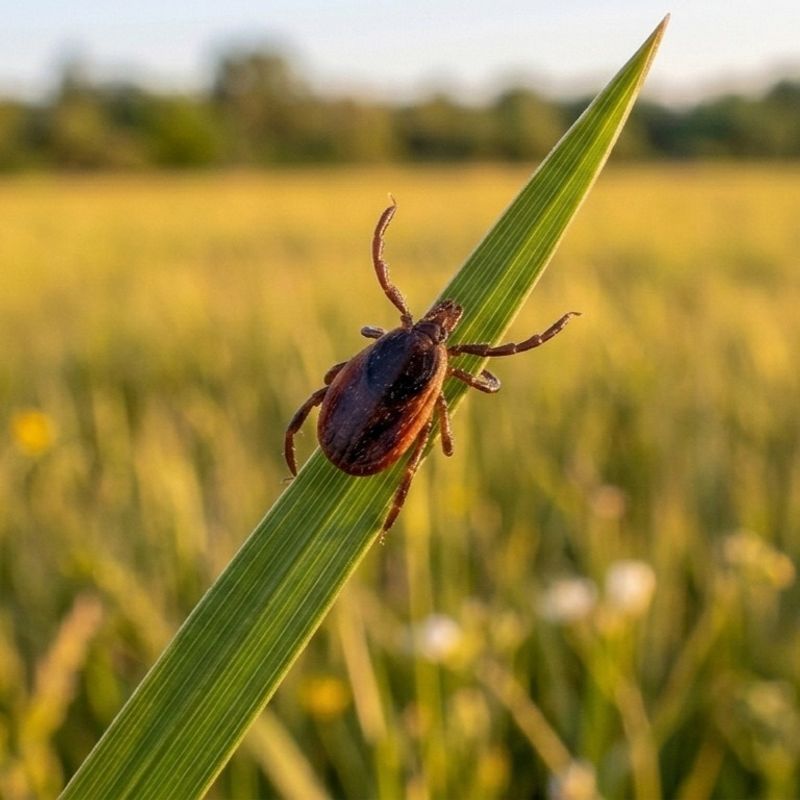
Most people picture ticks as a hot-weather problem, something to worry about in July or August when you are hiking through tall grass. The reality is quite different.
Blacklegged ticks are actually most active in spring and fall, and they can begin moving around when temperatures are still surprisingly cool. Studies have shown that they become active at temperatures as low as 35 degrees Fahrenheit.
That fact surprises a lot of gardeners. A cool April afternoon that feels too chilly for bugs is not too chilly for a blacklegged tick.
They are already out there, especially in leaf litter, low vegetation, and along shaded edges of lawns and garden paths. The risk window starts much earlier than most people assume, and that gap between perception and reality is where a lot of tick encounters happen.
Spreading awareness about this timing shift is one reason Michigan health departments and extension programs have been pushing earlier education campaigns in recent years.
Gardeners who learn about cool-weather tick activity tend to adjust their behavior quickly.
Simple habits like tucking in pants, using repellent on outdoor clothing, and checking yourself after any time spent near vegetation can make a meaningful difference even in April. You do not have to wait for summer to start protecting yourself.
Spring gardening is beautiful and rewarding, and a few easy adjustments keep it that way all season long.
6. Earlier Prevention Is Easier Than Mid-Summer Control

Anyone who has ever tried to manage a pest problem after it has fully taken hold knows how much harder it gets once numbers build up. Ticks follow the same pattern.
Addressing tick habitat and prevention measures in early spring, when populations are still low and conditions are manageable, is significantly more effective than scrambling to catch up in July when tick activity is at its peak.
Think of it like weeding a garden. Pulling a few weeds in April takes twenty minutes.
Ignoring them until August turns into an all-day project that still does not fully solve the problem. Early intervention in tick prevention works the same way.
Clearing habitat, setting up barriers, and developing consistent check habits when tick numbers are low means you are never playing catch-up during the busiest part of the outdoor season.
Michigan gardeners who have made the shift to earlier prevention also report feeling more relaxed and confident outdoors during the summer.
When you know you have already addressed the main risk factors around your property, spending time in the garden feels less stressful.
Professional pest management services also tend to have better availability and pricing in early spring before demand spikes. Getting your yard treated or assessed before the rush gives you more options and better outcomes.
Starting early is simply the smarter, more efficient approach to keeping your outdoor space enjoyable all season long.
7. More Gardeners Are Creating Buffer Zones

One of the most practical strategies gaining popularity among Michigan gardeners is the creation of physical buffer zones between wooded or brushy areas and the main lawn or garden space. The idea is straightforward.
Ticks do not like to cross open, dry, sunny areas. By placing a strip of wood chips, gravel, or closely mowed grass between the woods and your yard, you create a barrier that ticks are reluctant to cross.
The recommended width for an effective buffer zone is generally around three feet of dry material like wood chips or gravel.
This strip acts as a boundary that disrupts tick movement from wooded edges into the parts of your yard where people and pets spend the most time.
It does not require expensive materials or professional installation. Many gardeners handle this as part of their regular spring landscaping work.
Beyond just tick prevention, these buffer zones also add a clean, finished look to property edges and can reduce the spread of other garden pests.
Pairing the buffer zone with regular mowing along those edges and trimming back any overhanging branches keeps conditions unfavorable for ticks throughout the season.
Michigan gardeners who have added this feature to their yards often mention how much more comfortable they feel letting kids and pets use the yard freely.
A small investment of time and materials in spring pays off in confidence and comfort for the entire growing season ahead.
8. Pets And Outdoor Activities Increase Exposure Risk

Dogs are fantastic outdoor companions for gardeners, but they are also incredibly efficient at picking up ticks during backyard time.
A dog that runs along a fence line, sniffs through leaf litter, or pushes into shrubs can collect several ticks in a single outing and carry them right back into the house.
For families that spend a lot of time gardening in spring, this becomes a real and daily concern.
Cats that go outdoors face the same risk, though they tend to groom more frequently, which sometimes removes ticks before they are noticed.
The bigger issue is that pets bring ticks into indoor spaces, increasing the chance of human exposure even for family members who did not spend any time outside that day.
This indirect exposure is something many pet owners underestimate.
Spring is the perfect time to talk to your veterinarian about tick prevention products for your pets. Monthly oral or topical treatments, tick-repellent collars, and regular grooming checks after outdoor time are all effective tools.
For gardeners, building a pet tick check into the end of every outdoor session becomes second nature after a while. Checking your dog around the ears, collar area, between toes, and under the tail takes just a couple of minutes.
Making it a consistent habit in spring means you are already in a strong routine before tick activity reaches its highest point later in the season.
9. Regular Tick Checks Have Become Part Of Spring Garden Maintenance
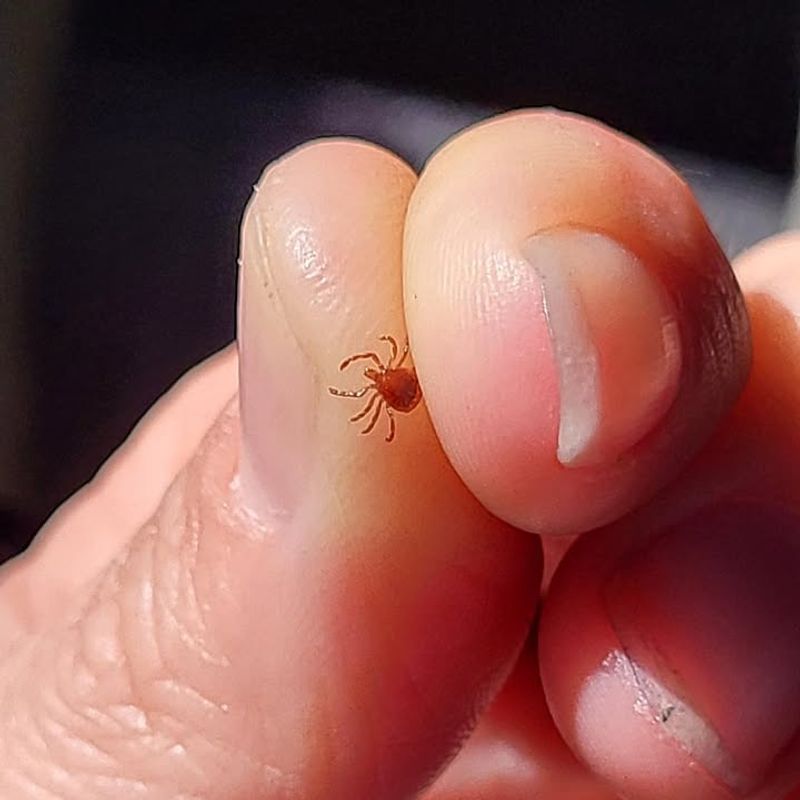
Pruning roses, turning compost, planting seedlings, and checking for ticks. For a growing number of Michigan gardeners, that last task has earned its spot on the seasonal to-do list right alongside all the others.
Tick checks have shifted from being an afterthought to being a genuine part of the spring garden maintenance routine, and the change is making a real difference in how people feel about spending time outdoors.
The process is simple and only takes a few minutes. After coming inside from garden work, check your full body including behind the knees, around the waistband, under arms, along the hairline, and behind the ears.
These are the spots where ticks prefer to attach. Showering within two hours of outdoor activity also helps remove any ticks that have not yet attached.
Building this habit in spring, when gardening sessions start picking up again, means it becomes automatic by summer.
Gardeners who make tick checks a non-negotiable part of wrapping up outdoor time report that it quickly stops feeling like an extra chore and starts feeling like a normal part of the day.
Michigan families who garden together are also teaching younger generations to do these checks as a matter of routine. That kind of early education builds lifelong awareness.
Spring is the best time to establish new habits, and this one is genuinely worth adding to your seasonal gardening rhythm every single year.