Why Oregon Gardeners Are Replacing Their Lavender With This Native Instead
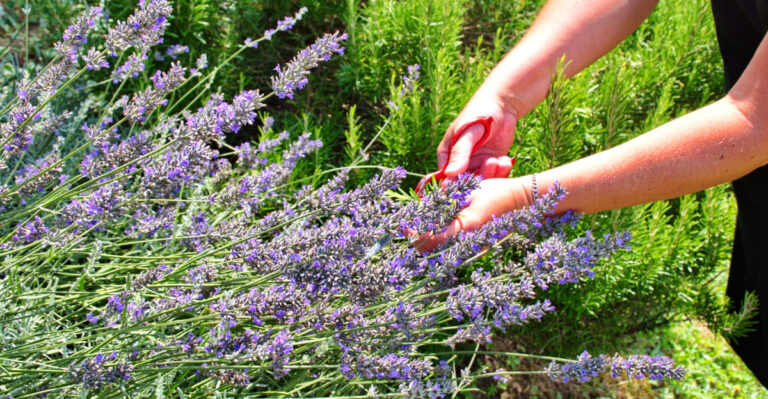
Lavender looks dreamy on a sunny slope, but Oregon does not always make it easy. Wet winters, heavy soil, and long gray stretches can leave it looking tired instead of lush.
That is why many gardeners are giving native plants a closer look, especially ones that bring color without needing perfect drainage or constant attention. A good native substitute can feel more at home in the landscape.
It can handle local weather, support pollinators, and blend into garden beds with less fuss. It may not have lavender’s exact look, but it can offer its own charm with blooms, texture, and seasonal interest.
The best part is the payoff after it settles in. A plant that fits Oregon’s conditions can grow stronger year after year.
Make the switch wisely, and your garden can feel easier, healthier, and more connected to the place around it.
1. Coyote Mint Loves The Same Sunny Spots Lavender Does
Most gardeners choose lavender because it thrives in full sun and handles heat without complaining. The good news is that coyote mint checks the exact same boxes.
Both plants want at least six hours of direct sunlight each day. Both prefer spots that stay warm and bright from morning to afternoon.
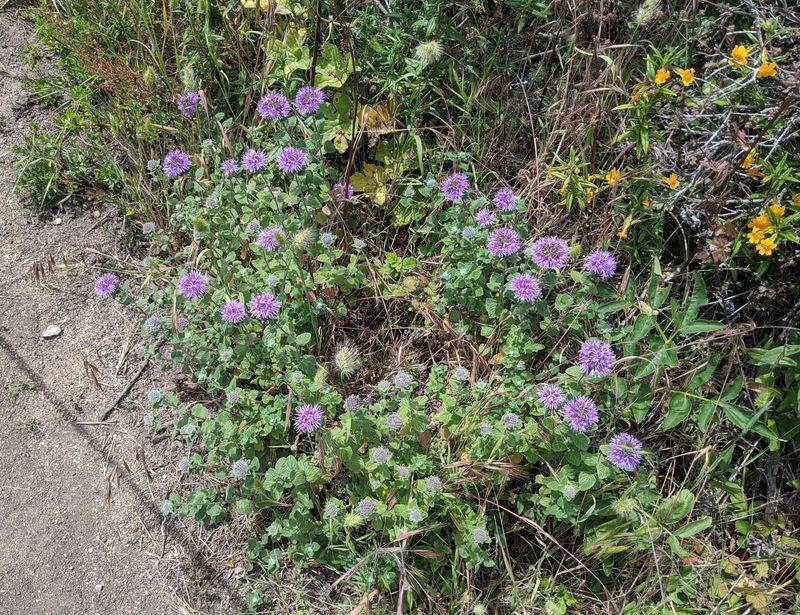
Coyote mint actually grows wild on sunny hillsides and open rocky slopes throughout our state. That means it is already perfectly adapted to the kind of sunny garden spots most people already have.
You do not need to change your garden layout or redesign your planting areas.
Just swap out the lavender and put coyote mint in its place. It will settle right in without any drama.
Many gardeners report that coyote mint fills in those hot, exposed spots even better than lavender did. It stays low and compact, usually reaching about one to two feet tall.
That tidy size makes it easy to use along pathways, borders, and slopes. It also pairs well with other sun-loving natives like yarrow and buckwheat.
If you already have a sunny bed that lavender has been calling home, coyote mint will feel right at home there too.
The transition is easier than most people expect, and the results are often more rewarding than sticking with a plant that was never truly local.
2. Its Purple Blooms Bring A Similar Soft Garden Look
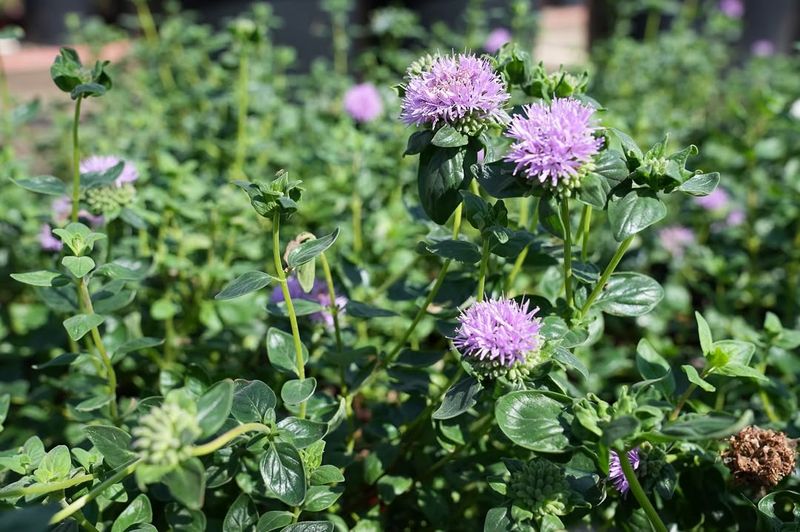
One of the biggest reasons gardeners love lavender is its soft purple color. Those airy flower spikes add a dreamy, relaxed feel to any garden.
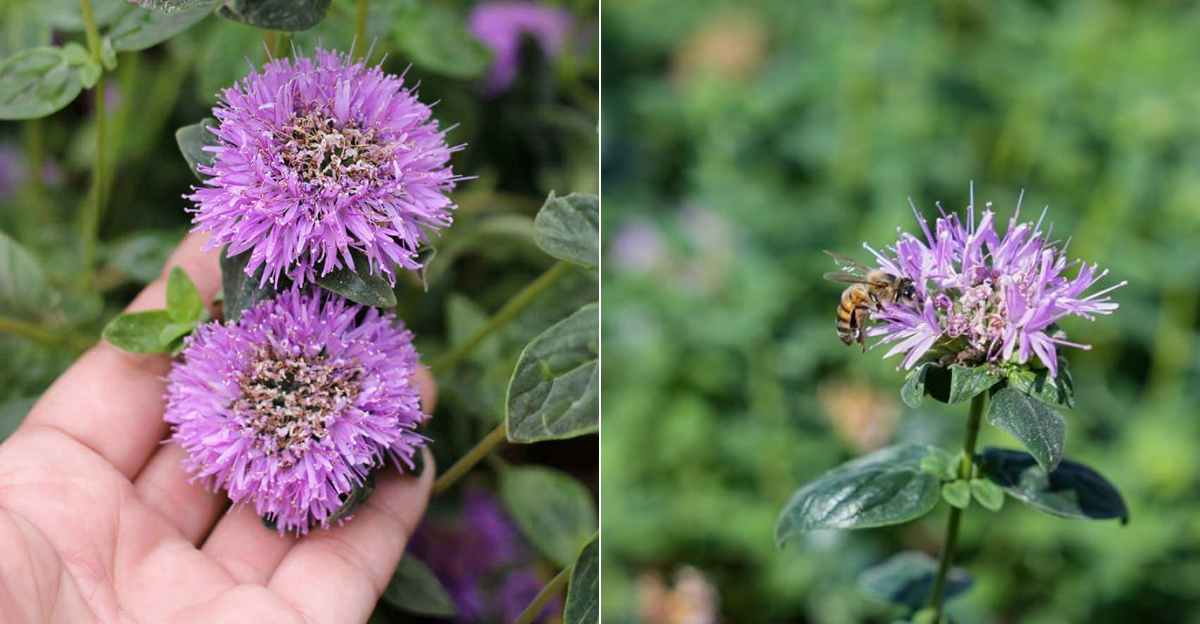
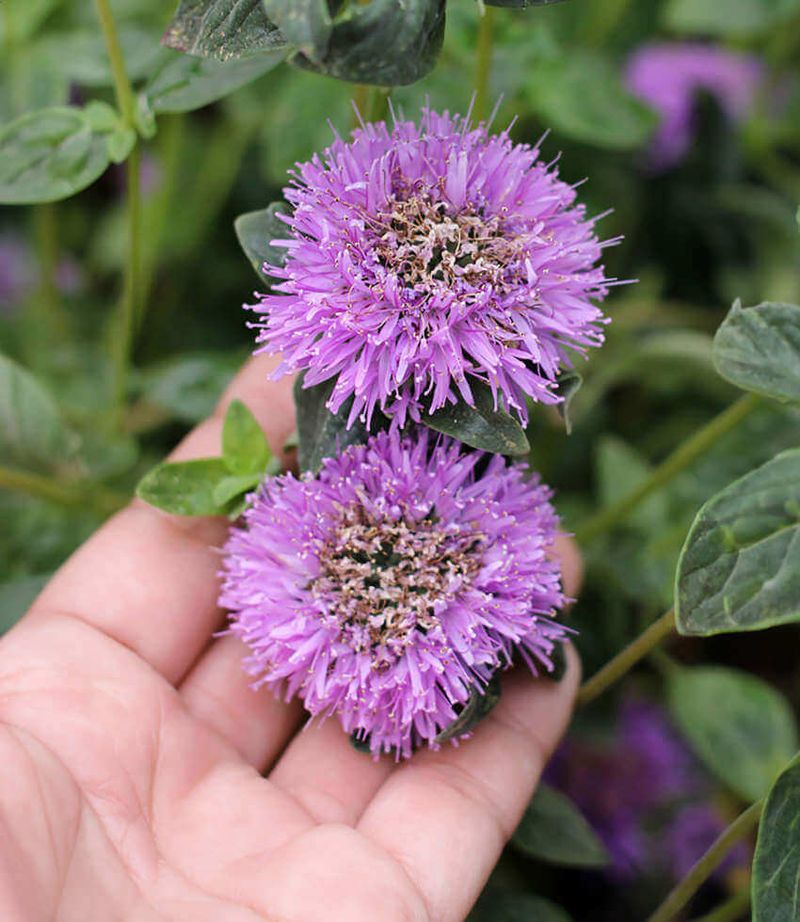
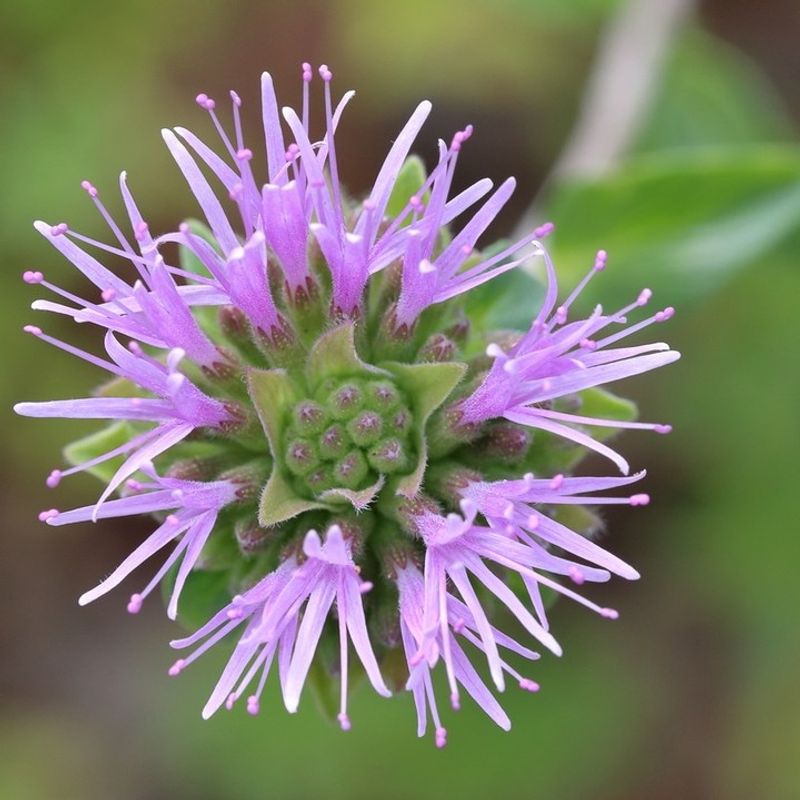
Coyote mint delivers that same visual mood without missing a beat. Its round, clustered blooms come in shades of purple and lavender-pink that look stunning against green foliage.
The blooms appear in late spring and often continue through the heat of summer. That gives you weeks of color right when your garden needs it most.
The flowers grow in tight, rounded clusters at the tips of the stems. They have a slightly different shape than lavender spikes, but the overall color effect is very similar.
From a distance, a patch of coyote mint in full bloom can easily be mistaken for lavender. Up close, though, you notice the smaller leaves and the rounder flower heads that give it its own unique character.
Your Oregon Garden Changes Every Week. Your Plan Should Too.
Gardening in Oregon changes quickly throughout the season. Every Friday you’ll receive a simple weekly plan showing exactly what to plant, prune, fertilize, harvest, and protect so you never miss the right timing.
Many gardeners say they actually prefer the look once they get used to it.
The soft purple tones blend beautifully with silver-leafed plants, ornamental grasses, and golden-toned perennials.
If you love the cottage garden aesthetic that lavender creates, coyote mint will slide right into that style without any visual disruption.
Your garden can keep its soft, romantic feel while becoming a more ecologically meaningful space at the same time.
3. Native Bees Find It Faster Than Lavender
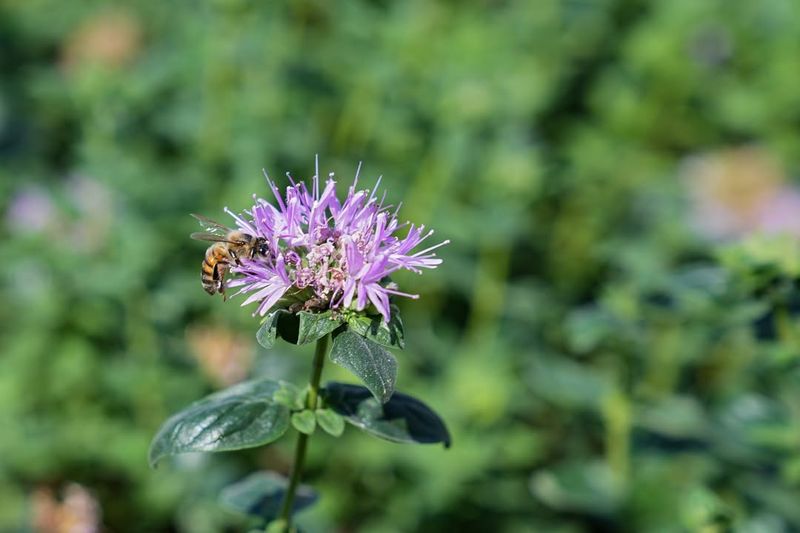
Here is something that surprises a lot of gardeners: native bees recognize native plants faster than introduced ones. Lavender attracts pollinators, no question about it.
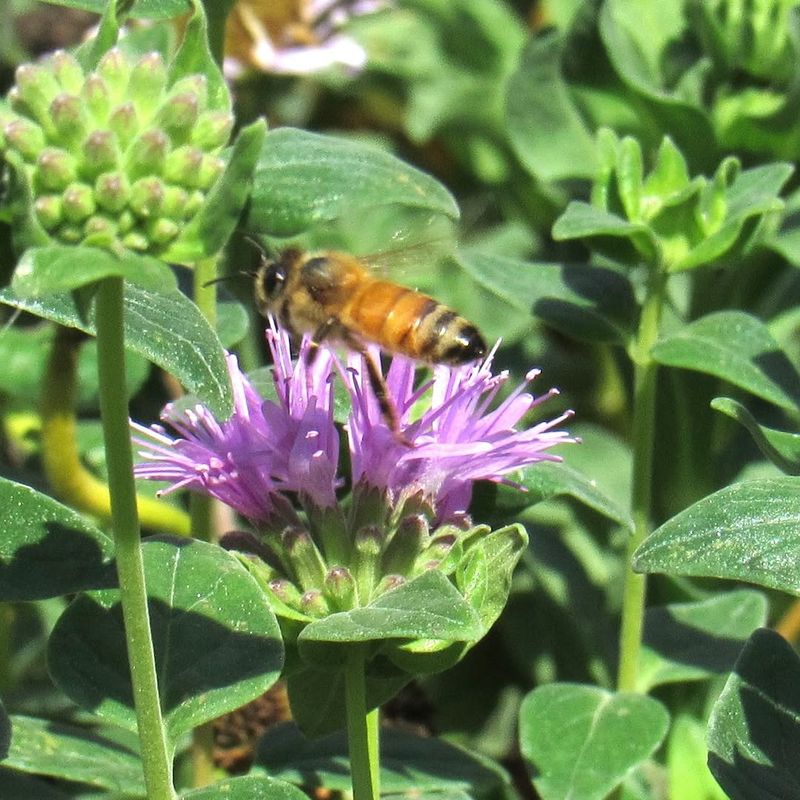
But coyote mint seems to work like a beacon for the bees that actually live in this region. Bumblebees, sweat bees, and small native bee species flock to it almost immediately after it blooms.
Scientists believe this happens because native plants and native insects evolved together over thousands of years.
The flower shape, the scent, and the nectar chemistry of coyote mint are perfectly matched to what local bees are looking for.
Lavender, on the other hand, is a foreign plant that local insects have had to learn to recognize over time.
Watching coyote mint in full bloom is genuinely exciting for anyone who cares about pollinators. On a warm afternoon, a single plant can host a dozen or more bees at once.
The activity level is noticeably higher than what most gardeners see on lavender nearby.
Beyond bees, coyote mint also attracts native butterflies and beneficial wasps that help control garden pests naturally. Planting it is one of the easiest ways to support the local food web in your own backyard.
You do not need a large garden or a special setup. Even a small patch of coyote mint can make a real difference for the insects that keep our local ecosystems healthy and balanced.
4. It Handles Dry Oregon Summers Once Established
Summers in this state can get surprisingly dry, especially east of the Cascades and in the Willamette Valley during July and August.
Lavender handles drought reasonably well, but it still appreciates some irrigation during extended dry spells.
Coyote mint, once it has settled in, barely needs any extra water at all. That first growing season is the one time you will need to give it some attention.
Water it regularly while the roots are getting established. After that, most gardeners find they can step back and let nature do the work.
Coyote mint has deep roots that reach down into the soil to find moisture on its own.
This drought tolerance is one of the top reasons gardeners in drier parts of our state are making the switch. Water bills go down.
Time spent with the hose goes down. Stress about whether your plants are getting enough moisture also goes down. The plant simply handles it.
In areas with very hot, exposed conditions, a light layer of gravel mulch can help keep the root zone a little cooler and retain just enough moisture.
But even without that extra step, coyote mint performs well through the dry months. It is the kind of plant that rewards you for not overthinking it.
Less fussing often leads to better results, and that is a refreshing change from the constant maintenance some plants demand every single summer.
5. The Fragrant Leaves Make Paths And Borders Smell Fresh
Lavender has built its whole reputation partly on scent. Walk past a lavender hedge and you instantly feel calmer.
Coyote mint brings that same sensory reward to your garden, but with a slightly different fragrance profile. The leaves have a fresh, minty, herbal scent that hits you the moment you brush past or gently crush a leaf.
Planting coyote mint along a garden path is a brilliant move. Every time someone walks by, their footsteps release a soft wave of fragrance into the air.
It does not take much. Even lightly grazing the plant with your hand is enough to fill the space around you with that clean, refreshing smell.
The fragrance is often described as a mix of mint, oregano, and a touch of something floral. It is not overwhelming or sharp.
Most people find it pleasant and calming, similar to how lavender feels but with its own distinct character. Kids especially seem to love rubbing the leaves and smelling their hands afterward.
Beyond the sensory experience, that minty scent may also help deter certain garden pests. Some gardeners swear that planting aromatic herbs and natives near vegetable beds reduces pest pressure naturally.
Whether or not you rely on it for pest control, the fragrance alone is reason enough to line your paths and borders with this plant. It turns a simple walk through the garden into something genuinely enjoyable every single time.
6. It Fits Native Plantings Better Than Mediterranean Lavender
Building a native plant garden has become one of the most popular gardening trends in our state, and for good reason.
Native plantings support local wildlife, reduce maintenance, and help restore the natural landscape that existed here long before ornamental gardens took over.
Lavender, as beautiful as it is, simply does not belong in that picture.
Coyote mint, on the other hand, fits perfectly. It grows naturally alongside other Pacific Northwest natives like Oregon grape, camas, and yarrow.
Pairing it with these plants creates a garden that looks cohesive and feels intentional. Everything belongs together because everything actually is from here.
Native plant societies and conservation groups across the region have started recommending coyote mint as one of the easiest entry points into native gardening.
It is forgiving, attractive, and widely available at native plant nurseries throughout the state. You do not need to be an expert to grow it successfully.
Replacing lavender with coyote mint is also a meaningful ecological choice. Every native plant you add to your yard creates a small piece of habitat for local insects, birds, and other wildlife.
Over time, those small choices add up to something much bigger. A neighborhood full of native gardens is genuinely healthier for the local environment than one filled with imported ornamentals.
Starting with something as easy and rewarding as coyote mint is one of the smartest moves any gardener here can make right now.
7. It Needs Less Fuss In Well-Drained Soil
Ask any gardener what they wish their plants needed less of, and most will say: maintenance. Lavender can be fussy about soil drainage.
It sulks in clay, rots in wet conditions, and sometimes needs annual pruning to stay attractive. Coyote mint skips most of that drama entirely.
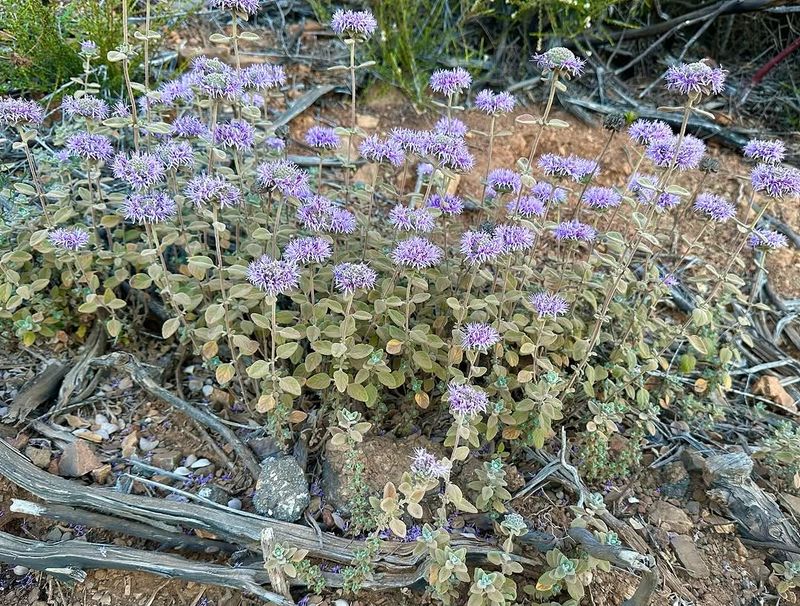
Well-drained soil is really the only firm requirement. Sandy soil, rocky soil, or even lean, nutrient-poor soil all work well.
Coyote mint actually prefers soil that is not too rich. Overly fertile soil can cause it to grow leggy and floppy instead of staying compact and tidy.
Pruning is minimal. A light trim after blooming can encourage a second flush of flowers and keep the plant looking neat.
But even if you skip that step, coyote mint will not hold it against you. It has a naturally tidy growth habit that does not require constant shaping or deadheading to look good.
Fertilizing is generally unnecessary and can actually work against you with this plant. Skip the fertilizer, keep the drainage good, and let coyote mint do its thing.
Most gardeners find that their coyote mint plants look better in year two and three than they did in year one, simply because the roots have had time to settle in.
That kind of low-effort reward is exactly what busy gardeners are looking for. It is refreshing to plant something that thrives best when you leave it mostly alone.
8. It Gives Pollinators A Local Food Source
Pollinators are struggling. Habitat loss, pesticide use, and the spread of non-native plants have reduced food sources for bees, butterflies, and other beneficial insects across the country.
Planting coyote mint is one of the most direct and effective ways a home gardener can push back against that trend.
Unlike many ornamental plants that offer nectar but little else, coyote mint provides high-quality food that local pollinators have evolved to use efficiently.
The nectar and pollen it produces are well-matched to the nutritional needs of native bee species.
That makes it more than just a pretty flower. It is genuinely useful to the ecosystem.
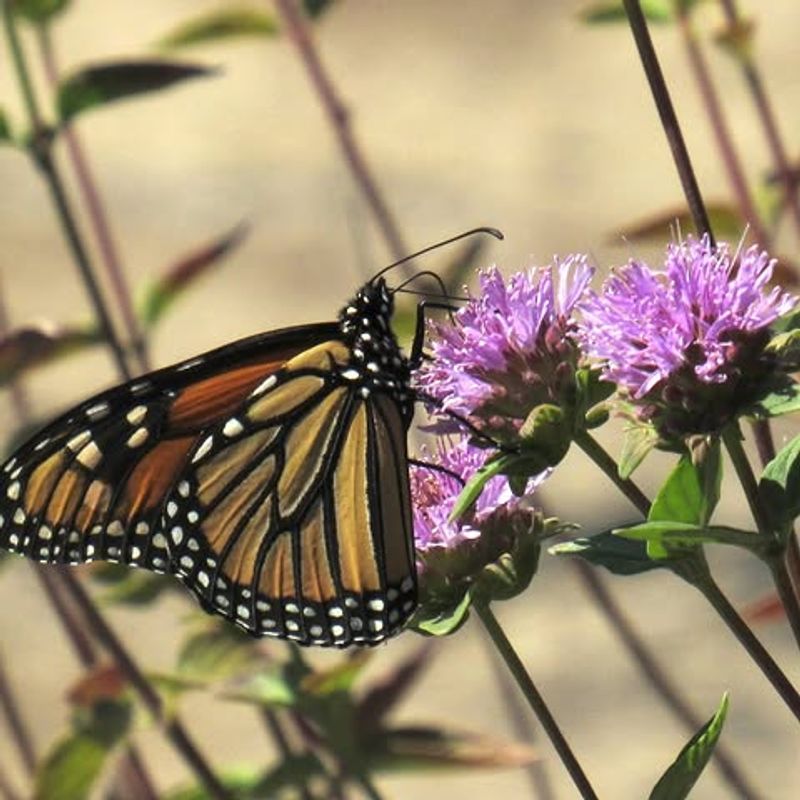
Monarch butterflies, painted ladies, and several species of native skipper butterflies are all known to visit coyote mint during bloom season.
Hummingbirds have also been spotted feeding from the flowers in some gardens. The plant becomes a living hub of activity during the warmest months of the year.
Planting even a small patch of coyote mint near a vegetable garden or fruit tree can increase pollination rates noticeably.
More pollinators visiting your garden means better fruit set, bigger harvests, and a healthier yard overall.
It is one of those rare situations where doing something good for the environment also gives you a direct personal benefit. Replacing lavender with coyote mint is not just a trend.
It is a practical, thoughtful choice that helps the local world around you thrive season after season.