Why Oregon Blueberries Fail To Ripen Fully (And The Simple Fix Most Miss)
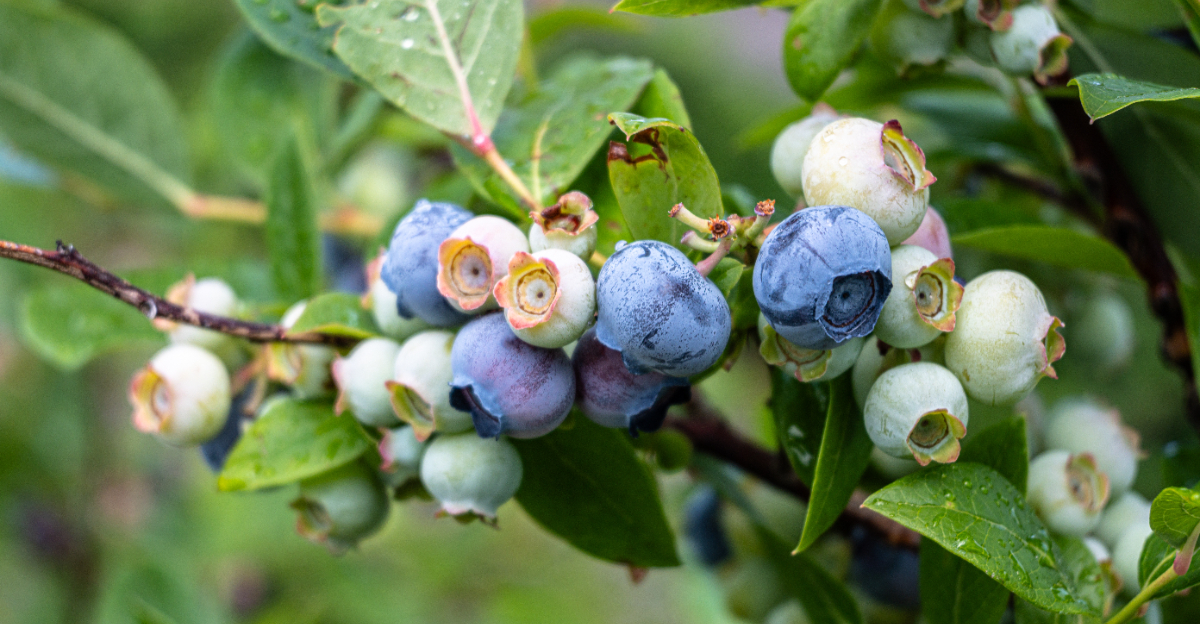
Blueberries can look almost ready for days, then somehow stay tart, dull, or uneven. Oregon growers see this often, especially when summer weather swings between cool mornings and warm afternoons.
The problem is not always the variety or the plant itself. Many times, berries fail to sweeten because the bush is stressed right when the fruit needs steady support.
Shallow watering, crowded branches, weak sunlight, and poor soil acidity can all slow the final push. The simple fix most people miss is patience plus better timing.
Blueberries need time on the bush after they turn blue, since color appears before full sweetness. Give the plant steady moisture, more light, and a few extra days before picking.
That small change can turn a bland harvest into berries that taste much richer.
1. Uneven Watering Can Stop Berries From Finishing
Most gardeners water when they remember to, and that inconsistency can quietly wreck a blueberry harvest. Blueberries are sensitive to moisture swings.
One week of dry soil followed by a big watering session confuses the plant and stresses the fruit.
When soil moisture bounces up and down, the berries don’t develop evenly. Some may ripen while others stay green or turn mushy.
The plant puts its energy into recovering from stress rather than pushing sugar into the fruit.
Consistent watering is one of the most powerful things you can do for your crop. Aim for slow, deep watering two to three times per week during dry summer weeks.
Drip irrigation works really well for blueberries because it delivers moisture directly to the root zone without wetting the leaves.
Overhead sprinklers can lead to fungal issues and uneven water distribution. A simple drip line or soaker hose set on a timer takes the guesswork out of watering.
You don’t need expensive equipment to make this work.
Check the soil before each watering session. Stick your finger two inches into the ground near the base of the plant.
If it feels dry, it’s time to water. If it still feels damp, wait another day.
Paying attention to what the soil is actually telling you is the simplest and most reliable watering guide you have.
2. Blueberries Need Steady Moisture While Fruit Ripens
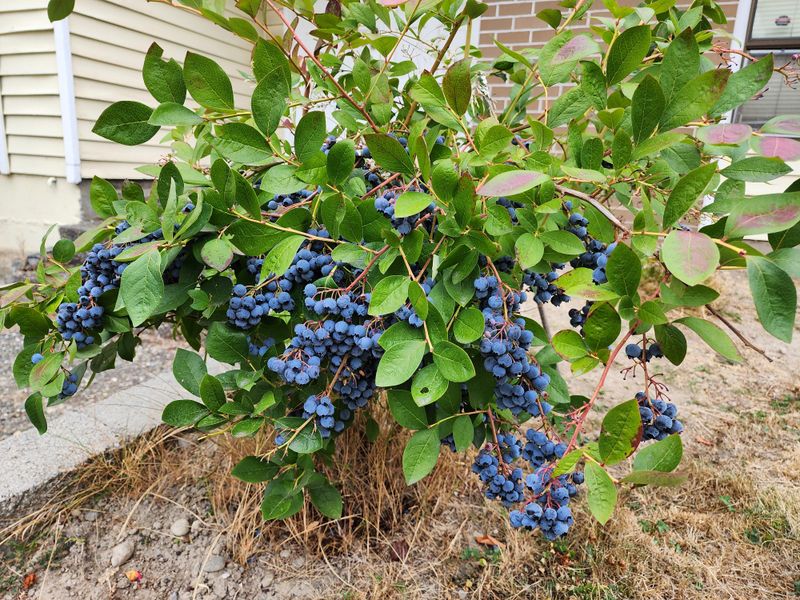
There’s a specific window during the growing season when water matters most for blueberries. That window is right when the berries start to swell and change color.
During this phase, the plant needs a steady and reliable supply of moisture to push fruit to full ripeness.
Think of it like baking bread. If you pull it out of the oven too early or the heat keeps cutting in and out, you don’t get the result you want.
Blueberries work the same way. Consistent conditions during the ripening stage lead to consistent results in the bowl.
Dry spells that hit during late June through August are especially damaging in this state. Summer rain is unpredictable, and many years the dry stretch lasts longer than expected.
Gardeners who rely only on rainfall during this window often end up disappointed.
Your Oregon Garden Changes Every Week. Your Plan Should Too.
Gardening in Oregon changes quickly throughout the season. Every Friday you’ll receive a simple weekly plan showing exactly what to plant, prune, fertilize, harvest, and protect so you never miss the right timing.
A good rule of thumb is to give each blueberry bush about one to two inches of water per week during the growing season. That number goes up during heat waves or stretches of very dry weather.
Keeping a simple rain gauge in your garden helps you track how much natural moisture your plants are actually getting.
Watering in the morning is better than watering at night. Morning watering gives the soil time to absorb moisture before the heat of the day.
It also reduces the chance of mold or disease forming around the base of the plant.
3. Shallow Roots Dry Out Faster Than Gardeners Think
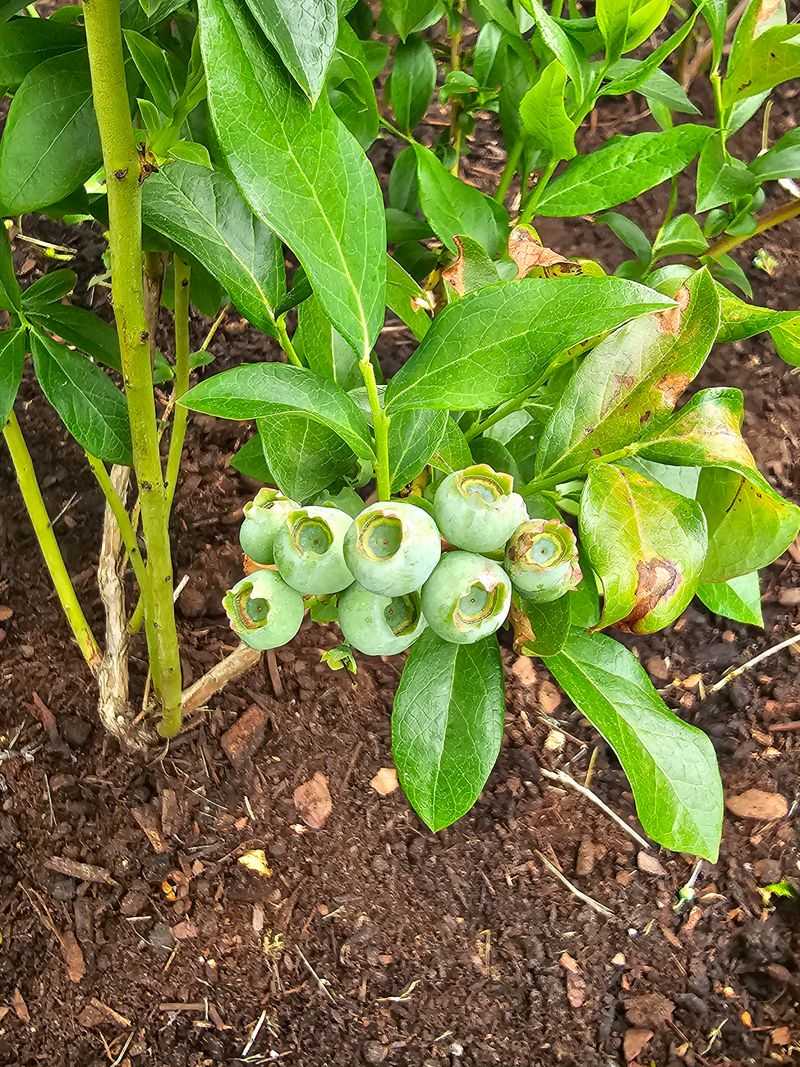
One thing that surprises many first-time blueberry growers is just how close to the surface blueberry roots actually sit. Most of the root system lives in the top six to twelve inches of soil.
That zone dries out fast, especially during warm and breezy summer days.
Because the roots are so shallow, blueberry plants can’t reach deep moisture the way trees or large shrubs can. They depend almost entirely on what’s happening in that top layer of soil.
When that layer dries out, the plant feels it immediately.
Hot days in July and August can pull moisture out of the top few inches of soil surprisingly quickly. Even if you watered two days ago, the root zone might already be running low.
This is especially true for plants growing in sandy or well-draining soil, which is common in many parts of this region.
Knowing this changes how you think about your watering schedule. Instead of watering once a week and calling it done, you need to check in more frequently.
A quick check of the soil near the drip line of the bush gives you a fast read on moisture levels.
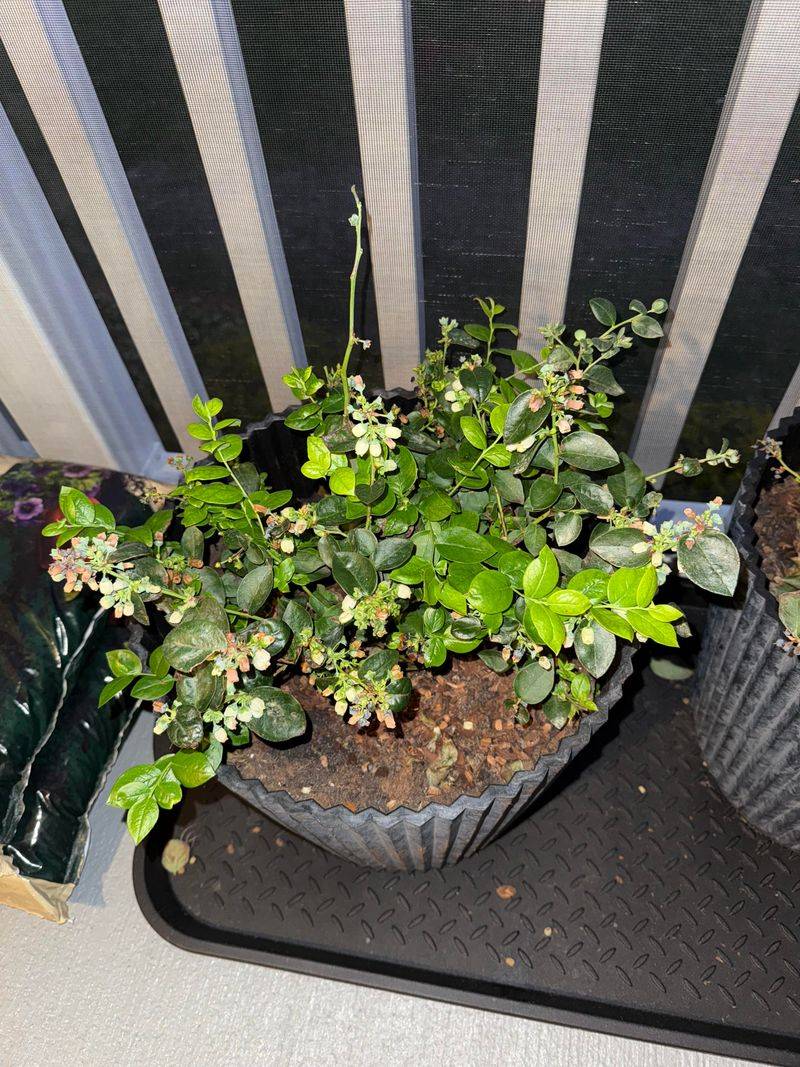
Container-grown blueberries dry out even faster than in-ground plants. If you’re growing in pots, you may need to water every day during peak summer heat.
Small containers in full sun can go from moist to bone dry within twenty-four hours on a hot afternoon.
4. Mulch Is The Simple Fix Many People Miss
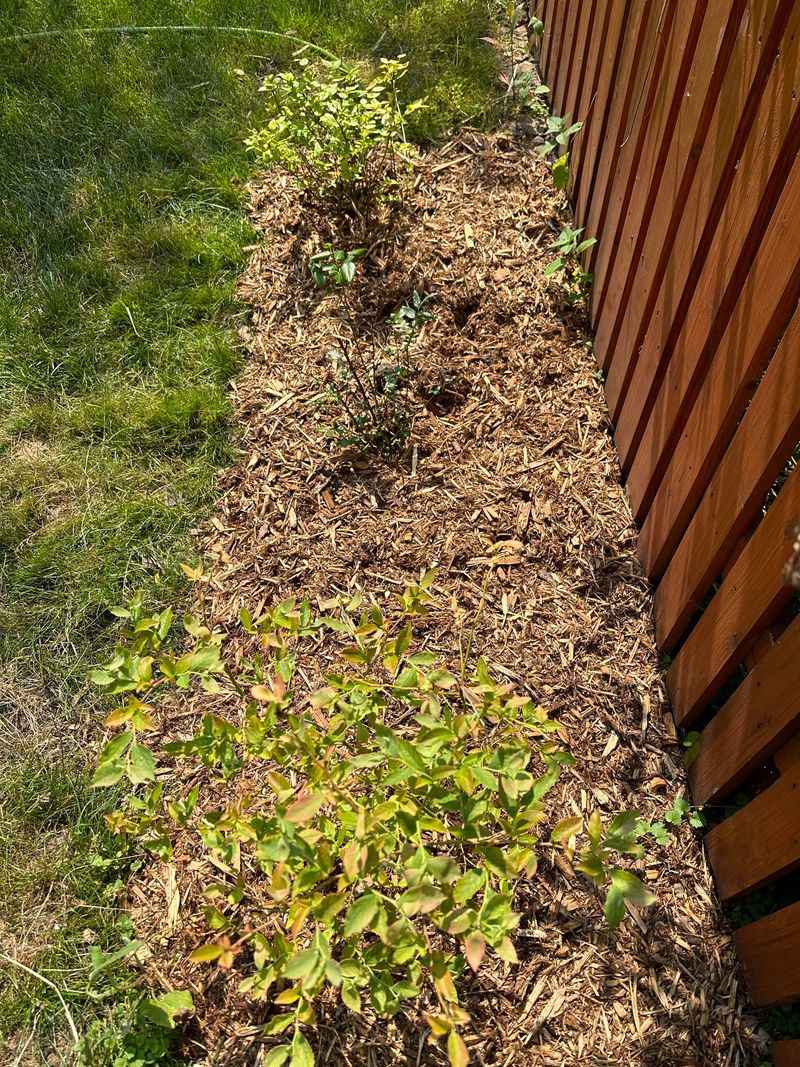
Here’s something that doesn’t get nearly enough attention in blueberry guides: mulch. A good layer of mulch around the base of your blueberry bushes can do more for moisture retention than almost anything else you try.
It’s one of those fixes that costs very little but pays off in a big way.
Mulch acts like a blanket over the soil. It slows down evaporation, keeps the root zone cooler on hot days, and helps the soil hold onto moisture between waterings.
For shallow-rooted plants like blueberries, that protection is especially valuable during the summer ripening season.
Wood chips are one of the best mulch options for blueberries. They break down slowly and add organic matter to the soil over time.
Pine bark and pine needles also work well because they slightly acidify the soil as they decompose, which blueberries love.
Apply mulch in a ring around the base of each bush, spreading it out to the edge of the plant’s canopy. Aim for a depth of three to four inches.
Keep the mulch a few inches away from the main stem to avoid trapping moisture directly against the bark.
Refresh your mulch layer once or twice a year. It breaks down over time and gets thinner.
A fresh top-up in spring before the growing season kicks off is a great habit to build. Many gardeners who add mulch for the first time are amazed at how much less watering their plants need afterward.
5. Dry Soil Can Leave Berries Small, Tart, Or Stalled
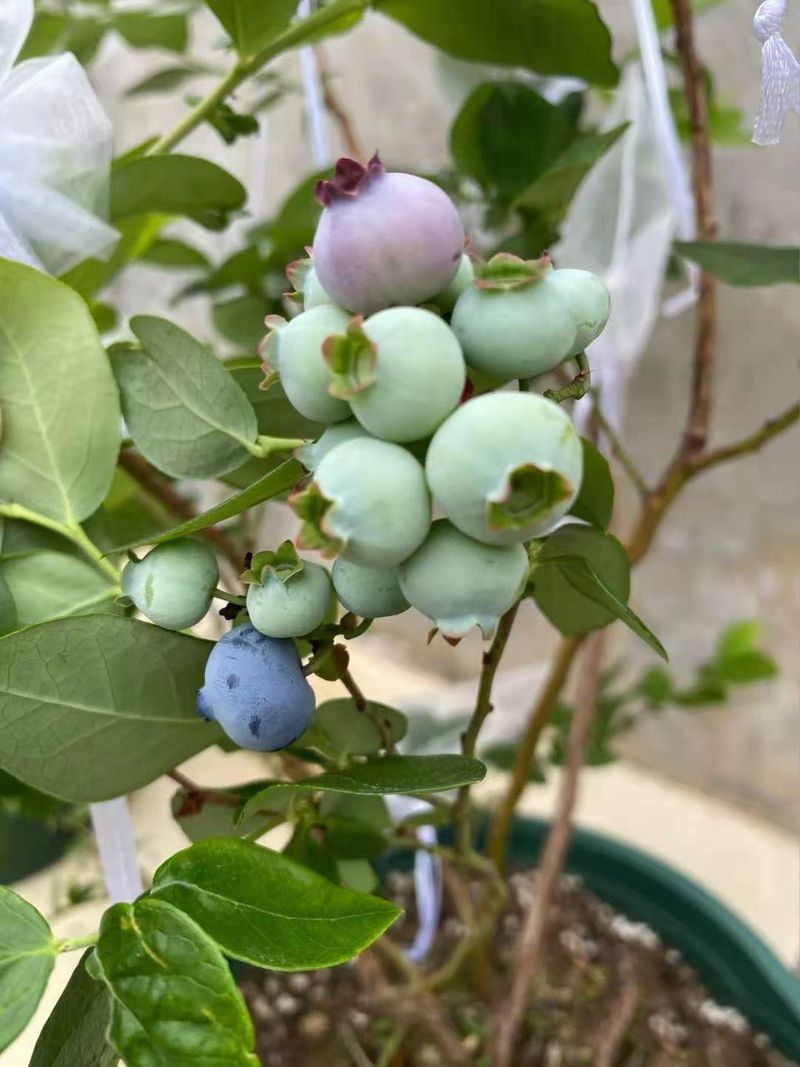
Picking a blueberry and finding it small, sour, or barely colored is one of the most discouraging moments in the garden. More often than not, dry soil is the reason behind it.
When the plant doesn’t get enough water during the ripening phase, the berries simply can’t finish developing the way they should.
Sugar development in blueberries depends on water. The plant uses moisture to move nutrients and sugars from the leaves into the fruit.
Without enough water in the soil, that process slows down or stops. The result is a berry that looks almost ripe but tastes like it’s not even close.
Small berries are another sign of water stress. When the soil dries out early in the fruit development stage, the berries stop swelling.
They may stay the size of a small pea instead of growing to a full, plump berry. Once that growth window closes, adding water later won’t bring the size back.
Stalled berries are especially common during hot and dry stretches in July. The plant goes into a kind of protective mode when it’s stressed.
It stops putting energy into fruit and focuses on survival instead. Getting ahead of that stress with consistent watering prevents the stall from happening in the first place.
Taste your berries regularly as they start to change color. If they’re consistently tart or small even when they look blue, check your soil moisture.
The soil is usually telling you something important if you take the time to look.
6. Birds May Be Taking The Ripe Berries First
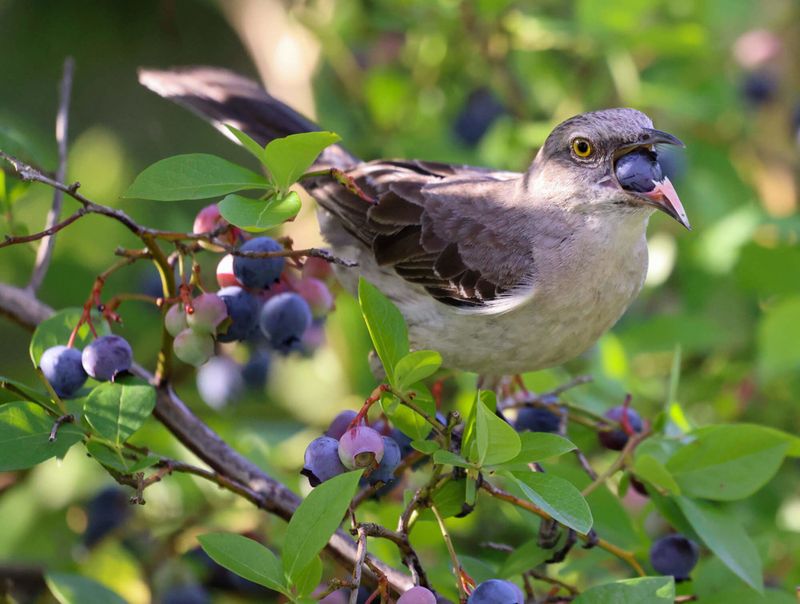
Sometimes the problem isn’t that berries aren’t ripening. It’s that something else is getting to them before you do.
Birds are fast, clever, and very motivated when blueberries start to turn blue. Robins, starlings, and cedar waxwings are especially bold about helping themselves to a ripe harvest.
Birds often hit a bush early in the morning before most gardeners are outside. By the time you walk out to check on things, the ripest berries are already gone.
It can look like the plant isn’t producing ripe fruit when it actually is, just not for you.
Garden netting is the most effective way to protect your crop. Drape lightweight bird netting over the entire bush and secure the edges to the ground so birds can’t get underneath.
It’s worth doing this before the berries start to turn, not after. Once birds discover a food source, they come back every day.
Some gardeners use shiny tape, pinwheels, or fake predator decoys to scare birds away. These methods can work for a short time, but birds tend to get used to them quickly.
Physical barriers like netting are more reliable for the long haul.
Checking your bushes in the early morning and again in the late afternoon gives you a better sense of what’s actually happening with your ripening timeline.
If you’re seeing lots of stems where berries should be, birds are likely the culprit. Acting early saves the harvest.
7. Not All Berries Ripen At The Same Time
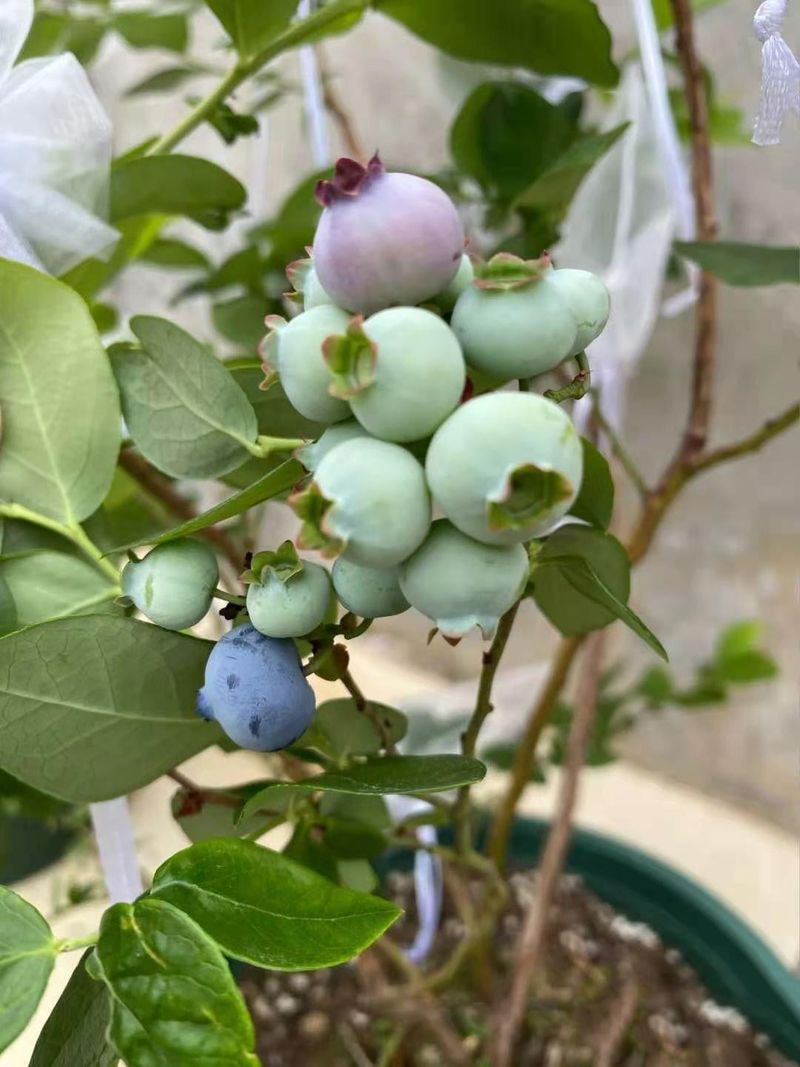
A lot of gardeners get worried when they see green and blue berries on the same bush at the same time. It looks like something is wrong, but this is actually completely normal blueberry behavior.
Different clusters on the same plant ripen at different rates, and that staggered timeline can stretch across several weeks.
Blueberries don’t ripen all at once like some other fruits. The berries that get the most sunlight tend to ripen first.
Berries tucked deep inside the bush or shaded by leaves and branches take longer to catch up. That’s why a careful harvest means picking through the bush, not just grabbing what’s on the outside.
Variety also plays a big role in ripening timing. Some blueberry varieties are early season producers, finishing by late June or early July.
Others are mid-season or late-season varieties that peak in August. If you have more than one variety planted, your ripening window could span two months or more.
Patience is a real virtue here. A berry that looks almost blue might need another three to five days before it’s truly sweet and ready.
Gently rolling a berry between your fingers is a good test. If it comes off the cluster easily, it’s ready.
If you have to tug, give it more time. Harvesting every few days instead of waiting for a big all-at-once pick keeps you from missing the peak window on individual berries.
Regular picking also encourages the plant to keep pushing the remaining fruit toward full ripeness.