How Washington Gardeners Fill Raised Beds The Natural Way
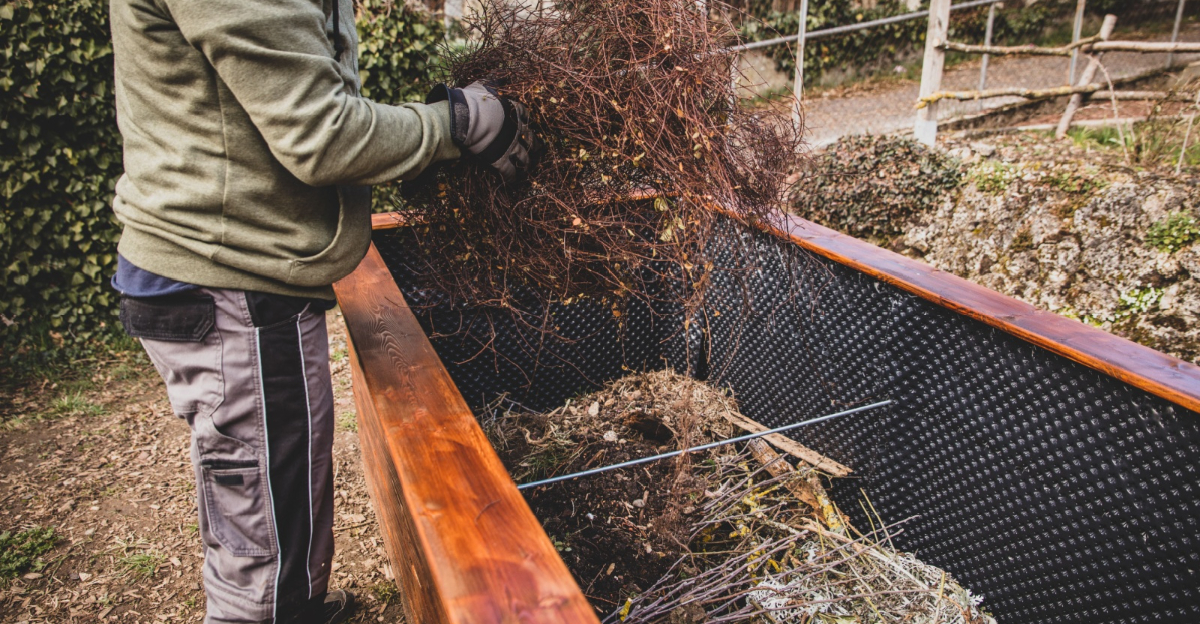
Raised beds are one of the best investments you can make in your garden. But only if you fill them right.
Washington gardeners figured this out a long time ago. Most of them have stopped reaching for expensive store-bought mix.
The secret is layering. Leaves, cardboard, wood chips, and compost are materials you probably already have or can get for free.
Stack them in the right order and let them do their thing. Over time, they break down into rich, living soil that store-bought mix simply cannot match.
It sounds almost too simple, and that is kind of the point. Nature has been building soil this way for millions of years.
You are just giving it a little direction.
First-time gardener or seasoned pro, this is the approach Washington gardeners keep coming back to. And once you try it, you will understand why.
Lasagna Layering Is The Natural Way To Fill Raised Beds
Forget hauling in truckloads of bagged soil. Lasagna layering is one of the most effective and natural ways to fill a raised bed, and it works well in the Pacific Northwest climate.
The idea is simple. You stack organic materials in layers, just like a lasagna, and let them break down into rich soil over time.
Each layer feeds the next, creating a living ecosystem right inside your raised bed.
Washington gardeners love this method because the region produces plenty of natural material. Fallen leaves, grass clippings, cardboard boxes, and kitchen scraps are all fair game.
Nothing goes to waste.
The breakdown process generates heat, which speeds up decomposition. That heat can also help your bed warm up a little faster in spring, which is a big deal in cooler Pacific Northwest regions.
Faster warmup means earlier planting.
You do not need to be a soil scientist to pull this off. Stack brown materials like cardboard and dried leaves, then alternate with green materials like vegetable scraps and fresh grass.
Keep layering until your bed is full.
By the time planting season arrives, the layers have started breaking down into dark, earthy compost. Your plants will root deeply and thrive.
Not bad for a pile of leaves and cardboard.
What Goes In First When Filling A Raised Bed
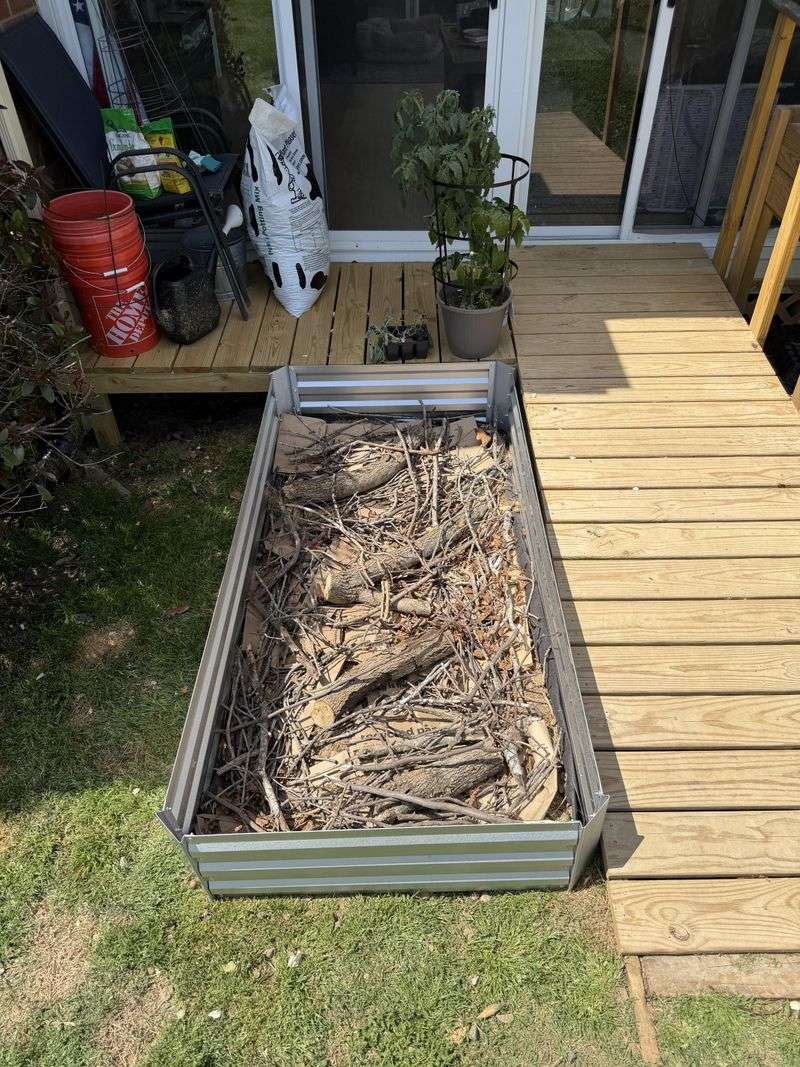
The bottom of your raised bed is where the magic starts. Most gardeners rush past this step, but getting it right makes a real difference for everything above it.
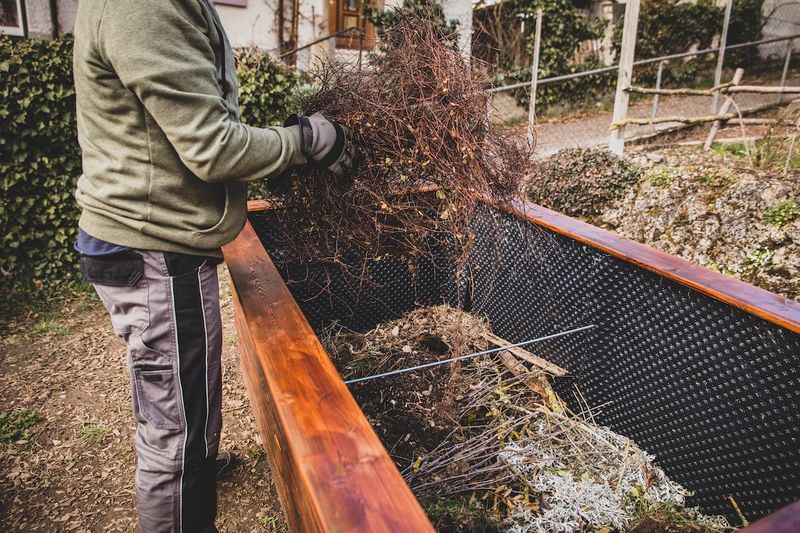
Start with a thick layer of cardboard. Lay it flat across the entire bottom of the bed, overlapping the edges so weeds cannot sneak through.
Wet it down well so it stays in place and begins to break down quickly.
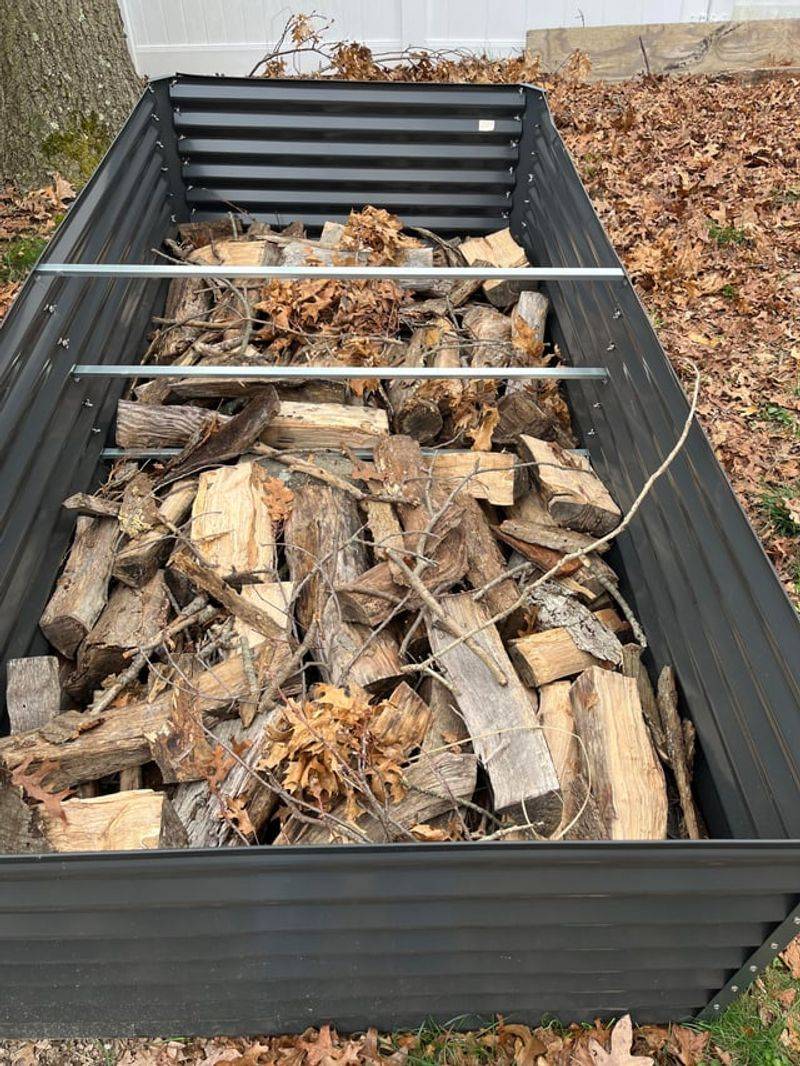
On top of the cardboard, add bulky brown materials. Wood chips, straw, or small branches work well.
They create air pockets, improve drainage, and give soil organisms room to work.
Logs and large sticks work here too. Wood holds moisture like a sponge, which helps your bed stay hydrated during dry summers.
This base layer does not need to be perfect. Rough, uneven, and chunky is actually better.
Your Washington Garden Changes Every Week. Your Plan Should Too.
Gardening in Washington changes quickly throughout the season. Every Friday you’ll receive a simple weekly plan showing exactly what to plant, prune, fertilize, harvest, and protect so you never miss the right timing.
The gaps between materials allow roots to push deep and water to drain freely. Compacted bases lead to soggy, struggling plants.
Once your base is set, you have built a foundation that will keep working for years. The bottom layer breaks down slowly, releasing nutrients long after the top layers are gone.
The Middle Layers That Build Nutrients From The Ground Up
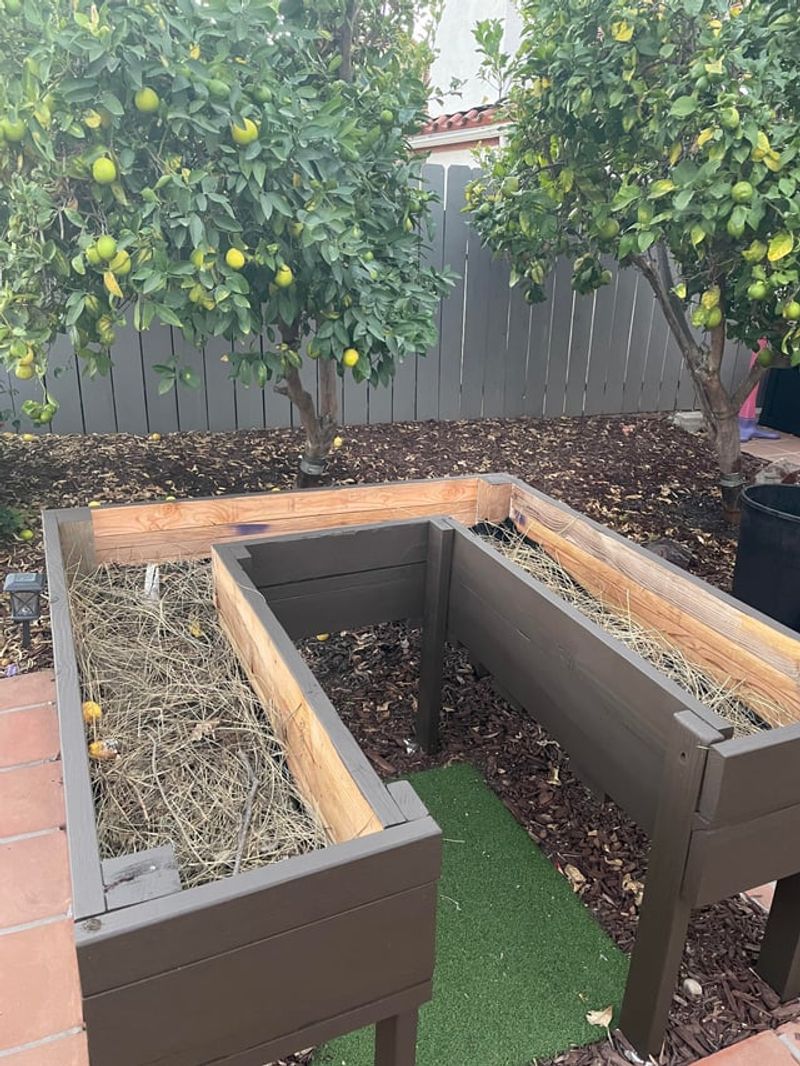
Here is where your raised bed really starts to come alive. The middle layers are the engine of the whole system, and what you put here determines how well your plants will eat all season.
Alternate between brown and green materials as you build upward. Brown materials include dried leaves, straw, cardboard scraps, and wood chips.
Green materials include kitchen vegetable scraps, fresh grass clippings, and spent garden plants.
Each green layer adds nitrogen, which feeds soil microbes. Each brown layer adds carbon, which gives those microbes structure to work through.
Together, they create a balanced breakdown that produces rich, dark compost over time.
Aged manure is one of the best things you can add to this middle zone. Chicken, cow, and horse manure are all widely available across Washington farms and feed stores.
Make sure it has aged for at least six months so it does not burn your plants.
Worm castings are another powerful addition. A handful or two mixed into your middle layers introduces beneficial organisms that speed up decomposition and improve soil structure.
Some gardeners even add live red wigglers directly into the bed.
Layer by layer, this section transforms raw organic matter into something your plants can actually use. The nutrients build from the ground up, feeding everything naturally from root to leaf.
What To Use As Your Final Growing Layer
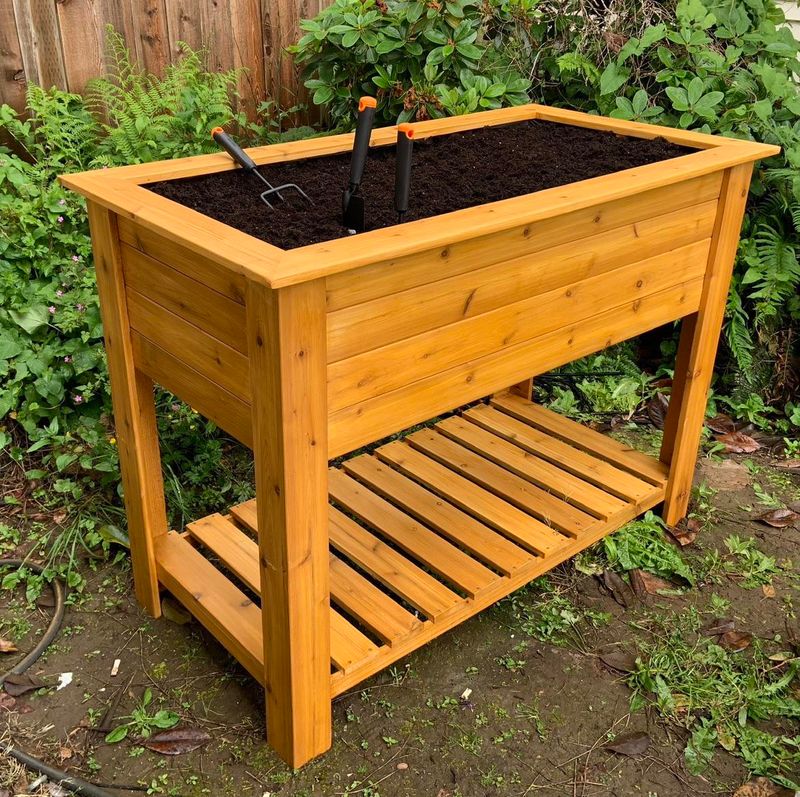
Your top layer is the one your seeds and transplants actually touch first. Getting this layer right means the difference between plants that struggle and plants that shoot up fast and strong.
The best top layer is a mix of finished compost and quality topsoil. Aim for roughly half compost and half topsoil by volume.
This blend holds moisture, drains well, and gives roots something soft and nutritious to push through.
Finished compost is dark, crumbly, and has no recognizable scraps or chunks left. If yours still has recognizable food scraps or chunks, it needs more time.
Unfinished compost can rob nitrogen from your soil and slow plant growth significantly.
Coconut coir is another popular addition. It improves moisture retention without compacting, which is especially helpful in raised beds that dry out faster than in-ground gardens.
A few cups mixed into your top layer goes a long way.
Perlite is worth adding if your soil feels dense or heavy. These tiny white volcanic granules create air pockets that keep roots from suffocating.
They also help water move through the bed more evenly.
Once your top layer is in place, give the whole bed a good watering. Watch how the materials settle.
You may need to top it off with a bit more compost before planting season begins.
When To Fill Your Raised Bed For The Best Results
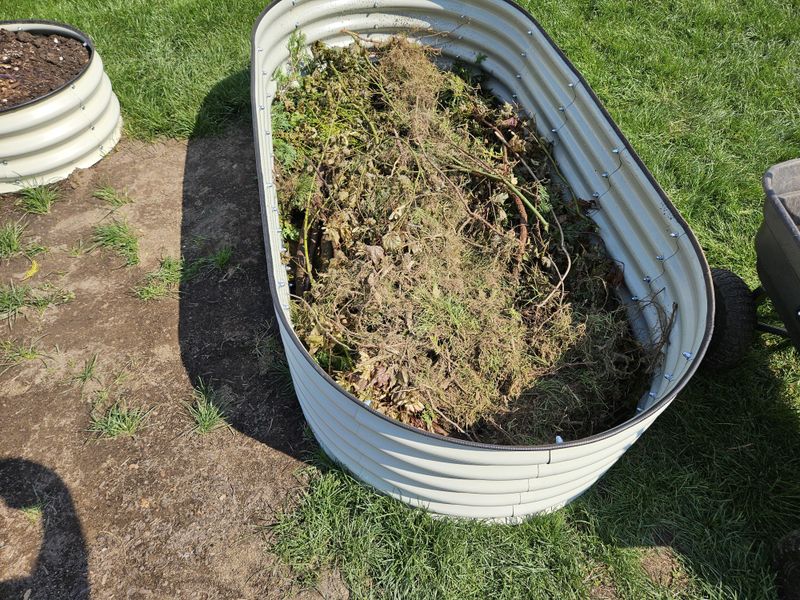
Timing is everything in gardening, and filling your raised bed is no different. Fill too late and your layers will not have enough time to break down before planting season hits.
Fall is one of the best times to fill a raised bed using natural layering methods. The materials have all winter to decompose, and by spring, your bed will be packed with rich, ready-to-plant soil.
Washington’s wet winters actually help speed up this process.
If fall planting is not in the cards, aim to fill your bed at least six to eight weeks before you plan to plant. That window gives the layers time to settle and begin breaking down.
Planting too soon into fresh layers can stress young seedlings.
Early spring is the second-best window if you missed fall. Add extra finished compost to the top to compensate for layers that have not had time to break down fully.
This gives your plants immediate nutrition while the lower layers continue working.
Watering your newly filled bed helps kickstart the decomposition process. Moisture activates the microbes and organisms that do the heavy lifting inside your layers.
A dry bed breaks down slowly, no matter how good your materials are.
Mark your calendar now. The gardeners who plan their fill schedule in advance end to end up with better results.
Good soil takes time, and time is the one thing you can always plan for.
Common Mistakes Washington Gardeners Make When Filling Raised Beds
Even experienced gardeners make these mistakes. Knowing what to avoid saves you time, money, and a season of disappointing harvests.
One of the most common errors is using soil straight from the ground. Native soil can compact inside a raised bed, restrict roots, and drain poorly.
Always use a layered or blended mix designed for raised bed growing.
Skipping the cardboard base is another big one. Without that barrier, weeds push up through the bottom of the bed within a single growing season.
A thick layer of overlapping cardboard stops most weed growth for an entire growing season.
Using fresh manure instead of aged manure is a mistake that burns plants fast. Fresh manure is too high in nitrogen and can introduce harmful bacteria to your food crops.
Always let manure age for several months before adding it to a growing bed.
Overpacking the layers is also a trap many new gardeners fall into. Tamping down each layer as you go removes the air pockets that soil organisms need to survive.
Let the materials sit loosely and settle naturally over time.
Forgetting to water the bed after filling is the final misstep. Dry layers break down slowly and can actually pull moisture away from plant roots when you first start watering.
Soak the bed thoroughly right after filling and again before planting.
Avoiding these mistakes puts Washington gardeners ahead of the curve and sets every raised bed up for a truly productive season.