Desert Native Plants Texas Homeowners Are Choosing Instead Of Oleander
Oleander has been a go-to choice in Texas landscaping for decades, and it is not hard to see why it caught on. It grows fast, handles heat and drought without complaint, and produces showy blooms through conditions that finish off more delicate plants.
The problem is that oleander is also one of the most toxic plants commonly grown in residential yards, and that fact tends to get overlooked until a pet gets sick or a child gets into something they should not have.
On top of the safety concerns, oleander is not native to Texas, and it offers very little to the local ecosystem despite taking up significant space.
Desert-adapted native plants are stepping in as a practical and often more visually interesting alternative, bringing the same heat and drought tolerance without the toxicity or the ecological dead weight.
Texas has a strong selection of these, and more homeowners are discovering that the trade-off is less of a sacrifice than they expected.
1. Texas Sage
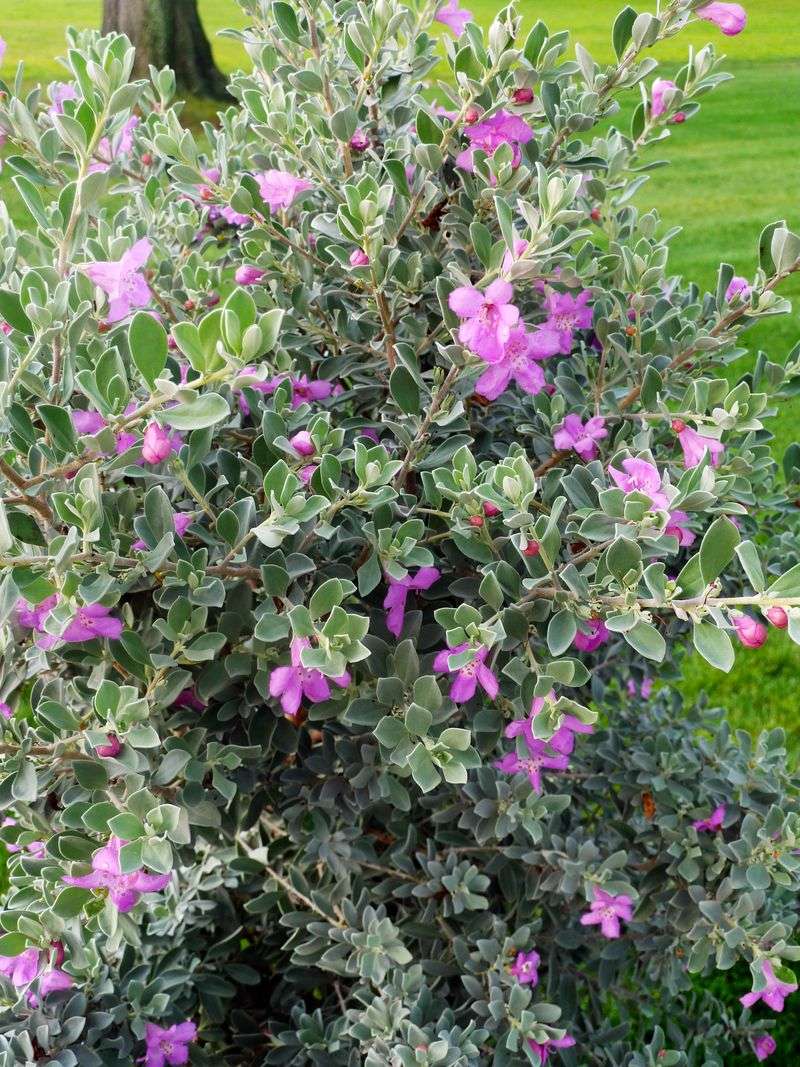
Walk past a Texas sage in full bloom and you will stop in your tracks. Those vivid purple flowers bursting against silvery-gray leaves are one of the most cheerful sights in a Texas yard.
People around the state call it the “barometer bush” because it often blooms right before a rainstorm rolls in.
Texas sage is built for tough conditions. It handles intense summer heat without breaking a sweat, and it barely needs any water once it is established in the ground.
You can plant it in rocky or sandy soil and it will still thrive, making it one of the easiest plants a homeowner can choose.
Mature shrubs can grow six to eight feet tall and wide, so they work well as privacy hedges or property borders. You get beautiful color and natural screening all in one plant. Trimming is optional since the plant keeps a nice rounded shape on its own.
For families with kids or pets, Texas sage is a safe and smart swap for oleander. There is no toxicity to worry about, and wildlife loves it too.
Butterflies and bees are regular visitors when the blooms are open, turning your yard into a little pollinator paradise.
Planting is simple. Choose a sunny spot with good drainage, water it during the first season, and then mostly leave it alone.
Texas sage rewards low-maintenance gardeners with consistent blooms and year-round visual interest.
2. Flame Acanthus
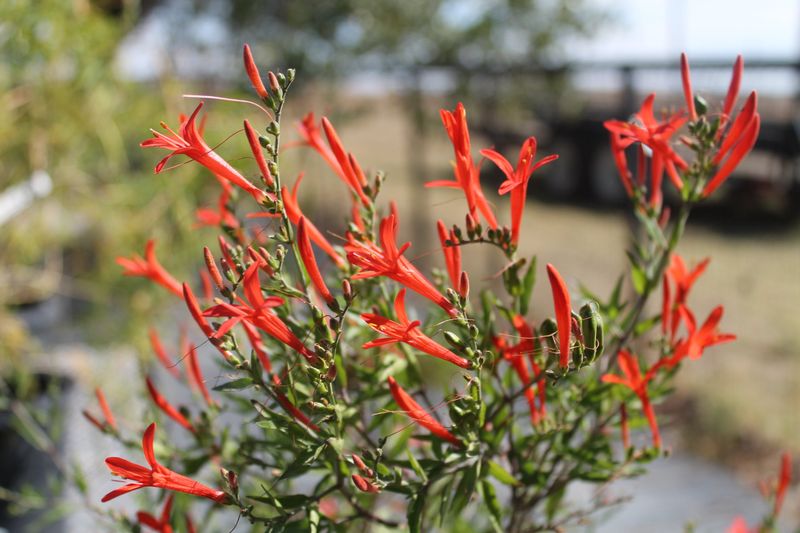
If you want a plant that practically throws a party all summer long, flame acanthus is your answer. The bright red tubular flowers are impossible to miss, and hummingbirds absolutely cannot resist them.
Once a hummingbird finds your flame acanthus, it will come back again and again all season.
Native to central and west Texas as well as northern Mexico, this tough shrub is perfectly adapted to hot, dry summers. It handles drought without flinching and does not need rich soil to perform well.
In fact, giving it too much water or fertilizer can actually make it grow too fast and look scraggly.
Your Texas Garden Changes Every Week. Your Plan Should Too.
Gardening in Texas changes quickly throughout the season. Every Friday you’ll receive a simple weekly plan showing exactly what to plant, prune, fertilize, harvest, and protect so you never miss the right timing.
Flame acanthus typically grows three to five feet tall and spreads into a soft, arching mound. It works beautifully as a border plant, a foundation shrub, or a colorful backdrop in a mixed garden bed.
The fiery blooms keep coming from late spring all the way through the first cool snap of fall. One of the best things about this plant is how forgiving it is. Even if a hard freeze knocks it back to the ground, it almost always bounces back strong in spring.
Many gardeners treat it like a perennial and simply cut it back at the end of winter. Unlike oleander, flame acanthus poses no known toxicity risk to people or animals.
It is a worry-free way to bring bold color and exciting wildlife activity into your outdoor space. Planting it near a patio or window lets you enjoy the hummingbird show up close.
3. Desert Willow
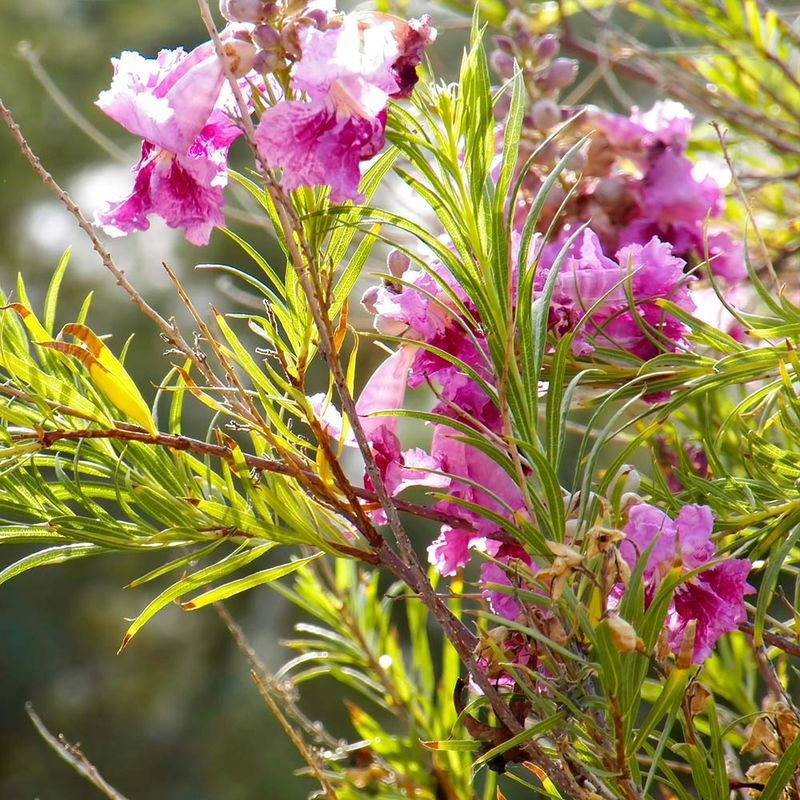
Do not let the name fool you. Desert willow is not a true willow at all, but it earns the nickname with its long, slender leaves that sway gracefully in the breeze.
What really sets it apart, though, are the stunning trumpet-shaped blooms in shades of pink, purple, lavender, and white that cover the tree from late spring through fall.
For homeowners who want the wow factor of oleander without the toxic risk, desert willow is a natural fit.
Every part of oleander is dangerously poisonous, but desert willow has no such concerns. You can plant it near walkways, patios, or play areas without any worry about safety.
This small to medium tree typically reaches fifteen to twenty-five feet tall, making it great for shade, screening, or as a striking focal point in the landscape. It grows quickly and begins blooming at a young age, so you do not have to wait years to enjoy the show.
Desert willow is deeply drought tolerant once established, which is a huge benefit in water-conscious Texas communities. It thrives in full sun and well-drained soil, and it handles the alkaline soils common across much of the state without complaint.
Hummingbirds, bees, and butterflies all visit the flowers regularly. Pruning in late winter helps keep the shape tidy and encourages a fresh flush of blooms each season. Some gardeners leave the seed pods on the tree for winter interest.
Either way, desert willow delivers beauty, wildlife value, and total peace of mind that oleander simply cannot match.
4. Black Dalea
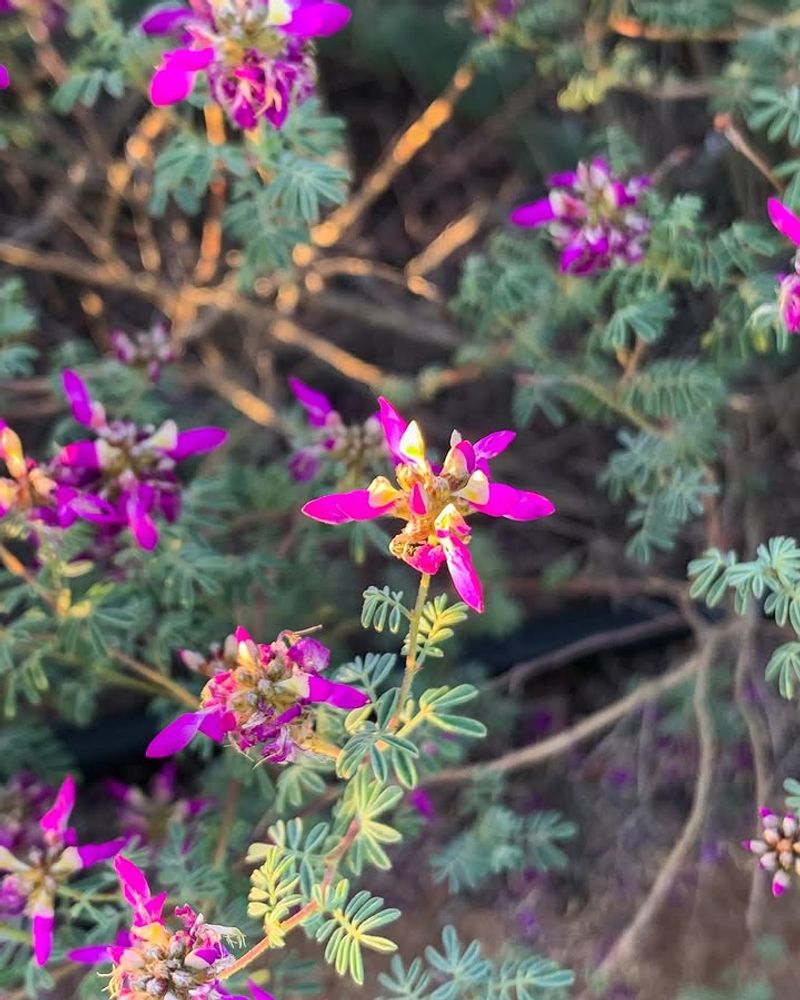
Not many plants can claim to look elegant while surviving some of the harshest growing conditions in North America, but black dalea pulls it off effortlessly.
Native to the Chihuahuan Desert and the rocky slopes of southwest Texas, this compact shrub has been quietly impressing gardeners who are willing to think outside the box.
The name comes from the dark, almost black stems that give the plant a striking, graphic appearance even when it is not in bloom.
When the small purple flowers do appear in late summer and fall, the contrast against those dark stems is genuinely eye-catching. Pollinators go wild for the blooms, especially native bees.
Black dalea stays relatively small, usually reaching two to four feet tall and wide. That compact size makes it a versatile choice for smaller yards, rock gardens, or planting strips along driveways and sidewalks.
It fits into tight spaces where larger shrubs would quickly overwhelm the area. Watering needs are minimal after the first year. Black dalea is one of those rare plants that actually prefers neglect over pampering.
Give it full sun, excellent drainage, and occasional deep watering during long dry spells, and it will reward you season after season with almost no effort required.
Compared to oleander, black dalea is completely safe around children and animals. It also stays tidy without heavy pruning.
For Texas homeowners looking for a low-fuss, high-impact native plant that brings pollinators and unique visual texture to the yard, black dalea deserves a serious look.
5. Apache Plume
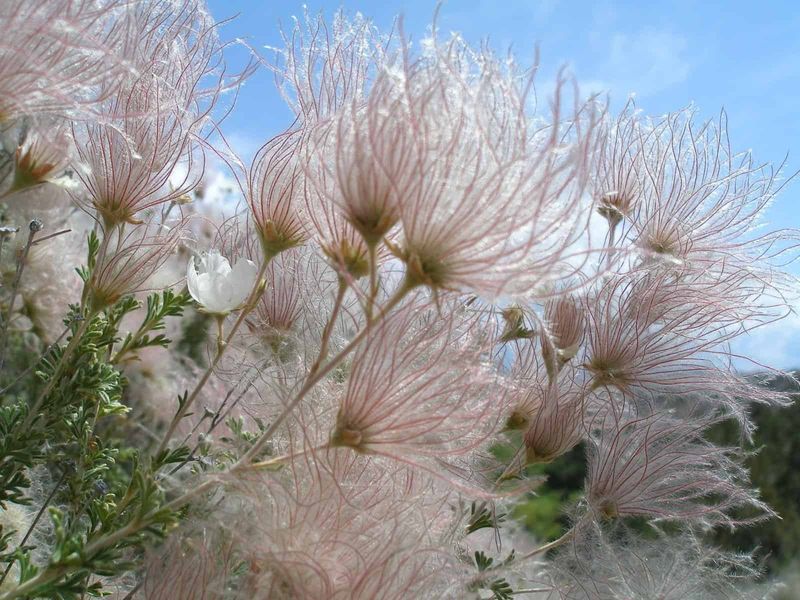
Apache plume is one of those plants that keeps on giving long after the blooms fade. The white rose-like flowers that appear in spring are beautiful on their own, but the real magic comes after.
Each flower gives way to a cluster of silky, feathery seed heads that turn shades of pink and rose as they mature, creating a soft, cloud-like effect across the whole shrub.
This two-for-one seasonal display is one reason more Texas homeowners are choosing apache plume as an oleander alternative. It provides visual interest from spring through late fall without any of the toxicity concerns that come with oleander.
The feathery seed plumes also catch the light in a way that feels almost magical in the afternoon sun.
Apache plume is native to the desert Southwest, including the Trans-Pecos region of Texas. It grows well in rocky, alkaline soils and handles full sun and drought with ease.
Established plants need very little supplemental watering, making them a smart choice in areas with water restrictions.
The shrub typically reaches four to six feet tall and wide. It works well as a naturalistic hedge, a wildlife garden anchor, or a standalone specimen plant.
Birds love the feathery seed heads and often use the plant as cover and nesting material. Pruning is rarely necessary, though a light trim in late winter can encourage fresh growth.
Apache plume has a slightly wild, free-spirited look that suits informal and xeriscape-style gardens perfectly. If your yard has a rugged, natural feel, this plant will look completely at home there.
6. Ocotillo
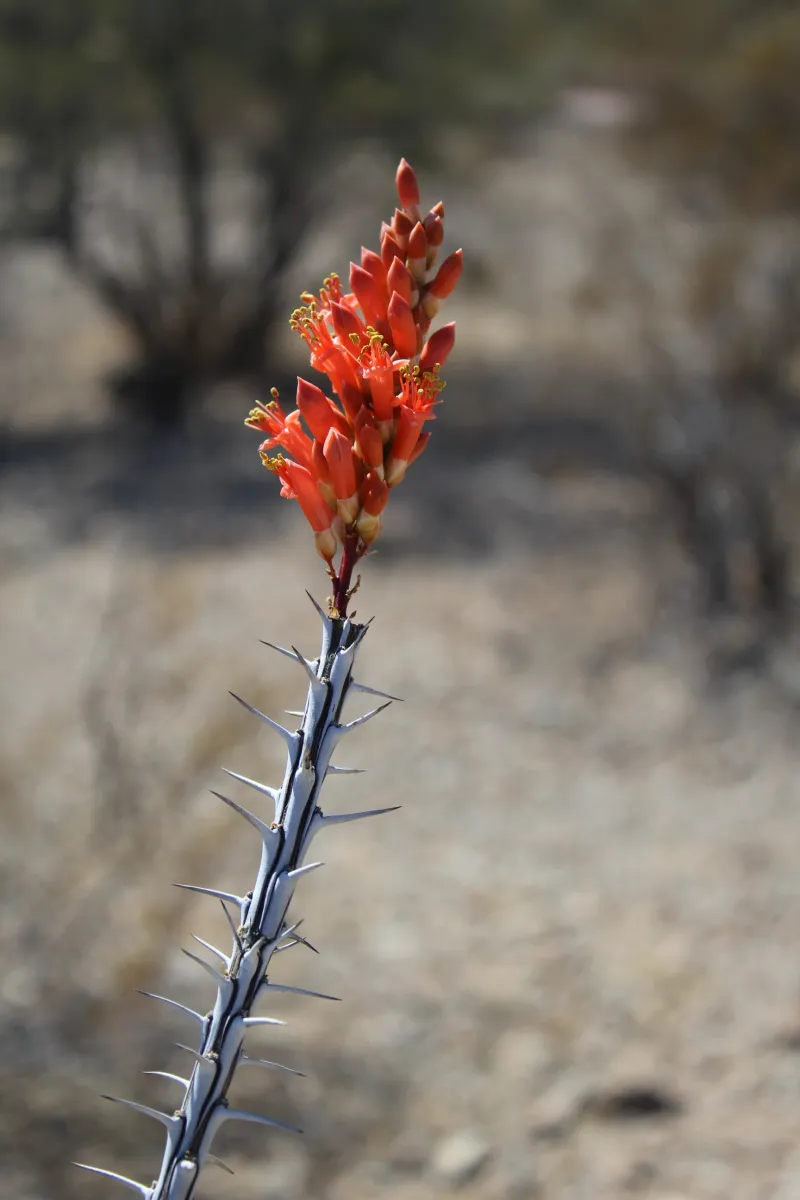
Few plants in the world look quite like ocotillo. Those long, whip-like canes shoot straight up from the base, sometimes reaching fifteen feet or more, and when the bright red flower clusters appear at the tips in spring, the whole plant looks like it is holding torches up to the sky.
It is one of the most dramatic and unforgettable plants you can add to a Texas landscape. Ocotillo is native to the Chihuahuan and Sonoran Deserts and is perfectly suited to the hot, dry conditions of west Texas and the Hill Country.
It stores water in its stems and drops its small leaves during dry spells to conserve energy, then leafs out again quickly after rain. This adaptation makes it extraordinarily resilient in tough conditions.
The architectural quality of ocotillo is hard to replicate with any other plant. It creates strong vertical lines that add structure and drama to flat or open landscapes.
Many designers use it as a living fence or a bold focal point that anchors the whole yard design.
Hummingbirds are devoted fans of the red blooms and will visit repeatedly throughout the flowering season. The blooms can also appear in fall after late-season rains, giving the plant two chances to put on a show each year.
Planting ocotillo requires patience during the first year while roots establish, but once settled in, it is virtually maintenance-free. It needs full sun and fast-draining soil, and it absolutely cannot tolerate soggy roots.
For homeowners who want something bold, beautiful, and completely unlike anything else in the neighborhood, ocotillo delivers every single time.