Texas Gardeners May See More Hydrangea Blooms By Following These 8 Tips
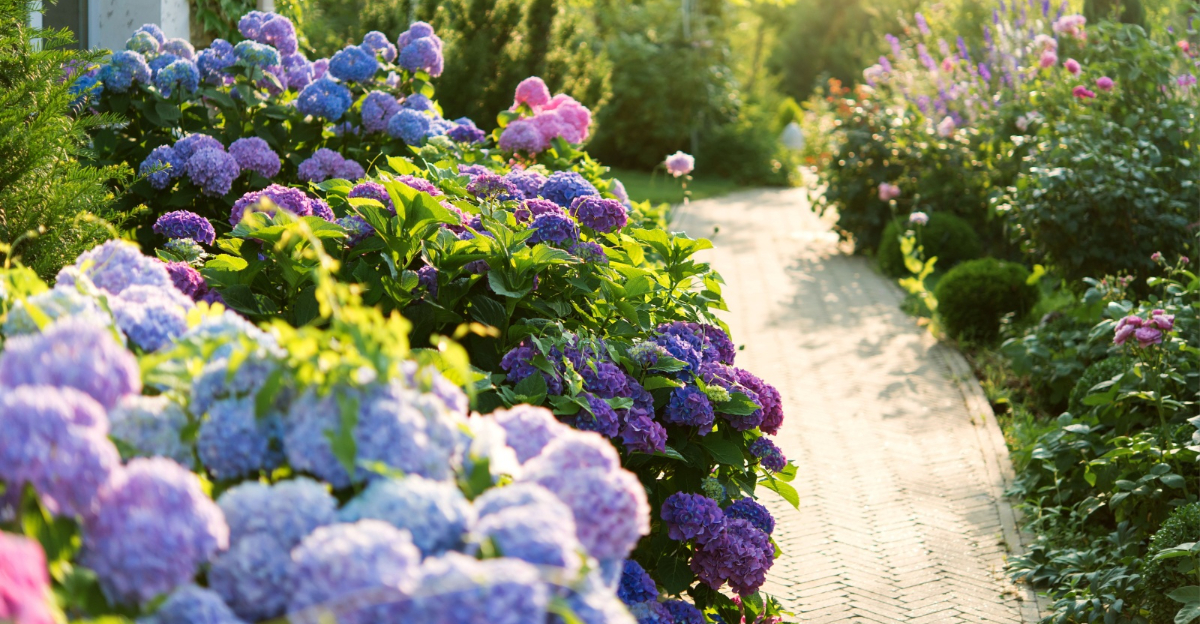
Hydrangeas are basically the overachievers of the garden world, and Texas gardeners want them badly. Those big, lush blooms are hard to resist at the nursery, and the dream of filling a shady corner with gorgeous color is completely valid.
But then July shows up. The afternoon sun gets aggressive, rainfall becomes unreliable, and suddenly those beautiful plants are wilting, dropping leaves, and producing far fewer flowers than the tag suggested.
Sound familiar? Here’s the encouraging part: hydrangeas in Texas are not a lost cause.
Not even close. Small, thoughtful adjustments to how you water, prune, mulch, and position your plants can genuinely shift how they perform through the season.
Results will vary from yard to yard because Texas conditions are anything but consistent, but these tips give your hydrangeas a much stronger foundation to work from.
1. Give Hydrangeas Morning Sun And Afternoon Shade
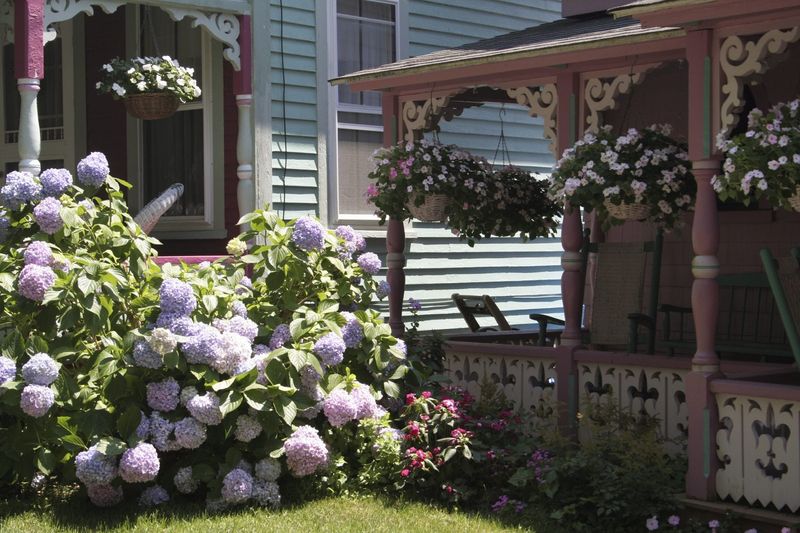
Morning light is one of the most important factors for hydrangeas growing in hot Texas landscapes.
These shrubs appreciate several hours of direct sun early in the day, but when the afternoon sun arrives with its intense, scorching heat, even healthy plants can struggle to keep their leaves from wilting and their blooms from fading faster than expected.
Planting hydrangeas on the east side of a home, fence, or larger shrub is a practical way to capture that gentle morning light while shielding the plant from the harshest rays of the afternoon.
Woodland-style garden edges and shaded borders along the north or east side of structures tend to work well in many yards.
Patio beds and foundation plantings that receive filtered light in the afternoon can also create favorable conditions.
Before choosing a planting spot, spend a day watching how sunlight moves across your garden. Note where shade falls between noon and four in the afternoon, because that window is often when Texas temperatures peak.
A location that looks sunny in the morning but shaded by early afternoon may support stronger hydrangea performance than a fully open bed.
Observing your yard through the seasons helps you make smarter placement decisions and reduces the chances of heat stress affecting your plants before they even have a chance to establish.
2. Keep The Soil Consistently Moist
Wilting leaves on a hydrangea are often the first sign that soil moisture has dropped too low.
In Texas, where summer temperatures can climb well above 90 degrees for weeks at a time, soil in garden beds dries out faster than many gardeners expect, especially in sandy or rocky soils that are common across parts of the state.
Consistent soil moisture does not mean waterlogged roots. Hydrangeas prefer soil that stays evenly moist without sitting in standing water, which can cause root problems over time.
Checking the soil an inch or two below the surface before watering gives a more accurate picture of what the plant actually needs rather than relying on surface appearance alone.
Garden beds that drain well but retain some moisture tend to support better hydrangea health. Amending your soil with compost before planting can improve moisture retention and overall soil structure, which benefits the plant through the growing season.
Your Texas Garden Changes Every Week. Your Plan Should Too.
Gardening in Texas changes quickly throughout the season. Every Friday you’ll receive a simple weekly plan showing exactly what to plant, prune, fertilize, harvest, and protect so you never miss the right timing.
Raised beds and containers may dry out even faster than in-ground plantings, so they may need more frequent monitoring during hot Texas summers.
Paying close attention to your soil through the warmest months and adjusting your watering habits based on rainfall, temperature, and soil type can help keep hydrangeas properly hydrated.
That steady moisture support gives your plants a better chance at healthy foliage and more consistent blooming across the season.
3. Water Deeply During Texas Heat
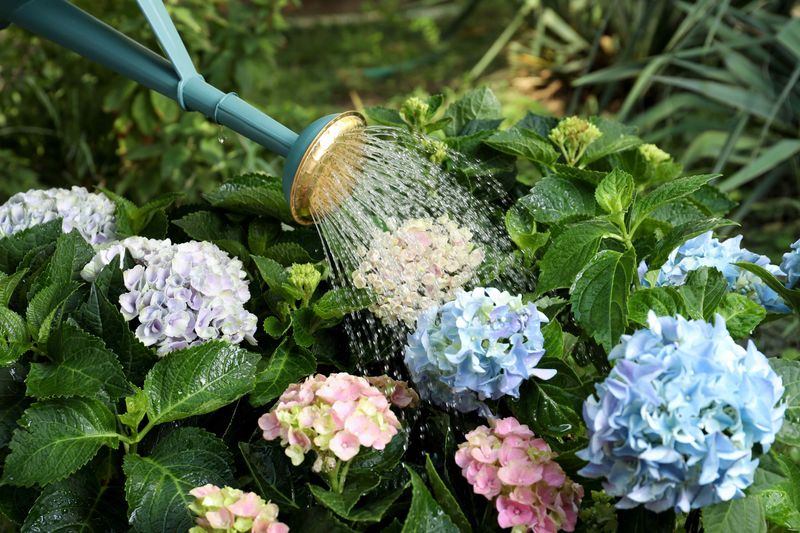
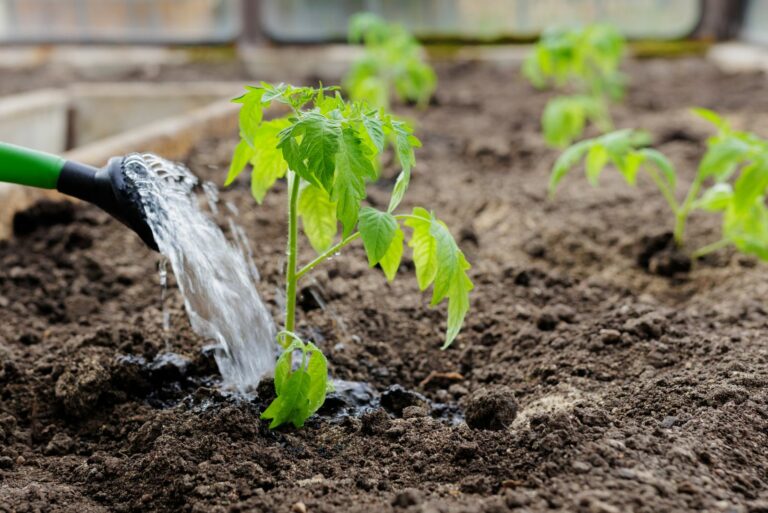
Shallow watering encourages roots to stay close to the soil surface, where they are far more vulnerable to heat and drought stress.
During the intense summer, a light sprinkle at the surface does very little to support a hydrangea with a root system that needs deep, reliable moisture to stay healthy and productive.
Deep watering means applying enough water to penetrate several inches into the soil, encouraging roots to grow downward where temperatures are cooler and moisture lasts longer between watering sessions.
Soaker hoses and drip irrigation systems work well for this purpose because they deliver water slowly and directly to the root zone without wetting the foliage, which can sometimes encourage fungal issues in humid conditions.
Watering in the early morning is generally a smart habit in Texas gardens. The soil absorbs moisture before the heat of the day accelerates evaporation, and the plant has access to hydration during the warmest hours ahead.
Evening watering can work but may leave foliage damp overnight in certain conditions. The frequency of deep watering will depend on your soil type, local rainfall, and how hot the stretch of weather has been.
During extended dry spells with high temperatures, hydrangeas in Texas may need more frequent deep watering sessions than they would in a milder climate.
Monitoring soil moisture regularly helps you adjust your routine as conditions change throughout the season.
4. Add Mulch To Protect The Root Zone
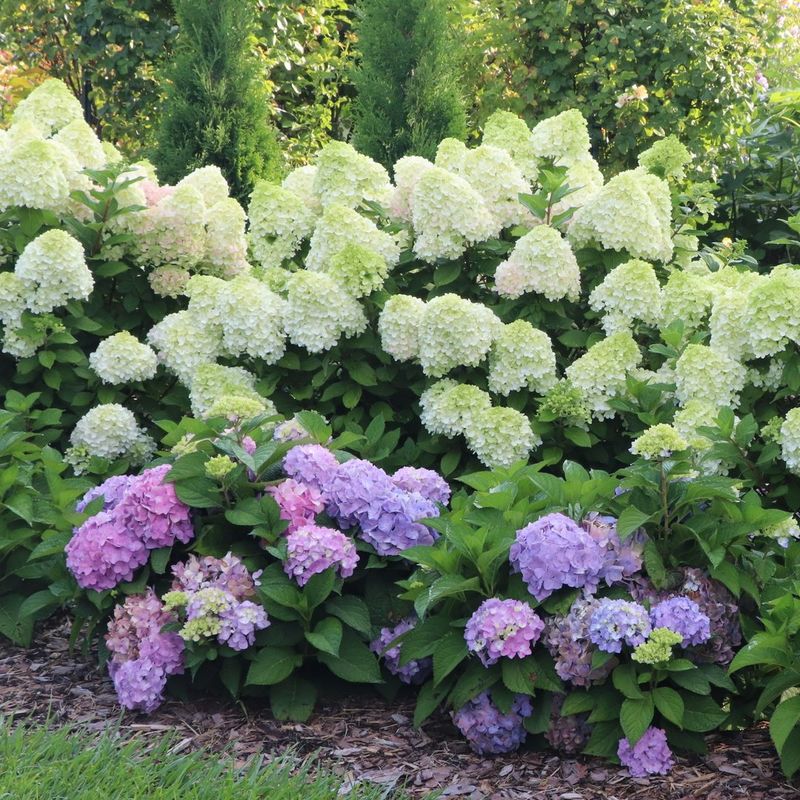
Few things do as much quiet, steady work in a Texas garden as a good layer of mulch.
Spread around the base of a hydrangea, mulch acts as insulation for the root zone, slowing moisture loss from the soil and buffering the roots from the extreme temperature swings that are so common during summers.
Shredded bark, wood chips, and pine straw are all commonly used mulch materials that work well around hydrangeas.
Applying a layer roughly two to three inches deep around the plant, while keeping the mulch a few inches away from the main stem, gives the root zone meaningful protection without creating conditions that could cause stem issues near the crown of the plant.
Mulch also plays a role in suppressing weeds that compete with hydrangeas for water and nutrients.
In foundation beds, cottage-style borders, and mixed shrub plantings across Texas, mulched beds tend to stay more consistently moist between waterings, which directly supports the kind of steady soil moisture hydrangeas prefer.
Over time, organic mulch materials break down and contribute to soil health, improving texture and nutrient availability in the bed. Refreshing the mulch layer each spring before temperatures climb keeps the benefits consistent through the hottest months.
It is a straightforward step that costs relatively little effort but can make a meaningful difference in how well hydrangeas handle the summer season in Texas landscapes.
5. Prune Based On The Hydrangea Type
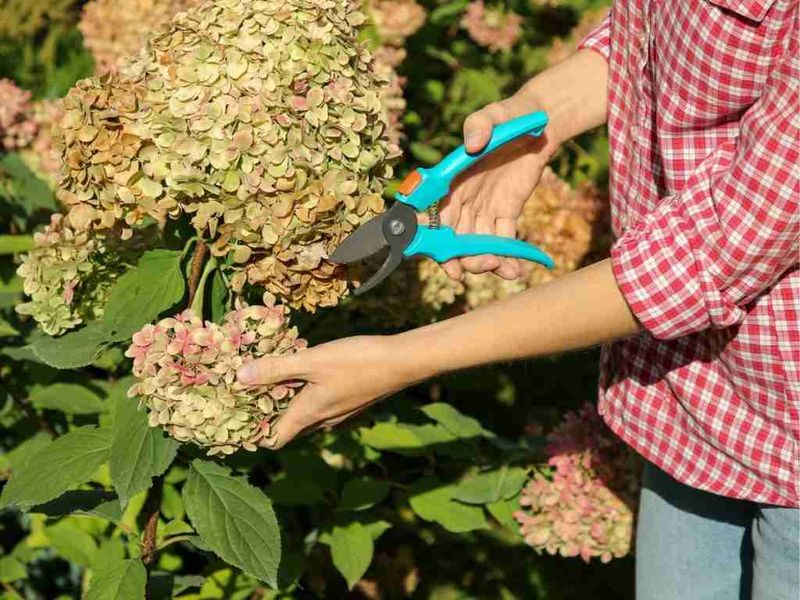
Pruning confusion is one of the most common reasons hydrangeas in Texas yards produce fewer blooms than expected.
Cutting a hydrangea at the wrong time of year, or using the same pruning approach on every type of hydrangea, can remove the very buds that were going to become flowers in the coming season.
Some hydrangea types bloom on old wood, meaning the flower buds form on stems that grew during the previous season. Bigleaf hydrangeas, also called mopheads and lacecaps, are a well-known example.
If you prune these in fall or early spring before the buds open, you are likely cutting off the flowers before they ever have a chance to develop. For these types, light cleanup after blooming is a safer approach than hard pruning.
Other hydrangeas bloom on new wood, meaning they set buds on stems that grow in the current season.
Smooth hydrangeas and panicle hydrangeas fall into this group, and they can typically be pruned in late winter or early spring without sacrificing blooms.
Knowing which type you have planted in your garden is the essential first step before picking up the pruning shears.
Checking the plant label, researching the variety name, or consulting a local Texas nursery professional can help you identify your hydrangea type and prune at a time that supports rather than disrupts next season’s flowering potential.
6. Avoid Removing Next Season’s Flower Buds
Late-season and early-spring pruning mistakes are behind many disappointing hydrangea blooming seasons in Texas yards.
On varieties that bloom on old wood, the flower buds are already present on the stems going into fall and winter, sitting quietly and waiting for the right moment to open in spring.
Removing those stems means removing the blooms that were coming with them.
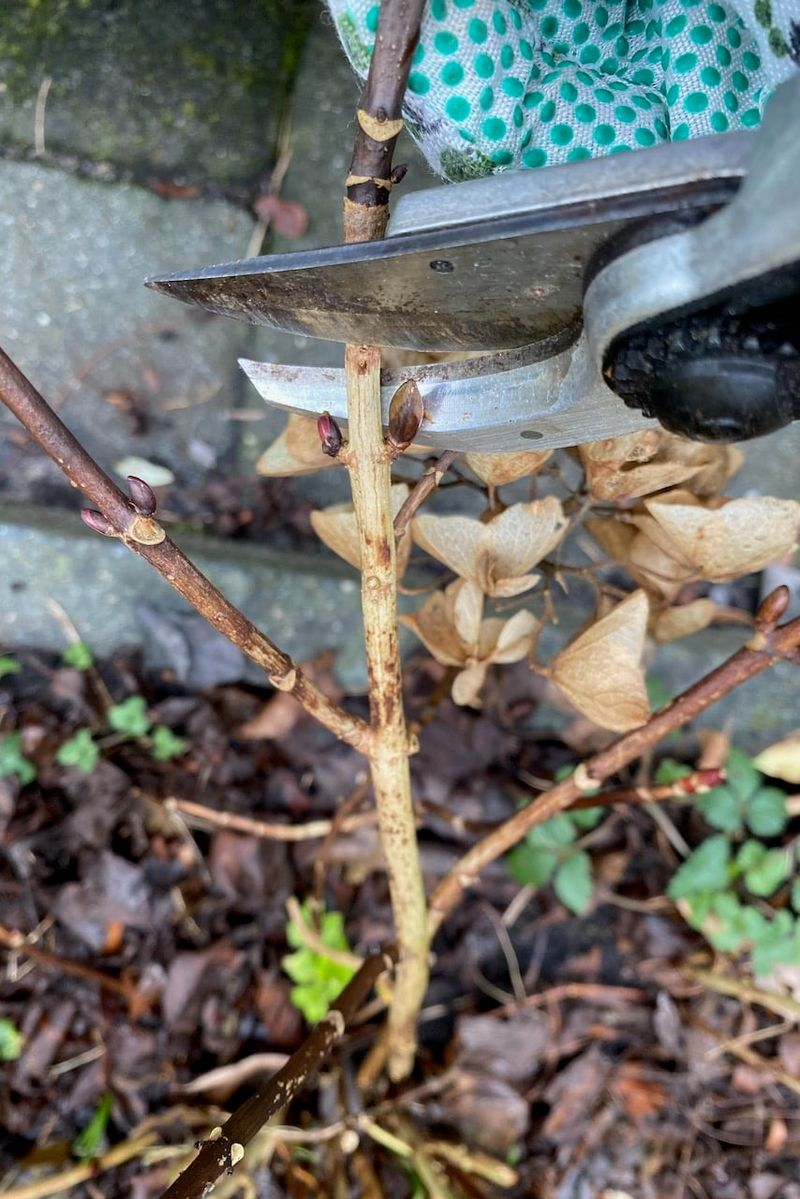
One helpful habit is to wait and watch before cutting anything. In late winter or early spring, look closely at the stems of your hydrangea for small, swelling buds before making any pruning decisions.
If you see buds forming along the length of older stems, those are likely next season’s flower buds, and removing those stems will reduce your bloom count for the year.
Frost damage can sometimes create confusion because stems may look brown or damaged after a cold snap, but the buds along those stems may still be completely viable.
Scratching the stem lightly with a fingernail to check for green tissue underneath can help you tell the difference between a stem that is truly spent and one that still has life in it.
Patience matters here. Waiting until you can clearly see which growth is new and which is not before cutting helps protect the blooming potential that is already built into the plant.
This one adjustment can sometimes have a noticeable impact on how many flowers appear in the following season.
7. Feed Lightly And Avoid Overfertilizing
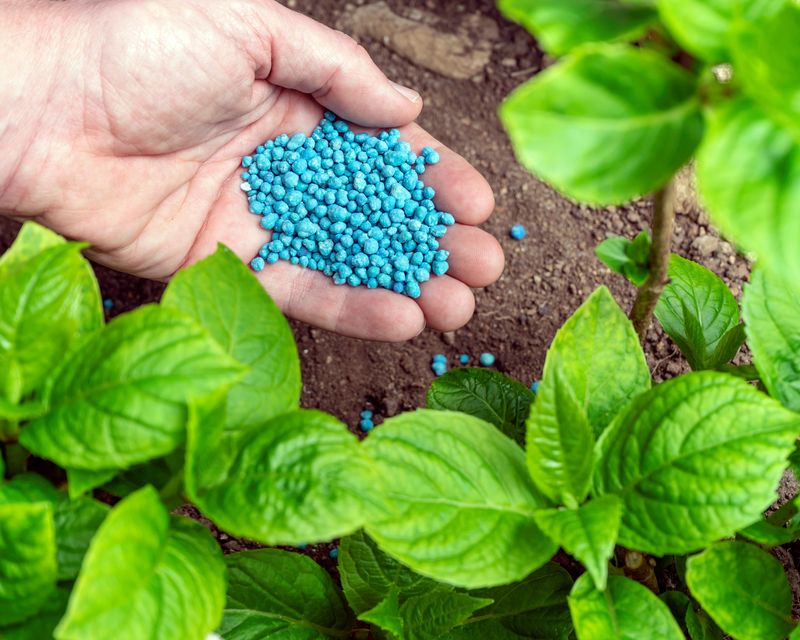
Fertilizing hydrangeas feels intuitive, especially when gardeners want to encourage more blooms, but too much fertilizer can actually work against that goal.
Excess nitrogen, which is the first number listed on a fertilizer bag, pushes plants to produce abundant leafy green growth at the expense of flower development, leaving you with a full, lush shrub that blooms far less than you hoped.
A light application of a balanced, slow-release fertilizer in early spring as new growth begins is a reasonable approach for many hydrangeas growing in Texas landscapes.
Some gardeners also apply a second light feeding after the first bloom cycle, but skipping additional applications later in the season is generally a sound practice.
Fertilizing too late in the year can stimulate tender new growth that may be more vulnerable to early fall temperature drops in certain parts of Texas.
Before adding any fertilizer, it is worth considering what your soil already contains. Soil that has been regularly amended with compost may need less supplemental feeding than depleted soil.
Container-grown hydrangeas typically need more frequent feeding than in-ground plants because nutrients leach out with regular watering.
Reading the product label, starting with a conservative rate, and observing how your plant responds over the season gives you more useful information than following a rigid schedule.
Overfertilizing is a harder problem to correct once it has happened, so a measured, restrained approach tends to serve hydrangeas better in the long run.
8. Choose Hydrangeas Suited To Texas Conditions
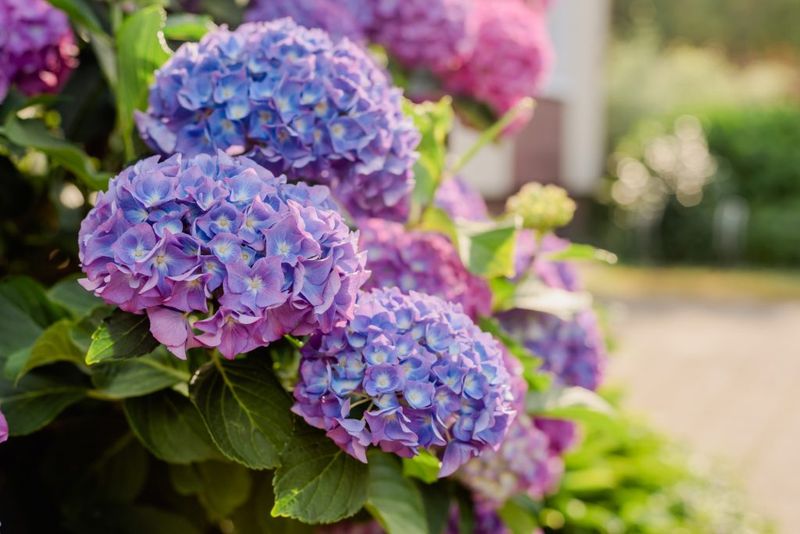
Variety selection is one of the most impactful decisions a gardener can make when it comes to hydrangea success.
Not every hydrangea variety handles heat, humidity, and extended dry periods equally well, and the differences in performance across a Texas summer can be significant.
Choosing a variety that is better suited to local conditions from the start reduces the uphill battle of trying to coax blooms from a plant that is simply struggling to survive the climate.
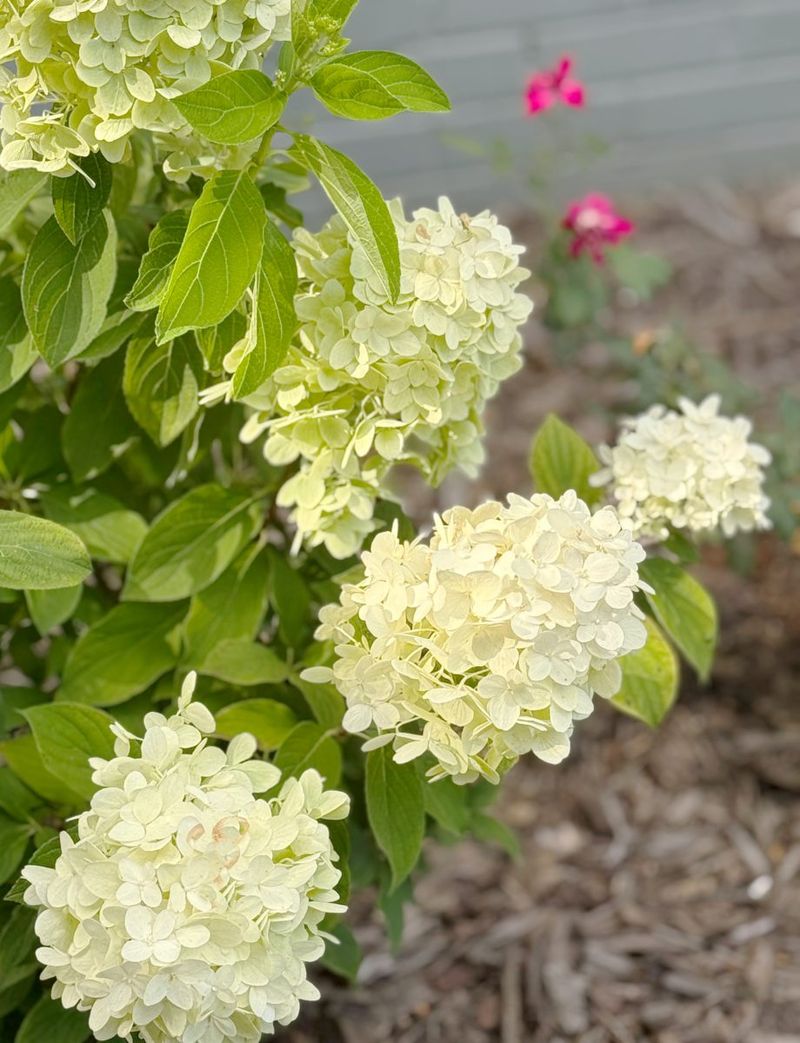
Panicle hydrangeas tend to show stronger heat tolerance than some other types and can handle more sun exposure than bigleaf varieties. Smooth hydrangeas, such as those in the Annabelle family, also perform reasonably well in many gardens with proper care.
Some newer reblooming bigleaf varieties have been bred to produce flowers on both old and new wood, which can help offset bloom losses from pruning mistakes or late frost events that are not uncommon in parts of Texas.
Visiting a reputable local nursery and asking which hydrangea varieties they have seen perform well in your specific region is one of the most practical steps you can take.
Texas is a large and climatically varied state, and what thrives in East Texas woodland gardens may not perform the same way in Central Texas heat or South Texas landscapes.
Choosing a variety with a track record in your area, planting it in the right spot, and pairing that selection with good watering and mulching habits gives your garden the best realistic foundation for hydrangea blooms season after season.