Tennessee Gardeners Keep Propagating These 9 Reliable Plants Year After Year
There is a particular kind of gardener satisfaction that no plant purchase can replicate. The moment you realize the shrub flourishing in your neighbor’s yard could be thriving in yours by next spring, for free.
Tennessee gardeners have known this for generations. They pass cuttings around like casserole recipes.
A stem tucked into soil here, a root division handed over a fence there.
Every year, the garden grows a little bigger without a single trip to the nursery.
The climate helps. Long growing seasons, mild winters in most of the state, and reliable rainfall mean that a surprising range of plants will root and spread with very little coaxing.
Whether you are working with a half-acre or a handful of containers, these nine plants are worth getting to know. Start with one cutting, and the rest tends to take care of itself.
Forsythia Wakes Up Before Everything Else In The Garden
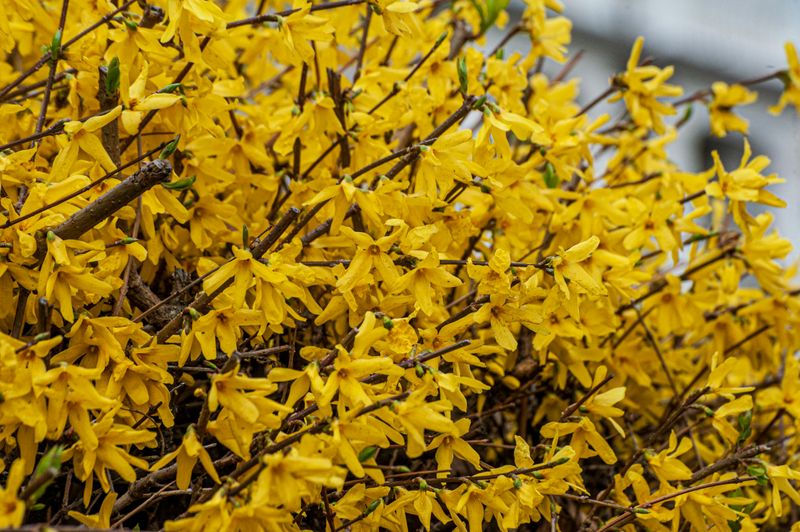
Before anything else blooms, forsythia shows up first. Every February, those branches erupt in yellow while everything else in the garden is still asleep.
Forsythia is one of the easiest shrubs to propagate from cuttings. Snip a healthy stem about six inches long in late spring or early summer, strip the lower leaves, and press it into moist potting mix.
Roots develop quickly, often within a few weeks. You can also try a method called layering, where you bend a low branch to the ground and cover part of it with soil until roots form naturally.
Once established, forsythia is practically unstoppable. It tolerates clay soil, drought, and even neglect without much complaint.
Gardeners who have grown forsythia for years often share rooted cuttings with neighbors in late summer. A single mature shrub can easily produce a dozen new plants in one season.
Forsythia blooms on old wood, which means pruning at the wrong time leaves you with nothing but green branches come spring.
Plant it along a fence line, at the edge of a property, or as a cheerful hedge. Once you have it rooted and growing, forsythia becomes one of those plants you will keep multiplying for years to come.
Hydrangea Stops People Mid-Conversation Every Summer
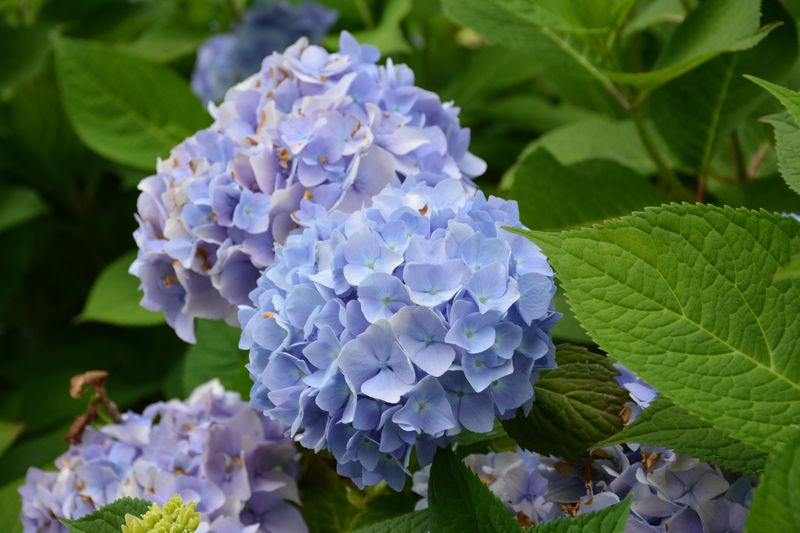
Few plants stop people in their tracks the way hydrangeas do. Those big, dramatic blooms in shades of blue, pink, purple, and white have made this shrub a permanent fixture in Southern gardens for good reason.
Propagating hydrangeas from cuttings is surprisingly straightforward. Take a stem cutting just below a leaf node in early summer, remove the lower leaves, and place it in a glass of water or directly into moist soil.
Rooting hormone powder gives cuttings a boost, but many gardeners skip it entirely and still get great results. Keep the soil consistently moist and out of direct afternoon sun until roots establish.
Bigleaf hydrangeas, the classic mophead type, are the most common variety propagated across the state. Smooth hydrangeas like Annabelle also root easily and tend to be more forgiving of heavy summer heat.
Your Tennessee Garden Changes Every Week. Your Plan Should Too.
Gardening in Tennessee changes quickly throughout the season. Every Friday you’ll receive a simple weekly plan showing exactly what to plant, prune, fertilize, harvest, and protect so you never miss the right timing.
One thing that trips up new gardeners is knowing when to prune. Bigleaf varieties bloom on old wood, so cutting them back in fall removes next year’s flowers entirely.
Oakleaf hydrangeas, native to the region, are another crowd favorite. They bloom on old wood too, but they add incredible fall color with their leaves turning deep burgundy and rust.
Sharing rooted hydrangea cuttings has become a beloved tradition among Tennessee plant enthusiasts. Give one to a friend and you have basically handed them years of jaw-dropping blooms.
Beautyberry Earns Its Name Every Single Fall
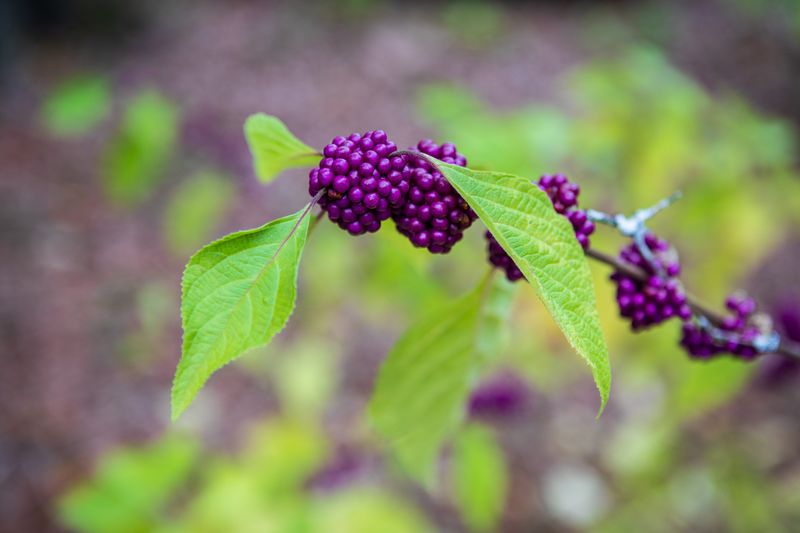
Image Credit: © William Lucord / Pexels
Beautyberry earns its name every single fall. The clusters of shiny purple berries that line its arching branches are so vivid, so impossibly bright, that first-time visitors always stop to ask what it is.
American beautyberry is a native shrub that thrives across much of the Southeast. It handles part shade beautifully, making it a smart choice for spots under trees where other plants struggle.
Propagating beautyberry is easy from both cuttings and seed. Softwood cuttings taken in early summer root reliably when kept in moist, well-draining soil away from harsh afternoon sun.
Seeds from ripe berries can be collected in fall and cold-stratified over winter before planting in spring. The germination rate is decent, and seedlings grow quickly once they get going.
Birds absolutely love the berries, which makes beautyberry a great addition to any wildlife-friendly yard. Mockingbirds, robins, and cedar waxwings flock to it in late fall when other food sources get scarce.
The shrub itself blooms with small lavender flowers in summer that are easy to miss. Most gardeners grow it purely for that unforgettable berry display that kicks in from September through November.
Cut it back hard in late winter. It will bounce back fast.
Sharing rooted cuttings with neighbors is one of the genuine pleasures of growing it.
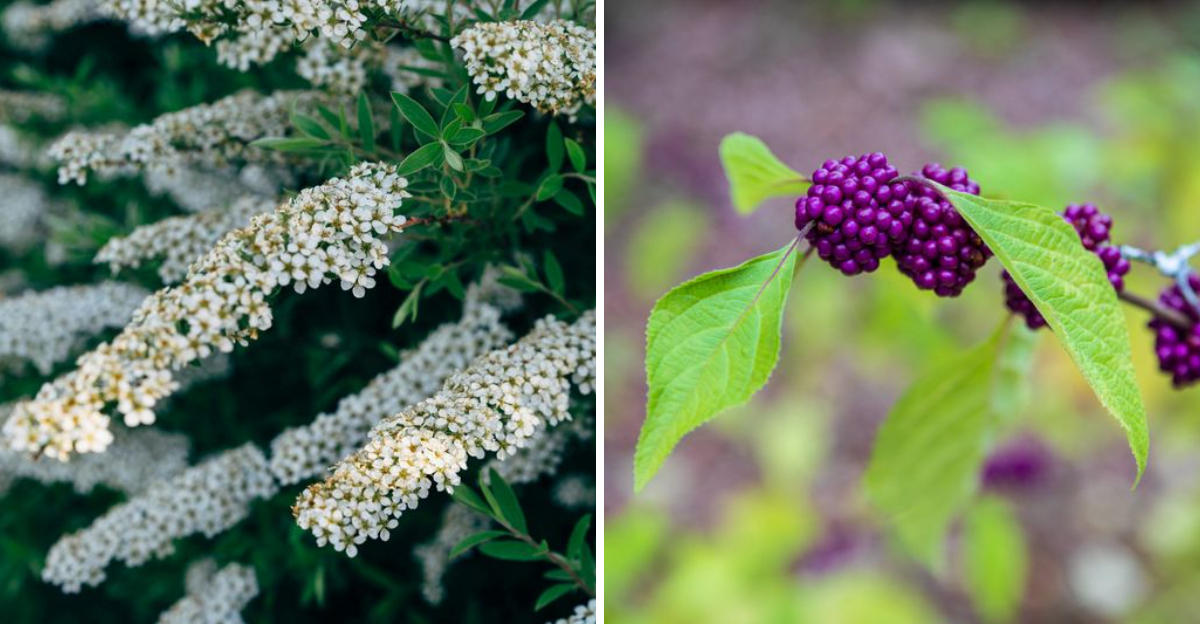
Spirea Blooms Hard In Spring And Asks For Almost Nothing
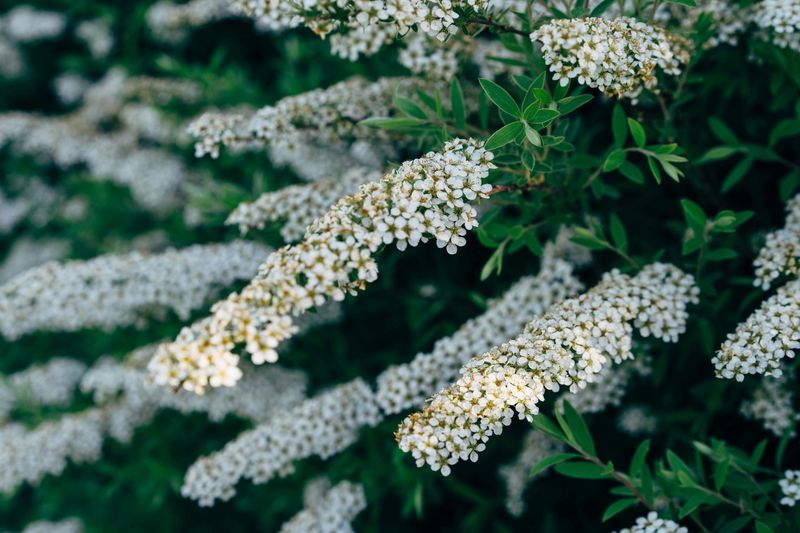
Image Credit: © Markus Winkler / Pexels
Spirea is the kind of shrub that earns its keep every single season. In spring it erupts in a waterfall of tiny blooms, and in fall some varieties turn brilliant shades of orange and red before going dormant.
Propagating spirea is straightforward. Snip a six-inch cutting from a healthy stem in late spring or early summer, dip the cut end in rooting hormone, and plant it in moist potting mix.
Keep the cutting shaded and consistently moist for the first few weeks. Roots typically form within a month, and by fall you will have a small but sturdy plant ready to go in the ground.
Bridal wreath spirea is the classic variety you see arching over fences across older Tennessee neighborhoods. Goldmound and Anthony Waterer are compact varieties that bring summer color with pink and red blooms.
Spirea tolerates a wide range of soil types, which makes it a reliable performer even in less-than-perfect garden conditions. It prefers full sun but manages reasonably well with a few hours of afternoon shade.
One established plant can provide dozens of cuttings over the years. Many longtime gardeners have filled entire fence lines with spirea they rooted themselves from a single original shrub.
Growing your own spirea from cuttings gives you more plants for free and a genuine sense of pride every time those blooms open up in spring.
Rosemary Is Worth Propagating Every Single Year
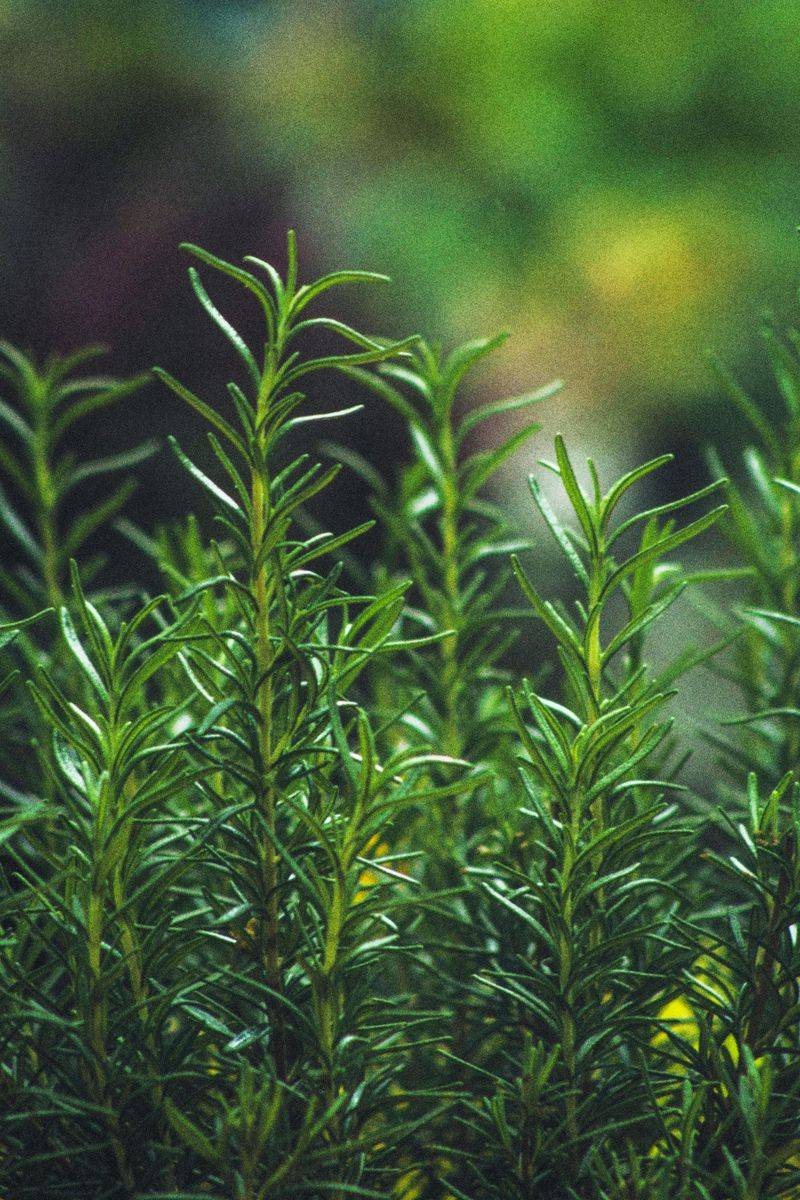
Rosemary smells like confidence. That sharp, piney fragrance hits you the moment you brush past it, and suddenly dinner ideas start forming in your head before you even reach the kitchen.
In Tennessee, rosemary behaves like a perennial in most zones, but a harsh winter can still take it out. Propagating it regularly is just good insurance.
Stem cuttings are the fastest and most reliable way to multiply rosemary. Take a four-to-six-inch cutting from a healthy, non-flowering stem in late spring, strip the bottom inch of leaves, and place it in water or moist potting mix.
Roots appear slowly compared to some other herbs, sometimes taking four to six weeks. Patience is key here.
Once rooted, the plant grows steadily and becomes quite drought-tolerant.
Rosemary loves heat and sun, so a south-facing spot in the garden is ideal. Good air circulation also helps prevent the fungal issues that can sneak in during humid Tennessee summers.
Cooking with fresh rosemary is one of life’s small luxuries. It pairs beautifully with roasted chicken, potatoes, bread, and even certain sparkling drinks that call for something herbal and aromatic.
Having several rooted plants on hand means you always have backup if one does not survive a cold snap. Rosemary is one of the plants Tennessee gardeners propagate year after year for exactly that reason.
Mint Spreads Whether You Want It To or Not
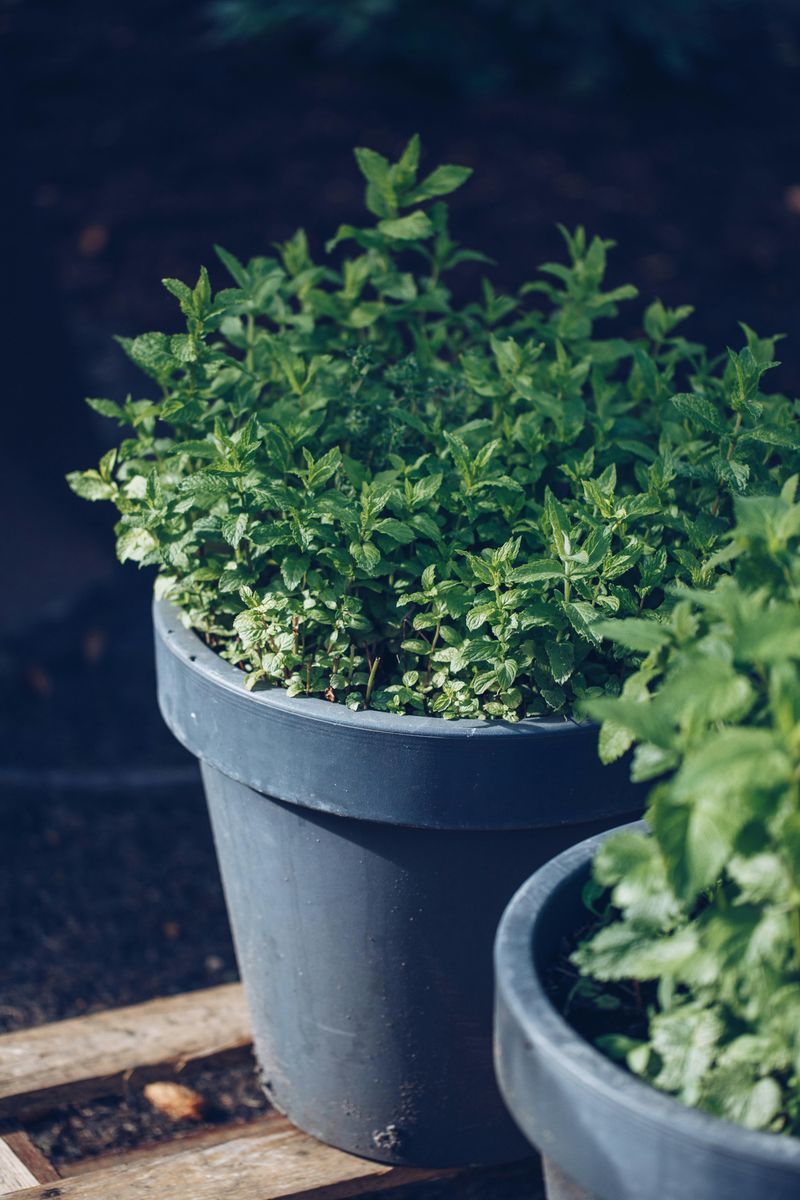
Mint does not ask for much, but it gives back generously. Plant one small stem cutting and within a season you will have enough mint to supply your whole neighborhood with fresh tea.
Mint spreads through underground runners, which is why most experienced gardeners grow it in containers or buried pots. Left unchecked, it will colonize every inch of ground it can reach.
Propagating mint is almost embarrassingly easy. Drop a stem into a glass of water and roots will appear within a week.
From there, pot it up or transplant it directly into garden soil.
Tennessee summers are warm and humid, which mint generally enjoys as long as it gets some afternoon shade. Without a break from the intense heat, leaves can scorch and the plant loses some of its punch.
Spearmint is the most common variety passed around among home gardeners. Peppermint, chocolate mint, and apple mint are also popular and just as simple to root from cuttings.
Fresh mint elevates everything from iced tea and lemonade to fruit salads and grilled lamb. Keeping a pot near the back door means you are always just a few steps away from a handful of leaves.
Once you have mint established, you will find yourself giving away cuttings constantly. It is one of those plants that practically begs to be shared with everyone you know.
Lemon Balm Is The Pollinator Favorite You Will Keep Dividing
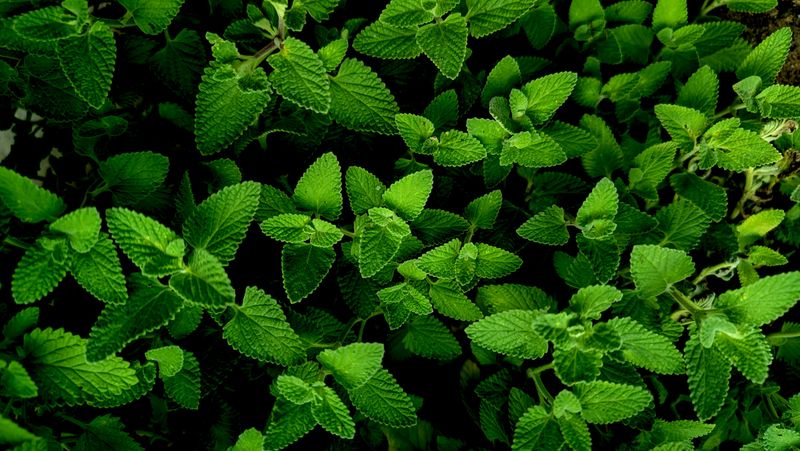
Image Credit: © F 植生记 / Pexels
Lemon balm smells like someone squeezed a lemon directly onto a pile of fresh herbs. It is one of those plants that makes you stop and breathe deeper the moment you catch a whiff of it.
Lemon balm shares mint’s enthusiasm for spreading. Give it a container or a defined bed, or it will quietly take over more space than you planned for.
Propagating lemon balm from stem cuttings works just as well as it does with mint. Snip a four-inch cutting, remove the lower leaves, and place it in water or moist soil.
Roots appear quickly, usually within a couple of weeks.
Division is another easy propagation method. Dig up an established clump in early spring or fall, separate it into smaller sections, and replant each one with its roots intact.
Each division will take off fast with minimal fuss.
Lemon balm has a long history as a calming herb. People have used it in teas and tinctures for centuries to ease anxiety and support restful sleep, and modern herbalists still swear by it.
In the kitchen, fresh leaves brighten up salads, herbal teas, and desserts. It pairs especially well with honey, berries, and anything lightly sweetened.
Bees are absolutely wild about the flowers, making lemon balm a smart addition to any pollinator-friendly garden. Plant it once and you will be propagating it happily for years to come.
Coleus Is The Annual Worth Saving Every Single Fall
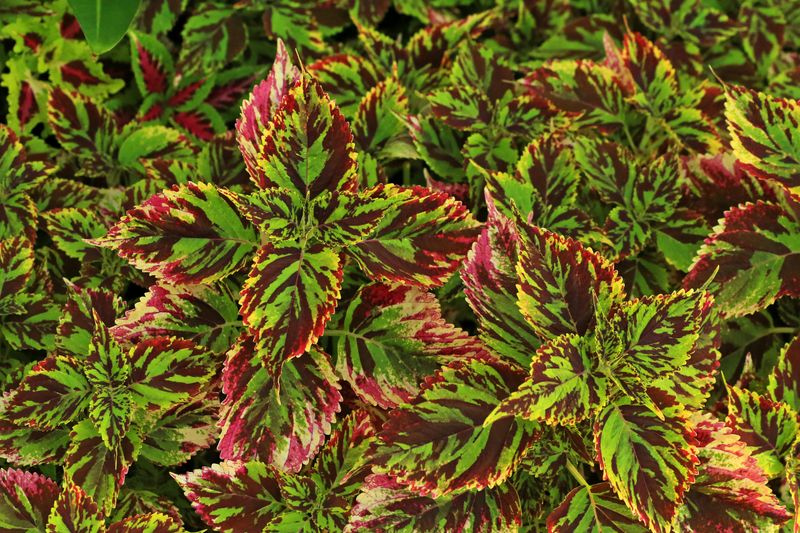
Coleus is basically the artist of the shade garden. Those leaves come in combinations of burgundy, lime green, hot pink, copper, and cream that no flower can quite match for sheer drama and staying power.
Coleus is one of the easiest plants to propagate. Snip a stem just below a leaf node, strip the bottom leaves, and drop it in a glass of water.
Roots appear within a week or two. Once rooted, pot it up and keep it out of full afternoon sun, coleus prefers bright shade, though newer sun-tolerant varieties handle direct light well.
Coleus is grown as an annual in most parts of the state since it cannot handle frost. But savvy gardeners take cuttings in late summer and root them indoors to overwinter on a bright windowsill.
Those indoor cuttings become lush, full plants by spring, ready to go back outside once temperatures stay consistently warm. This trick saves money and lets you hold onto particularly beloved color combinations year after year.
Pinching off flower spikes as they appear keeps the plant bushy and focused on producing those gorgeous leaves. Once coleus starts blooming heavily, the foliage tends to lose some of its vibrancy and the plant begins to decline.
Few plants offer this much visual payoff with this little effort, which is why coleus earns a permanent spot in so many Tennessee gardens every single year.
Purple Coneflower Comes Back Stronger Every Single Year
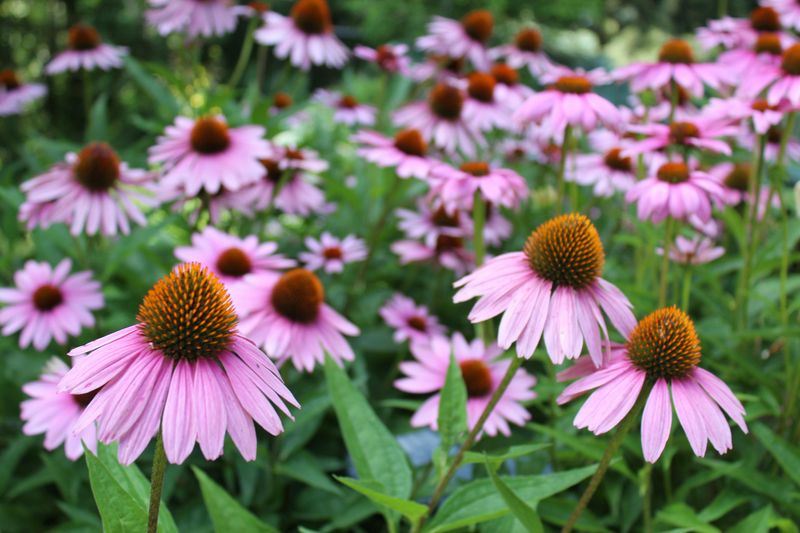
Purple coneflower is a Tennessee garden staple for good reason. Those rosy-purple petals surrounding a spiky orange-brown center bloom from midsummer into fall, bringing color right when many other plants start fading out.
It attracts bees, butterflies, and goldfinches, and the seed heads feed birds well into late fall.
Propagation from seed is the most common approach. Collect dry seed heads in late fall, store them in a paper envelope over winter, and direct sow them in spring after the last frost date passes.
Cold stratification, either outdoors over winter or in the refrigerator for a few weeks, improves germination rates noticeably. Patience is important since seedlings grow slowly at first before picking up speed.
Division is another reliable method for gardeners who want faster results. Dig up an established clump in early spring, split it into sections that each have healthy roots, and replant them at the same depth.
Purple coneflower thrives in full sun and tolerates drought once established. It actually prefers poor to average soil, rich soil tends to produce floppy stems.
The plants Tennessee gardeners propagate year after year always seem to include this one. Once it takes hold, purple coneflower self-seeds generously and fills a garden with life season after season.