8 Fertilizing Habits That Slowly Weaken Petunia Blooms
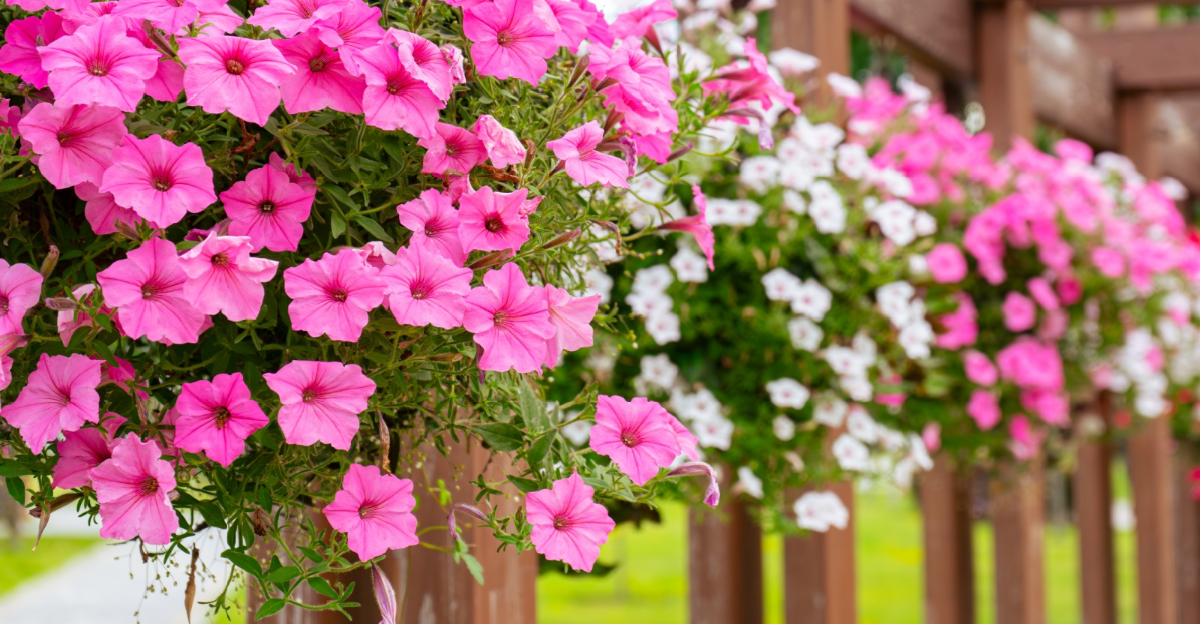
Petunias are deceptively demanding little plants. One day your window boxes are bursting with color. The next, they look completely defeated. And the most frustrating part?
You have no idea why. I had been feeding them regularly, doing what felt right, and still something was off.
The state of those plants bothered me for weeks. Turns out, fertilizing petunias is less about effort and more about understanding what they actually need.
Too much of the wrong thing at the wrong time quietly shuts down blooming without any obvious warning signs. Leggy stems and stingy flowers are not bad luck. They are usually the result of a small habit that is easy to fix once you see it clearly.
The state of your petunias can shift dramatically with just a few thoughtful changes to how you feed them. That kind of turnaround is genuinely satisfying to watch.
1. Over-Fertilizing With Nitrogen
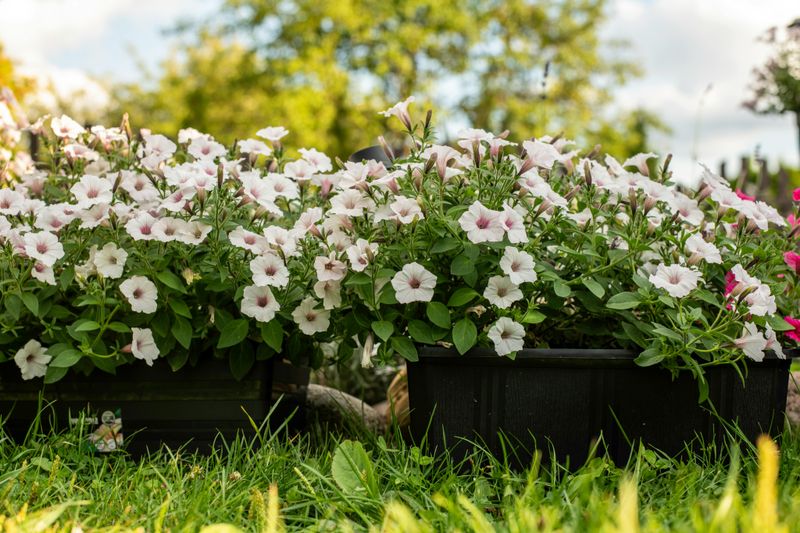
Lush green leaves with almost no flowers is every petunia grower’s biggest disappointment.
Nitrogen is the nutrient that drives leafy, green growth in plants. When petunias get too much of it, they pour all their energy into producing stems and foliage instead of blooms.
You end up with a plant that looks impressively bushy but delivers almost no color, which defeats the entire purpose of growing petunias in the first place.
Many gardeners grab whatever fertilizer is on sale without checking the numbers on the label.
A fertilizer labeled 30-10-10 means the first number, nitrogen, is sky-high compared to phosphorus and potassium.
That ratio works great for lawns and leafy vegetables, but it is basically the wrong tool for the job when it comes to flowering plants like petunias.
Switching to a bloom-boosting fertilizer with a higher middle number, the phosphorus, can shift your petunia’s priorities back toward flowering. Look for something in the range of 10-30-20 or a product specifically marketed for flowering annuals.
Phosphorus encourages root strength and bud development, while potassium supports overall plant health and disease resistance. Together, they create the conditions petunias need to perform at their colorful best.
If you have already over-fed with nitrogen, do not panic. Flush the soil with plain water, hold off on fertilizing for a week or two, then start fresh with the right product. Your blooms will thank you for the reset.
2. Fertilizing On Dry Soil
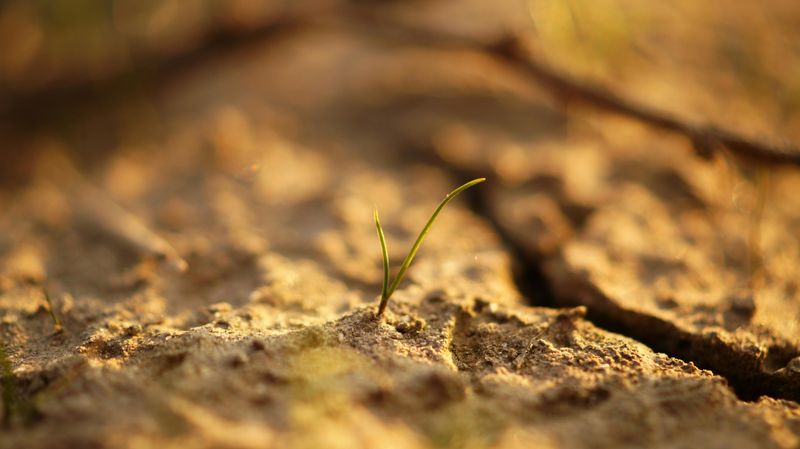
Fertilizer on bone-dry soil works about as well as swallowing vitamins without water. Dry soil cannot distribute nutrients evenly, which means the fertilizer sits in concentrated pockets rather than spreading through the root zone.
Those pockets become hot spots that can chemically burn the roots, causing the plant to pull back and shut down rather than grow and bloom.
Root burn from concentrated fertilizer on dry soil is one of the sneakiest causes of weak, faded petunia blooms.
The plant may look fine on the surface for a few days, but underneath, the roots are stressed and struggling to absorb water and nutrients properly.
Over time, that hidden damage shows up as yellowing leaves, reduced flowering, and a generally tired-looking plant. The fix is almost embarrassingly simple: always water your petunias thoroughly before applying any fertilizer.
Give the soil a good soak an hour or two before you plan to feed, letting the moisture penetrate all the way down to the root level.
Then apply your fertilizer to that moist, receptive soil, and water lightly again afterward to help carry the nutrients deeper.
This two-step approach protects the roots, encourages even nutrient distribution, and sets the stage for stronger, more consistent blooming.
Think of watering first as the foundation that makes every single feeding session more effective and safer for your plants.
3. Using the Wrong Fertilizer Type
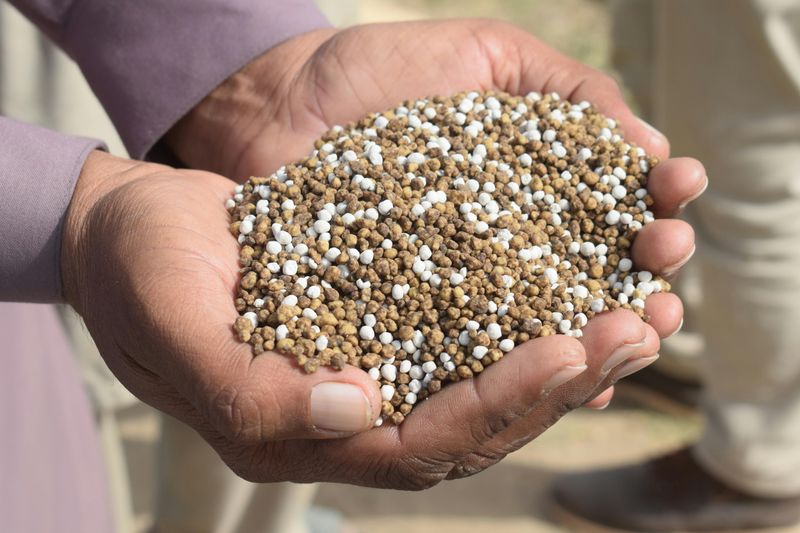
Not all fertilizers are created equal, and the wrong one can quietly hold your petunias back. There are granular fertilizers, liquid concentrates, slow-release pellets, and water-soluble powders, and each one behaves differently in the soil.
Petunias are heavy feeders that bloom continuously, which means they need a steady, reliable nutrient supply rather than occasional big doses.
Slow-release granular fertilizers can work well for some plants. Petunias, though, often respond better to frequent liquid feeding because it delivers nutrients directly and quickly to the root zone.
Liquid fertilizers applied every seven to ten days keep the nutrient pipeline flowing consistently. That steady supply matches what a nonstop blooming petunia actually demands.
Timed-release products can work well in containers, though applied just once a month, they can leave plants running on empty. Those gaps show up quickly as fewer flowers and duller color.
Some gardeners reach for fertilizers designed for vegetables or acid-loving shrubs without checking the label. Those formulas carry nutrient ratios that simply do not align with what flowering annuals need.
Reading the label before purchasing is a small habit that pays off in a big way. Look specifically for products labeled for flowering annuals, hanging baskets, or container plants.
These formulations are balanced to promote bud set and long bloom cycles rather than rapid vegetative growth. Matching the right fertilizer type to petunias is like choosing the right fuel for your car: the wrong kind slows everything down.
4. Fertilizing Too Infrequently
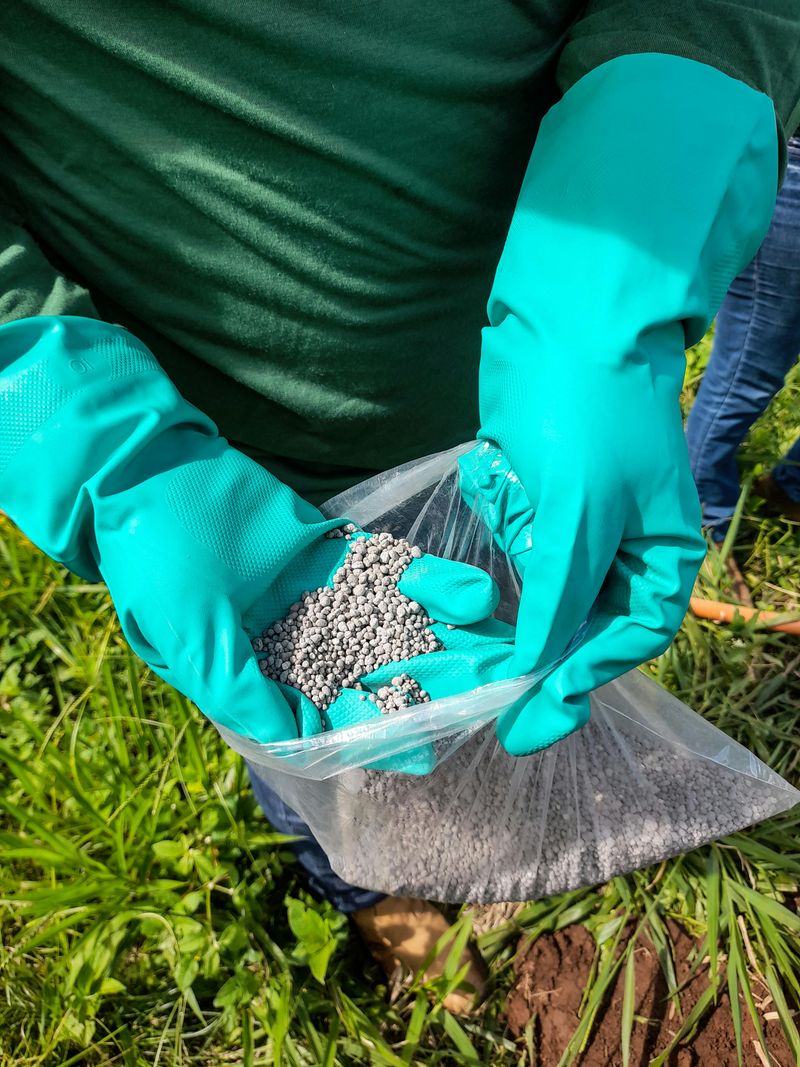
Petunias never stop blooming. That relentless performance comes at a nutritional cost. Every flower that opens, every bud that forms, and every new stem that pushes out requires energy drawn from the soil.
When feeding happens too rarely, the plant gradually depletes its available nutrients. It starts rationing resources, and the first things to go are blooms and color.
Many gardeners fertilize once at planting and assume that covers the whole season, but that initial dose burns through surprisingly fast, especially in containers.
Potting mix has limited nutrient-holding capacity, and every time you water, some of those nutrients flush out through the drainage holes.
Within a few weeks, a container-grown petunia can be essentially starving even if it looked perfect when you first planted it.
The general rule for petunias is to fertilize every seven to fourteen days with a liquid bloom fertilizer throughout the entire growing season.
In-ground petunias can sometimes stretch to every two weeks, but container plants almost always perform better on the shorter schedule.
Setting a recurring reminder on your phone takes about ten seconds and can completely transform how your plants look by midsummer.
Consistency is the secret ingredient most gardeners overlook. It is what separates jaw-dropping petunia displays from plants that look underwhelming by August.
Feed regularly, and your petunias will reward you with a bloom show that lasts all the way to the first frost.
5. Ignoring PH Levels
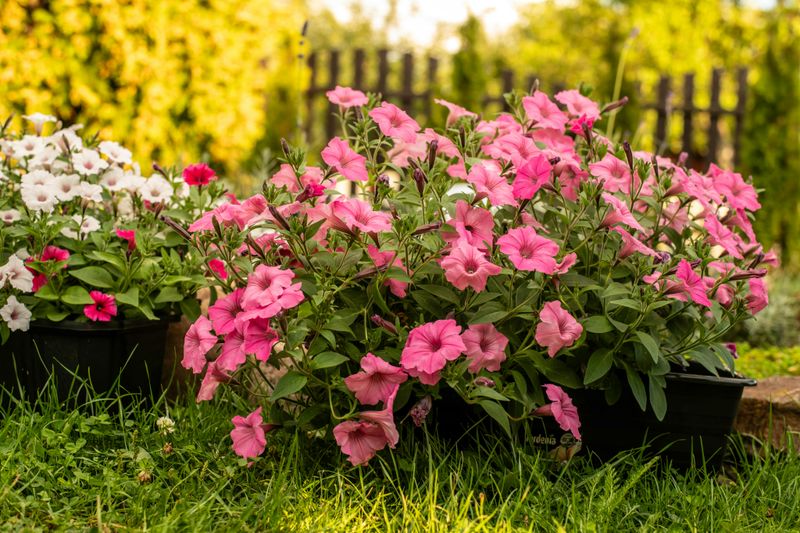
Did you know soil pH controls everything underground, yet most gardeners never check it?Even with a perfect feeding schedule and the right fertilizer, the wrong pH can lock nutrients inside the soil where roots simply cannot reach them.
That means all your effort goes nowhere. This phenomenon is called nutrient lockout, and it is genuinely frustrating to diagnose. The plants look malnourished even when the soil is technically full of food.
Petunias prefer a slightly acidic soil pH, ideally somewhere between 5.5 and 6.5. When the pH drifts too high or too low outside that range, key nutrients like iron, magnesium, and phosphorus become chemically unavailable to the plant’s roots.
The result is yellowing leaves, stunted growth, and a dramatic drop in bloom production that no amount of extra fertilizer will fix.
Testing your soil is easier than most people expect. Inexpensive pH test kits are available at any garden center and give you a reading in minutes.
If the pH is too high, adding sulfur or an acidifying fertilizer can bring it down over time. If it is too low, a light application of garden lime raises it gradually toward the sweet spot.
Checking pH at the start of each season and again at midsummer keeps conditions stable and ensures every drop of fertilizer you apply actually reaches your plants. Knowing your numbers is the smartest move a petunia grower can make.
6. Fertilizing Stressed Or Wilted Plants
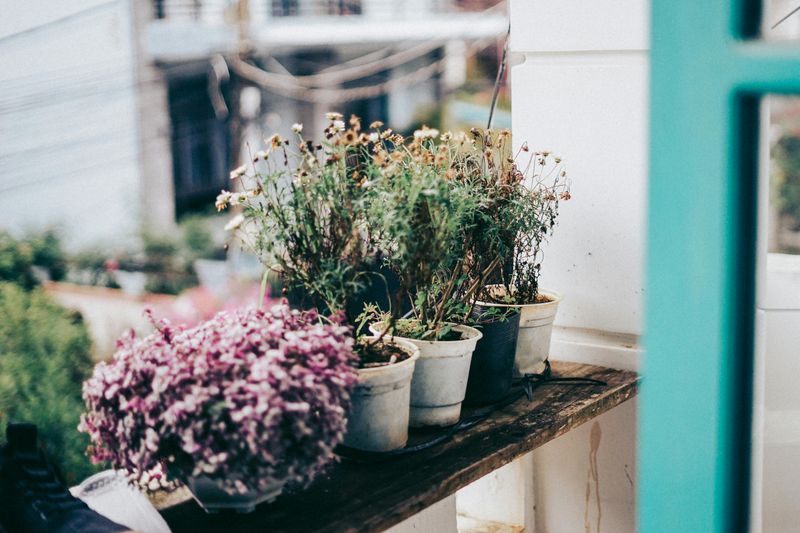
Reaching for fertilizer when your petunias look terrible feels instinctive. With plants, that impulse can actually make things worse.
A stressed or wilted petunia is already struggling with its most basic functions. Piling on fertilizer forces it to process nutrients it has no capacity to handle right now.
The result is often additional stress on the roots and a plant that struggles to recover as quickly as it otherwise would.
Wilting can happen for several reasons: extreme heat, prolonged drought, waterlogged roots, disease, or pest pressure. Each of those causes requires a specific solution, and fertilizer addresses none of them.
Before you even think about feeding a struggling petunia, you need to identify and resolve whatever is causing the stress in the first place.
If the soil is dry, water deeply and allow the plant to recover for a day or two before resuming a normal feeding schedule. If the roots are waterlogged, improve drainage and hold off on both watering and fertilizing until the plant stabilizes.
Heat-stressed plants need shade and hydration, not nutrients. Once the petunia bounces back and shows signs of active growth, like new buds or perky foliage, that is your green light to resume fertilizing.
Patience during a stress period protects the plant’s root system and sets it up for a stronger recovery. Healthy roots absorb nutrients efficiently, and that efficiency is what drives a spectacular bloom rebound.
7. Stopping Fertilization In Midsummer
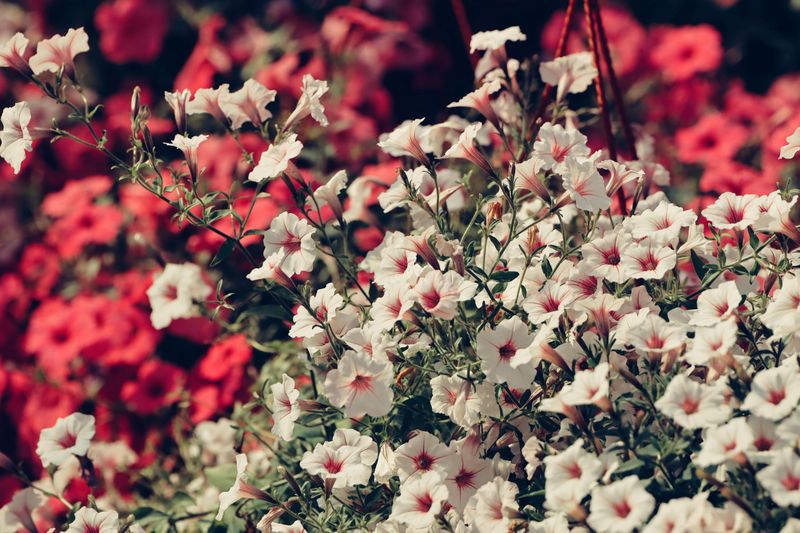
Midsummer hits and the petunias start looking a little ragged, so many gardeners assume the season is basically over and quietly stop feeding.
That decision, while understandable, is one of the biggest reasons petunia displays fall apart right when summer is hitting its stride.
Stopping fertilization in July or August does not give the plant a rest; it cuts off the fuel supply during one of the most demanding periods of the growing season.
High summer temperatures increase a plant’s metabolic rate, meaning it burns through nutrients faster than it does in cooler spring weather.
At the same time, frequent summer watering flushes nutrients out of containers and garden beds more quickly than at any other time of year.
Pulling back on feeding at this exact moment creates a nutrient deficit fast. It shows up as faded color, fewer buds, and that mid-season slump most gardeners quietly accept as just part of the deal.
The slump does not have to be inevitable. Continuing to feed petunias on a regular schedule through July and August can trigger a strong second flush of blooms.
Combine that with a mid-season cutback where you trim the plants back by about one-third, and the results can surprise you. That second flush often rivals the spring display in intensity and lasts right through September.
Pairing the trim with a fresh dose of bloom fertilizer sends a clear signal to the plant that its job is not finished yet. The best petunia displays of summer often happen to gardeners who refuse to give up in July.
8. Using The Same Fertilizer All Season
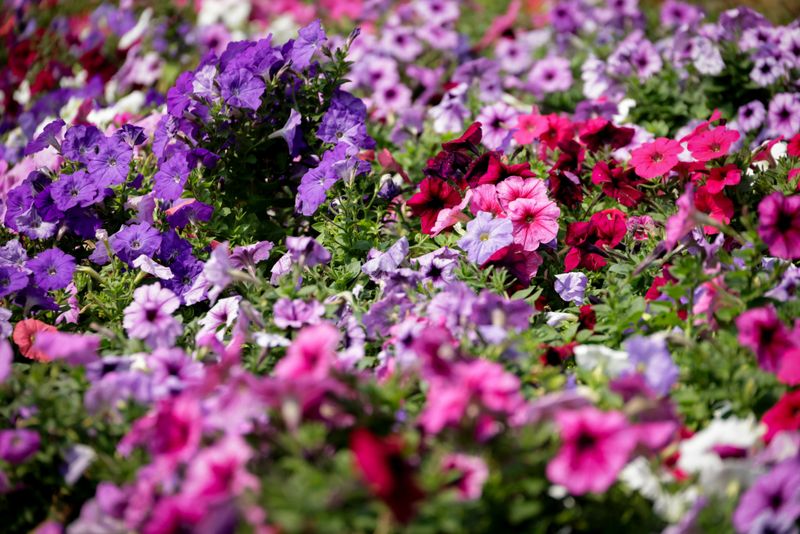
One fertilizer can work. But petunias’ shifting needs mean a single product rarely keeps up all season.
What works in spring can quietly hold the plant back by late summer. Never adjusting your feeding strategy is where the problem starts. Petunias are dynamic, season-long performers. Their fertilizer program should reflect that.
Early in the season, a balanced fertilizer with moderate nitrogen helps establish strong roots. It also builds a healthy framework of stems and foliage.
Once the plant is actively setting buds, shift to a high-phosphorus bloom formula. That pushes energy toward flowers rather than leaves.
By midsummer, elevated potassium supports heat tolerance and disease resistance. It also gives the plant the stamina to keep blooming through high temperatures.
Rotating between two or three formulations reduces the risk of nutrient imbalance. A buildup of one mineral can quietly block the absorption of others.
That kind of hidden deficiency looks frustratingly similar to under-feeding. Adjusting your formula is the simple fix most growers never think to try.
Keeping a simple garden journal where you note what you applied and when makes it easy to track patterns and adjust as needed. Adapting your fertilizing habits to match what petunias need at each growth stage makes a real difference.
That small shift in thinking is what separates a good bloom season from a truly spectacular one. Your petunias are not static, so your fertilizing plan should not be either.