The Mulch Mistakes Michigan Gardeners Keep Making That Creates More Tick Habitat
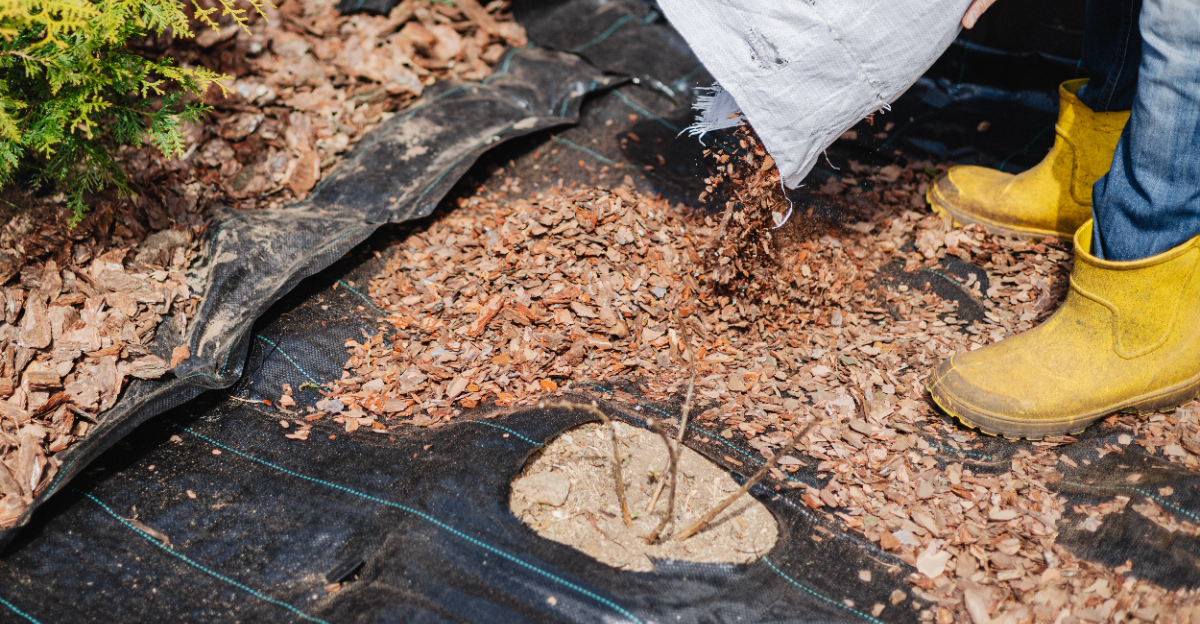
Mulch feels like one of the safest, most straightforward things you can do for a Michigan garden. It holds moisture, regulates soil temperature, slows down weeds, and makes beds look finished and intentional.
All of that is true. What doesn’t come up as often is how mulch, applied the wrong way or in the wrong places, creates some of the most attractive tick habitat in the entire yard.
Ticks need moisture, moderate temperatures, and cover from the sun, and a thick layer of mulch in the wrong spot checks every one of those boxes beautifully.
Michigan gardeners are mulching more than ever, which is mostly a good thing, but a few specific habits that have become pretty common are quietly making tick pressure worse at the same time.
Small adjustments to how and where you mulch change that equation significantly.
1. Piling Mulch Too Deep Against Garden Edges

Most gardeners think more mulch means better results, but piling it too deep along garden edges can actually backfire in a big way. When mulch builds up to four, five, or even six inches thick, the bottom layers stay cool and moist for days after a rainstorm.
Ticks absolutely love those conditions. They are moisture-dependent creatures, and a thick mulch layer gives them the perfect environment to survive and wait for a host to walk by.
The sweet spot for mulch depth is usually two to three inches. Anything beyond that starts trapping more water than your plants actually need, and it creates a sheltered layer at ground level that ticks can move through easily.
Garden edges near patios, sidewalks, or lawn areas are especially important to watch because those are the spots where people and pets tend to brush up against plantings most often.
Raking mulch back occasionally to check the depth near frequently used areas is a simple habit that makes a real difference. If the mulch feels wet and compacted even on a dry day, it is already too thick.
Spreading it out thinner, especially near borders where foot traffic is common, reduces moisture retention and makes those edges far less attractive to ticks looking for a shaded resting spot.
2. Letting Mulch And Plants Spill Onto Walking Paths
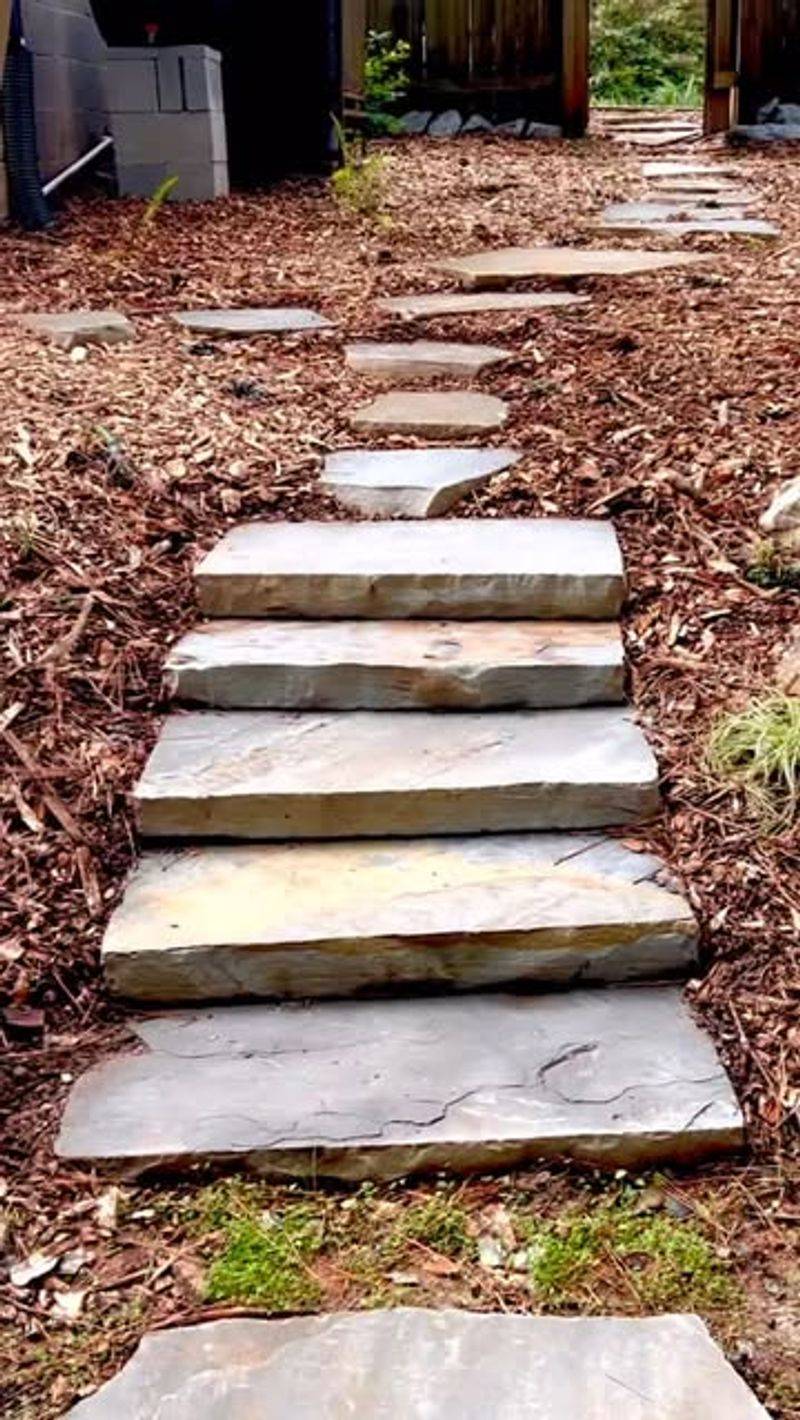
Picture this: you walk along your garden path on a summer morning, and without realizing it, your ankles brush through a tangle of mulch and low-hanging stems that have crept onto the walkway.
That small moment of contact is exactly how ticks find their way onto people and pets. Ticks do not jump or fly. They wait on vegetation and debris at the edge of a path, then grab onto anything that passes close enough.
When mulch drifts onto a walking path, it blurs the line between your garden bed and your travel zone. That transition zone becomes a prime spot for ticks to position themselves.
Mulch sitting on a hard surface also holds more moisture than mulch in a bed with drainage, making it an even better resting place for ticks on warm, humid Michigan days.
Your Michigan Garden Changes Every Week. Your Plan Should Too.
Gardening in Michigan changes quickly throughout the season. Every Friday you’ll receive a simple weekly plan showing exactly what to plant, prune, fertilize, harvest, and protect so you never miss the right timing.
Keeping a clean, clear edge between your mulched beds and your walking paths is one of the easiest ways to lower your risk of tick contact. Use a flat edging tool or a garden spade a couple of times each season to redefine that border.
Pull back any mulch that has crept over the line, and trim plants that are flopping outward onto the path. A tidy edge is not just about looks.
It genuinely reduces the chances of ticks hitching a ride on anyone passing through your yard.
3. Letting Mulch Borders Stay Damp Against Woodland Edges
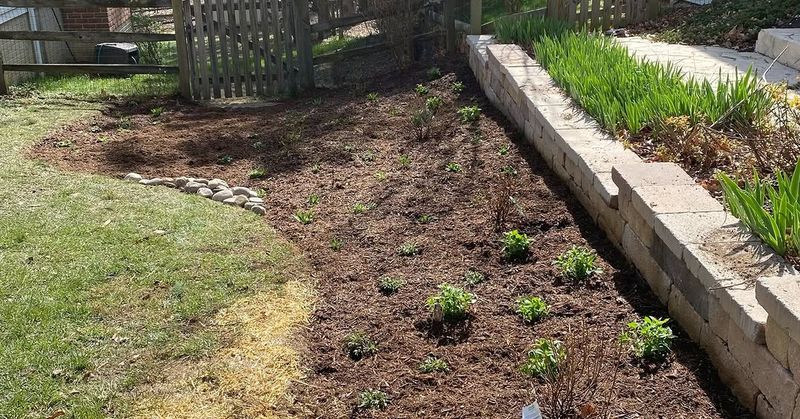
Yards that back up to woods, brushy areas, or unmowed fields have a built-in challenge when it comes to ticks. The woodland edge is already a prime tick habitat because it offers shade, leaf litter, and wildlife traffic all in one place.
When a mulched garden bed butts right up against that edge, it creates a seamless corridor that ticks can travel through without ever encountering a dry or sunny barrier.
Ticks tend to concentrate in what researchers call the ecotone, which is the transition zone between a manicured yard and wilder vegetation. A damp mulch border pressed against that zone basically extends the welcome mat.
The mulch retains moisture, provides cover, and connects the tick-friendly woodland to the rest of your yard. From there, ticks can work their way closer to your home, patio, and play areas.
One practical fix is to create a dry buffer zone between your mulched beds and any woodland or brushy edge. A strip of gravel, wood chips kept extra dry, or even mowed lawn grass can act as a barrier that ticks are reluctant to cross.
Researchers at the University of Rhode Island have found that a three-foot wide gravel or wood chip barrier significantly reduces tick movement from wooded edges into yards.
Keeping that border dry and well-maintained is a genuinely useful strategy for Michigan gardeners dealing with tick pressure near natural areas.
4. Never Refreshing Or Raking Old Mulch
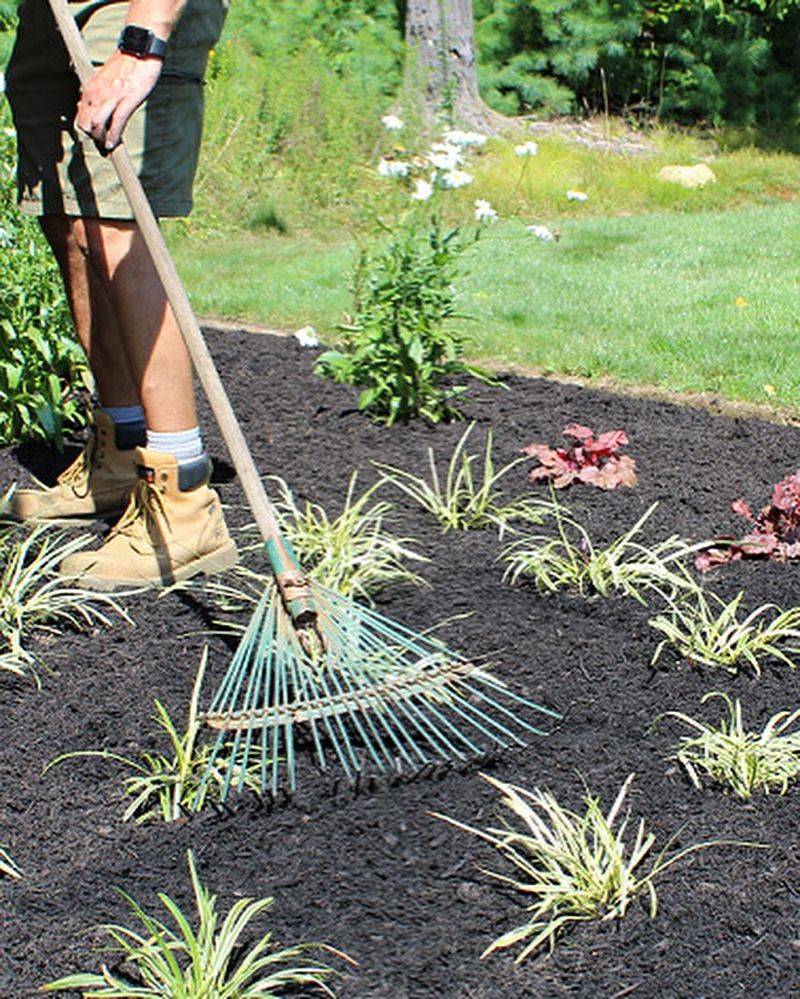
Old mulch that never gets raked or refreshed goes through a slow transformation that most gardeners do not think about.
Over time, the top layer weathers and fades while the bottom layers compact into a dense, moist mat that barely resembles the original material.
That compacted layer is a surprisingly welcoming environment for ticks, offering consistent moisture, shade, and organic debris to hide in.
Freshly applied mulch drains and dries more quickly after rain, especially on sunny days. Old, matted mulch holds water like a sponge and stays damp far longer.
The difference in drying time might seem minor, but for a tick, that extra moisture can mean the difference between surviving a dry spell or not.
Michigan summers can swing between heavy rains and dry stretches, and ticks in well-maintained mulch are less likely to find the consistent dampness they need.
Raking your mulch beds a couple of times during the growing season does more than just make them look fresh. It breaks up that compacted lower layer, improves airflow, and speeds up drying after rain.
When the old mulch has broken down significantly, topping it off with a thin fresh layer is a smart move.
Aim to rake first, remove any decomposed material that has turned to wet compost, and then add new mulch to bring the depth back to about two to three inches. Your garden will look better and feel far less tick-friendly.
5. Using Mulch To Hide Leaf Litter
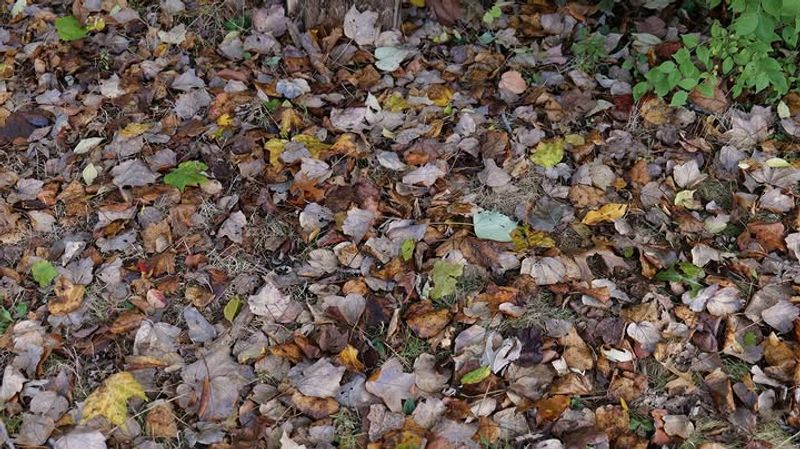
Autumn in Michigan means beautiful color and an enormous amount of leaf fall. It can be tempting to just rake those leaves into your garden beds and cover them with a fresh layer of mulch to tidy things up quickly.
The problem is that burying leaf litter does not eliminate it. It just hides it, and underneath that mulch layer, those leaves continue to break down in a cool, moist environment that ticks find very comfortable.
Leaf litter is actually one of the most studied tick habitats. Blacklegged ticks, the species that can carry Lyme disease, are strongly associated with leaf litter because it holds moisture and maintains a stable microclimate even during temperature swings.
When you bury a layer of leaves under mulch, you are essentially stacking two tick-friendly environments on top of each other. The result is a deeper, damper, more sheltered zone than either one alone would create.
The better approach is to remove leaf litter before applying or refreshing mulch. Rake leaves out of garden beds completely, bag them, or move them to a compost pile located away from high-use areas of your yard.
Once the bed is clear of old leaf debris, apply your mulch at a reasonable depth on bare soil.
It takes a little more effort in the fall, but clearing out that leaf layer first makes your mulched beds genuinely less hospitable to ticks throughout the following season.
6. Allowing Dense Ground Covers To Grow Through Mulch
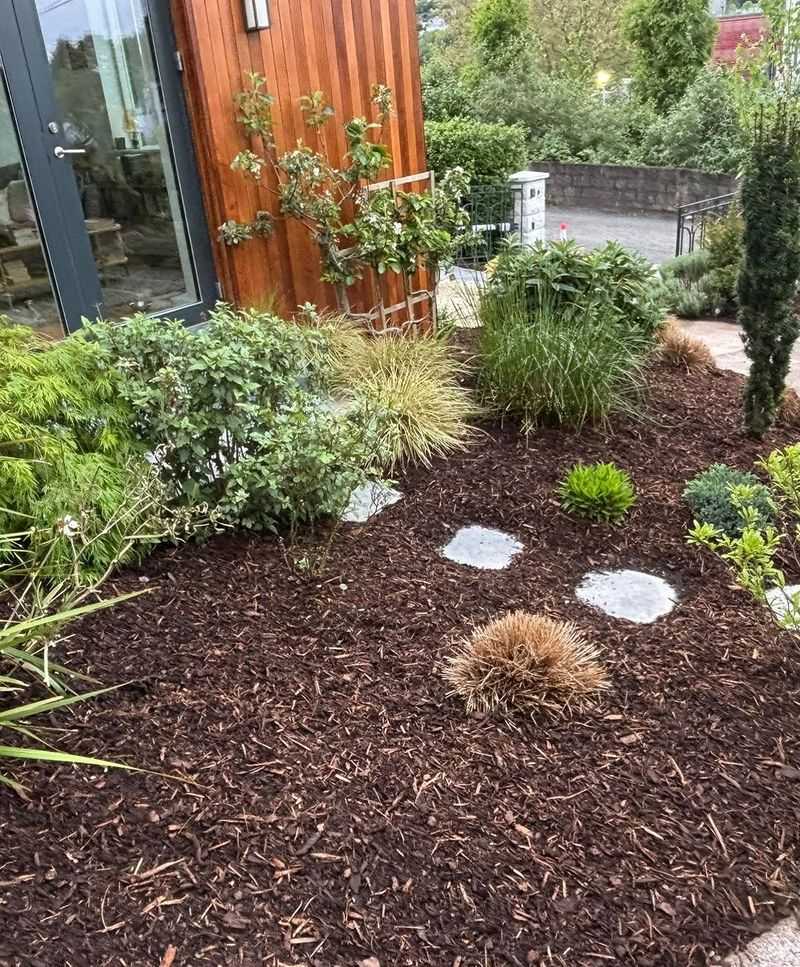
Ground covers like pachysandra, vinca, and creeping Jenny are popular choices in Michigan gardens because they fill in quickly and look lush.
What many gardeners do not realize is that when these plants grow thickly through a mulched bed, they create a layered canopy at ground level that shades the mulch below almost completely.
That shading keeps the mulch underneath cooler and far wetter than an open, sunny bed would ever get.
Ticks thrive in humid, shaded microclimates. A dense ground cover growing through mulch creates exactly that kind of space.
The leaves trap moisture from rain and morning dew, the mulch below stays wet, and the overall environment under the plant canopy becomes very stable in terms of humidity. For a tick, this is about as good as it gets outside of a forest floor.
Thinning out dense ground covers periodically helps a lot. You do not have to remove them entirely, but keeping growth from becoming an impenetrable mat allows more air and sunlight to reach the mulch surface.
Improved airflow means faster drying, which is one of the most effective natural controls for tick survival. Trimming plants back from path edges and seating areas is especially worthwhile.
Pairing a lighter plant density with a properly maintained mulch layer gives you a garden that still looks full and attractive without becoming a hidden habitat that ticks can quietly move into and thrive in season after season.
7. Extending Damp Organic Mulch Into High-Use Play Areas

Organic mulch looks natural and feels soft underfoot, which is why so many families use it around play sets, seating areas, and garden borders throughout their yards. The issue is not the mulch itself but where it ends up.
Spreading thick, moisture-retaining organic mulch right into the parts of your yard where your family spends the most time increases the chance of tick encounters significantly.
Ticks do not need to travel far to find a host. They simply position themselves at the edge of vegetation or debris and wait.
When damp organic mulch extends under a swing set or surrounds a patio seating area, ticks can use that mulch as a staging ground just inches from where children play and adults relax.
On warm Michigan afternoons when humidity is high, that mulch stays damp enough to keep ticks active and ready.
For high-use zones, consider switching to materials that dry faster and offer less organic appeal. Pea gravel, rubber mulch, or synthetic ground cover materials do not retain moisture the same way wood chips or bark do, making them far less tick-friendly.
If you prefer the look of organic mulch in play areas, keep it thin, rake it regularly, and let it dry out between uses.
Creating a clear separation between decorative garden beds and active play or seating zones is one of the smartest layout decisions a Michigan gardener can make for the whole family’s comfort.
8. Ignoring Airflow Around Mulched Beds
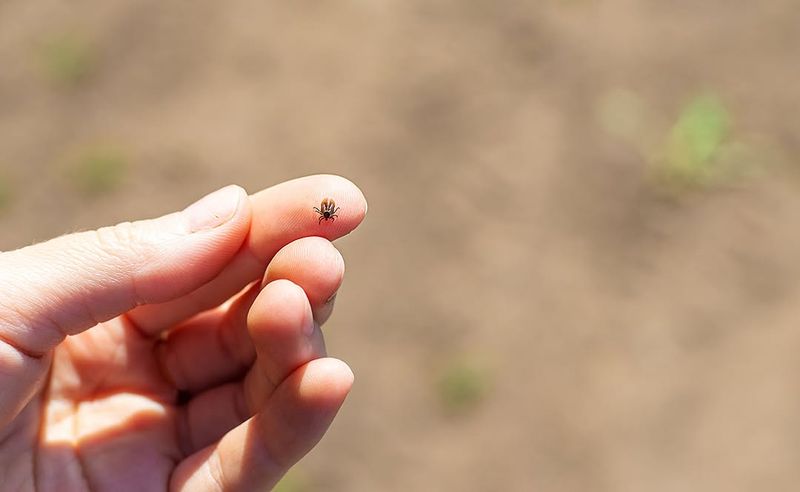
Airflow is one of those garden factors that rarely gets the attention it deserves. When shrubs grow dense and close together around a mulched bed, they block wind and shade the surface, which dramatically slows down how fast the mulch dries after rain.
On a breezy, sunny day, an open mulched bed can dry out within a few hours. A mulched bed surrounded by a wall of thick shrubs might stay damp for a full day or more.
That difference in drying time matters a great deal when it comes to ticks. Moisture is one of the key factors that determines whether a tick can survive in a given spot.
Studies have shown that ticks dehydrate and become less active in low-humidity conditions. A mulched bed with good airflow and sun exposure naturally creates those drier conditions, while a crowded, shaded bed does the opposite.
Pruning shrubs to open up space between plants and allow more sunlight to reach the mulch surface is a genuinely effective strategy.
You do not need to completely redesign your garden, but thinning out branches that crowd together over the bed makes a real difference.
Removing lower branches from larger shrubs also helps air move through at ground level where it counts most. Good garden airflow is not just about plant health.
It is one of the simplest, most overlooked ways to make your mulched beds significantly drier and less welcoming to ticks throughout the Michigan growing season.
9. Forgetting That Tick Prevention Requires More Than Mulch Management
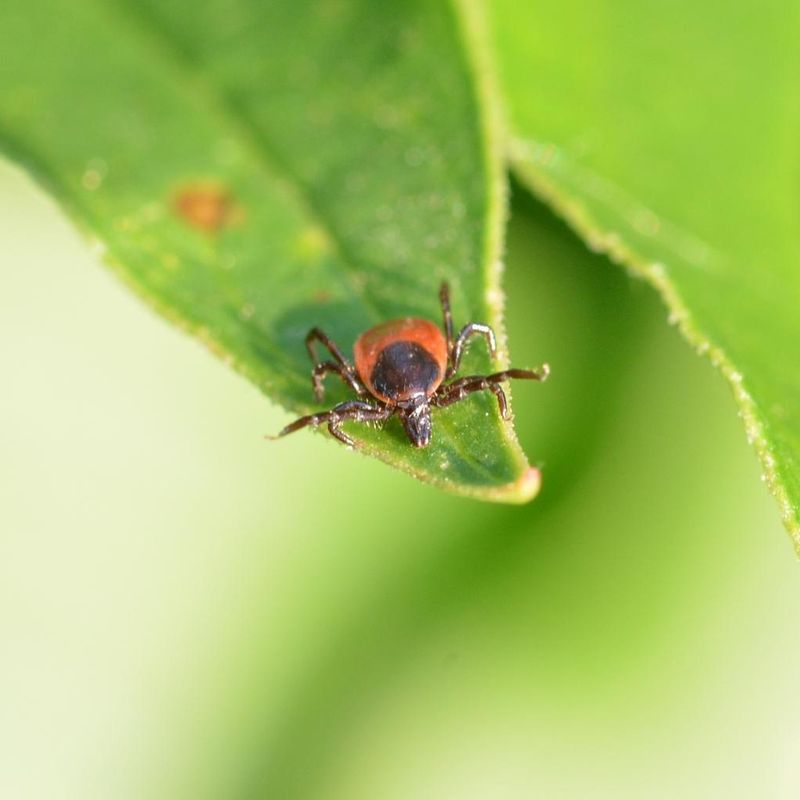
Mulch management is a genuinely useful part of reducing tick habitat in your yard, but it works best as one piece of a larger strategy. Thinking of it as the whole solution can give gardeners a false sense of security.
Ticks move through yards in multiple ways, and mulch is just one of many environments they use to survive and find hosts.
Mowing your lawn regularly is one of the most effective tick-reduction steps you can take. Short grass dries faster and offers far less cover than tall, unmowed turf.
Clearing brush piles, trimming back overgrown vegetation along fences and property edges, and removing leaf litter from corners of the yard all reduce the overall amount of tick-friendly habitat available.
Each of those steps, combined with smart mulch practices, adds up to a meaningfully safer yard.
Regular tick checks after spending time outdoors are just as important as anything you do in the garden. Ticks can move from any part of the yard, not just mulched beds, and catching one early makes a big difference.
Wearing light-colored clothing in the garden, tucking pants into socks, and using EPA-registered repellents are all practical habits worth building.
Michigan gardeners who combine good mulch practices with mowing, brush control, and personal awareness create a yard that is genuinely less hospitable to ticks from the first warm days of spring all the way through the fall season.