The Native Michigan Plant That Looks Like A Weed Until It Blooms
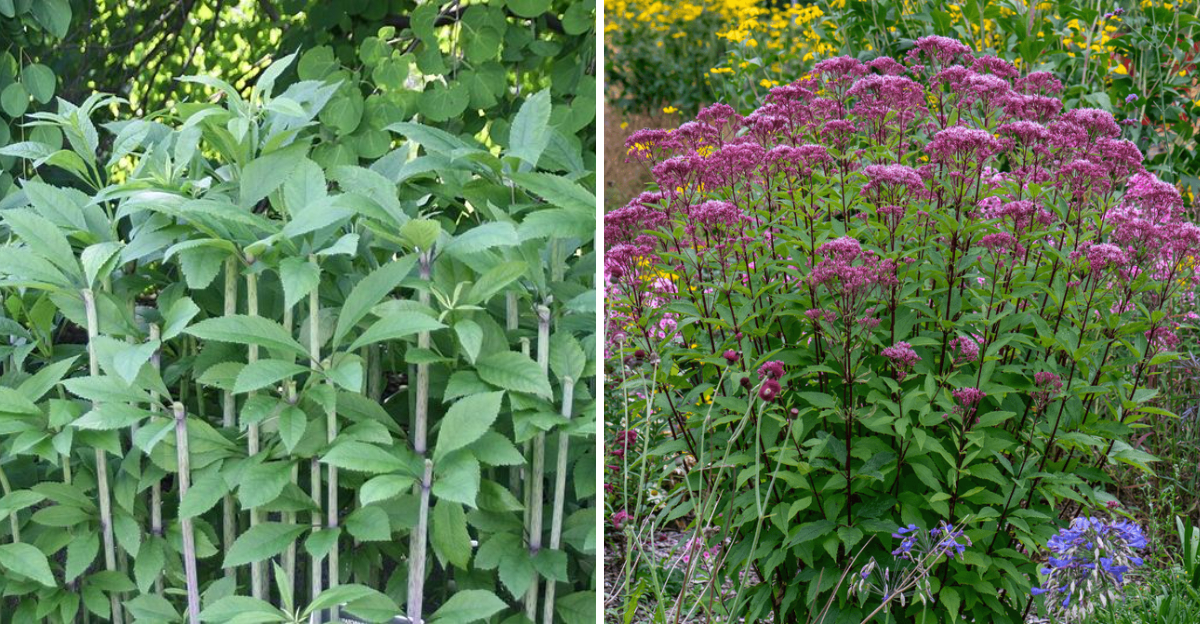
Joe-Pye Weed has a branding problem, and it starts with the name. Nothing about the words “Joe-Pye Weed” suggests that this plant is about to become one of the most impressive things in a late summer Michigan garden.
Early in the season it does not help itself much either, sending up tall leafy stems with rough foliage that looks entirely capable of having wandered in uninvited from a roadside ditch. And then late summer arrives.
Those same stems erupt into enormous soft pink flower clusters that pull in butterflies and bees in numbers that make the whole garden feel genuinely alive.
Joe-Pye Weed is a true Michigan native, it earns every inch of space it takes up, and it absolutely deserves a better reputation than its name suggests.
1. Joe-Pye Weed Looks Plain Before Bloom
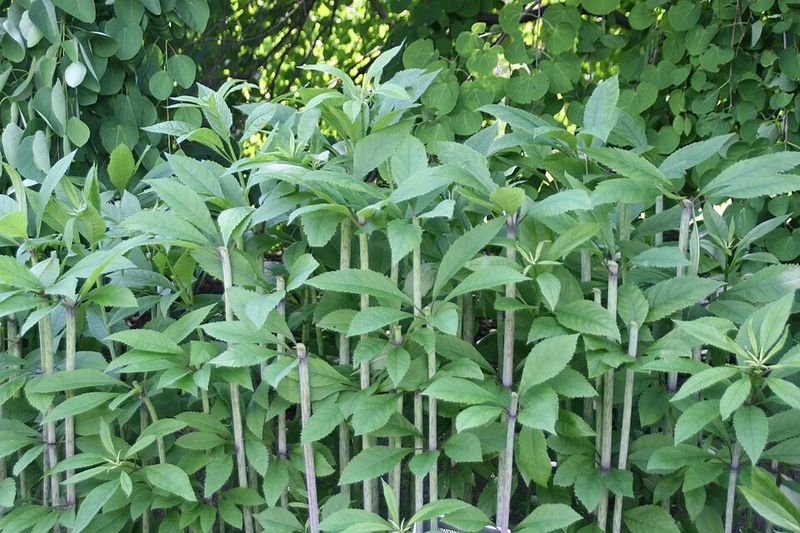
Those tall, rough-looking stems pushing up from a damp garden edge in early summer rarely get a second glance. Before Joe-Pye Weed blooms, it can look a lot like something you never planted on purpose.
The leaves are large, coarsely toothed, and arranged in whorls around thick stems that can reach six to eight feet by midsummer.
Without flowers to hint at what is coming, the plant blends in with other wild-looking vegetation along Michigan pond edges, swales, and naturalized corners.
Many homeowners mistake it for common ragweed or another roadside weed during its early weeks. The stems are sturdy but not especially attractive, and the foliage does not offer much color variation.
Some gardeners who have not seen it bloom before will pull it out during spring cleanup without a second thought.
Leaving it in place requires a bit of patience and some familiarity with what Michigan native plants look like before their season peaks.
Marking young plants with a small stake or garden label during the first year can help you avoid accidentally removing something worth keeping.
Once you have watched Joe-Pye Weed go from plain green stems to a full late-summer display, you will likely want to give it more room rather than less in your Michigan garden.
2. Late Summer Flowers Change Everything
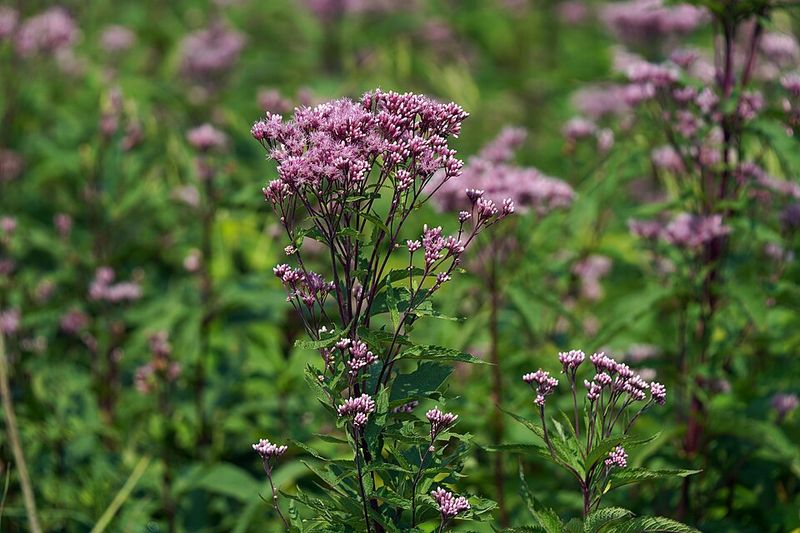
Around mid to late August in Michigan, something shifts in the back of the border. Stems that looked unremarkable for weeks suddenly carry large, domed clusters of dusty pink to mauve flowers that rise well above most nearby perennials.
That change is hard to miss once it happens, and it tends to stop gardeners in their tracks the first time they witness it.
The flower heads on Joe-Pye Weed are not small or subtle. Each cluster can span several inches across, and a well-established clump may carry dozens of them at once.
The soft pink color catches late-summer light in a way that feels warm and natural rather than showy or forced, which suits Michigan native garden aesthetics well.
Bloom time also lines up with a stretch of the season when many other perennials have already finished. Joe-Pye Weed fills that late-summer gap with reliable color when much of the garden has quieted down.
Your Michigan Garden Changes Every Week. Your Plan Should Too.
Gardening in Michigan changes quickly throughout the season. Every Friday you’ll receive a simple weekly plan showing exactly what to plant, prune, fertilize, harvest, and protect so you never miss the right timing.
That makes the bloom feel even more valuable, because it arrives just as many Michigan beds need fresh height, movement, and pollinator activity.
For Michigan gardeners who want something meaningful still happening in August and into September, this plant earns its place.
The transition from plain stem to full flower head reminds you why holding off on that early-season pull was the right call. Timing matters a great deal with native plants, and Joe-Pye Weed rewards the patient gardener.
3. Pink Flower Clusters Draw Pollinators
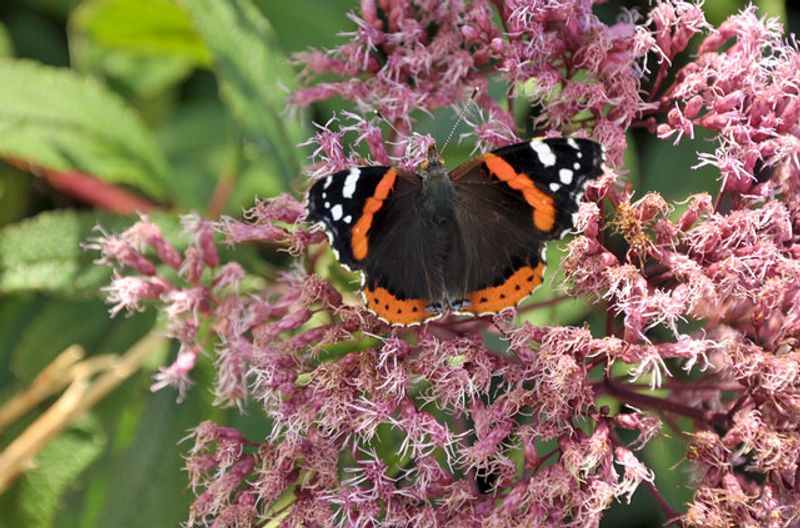
Watch a blooming Joe-Pye Weed for ten minutes on a warm August afternoon and you will likely count several different pollinator species visiting the flowers.
Monarch butterflies, swallowtails, fritillaries, and various native bees are commonly spotted on the pink flower heads during peak bloom.
The plant has a long history of supporting late-season pollinators that need nectar sources as summer begins to wind down.
Michigan gardeners who are building or improving pollinator gardens often look for plants that bloom after midsummer, when many early-season natives have already finished. Joe-Pye Weed fits that window well.
That timing can make it especially noticeable in August, when its large flower heads stand above the garden and offer nectar while the rest of the bed is starting to shift toward fall.
Its flower clusters provide a generous landing surface, which makes them accessible to a wide range of visiting insects.
Smaller native bees that might struggle on narrow flowers seem comfortable foraging across the broad, flat-topped clusters.
Placing Joe-Pye Weed near other late-blooming Michigan natives like ironweed, boneset, or swamp milkweed can extend the value of your pollinator planting across a wider stretch of the season.
The combination of height, late bloom, and flower structure makes it a practical choice for naturalized Michigan borders where supporting pollinators is a priority.
Results will vary depending on your local pollinator population and surrounding habitat, but the plant has a well-established reputation for drawing attention once it opens.
4. Moist Soil Helps It Thrive
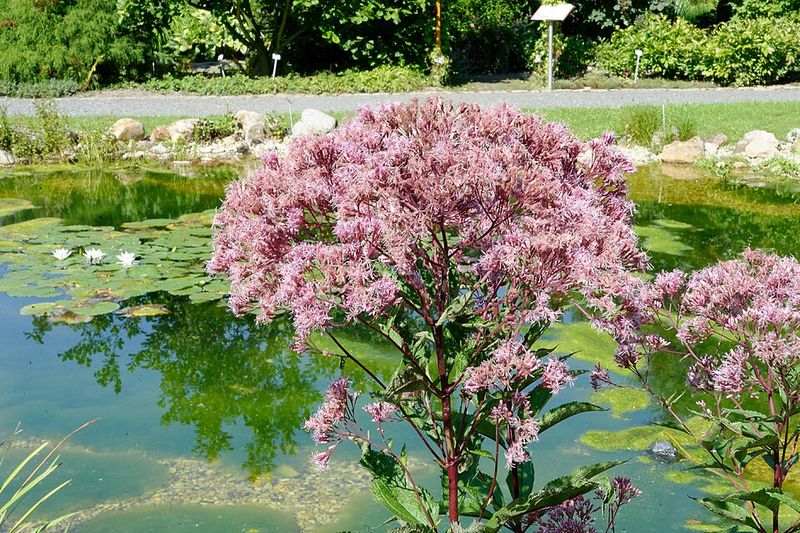
Damp spots in a Michigan yard that feel like a problem can actually be an opportunity when you choose the right plants for them. Joe-Pye Weed is naturally adapted to moist soils, and it tends to do its best work in areas where water lingers a bit longer after rain.
Low spots near downspouts, swales, pond edges, and the margins of wet meadows are all environments where this plant feels at home.
In drier conditions, Joe-Pye Weed may survive but often looks stressed, grows shorter than expected, or produces fewer flower clusters. Consistently dry or sandy soil is not where this plant performs well.
Michigan gardeners working with heavy clay soils that stay wet in spring and early summer may find that Joe-Pye Weed settles in with much less fuss than many other perennials.
Supplemental watering during extended dry spells can help if you have planted it in a spot that gets drier than ideal. Mulching around the base of the plant helps retain soil moisture and moderate soil temperature through the season.
Understanding its moisture preference before you plant saves a lot of guesswork later. Matching plants to the conditions your Michigan yard already offers, rather than fighting those conditions, tends to produce much more satisfying results over time.
5. Tall Stems Add Garden Drama
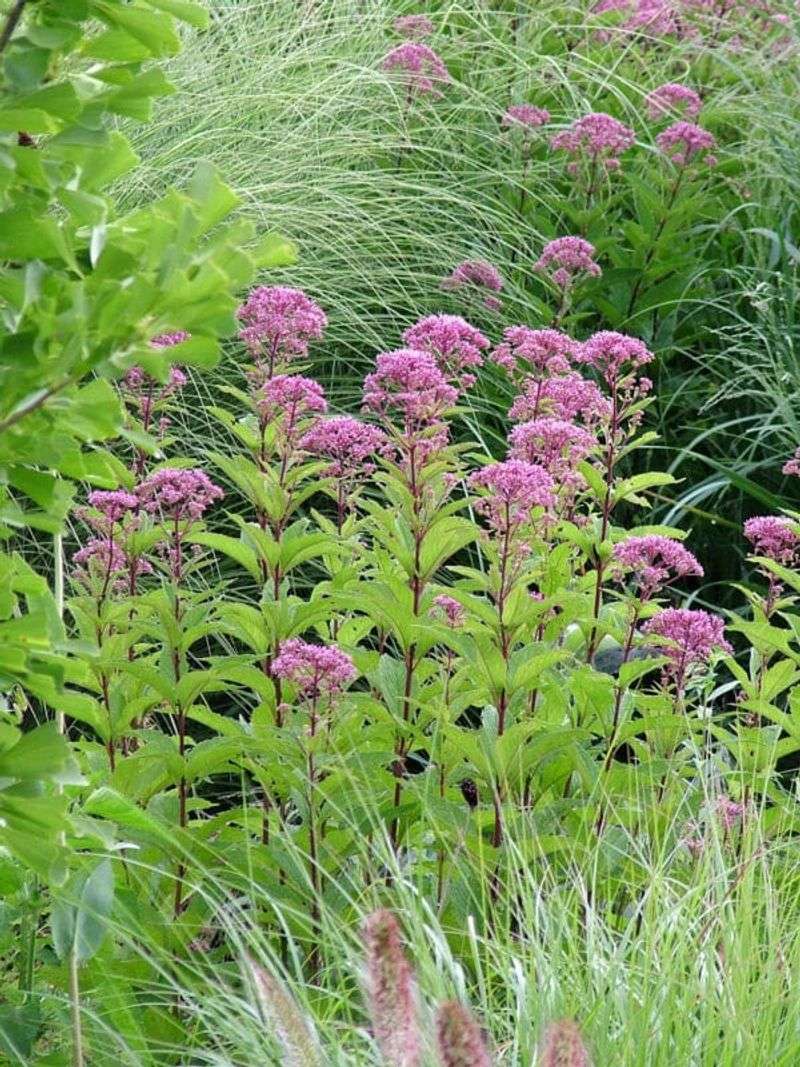
Few native Michigan perennials make a visual statement the way a mature Joe-Pye Weed does at the back of a border. Stems commonly reach six to eight feet at maturity, and in rich, moist soil with good light, they can push even taller.
That kind of height gives a naturalized bed a layered, full look that shorter plants simply cannot provide on their own.
Height like this works best when it is planned rather than accidental.
Placing Joe-Pye Weed at the back of a mixed native border, along a fence line, or at the edge of a property where it has room to spread upward without blocking views makes a big difference in how the plant reads in the landscape.
Tucking it into a small, tidy bed where it towers awkwardly over everything else tends to feel out of place.
When the placement is right, those tall stems become a genuine asset.
They create vertical interest, provide a backdrop for mid-height plants like swamp milkweed or wild bergamot, and give the whole planting a sense of scale that feels connected to Michigan’s native landscape.
Late in the season, the dried seed heads also add winter texture to the garden. Birds may visit the stems as well, extending the plant’s usefulness well past its bloom window.
6. Rain Gardens Are A Natural Fit
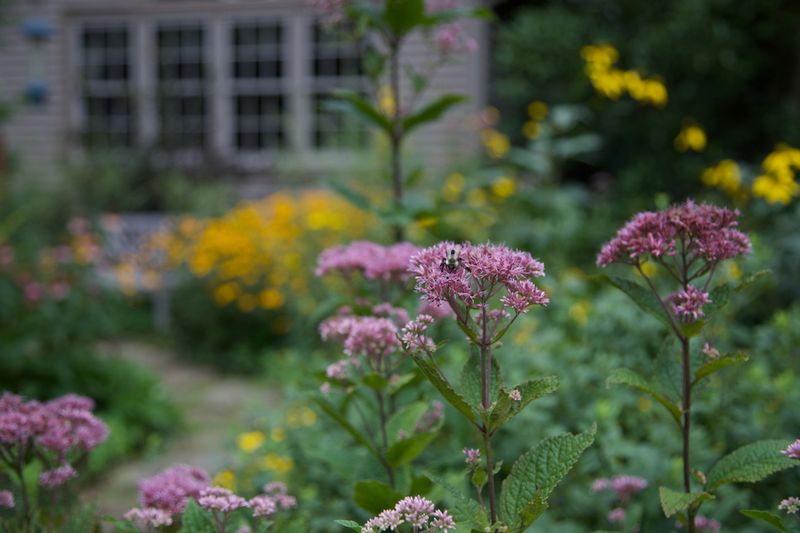
Rain gardens have become a popular tool for Michigan homeowners dealing with yard drainage issues, and Joe-Pye Weed is one of the plants that fits into these installations naturally.
A rain garden is designed to capture and slowly absorb stormwater runoff, which means the soil in the center of the bed stays wetter than average for stretches of time after a rain event.
That is exactly the kind of moisture condition Joe-Pye Weed is built for.
Its deep root system helps with water infiltration over time, and its tolerance for temporary standing water makes it more reliable in rain garden settings than many ornamental perennials that prefer consistently drained soil.
Michigan Extension resources frequently recommend native plants with these moisture tolerances when guiding homeowners through rain garden plant selection.
Pairing Joe-Pye Weed with other moisture-tolerant Michigan natives like blue flag iris, swamp milkweed, or cardinal flower creates a rain garden that handles water management while also providing pollinator habitat and late-season color.
The tall stems of Joe-Pye Weed give the rain garden a sense of structure and presence that smaller plants alone cannot achieve.
For Michigan homeowners looking for a functional and visually interesting native planting solution, a well-placed rain garden anchored by Joe-Pye Weed checks several boxes at once.
7. Native Habitat Explains Its Wild Look
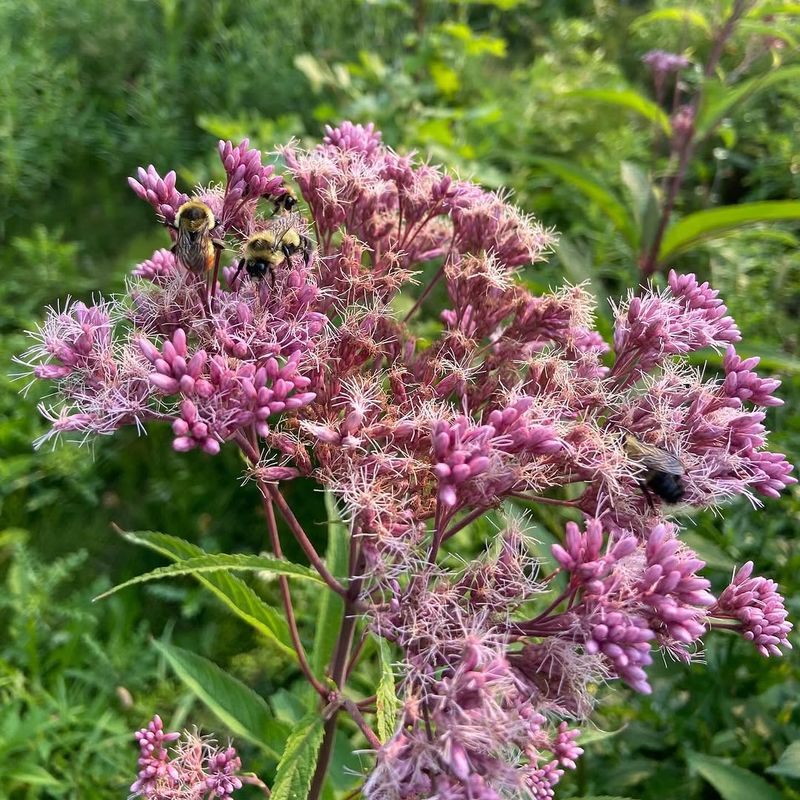
Spend time along a Michigan streambank, woodland edge, or wet meadow in midsummer and you may spot Joe-Pye Weed growing in its natural element. It tends to show up in places where the soil stays reliably moist and light is available for at least part of the day.
These are not manicured settings, which is a big reason the plant carries that untamed, slightly rough appearance that can throw off gardeners who are used to tidy ornamental perennials.
Its native habitat also explains why it grows so tall and produces such large leaves. In a natural Michigan woodland edge or meadow, competition for light is real, and plants that can push upward have an advantage.
The coarse texture and vigorous growth habit that make Joe-Pye Weed look weedy in a formal bed are actually well-suited adaptations to the environments where it evolved.
Understanding where a plant comes from helps you work with it rather than against it.
When you recreate something close to its native conditions in a Michigan backyard habitat garden, naturalized border, or rain garden, the plant responds with strong, healthy growth and reliable bloom.
Trying to force it into conditions far removed from its natural habitat tends to produce weaker results. Its wild look is not a flaw; it is a reflection of where it genuinely belongs.
8. Smart Placement Keeps It Intentional
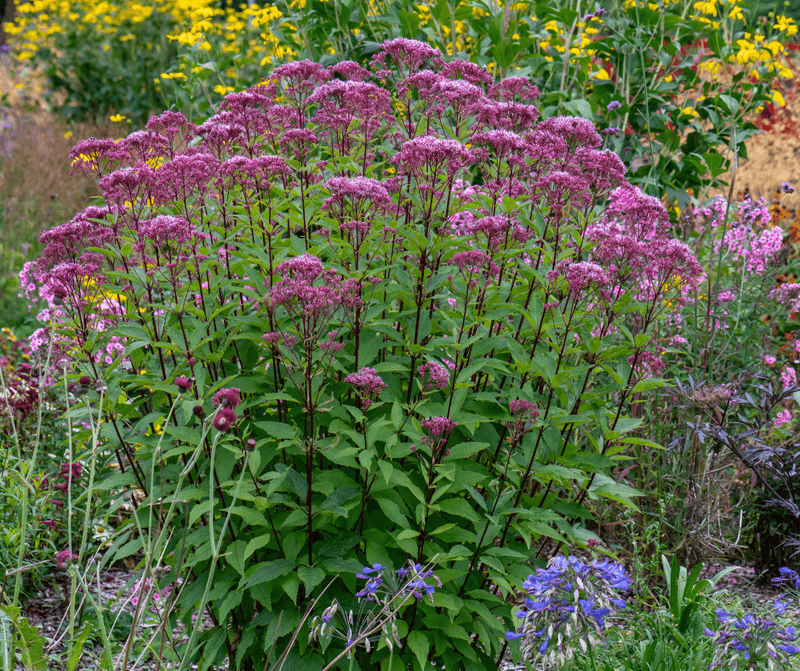
One of the most common frustrations Michigan gardeners have with Joe-Pye Weed comes down to placement. Planted in the wrong spot, it can feel overwhelming, block sight lines, or simply look out of scale with the rest of the yard.
Planted thoughtfully, it becomes the kind of plant that makes visitors stop and ask what it is.
Back-of-border placement works well in most residential Michigan landscapes.
Positioning it where taller growth looks natural, such as along a fence, beside a garage, at a property edge, or behind a naturalized bed of shorter natives, allows the plant to do what it does best without creating visual chaos.
Giving it enough horizontal space also matters, since established clumps can spread into a wide mass over several seasons.
Leaving that extra room around the plant helps the tall stems look intentional instead of crowded, especially once the flower clusters open and draw the eye from across the yard.
Pairing Joe-Pye Weed with plants that complement its scale and bloom time, like tall goldenrod, ironweed, or switchgrass, creates a cohesive late-summer planting rather than a single towering outlier.
If your Michigan yard has a small, formal, or dry bed in mind, a different native may serve you better.
But for moist, naturalized, or rain garden settings where there is room to think big, Joe-Pye Weed placed with intention can anchor an entire planting and carry it through the best weeks of late summer.