Ground Covers Pennsylvanians Are Using In Shady Areas To Help Deter Ticks
Shade creates some of the most tick-friendly conditions in a Pennsylvania yard. The low light, cool ground, and moisture that shaded areas hold are exactly what ticks prefer, and the ground-level coverage that typically fills those spots often does nothing to discourage them.
Most approaches to tick management focus on treatments or barriers at the yard’s edge, but what actually grows across the shaded ground plays a role too, and choosing those plants with tick deterrence in mind adds a layer of protection that works continuously without any extra effort.
Certain groundcovers produce scents and compounds that ticks navigate around rather than through, and when established across shady areas, they make those spaces genuinely less hospitable to tick activity.
Pennsylvania gardeners who have started filling their shaded ground with these plants are getting coverage that solves a landscaping problem and contributes something useful to outdoor comfort at the same time.
1. Pennsylvania Sedge
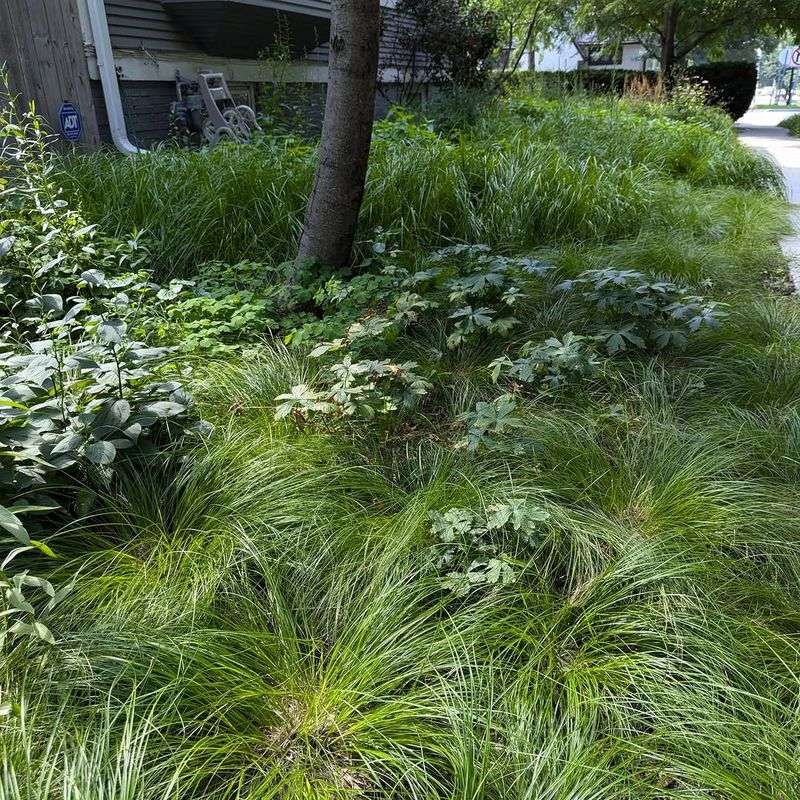
Walk through any shaded Pennsylvania woodland and you might already spot this quiet overachiever growing underfoot.
Pennsylvania Sedge, known scientifically as Carex pensylvanica, is a native, low-growing grass-like plant that forms a dense, tidy carpet in spots where regular lawn grass simply refuses to cooperate.
Ticks tend to prefer areas with tall weeds, leaf litter, and brushy, overgrown patches. By replacing that kind of messy vegetation with a neat, close-to-the-ground cover like Pennsylvania Sedge, you are essentially taking away the hiding spots those pests depend on.
The plant grows only about six to twelve inches tall and spreads slowly over time to fill in bare soil.
One of the biggest advantages here is how well this plant handles dry shade. Under large trees where nothing else seems to grow, Pennsylvania Sedge quietly thrives.
It requires very little maintenance once established, which makes it a favorite for busy homeowners.
You do not need to mow it often, and it stays green through much of the year, giving your yard a cleaner, more finished look. Some gardeners even use it as a lawn alternative in areas where mowing is difficult or impractical.
Since it is native to Pennsylvania, it also supports local insects, birds, and wildlife. Planting it helps restore a bit of the natural ecosystem right in your backyard.
For anyone dealing with shady spots that tend to get overgrown and weedy fast, Pennsylvania Sedge is a practical, attractive solution worth considering.
2. Wild Ginger
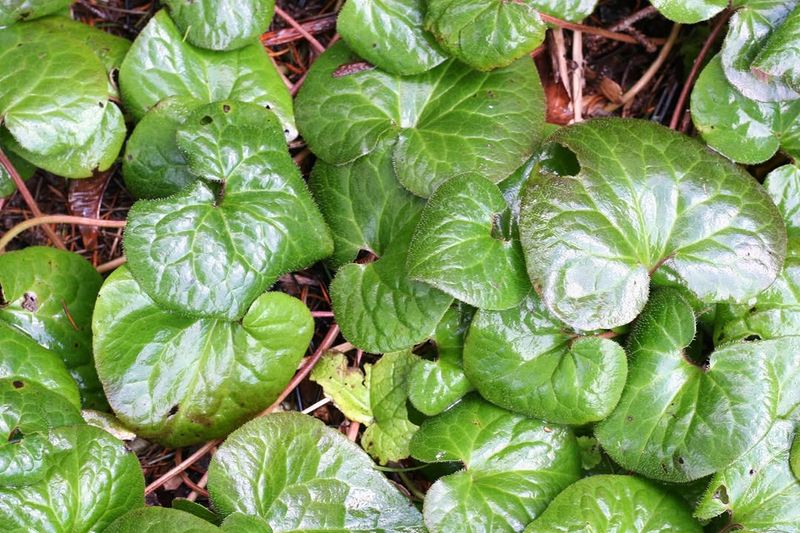
There is something almost secretive about Wild Ginger. It hugs the ground quietly, spreads steadily, and transforms bare, shadowy soil into a rich, lush mat of heart-shaped leaves.
Asarum canadense, as it is formally known, is a native woodland plant that has been growing in Pennsylvania forests long before anyone thought to put it in a garden.
For homeowners dealing with shaded areas that seem to attract weeds and overgrowth, Wild Ginger offers a satisfying fix. Its dense foliage covers soil thoroughly, leaving very little open ground for unwanted plants to take hold.
Fewer weeds means fewer brushy, tangled spots where ticks can set up camp and wait for a passing host.
Your Pennsylvania Garden Changes Every Week. Your Plan Should Too.
Gardening in Pennsylvania changes quickly throughout the season. Every Friday you’ll receive a simple weekly plan showing exactly what to plant, prune, fertilize, harvest, and protect so you never miss the right timing.
The leaves are broad, soft, and surprisingly attractive. They create a layered, woodland-garden look that feels intentional and polished rather than wild or neglected.
Unlike some ground covers that look scraggly in deep shade, Wild Ginger genuinely thrives in low-light conditions.
Did you know that Wild Ginger gets its name from the spicy, ginger-like scent of its roots? Native Americans historically used the roots for flavoring food, though it is not related to the culinary ginger found in grocery stores.
It spreads through underground rhizomes, slowly expanding outward each season without becoming invasive or hard to manage. Once established, it needs minimal care and handles Pennsylvania winters without complaint.
For anyone wanting a beautiful, functional ground cover that helps keep shaded beds looking neat and less tick-friendly, Wild Ginger is a plant worth getting to know.
3. Allegheny Spurge
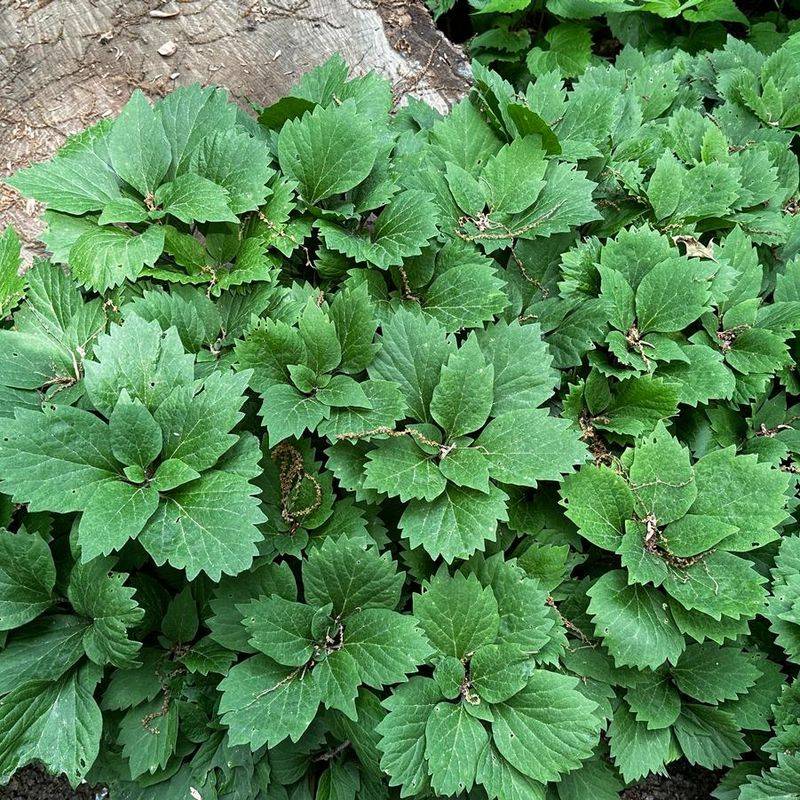
Most people have heard of Japanese Pachysandra, but its American cousin, Allegheny Spurge, deserves a lot more attention.
Pachysandra procumbens is native to the eastern United States and brings something special to shaded Pennsylvania gardens: thick, semi-evergreen foliage that covers the ground densely and keeps brushy, tick-friendly growth from taking over.
Ticks love areas with tall grass, shrubby undergrowth, and cluttered leaf debris. Allegheny Spurge helps combat exactly that kind of environment by forming a low, leafy layer that suppresses competing weeds and fills in bare patches under trees and along woodland edges.
A cleaner ground layer means fewer places for ticks to lurk. The leaves of Allegheny Spurge are genuinely eye-catching.
They are matte green with subtle silver marbling, and in late winter or early spring, the plant produces small, lightly fragrant white flowers. It is a plant that earns its keep both practically and visually.
Unlike Japanese Pachysandra, which can sometimes spread aggressively, Allegheny Spurge behaves itself in the garden. It expands at a reasonable pace and tends to stay where you put it, making it easier to manage over the long term.
It handles dry shade well, which is a common challenge in yards dominated by large, established trees. Once it settles in, it requires very little watering or attention.
For Pennsylvania homeowners who want a tough, native, low-maintenance ground cover that helps reduce the kind of overgrown, brushy conditions ticks prefer, Allegheny Spurge is a strong and practical choice for shaded spots.
4. Foamflower
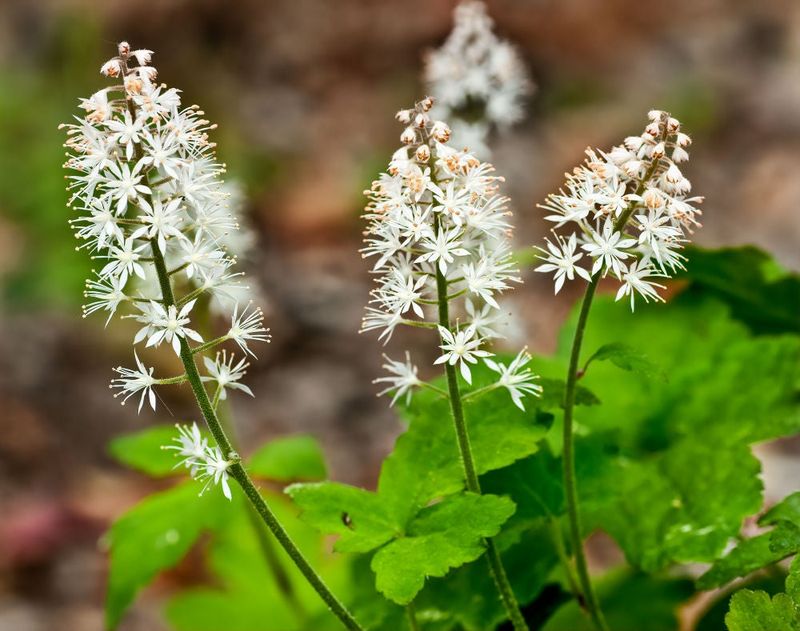
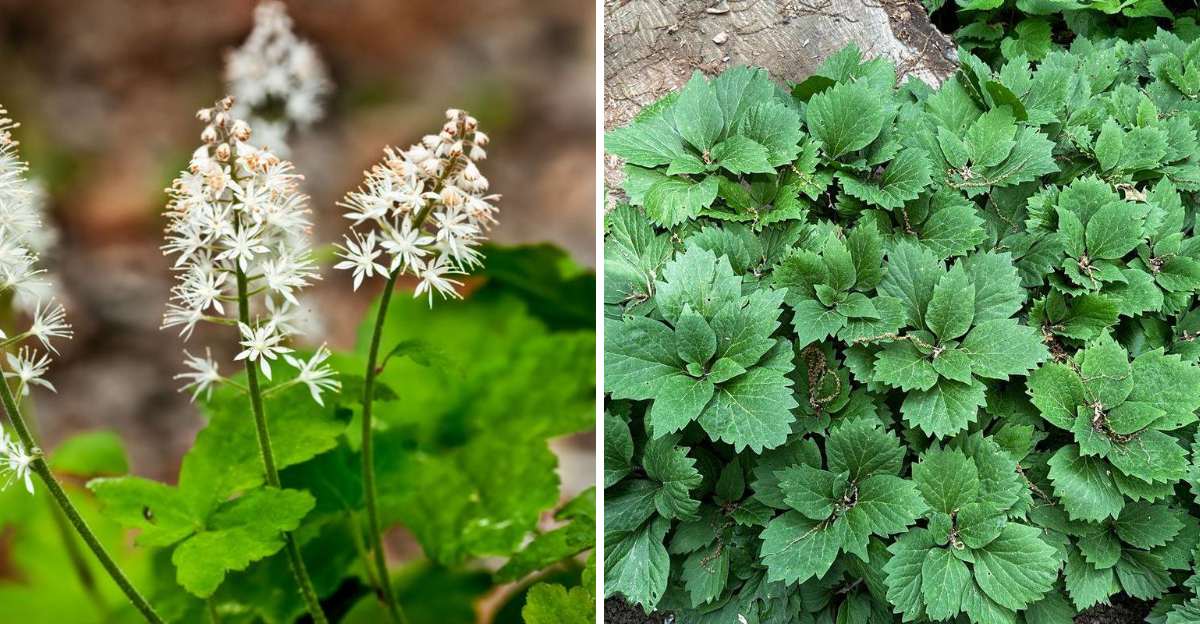
Few plants manage to be both pretty and practical quite like Foamflower. Tiarella cordifolia earns its charming name from the frothy clusters of tiny white flowers it sends up each spring, but its real value in a shaded yard goes far beyond good looks.
Foamflower spreads gently through shady garden beds, filling in gaps and covering bare soil with a dense, leafy mat. That matters because open, weedy soil and overgrown vegetation are exactly the kinds of conditions that make shaded yards more welcoming to ticks.
By suppressing weeds and keeping the ground covered, Foamflower helps reduce the habitat those pests depend on to survive and wait for hosts.
It is native to Pennsylvania and much of the eastern United States, which means it is already well-suited to local growing conditions.
It handles the cold winters, humid summers, and varied soil types that come with gardening in this region. You will not have to baby it through the seasons.
The foliage stays attractive even after the blooms fade. The leaves are lobed and often marked with interesting darker patterns, giving shaded beds a layered, textured look through the warmer months.
Some varieties even show hints of bronze or burgundy in cooler weather. Foamflower spreads through runners, so it gradually fills in an area without becoming overwhelming or hard to control.
It works beautifully along shaded borders, under trees, or in woodland-style garden beds. For homeowners wanting a native plant that adds charm while helping keep shaded areas tidy and less hospitable to ticks, Foamflower is a wonderful option.
5. Green-And-Gold
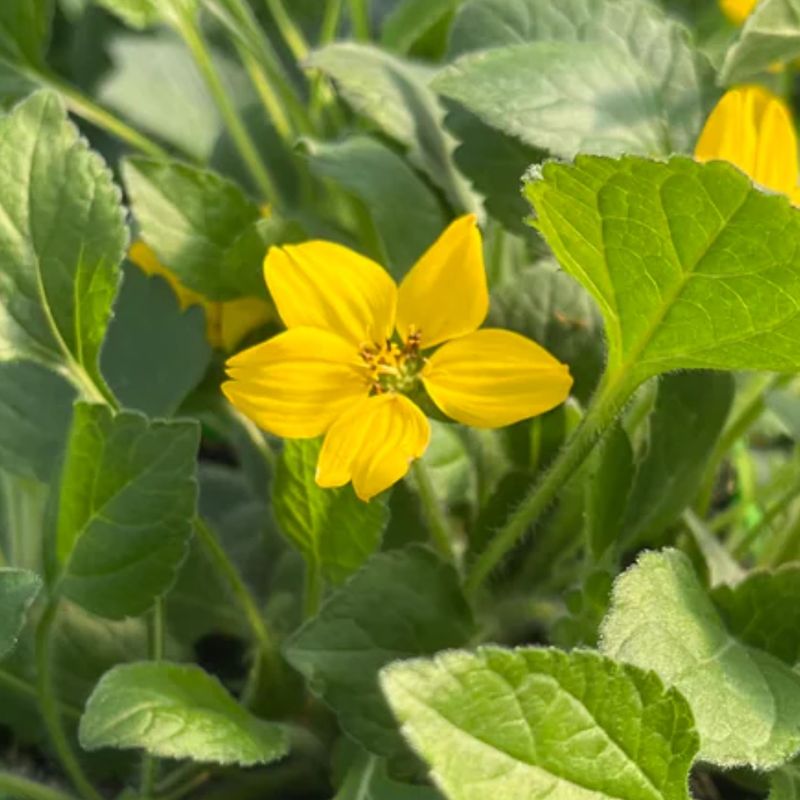
Bright yellow flowers popping up in a shaded corner of the yard? That is Green-and-Gold doing what it does best.
Chrysogonum virginianum is a low-growing, semi-evergreen native plant that brings cheerful color to part-shade areas while quietly doing some serious work at ground level.
One of the biggest tick-related concerns in shaded yards is open, weedy ground that creates a patchwork of vegetation where ticks can easily hide and wait.
Green-and-Gold addresses that problem by creating a dense, continuous ground layer that leaves little room for unwanted plants to move in. Fewer weeds and less scrubby growth means a tidier, less tick-inviting environment.
The plant typically grows about six to nine inches tall and spreads steadily through a combination of runners and self-seeding. It is not aggressive, but it fills in reliably over time, which makes it a great long-term investment for shaded beds and borders.
Green-and-Gold blooms from spring through early summer, and in some conditions, it will push out a few flowers again in fall.
Those bright yellow blossoms attract native pollinators like bees and small butterflies, adding extra ecological value to your yard beyond just weed suppression.
It handles part shade to light shade well and tolerates a range of soil conditions, including the dry, root-filled soil often found under mature trees. Maintenance is minimal once the plant establishes itself.
For Pennsylvania homeowners wanting a native ground cover that combines visual appeal with practical benefits in shaded areas, Green-and-Gold brings a lot to the table without asking much in return.
6. Christmas Fern
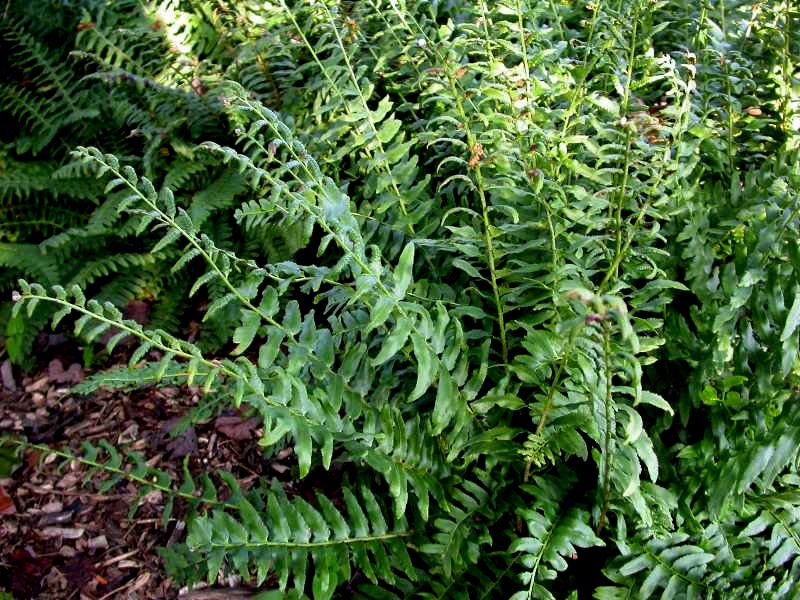
Named for the fact that its fronds stay green straight through the holiday season, Christmas Fern is one of the most reliable and recognizable native plants in Pennsylvania.
Polystichum acrostichoides grows in bold, arching clumps that bring year-round structure to shaded woodland borders and garden edges.
That year-round presence is actually a big deal when it comes to managing tick habitat. Shaded areas that go bare and weedy in fall and winter can become prime spots for ticks to shelter in leaf litter and low brush.
Christmas Fern keeps those areas covered and structured throughout the colder months, helping to maintain a cleaner, less overgrown border even when most other plants have gone dormant.
Each frond can reach up to two feet long, and the clumps spread gradually over time, filling in along woodland edges and shaded slopes.
The plant handles erosion well, too, making it especially useful on hillsides or uneven terrain where other ground covers struggle to establish.
Christmas Fern is incredibly tough. It tolerates deep shade, dry conditions, and rocky or clay-heavy soils without much complaint.
Once it is established, it pretty much takes care of itself, which is great news for homeowners who do not want to spend every weekend maintaining their landscaping.
Wildlife also benefits from Christmas Fern. Birds use the dense clumps for cover, and the plant supports small insects that are part of the broader food web.
For anyone looking to clean up shaded woodland borders, reduce overgrowth, and make their yard a little less welcoming to ticks, Christmas Fern is a hardworking, handsome, and deeply practical choice.