How Bird-Friendly Michigan Yards May Help Support Natural Tick Control
Most conversations about ticks in Michigan focus on what to spray, what to wear, and where to check after being outside.
Those things matter, but there’s a quieter layer of tick management happening in some yards that doesn’t get nearly enough attention.
Certain birds eat ticks in meaningful numbers, and a yard that supports healthy bird activity may be doing more passive tick suppression than most homeowners realize.
The connection isn’t perfectly simple, and it’s not a complete solution on its own, but the research behind it is interesting enough that more Michigan gardeners are paying attention to it.
The overlap between a yard that birds find genuinely attractive and a yard with lower tick pressure turns out to be pretty significant.
And most of what it takes to support one also supports the other, which makes the whole approach feel worth exploring seriously.
1. Birds Help Control Many Yard Insects
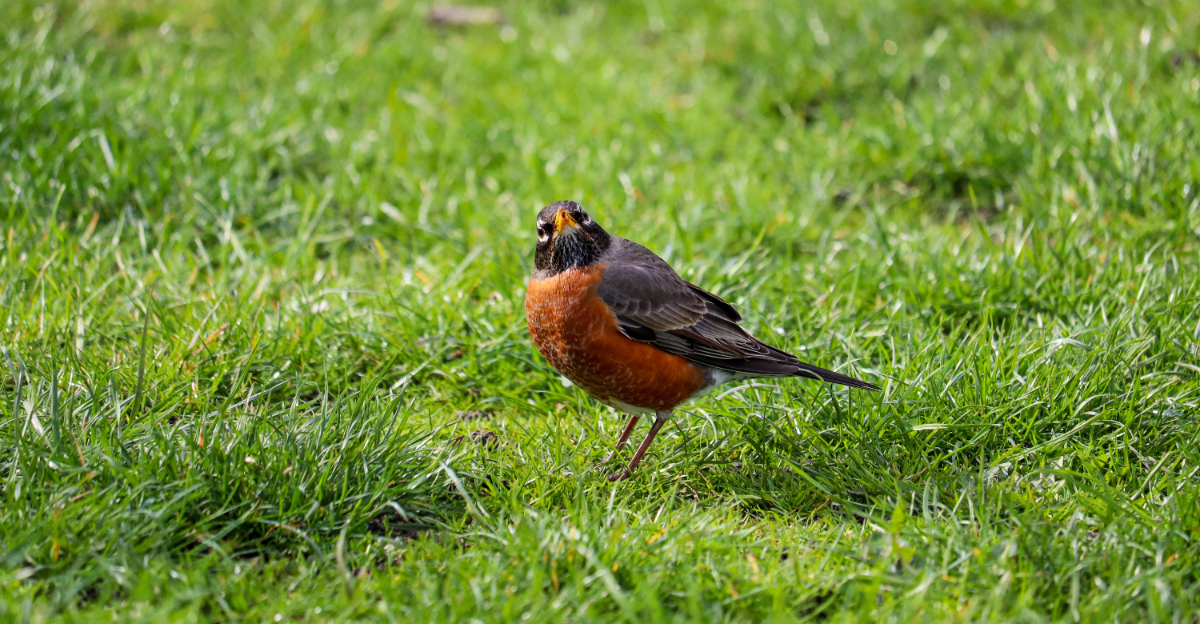
Robins hopping across a dewy lawn, chickadees darting through shrubs, wrens poking into leaf litter, these birds are on a constant hunt for food, and insects are their main target.
Songbirds consume enormous quantities of insects throughout the warmer months, making them natural partners in any yard ecosystem.
While no single bird species is a guaranteed solution to tick problems, their ongoing foraging activity is genuinely valuable.
Michigan yards that attract a variety of insectivorous birds tend to support more balanced pest populations over time. Robins, for example, pull earthworms and surface insects from the soil.
Chickadees and nuthatches work tree bark for hidden bugs, while wrens search ground cover and low shrubs.
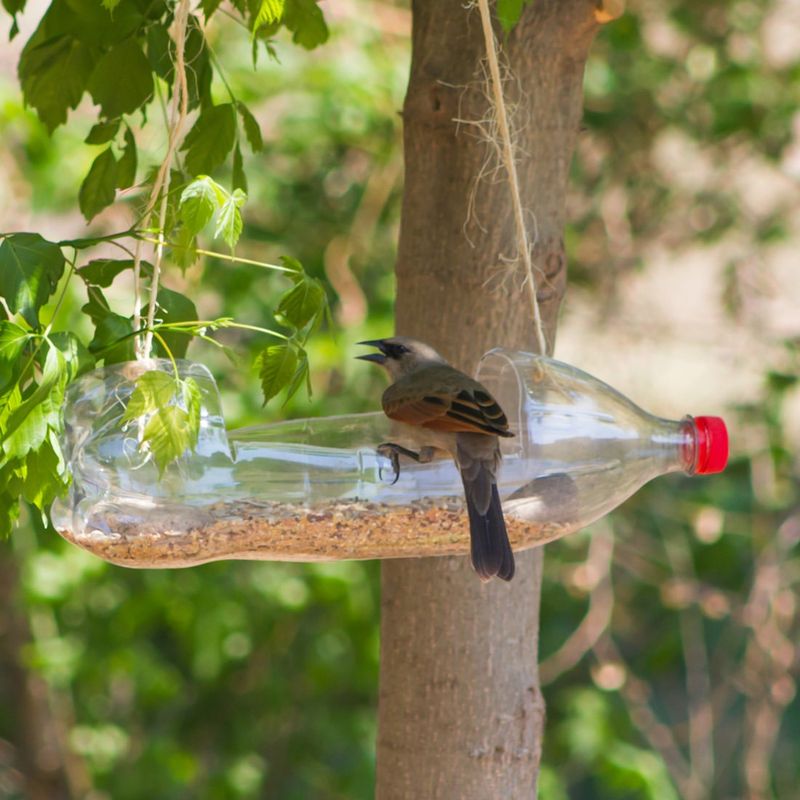
Providing a mix of native plantings, brush piles, and safe feeding stations encourages these birds to stick around longer.
Avoid trimming every shrub to a perfect shape, a little wildness gives birds more foraging territory.
Think of bird-friendly landscaping as building a team of tiny, tireless helpers who patrol your yard season after season, supporting a healthier and more resilient outdoor environment for your whole family to enjoy.
2. Native Plants Encourage Insectivorous Birds
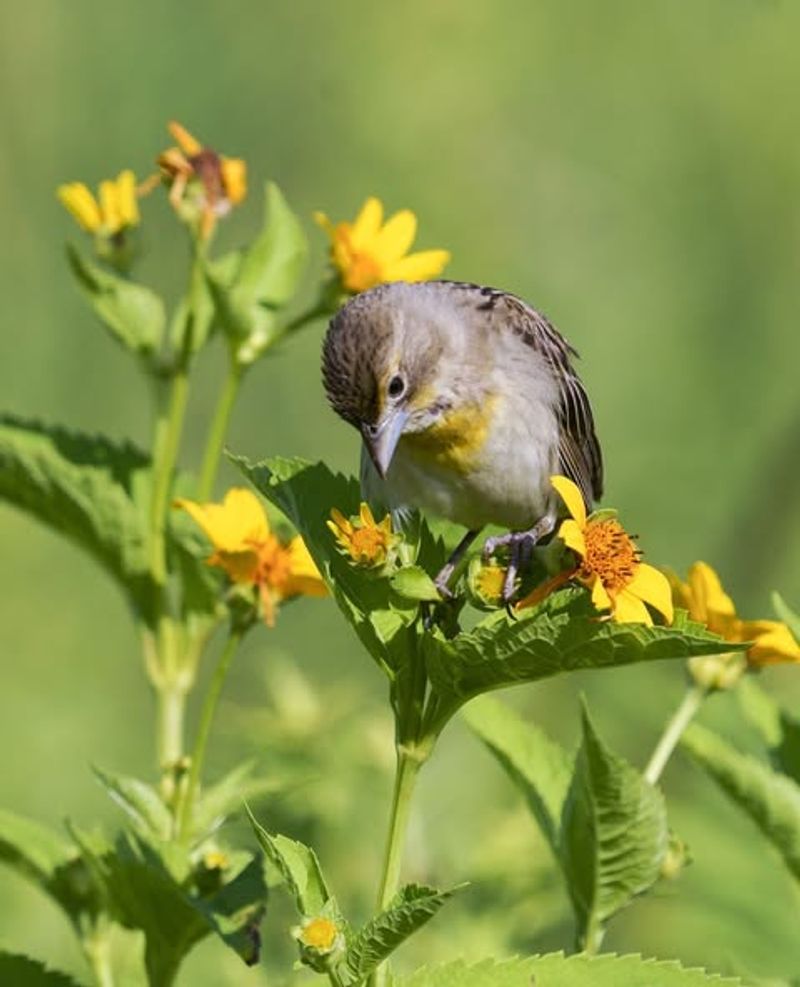
Few things attract insect-eating birds faster than a yard stocked with native plants. Native species like coneflowers, wild bergamot, serviceberry, and native oaks produce the insects, seeds, and berries that Michigan birds depend on throughout the year.
Non-native ornamental plants often support far fewer insects, which means fewer reasons for birds to visit and stay.
Native oaks alone can host hundreds of caterpillar species, making them one of the most valuable trees a Michigan homeowner can plant.
Serviceberry offers early spring berries just as migrating birds pass through, while native grasses provide both insects and seeds well into autumn.
Planting a layered landscape with groundcovers, shrubs, and canopy trees gives birds multiple foraging levels to work through.
Good placement matters too. Position native shrubs and perennials near open lawn areas where birds can easily spot movement and swoop down for a meal.
Even a modest collection of native plants in a suburban yard can meaningfully increase bird activity.
Your Michigan Garden Changes Every Week. Your Plan Should Too.
Gardening in Michigan changes quickly throughout the season. Every Friday you’ll receive a simple weekly plan showing exactly what to plant, prune, fertilize, harvest, and protect so you never miss the right timing.
Visit a Michigan native plant nursery or check with your local extension office for species recommendations suited to your specific soil type and sun exposure. The results are worth every bit of planning.
3. Birdhouses And Nesting Sites Promote Bird Activity
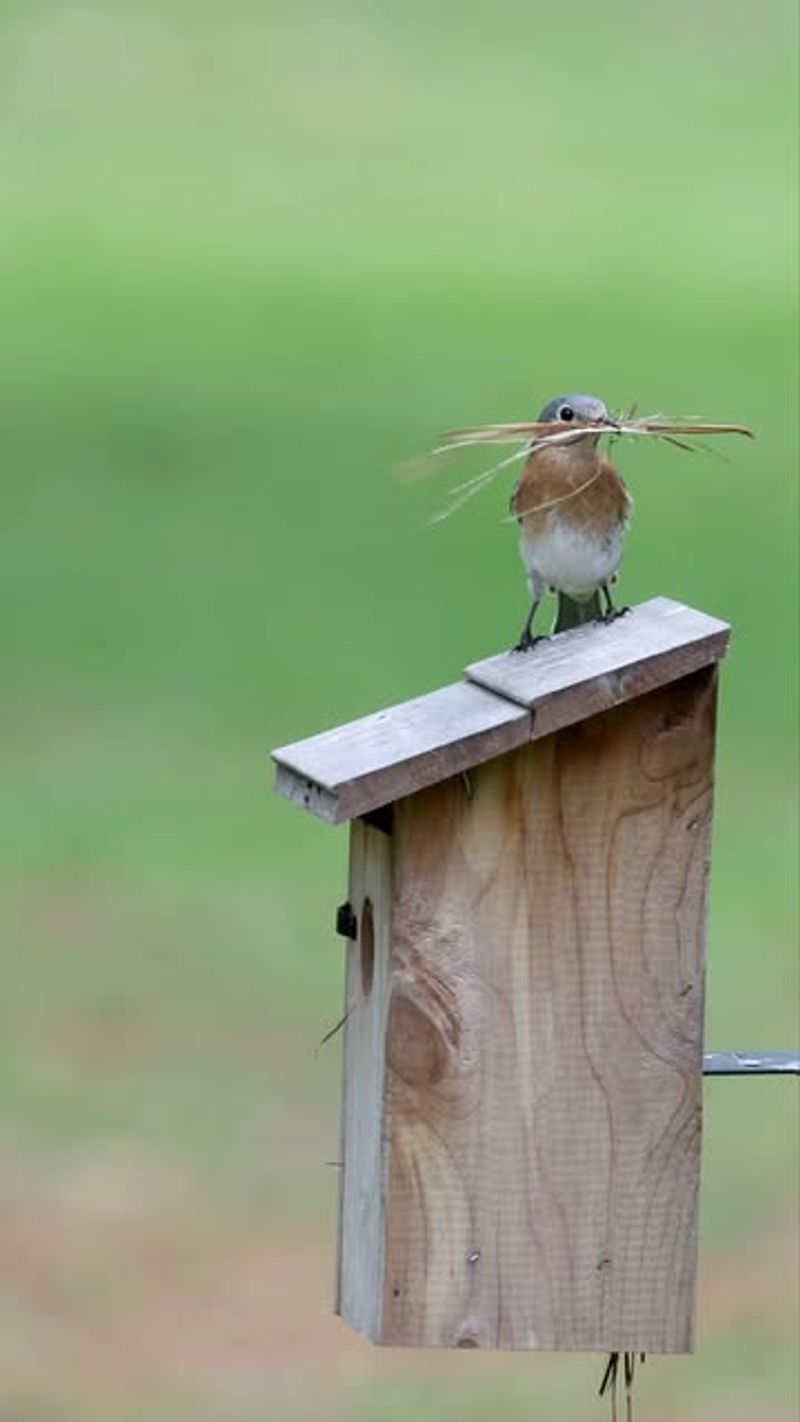
Putting up a birdhouse might seem simple, but the difference it makes to local bird populations can be surprisingly big.
Cavity-nesting birds like Eastern bluebirds, tree swallows, chickadees, and house wrens struggle to find suitable nesting spots as natural dry wood becomes scarcer in managed yards.
A well-placed nesting box gives these birds a safe home base and keeps them active in your yard all season long.
Placement is everything. Mount boxes on smooth metal poles to deter climbing predators like raccoons and squirrels.
Face the entrance hole away from prevailing winds, ideally pointing east or southeast to catch morning warmth.
Space multiple boxes at least 25 feet apart to reduce competition between territorial species.
Cleaning boxes each fall removes old nesting material and parasites, giving birds a fresh start the following spring.
Check boxes periodically during the nesting season, but avoid disturbing active nests.
Tree swallows, in particular, are voracious insect hunters and will patrol large areas around their nest box, consuming thousands of flying insects per day.
Providing safe, well-maintained nesting habitat is one of the most direct and rewarding ways to boost insectivorous bird populations right in your own Michigan backyard.
4. Water Features Support Healthy Bird Populations
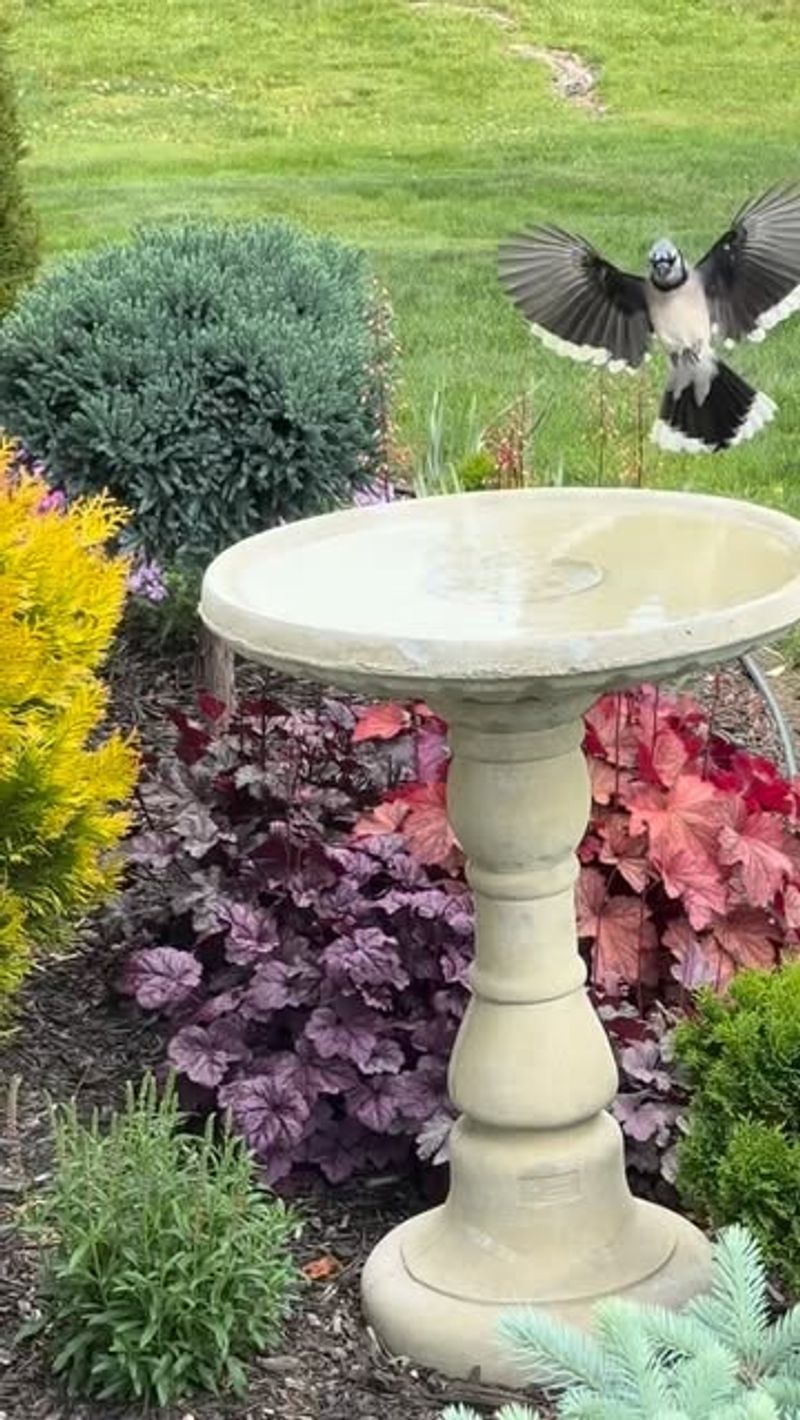
Water is one of the most powerful magnets for backyard birds, and many homeowners underestimate just how much a simple birdbath can increase bird activity.
Birds need reliable, clean water for drinking and bathing year-round, and yards that provide it consistently attract far more species than those that do not.
More bird visitors naturally means more foraging activity across your lawn and garden beds.
Keep birdbaths clean by scrubbing them with a stiff brush and fresh water every two to three days during warm months.
Stagnant water breeds mosquitoes, so adding a small solar-powered wiggler or dripper keeps water moving and discourages egg-laying.
In winter, a low-wattage birdbath heater prevents freezing and supports birds through Michigan’s cold months when natural water sources may be locked under ice.
Placement near shrubs or low cover gives birds a quick escape route from predators, making them feel safer while they drink and bathe.
Shallow dishes no deeper than two inches work best for small songbirds. A small wildlife pond surrounded by native plants adds even more habitat value, attracting frogs, dragonflies, and a wider variety of bird species.
Clean, accessible water is one of the easiest and most effective upgrades any Michigan yard can offer.
5. Native Shrubs Provide Perching And Foraging Opportunities
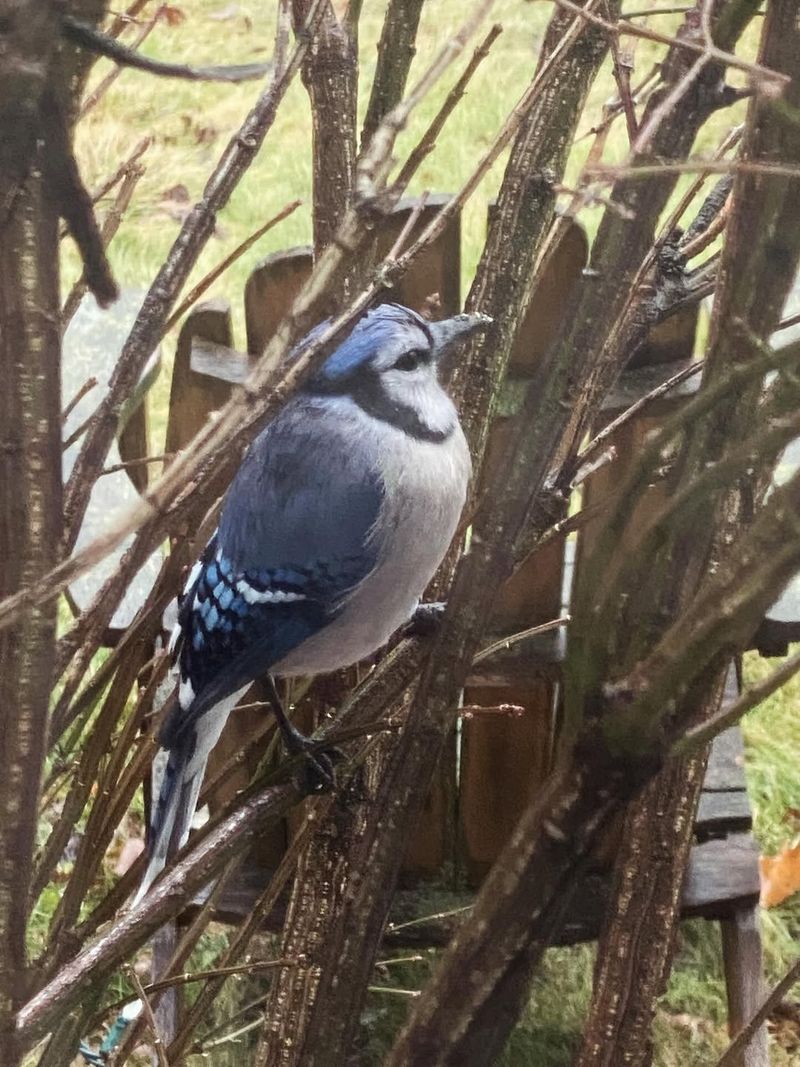
Spicebush, serviceberry, viburnum, native dogwood, elderberry, and chokeberry — these Michigan-native shrubs do far more than look beautiful.
Each one provides a combination of perching spots, nesting cover, berry crops, and insect habitat that makes them irresistible to foraging birds.
A yard with a good selection of native shrubs essentially becomes a year-round buffet for local and migratory bird species alike.
Spicebush is particularly valuable because it hosts the spicebush swallowtail caterpillar and produces red berries that migrating thrushes adore in late summer.
Elderberry grows quickly and produces large clusters of dark berries that over 50 bird species are known to eat.
Viburnum species offer berries that persist into winter, feeding birds long after other food sources are gone. When planting, match shrubs to your yard’s conditions.
Most native shrubs prefer well-drained soil with moderate moisture, but spicebush and native dogwoods tolerate wetter areas near rain gardens or low spots.
Space shrubs generously to allow full natural form, a dense, layered shrub border offers far more bird habitat than a neatly clipped hedge.
Mulch around the base to retain moisture and reduce weeding. Over a few seasons, your native shrub border will become one of the most active wildlife corridors in your entire neighborhood.
6. Migratory Birds Increase Spring Insect Predation
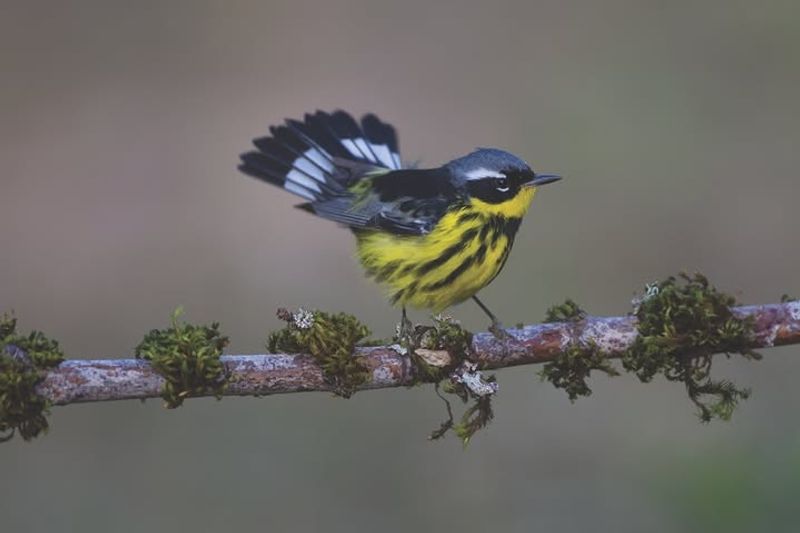
Every spring, waves of migratory birds pass through Michigan on their way to northern nesting grounds, and many stop to refuel in backyard gardens.
Warblers, vireos, flycatchers, and thrushes arrive hungry after long journeys and immediately begin searching for insects.
This seasonal surge in bird activity creates a natural spike in insect predation that benefits the entire yard ecosystem. Timing matters when it comes to supporting migrants.
Peak warbler migration in Michigan typically runs from late April through late May, coinciding with a major flush of insect activity in the canopy and understory.
Planting native trees like oaks, cherries, and serviceberries gives migrants the insect-rich foraging habitat they seek, encouraging them to linger longer rather than passing through quickly.
Worth mentioning honestly: birds can occasionally carry ticks on their feathers or legs during migration, so they should not be promoted as a complete tick-control method. The broader value lies in supporting ecosystem balance.
A yard that attracts diverse bird life during migration is also supporting spiders, beneficial beetles, and other natural predators that contribute to pest balance throughout the season.
Focus on creating welcoming habitat with native plants, clean water, and safe cover, and the birds will reward you with weeks of fascinating activity every single spring.
7. Minimize Pesticide Use To Preserve Natural Predators
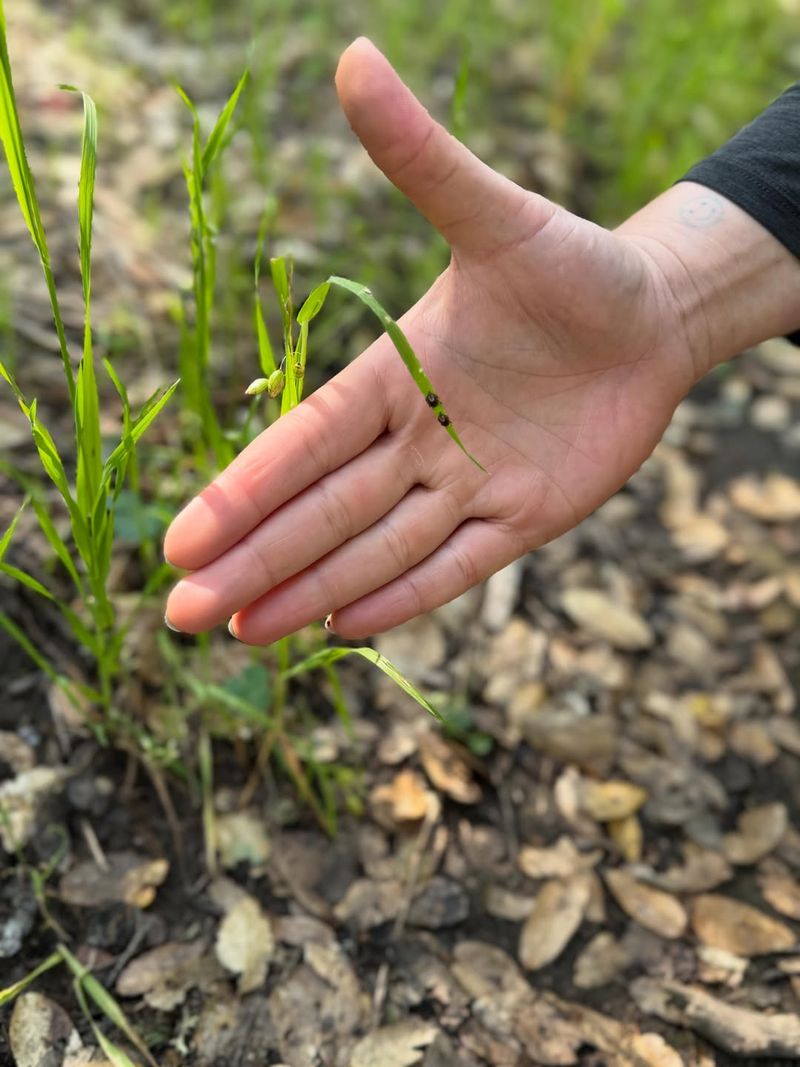
Broad-spectrum pesticides might seem like a quick fix for yard pests, but they often create bigger problems than they solve.
Many pesticides do not just target the pest you see — they affect the entire food web, harming birds, beneficial insects, spiders, ground beetles, and other natural predators that quietly work to keep pest populations in check.
Reducing or eliminating unnecessary pesticide use is one of the smartest moves a Michigan homeowner can make for long-term yard health.
Integrated pest management, or IPM, offers a smarter path forward. Start by monitoring your yard regularly before reaching for any spray.
Identify the actual pest causing damage, then research whether it truly needs treatment or whether natural predators are already handling the situation.
When treatment is necessary, choose the least-toxic option available and apply it as precisely as possible to avoid collateral harm.
Avoid spraying blooming plants during daytime hours when pollinators are actively foraging, early morning or evening applications reduce risk significantly.
Neonicotinoid pesticides are especially harmful to birds and beneficial insects and are best avoided entirely in garden settings.
Spiders alone consume staggering numbers of insects each season, and they thrive in pesticide-free yards.
Protecting your natural predator community is genuinely one of the most effective long-term pest-management strategies available to any Michigan gardener.
8. Provide Year-Round Habitat For A Balanced Yard Ecosystem
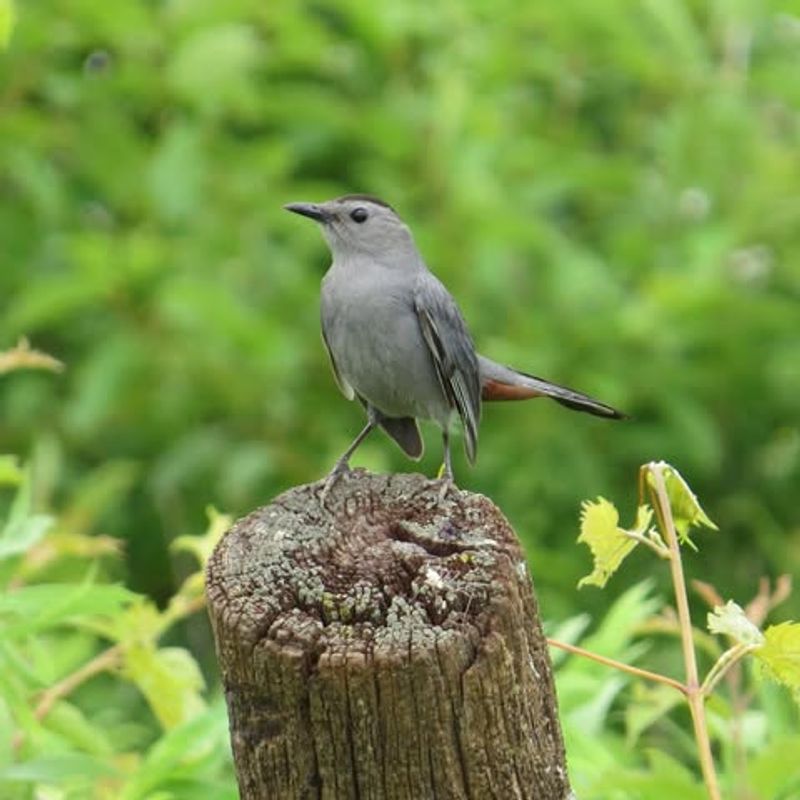
A yard that supports birds only in summer misses out on most of what makes backyard ecosystems truly resilient.
Building habitat that functions across all four Michigan seasons keeps birds and other natural predators active in your yard year-round, creating a more balanced and self-sustaining environment.
The good news is that year-round habitat does not require a massive overhaul — it comes together gradually through smart, intentional choices.
Leave seed heads standing on coneflowers, black-eyed Susans, and native grasses through winter rather than cutting everything back in fall. These seed heads feed goldfinches, chickadees, and sparrows when other food is scarce.
Evergreen trees and shrubs like native junipers and white pines provide critical winter shelter and roosting spots during Michigan’s coldest nights.
A brush pile tucked in a back corner of the yard offers cover for wrens, sparrows, and overwintering beneficial insects that birds will find and feed on come spring.
Berry-producing shrubs like native viburnums and hollies extend the food supply deep into the cold months. Keep birdbaths clean and ice-free year-round to maintain consistent bird visitation.
None of this guarantees complete tick control, but together these habitat elements support a web of natural predators that makes your Michigan yard healthier, livelier, and far more interesting in every single season.