How To Feed California Tomatoes So They Keep Producing Through September
Tomatoes can be generous, but they do not run on luck. By midsummer, even strong California plants can start slowing down if the soil is tired or the feeding routine is off.
Leaves may still look fine, yet the fruit set can quietly drop. That is when many gardeners wonder why the first harvest was amazing and the later one feels thin.
The answer often comes down to timing, balance, and knowing when tomatoes need support most. Too much of one nutrient can push the plant in the wrong direction.
Too little can leave it short on energy just when it should be producing more. A smart feeding plan helps tomatoes stay steady through heat, heavy picking, and long summer days.
Get it right, and September can still feel like tomato season instead of the slow end of it.
1. Feed Lightly Once The First Fruits Set
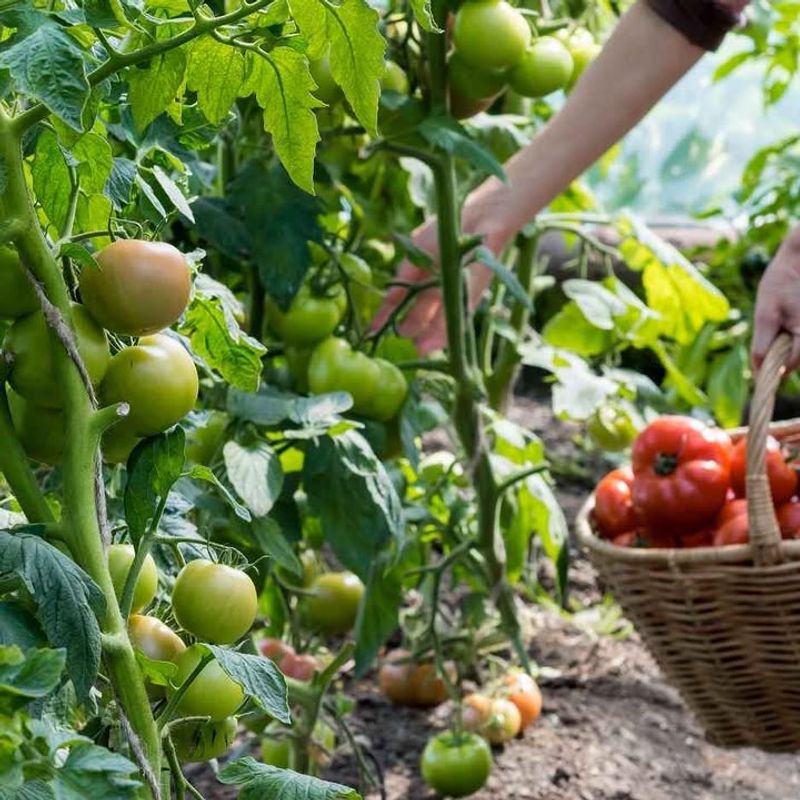
Once you spot those first tiny green tomatoes forming on the vine, that is your signal to start a steady, light feeding routine. Before fruit sets, your plant is focused on growing roots and leaves.
After fruit sets, it shifts its energy toward making tomatoes, and that takes a different kind of fuel.
At this stage, ease up on heavy feeding. Too much fertilizer at once can stress the plant or cause the fruit to develop unevenly.
A little goes a long way, especially when the plant is already working hard in the summer heat.
Feed every two weeks with a balanced or slightly low-nitrogen formula. Granular slow-release fertilizers work well here because they break down gradually and keep nutrients available over time.
You are not trying to push fast growth now. You are trying to support steady fruit development.
Watch your plants closely after feeding. Healthy leaves should stay a medium green color, not too dark and not yellowing.
If leaves curl or look overly lush and waxy, you may be giving too much. Pull back slightly and see how the plant responds.
Light, consistent feeding during this stage is one of the best things you can do. It keeps energy flowing to the fruit without overwhelming the plant. Think of it like a steady diet rather than one big meal.
2. Don’t Overdo Nitrogen Or You’ll Get Leaves Instead Of Tomatoes
Nitrogen is the nutrient most people think of when they hear the word fertilizer. It is responsible for green, leafy growth, and that sounds like a good thing.
But when it comes to tomatoes, too much nitrogen is one of the most common mistakes gardeners make.
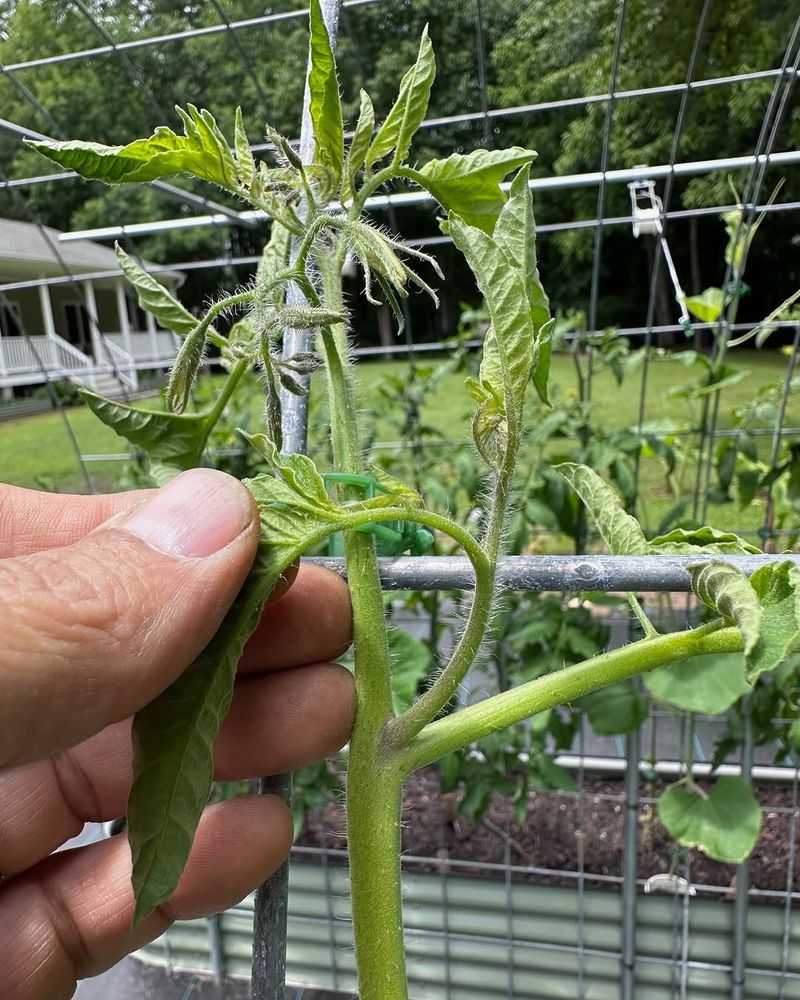
When a tomato plant gets flooded with nitrogen, it puts almost all its energy into producing more leaves and stems. The plant looks full and green and healthy from a distance.
But up close, you will notice very few flowers and even fewer fruits forming.
This is especially easy to do in early summer when gardeners want their plants to grow fast. A high-nitrogen fertilizer can feel like the right move, but it often backfires once the plant reaches its fruiting stage.
Your California Garden Changes Every Week. Your Plan Should Too.
Gardening in California changes quickly throughout the season. Every Friday you’ll receive a simple weekly plan showing exactly what to plant, prune, fertilize, harvest, and protect so you never miss the right timing.
Switch to a fertilizer with lower nitrogen and higher phosphorus and potassium once your plants start blooming. Look at the three numbers on the fertilizer bag.
The first number is nitrogen. For fruiting tomatoes, you want that first number to be lower than the other two.
If you have already overdone the nitrogen, do not panic. Stop feeding for a week or two and let the plant use up what is in the soil.
Then start again with a more balanced or fruit-focused formula. Your plants will redirect their energy back to making tomatoes.
3. Use A Tomato Fertilizer With More Phosphorus And Potassium
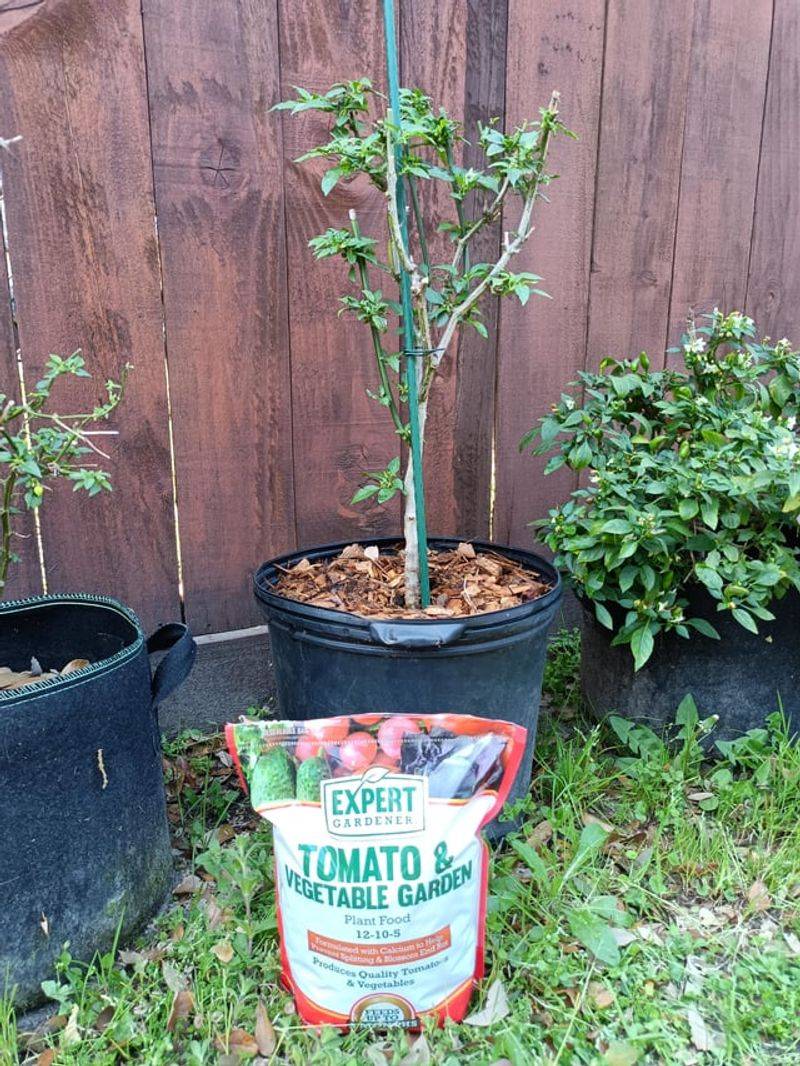
Not all fertilizers are created equal, and tomatoes have very specific needs once they start producing fruit. A fertilizer labeled for tomatoes will usually have a lower first number and higher second and third numbers on the label.
Those numbers represent nitrogen, phosphorus, and potassium in that order.
Phosphorus helps with root strength and flower production. Strong roots mean the plant can pull in water and nutrients more efficiently.
More flowers mean more fruit, which is exactly what you want heading into late summer.
Potassium plays a huge role in fruit quality. It helps tomatoes develop their flavor, color, and firm texture.
It also helps the plant handle heat stress, which is something every gardener in this state deals with during July and August.
Look for products labeled as tomato fertilizer or bloom booster. Common ratios like 5-10-10 or 4-18-38 work well for fruiting plants.
You can find these at most garden centers or farm supply stores. They are not expensive, and a small bag goes a long way through the season.
Apply according to the package directions and do not double the dose thinking more is better. Fertilizer burn is real, and it can set your plants back by weeks.
Steady and consistent is always the smarter approach when feeding tomatoes through a long growing season.
4. Keep Calcium Steady To Help Prevent Blossom End Rot
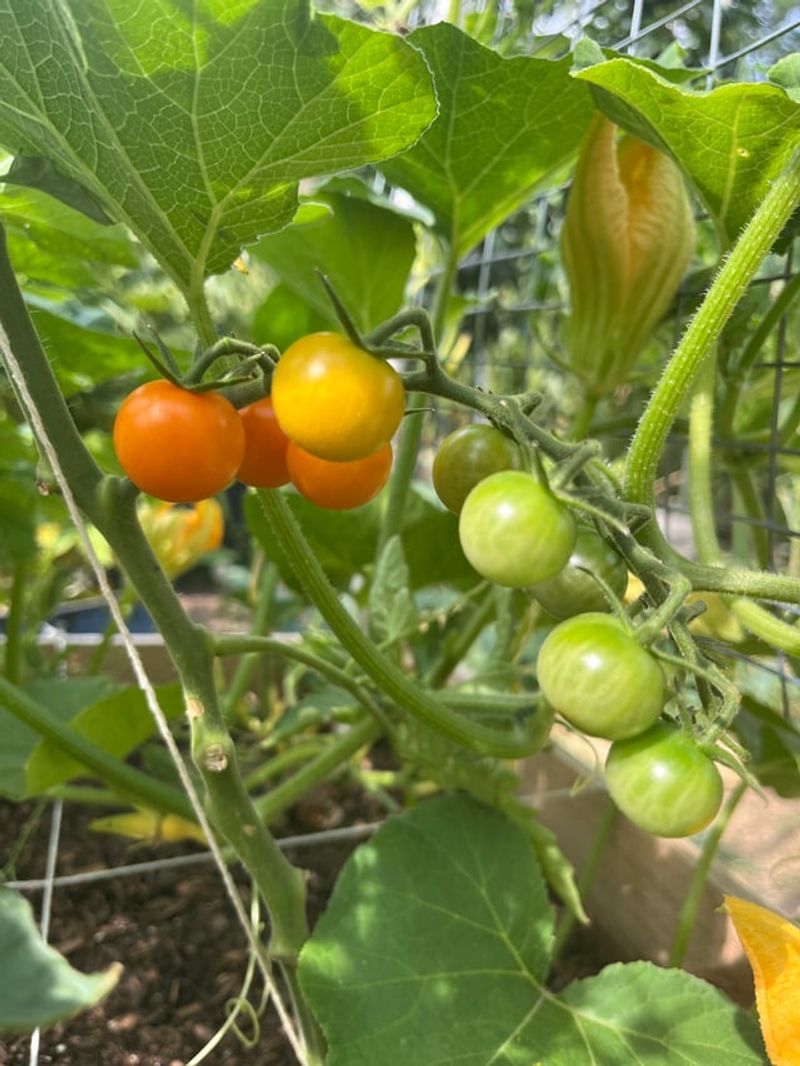
Blossom end rot is one of the most frustrating problems tomato growers face. You watch a tomato grow beautifully, then notice a dark, sunken spot spreading across the bottom of the fruit.
It ruins the tomato before you ever get to eat it. The cause is almost always a calcium issue.
Calcium is not a nutrient most people think about when feeding their plants. But it plays a critical role in cell development inside the fruit.
When calcium levels drop or become inconsistent, the cells at the blossom end of the tomato break down and rot.
The tricky part is that this often has less to do with how much calcium is in your soil and more to do with how well the plant can absorb it. Uneven watering is the most common reason calcium uptake fails.
When soil goes from dry to soaking wet and back again, roots struggle to deliver calcium steadily.
You can add calcium to your routine in a few easy ways. Crushed eggshells worked into the soil help over time.
Gypsum is another affordable option that adds calcium without changing your soil pH. Liquid calcium sprays applied directly to the leaves and fruit work faster if you are already seeing problems.
Keep your watering consistent and your calcium supply steady. That combination alone will reduce blossom end rot significantly and help more of your tomatoes make it all the way to your table.
5. Water Before Feeding So Roots Don’t Burn
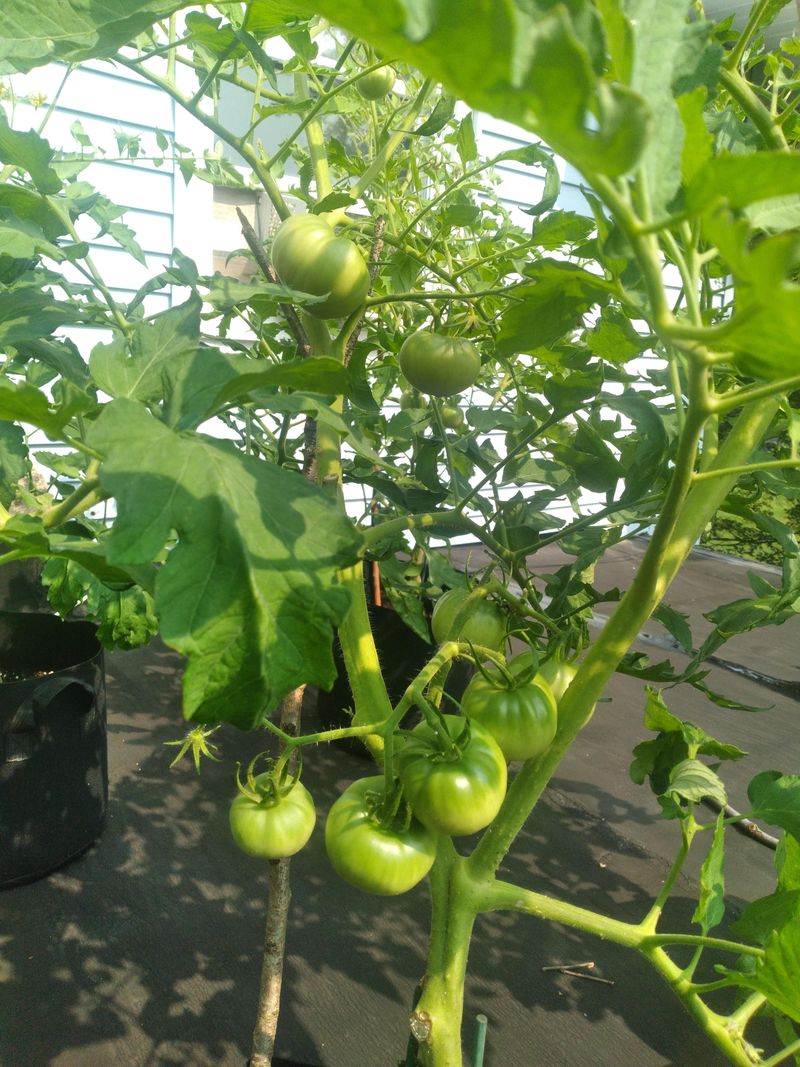
Fertilizer is powerful stuff, and dry roots are not ready to handle it. One of the simplest rules in tomato care is to always water your plants before you feed them.
It sounds almost too easy, but skipping this step causes more damage than most gardeners realize.
When fertilizer granules or liquid feed hits dry soil, the concentration of salts and nutrients becomes very high right around the roots.
That high concentration pulls moisture out of the root cells instead of delivering nutrients into them. The result is burned, damaged roots that cannot do their job properly.
Watering first dilutes the fertilizer as it enters the soil and helps it spread more evenly through the root zone. The roots are already hydrated and ready to absorb what you are giving them.
It also reduces the chance of leaf burn if any fertilizer accidentally splashes onto the foliage.
Give your plants a good deep watering about an hour before you plan to feed. Do not just wet the surface.
Aim for the water to soak down at least six to eight inches into the soil where the roots are actively growing.
After applying fertilizer, give the area another light watering to help the nutrients move down into the root zone.
This two-step approach takes only a few extra minutes and makes a real difference in how well your plants respond to feeding throughout the season.
6. Feed Container Tomatoes More Often Than In-Ground Plants
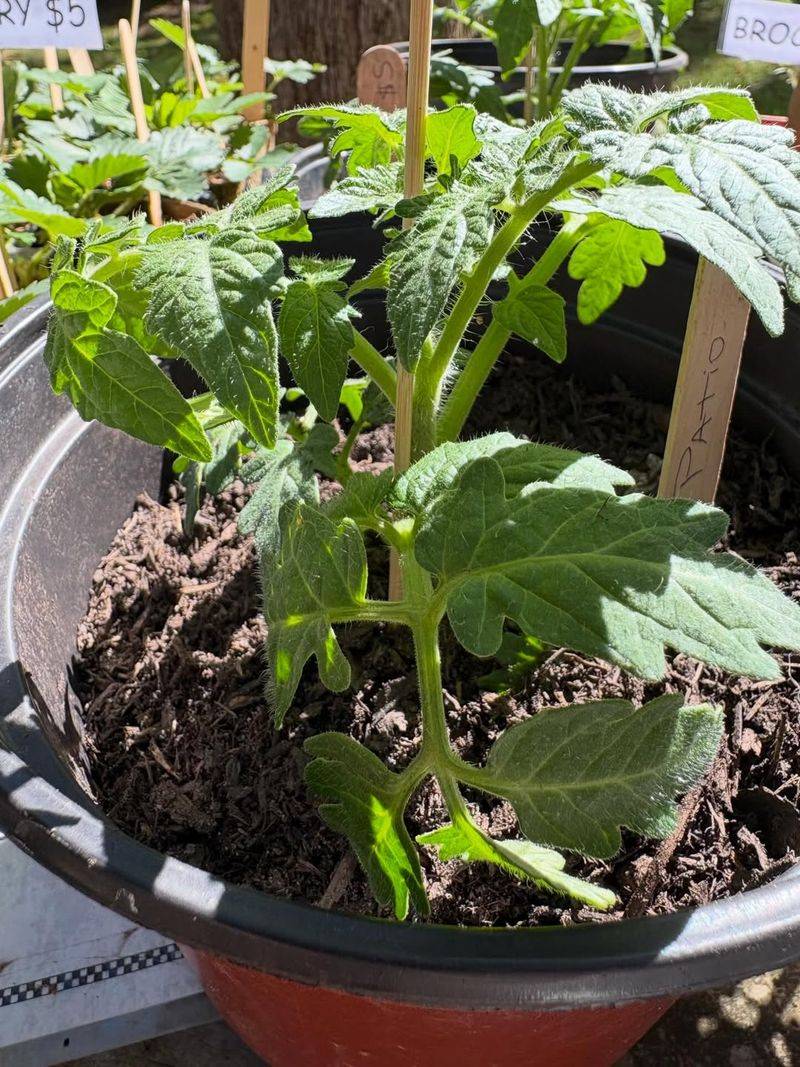
Growing tomatoes in containers is popular for good reason. You can move them around to catch more sun, control the soil quality, and grow them on patios and balconies where in-ground planting is not an option.
But container tomatoes have one big challenge that in-ground plants do not face: nutrients wash out fast.
Every time you water a container plant, a small amount of fertilizer and minerals drains out through the bottom holes. In-ground plants have a much larger soil volume to draw from, so nutrients stay available longer.
Container plants are working from a much smaller reserve, and that reserve depletes quickly in the summer heat.
Plan to feed your container tomatoes every seven to ten days during the growing season. Liquid fertilizers work especially well for containers because they move through the soil quickly and become available to roots almost immediately.
Slow-release granules can be a helpful backup, but liquid feeding keeps things more consistent.
Pay attention to the color of your leaves. Pale or slightly yellow leaves between the veins often signal that nutrients have run low.
That is your cue to feed sooner rather than later. Use a pot that is at least five gallons in size, and preferably larger for big varieties.
A bigger container holds more soil, retains nutrients longer, and keeps roots cooler during hot afternoons.
That extra volume makes a huge difference in how long your plants keep producing into late summer.
7. Add Liquid Feed When Plants Slow Down In Heat
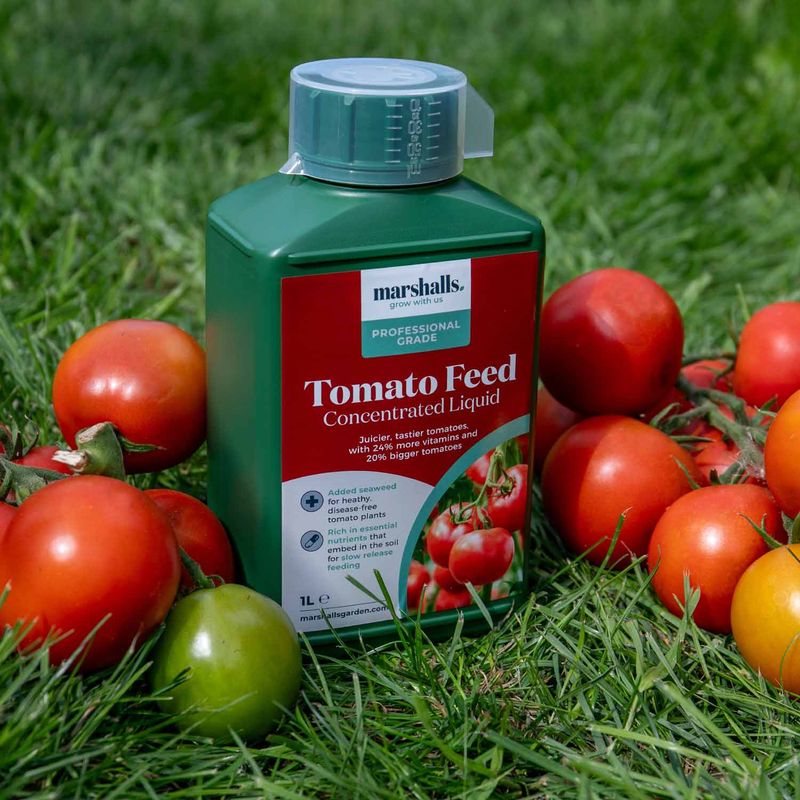
Midsummer heat in this state can be brutal. Temperatures above 95 degrees Fahrenheit cause tomato plants to slow down their growth, drop flowers, and sometimes look almost frozen in place.
This is the plant protecting itself, and it is completely normal. But you can help it bounce back faster with the right kind of feeding.
Granular fertilizers are not the best choice during a heat wave. When soil is very hot and dry, granules break down slowly and roots may not absorb them efficiently.
Liquid fertilizers are the better option here because they move into the root zone quickly and give plants an immediate boost.
Choose a liquid feed that is lower in nitrogen and higher in potassium during heat spells. Potassium helps plants manage water inside their cells and handle temperature stress more effectively.
Seaweed-based liquid fertilizers are a favorite among experienced gardeners because they also contain natural hormones that support plant resilience.
Apply liquid feed in the early morning or late evening when temperatures are cooler. Avoid feeding during the hottest part of the day.
Heat can cause liquid fertilizer to evaporate quickly before it soaks in, and wet foliage in direct sun can lead to leaf scorch.
Even if your plant looks like it has stalled out completely, keep feeding lightly. Once temperatures drop even slightly, the plant will be ready to push out new flowers and fruit fast.
That preparation during the heat pays off in a big way come late August and September.
8. Refresh Mulch To Keep Soil Moisture Even
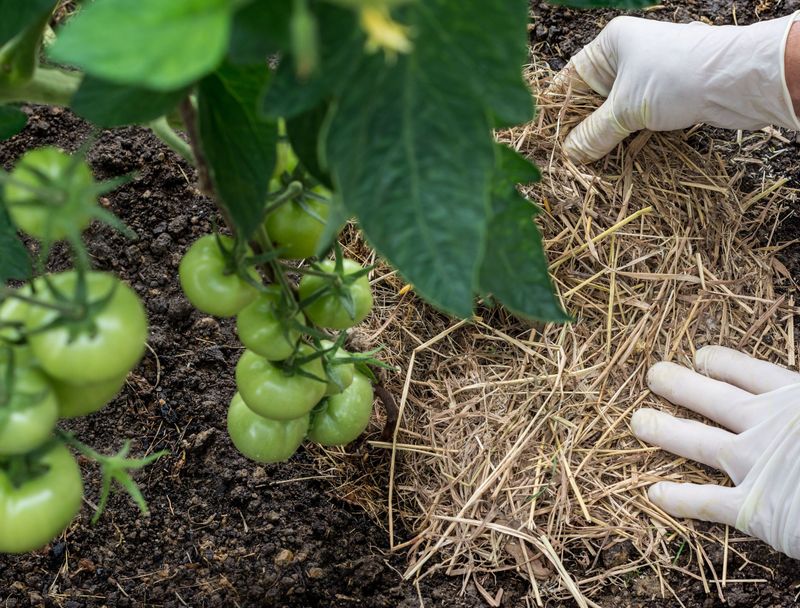
Mulch might not be the first thing that comes to mind when you think about feeding your tomatoes, but it plays a direct role in how well your plants absorb nutrients.
Even soil moisture is the foundation of healthy nutrient uptake, and mulch is one of the best tools you have for keeping moisture steady.
When soil dries out and then gets soaked repeatedly, roots get stressed. Stressed roots cannot pull in nutrients efficiently, no matter how much fertilizer you apply.
A two to three inch layer of mulch over the soil surface slows evaporation and keeps the root zone at a more consistent temperature and moisture level.
By midsummer, your mulch layer has probably broken down or thinned out from watering and foot traffic. Take a few minutes to refresh it.
Straw, shredded leaves, and wood chips all work well. Avoid piling mulch directly against the plant stem, as that can trap moisture and lead to rot at the base.
Fresh mulch also adds a small amount of organic matter to the soil as it breaks down over time. This improves soil structure and feeds the beneficial microbes that help make nutrients available to your plants.
Think of mulching as part of your feeding routine, not a separate task. When your soil stays moist and cool under a good layer of mulch, every fertilizer application you make becomes more effective.
Your plants stay productive longer and handle the late summer heat with much less struggle.