The Most Underrated Ground Cover North Carolina Gardeners Are Using Instead Of Mulch In Shade
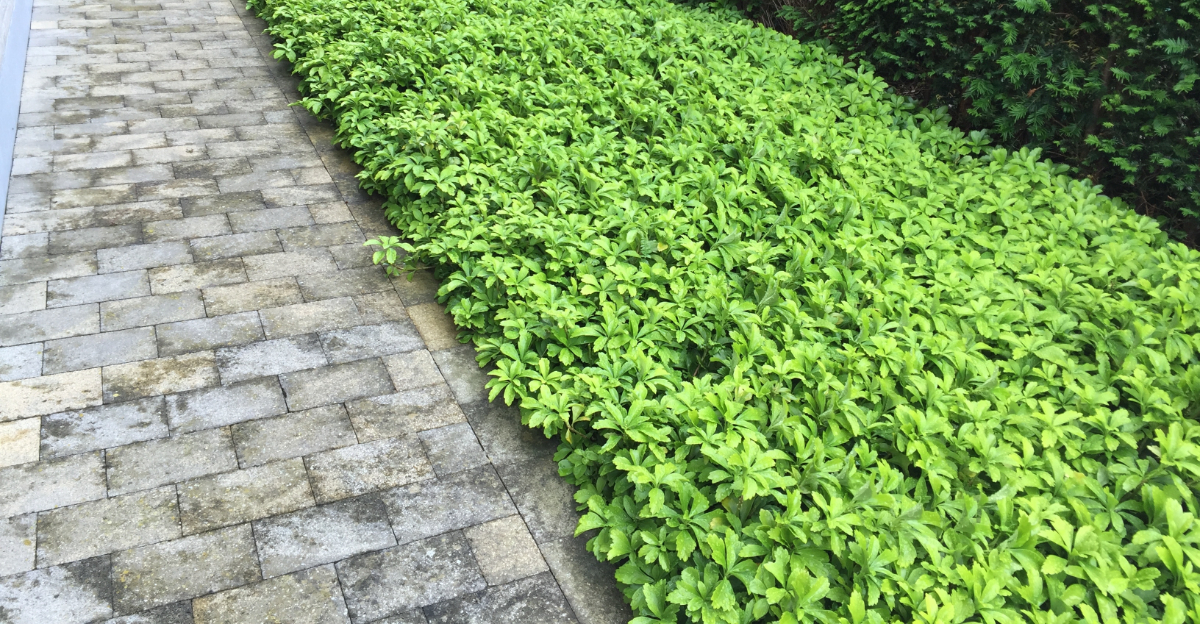
Shady spots under trees and along north-facing beds are some of the most frustrating real estate in a North Carolina yard.
Mulch breaks down fast in humid conditions, weeds push through anyway, and bare soil under a canopy always looks unfinished no matter how recently you refreshed it.
A growing number of North Carolina gardeners have stopped fighting that cycle with more mulch and started using a living ground cover that handles the shade, holds the soil, and looks genuinely good through most of the year.
It’s not a plant that shows up on many lists or gets much attention at garden centers, which is exactly why it qualifies as underrated.
Once it establishes, the maintenance drops close to zero, and the bare-dirt problem under that difficult shade tree stops being a problem you think about at all.
1. Allegheny Spurge (Pachysandra Procumbens)
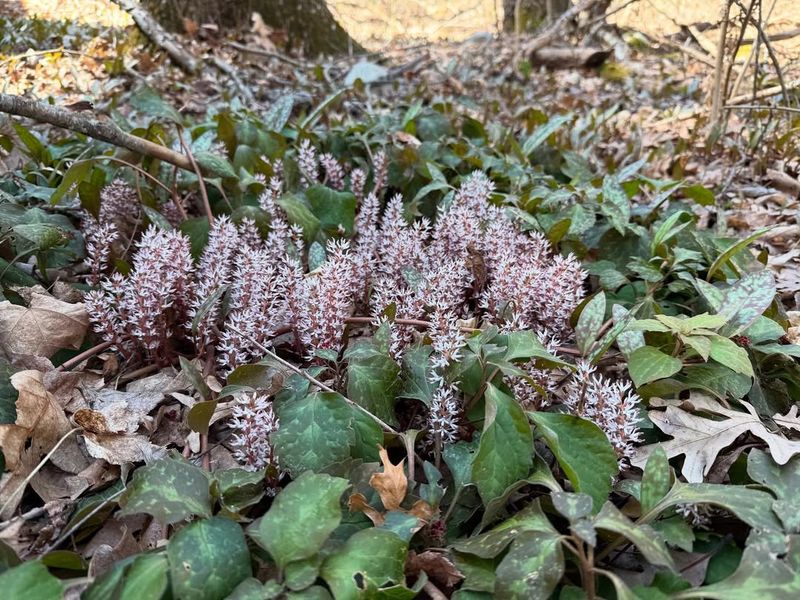
Many gardeners overlook this native gem while searching for the perfect shade solution. Allegheny spurge stands out as one of North Carolina’s best-kept secrets for transforming shady spots into low-maintenance beauty zones.
Unlike its aggressive Asian cousin, this southeastern native behaves politely while still covering ground effectively.
The plant forms attractive colonies that hug the forest floor without becoming invasive. Its mottled leaves create visual interest that mulch never could, with silvery patterns dancing across deep green backgrounds.
Gardeners appreciate how it mimics the natural woodland floor while protecting soil from erosion and temperature swings.
Establishing a patch takes patience, but the payoff lasts for decades. Once the roots settle in, the plants spread steadily through underground rhizomes, knitting together into a living blanket.
This natural process eliminates the annual chore of spreading fresh mulch while adding ecological value to the landscape.
North Carolina’s native plant enthusiasts champion Allegheny spurge for good reason. It thrives in conditions where grass struggles and most perennials languish.
The plant asks for little beyond shade and decent drainage, making it perfect for woodland gardens, shaded slopes, and those tricky spots under mature trees where nothing else seems to work.
2. It Is Native To The Southeast
Geography matters more than most gardeners realize when selecting plants. Allegheny spurge evolved in the southeastern woodlands, developing over thousands of years to handle the region’s specific climate patterns.
North Carolina falls right in the sweet spot of its natural range, which stretches from Kentucky down through the Carolinas and into parts of Georgia and Alabama.
Plants native to your region come pre-programmed for local success. They understand the rhythm of North Carolina summers, with their humidity and afternoon thunderstorms.
Winter cold snaps don’t faze them because their ancestors weathered similar conditions for generations.
The southeastern origin means Allegheny spurge knows how to handle clay soil, something many imported ground covers struggle with terribly. It recognizes the local beneficial fungi and forms helpful partnerships underground.
Native insects that visit for pollen or nectar have evolved alongside this plant, creating balanced relationships that support the broader ecosystem.
Choosing native plants reduces maintenance headaches significantly. Allegheny spurge doesn’t need coddling because North Carolina feels like home to it.
Your North Carolina Garden Changes Every Week. Your Plan Should Too.
Gardening in North Carolina changes quickly throughout the season. Every Friday you’ll receive a simple weekly plan showing exactly what to plant, prune, fertilize, harvest, and protect so you never miss the right timing.
The plant tolerates summer droughts once established and bounces back from occasional flooding that would drown less adapted species.
Regional nurseries increasingly stock it as more gardeners discover the advantages of working with plants that naturally belong in southeastern landscapes rather than fighting to keep exotic species alive.
3. It Spreads Slowly Into A Living Mulch
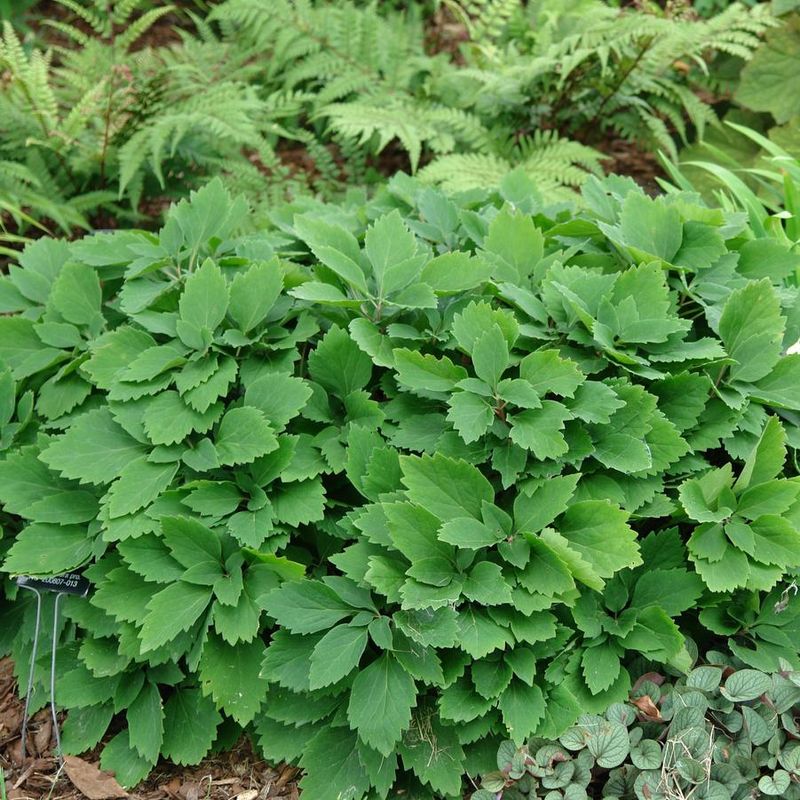
Patience rewards gardeners who plant Allegheny spurge for ground coverage. The plant expands its territory gradually through underground stems called rhizomes, sending up new shoots as it explores the soil.
This measured pace means it won’t swallow your garden overnight like some aggressive spreaders, but it will eventually knit together into a continuous carpet that makes mulch unnecessary.
The first year focuses on root establishment rather than visible growth. Gardeners sometimes worry nothing is happening, but underground the plant is building a foundation for future expansion.
By the second season, you’ll notice new shoots appearing around the original plantings as the rhizomes extend their reach.
Within three to five years, a properly spaced planting transforms into solid coverage. The overlapping leaves create a living blanket that performs all the functions of traditional mulch.
It moderates soil temperature, helping roots stay cooler in summer and warmer in winter. Moisture retention improves because the foliage shields the ground from drying winds and direct sun.
Bare soil disappears under the expanding colony, eliminating the need for annual mulch deliveries. The plants do this work themselves, requiring no spreading, raking, or refreshing from you.
Organic matter accumulates naturally as older leaves break down, enriching the soil over time. This self-maintaining system keeps improving year after year, creating healthier conditions for everything growing nearby.
4. Its Foliage Provides Year-Round Interest
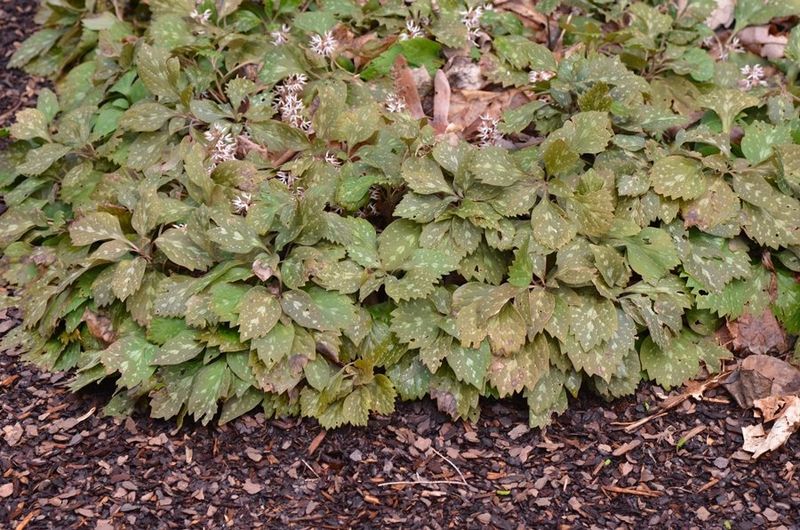
Winter often leaves shade gardens looking bare and uninviting. Allegheny spurge breaks this pattern by holding onto its attractive foliage through most of the cold months, depending on how harsh conditions get.
The leaves may look a bit tired by late winter, but they provide structure and color when little else does.
The mottled leaf patterns create interest that changes with the seasons. Fresh spring growth emerges bright and unmarked, gradually developing the silvery marbling as leaves mature.
Summer finds the foliage at its fullest, creating dense coverage that looks lush and healthy.
Fall brings subtle shifts as cooler temperatures enhance the leaf coloring. Some plants develop bronze or purple tints that add warmth to shaded areas.
The variegation becomes more pronounced, with silver markings standing out boldly against darker green backgrounds.
Even when winter strips deciduous trees bare, Allegheny spurge maintains its presence. The semi-evergreen nature means some leaves persist through cold snaps, though the plant may look dormant during the harshest weeks.
Come late winter, new growth pushes up fresh and vigorous, often before the old leaves fully fade.
This extended season of interest makes Allegheny spurge valuable beyond its practical mulch-replacement role. Shade gardens can look dreary for months, but patches of this ground cover provide consistent texture and pattern.
The foliage fills visual gaps that would otherwise remain empty, keeping the landscape engaging throughout the entire year.
5. It Helps Suppress Many Common Weeds
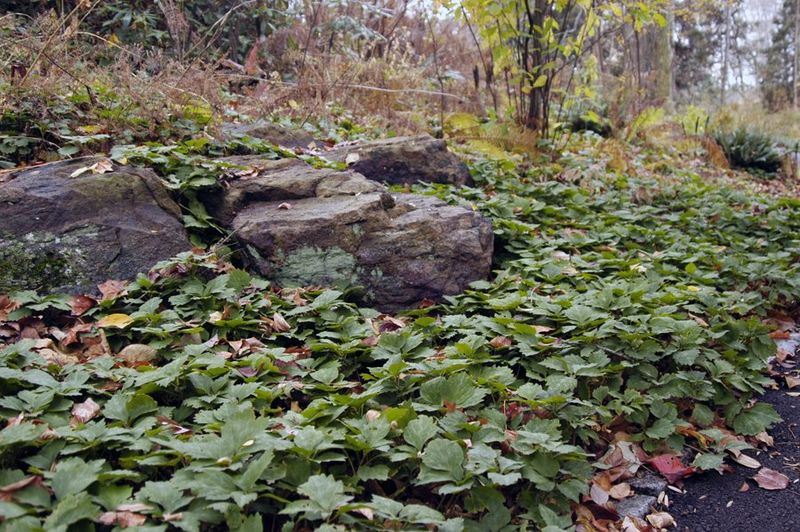
Weeds exploit any opening they find, sprouting wherever bare soil meets sunlight. Allegheny spurge fights back by eliminating those opportunities through dense leaf coverage.
The overlapping foliage creates a living barrier that blocks light from reaching the ground, making it nearly impossible for weed seeds to germinate successfully.
Most common woodland weeds need some light to sprout and establish. When Allegheny spurge forms a solid colony, it casts shade so effectively that few weed seeds can get the energy they need.
The ones that do manage to germinate struggle to push through the established root network and compete for resources.
Realistic expectations matter here because no ground cover eliminates weeding entirely. Aggressive perennial weeds with deep roots or those that arrive on the wind may still appear occasionally.
However, the overall weed pressure drops dramatically compared to bare mulched areas that invite colonization.
The dense growth also prevents soil disturbance that brings buried weed seeds to the surface. Traditional mulch breaks down and requires refreshing, which stirs up the soil and activates dormant seeds.
Living ground covers like Allegheny spurge maintain stable conditions that keep those seeds buried and inactive.
Gardeners spend far less time pulling weeds from established spurge plantings than from mulched beds. The reduction in maintenance adds up significantly over a growing season.
Instead of constantly battling new invasions, you might only need to patrol for problem weeds a few times per year once the coverage becomes solid.
6. It Produces Unusual Spring Flowers
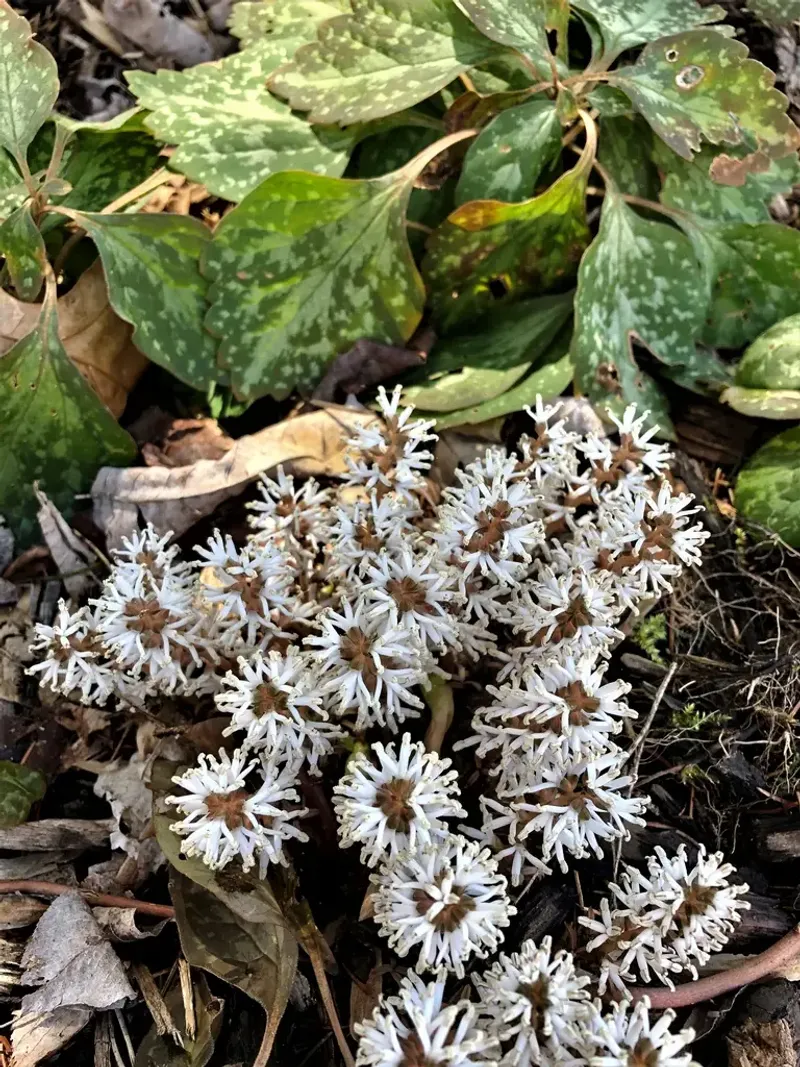
Spring brings a subtle surprise that many gardeners miss entirely. Allegheny spurge produces distinctive bottlebrush-shaped flowers that emerge low to the ground, often hiding beneath the foliage.
These unusual blooms appear in early spring, sometimes poking up through leaf litter before the new season’s growth fully unfolds.
The flowers don’t shout for attention like azaleas or tulips. Instead, they offer quiet charm with their pale pink and white coloring, creating fuzzy spikes that look almost otherworldly.
Each bloom cluster rises on a short stalk, barely clearing the previous year’s leaves.
Most people walk right past without noticing these early bloomers. The flowers stay close to the ground and blend with their surroundings, making them easy to overlook unless you’re specifically looking.
Getting down on hands and knees reveals the ornamental value that stays hidden from standing height.
Timing works in the flowers’ favor for those who do notice. They appear when little else blooms in shade gardens, filling a gap in the early spring calendar.
Native bees and other early pollinators appreciate this nectar source when few alternatives exist.
The blooms don’t last long, typically fading within a few weeks as warmer weather arrives. Their brief appearance adds another layer of interest to an already valuable plant.
After flowering finishes, fresh new foliage takes over the show, pushing up bright green leaves that gradually develop their characteristic mottling as the season progresses.
7. It Works Well Along Woodland Paths
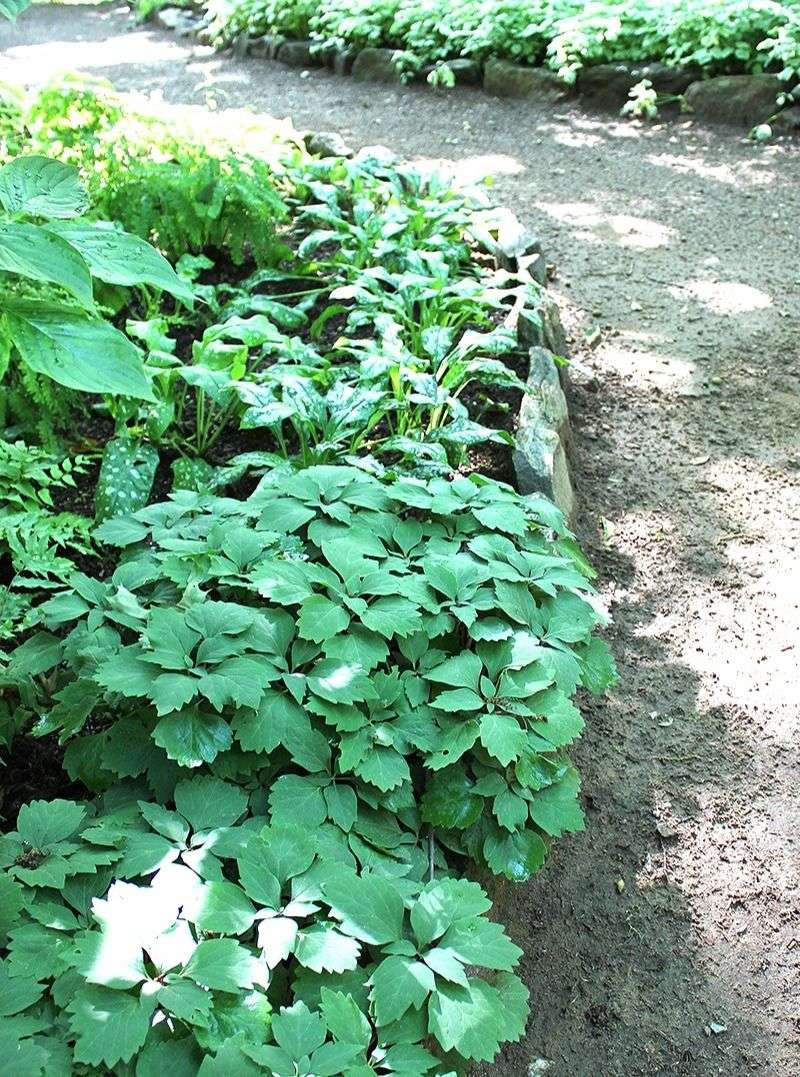
Woodland paths need edges that look natural while staying tidy enough for comfortable walking. Allegheny spurge excels at this balancing act, creating soft borders that define walkways without appearing rigid or formal.
The plants soften hard edges where paths meet planting beds, making transitions feel organic and intentional.
Pathways through shaded areas often struggle with bare soil or sparse vegetation along their margins. Traditional edging materials can look out of place in naturalistic settings, breaking the woodland illusion.
Living ground covers integrate seamlessly, appearing as though they’ve always grown there.
The low-growing habit of Allegheny spurge keeps it from encroaching onto walking surfaces. Plants spread horizontally rather than reaching upward, maintaining a neat profile that doesn’t require constant trimming.
Walkers can enjoy the foliage without tripping over overgrown stems or dealing with plants that flop across the path.
Under native shrubs and trees, this ground cover creates cohesive plantings that tie the landscape together. It fills the space between larger woody plants, preventing the spotty look that happens when shrubs sit in bare mulch.
The continuous carpet guides the eye along the path while adding texture and interest at ground level.
Maintenance stays minimal once plantings establish along pathways. The occasional wandering stem that crosses onto gravel or stone paths pulls away easily, requiring only quick attention during regular garden rounds.
This ease of care makes Allegheny spurge practical for busy gardeners who want attractive woodland paths without constant fussing.
8. It Requires Less Annual Refreshing Than Mulch
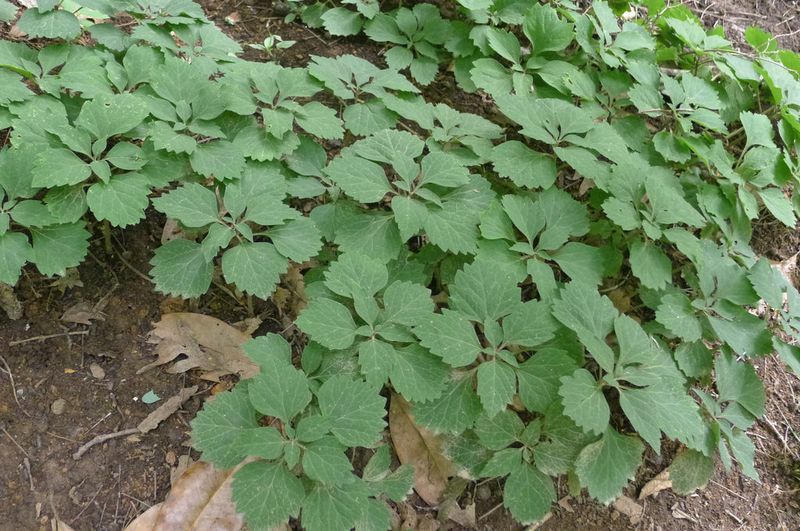
Mulch maintenance becomes a yearly ritual that drains both time and money. Bags pile up in driveways, wheelbarrows make endless trips, and backs ache from spreading load after load.
Wood chips fade, decompose, and wash away, leaving beds looking shabby by the end of each season.
Allegheny spurge flips this script entirely. Once established, the living carpet maintains itself without annual inputs.
There’s no shopping for mulch, no calculating cubic yards, and no spreading sessions that eat up entire weekends. The plants simply keep growing, refreshing their own appearance through natural cycles.
Cost savings add up quickly over time. A few flats of plants require an initial investment, but that expense doesn’t repeat annually.
Compare this to buying mulch every single year, with prices that seem to climb steadily. Within just a few seasons, the ground cover pays for itself through eliminated mulch purchases.
The environmental benefits extend beyond personal convenience. Mulch production requires harvesting trees, processing wood, and transporting heavy materials long distances.
Living ground covers eliminate this entire chain, reducing your garden’s carbon footprint while supporting local ecosystems.
Soil quality actually improves under Allegheny spurge rather than remaining static or declining. The plants contribute organic matter as older leaves naturally break down, building humus that enriches the ground.
This self-feeding cycle creates better growing conditions year after year, something bagged mulch can never achieve. The initial effort of planting transforms into long-term benefits that keep delivering without demanding constant attention or resources.
9. It Pairs Well With Other Native Shade Plants
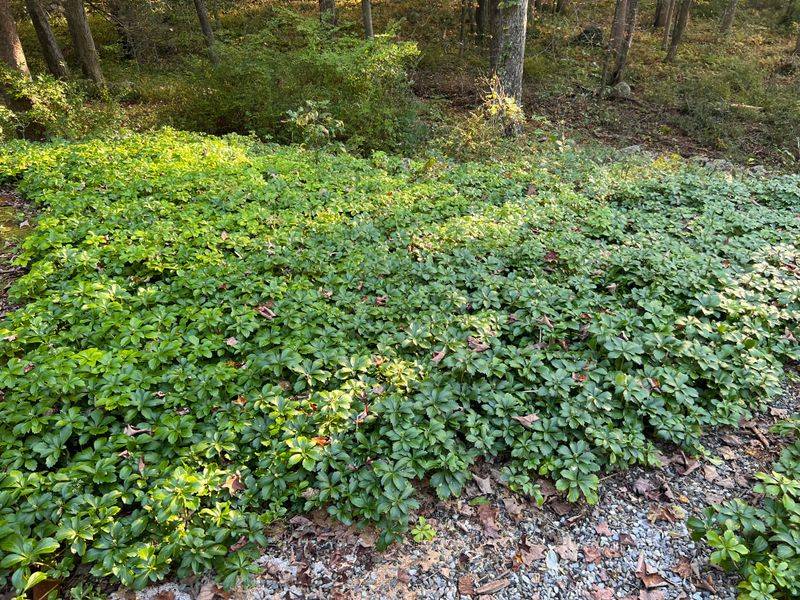
Creating successful plant combinations requires understanding how different species interact and complement each other. Allegheny spurge plays well with others, particularly fellow natives that share similar cultural requirements.
Its horizontal growth habit makes it an excellent companion for upright plants that need their bases covered.
Christmas fern rises elegantly above spurge plantings, with dark green fronds providing vertical interest while the ground cover handles the lower story. The evergreen foliage of both plants ensures year-round structure, creating layers that look intentional and complete.
Neither competes aggressively with the other, allowing both to thrive in the same space.
Foamflower adds delicate spring blooms that float above the spurge carpet on thin stems. The combination creates a woodland tapestry where different textures and bloom times keep the garden interesting across seasons.
Wild ginger spreads slowly alongside Allegheny spurge, with both plants respecting each other’s territory while filling different ecological niches.
Woodland phlox contributes spring color that brightens shaded areas just as the spurge produces its subtle flowers. The phlox’s taller stems allow it to bloom above the ground cover without struggling for space.
Together, they create a naturalistic planting that looks like it could have assembled itself in the wild.
These native combinations support local wildlife while reducing maintenance demands. Plants that evolved together in southeastern forests understand how to share resources without constant human intervention.
The result is a resilient, self-sustaining garden that celebrates North Carolina’s natural heritage while solving practical landscaping challenges.