6 Best Fast-Ripening Melons For North Carolina Gardens
On paper, it sounds like melon paradise. But growing a great melon in North Carolina is a little more specific than it looks.
Not every variety wants to follow your calendar. Some take their sweet time ripening while the season quietly closes in around them. Some look incredibly promising right up until they do not quite finish.
That is where choosing the right variety changes everything. North Carolina gardeners who get it right tend to have very different summers than those who grab whatever looks good at the nursery.
Quicker harvest windows, manageable vines, clear ripening signals, and real summer flavor are all on the table.
You just need to know which melons are actually built for what North Carolina throws at them. Ready?
1. Minnesota Midget Melon
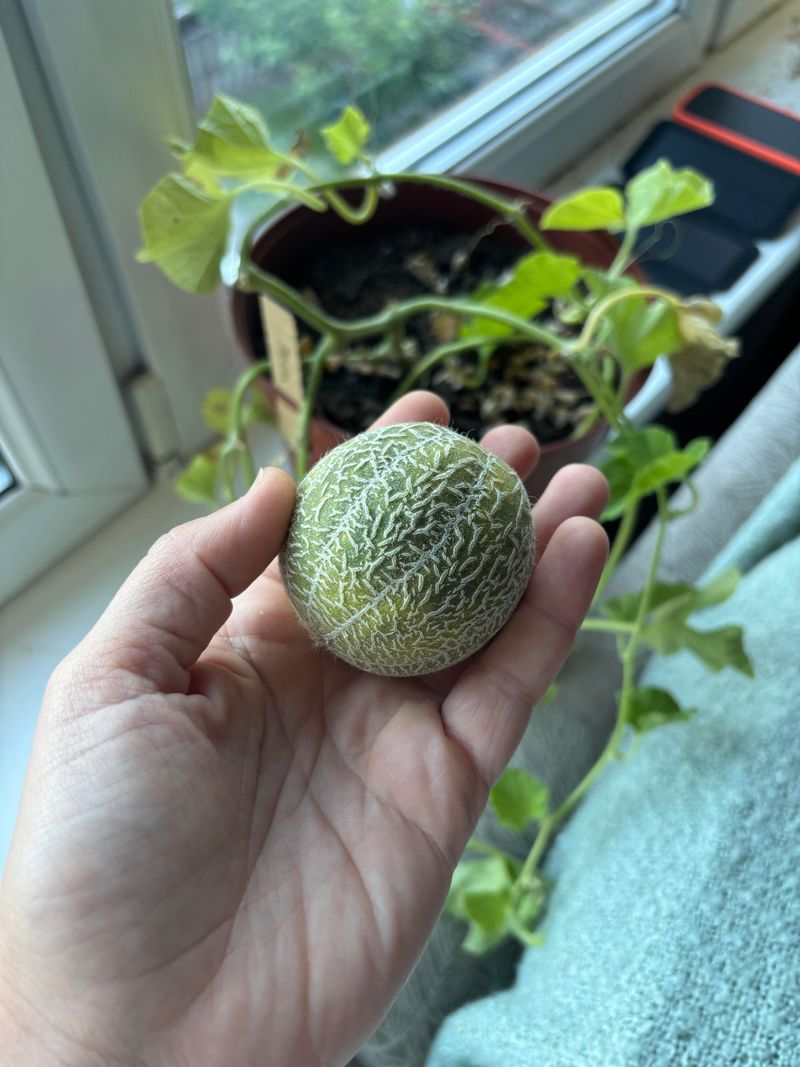
Minnesota Midget may sound tiny, but do not underestimate it. This little cantaloupe has a big reputation among gardeners who want ripe fruit without waiting forever.
It can move from transplant to harvest in about sixty days under good conditions, which makes it especially appealing when the growing window feels tight. That speed can matter in North Carolina.
Spring weather can be unpredictable. Some years warm up quickly. Other years keep gardeners guessing. A fast-ripening melon gives you more breathing room before the season starts shifting again.
The fruit is small, usually around four inches across. That makes it perfect for one or two people. No giant melon taking over the fridge. No half-eaten fruit sitting around waiting for attention.
The flesh is orange, fragrant, and sweet when picked ripe. It has that classic cantaloupe perfume that tells you summer has officially arrived.
The vines stay fairly compact compared with many standard melons. They may spread around three feet, which makes them easier to fit into raised beds or smaller backyard plots.
Plant after frost risk has passed and the soil has warmed well. Melons usually grow better when the ground feels warm, not just barely safe.
Give Minnesota Midget full sun. Keep moisture steady, especially while fruits are forming. Mulch can help hold warmth and reduce splashing around the vines.
Check the fruit often as harvest nears. A ripe cantaloupe often gives off a sweet scent and may separate more easily from the vine. Small fruit, quick payoff, and a harvest that can feel wonderfully personal. Amazing, right?
2. Sugar Cube Cantaloupe
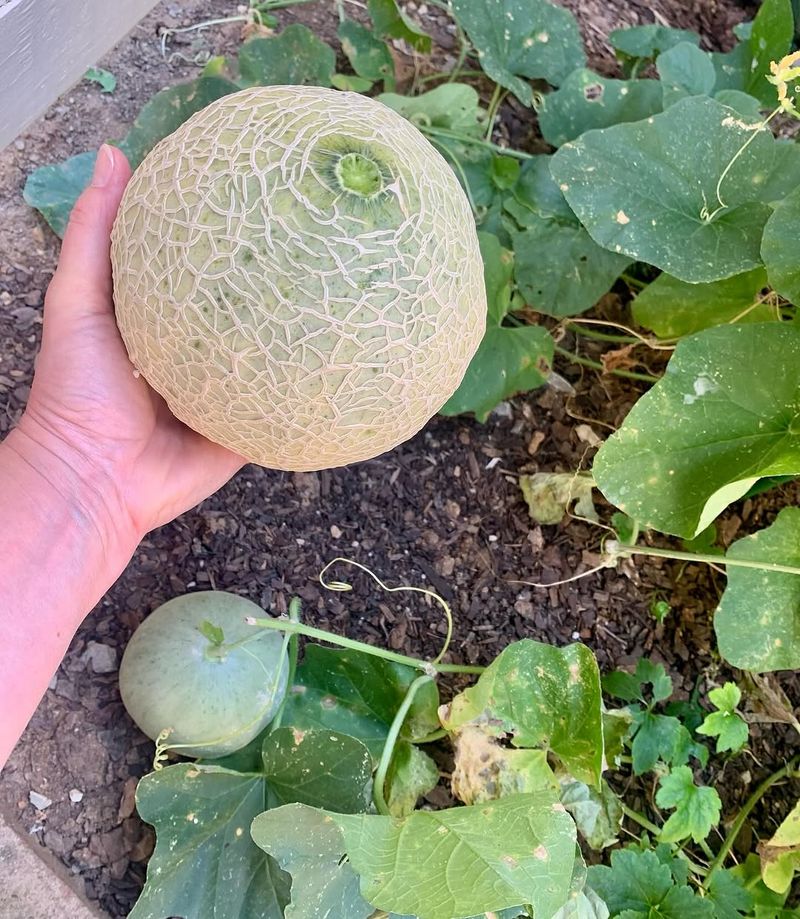
Sugar Cube sounds like candy, and honestly, the name is not far off. This compact cantaloupe is known for small, sweet fruit that fits neatly into a home garden.
If you have limited space but still want the fun of growing melons, this variety may deserve a spot. Not every gardener has a sprawling melon patch.
Maybe you have a raised bed near the fence. Maybe you are working with a narrow side yard. Maybe every square foot is already being negotiated between tomatoes, peppers, herbs, and flowers. Sugar Cube helps make the melon conversation easier.
The fruit usually weighs around two pounds. That size is easy to handle, easy to chill, and easy to finish. It feels more like a treat than a project.
Your North Carolina Garden Changes Every Week. Your Plan Should Too.
Gardening in North Carolina changes quickly throughout the season. Every Friday you’ll receive a simple weekly plan showing exactly what to plant, prune, fertilize, harvest, and protect so you never miss the right timing.
The vines are more restrained than many full-size cantaloupes. They still need room, of course. Melons are not exactly shy plants. But Sugar Cube is often easier to manage in smaller beds than large sprawling types.
Give each plant enough space to run without crowding its neighbors. A trellis may help in some gardens, as long as the fruit is supported with soft slings.
This variety usually matures in about eighty days. That is not the fastest on the list, but it is still practical for much of North Carolina’s warm season.
The harvest clue is the slip. When ripe, the fruit should come away from the vine with a gentle tug. If it holds tightly, give it a little more time. The fragrance can also guide you. A ripe Sugar Cube often smells rich and sweet near the stem end.
Water consistently, but avoid keeping the soil soggy. A mulch layer can help keep moisture steadier while fruits develop.
Call this one a sweet space saver. Sugar Cube brings melon flavor without asking your whole garden to move out.
3. Tasty Bites Melon
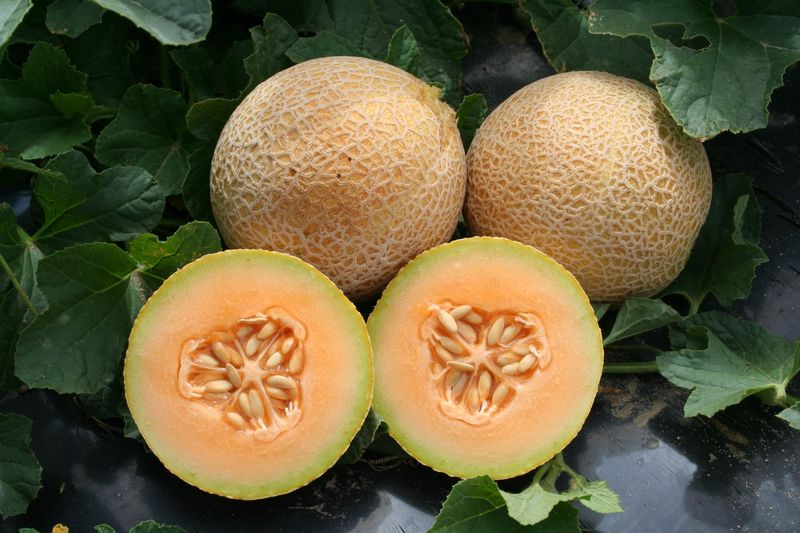
Sometimes you do not need a huge melon. You need one that ripens quickly, tastes good, and does not take over the kitchen counter. That is where Tasty Bites earns its name.
This personal-size melon produces fruit around one pound each. That makes it easy to slice for a snack, breakfast plate, or quick garden treat. No big production. No leftovers lingering in the fridge.
The real appeal is the timing. Tasty Bites can mature in about seventy-five days from transplant in good growing conditions. For North Carolina gardeners, that can mean fruit in mid-to-late summer when planted after the soil has warmed.
That earlier harvest window is helpful, especially in areas where the season can feel shorter. Mountain foothills and cooler pockets may benefit from a melon that does not need a long runway.
Warm soil matters a lot. If you plant into chilly ground, vines may pause and lose their early advantage. Wait until the soil feels reliably warm before setting transplants out.
Full sun is important too. Melons build sweetness with light, warmth, and healthy leaves. A shaded bed may grow vines, but the fruit may not reach its best flavor.
Tasty Bites can produce several fruits per vine. That means a few plants may give a nice harvest without overwhelming the garden.
Keep watering steady while vines are growing and fruit is sizing up. Uneven moisture can affect texture and growth. Drip irrigation or careful watering at the base can help keep leaves drier.
Harvest when the fruit shows ripe color, good scent, and the variety’s usual maturity cues. Do not rush just because the calendar says it is close. The melon gets the final vote.
4. Early Silver Line
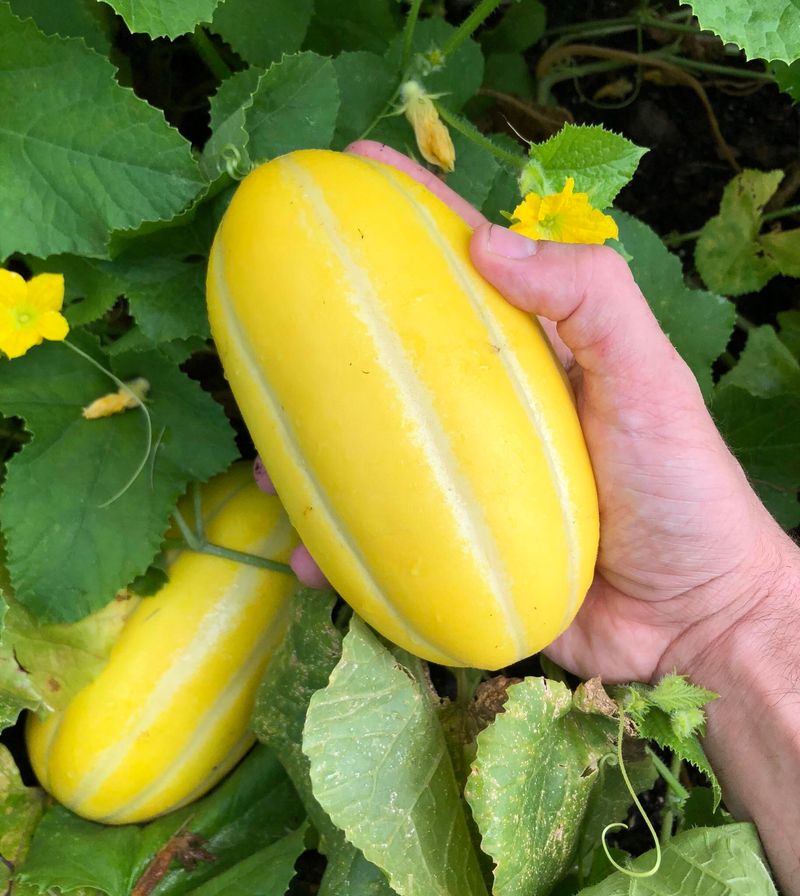
Early Silver Line looks a little different from the usual melon crowd. That is part of the fun. Instead of a round tan cantaloupe look, this variety produces elongated pale green fruit with soft silver striping.
It has a graceful, almost elegant appearance in the garden. But the beauty is not only skin deep. Inside, the flesh is pale, crisp, and mildly sweet.
It is not the same heavy, musky flavor as a classic cantaloupe. It feels lighter, cleaner, and refreshing, which can be lovely on a hot North Carolina afternoon.
This variety usually matures in about seventy-five to eighty days. That puts it in a useful range for gardeners who want something a little unusual without waiting too long. The key is warmth.
Early Silver Line wants a sunny, warm bed where vines can keep moving. Choose the brightest spot you have. Melons generally need long hours of direct sun to build good flavor.
If your garden has a bed that gets shade by midafternoon, save that spot for another crop. This melon would rather bask.
Soil should drain well but hold enough moisture to support steady growth. Compost can help improve texture before planting. Mulch can help maintain warmth and reduce moisture swings.
Feed lightly at planting if your soil needs support. Once vines begin to run, a modest side-dressing may help keep growth steady. Avoid overdoing it, since too much leafy push can distract from fruit.
Water at the base of the plant when possible. Wet foliage in humid weather can invite problems, so ground-level watering is often the better approach.
Give vines room to spread. They may look manageable at first, but melons can stretch once the heat settles in.
Think of Early Silver Line as the garden’s silver lining. It brings a different look, a crisp bite, and a quicker path to something special.
5. Golden Midget Watermelon
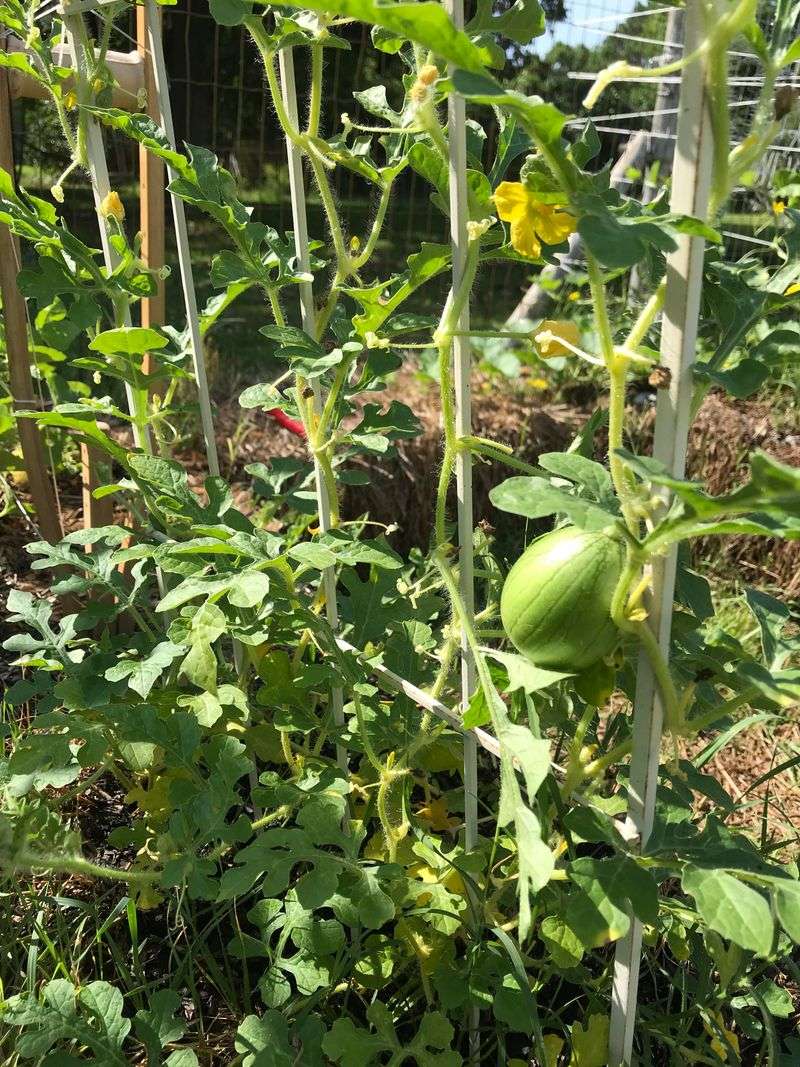
Golden Midget has one of the best party tricks in the melon patch. It changes color when it ripens.
The rind starts green, like many watermelons.
Then it shifts toward a warm golden yellow as harvest time arrives. That visual cue can be a huge help for gardeners who dislike guessing. No endless thumping. No standing in the garden wondering what a “hollow sound” is supposed to mean.
This watermelon usually matures in about seventy to seventy-five days from transplant. That makes it a strong choice for gardeners who want watermelon flavor without a long wait.
The fruits are smaller than standard watermelons, often around three to five pounds. That is still enough for a family snack, but not so large that it becomes a fridge puzzle.
Inside, the flesh is pink to salmon-red, sweet, and juicy when fully ripe. The contrast between the golden rind and rosy interior makes harvest feel even more rewarding.
Vines are also more manageable than many large watermelon varieties. They may spread several feet, but they are not usually as overwhelming as giant types.
Give Golden Midget warm soil, full sun, and steady water. Watermelons enjoy heat, but they still need consistent moisture while fruit develops.
Mulch can help keep the soil warm early and reduce weeds around the vines. Black plastic mulch may be useful in cooler areas or early plantings.
Watch the color change closely as fruit nears maturity. The yellow rind is the main signal, but also check the tendril nearest the fruit. When it dries and the fruit looks fully colored, harvest may be close.
This variety is especially helpful for newer growers. It gives you a visible clue at exactly the moment you need one. Fast, fun, and much easier to read than many watermelons.
6. Blacktail Mountain Watermelon
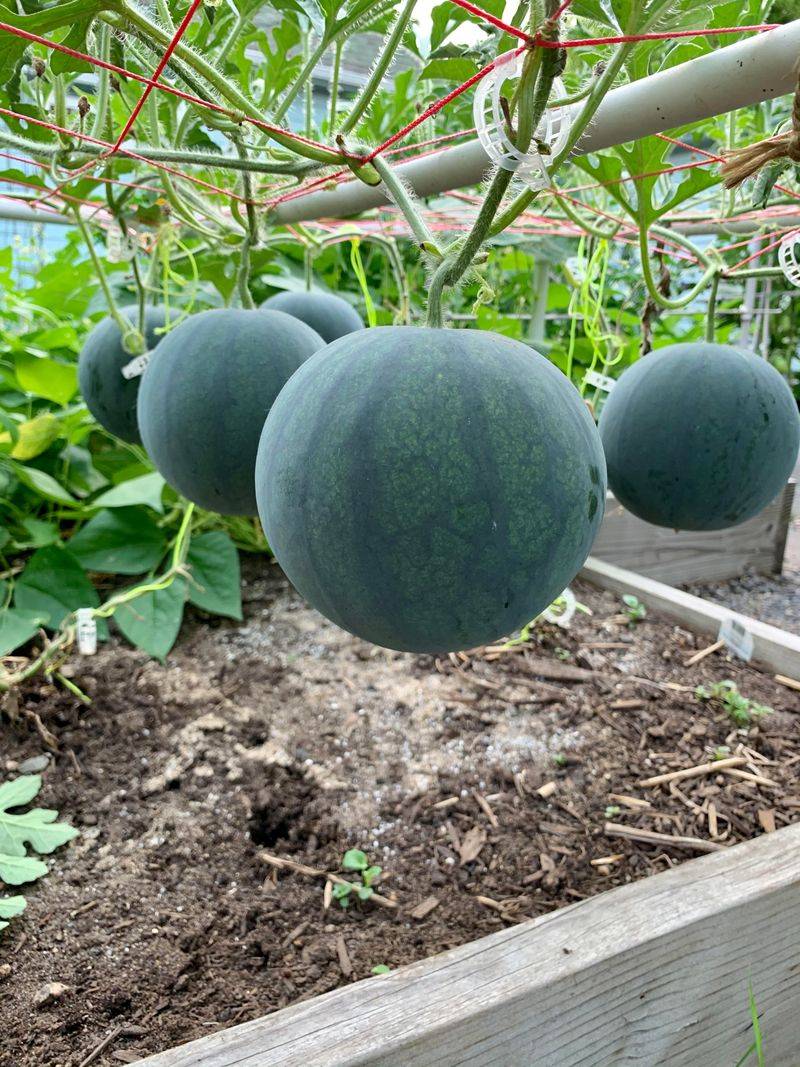
Blacktail Mountain was made for gardeners who do not want watermelon dreams to drag on forever. This variety has roots in a shorter-season growing region, and that background shows. It can mature in about seventy to seventy-five days from transplant under good conditions.
That makes it especially interesting for North Carolina gardeners in cooler areas. The western mountain counties, foothills, and higher-elevation pockets can have shorter melon windows than the Coastal Plain. A faster watermelon can make a real difference there.
The fruits are round, dark green, and usually manageable in size. Many weigh around eight to twelve pounds. That gives you a satisfying watermelon without needing two people to carry it from the garden.
The flesh is deep red, crisp, and sweet when fully ripe. It can develop good flavor even when conditions are a little less consistently hot than watermelons prefer.
Still, warmth matters. Starting with transplants can help give vines a head start. Plant only after the soil has warmed well and chilly nights have passed.
Black plastic mulch can help warm the soil earlier in spring. It can also reduce weed competition and keep fruit from resting directly on damp ground.
Give vines plenty of space. Three to four feet between plants can help reduce crowding, with wider rows if you have room. Airflow is useful in humid weather.
Water deeply and consistently while vines grow and fruit develops. Then ease slightly near harvest if conditions allow, which may help concentrate flavor.
Watch for ripeness signs like a drying tendril near the fruit, a duller rind, and a creamy field spot where the melon rests.
Blacktail Mountain is the watermelon with a trail-ready timeline. It respects a shorter season and still brings the sweet payoff gardeners wait for all summer.