Better Backyard Shade Trees Than Bradford Pear For North Carolina Yards From The Mountains To The Coast
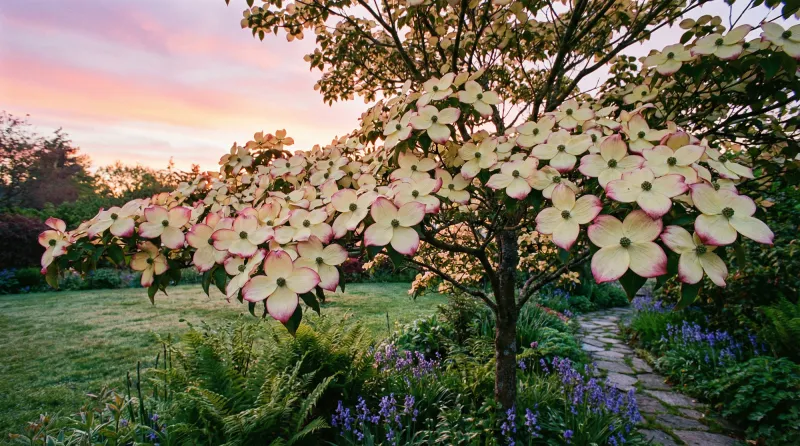
You back your car out on a March morning in North Carolina and catch it, that faint smell of old fish drifting off the white blooms next door. That is the Bradford pear, and behind those pretty flowers hides a tree that splits in summer storms and seeds wild thickets across our roadsides. The good news is you have far better choices, trees that throw real shade over your cookout, feed the birds, and hold up when the wind comes. Here are eight shade trees that fit yards from Asheville to the Outer Banks, matched to our clay, our sand, and our surprise cold snaps.
1. Willow Oak Casts Deep Cookout Shade
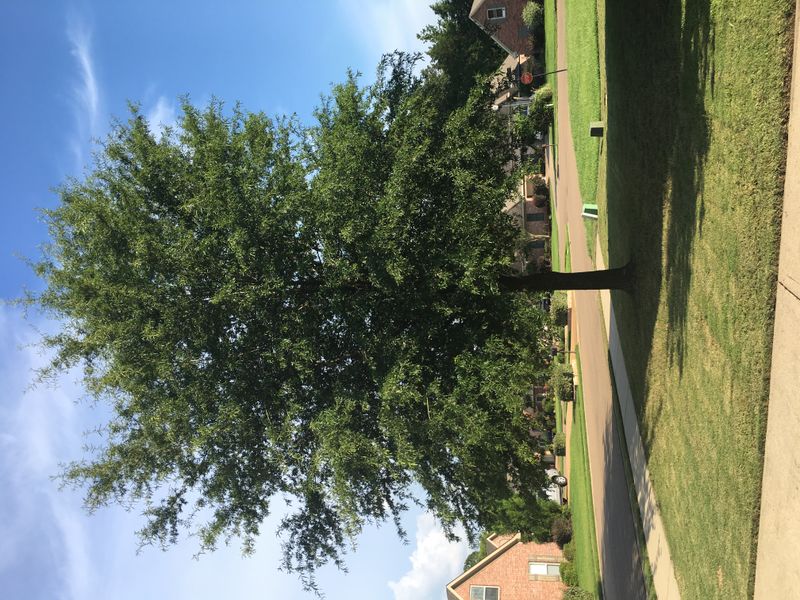
Picture your July cookout at four in the afternoon, the sun still hammering the patio, everyone crowded under one thin patch of shade. A willow oak (Quercus phellos) fixes that with a broad, rounded crown that can spread 40 feet and top out near 60 to 75 feet tall.
Here is the surprise. Its leaves are narrow, almost willow-like, so they slip through your gutters and rake up easy in fall instead of matting into wet sheets. That makes it a favorite street and yard tree across the Piedmont and Coastal Plain.
Willow oak handles our red clay and takes both wet spots and dry stretches once it settles in. Plant it in fall, at least 20 feet from the house so roots and limbs have room, and water deeply once a week the first summer. NC State Extension rates it as one of the toughest large shade trees for our region.
The quiet payoff comes later. Acorns feed squirrels, wood ducks, and blue jays, and the sturdy branches shrug off the storms that snap a Bradford pear in half. In fifteen years you get a canopy your grandkids will lie under.
2. Red Maple Blazes Before Your First Frost
Blunt truth. If you want a fast tree that earns its keep twice a year, the red maple (Acer rubrum) beats almost anything the box stores push on you.
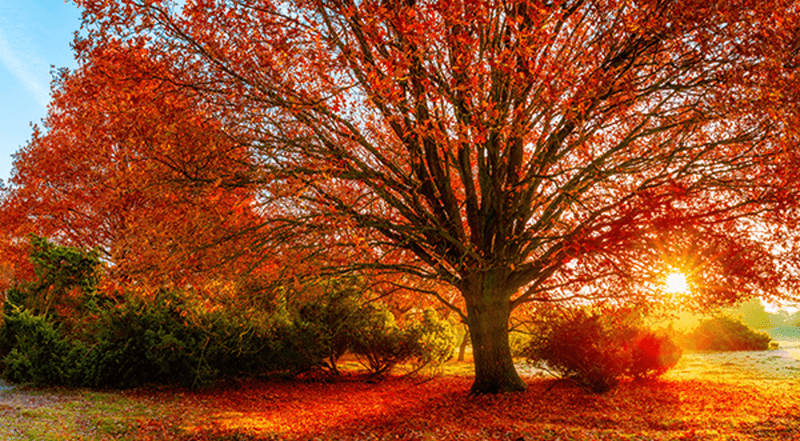
Spring brings tiny red flowers before most trees wake up, and fall sets the whole crown on fire in scarlet and orange, usually right around late October in the mountains and a few weeks later toward the coast. It grows 40 to 60 feet tall and puts on a couple of feet a year when it is happy.
Red maple is a genuine North Carolina native, found wild from the Blue Ridge to the swamps near Wilmington, so it already knows our muggy summers and mild winters with those nasty February cold snaps. It shrugs off wet clay better than most.
Plant one about 25 feet from the house in fall, mulch a wide ring but keep the mulch off the trunk, and give it deep water weekly through the first dry summer. Skip the messy silver maple, which drops limbs and lifts sidewalks.
The reward is a porch evening in November with your whole yard glowing, and you did not have to spray a thing.
Your North Carolina Garden Changes Every Week. Your Plan Should Too.
Gardening in North Carolina changes quickly throughout the season. Every Friday you’ll receive a simple weekly plan showing exactly what to plant, prune, fertilize, harvest, and protect so you never miss the right timing.
3. River Birch Thrives Where Your Yard Stays Wet
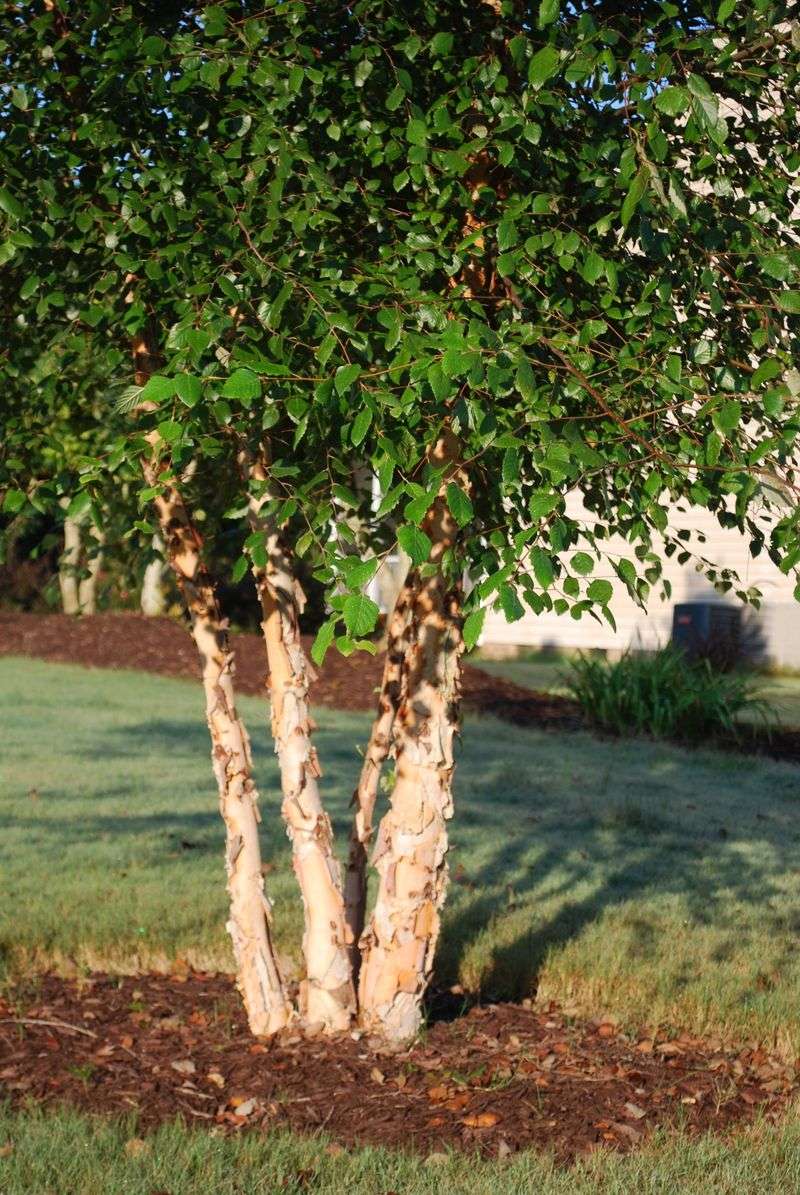
Every yard has that one soggy corner where the water pools after an afternoon storm and nothing wants to grow. River birch (Betula nigra) actually wants that spot.
Most birches melt in our heat, but this one is native to Southern riverbanks and laughs at humid Carolina summers. It grows fast, 40 to 70 feet tall, often as a graceful multi-trunk clump that filters light into soft, dappled shade rather than a solid block.
The showstopper is the bark. It peels back in curling sheets of cinnamon, salmon, and cream, giving you something to look at even in bare January. Kids cannot resist touching it.
Plant river birch 15 to 20 feet from the house in that damp low spot, and it will drink up standing water that would rot other roots. It handles Piedmont clay and Coastal Plain sand alike. NC State Extension recommends the cultivar sold as Heritage for its resistance to leaf spot and its lighter bark.
One honest note. In a bone-dry August it may shed a few yellow leaves early, which is just the tree saving water, not dying. Water it deeply during droughts and it bounces right back.
4. Bald Cypress Stands Tall Through Hurricane Season
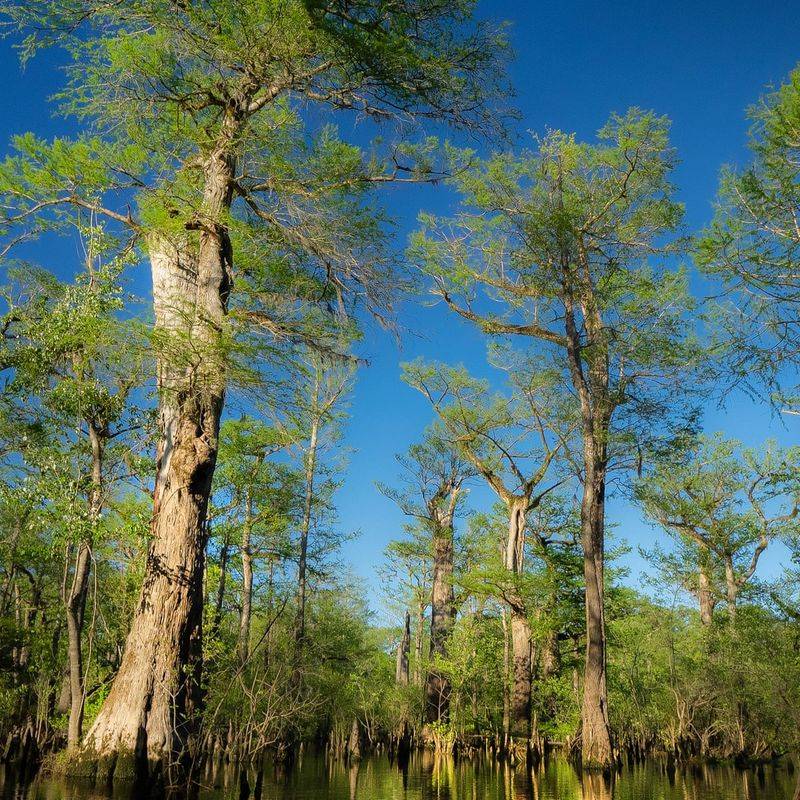
Hurricane season runs June through November down here, and every fall a Bradford pear somewhere ends up flat across a driveway. A bald cypress (Taxodium distichum) is the tree that stays standing.
Deep, anchoring roots and a flexible trunk let it ride out coastal wind that snaps weaker trees. It is the same tree you see thriving in the blackwater swamps around the Coastal Plain, so hurricanes are nothing new to it.
Do not let the word cypress fool you. It is a conifer that drops its needles, so it goes feathery and soft green all summer, turns a warm rusty bronze in fall, then stands bare and sculptural through winter. Expect 50 to 70 feet in time.
Bald cypress grows in wet ground and ordinary yard soil both. Plant it 20 feet out in fall and water weekly the first year. In truly soggy spots it may push up knobby root knees, so keep it out of the middle of your mowing path.
The kicker is peace of mind. When the next storm rolls up the coast, this quiet giant just bends and waits it out.
5. American Hornbeam Fits Under Power Lines
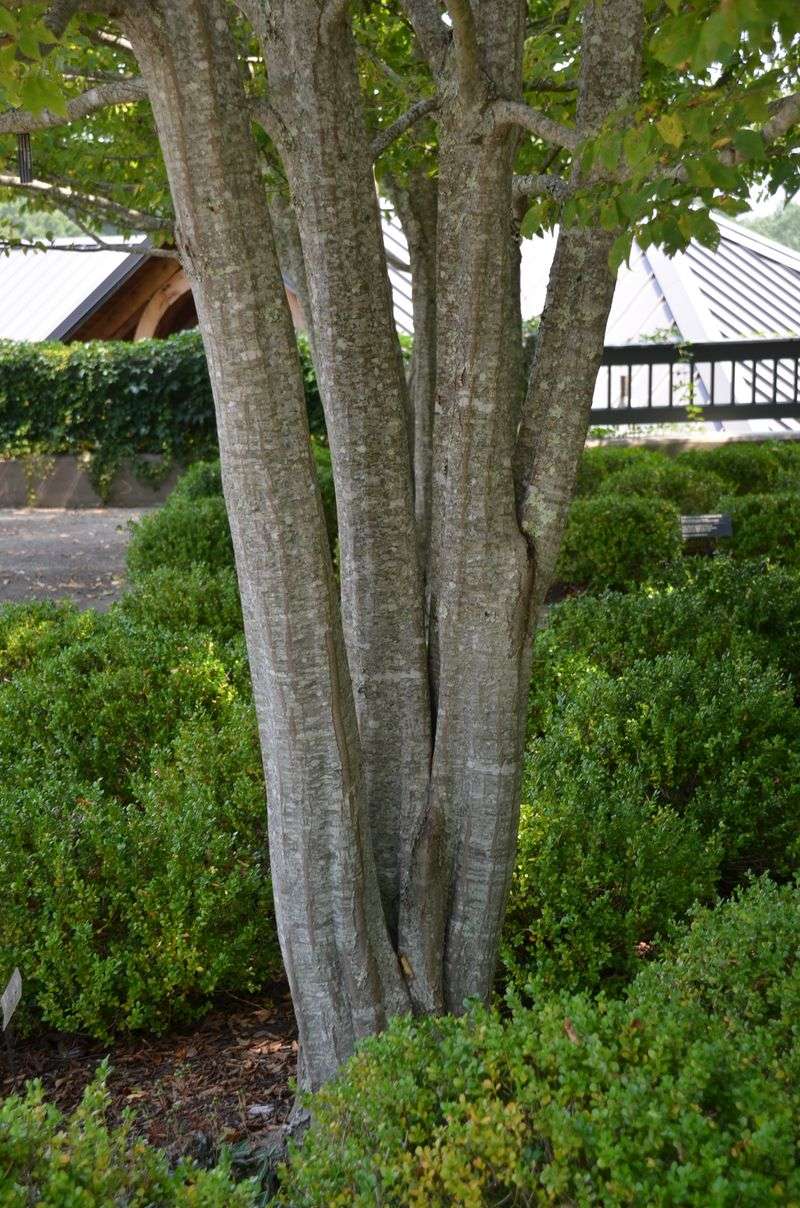
Not every yard has room for a 70-foot giant, and planting one under the power lines just buys you a butchered tree later. American hornbeam (Carpinus caroliniana) is the right-size answer.
Topping out around 20 to 30 feet, it slides neatly beside a patio or into a smaller Piedmont lot without threatening your roof or the utility crews. The canopy still spreads wide enough to cool a bench or a corner of the deck.
Gardeners call it musclewood, and one look at the trunk tells you why. The smooth gray bark ripples like a flexed arm, which makes it a genuine winter conversation piece.
Native across North Carolina from the mountains to the Sandhills, this quiet understory tree grew up in the shade of bigger oaks, so it takes part shade many trees refuse. Plant it 12 to 15 feet from the house in fall, and it asks for very little once rooted.
Small warblers pick at its seeds, and the fall color runs soft yellow to orange. For a courtyard or a townhouse yard, it delivers shade at a scale that actually fits.
6. Southern Sugar Maple Handles Our Heat And Clay
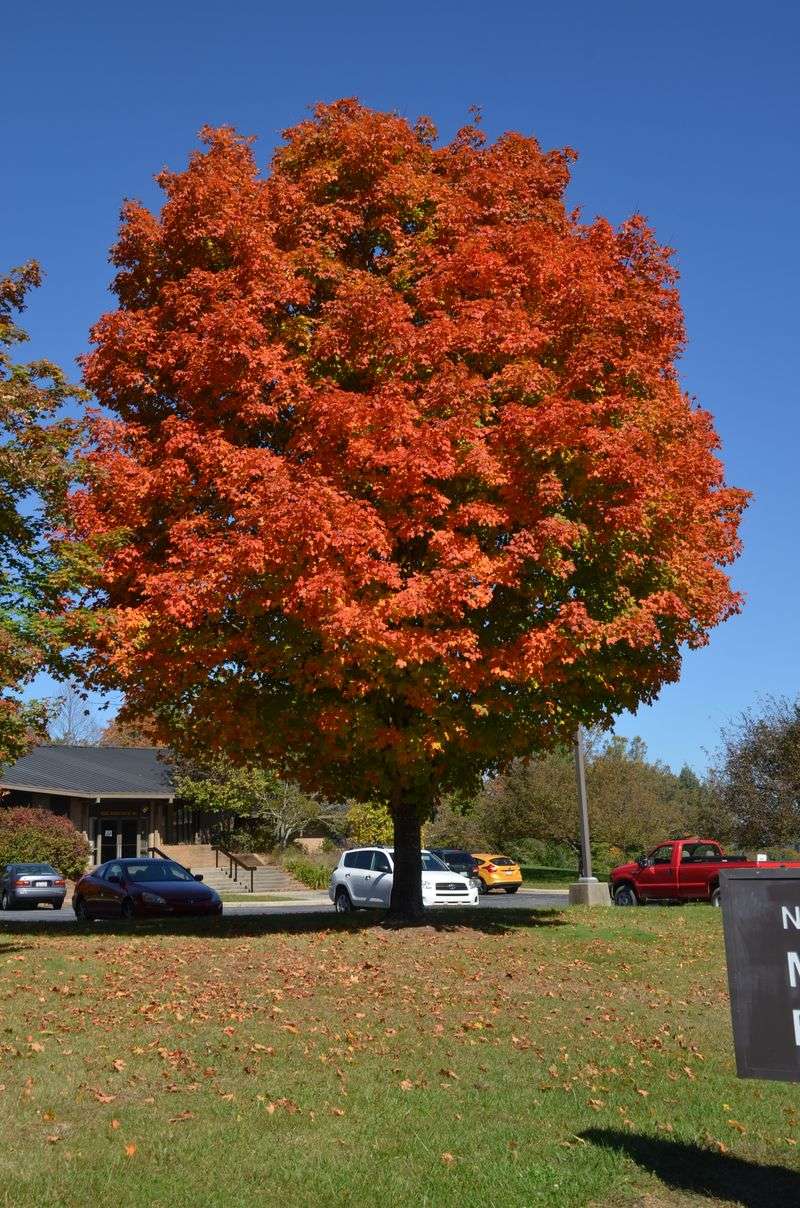
You love the idea of a sugar maple, that New England postcard tree, but the classic northern one sulks and scorches in our summers. The southern sugar maple (Acer floridanum, sometimes sold as Acer barbatum) is the version built for us.
Adapted to hot, dry Southern conditions, it shrugs off Piedmont heat and packed red clay far better than its cold-climate cousin. It grows a touch smaller too, usually 25 to 50 feet, which suits an average backyard.
Come fall it turns glowing gold and burnt orange, holding color into November across much of the state. The dense crown throws cool, solid shade all summer long, the kind you feel the second you step under it.
Give it well-drained ground and plant it 20 feet from the house in autumn. Water deeply through the first two summers while the roots dig in, then it becomes low fuss.
Here is the real win. You get that dreamy maple look without babying a tree that hates our weather. It quietly belongs here.
7. Serviceberry Feeds Birds And Blooms Like The Pear
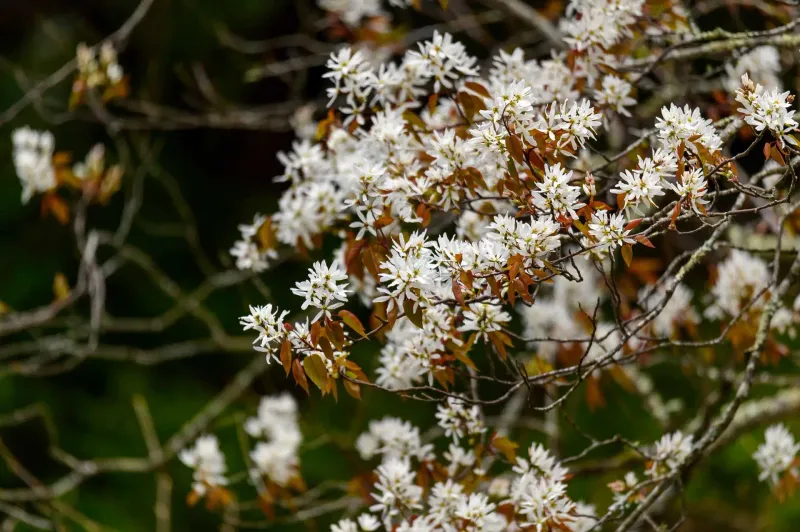
If it was the cloud of white spring flowers that sold you on the Bradford pear, the serviceberry (Amelanchier arborea) gives you that same show with none of the regret.
Early spring brings a haze of soft white blooms, often the first tree flowering in the mountains and upper Piedmont. But this native does not smell like old fish, and it will not seed invasive thickets down the greenway.
Then comes the part birds circle on the calendar. Small reddish-purple berries ripen in June, sweet enough for pies if the robins and cedar waxwings leave you any. Folks in the mountains have called them Juneberries and sarvis for generations.
Staying a modest 15 to 25 feet, serviceberry works as a small shade tree or a natural understory piece near taller oaks. Plant it in fall, 12 feet from the house, in sun to part shade with decent drainage.
Fall turns it warm orange and red, so it earns its spot in three seasons. You get the pear’s beauty, plus a front-row seat to the birds it feeds.
8. White Oak Anchors Your Yard For Generations
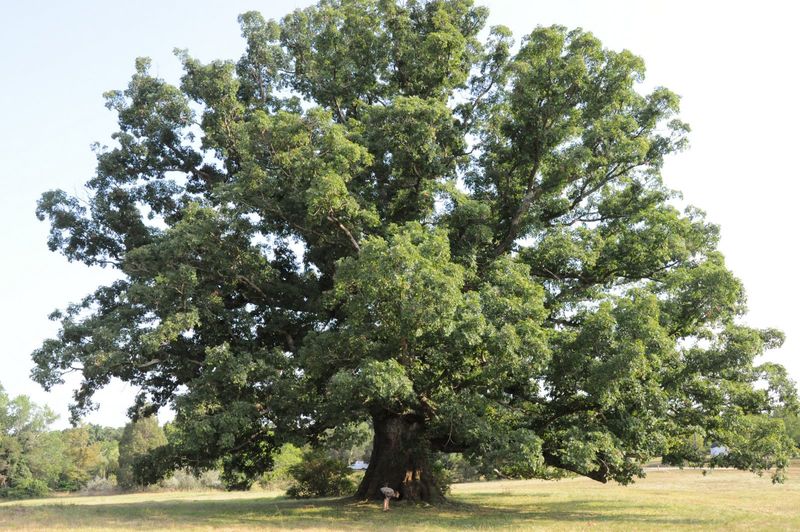
Plant this one and you are planting for your grandchildren, and that is exactly the point. The white oak (Quercus alba) is the long-game hero, the tree a Bradford pear could never dream of becoming.
A Bradford is often falling apart by year 20. A white oak is just getting started, easily living past 200 years and spreading a magnificent 50 to 80 feet wide when given room.
Wildlife biologists call it a keystone tree for good reason. Its acorns feed deer, turkey, and wood ducks, and its leaves host hundreds of caterpillar species that in turn feed nesting songbirds, the kind of quiet food web that keeps a North Carolina yard alive.
Give it space. Plant a young one at least 30 feet from the house and any pavement in fall, since oaks resent being moved once large. Water weekly the first two summers, then step back and let it work.
Growth is slow, maybe a foot a year, so this is the layer of the yard you build patience into. But stand under a mature white oak on a hot August afternoon and you will understand why it was worth the wait.